Inspiration:
The FantomGPT project is inspired by the need for an alternative to the current centralized GPT services that lack privacy and diversity due to the dominance of centralized servers. It aims to provide a decentralized solution using the Fantom network, ensuring user privacy while enabling the advancement of personal intelligence.
What it does:
FantomGPT is a decentralized GPT service that runs independently on individual PCs. It offers benefits such as fast response, scalability, and privacy to users. It is provided as a subscription service, with payments processed through Fantom when users subscribe on the web. As a unique feature, when a subscription payment is made, an NFT is minted, representing the subscription ownership. This NFT can be used within the DApp service to access and unlock additional features or content based on the subscription period.
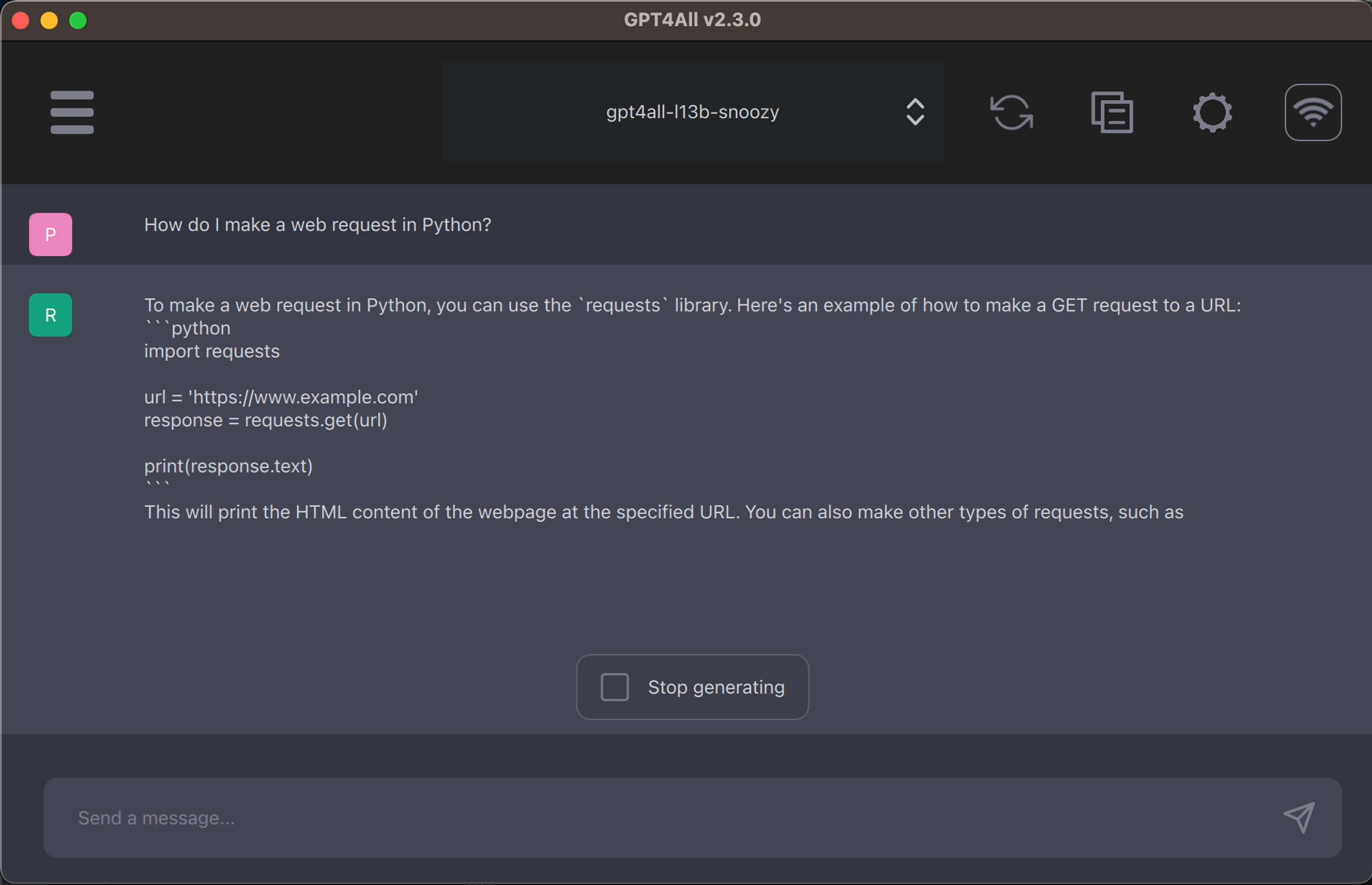
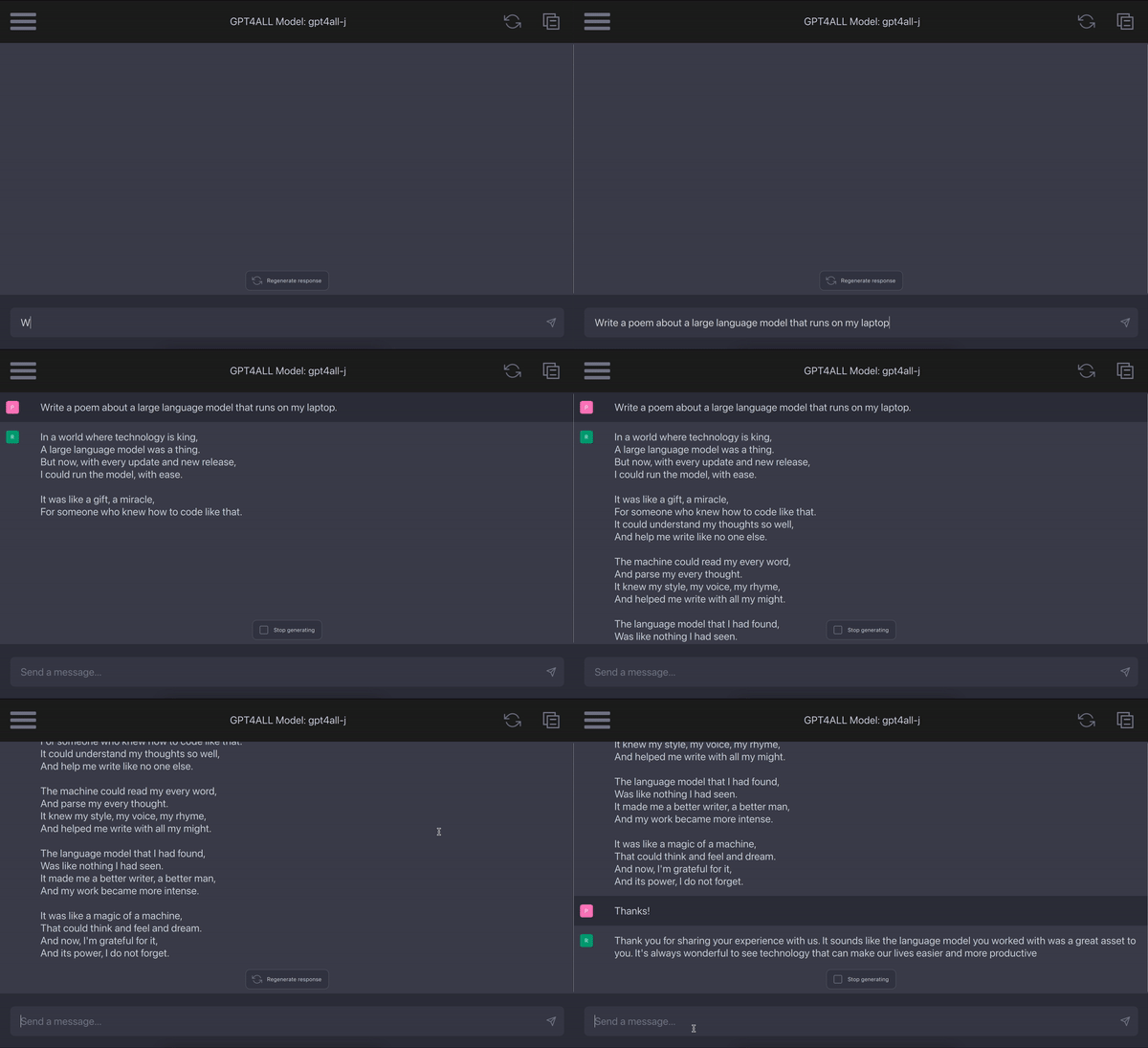
By utilizing the user's address (or email in the future), marketing elements like airdrops can be introduced to enhance user engagement. Additionally, a free client can be downloaded and installed on a PC to provide similar functionality to the existing web-based GPT services. The client is developed using C++ with a Qt UI, ensuring high-speed performance.
How we built it:
FantomGPT is built using web3 and the Metamask API for the subscription service. Users subscribe on the web, and payments are processed through the Fantom network. Upon successful subscription, an NFT representing the ownership is minted and associated with the user's address. The NFT metadata includes information about the subscription period and other relevant details.
The client runs on a separate PC and allows users to download the GPT open model for free usage. We carefully selected the optimal model and performed optimization to ensure smooth operation even on older PCs, achieving approximately 90% of the performance of the original GPT model.
Challenges we ran into:
One of the main challenges was selecting the optimal model and applying it to the client while considering the large size and computational requirements of GPT models. Ensuring efficient memory utilization, especially on older PCs, posed a significant challenge. Additionally, integrating NFT minting and management within the DApp service required careful design and implementation.
Accomplishments that we're proud of:
We are proud to have successfully selected the optimal model, optimized it to work well on older PCs, and integrated NFT minting within the subscription service. This achievement allows us to achieve around 90% of the performance of the original GPT model and provide uninterrupted real-time usage for free. The minted NFTs serve as proof of ownership and enable access to additional features or content within the DApp service.
What we learned:
We faced difficulties in implementing web3 and integrating NFT minting within the DApp service. As web3 development is still evolving and not widely adopted, more development is required to deliver the service as a fully functional DApp on the Fantom network. However, the alignment between privacy protection, decentralization, and NFT usage provides an innovative approach with potential future value.
What's next for FantomGPT:
The next step for FantomGPT is to further enhance the utilization of NFTs within the DApp service. By leveraging the minted NFTs, users can unlock exclusive content, access premium features, or participate in special events. Additionally, exploring additional use cases for NFTs, such as community governance or trading, can further enhance the engagement and value of the FantomGPT ecosystem.
Built With
- c++
- gpt4all
- html5
- javascript
- llm
- qt
- transformer

Log in or sign up for Devpost to join the conversation.