-
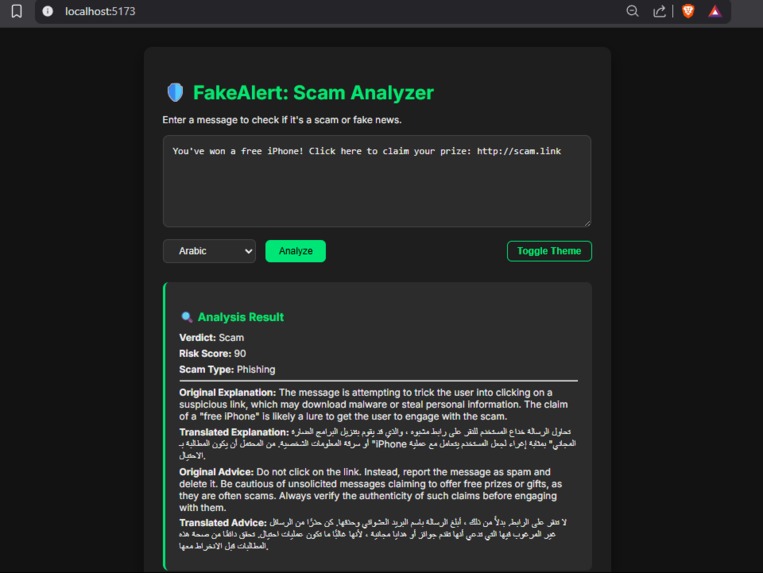
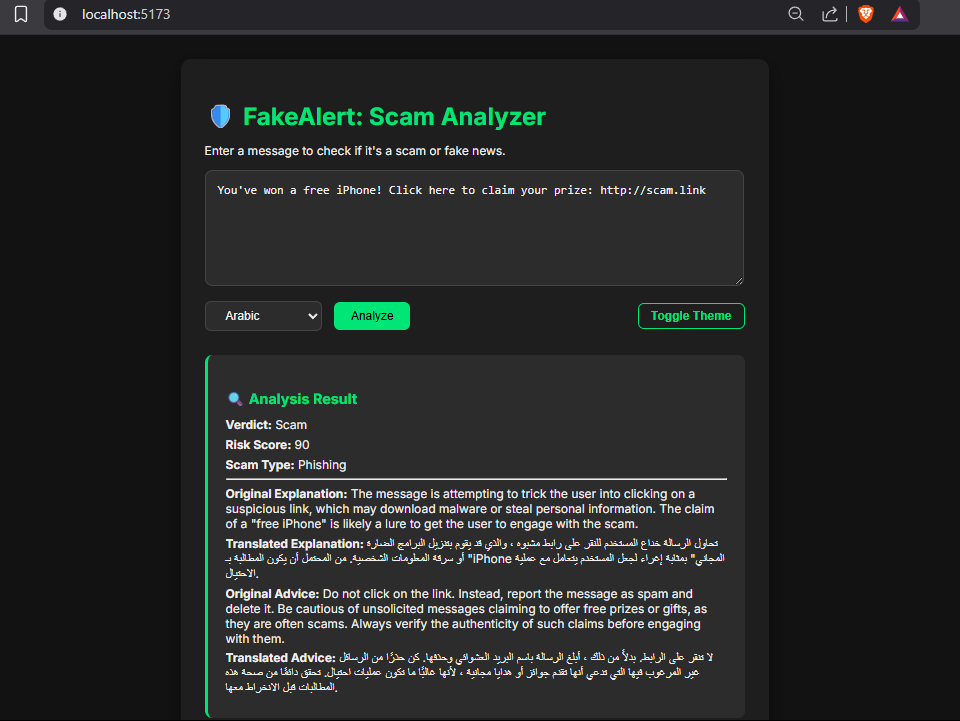
Dark themed, Scam Analyzer
-
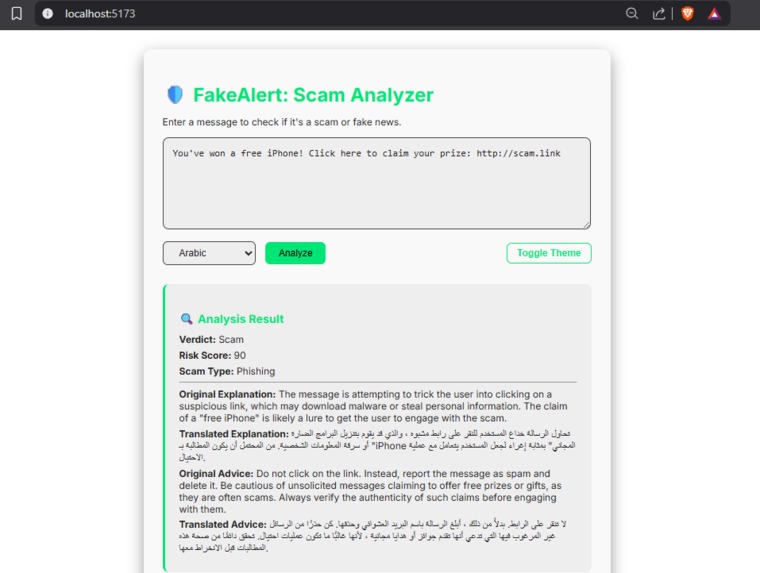
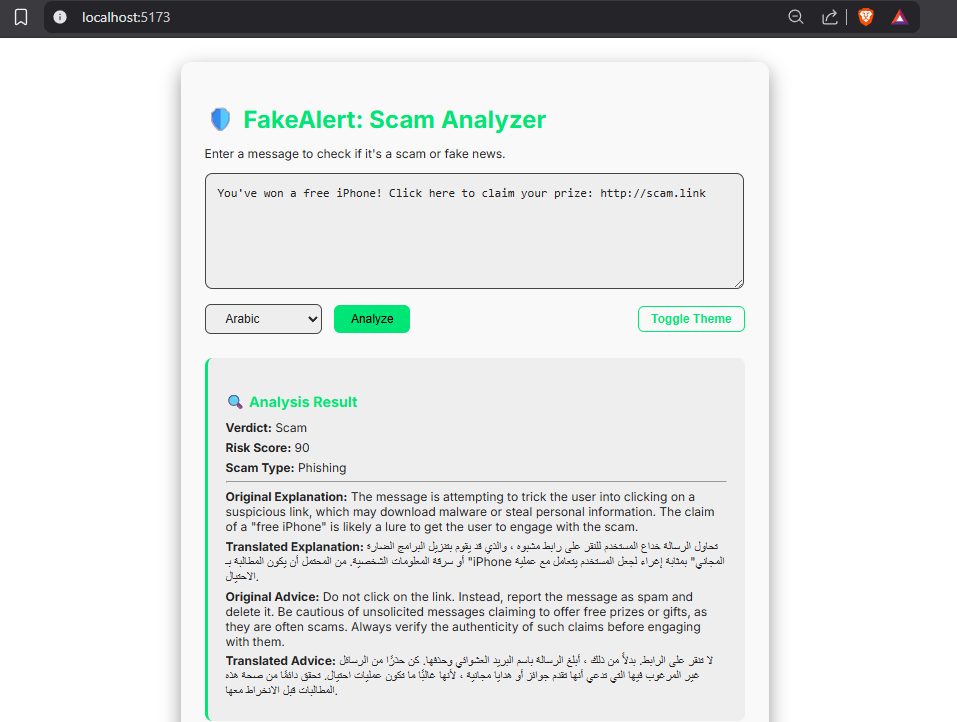
Light themed Scam Analyzer
-
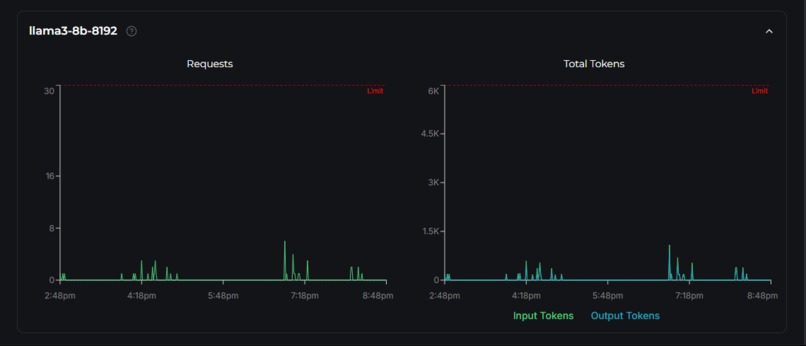
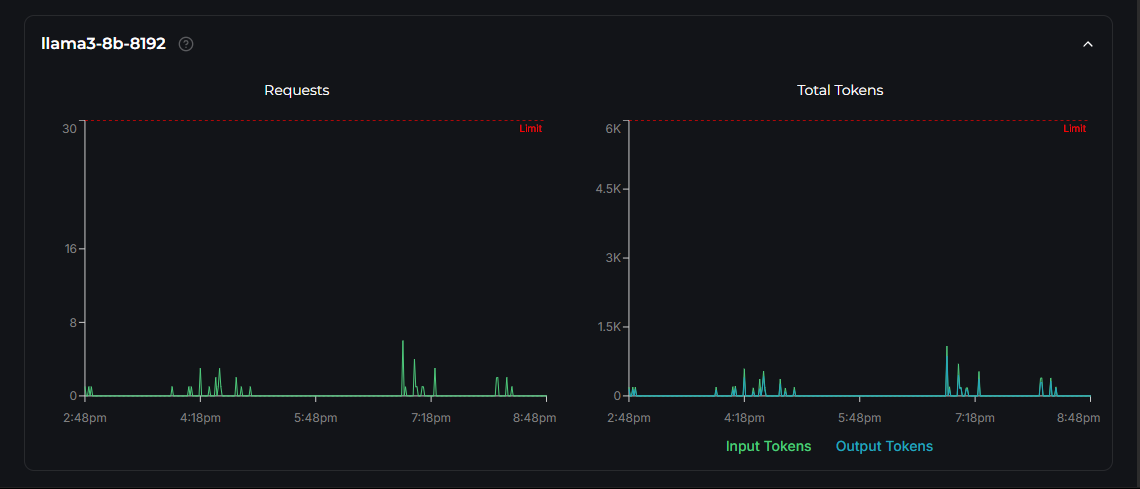
Limit range for free API
-
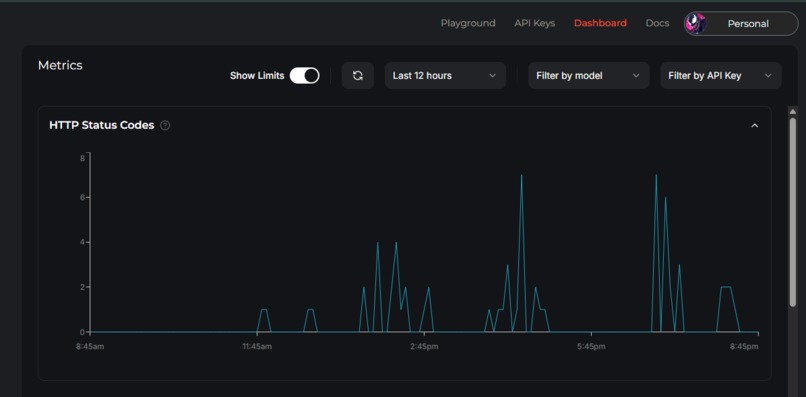
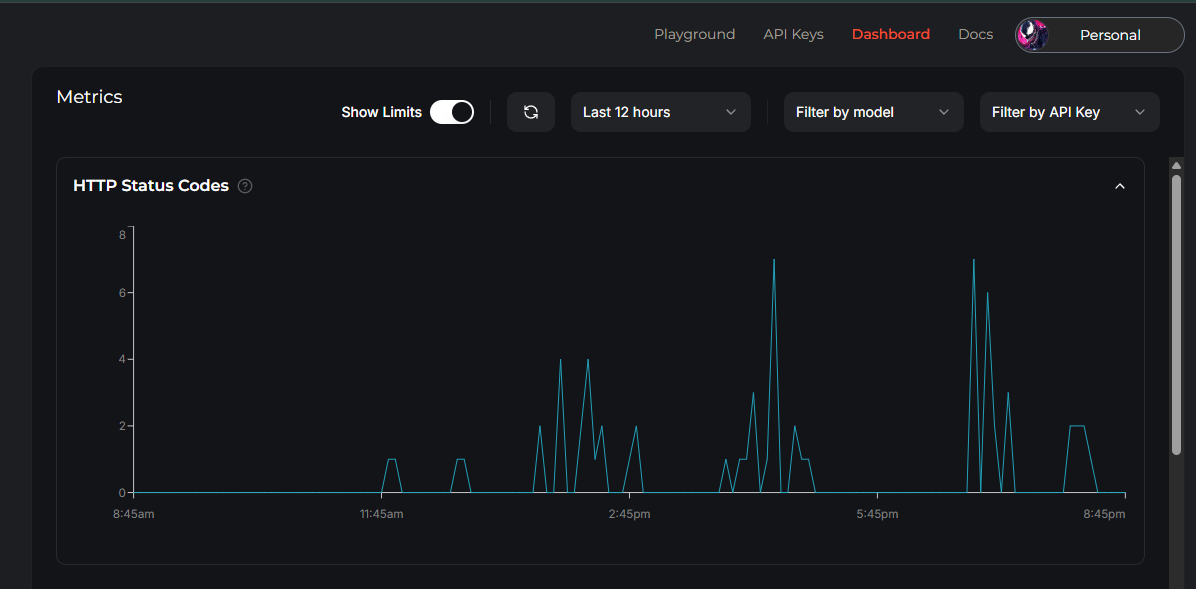
Screenshot of my Testing the Groq API
Inspiration
In recent years, Tunisia has witnessed a significant increase in online scams, phishing messages, and the spread of misinformation through social platforms and messaging apps. Many users, especially those less tech-savvy, fall victim to fraudulent schemes due to a lack of accessible and reliable tools that can verify the authenticity of a message.
I am motivated to build FakeAlert as a quick, AI-powered solution that anyone can use to analyze and understand whether a message might be deceptive. My goal was to build not just a tool, but a digital companion that empowers people to stay safe online with confidence.
The peoples in Africa are really hard working humans, while they earn less money for the hard work. So I wish they should get scammed by the internet anymore, their hard work shouldn't get wasted because of the Technology.
So I made a app which helps the people to get aware of the scams and it lets you to prevent from get ting scammed again. Just provide the scam message. My app is there to help you before you lose your money.
What it does
FakeAlert is a web application that allows users to detect scams and fake news instantly. Users can input suspicious text, and the app will analyze the content for potential threats. It returns a clear verdict, risk score, type of scam, and easy-to-understand explanations and advice in both the original and translated languages whichever you provide.
The app supports multiple languages through a dropdown, adapts to dark or light themes, and includes animated transitions to enhance user experience. I kept a sample Feedback system where users can provide feedback on the results to help improve future accuracy.
How we built it
I used React (Vite) for building the frontend and FastAPI for developing the backend.
On the frontend, we implemented responsive design, dark/light theme toggling, language selection, and subtle animations for a smooth and engaging UI. We used hooks to manage real-time state updates and provide an intuitive user flow.
The backend handles text analysis through NLP models and returns structured scam detection data. It also manages translation of both explanations and advice using fast and lightweight APIs or model-based logic.
Data flow between frontend and backend is secured using JSON-based communication, and we used local storage to persist recent scans.
Challenges we ran into
One of the key challenges was ensuring accurate and meaningful detection across different languages. Balancing performance and response time while maintaining translation quality required experimentation and tuning.
I also ran into technical hurdles while trying to implement voice input and image-based scam detection, particularly due to compatibility issues with tools like Whisper and FFMPEG during setup. Deployment was another challenge—I had to identify simple, hackathon-friendly platforms to deploy both frontend and backend quickly without complex DevOps setups.
Accomplishments that we're proud of
I successfully built and deployed a full-stack multilingual AI app. The user interface is both functional and aesthetically pleasing, with real-time analysis, seamless language switching, and a professional design.
We're proud that FakeAlert can make a real difference for people—especially in Tunisia—who need fast, trustworthy answers when facing suspicious messages. The features like feedback buttons, animation effects, and recent scan history also reflect the attention we paid to both user utility and experience.
What we learned
I deepened our knowledge of full-stack web development, natural language processing, and how to architect a user-centric AI product under time pressure. We learned how to handle real-time interactions, dynamic translations, and clean UI/UX design using React.
On the backend, Icgained experience working with asynchronous APIs, error handling, and integrating external services in FastAPI. Solving errors a some sort of challenging phase. Most importantly, we learned how to scope and prioritize features that make a meaningful impact.
What's next for FakeAlert – Scam & Fake News Detector
In future iterations, we plan to add advanced input formats like voice and image-to-text for scam detection, making the app even more accessible and flexible. We aim to train and fine-tune models that can understand Tunisian dialects, colloquial phrases, and cultural context to improve accuracy. Other planned features include user accounts, scan history tracking, real-time reporting of new scam types, and AI improvement via community feedback. Ultimately, our vision is to make FakeAlert a trusted companion for anyone who wants to stay protected from digital threats in Tunisia and beyond.
Built With
- css3
- deep-translator
- fastapi
- google-translate
- groq
- html5
- llama-3
- local-api
- natural-language-processing
- python
- react(vite.js)
- uvicorn


Log in or sign up for Devpost to join the conversation.