Inspiration
The inspiration behind building this ML model to classify news articles as fake, not fake, or propaganda lies in the increasing need for reliable and trustworthy information in today's society. With the rise of social media and the ease of sharing information online, it has become easier for false information to spread quickly, causing harm to individuals and society as a whole. By developing this model, Im inspired to provide a tool that can assist in identifying and combatting the spread of misinformation and propaganda. This can lead to a more informed society, better decision-making, and ultimately a more stable and just world.
What it does
The ML model I have developed can accurately classify news articles as fake, not fake, or propaganda. By analyzing various features of the text, such as word choice, sentence structure, and context, the model can determine whether the article is attempting to manipulate or misinform the reader.
How I built it
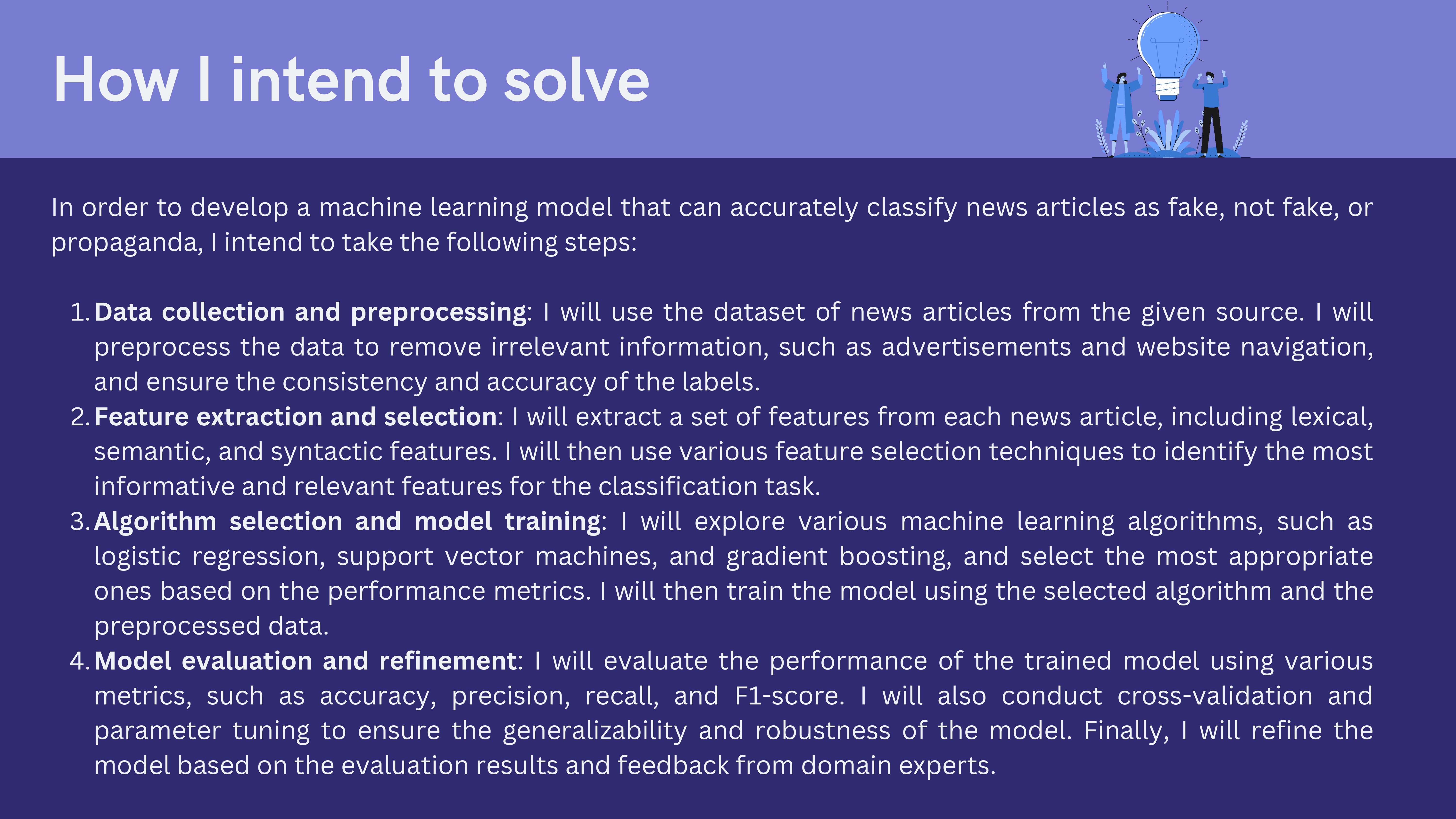
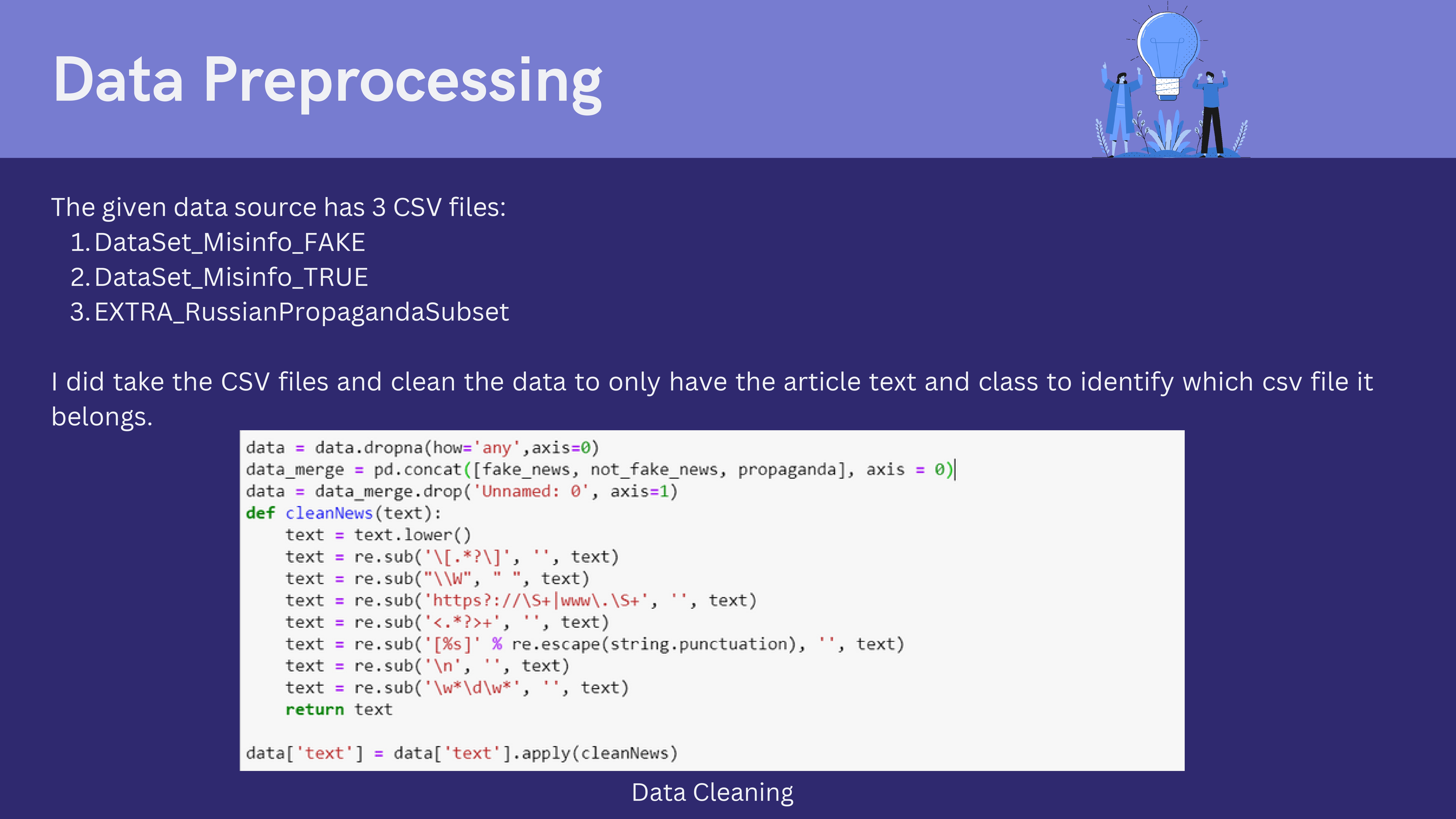
1. Data collection and preprocessing: I will use the dataset of news articles from the given source. I will preprocess the data to remove irrelevant information, such as advertisements and website navigation, and ensure the consistency and accuracy of the labels.
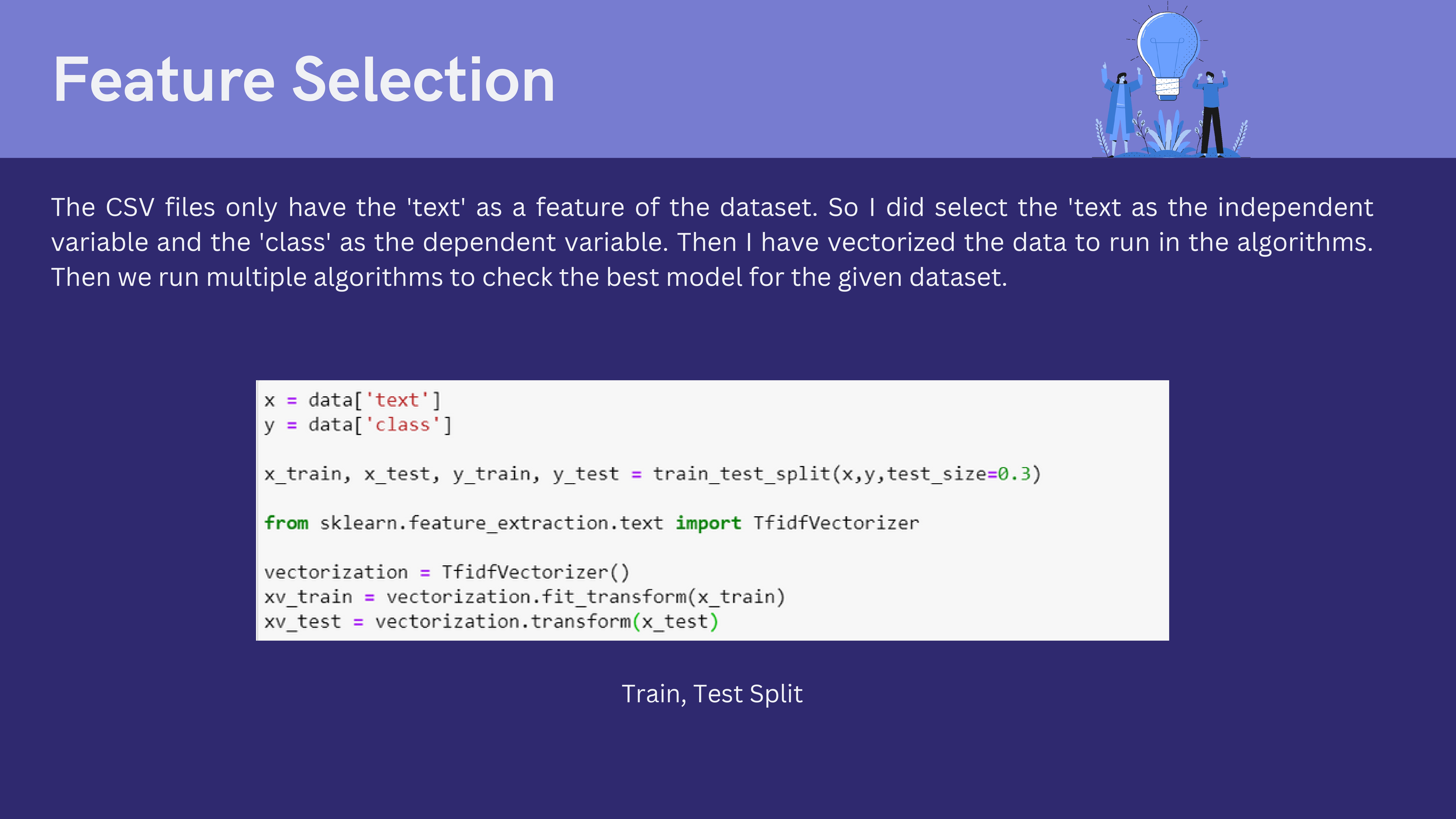
2. Feature extraction and selection: I will extract a set of features from each news article, including lexical, semantic, and syntactic features. I will then use various feature selection techniques to identify the most informative and relevant features for the classification task.
3. Algorithm selection and model training: I will explore various machine learning algorithms, such as logistic regression, support vector machines, and gradient boosting, and select the most appropriate ones based on the performance metrics. I will then train the model using the selected algorithm and the preprocessed data.
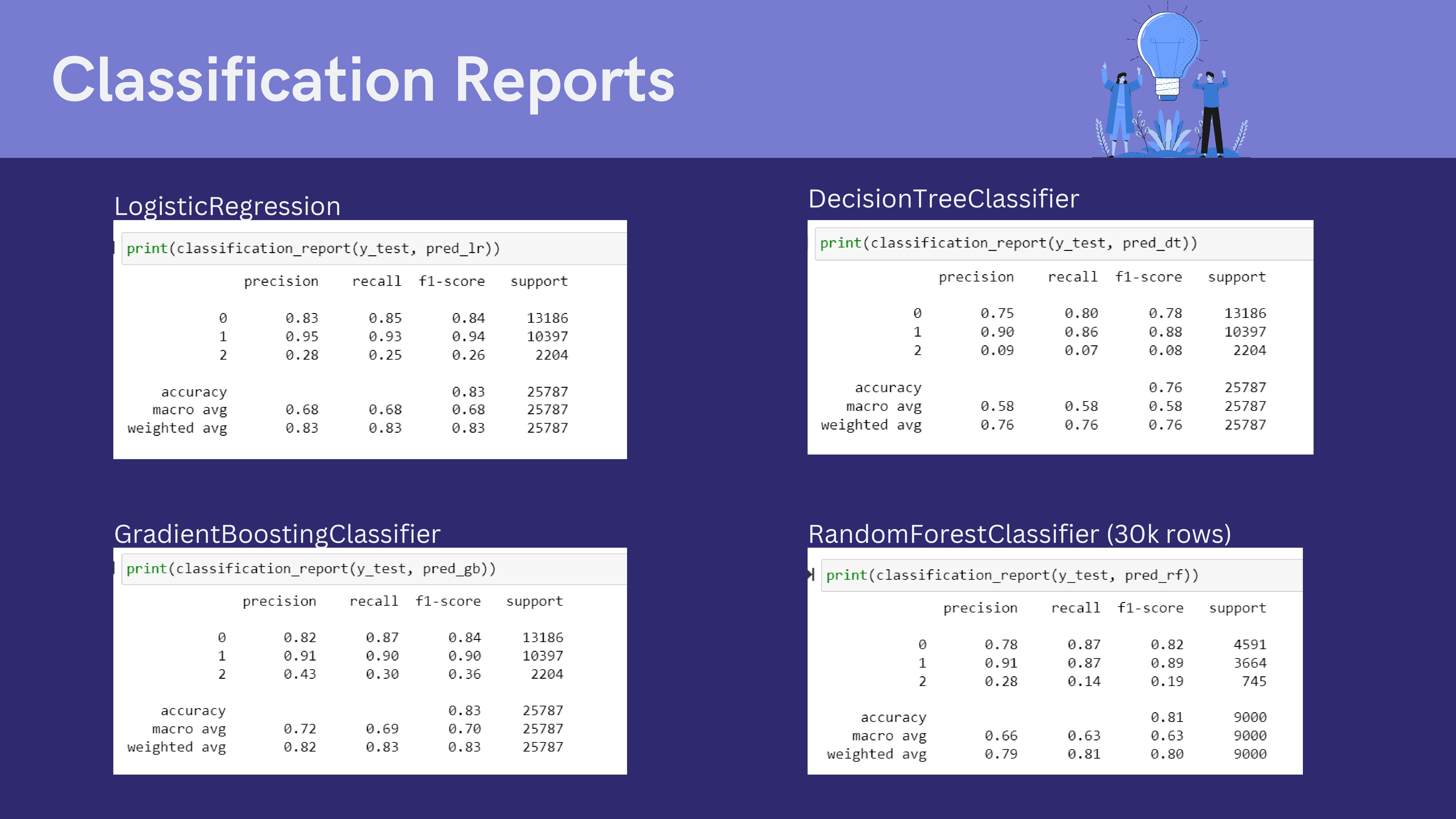
4. Model evaluation and refinement: I will evaluate the performance of the trained model using various metrics, such as accuracy, precision, recall, and F1-score. I will also conduct cross-validation and parameter tuning to ensure the generalizability and robustness of the model. Finally, I will refine the model based on the evaluation results and feedback from domain experts.
Challenges I ran into
The dataset is huge. So training the model was a very tough and time-consuming process.
Accomplishments that I'm proud of
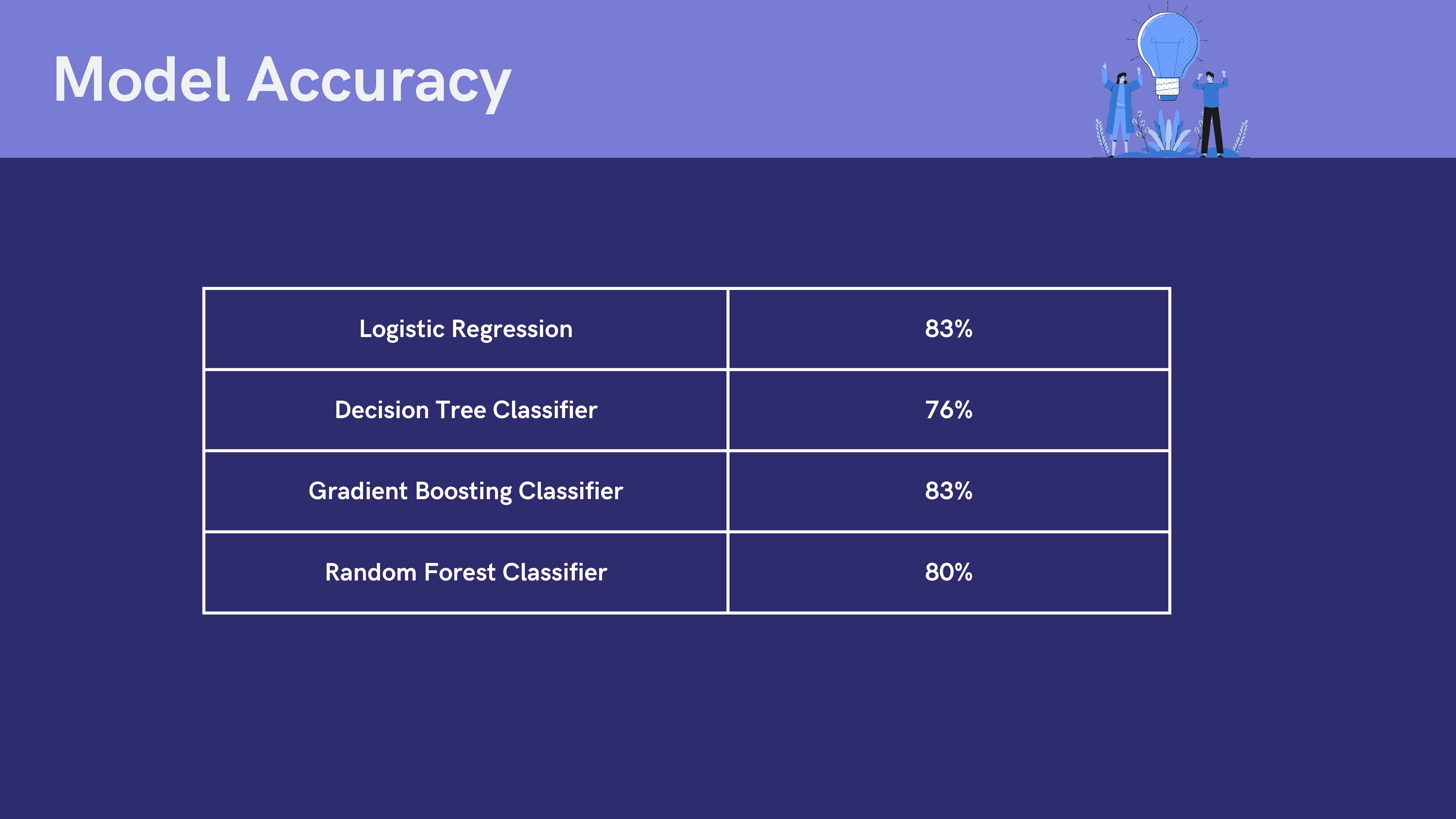
News Classification using different ML algorithms and their accuracy is found. This data can be used in the future in other models too.
What's next for News Validator
The model can be adapted to different languages and domains, allowing it to be used in various contexts and regions. We can modify the feature extraction and selection process to accommodate the specific linguistic and cultural characteristics of the target language and domain.


Log in or sign up for Devpost to join the conversation.