-
-

Logo, Slogan und URL
-
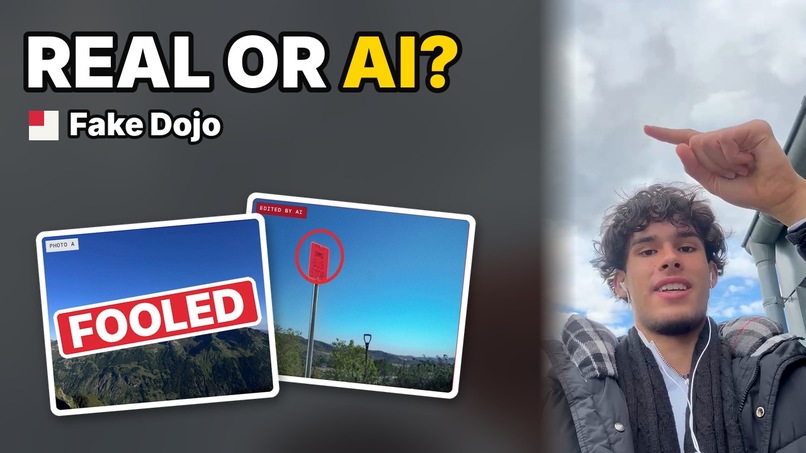
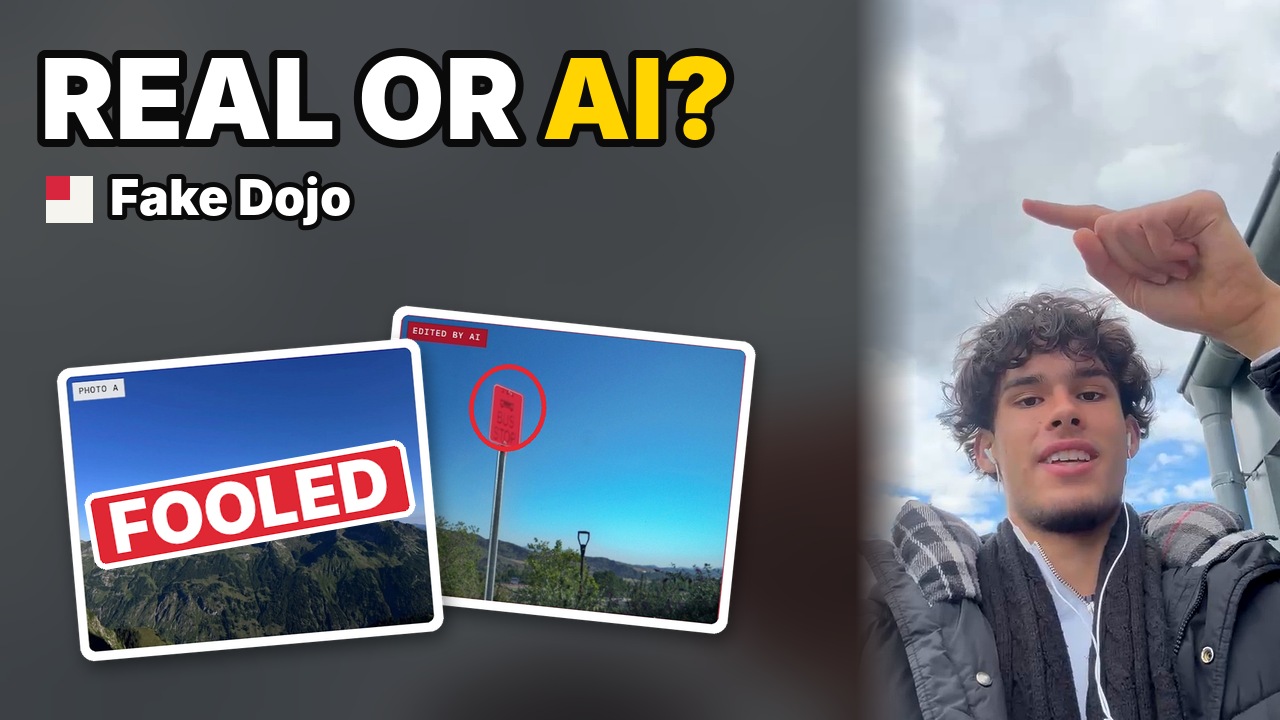
Real or AI?
-
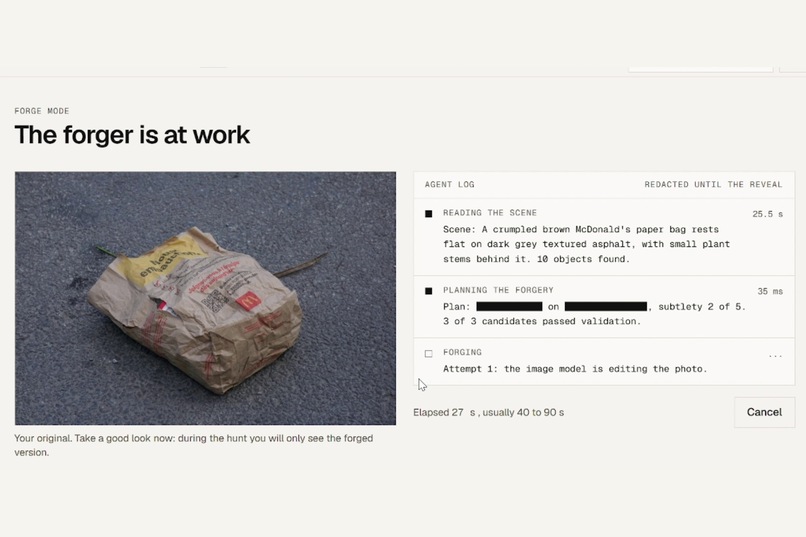
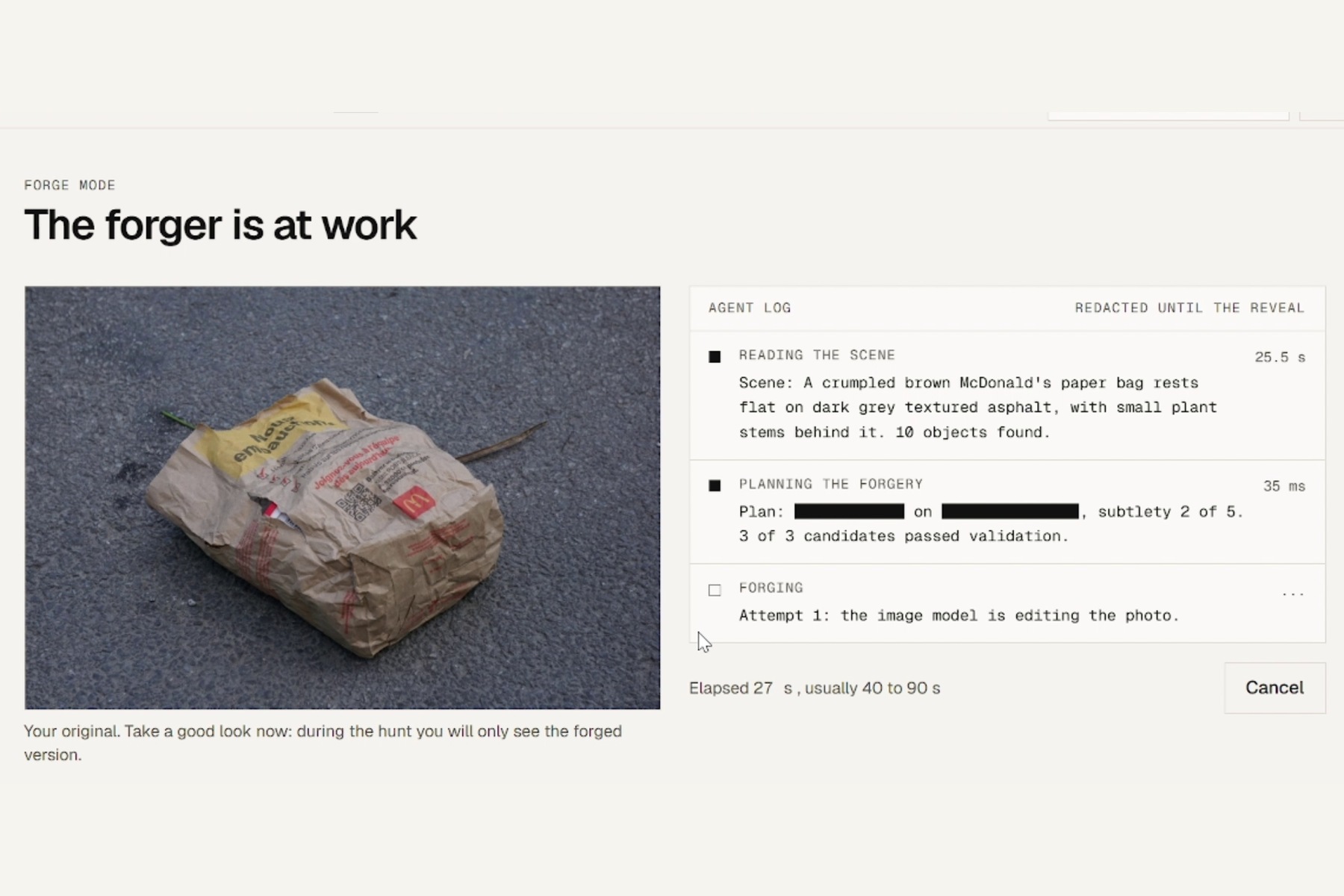
The forger is at work
-
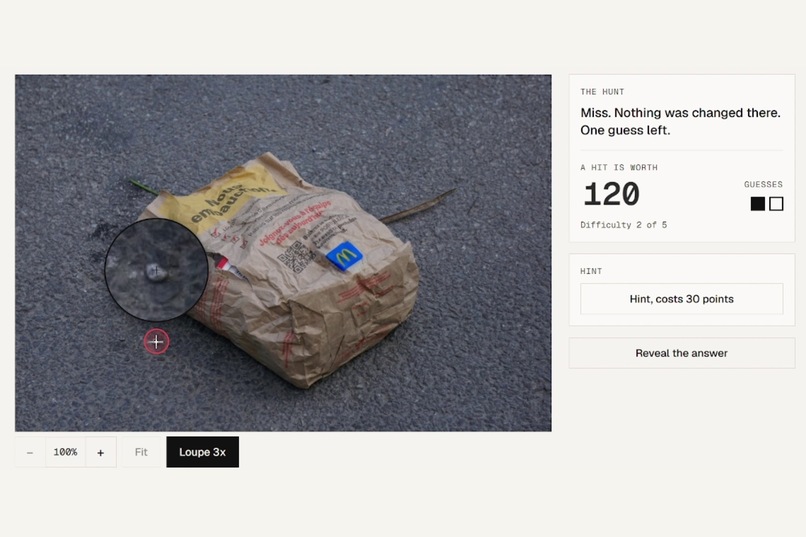
Miss
-
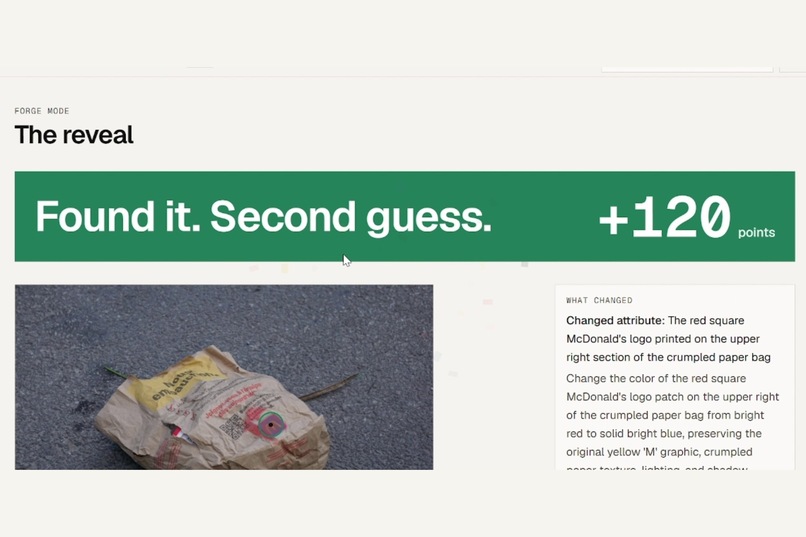
Found it. Second guess. +120
-
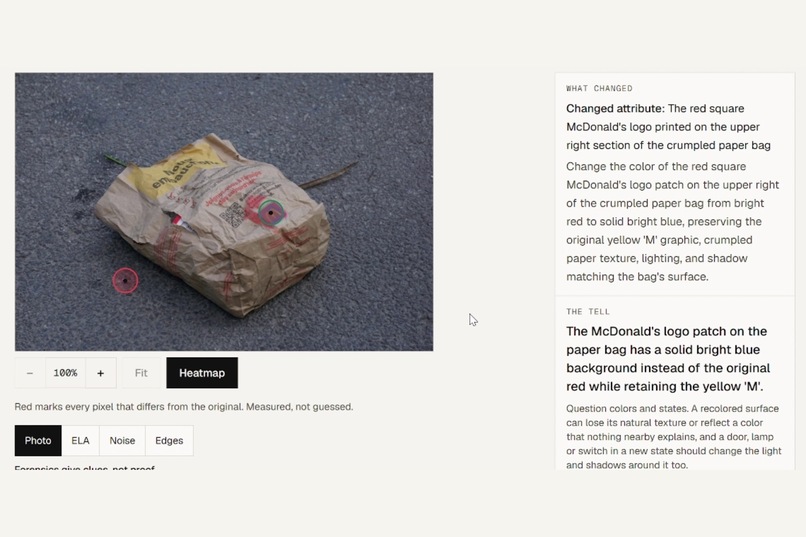
The tell
-
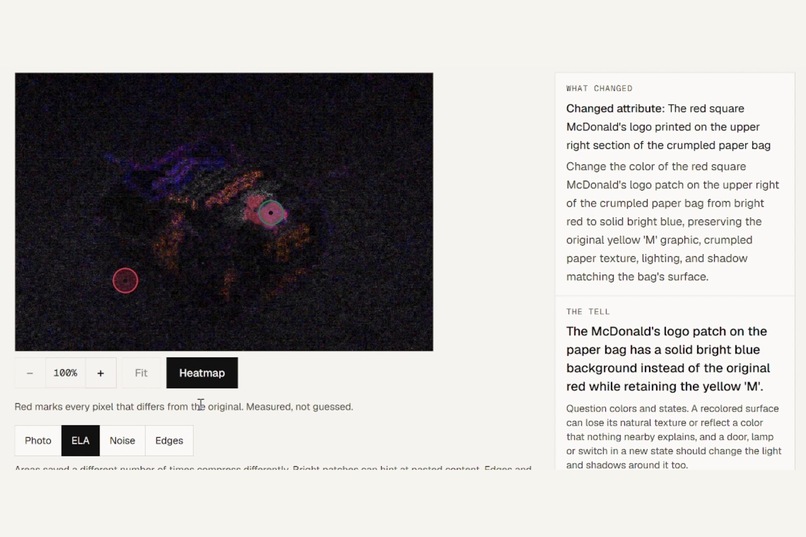
The ELA lense
-
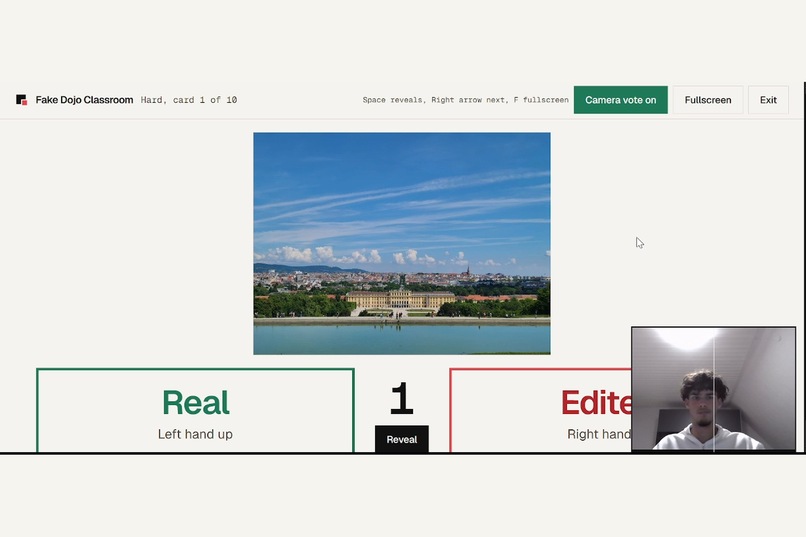
Classroom
-
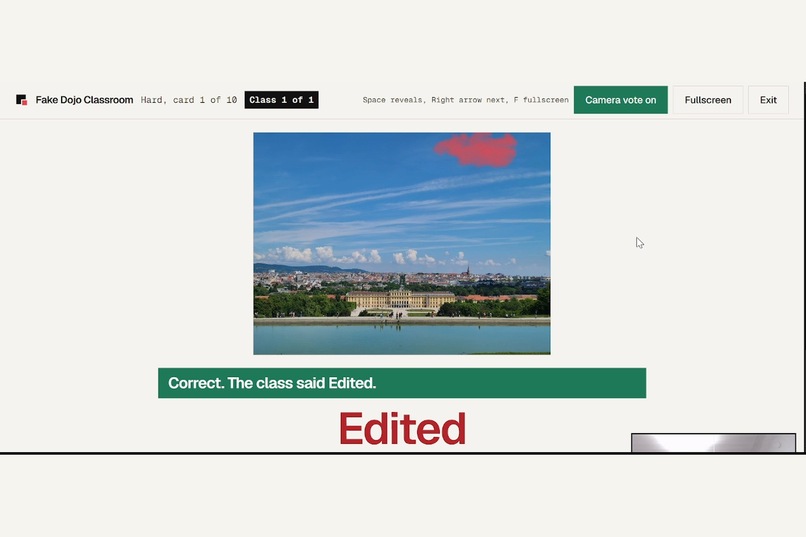
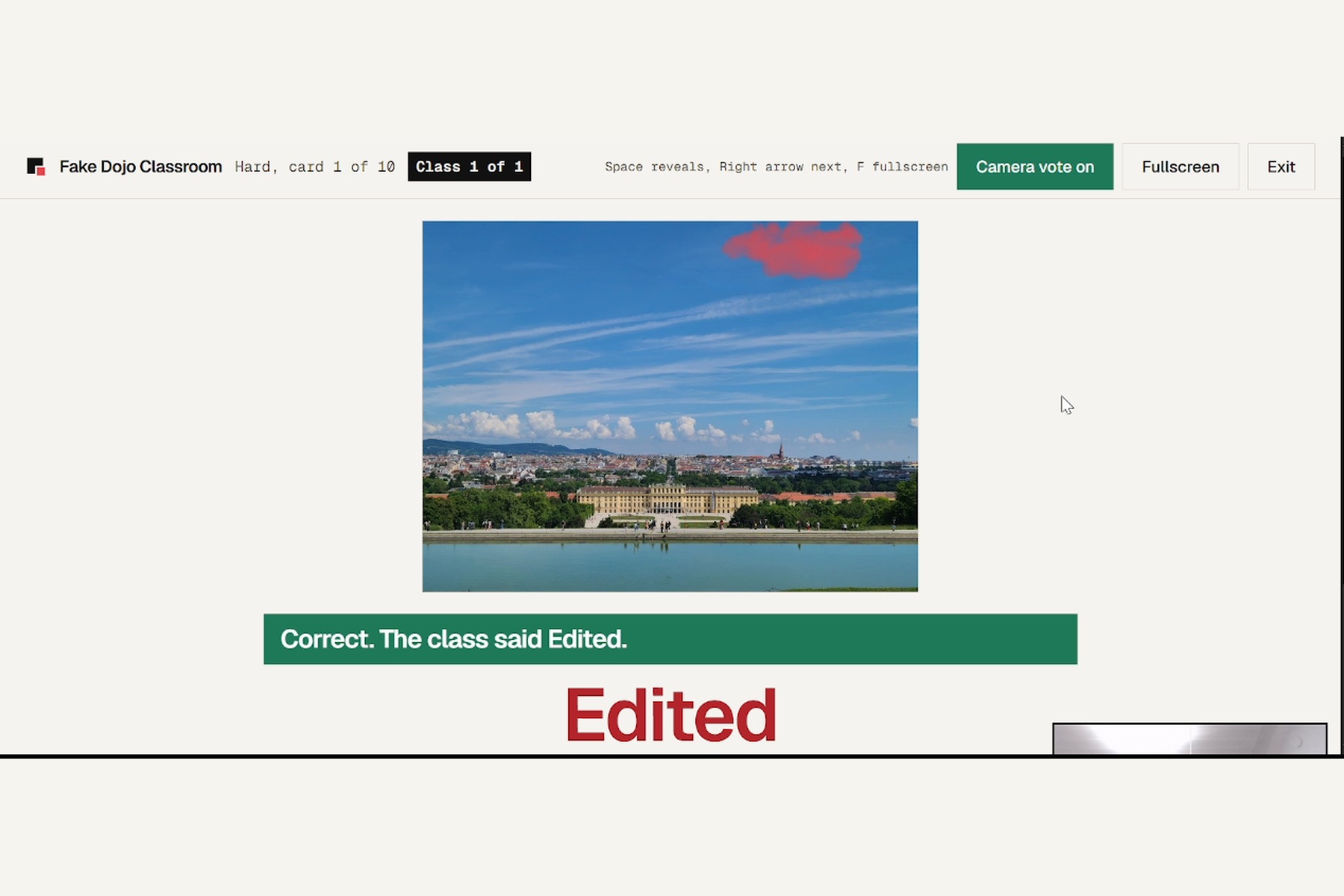
Correct. The class said Edited
-
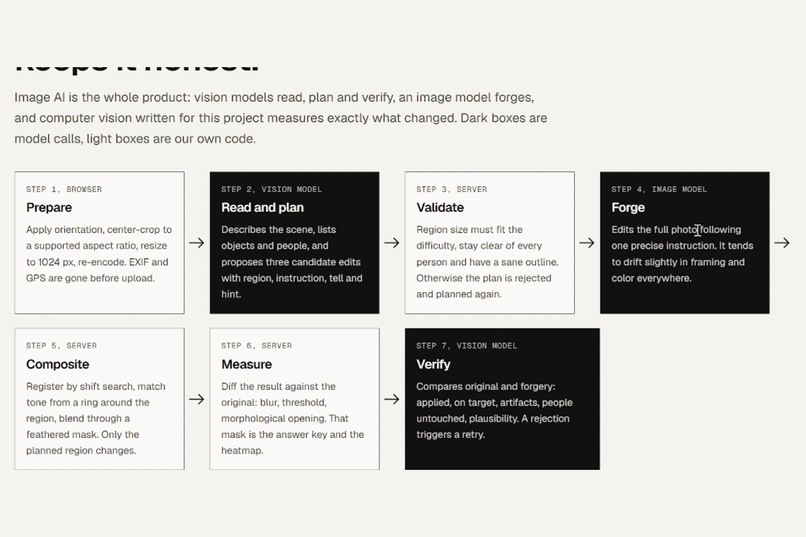
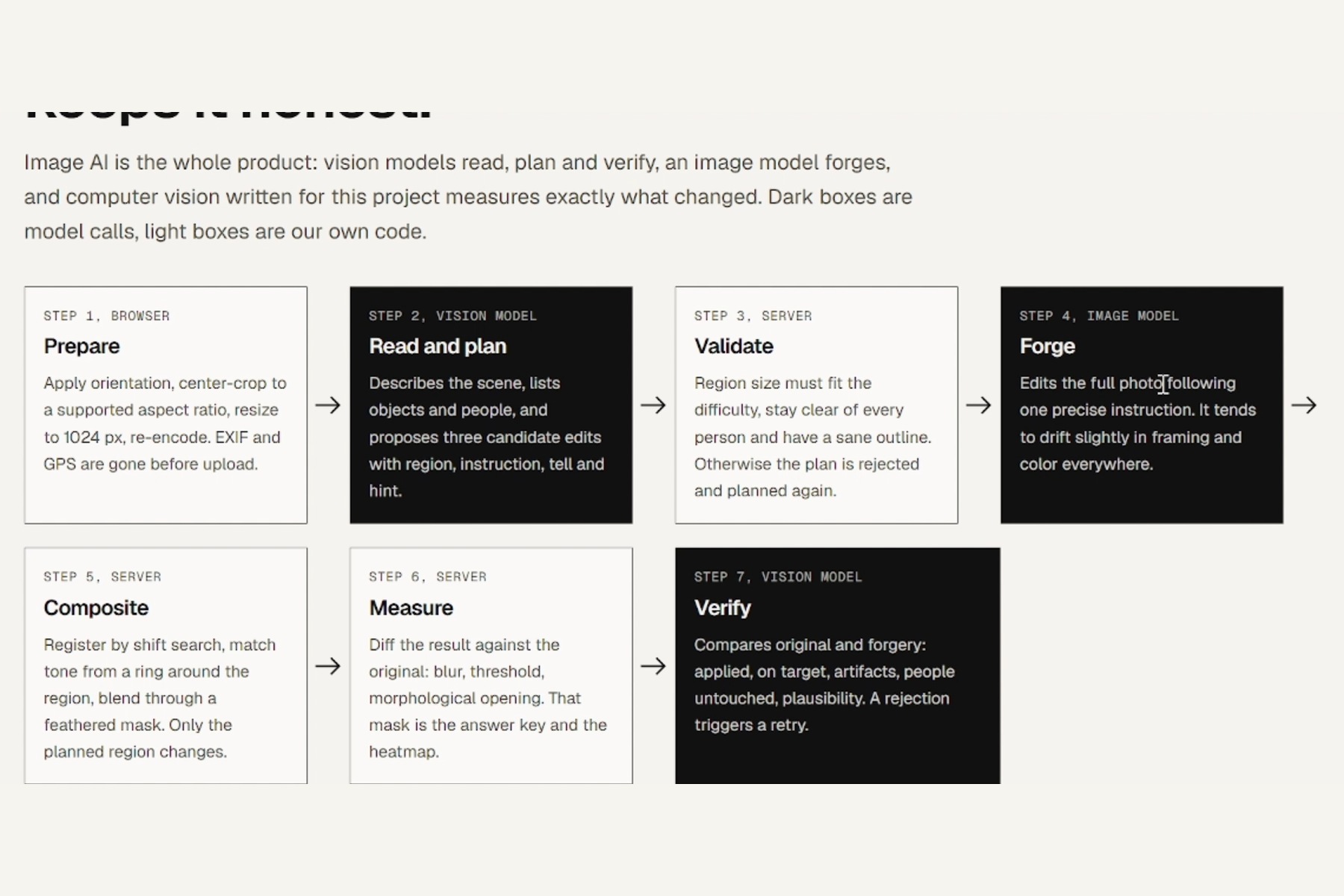
the pipeline diagram
Inspiration
AI can now change any photo in a few clicks. A fake flood, a fake accident, a fake product, a fake "proof" in a scam message. This doesn't only affect experts. It affects everyone who looks at photos: a grandparent on WhatsApp, an employee checking an invoice photo, a journalist, a parent, a student.
Companies already train their staff with fake phishing emails, because people learn best when they get fooled in a safe place first. But nobody trains our eyes for fake photos. Fake Dojo is that training. For everyone.
Who it's for
- Everyday people and seniors: practice spotting edited photos before they meet them in a scam or a viral post.
- Workplaces: the same idea as phishing training, but for images. Short rounds, real fakes, clear feedback.
- Schools: Classroom mode lets a whole class play together on a projector.
- Anyone curious: upload your own photo and see how an AI would fake it.
No account, no AI knowledge needed. You just look, tap and learn.
What it does
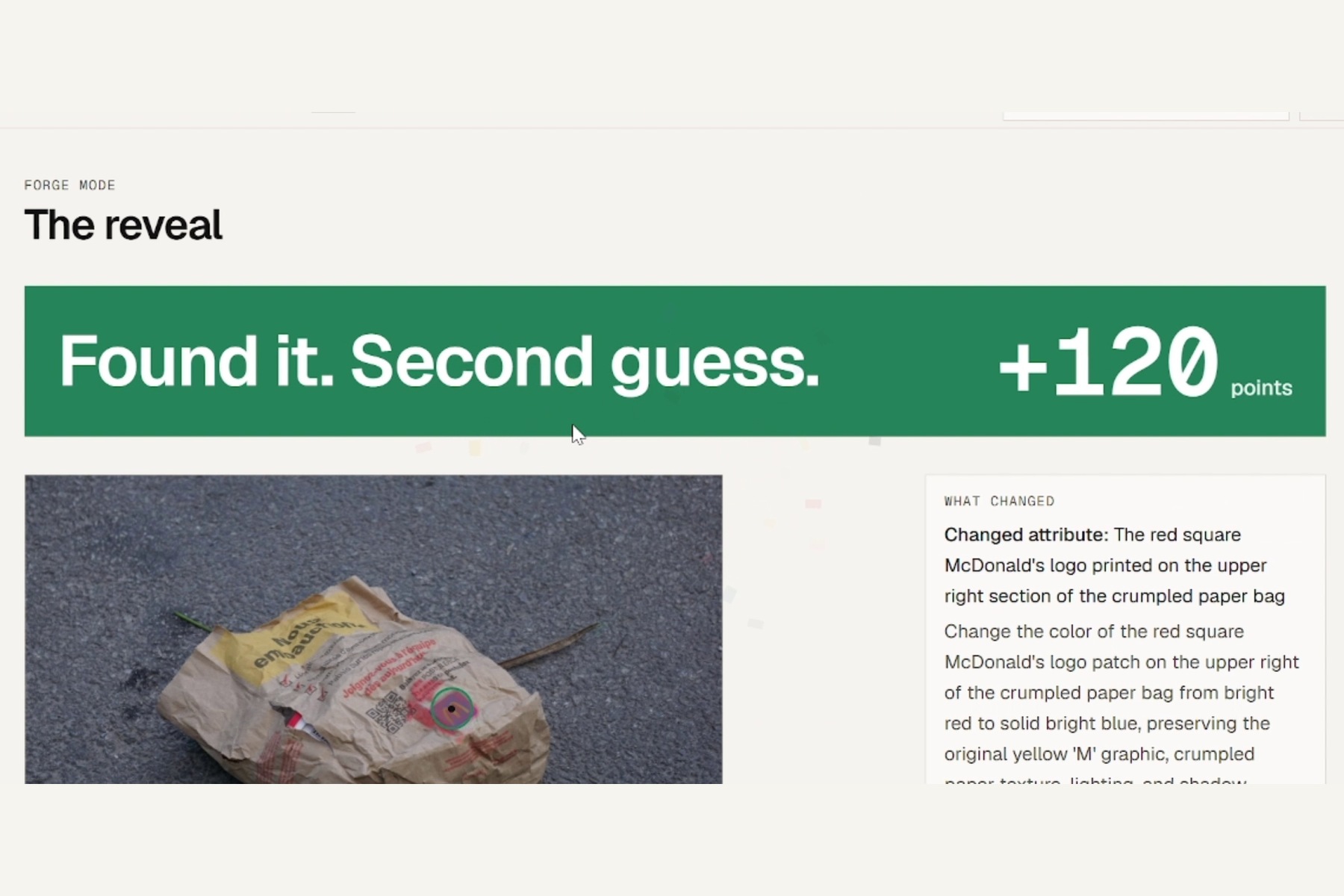
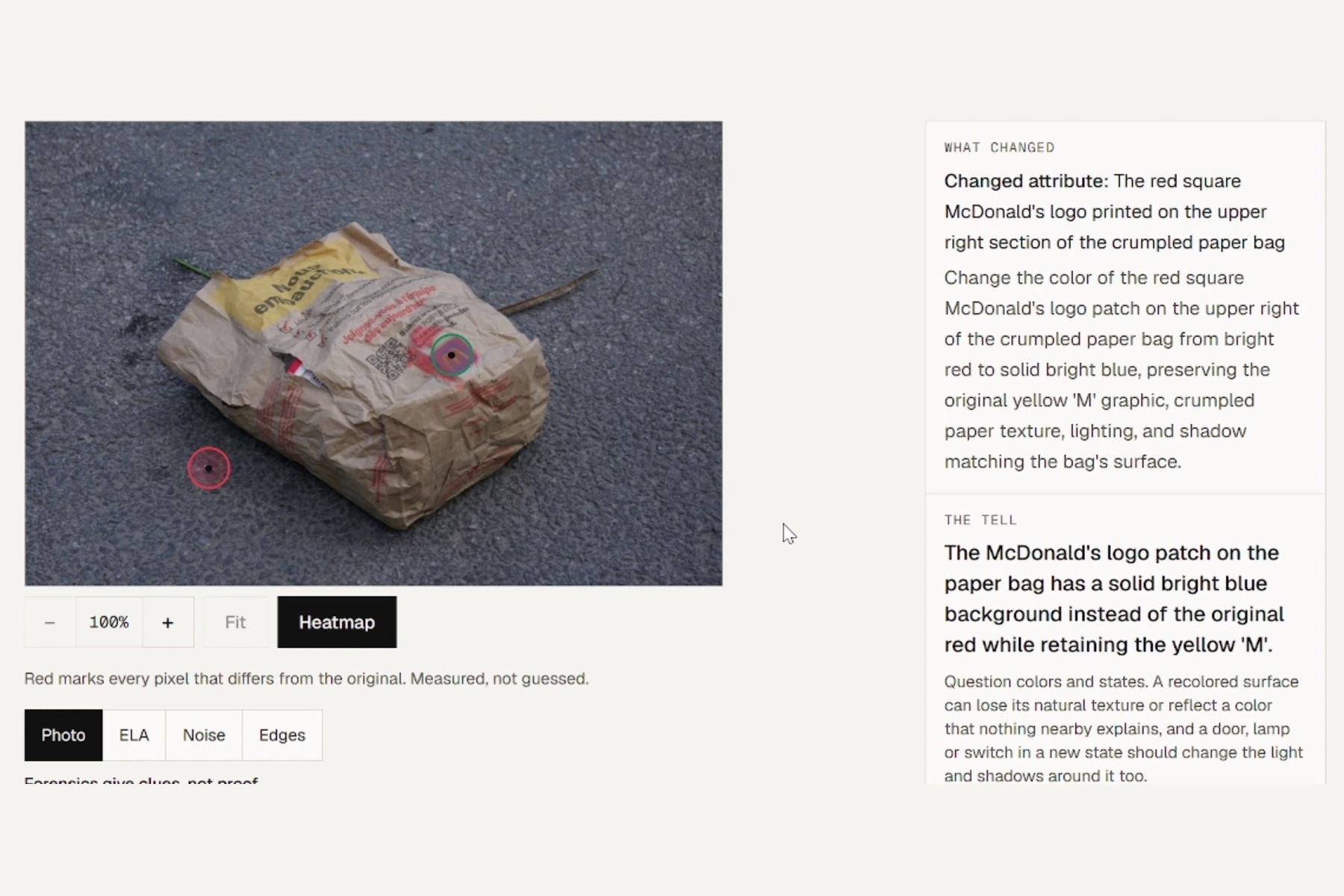
Home: Two photos, one was edited by AI. You pick one. Then you see if you were fooled, with a red heatmap and "the tell", the detail that gives the fake away.
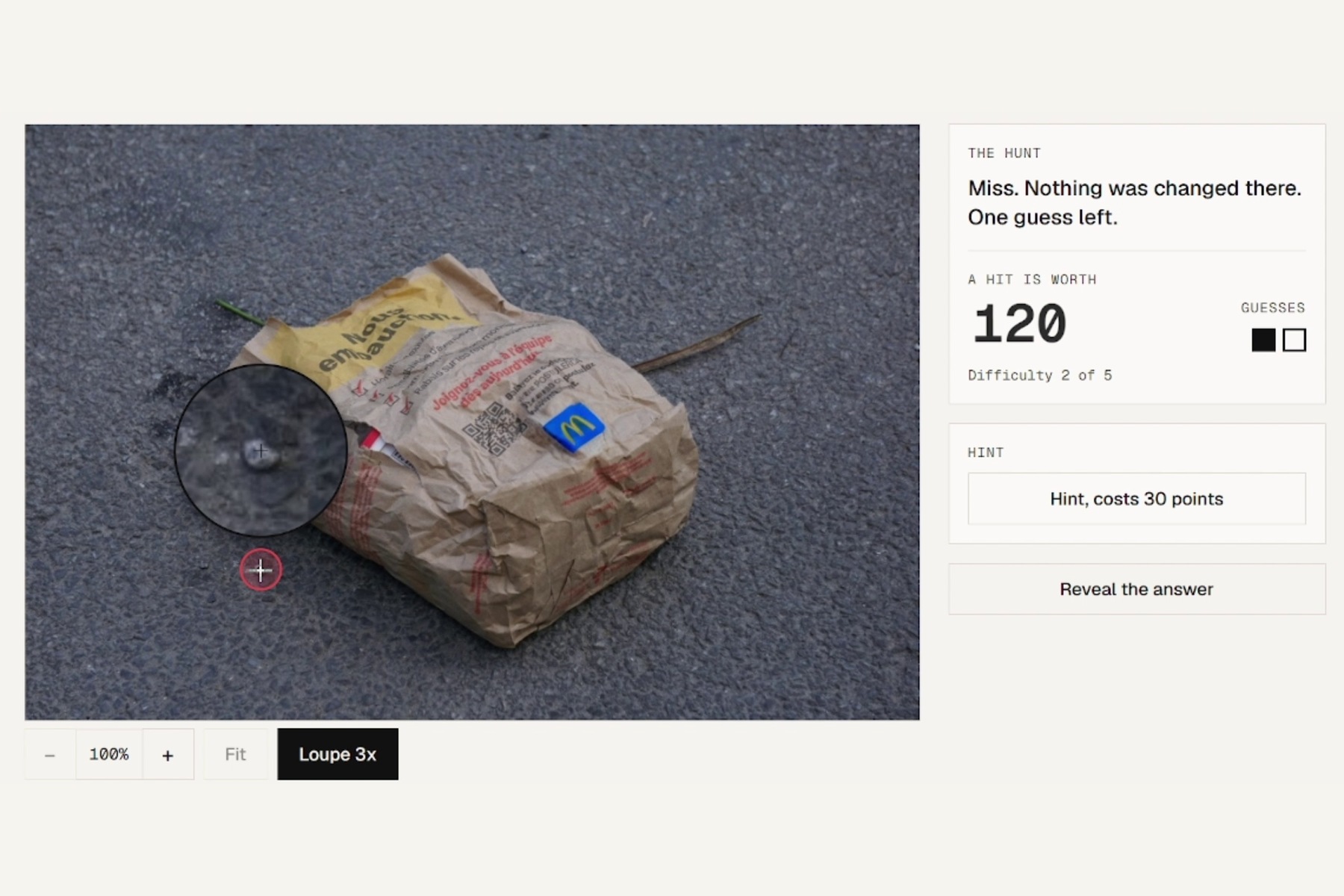
Forge: You upload your own photo and pick a difficulty from 1 to 5, or let it adapt to you. An AI agent plans one small edit, makes it, blends it in and checks it. Bad attempts are thrown out and tried again. You watch this live in the agent log, but the plan is blacked out so it can't spoil the answer. Then you hunt for the fake with two guesses, zoom and a 3x loupe. The reveal shows:
- an exact heatmap of every changed pixel
- what changed and the tell
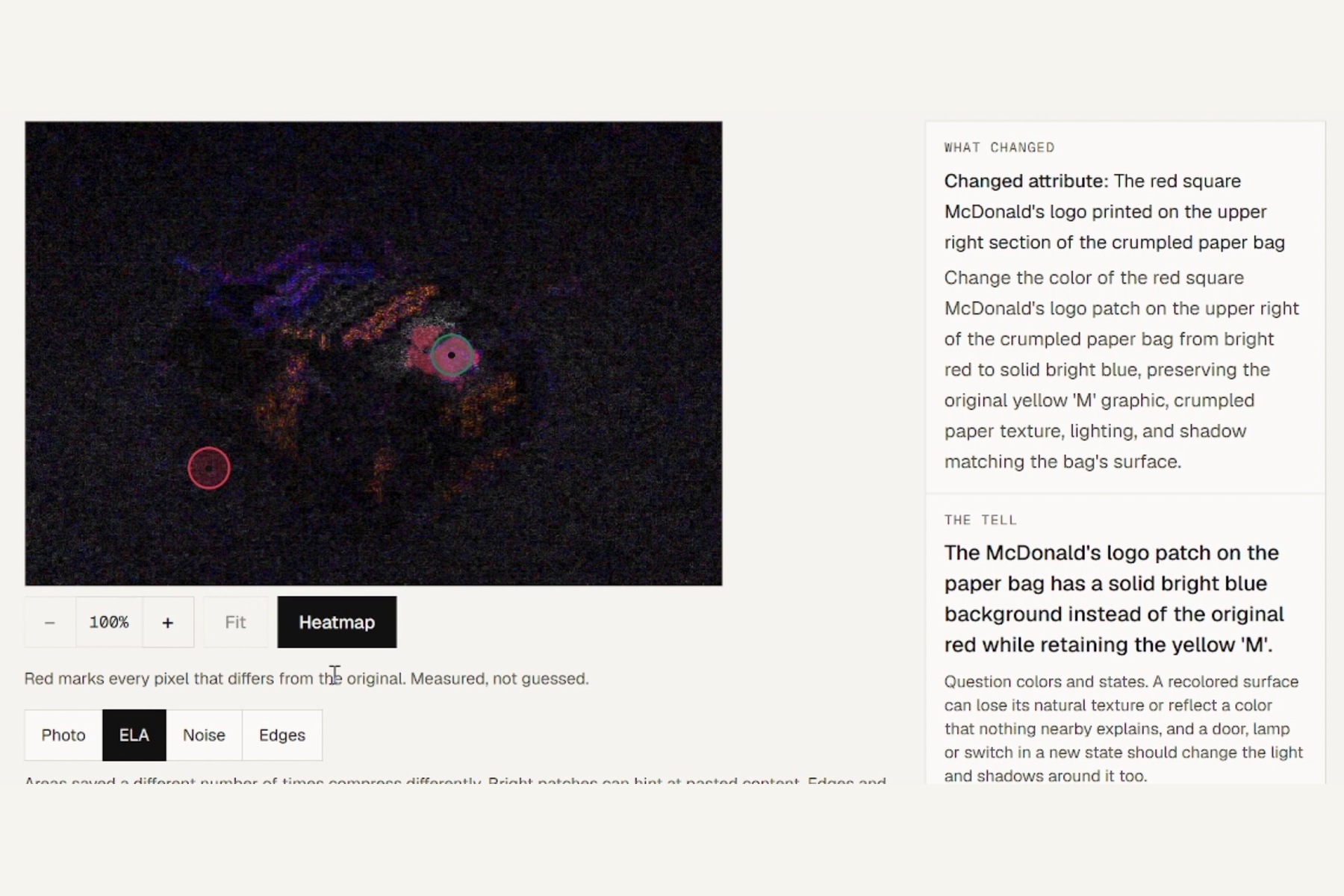
- forensic lenses (ELA, Noise, Edges)
- a before and after slider
- the unredacted agent log
Daily Dojo: Easy and Hard rounds from a ready-made deck of 48 cards (38 fake, 10 real). First decide "real or edited?", then find the spot. No AI calls needed.
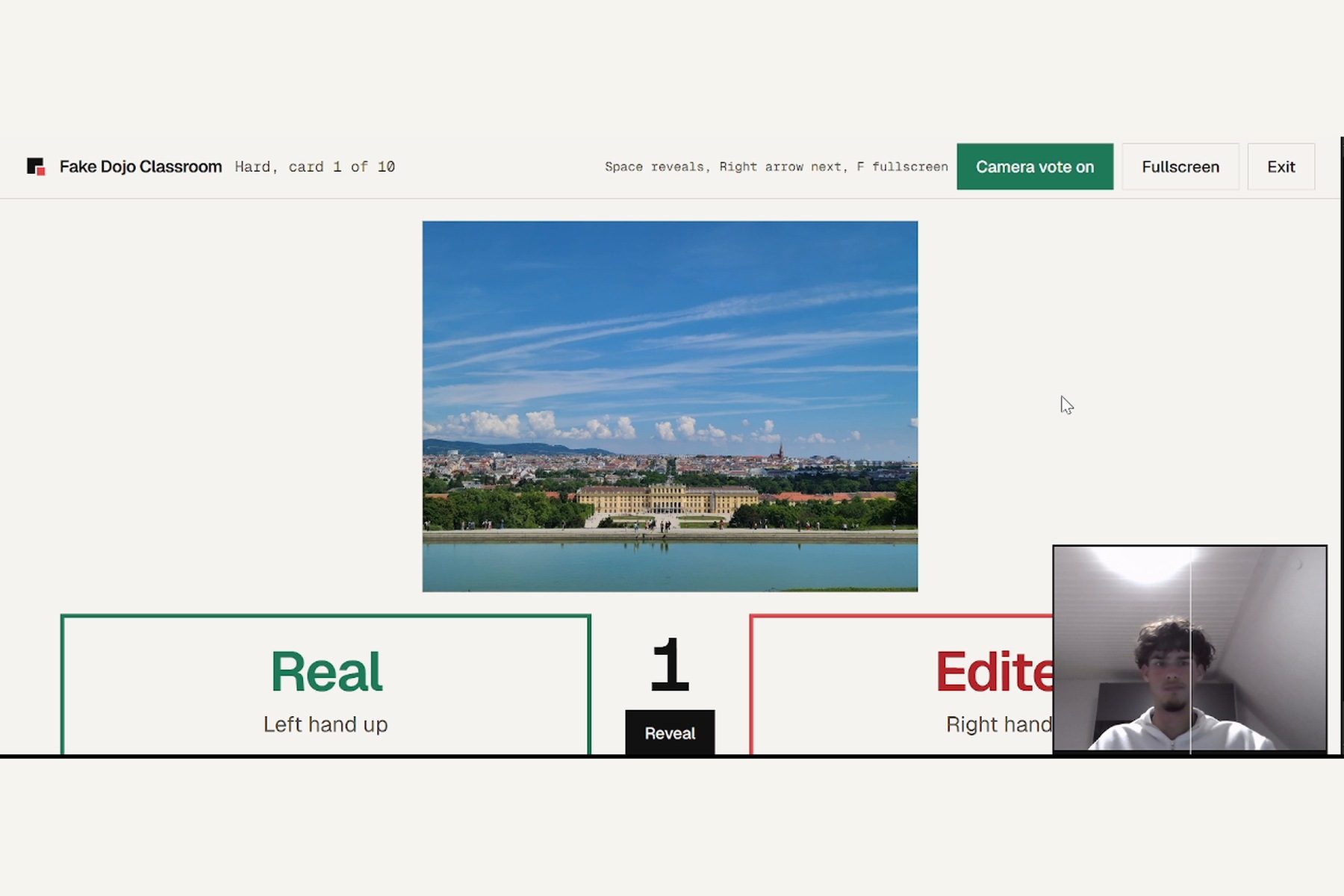
Classroom: A projector mode for groups. People vote with raised hands: left side Real, right side Edited. The camera counts the hands right in the browser. The video never leaves the device.
Profile: Points, belts from white to black, and a skill radar for six kinds of fakes. The next forgery leans toward your weakest kind, so training adapts to each person.
How I built it
- Models: Seed 2.0 Lite plans and checks the edit, Seedream 4.0 makes it. Both run on BytePlus ModelArk.
- Own code: The compositing is my own, so Fake Dojo knows every changed pixel. That is why the heatmap is measured, not guessed. The forensic lenses are written from scratch and run in a Web Worker. Hand counting uses MediaPipe in the browser.
- Stack: Next.js 16, React 19, TypeScript, Tailwind 4, zod, sharp, Vitest, deployed on Vercel.
- AI coding: Most of the code was written by Claude Code, following my plans and decisions. This is also stated in the README.
Safety
A tool that makes fakes has to be careful. So:
- Fake Dojo edits scenes, never people.
- IDs, receipts and chats are refused.
- Nothing is stored. EXIF and GPS data are removed before upload.
- Forged photos can't be downloaded.
- There are limits per hour and per day.
Challenges
- Waiting time: A live forge takes 40 to 90 seconds. Instead of a spinner, the live agent log shows what is happening, with the plan blacked out.
- Good fakes: Some AI edits are too obvious, others change the whole photo. So the agent checks every result and throws bad attempts out.
- An honest heatmap: An image model slightly changes the whole picture. I wanted to show only the real edit, so Fake Dojo does the blending itself and measures the difference.
- Simple for everyone: The training should work for someone who has never heard of AI. So every round is just "look, tap, see why".
- Privacy in groups: Voting by camera only works if people can trust it. So all hand detection runs on the device.
What I learned
- How to build an agent loop with planning, editing, checking and retrying.
- That a good learning game needs the reveal as much as the challenge.
- How to plan a real product with an AI coding tool: I make the decisions, check the results and keep the scope small.
What's next
I lead my school's AI club for students from grade 8, and I want to try Classroom mode with them. Beyond school, Fake Dojo could become what phishing training already is for companies, community centers and anyone who wants to trust their eyes again.
Built With
- byteplus-modelark
- claude-code
- mediapipe
- next.js
- node.js
- react
- seed-2.0-lite
- seedream-4.0
- sharp
- tailwindcss
- typescript
- vercel
- vitest
- web-workers
- zod

Log in or sign up for Devpost to join the conversation.