FadeIdee started from a simple question: can public publishing be more structured, multilingual, and thoughtful than an endless social-media feed?
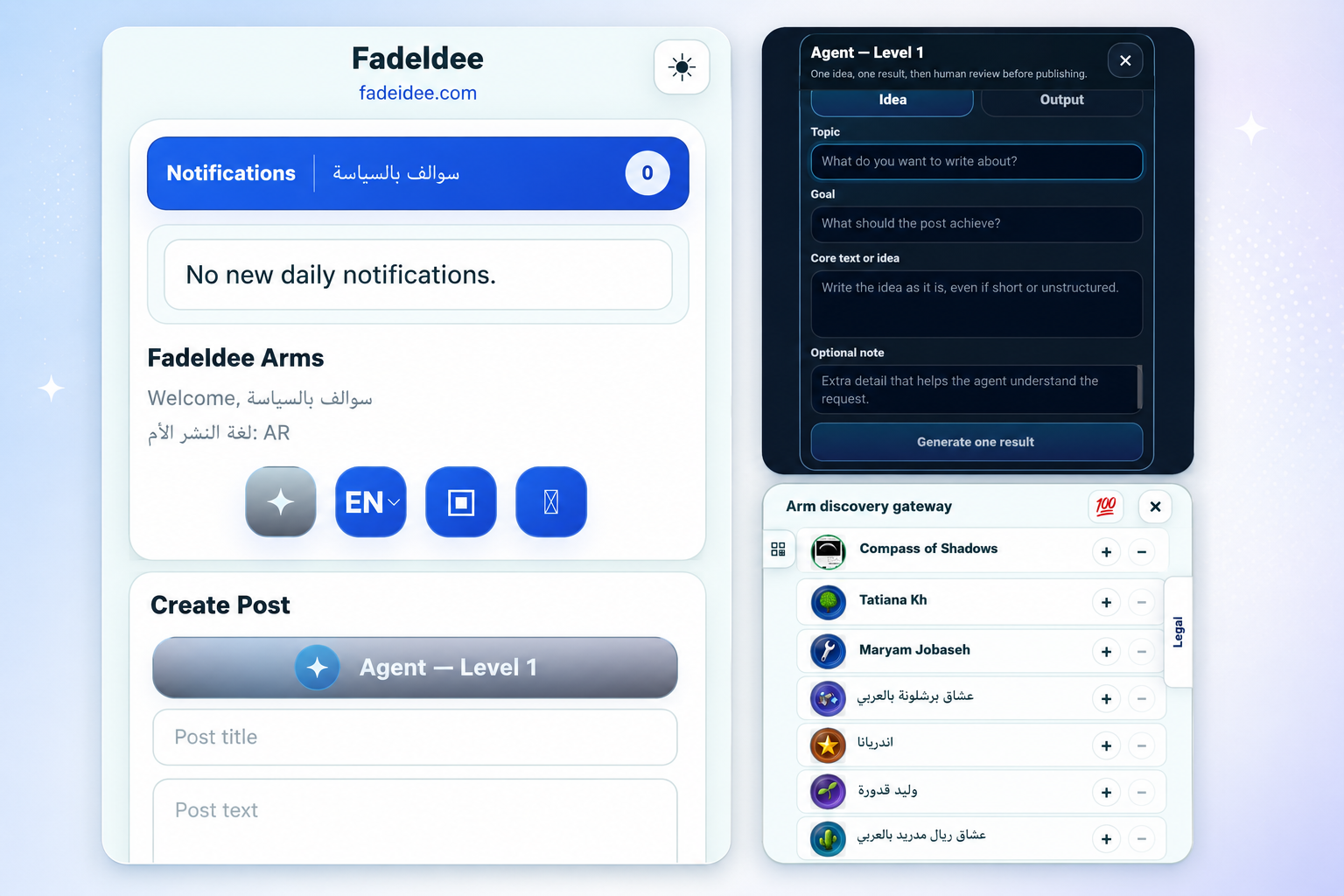
I wanted to build a platform where different editorial “arms” can publish from distinct perspectives, where comments are organized into thinking models such as legal, social, critical, technical, ethical, and human, and where AI assists the author without replacing human responsibility.
I built the project independently, primarily from a Samsung Galaxy S9, without a conventional engineering team or office. The platform existed before OpenAI Build Week, but during the event I used GPT-5.6 and Codex to substantially extend, repair, test, and document it.
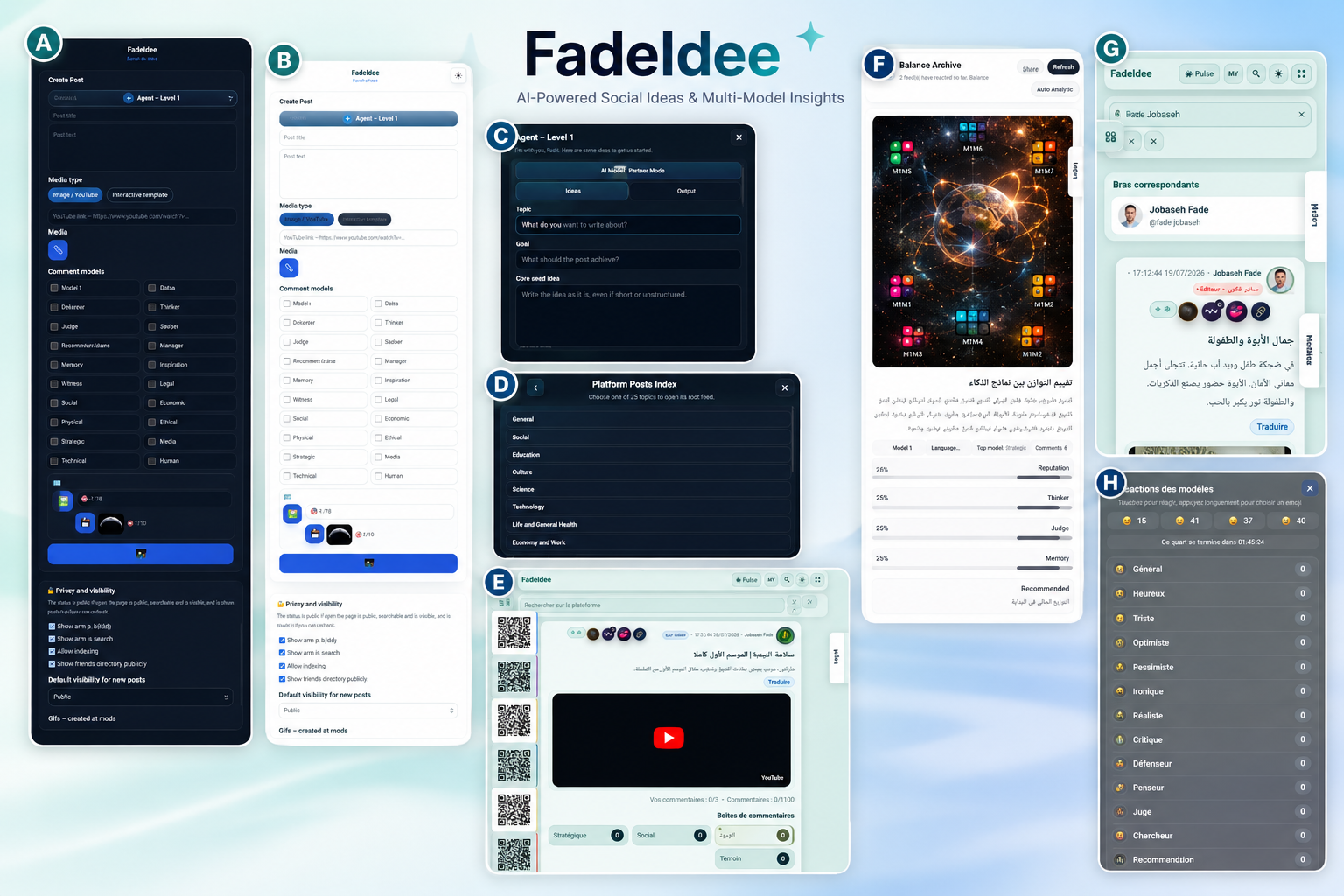
What FadeIdee does
FadeIdee is a multilingual publishing and public-discourse platform with:
- a live structured content feed,
- public publisher / arm profiles,
- search and SEO pages,
- relationship and discovery flows,
- limited model-based comments,
- reactions, reports, trust and moderation layers,
- media and YouTube cards,
- light and dark themes,
- 12 interface languages,
- human-reviewed AI-assisted drafting,
- and an interactive QR-based content world.
The Level 1 assistant is designed to generate one concise draft from an idea. It never publishes automatically. The author must review, edit, copy, or transfer the result manually into the publishing flow.
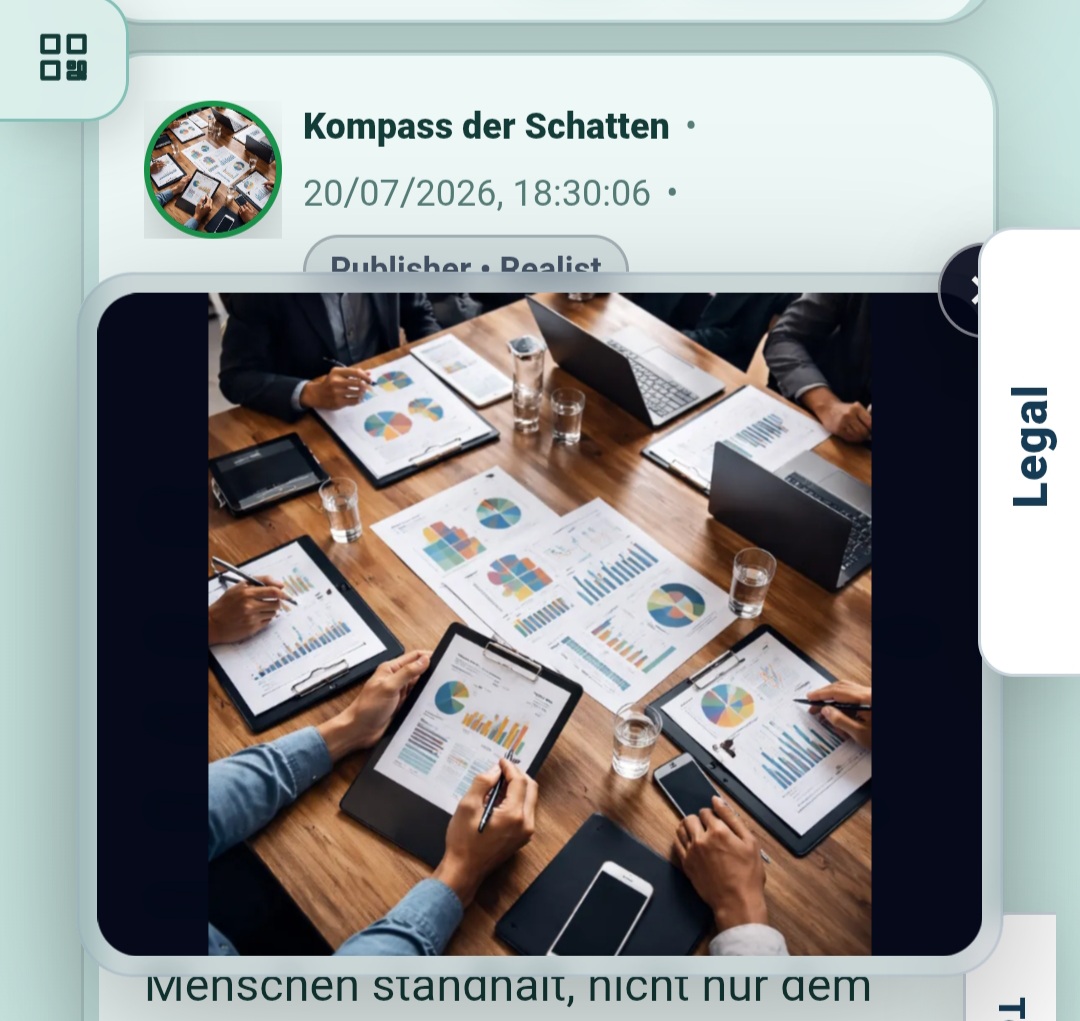
The QR system is not only a collection of links. Each QR item carries the source post identity. When opened, FadeIdee first loads the platform and its feed, then opens a visual world that recomposes selected post elements into different layouts.
A card can contain text, video, an image, a template, one comment model, and a related interaction. Users can pin a card, remove it, or return through a small control to the exact original post from which the card was created.
The system preserves the source relationship instead of creating a disconnected copy of the content.
How I built it
The core platform uses vanilla HTML, CSS, and JavaScript with Cloudflare Pages, Workers, D1, browser storage, and responsive mobile-first interfaces.
GPT-5.6 was used intensively for architecture discussions, debugging, multilingual interface work, code revision, test planning, and versioned development.
Codex was introduced during the final Build Week phase and worked directly across the project files for long implementation and verification tasks.
During Build Week, the work included:
- repairing feed continuity after mobile sleep and media use,
- preventing stale or duplicated requests,
- restoring general, search, and arm states,
- expanding arm discovery and relationship controls,
- validating server-side visibility and session rules,
- improving search, public arm pages, and inline media behavior,
- developing the QR rail and QR World,
- making QR codes easier for cameras to read,
- creating responsive random visual layouts,
- preserving each card’s original post ID,
- adding persistent pinning and controlled removal,
- and testing the experience on both mobile and desktop.
The project has passed through more than 100 versioned builds. The live platform contains hundreds of published posts with source links and supports 12 interface languages.
Challenges
The largest challenge was not generating isolated code. It was protecting the behavior of an already large platform while changing one part at a time.
Mobile browsers introduced difficult problems such as suspended pages, stuck loading states, delayed network responses, video interruptions, different screen dimensions, and inconsistent QR scanning.
Another challenge was multilingual design. Translation is not only replacing text; direction, layout, labels, card widths, search behavior, and interface state must remain coherent across languages.
The project also had to separate public reading, publisher tools, relationships, moderation, local storage, database state, and AI-assisted creation without allowing one layer to silently control another.
During final testing, I detected an unexpected third-party cloud usage and billing anomaly. I immediately disabled the paid inference resources, rotated credentials, removed secrets, and kept the public demo operating without paid AI inference while the incident is investigated.
That experience reinforced an important lesson: AI features must have human control, strict quotas, isolated credentials, and an automatic kill switch. Security and cost control are product features, not administrative details.
What I learned
I learned that GPT-5.6 is most valuable when it maintains the architectural history of a project and helps reason across many connected systems.
I learned that Codex is strongest when the task has a strict scope, clear forbidden changes, acceptance checks, and a documented finish line.
I also learned that a solo builder can manage a large evolving system when every change is versioned, tested, and connected to a stable reference package.
Most importantly, the project confirmed the principle at the center of FadeIdee:
AI may assist with creation, organization, and analysis, but publication and responsibility must remain human.
What is next
The next steps are:
- a final interface and repository audit,
- Android packaging and closed testing,
- stronger server-side interaction protection,
- hard AI quotas and automatic shutdown controls,
- deeper synchronization for saved QR worlds,
- and continued development of the public multilingual platform.
FadeIdee is still evolving, but it is already a working platform rather than a static concept or design mockup.
Built With
- api
- application
- chatgpt
- cloudflare
- codex
- css3
- d1
- design
- development
- embed
- gpt-5.6
- html5
- indexeddb
- integration
- javascript
- mobile-first
- multilingual
- openai
- responsive
- seo
- translator
- ux
- web
- workers

Log in or sign up for Devpost to join the conversation.