-
-
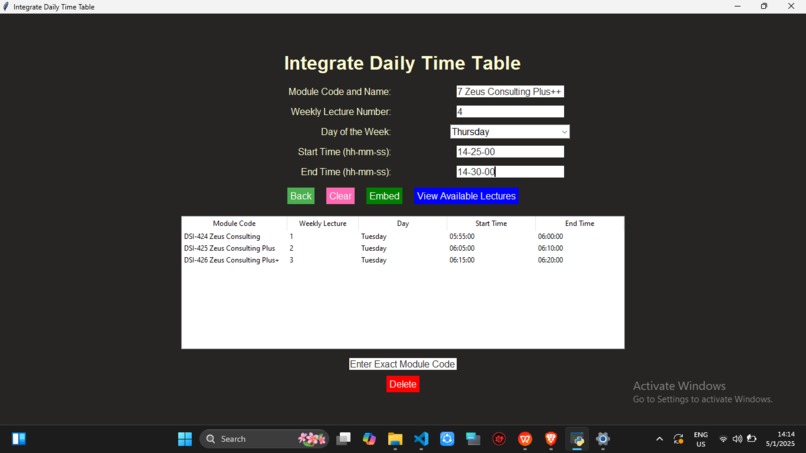
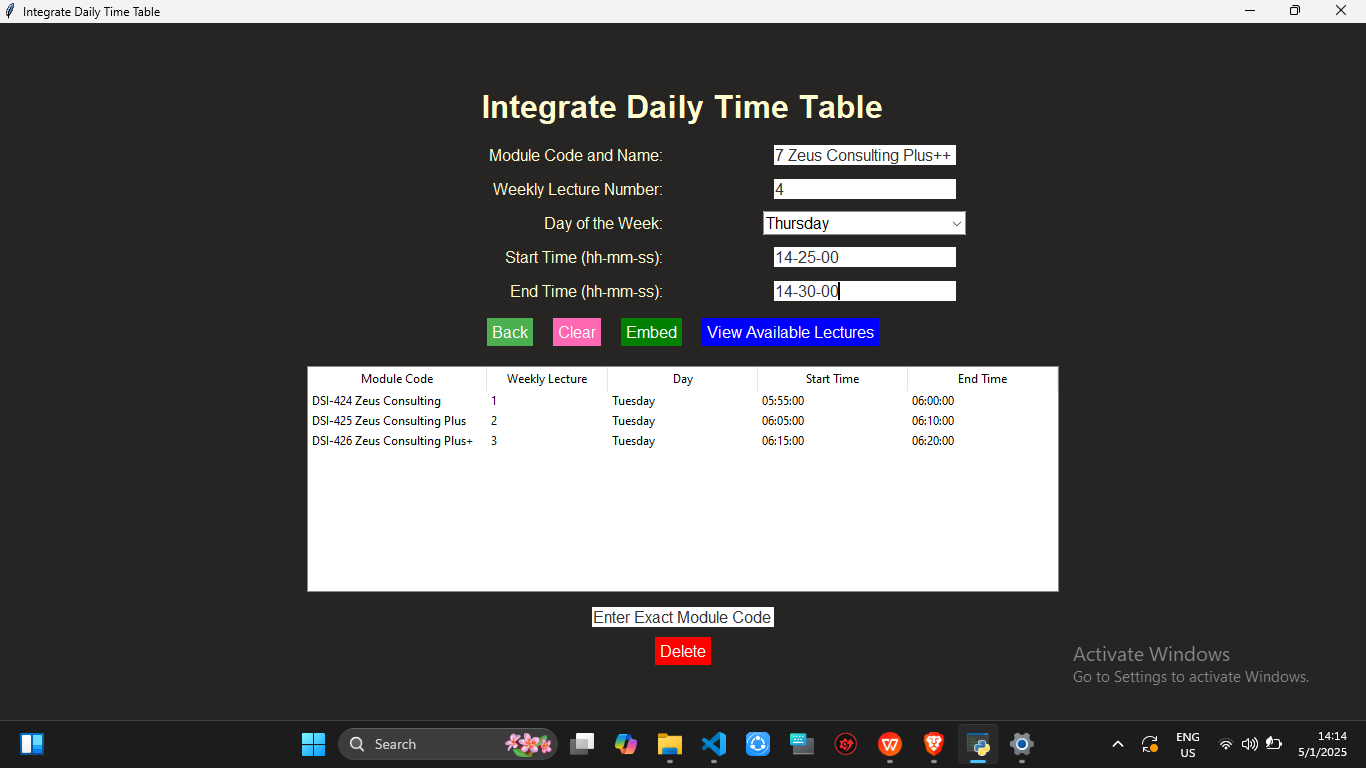
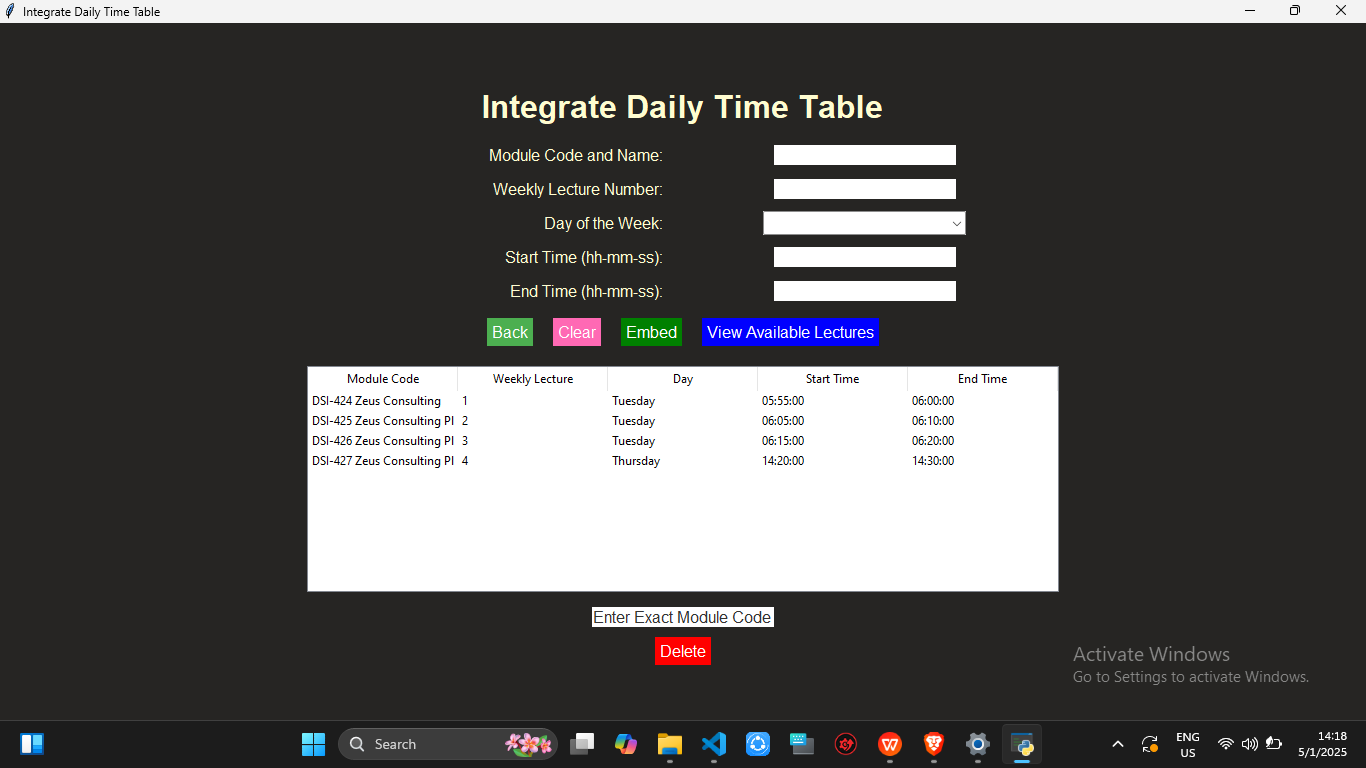
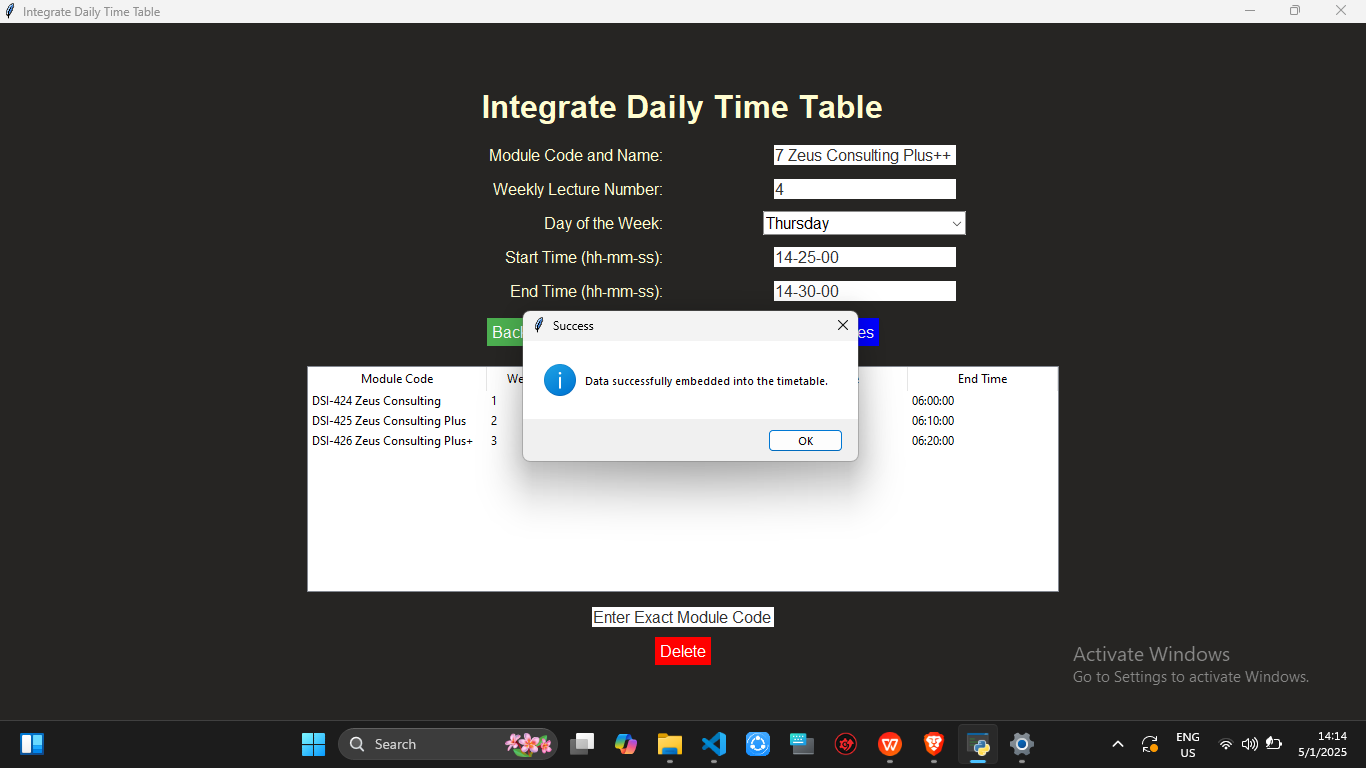
Specifying new lecture timetable
-
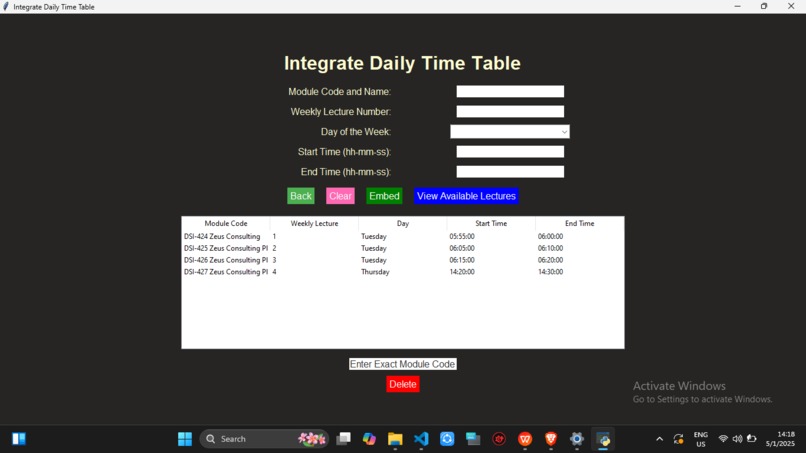
new lecture timetable specification form for the lectures' use only
-
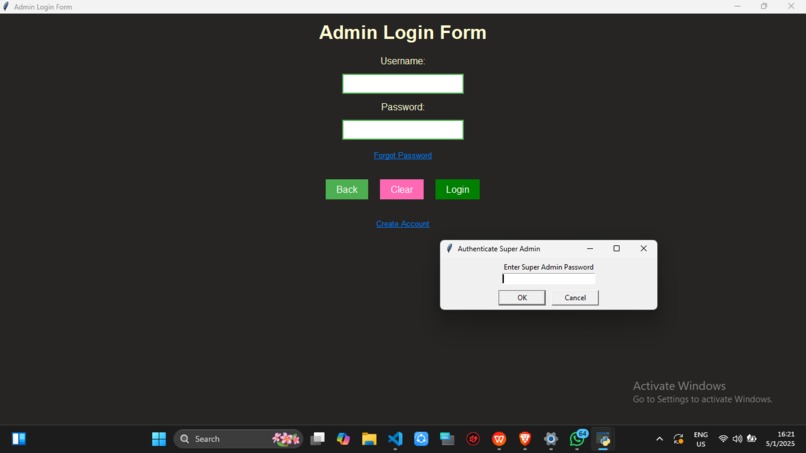
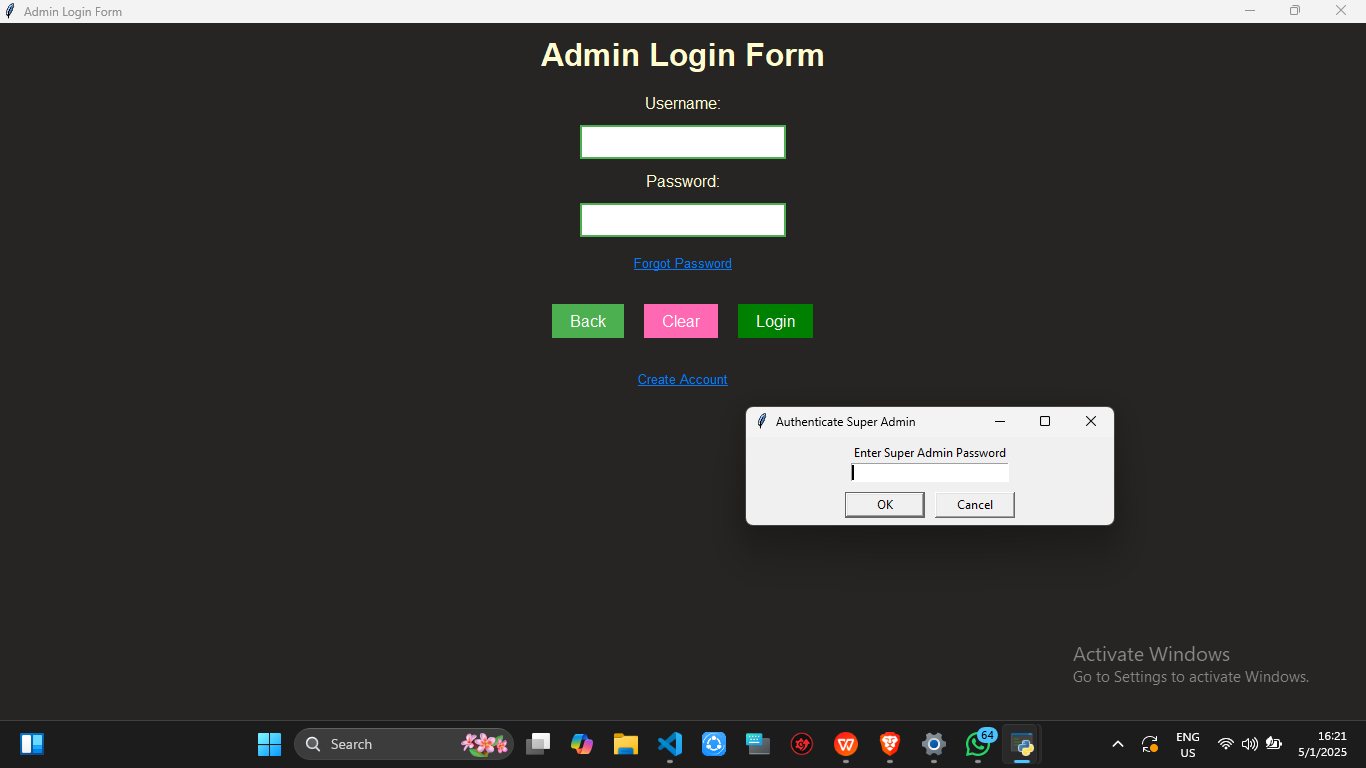
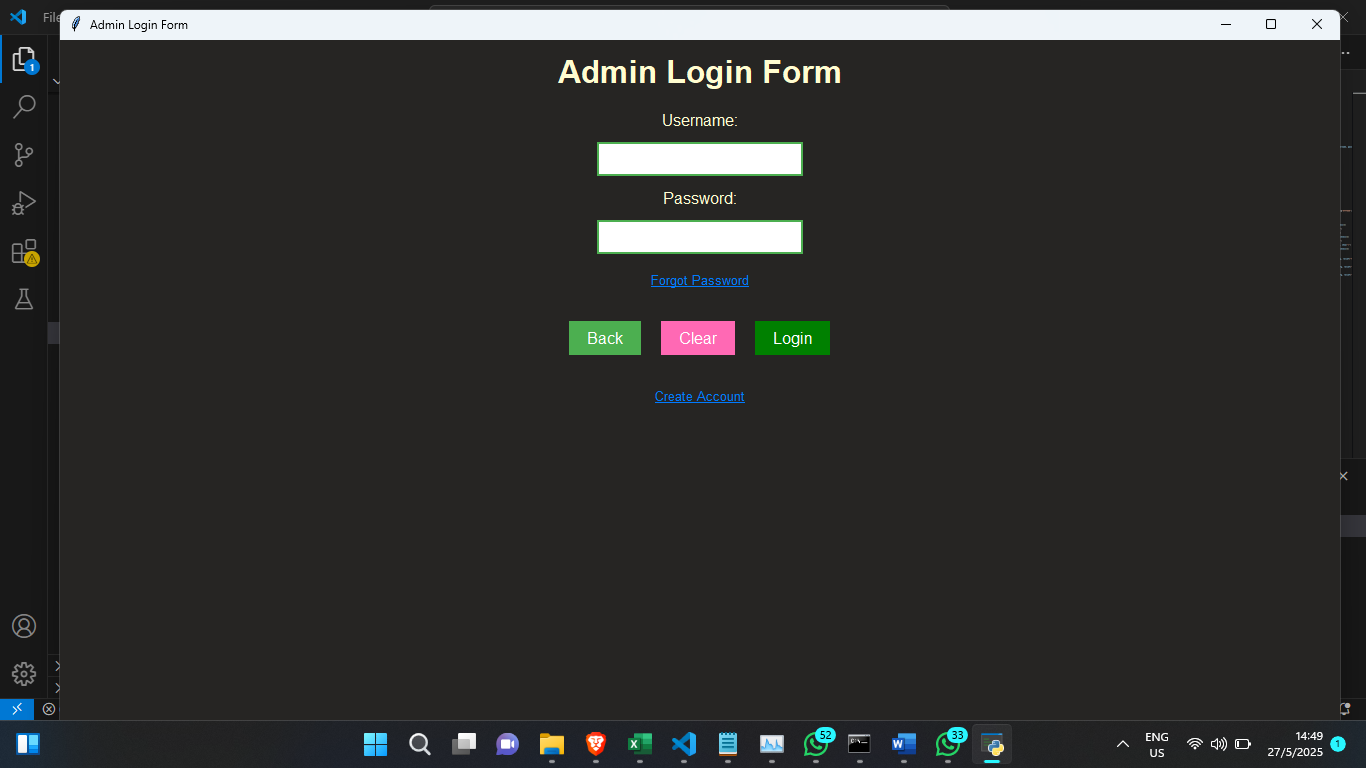
Super admin authentication required
-
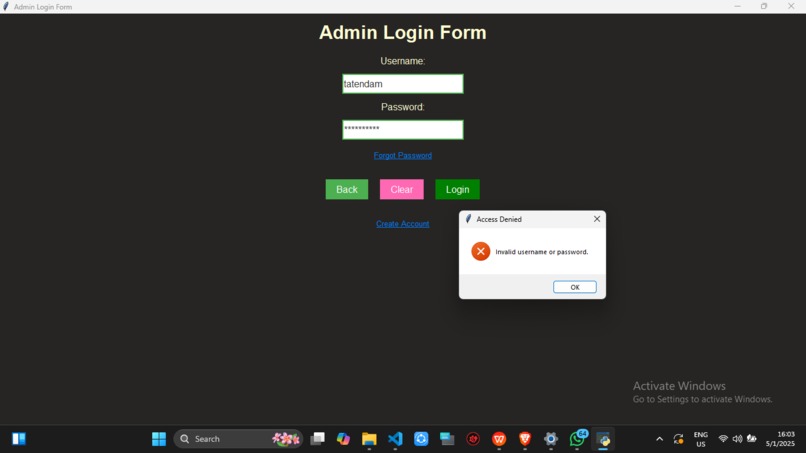
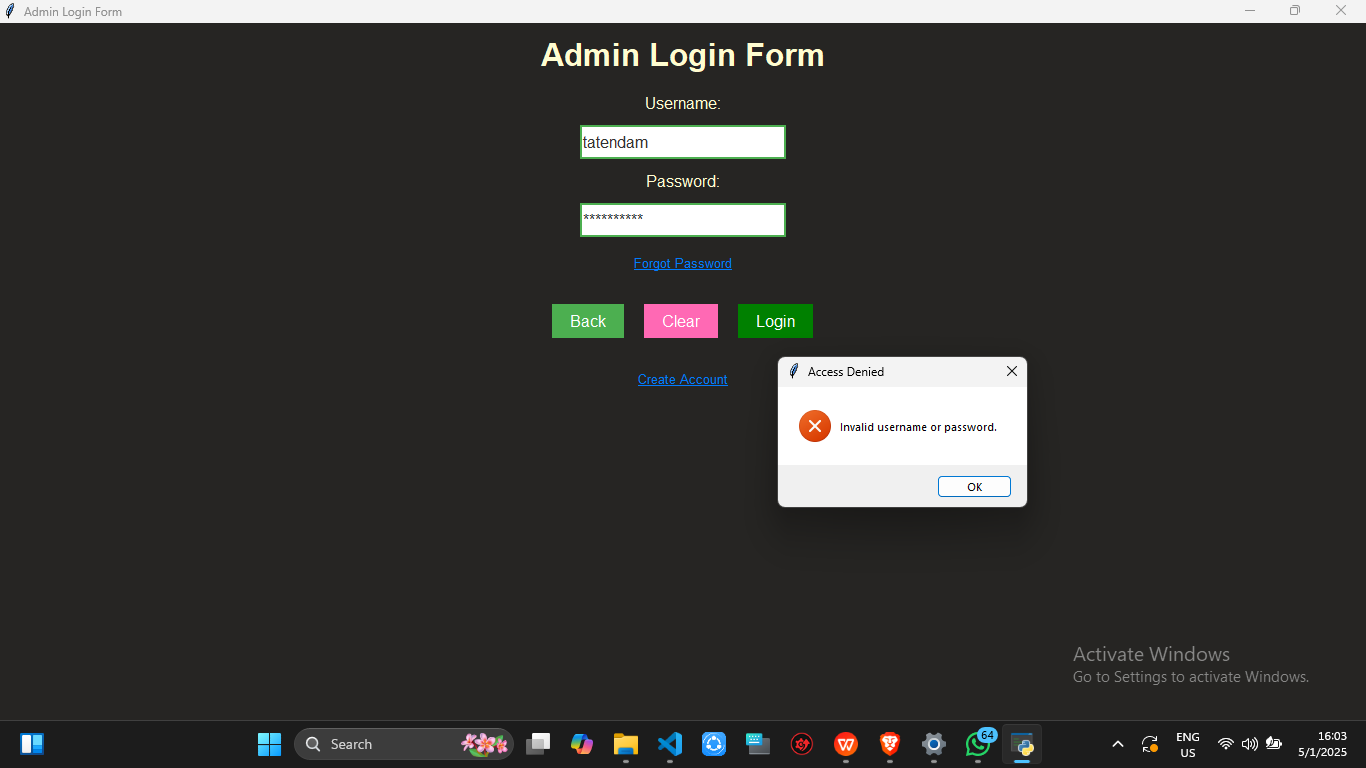
Access denied on an unsuccessful login
-
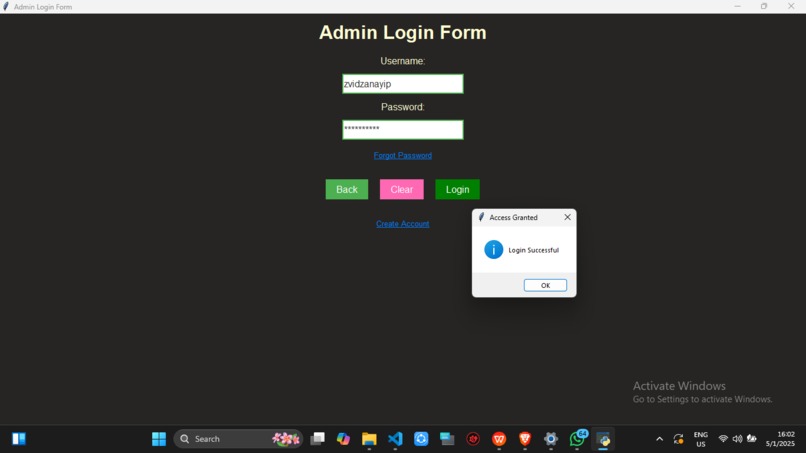
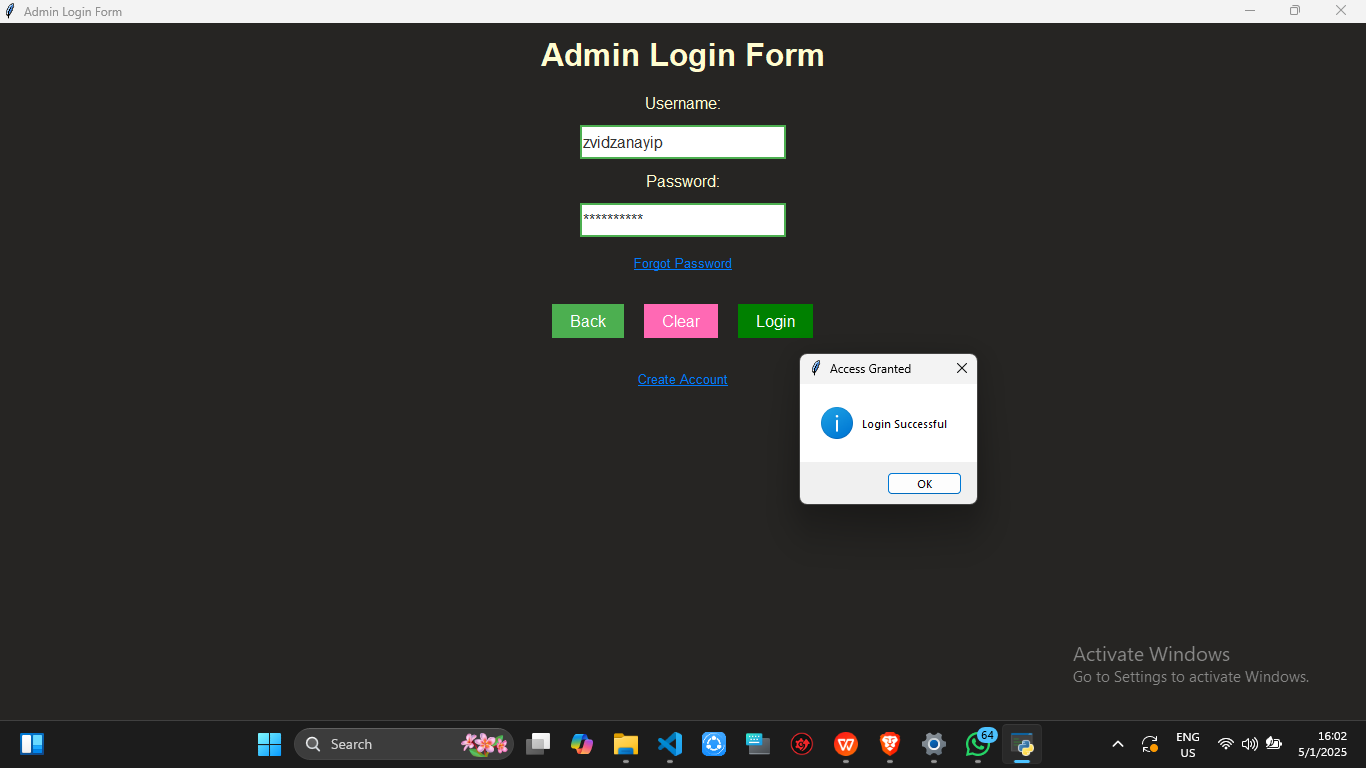
On successful authentication
-
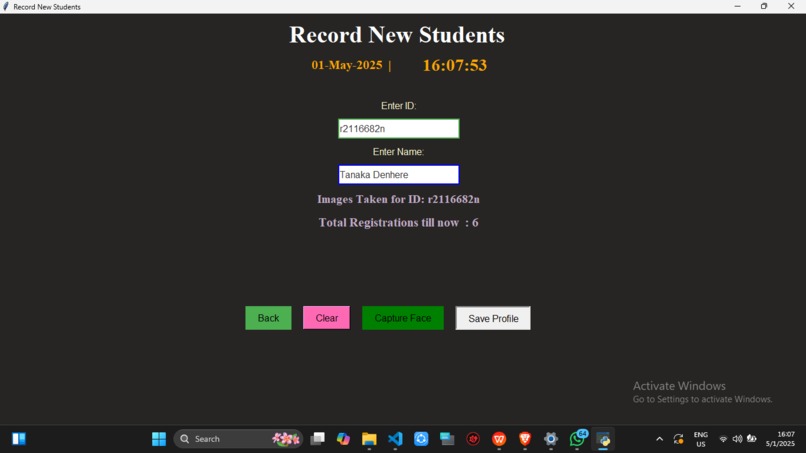
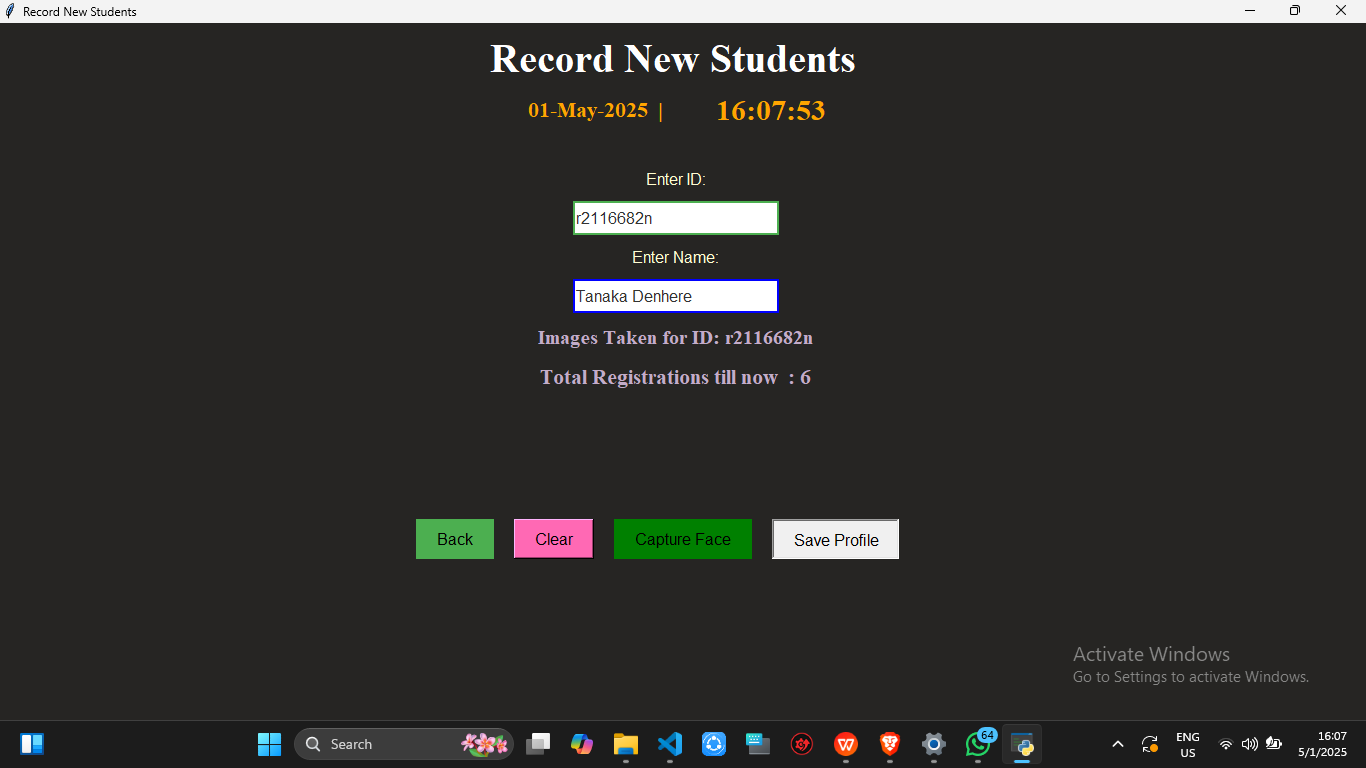
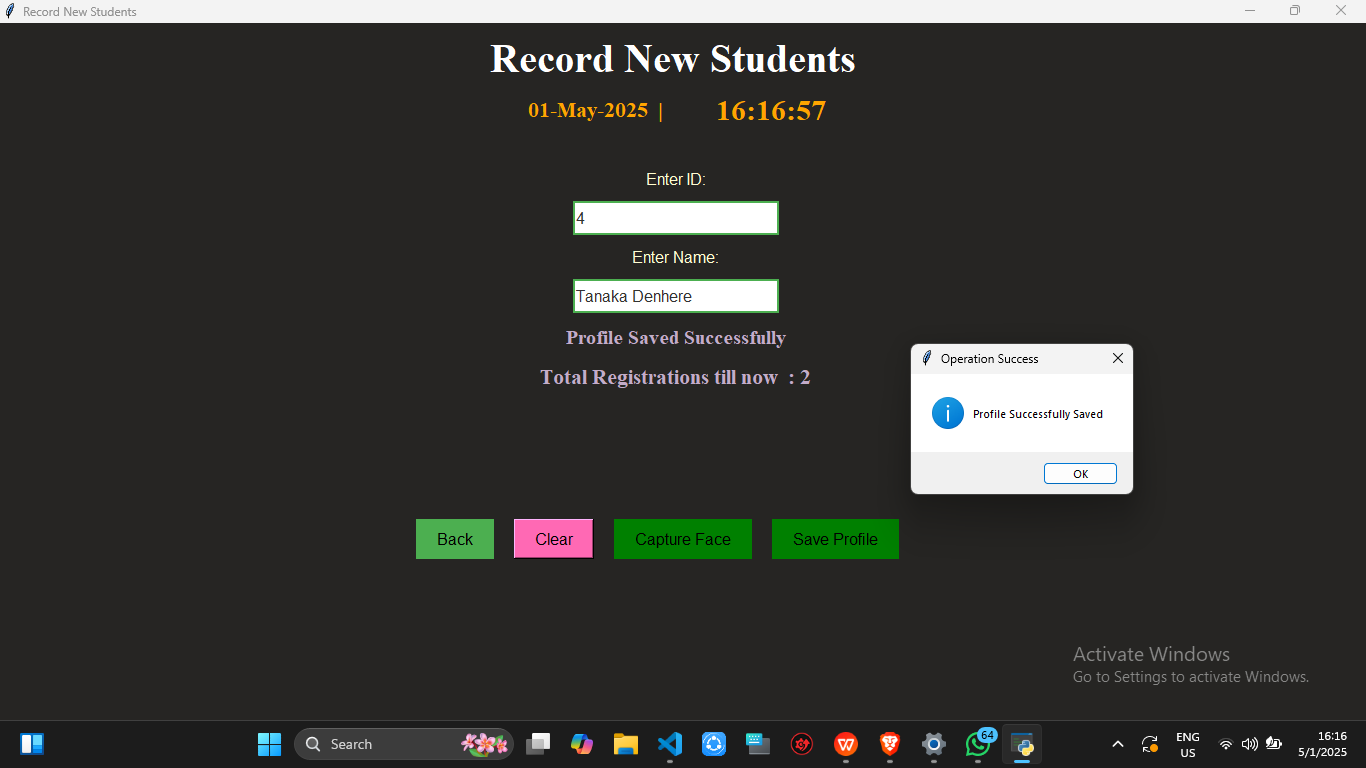
New student profile creation form
-
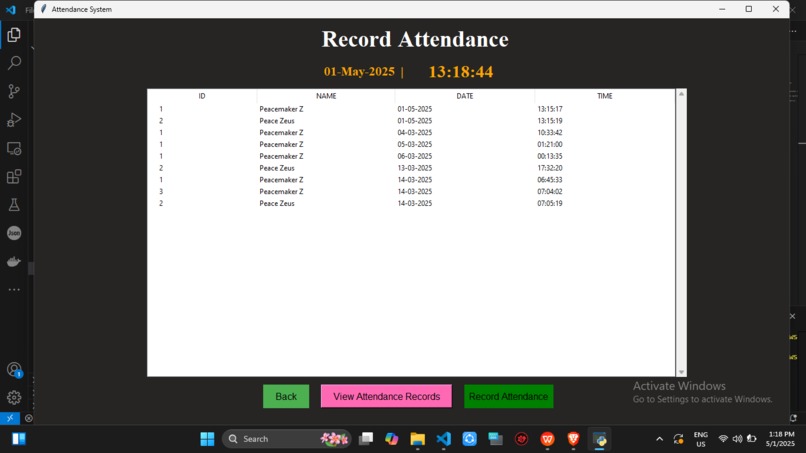
Student details added in to the database instantly upon a successful identification
-
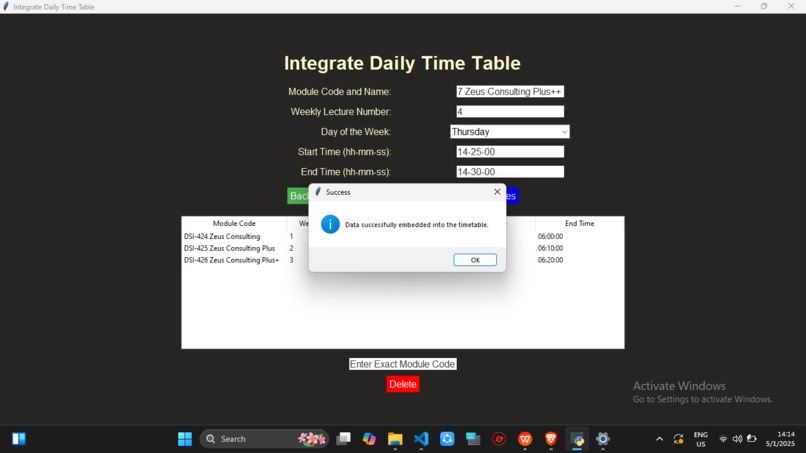
New lecture timetable created successfully
-
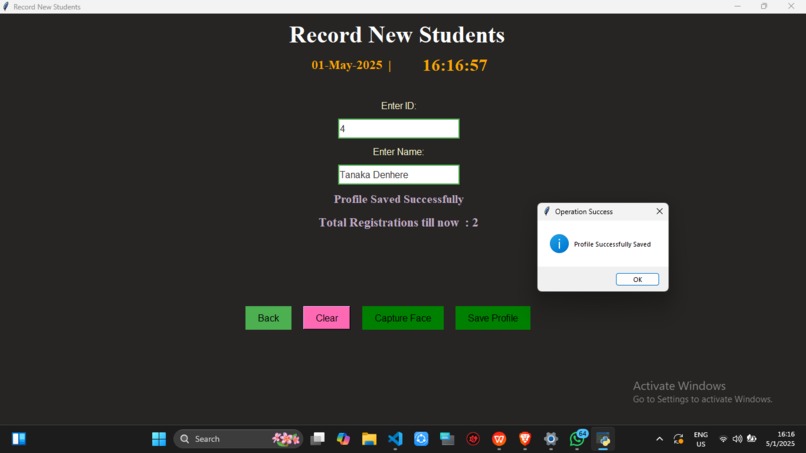
Profile successfully created
-
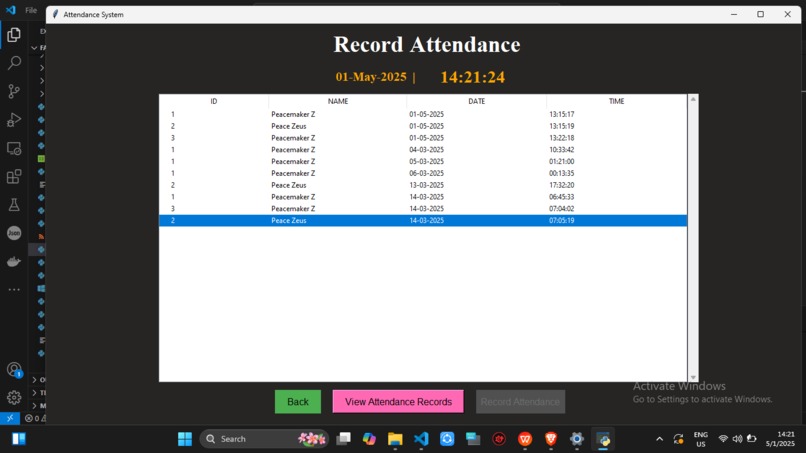
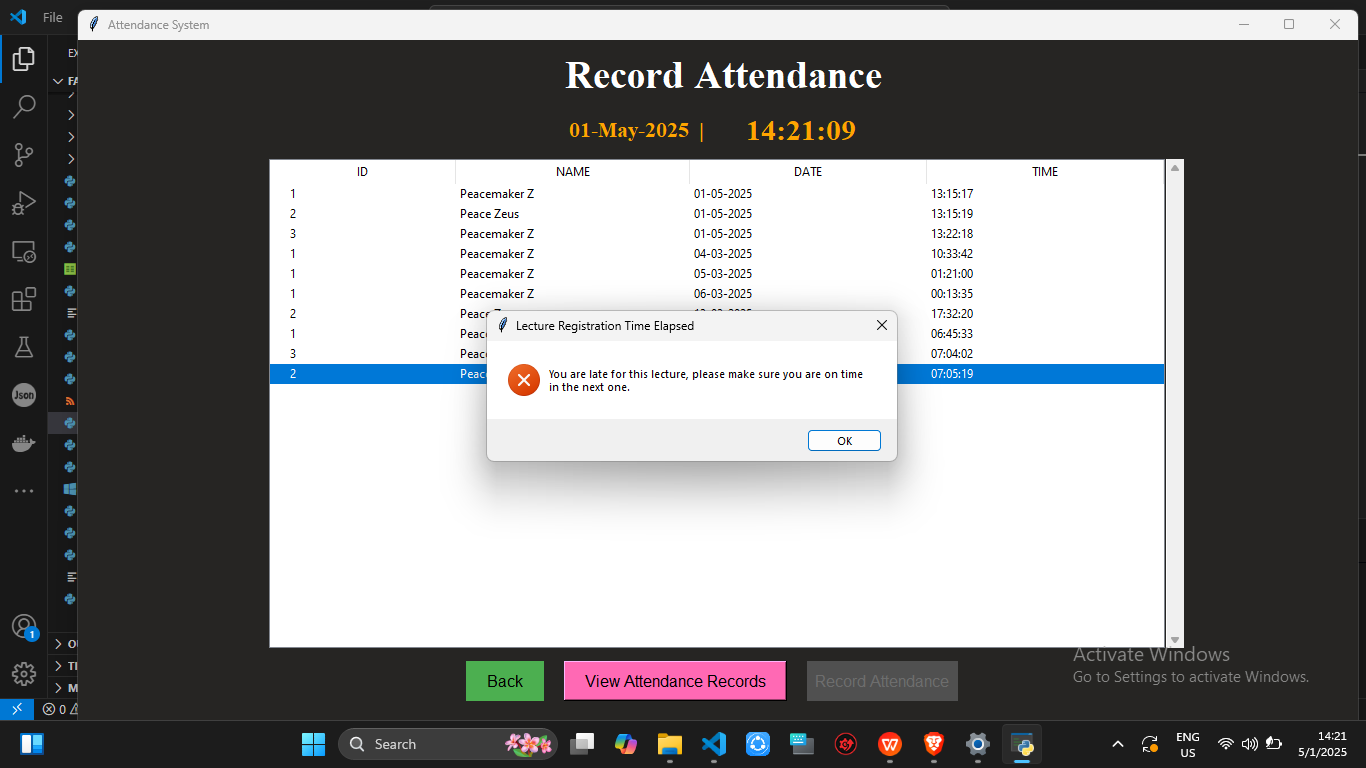
Attendance enrollment button grayed out and locked
-
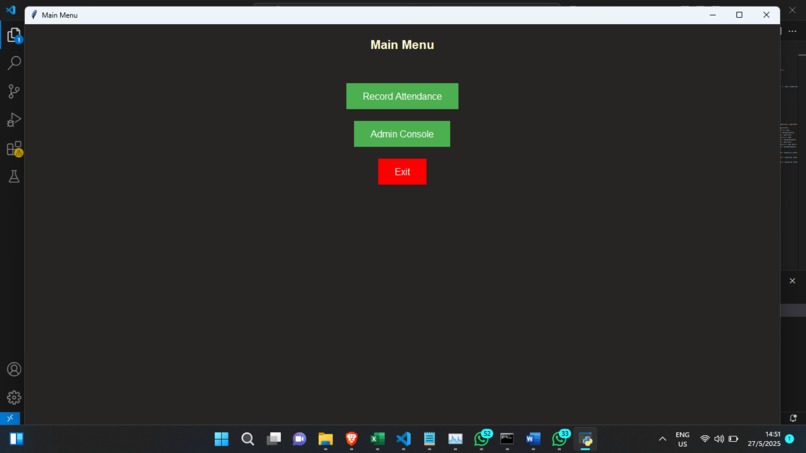
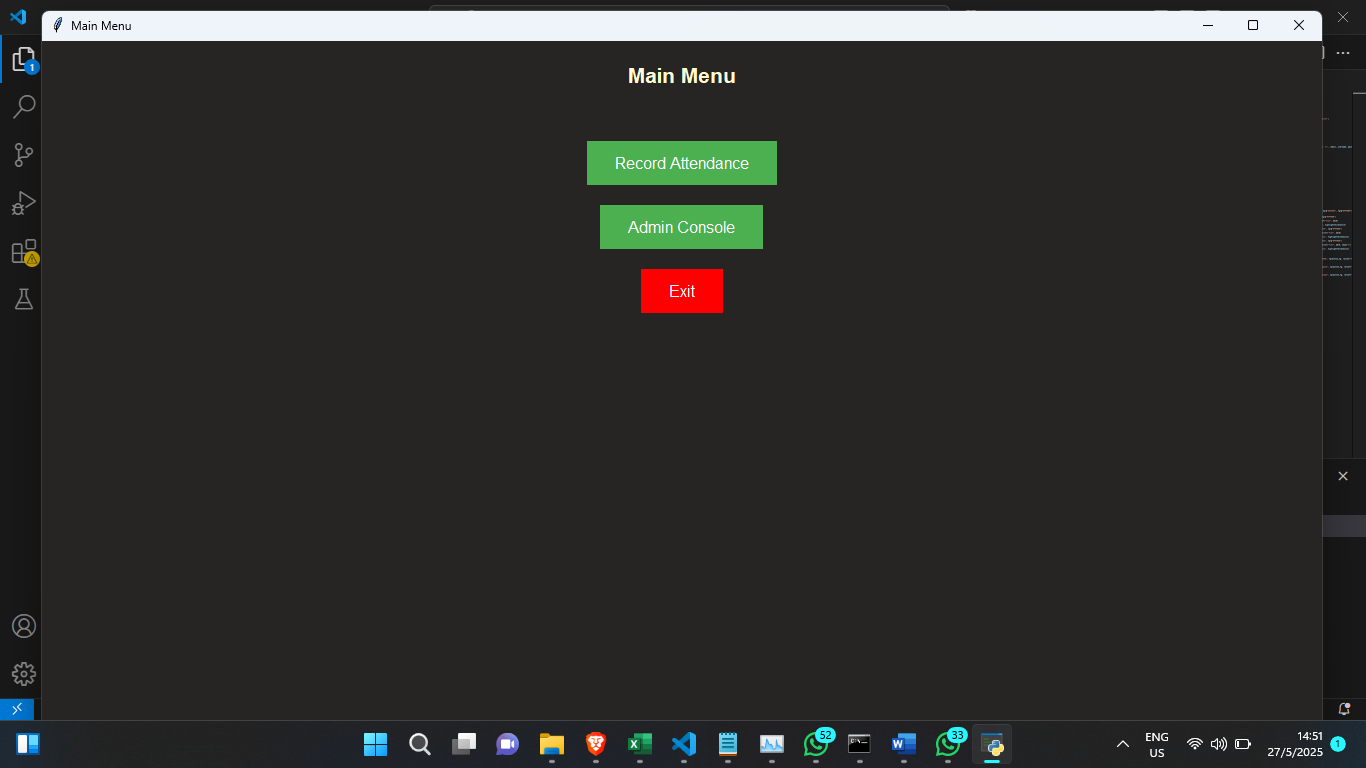
Main Menu (Landing form)
-
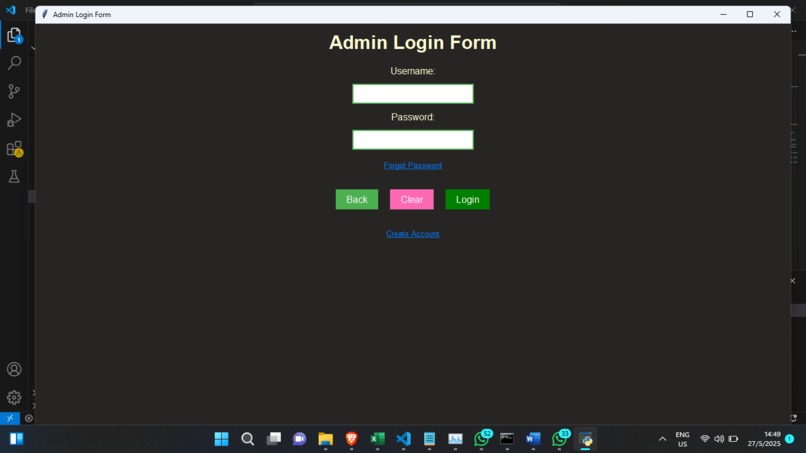
Admin Console Login form
-
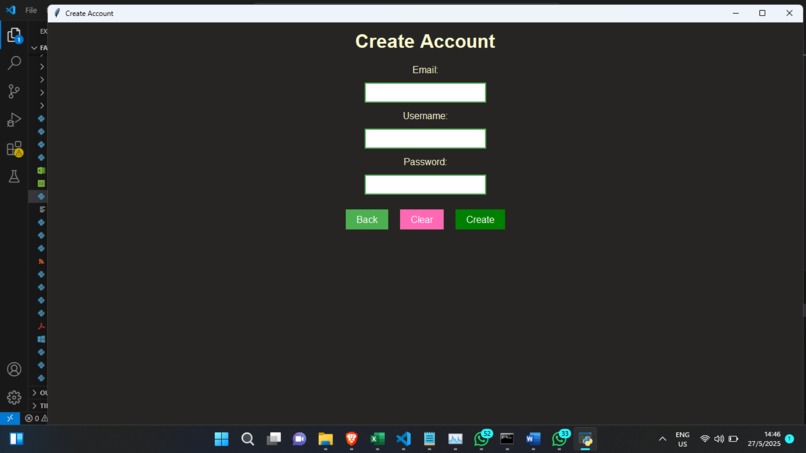
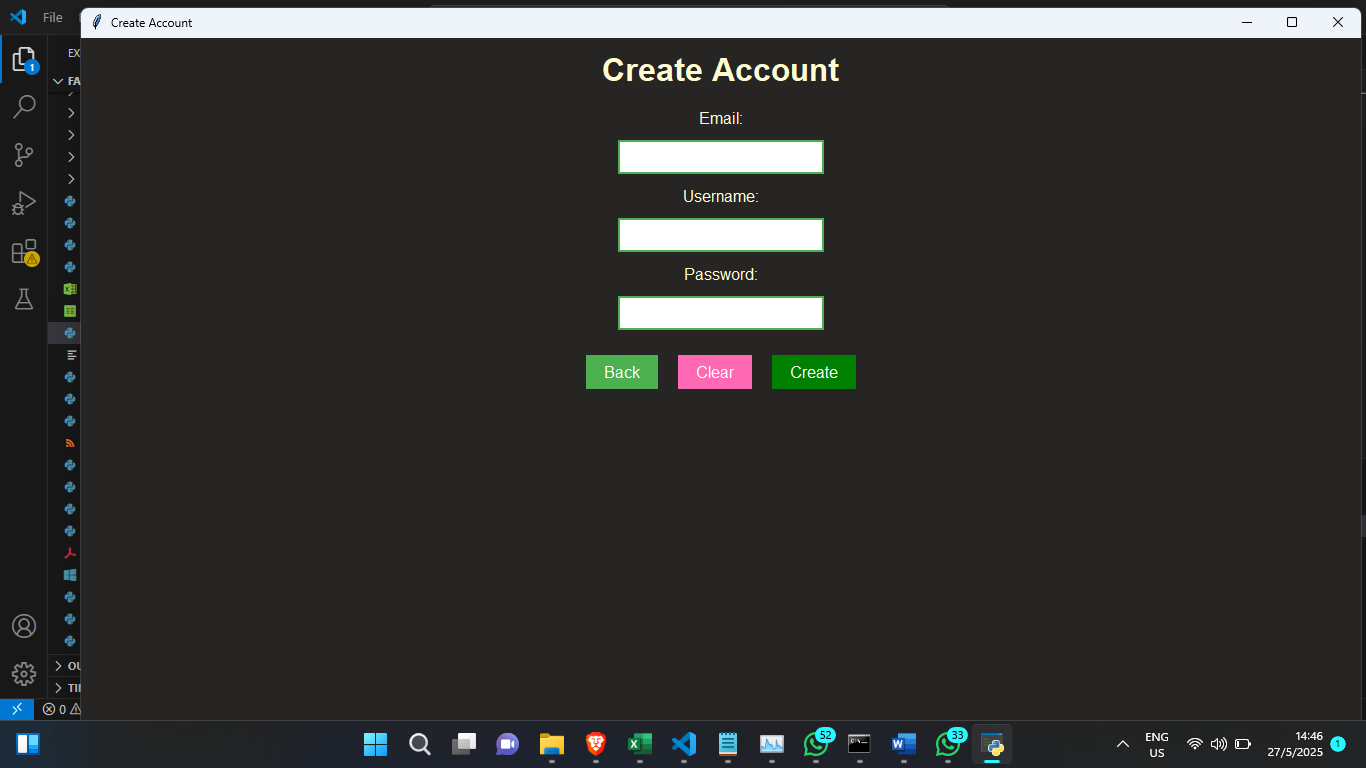
New account for admin console credentials creation form
-
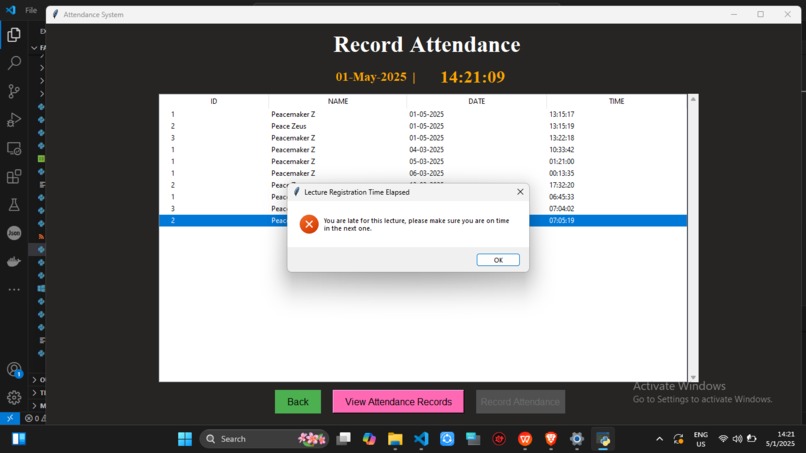
Automatically lock the enrollment button if student is late for class
-
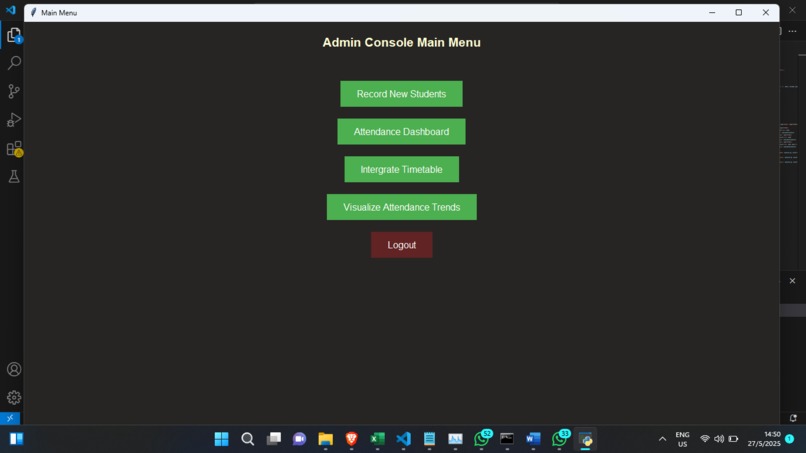
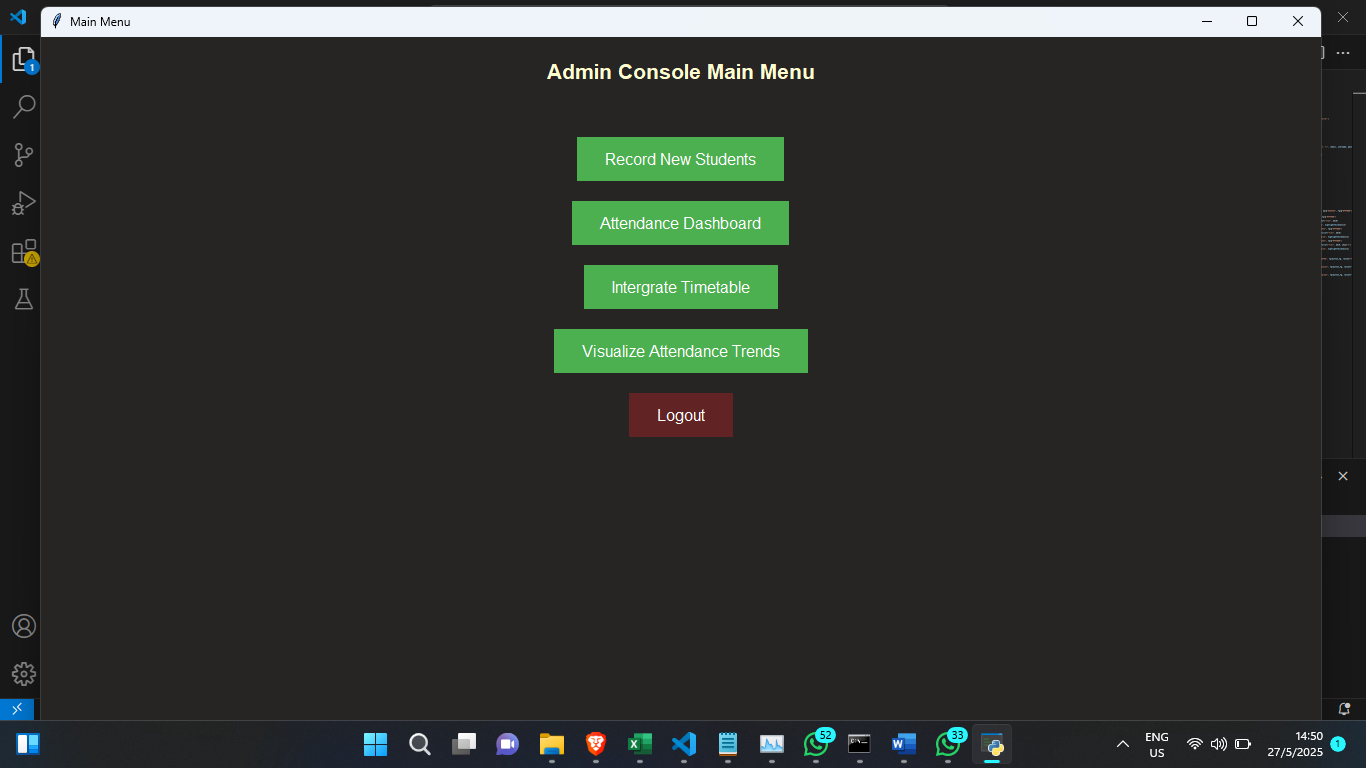
Admin Console Main Menu
-
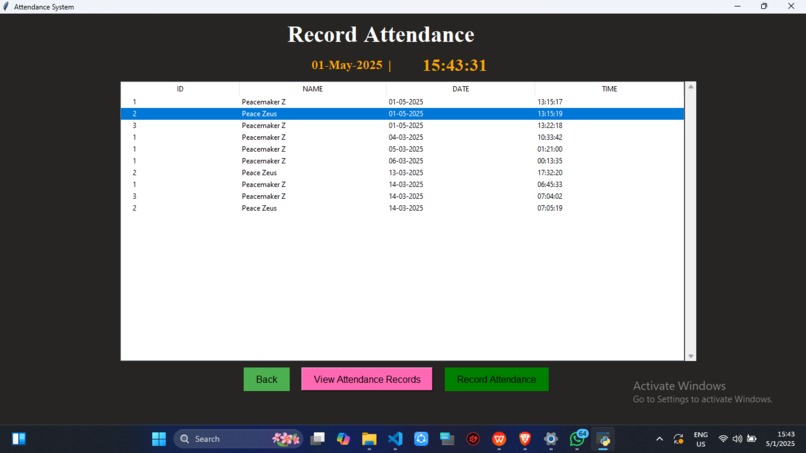
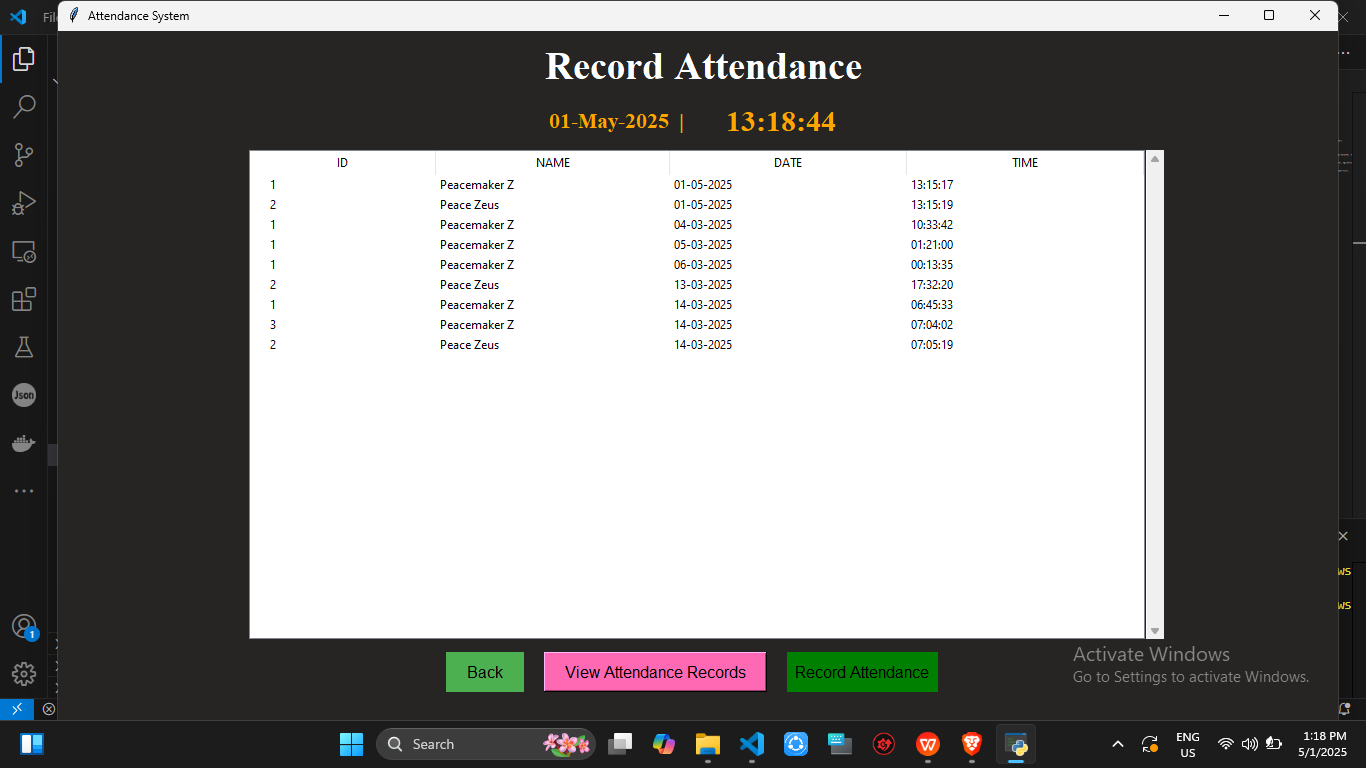
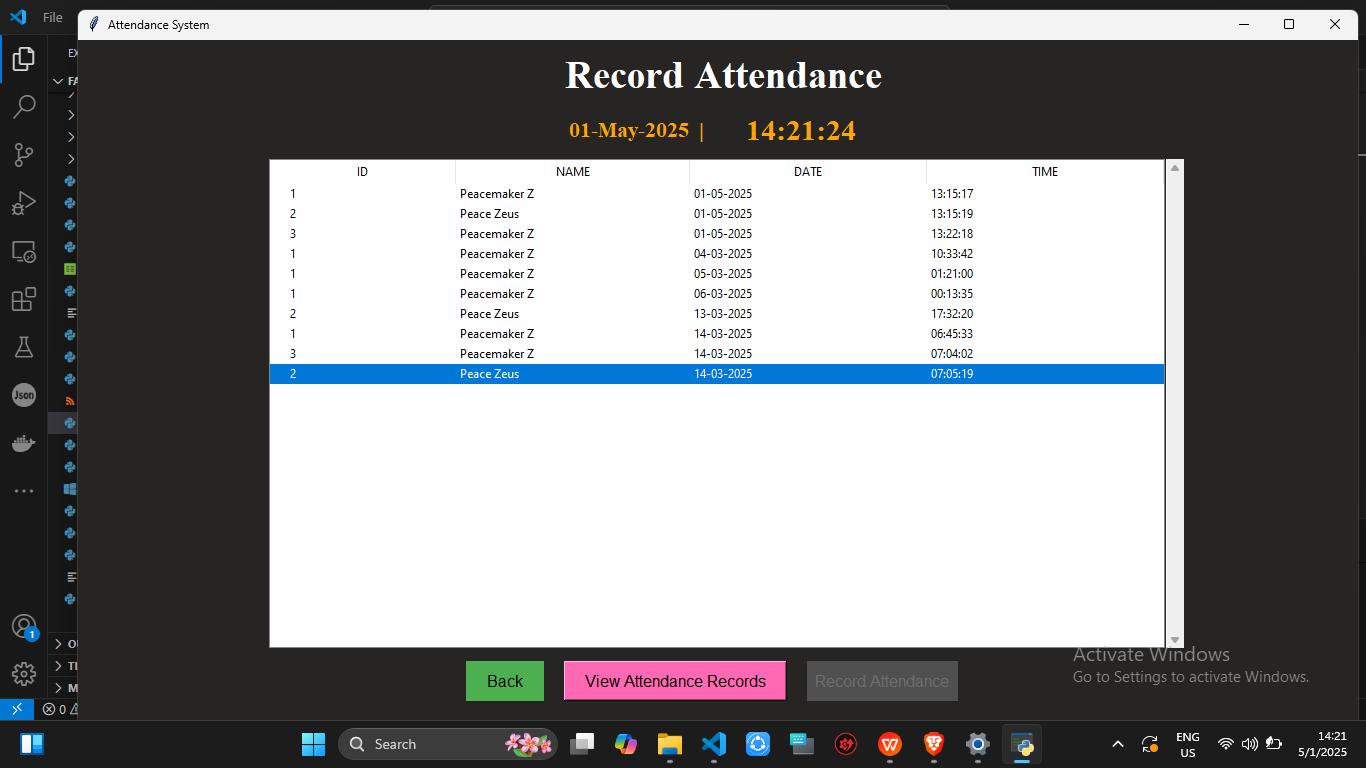
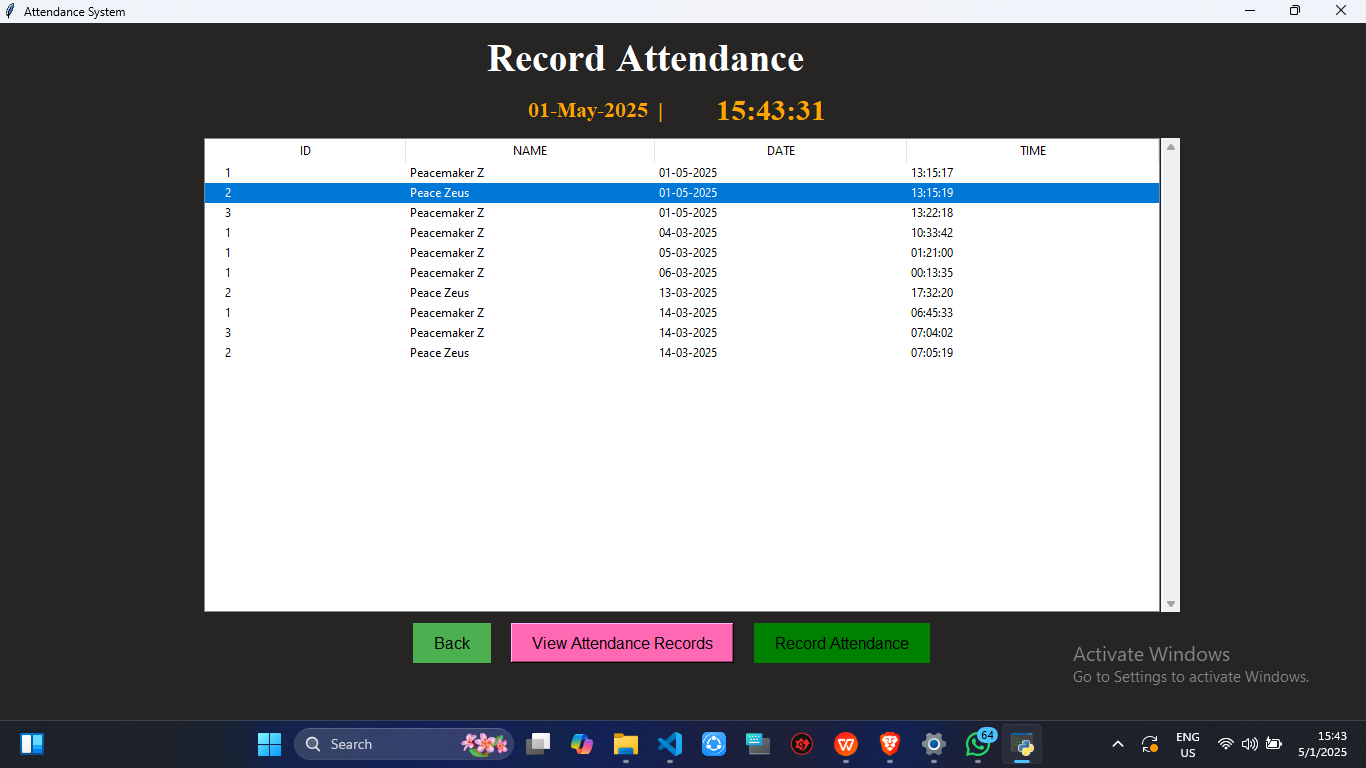
Past students attendance records
-
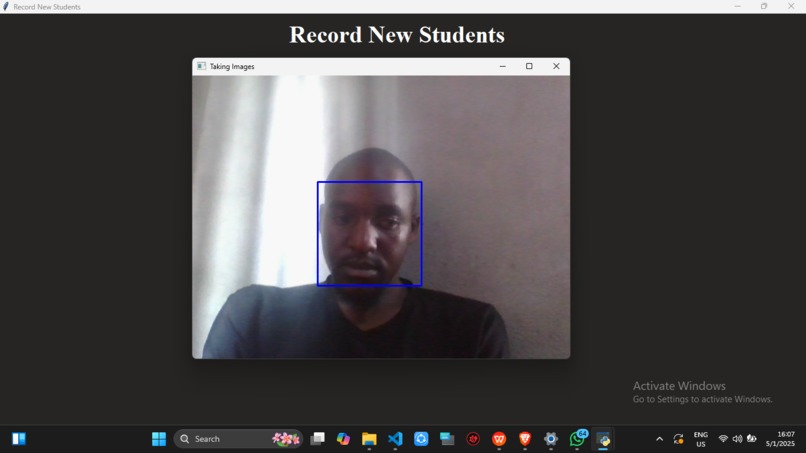
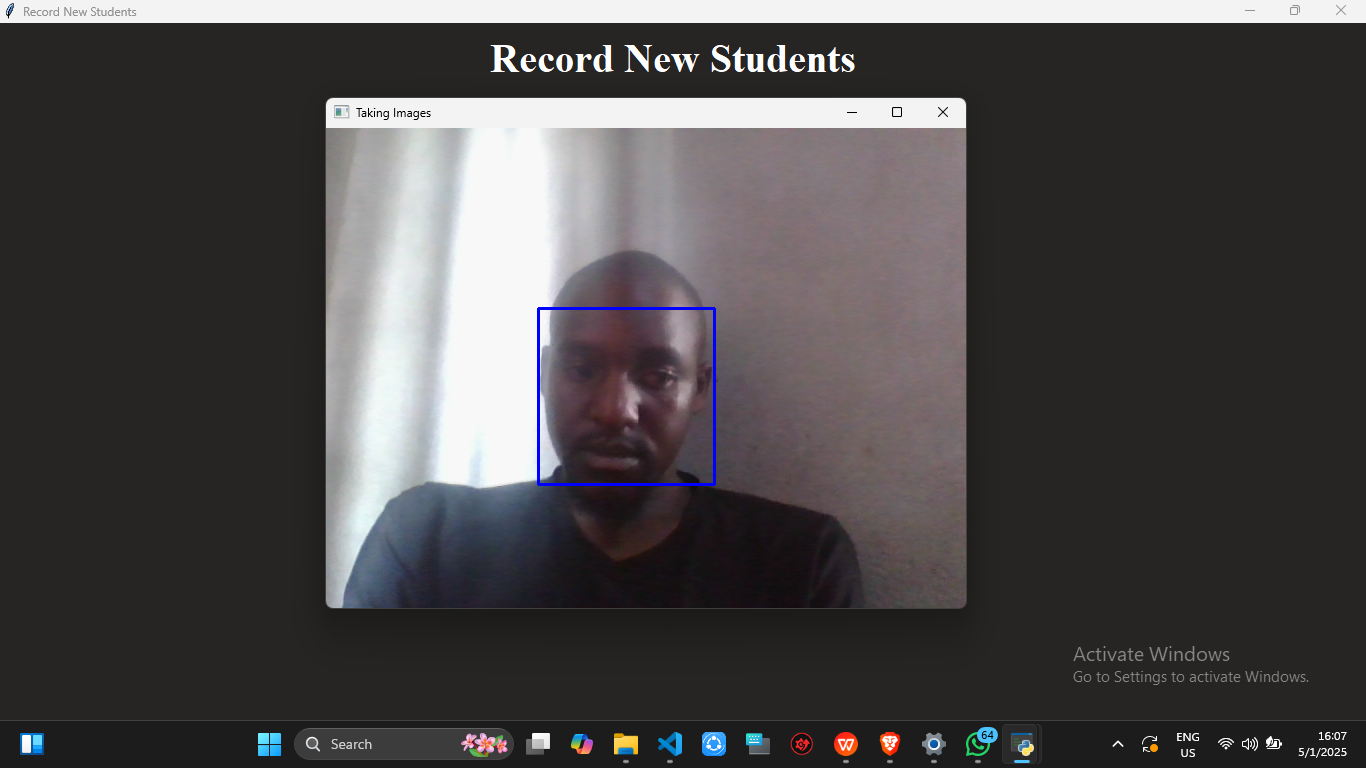
New student profile being created and images being captured
-
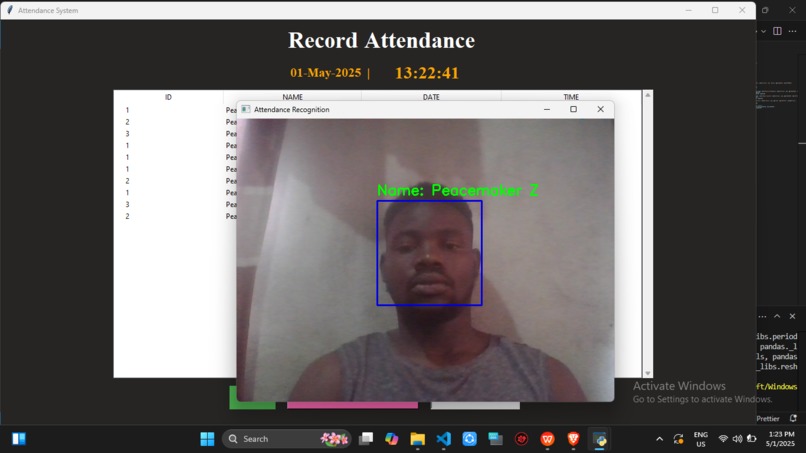
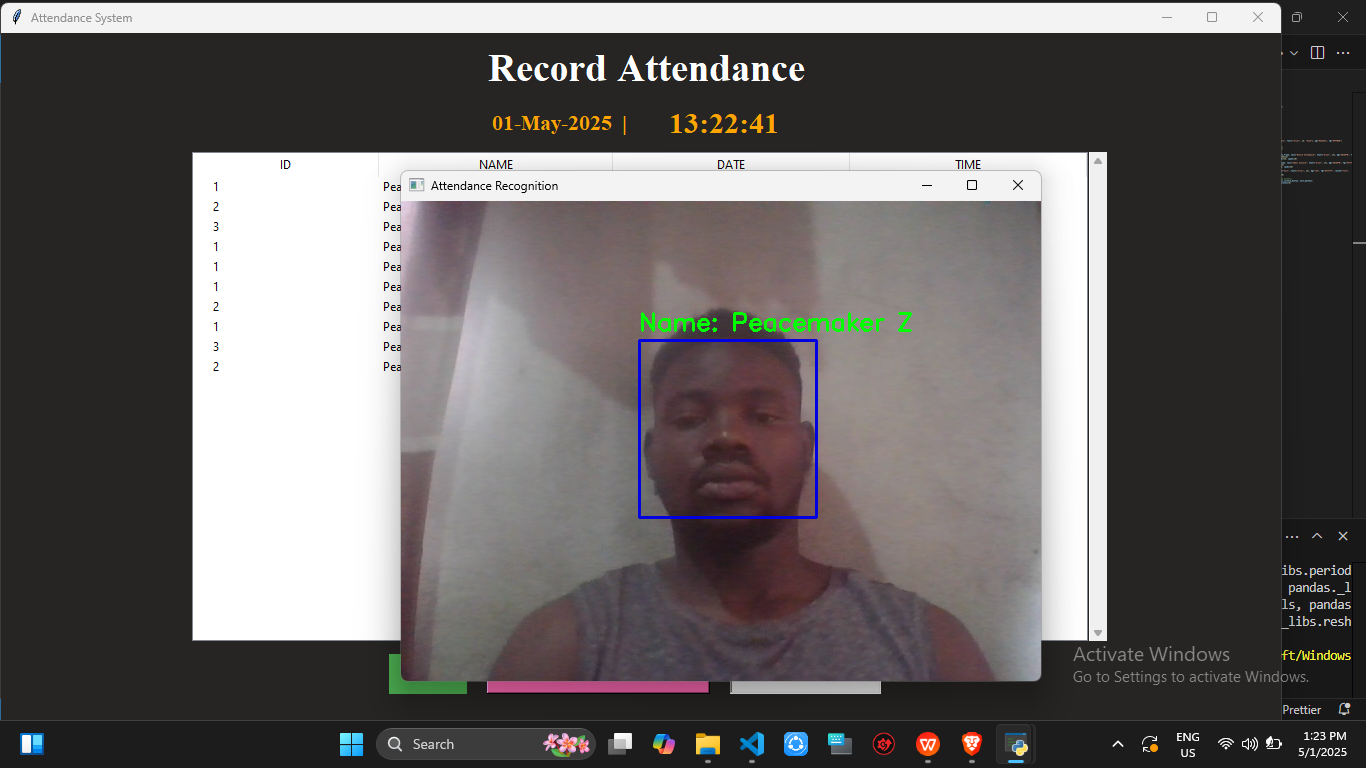
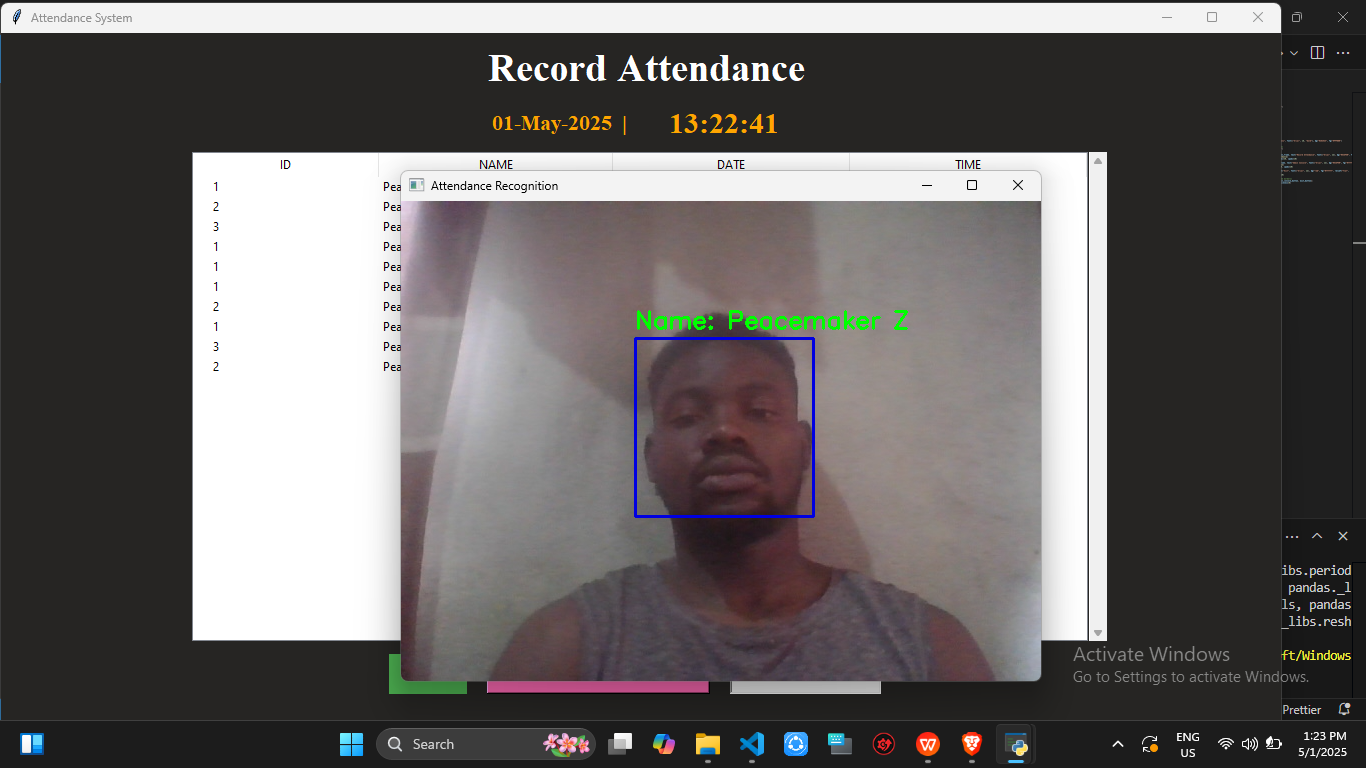
Student face identified and recorded accurately on attendance enrollment form
-
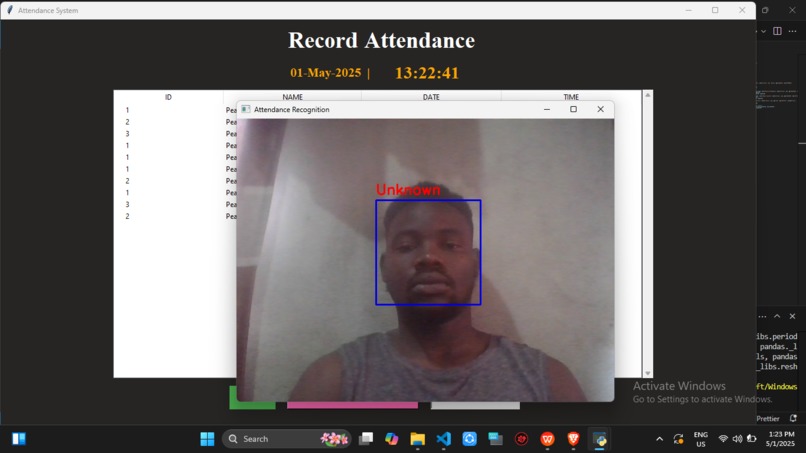
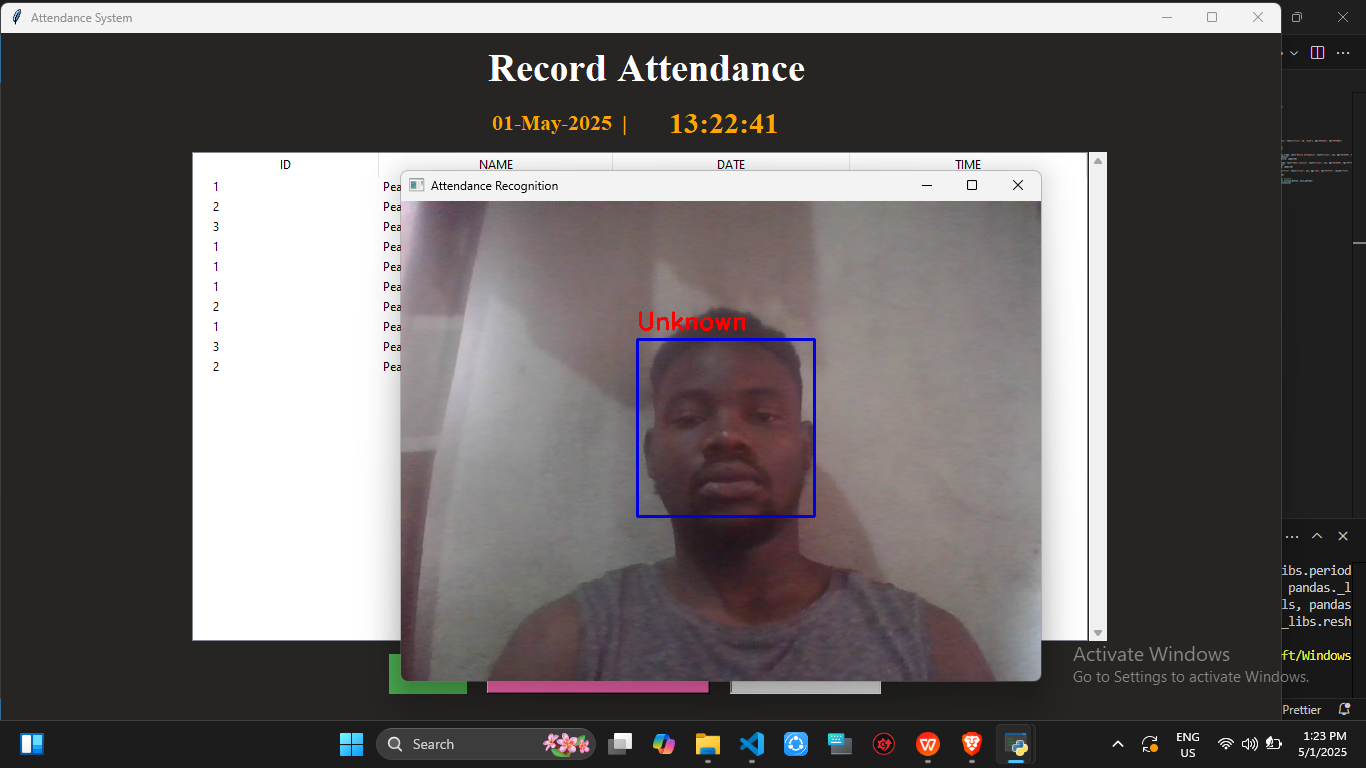
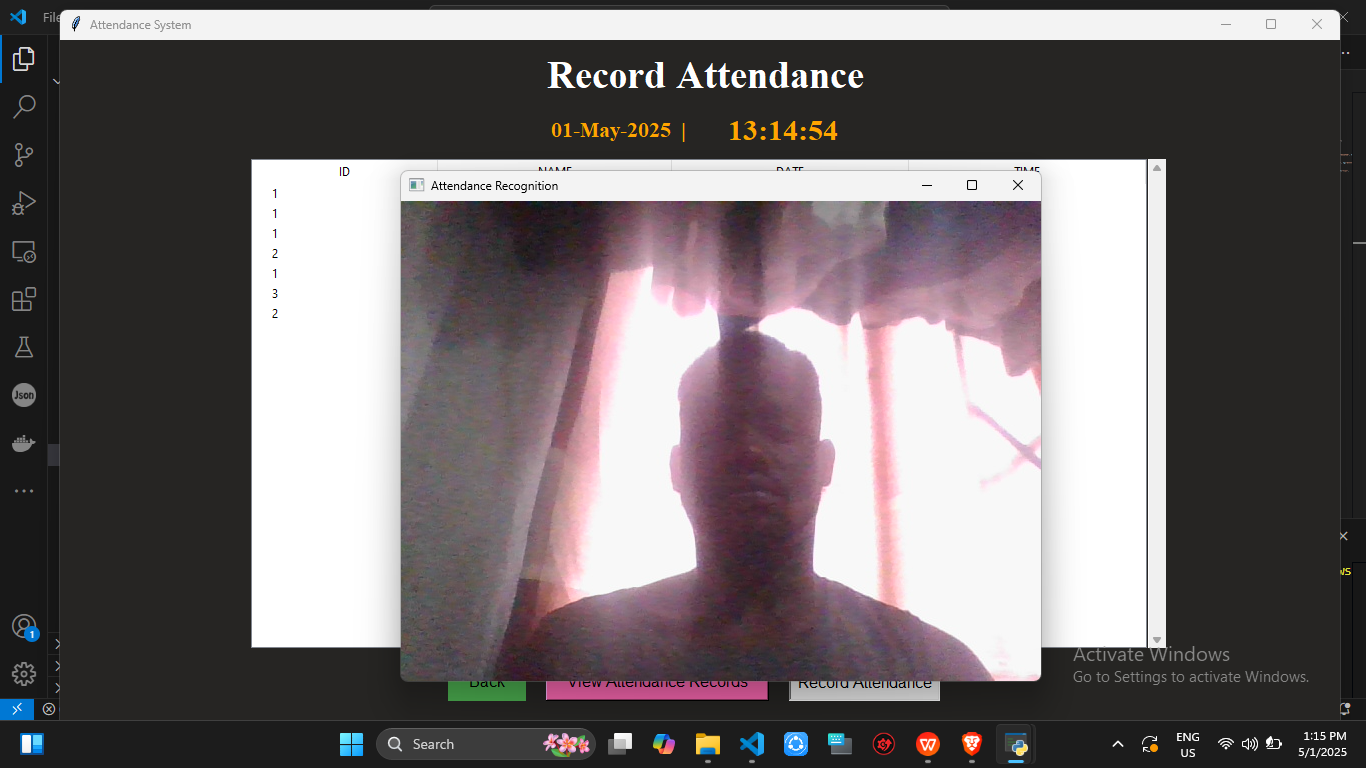
System tying to identify the current student's face on attendance enrollment
-
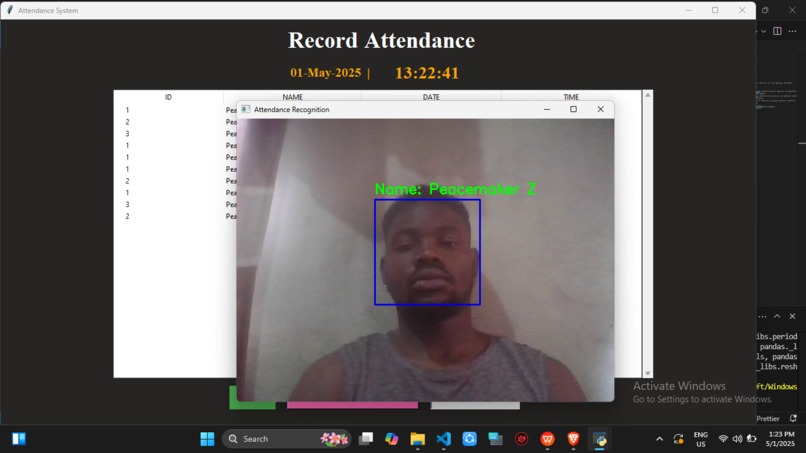
-
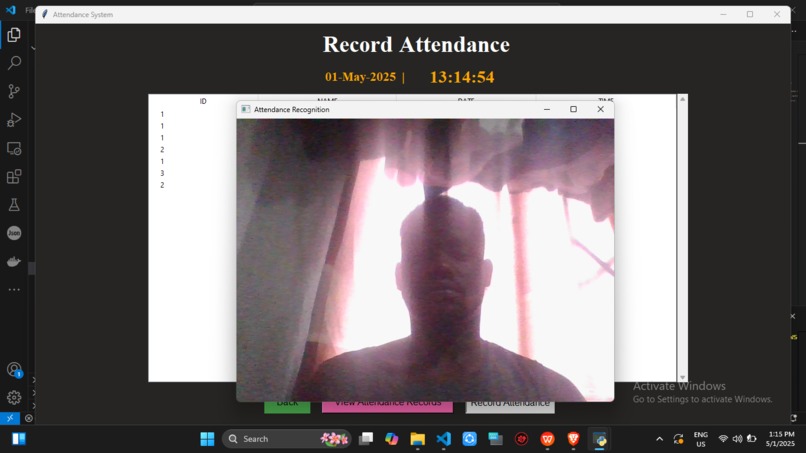
identification failure in white background
Inspiration
The inspiration behind this project stemmed from witnessing the inefficiencies, lack of time punctuality as students could easily enroll even when they are very late for class and vulnerabilities in traditional student attendance methods manual roll calls, sign-in sheets, and basic digital input systems. These approaches were time-consuming, error-prone, and easily manipulated. As a student in a data-driven academic program, I was compelled to find a smart, secure, and scalable solution that could transform the way attendance is recorded in educational institutions. With the growing global adoption of biometrics, Machine Learning and Artificial Intelligence, I saw facial recognition as the perfect tool to address these challenges imposed by the traditional system.
What it does
This facial recognition-based software automates student attendance tracking using a real-time camera feed and biometric authentication. Key features include: -Automatic face detection and recognition using OpenCV and DeepFace (Keras and TensorFlow). -Instant attendance logging with timestamps. -Lecture timetable integration, automatically locking and unlocking attendance based on scheduled lecture times specified by the lecturers. -Admin-secured dashboard for managing student records, tracking trends, and generating analytics. -Attendance data storage using SQLite3 and MS-Excel. -Visual trends and summaries via pandas and matplotlib to support data-driven decision-making.
How I built it
-I used Python Programming Language for the entire system -Libraries Used: DeepFace, Keras, Tensorflow, OpenCV, face_recognition, Tkinter, SQLite3, pandas, matplotlib
Architecture: -30 facial images captured per student and stored locally for robust recognition. -Haar Cascades used for initial detection; LBPH for real-time face recognition. -DeepFace used to perform highly accurate, real-time facial recognition by comparing facial embeddings to automatically verify and record student attendance. It enhances recognition reliability under various conditions. -SQLite3 and Excel used for students and attendance records, enabling easy integration and backups. -Tkinter used to design an intuitive GUI for all user types, operations and analytics. -For Security I implemented Role-based admin authentication with Super Admin control for sensitive operations. -For Analytics I implemented descriptive stats, trend visualization (matplotlib's line and scatter plots) showing attendance behavior.
Challenges I ran into
-Lighting Variability: Accuracy dropped in poorly lit environments. Addressed through preprocessing and recommending high-quality cameras and camera angle recommendations as well. -Hardware Constraints: Designed to run smoothly even on non-GPU laptops, requiring algorithm optimization and also compatible with any Laptop webcam. -Data Privacy: Had to implement secure storage and user authentication to protect sensitive biometric data. -Real-time Performance: Ensured the system was fast enough to operate smoothly in active classrooms. -Face Matching Precision: Fine-tuned image capture angles and training image counts (101 images per student) to reduce false negatives.
Accomplishments that I am proud of
-Successfully built a fully functional facial recognition attendance system with end-to-end automation. -Integrated real-time dashboards and lecture schedule-based attendance with auto locking and unlocking for attendance enrolling to ensure and enforce punctuality. -Created a secure, user-friendly GUI that simplifies admin tasks. -Demonstrated the system in real conditions, achieving smooth and practical classroom use. -Achieved an average recognition accuracy of roughly 90%.
What we learned
-How to implement biometric systems and integrate them with databases and GUIs. -Practical challenges of machine learning deployment outside of theoretical environments. -Importance of user experience and ethical considerations in handling biometric data. -Value of system modularity and iterative development using the spiral model. -How to translate academic concepts into real-world tools with measurable impact.
What's next for Facial recognition-based student attendance software
-Cloud Integration: To allow multi-campus synchronization and data backup. -Mobile App Support: For portable attendance management and notifications. -Multi-Modal Biometric Support: Combining face recognition with voice or fingerprint for enhanced security. -Analytics Expansion: Adding predictive analytics to flag at-risk students based on attendance trends. -Policy Integration: Linking with institutional SIS systems for centralized decision-making and compliance tracking.


Log in or sign up for Devpost to join the conversation.