About Facet
Inspiration
Facet came from a gap I kept seeing: people want coaching, but many tools feel too generic, too expensive, or too slow to use in real life. I wanted something that feels like a personal system, not another content feed, and gives guidance in the exact moment it is needed.
What I Built
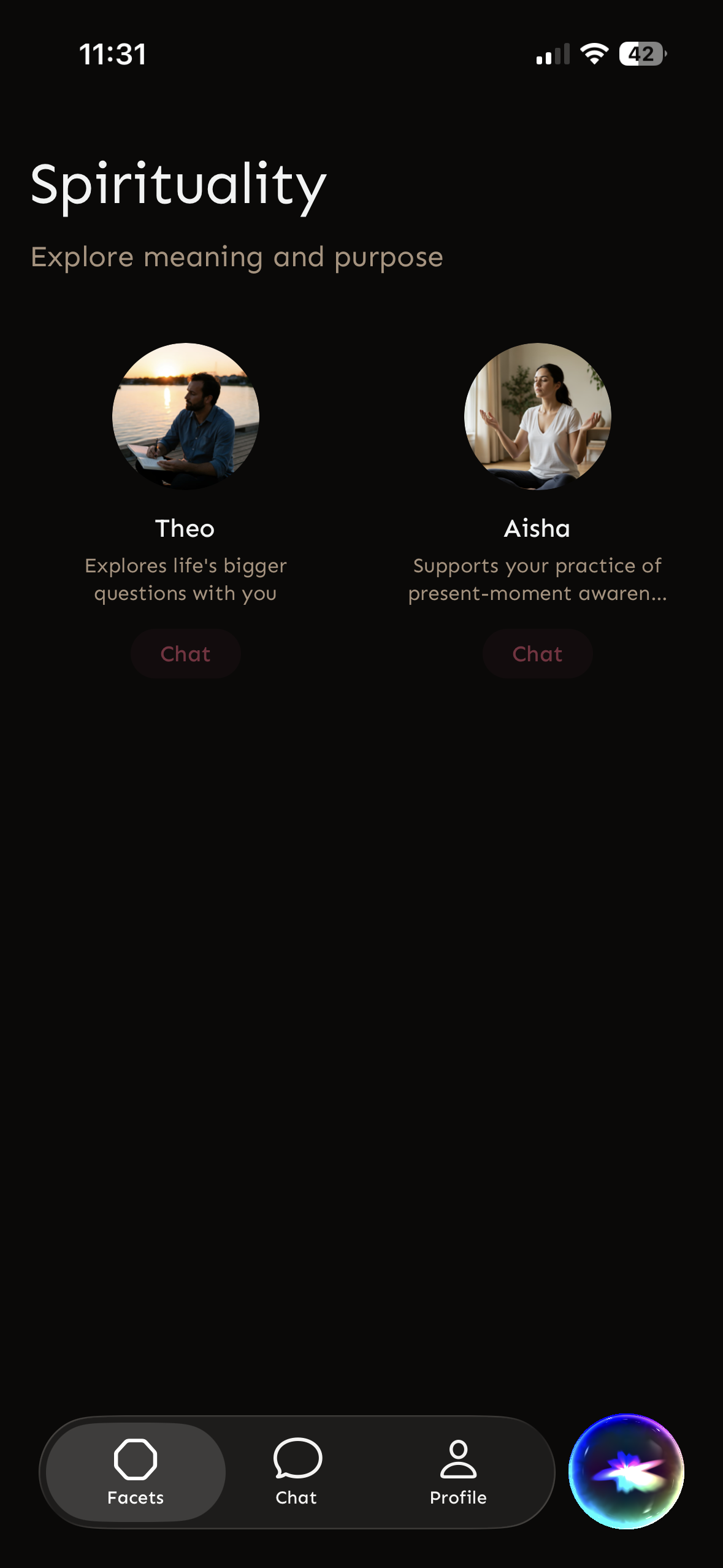
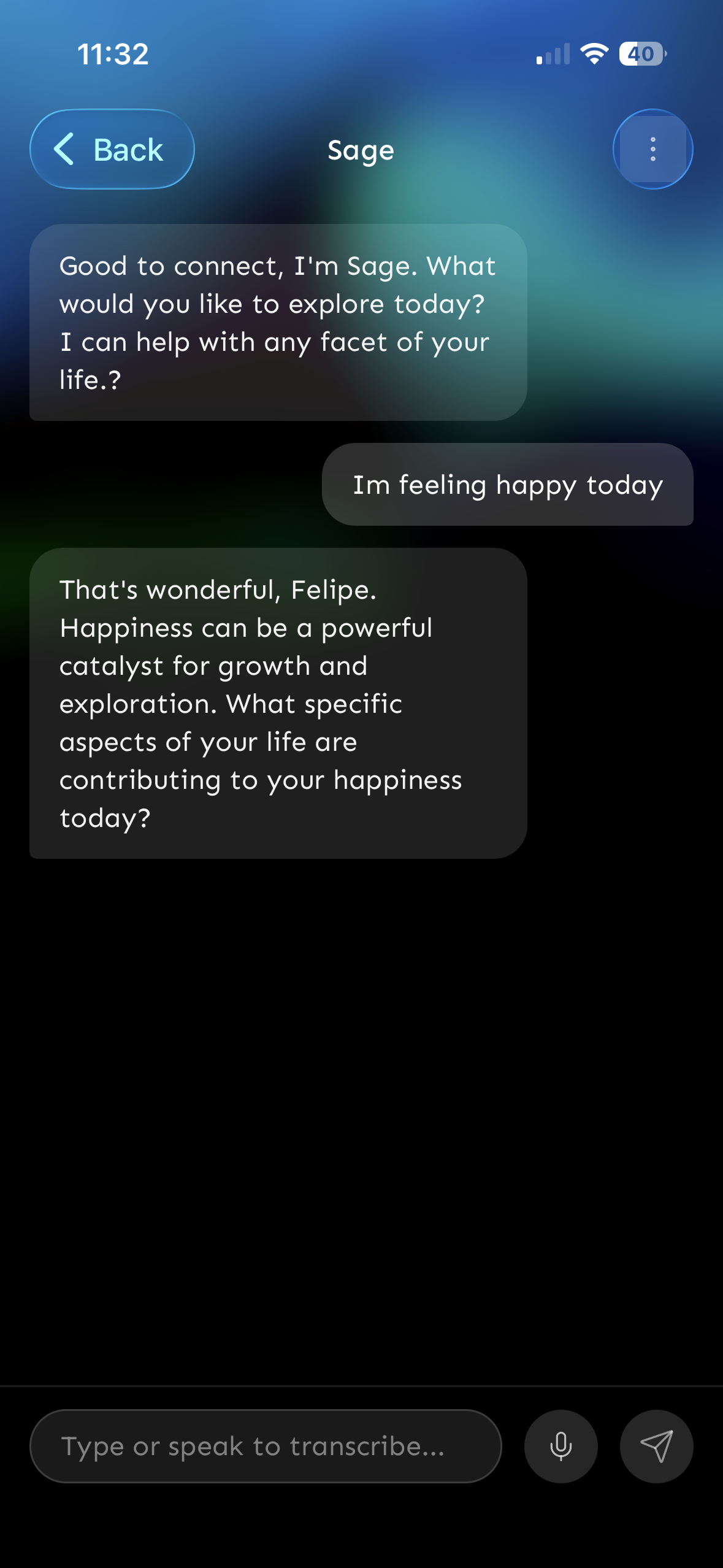
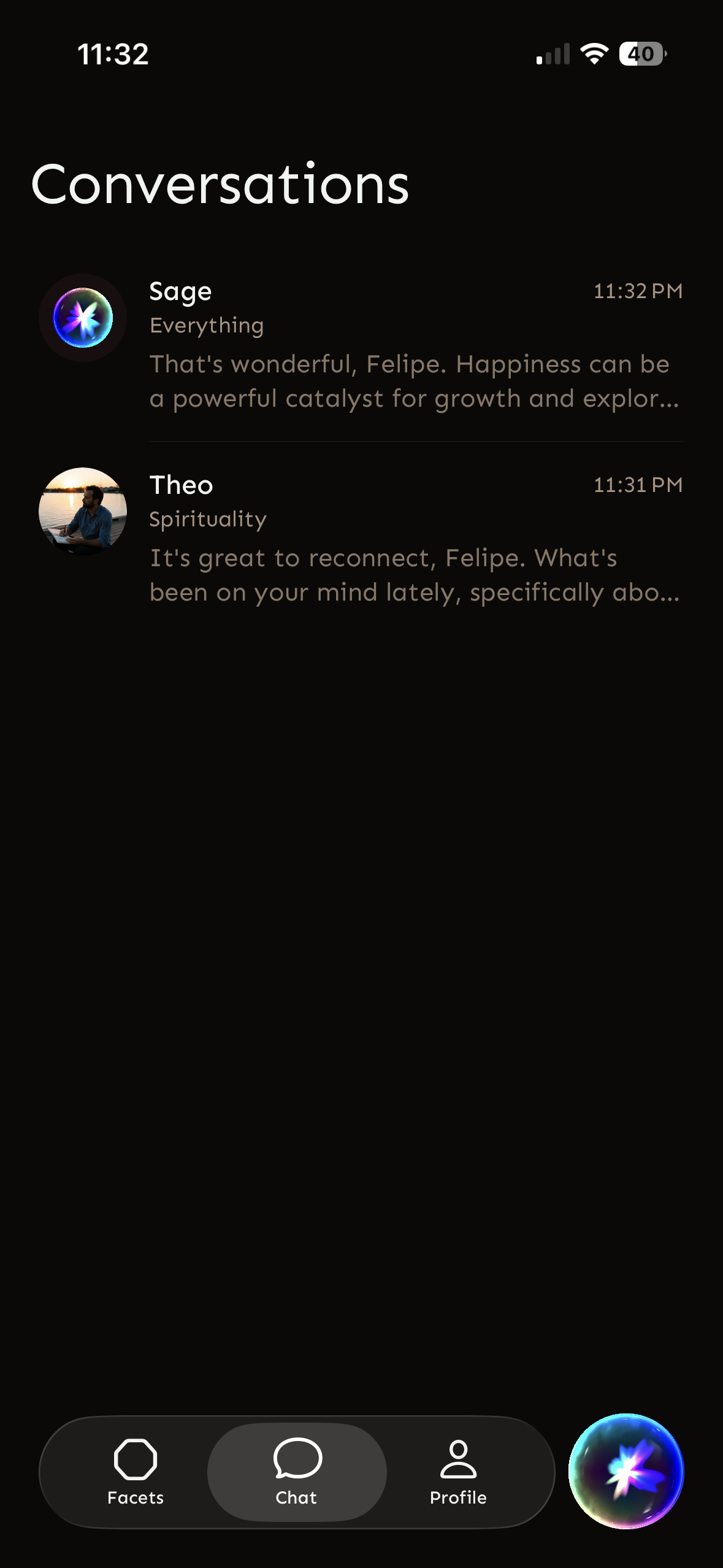
Facet is a private, on-device AI life coaching app organized by life aspects like career, money, health, relationships, and more. In the app, users can:
- Browse specialized coaches by aspect
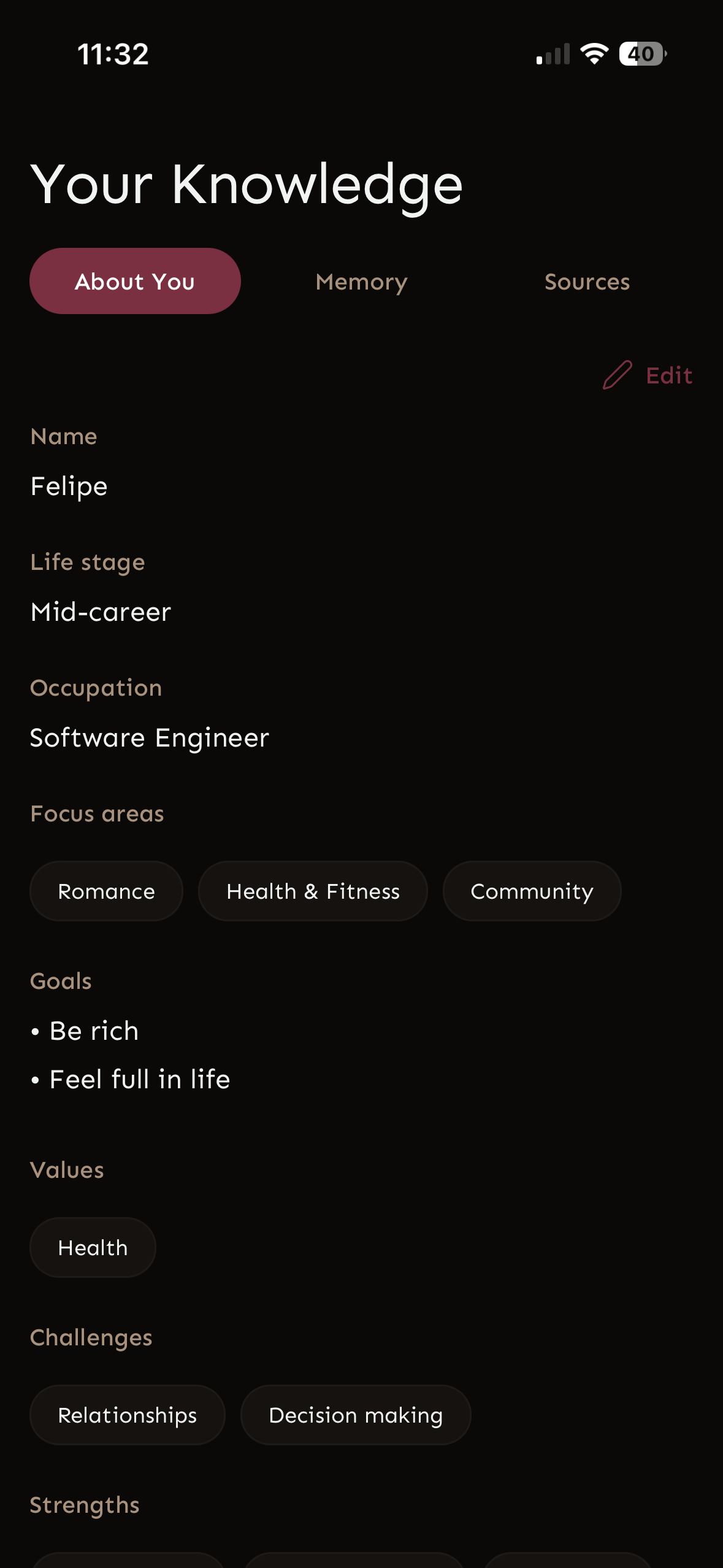
- Add personal context, goals, and values
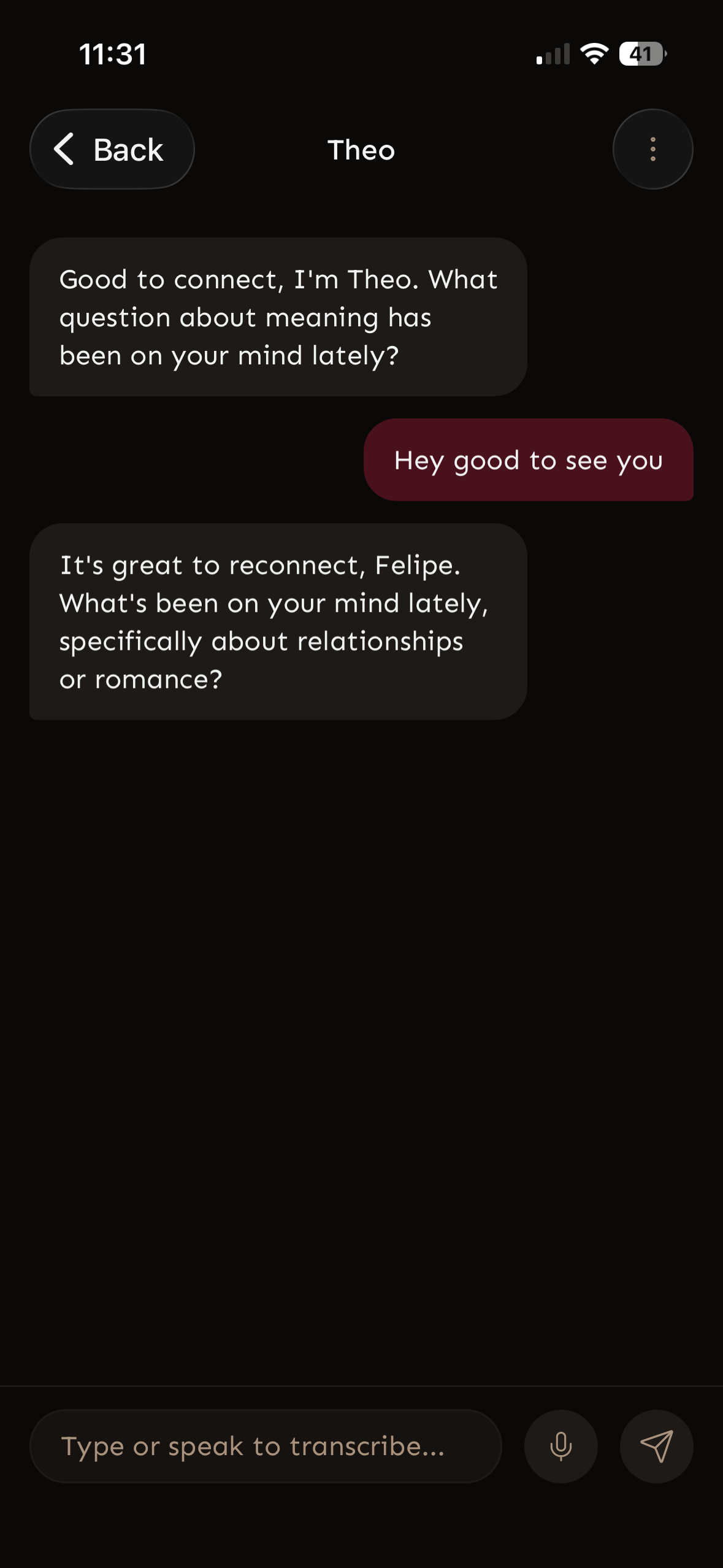
- Start chatting immediately with minimal setup
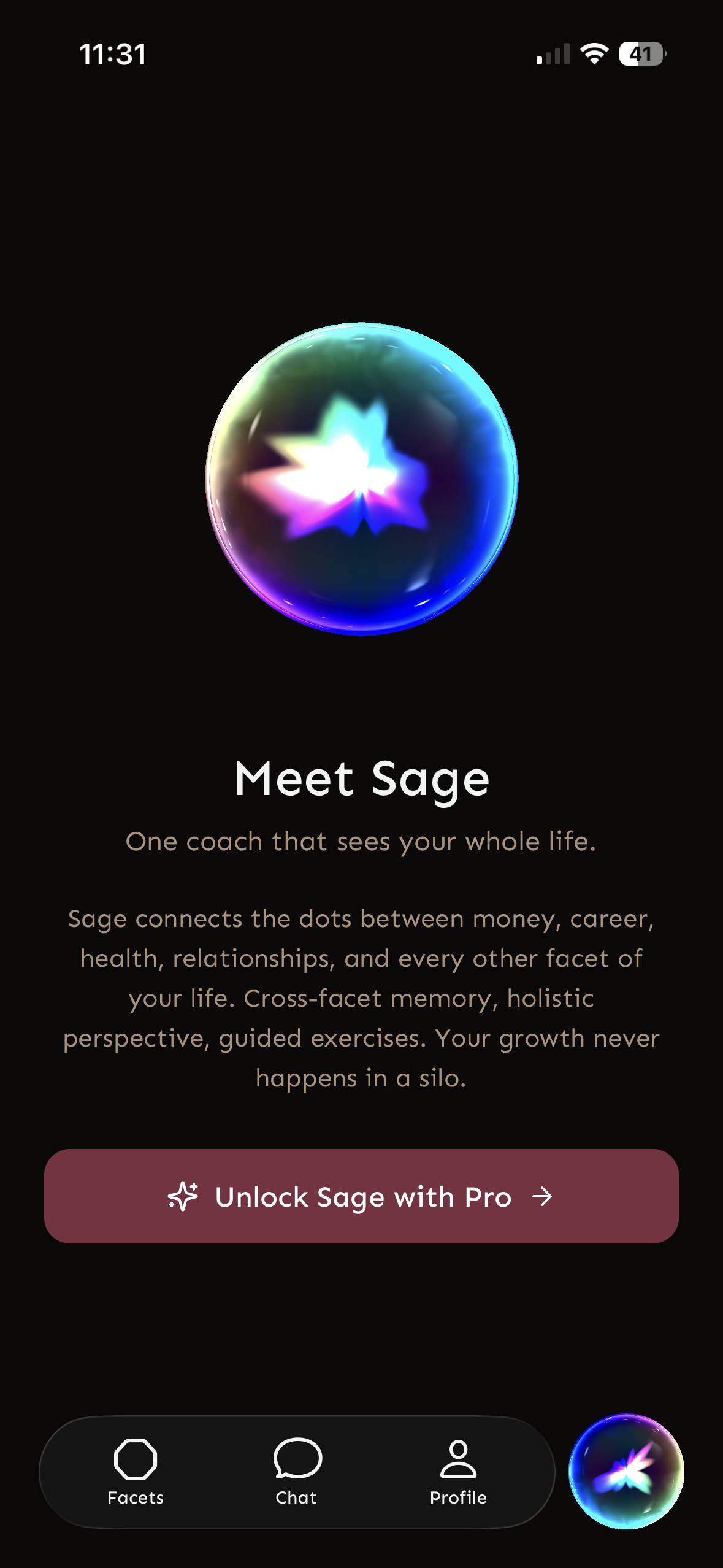
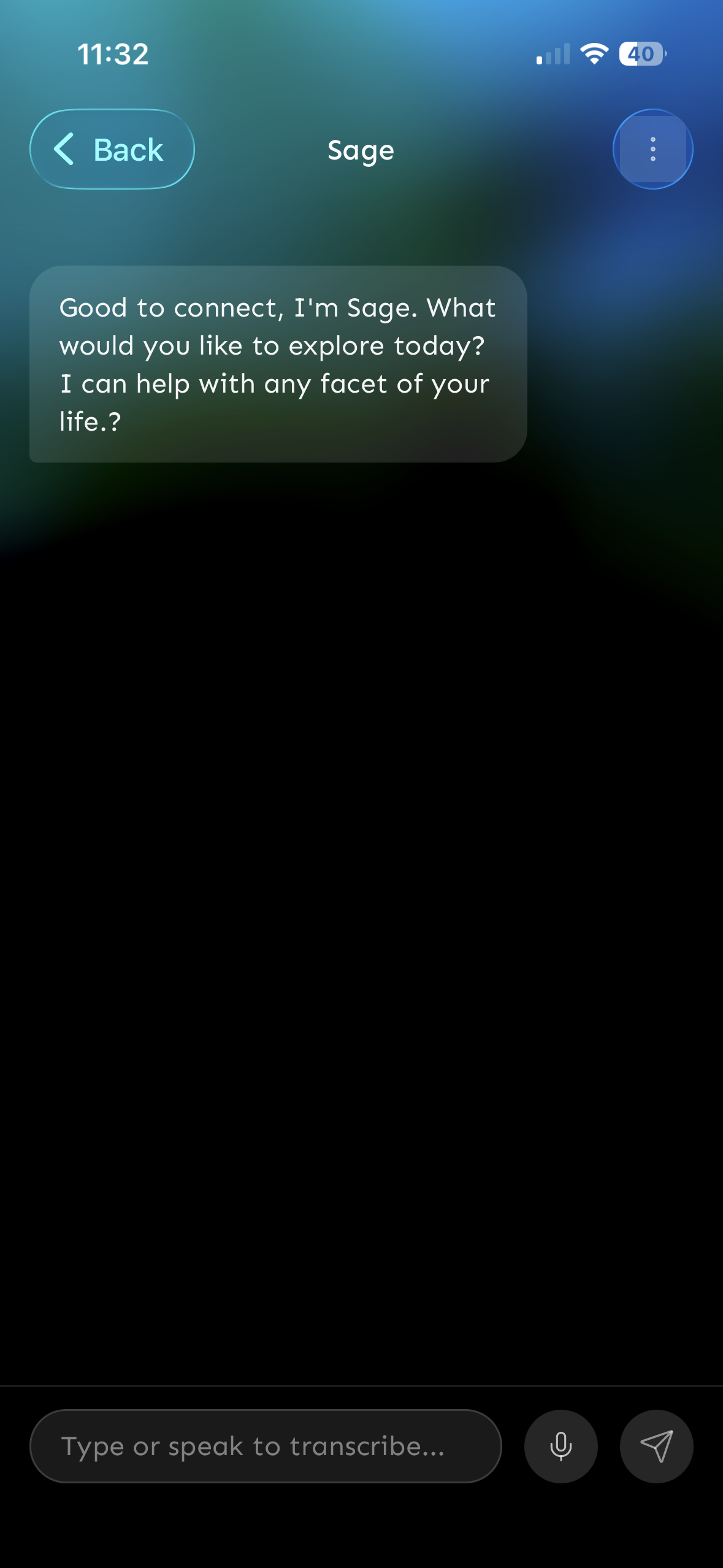
- Unlock a cross-aspect "Sage" coach in Pro
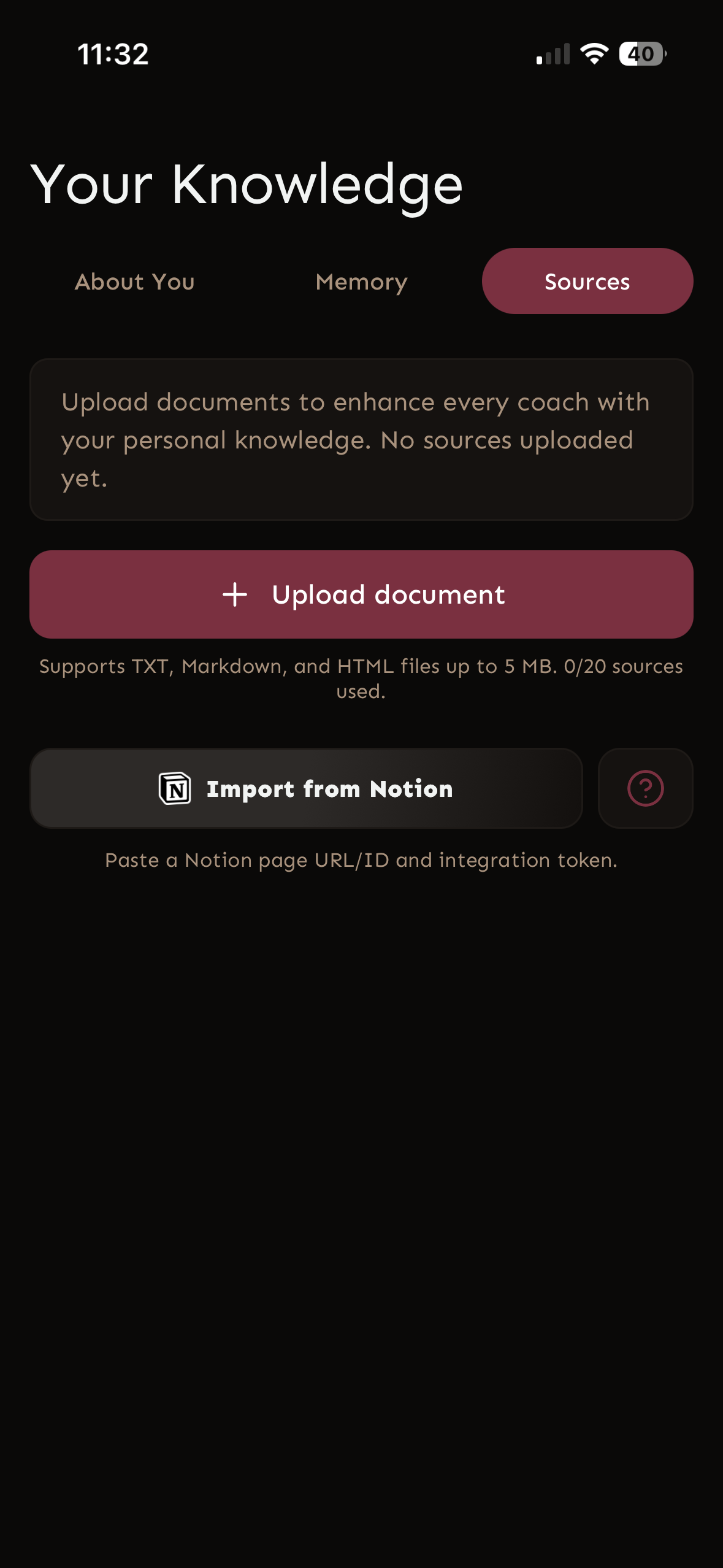
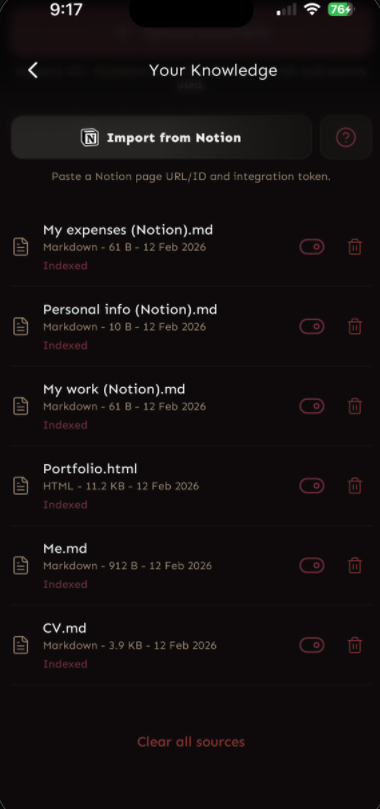
- Upload personal sources and create custom coaches (Pro)
How I Built It
I built Facet as a React Native (Expo) app with a local-first architecture:
- On-device onboarding and personal context capture
- Session-based chat flows per coach and aspect
- Local memory and source handling with a unified knowledge hub
- On-device model pipeline for generation and transcription (including a model download step)
- RevenueCat-based entitlement flow for Pro features on supported native builds
Challenges I Faced
The hardest part was balancing privacy, speed, and product simplicity:
- On-device AI means heavier setup (large model download) and tighter performance constraints
- Keeping the UX minimal while still supporting memory, sources, and custom coaches
- Hardening monetization and entitlement behavior across platforms
- Reducing overlap in knowledge, memory, and source experiences into one clean mental model
What I Learned
I learned that trust and clarity are product features. If I promise private, personal coaching, every screen has to reinforce that with simple flows and transparent behavior. I also learned that great AI UX is less about adding more features and more about delivering fast, context-aware guidance that feels immediately useful.
Built With
- executorch
- expo.io
- llama
- react-native
- revenuecat


Log in or sign up for Devpost to join the conversation.