-
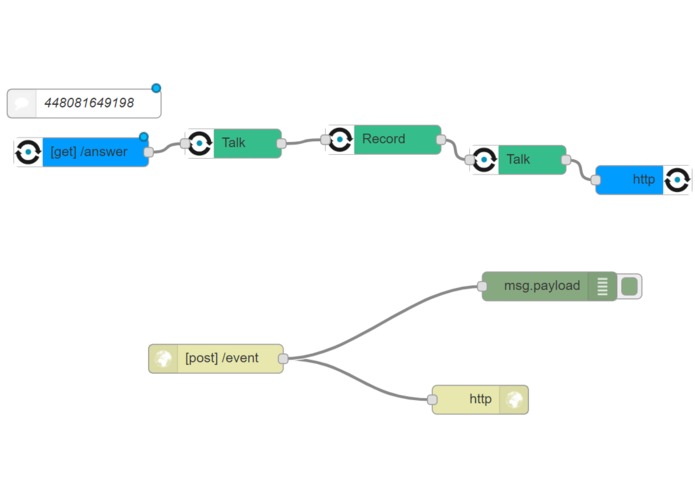
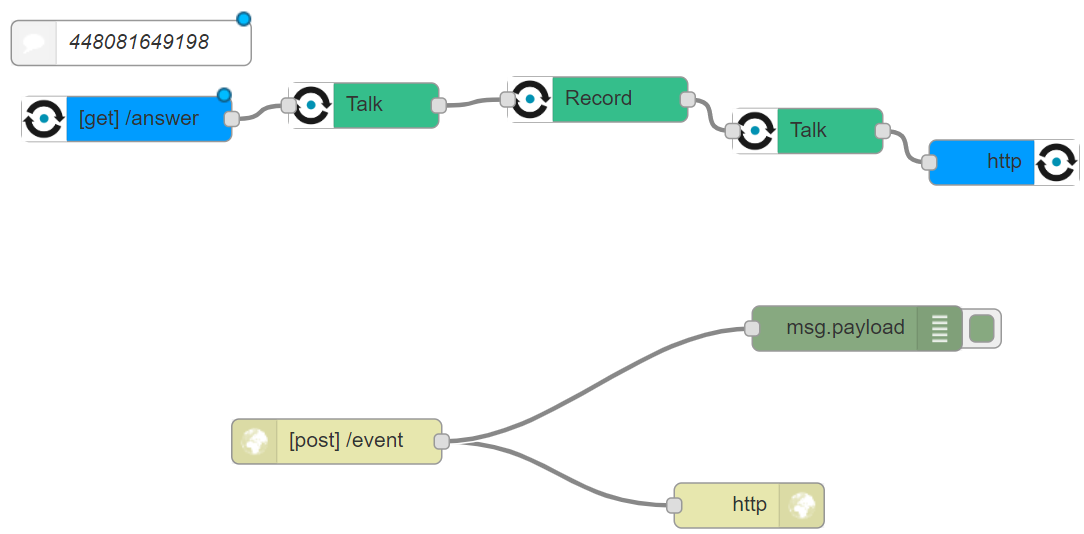
Nexmo Voice (node-red)
-
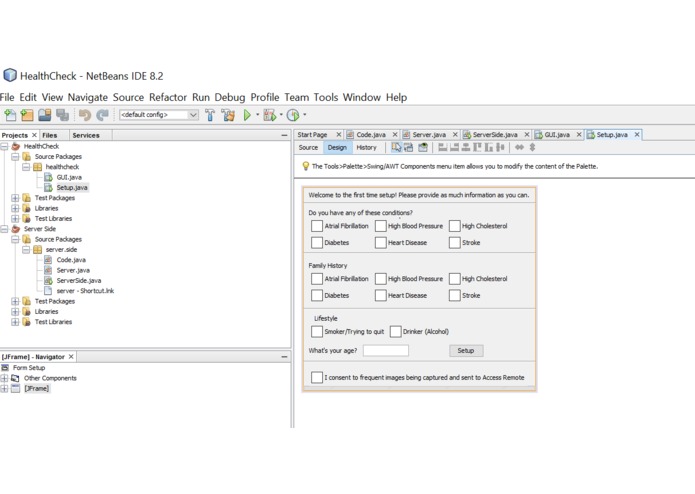
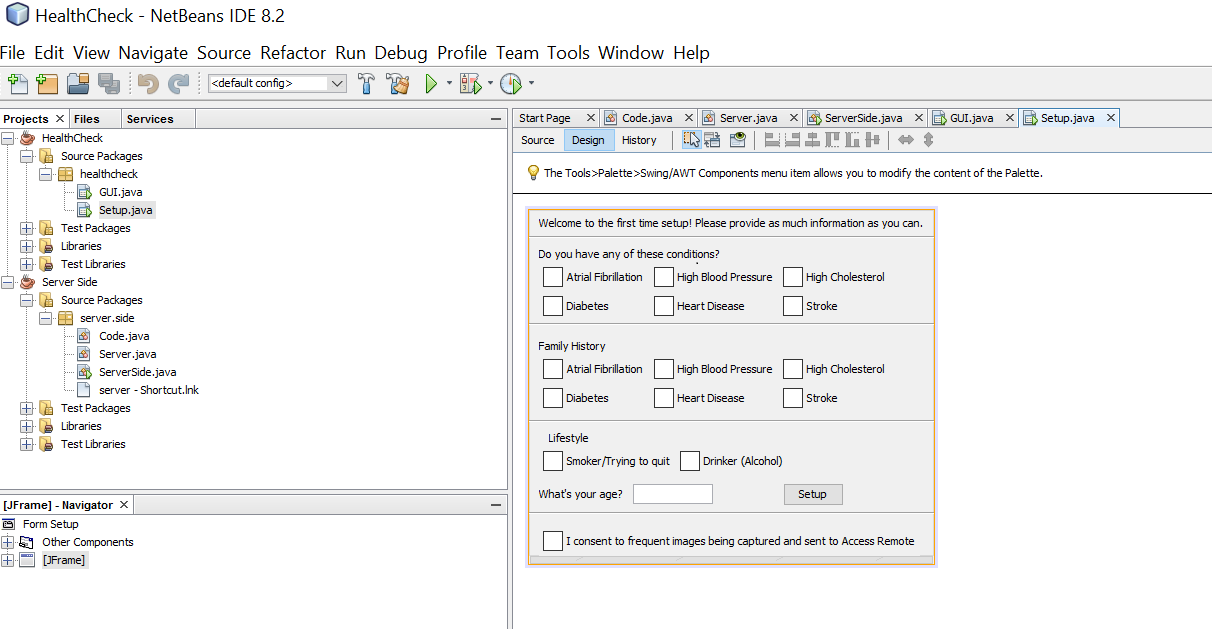
Registration Form
-
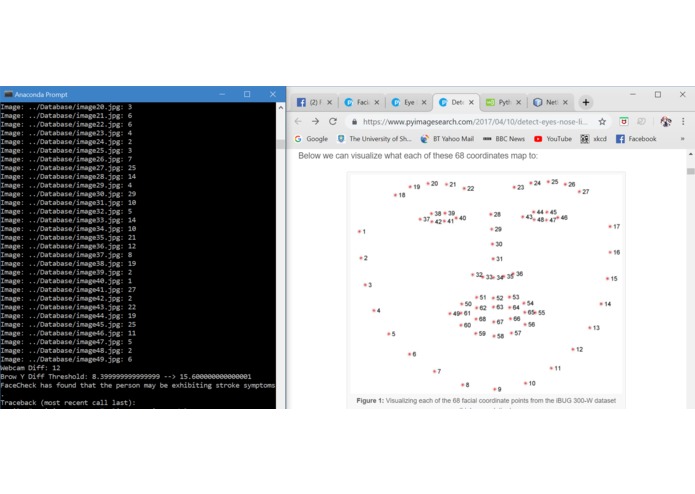
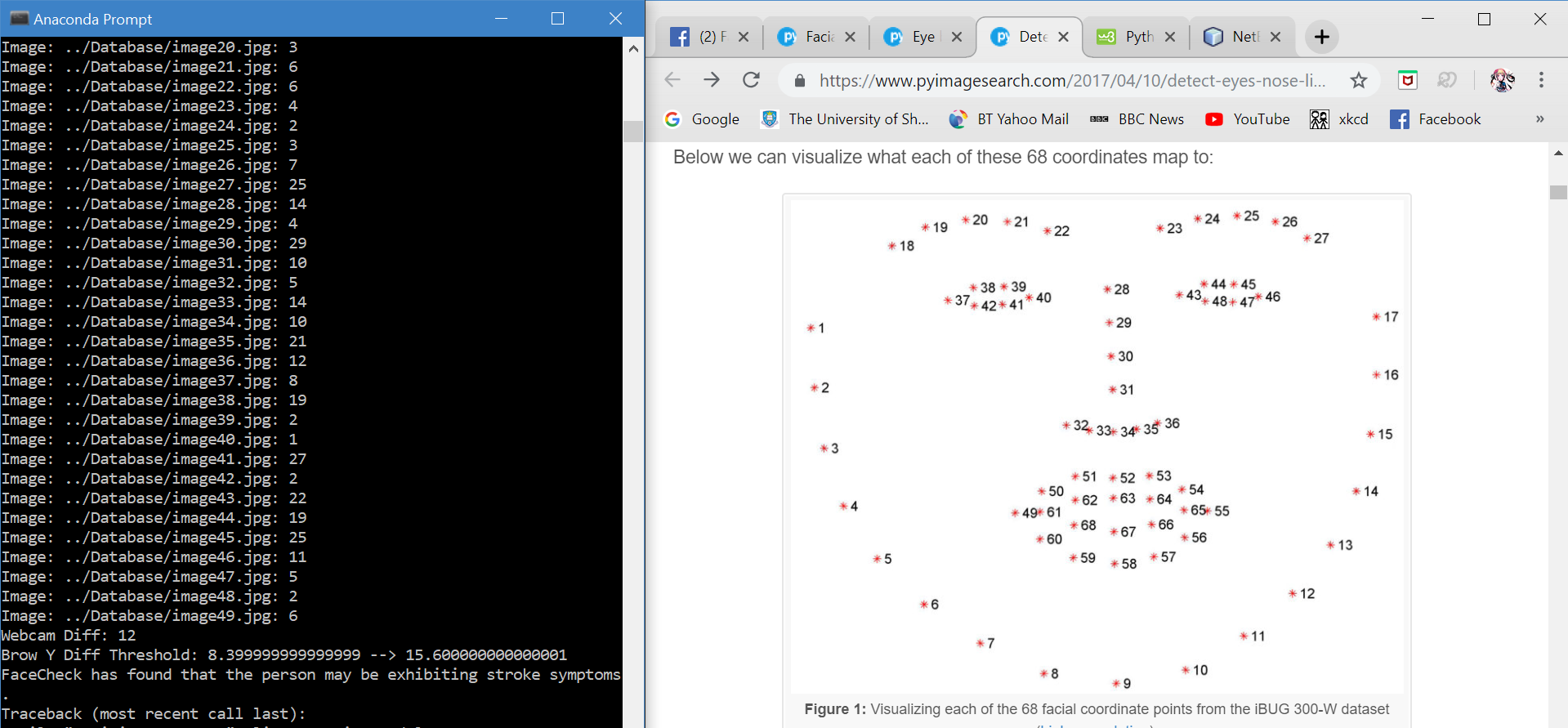
Facial landmark recognition & Diagnostic metric calculation
-
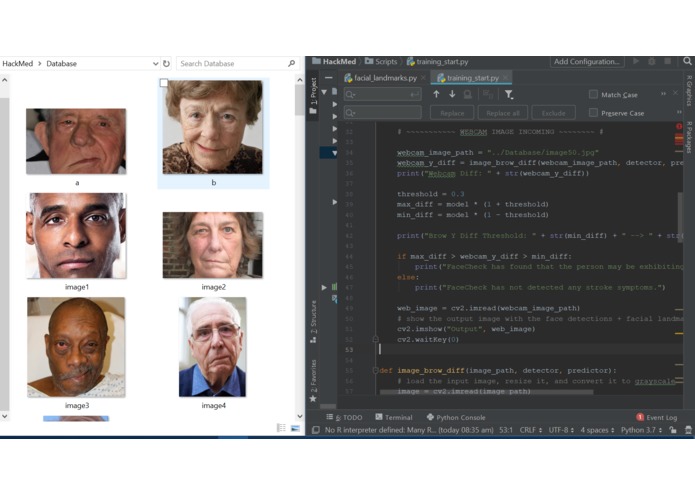
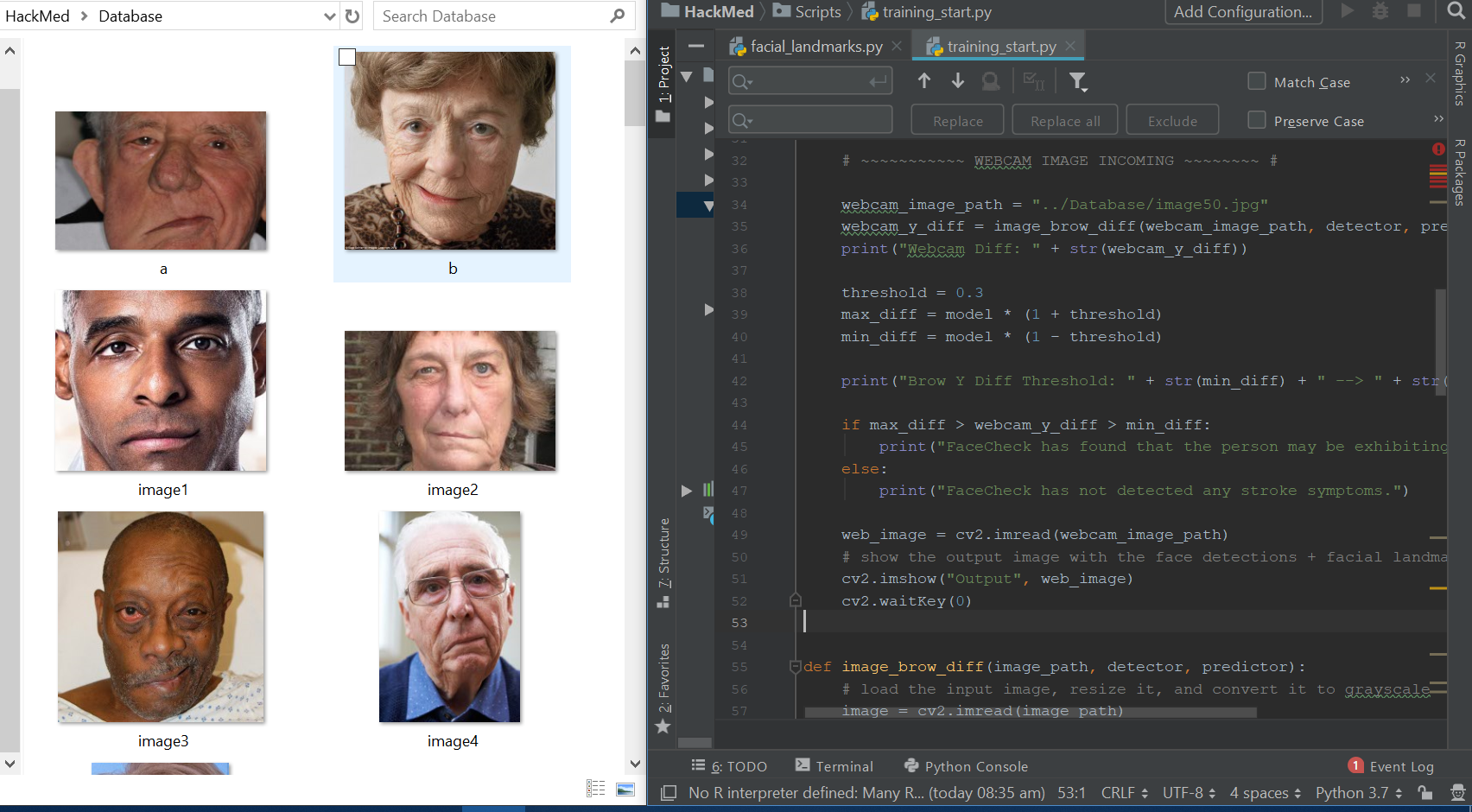
Training image database & Python script for test image input
Inspiration
Facial recognition software is continually improving, but has an unexplored potential for use in disease diagnosis and detection.
What it does
This project has a server and client side application, which communicate with each other by taking a snapshot of a user at their computer and sending it off to the server application for analysis if the client application suspects that the user is having a stroke.
How we built it
Java development toolkit, NetbeansIDE, remote connection to Reece's server for collaborative work
Challenges we ran into
Remote connectivity failed multiple times during the event Server could not receive image from client
Accomplishments that we're proud of
Using more Java features, eg multi-threading to perform more than one action at once Played around with Node-Red for Nexmo
What we have learned
Julie learnt how to set up virtual environment, install packages, libraries eg dLib, OpenCV via Python Reece learnt not to entirely rely on remote desktop
Key caveats of project
- Frontal view necessary
- Poor quality, small data set - Many post-stroke
- Facial palsy also a symptom of other diseases, eg Bell's Palsy (dysfunction of facial nerve). Avoid false positives by testing speech with recording.
- Will people give consent for 24/7 surveillance?
- Does the target demographic (high risk age group) use laptops?


Log in or sign up for Devpost to join the conversation.