-
-
Title Page
-
-
Welcome to F1 Vision!
Anvith Bekal: Back-end developer, database management and implementation Krishang Shukla: Front-end developer, database translation and interpretation
Systems Used:
- Python
- JavaScript
- HTML/CSS
- Django
- Figma/Figma Make
- Canva
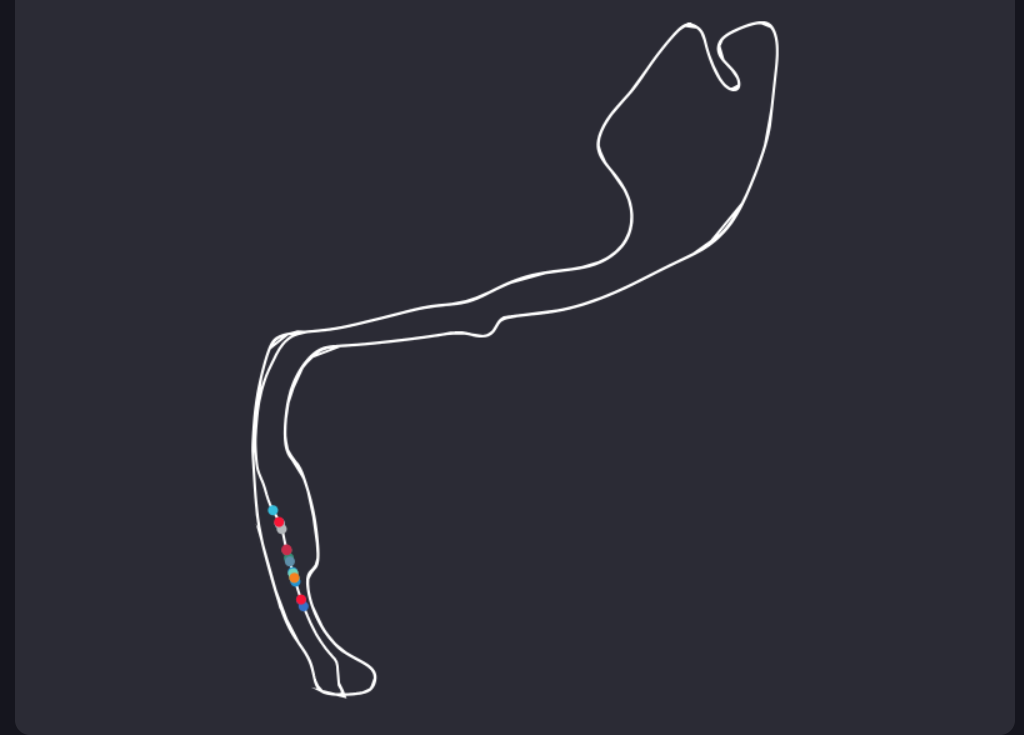
F1 Vision is a web-based Django Python project that implements a database of Formula 1 racers and race track events to showcase multiple Formula 1 races in different visualizations. This project utilizes optimized frame encapsulation to synchronize the precise movements of all competing F1 racers during a race while also logging position, lap time, and time interval between competing racers.
Features:
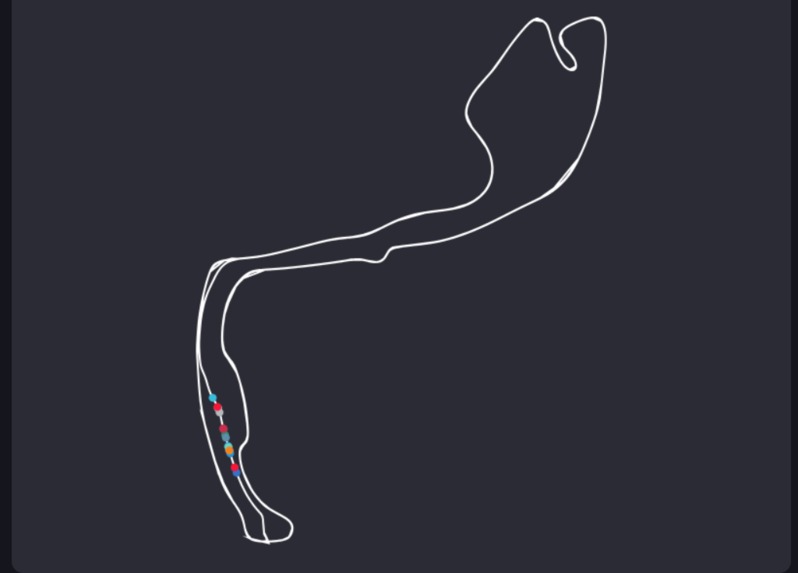
- Urgonomic two-dimensional birds eye view of several Formula 1 racetracks and live F1 car movement throughout the entirety of the race.
- Interactive leaderboards that showcase racer profiles, teams, and live routes in races.
- Animated time-interval representation synchronized with the racetrack view to showcase individual racer performance.
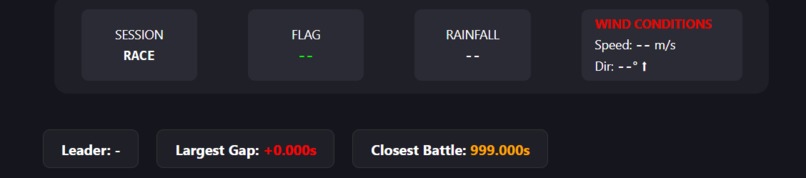
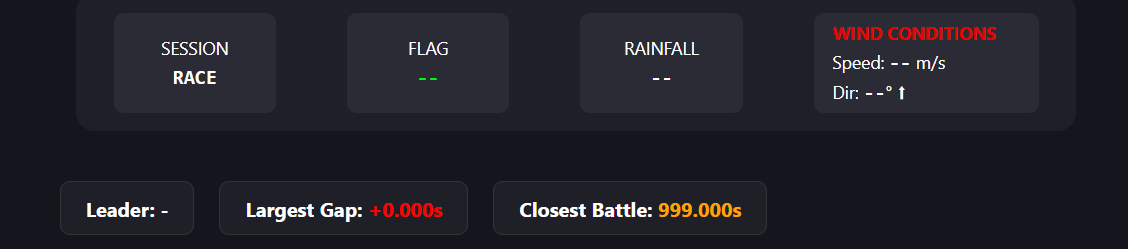
- Statistics for each race, such as weather, flag announcement, wind speed and direction, etc.
How this was built This project was completed in two sprints. Prior to the sprints, the database was thoroughly researched and cross-referenced for validity. We ran through several test cycles of data to understand racer position calculation and to align and compress the data on a two-dimensional plane. Sprint 1 was dedicated to calculating this alignment and creating our 2D map of a live race, while Sprint 2 was focused towards remaining feature development and UI design. The project is hosted on a Django Python framework with a JS and HTML/CSS page to host the UI and data structures of the platform. While this project uses pre-existent data of races, the algorithm design allows this platform to be potentially used during upcoming and actual live F1 events.
What we learned from this The most important step during this journey for us was being able to process the overwhelming amounts of data and through iterative testing be able to churn out a smooth animating data cycle. Once we completed this milestone, we noticed that all other features and customization of the data was very feasible. It was most certainly vital to take goals one at a time for data-centered development.
Challenges The most difficult challenge was implementing the two dimensional alignment of x, y, and time data over thousands of frames. With the help of object pooling and resource chunking, we were able to optimize this data to a much more feasible scope and even iterate through this data to create the animations you see on the platform. Sprint 2 was also significantly difficult, as it tested our priority management for our remaining User Story development.
Thank you for using F1 Vision!
Built With
- canva
- css
- django
- figma
- html
- javascript
- python

Log in or sign up for Devpost to join the conversation.