-
-
Title page
-
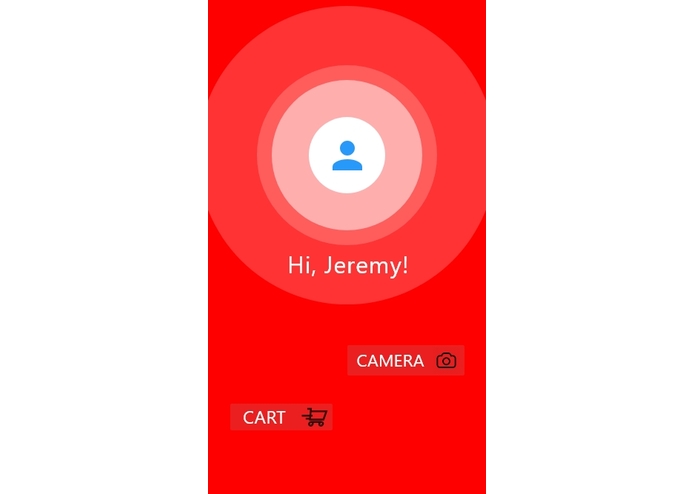
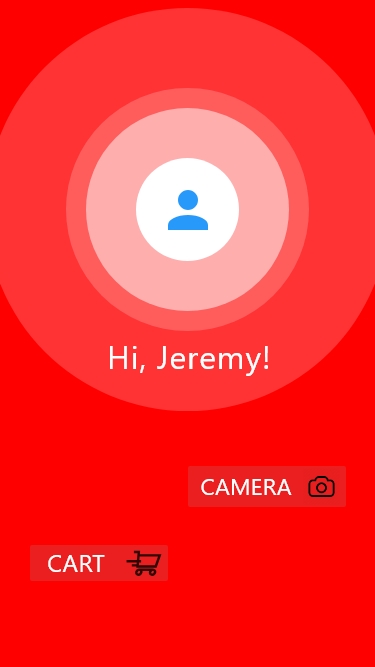
Homepage
-
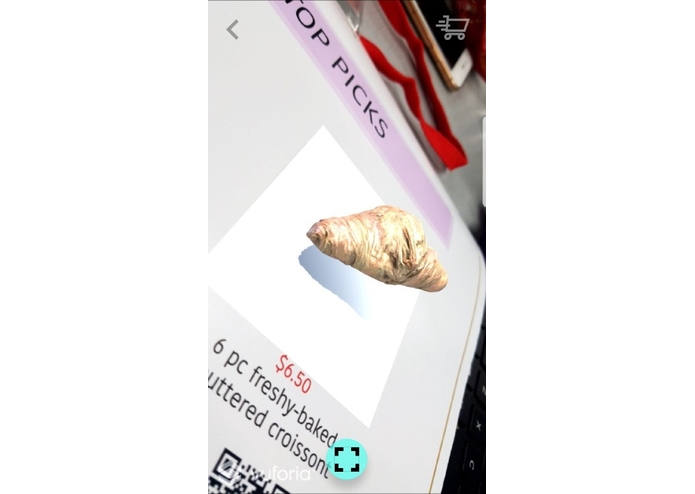
Camera
-
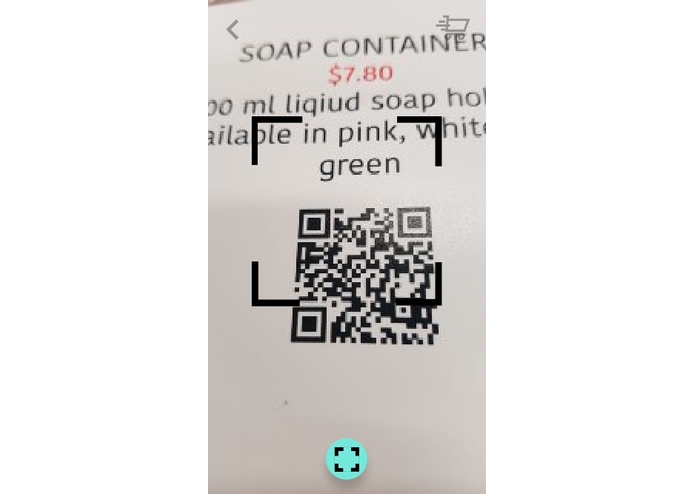
QR camera
-
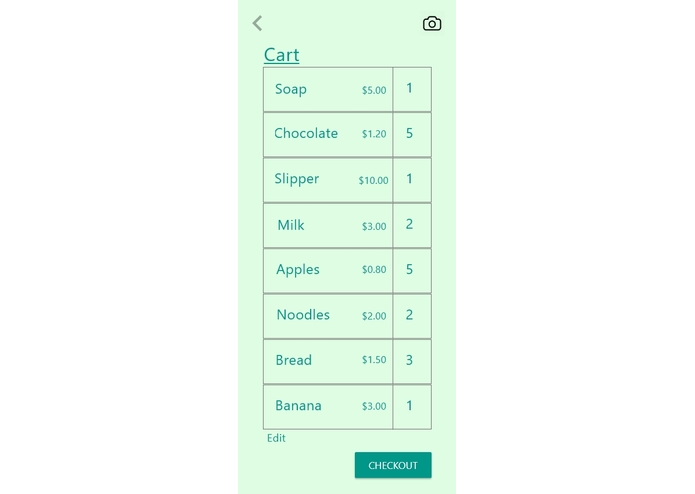
Cart
-
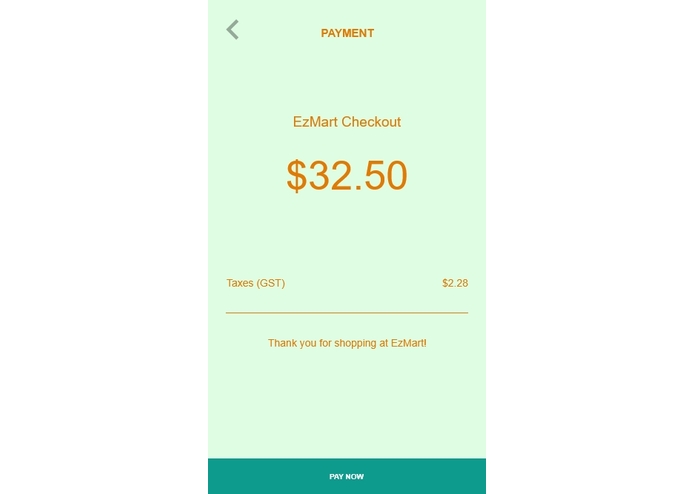
Checkout & payment

Inspiration
We are motivated to embark on this project because of the frustration of our current shopping experiences, as reflected in our video. We want to maximize efficiency while not losing consumer experience.
What it does
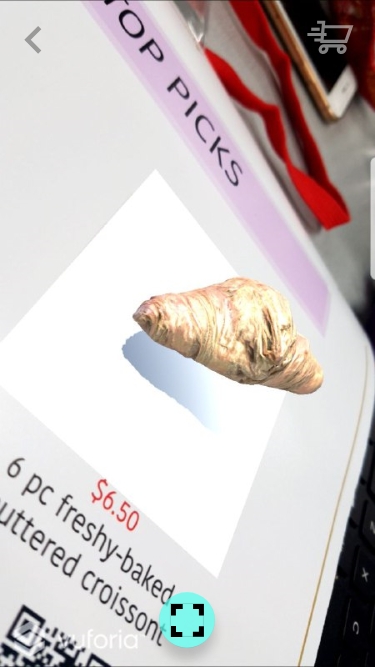
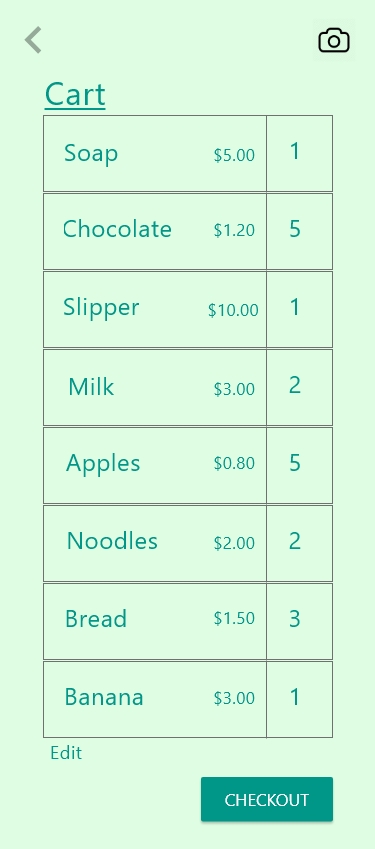
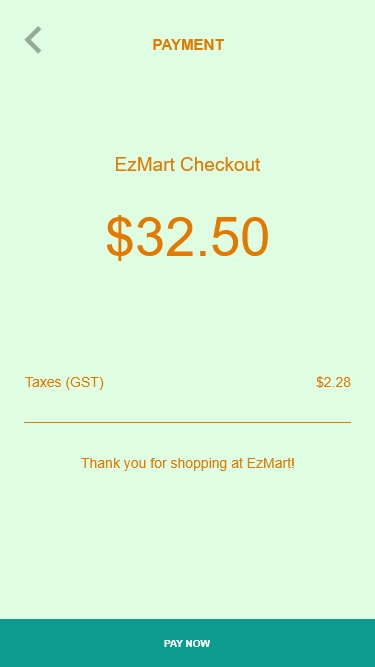
This model will replace the current display of various items on the shelves and users are able to just scan QR code to put these items in their 'cart'. The AR model enhance the experience because the user can see the items the way it is supposed to be seen.
How we built it
We integrated Unity Engine with Vuforia plugins for the AR system. Database and Server is run by Python 3.6 and Flask as our framework.
Challenges we ran into
Lack of experience in front-end development and deployment. The vast amount of existing APIs made it confusing because we oscillated back and forth between deciding which API is best suited for our needs.
Unity Engine: Creating multiple image targets and finding the best-rated image for detection. The unfamiliarity of the API and the Android SDK compounded the confusion. Especially when the Android SDK required an older version of Java (current Java version = Java 10) and we were expected to revert to an older version
Accomplishments that we're proud of
The harmonizing combination of our platform that came out of the gruelling and seemingly endless coding journey in CC14. The result was hugely unexpected and satisfying.
What we learned
We learned a lot more about deployment, front-end development, different APIs, Unity Engine + Vuforia, Android SDK and a little bit of C# Script and how they are referenced to different objects in the same scene
What's next for EzMart
Integrate the platform better, use more updated and powerful language (i.e. Java) and how AWS can be implemented for servers + database for improved security.
On the business side: Scale to the rest of the country and definitely to the rest of the world. Finally, drive a new wave of revolution, spurring the creation of thousands of new jobs

Log in or sign up for Devpost to join the conversation.