
Inspiration
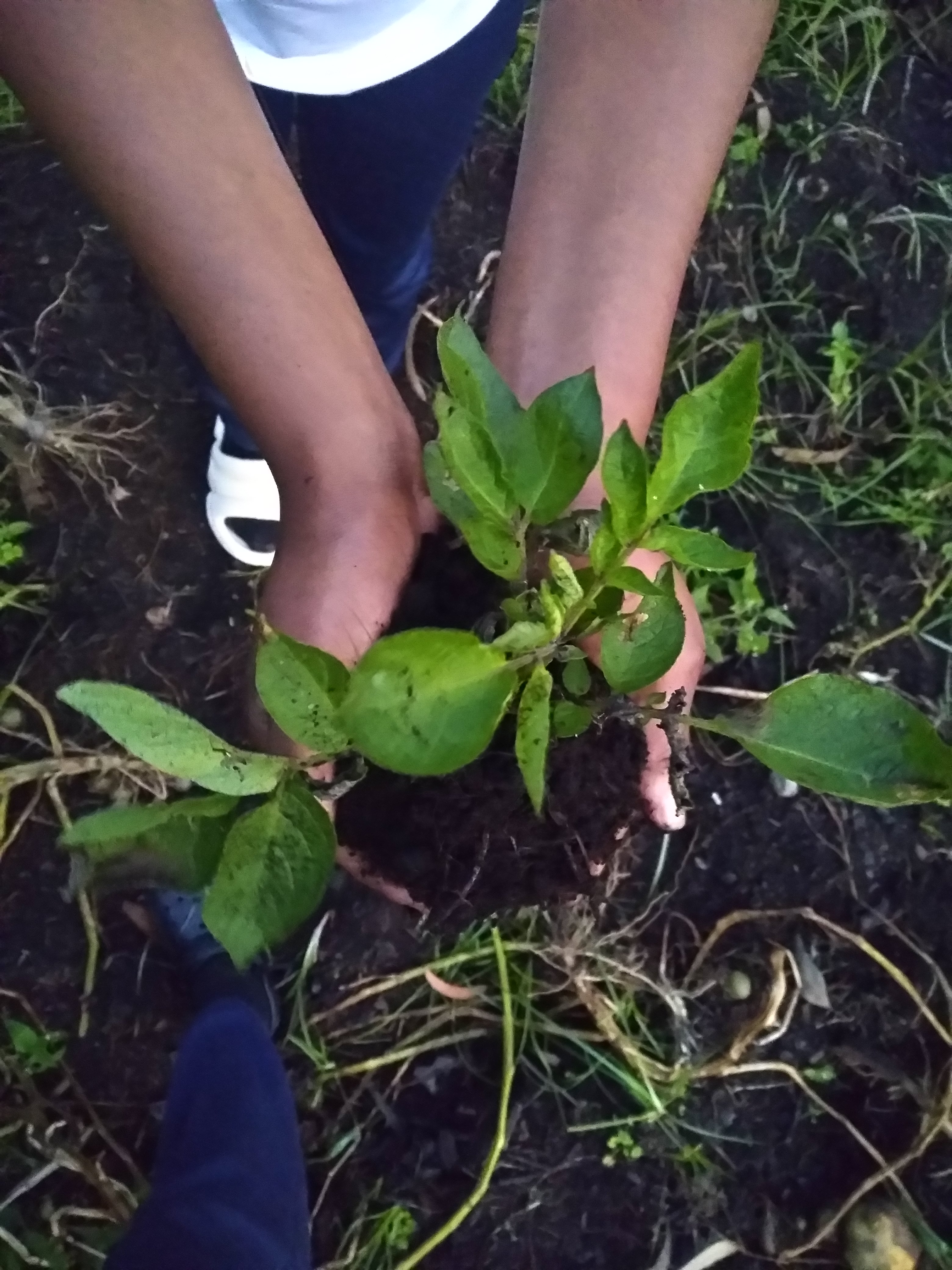
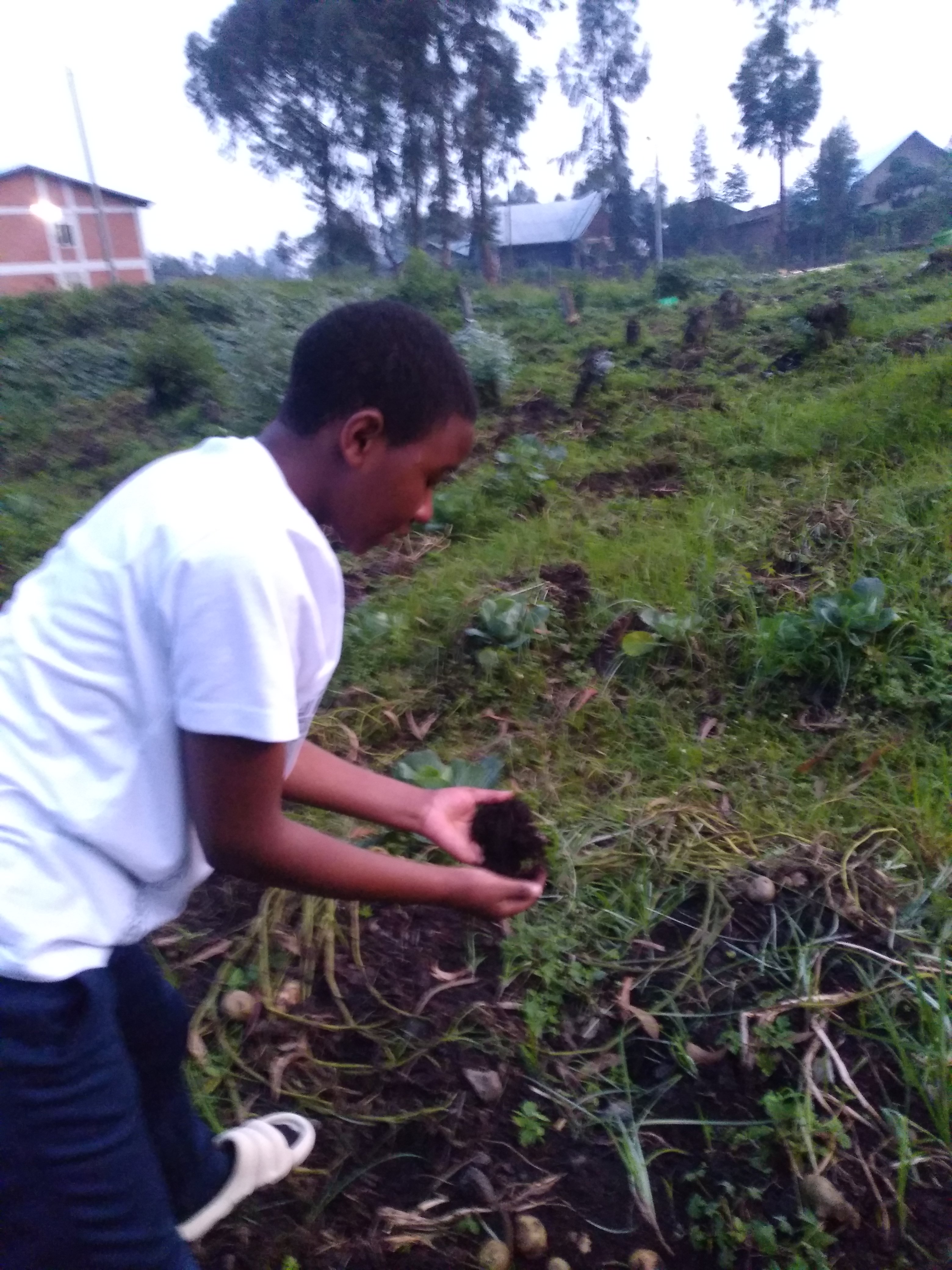
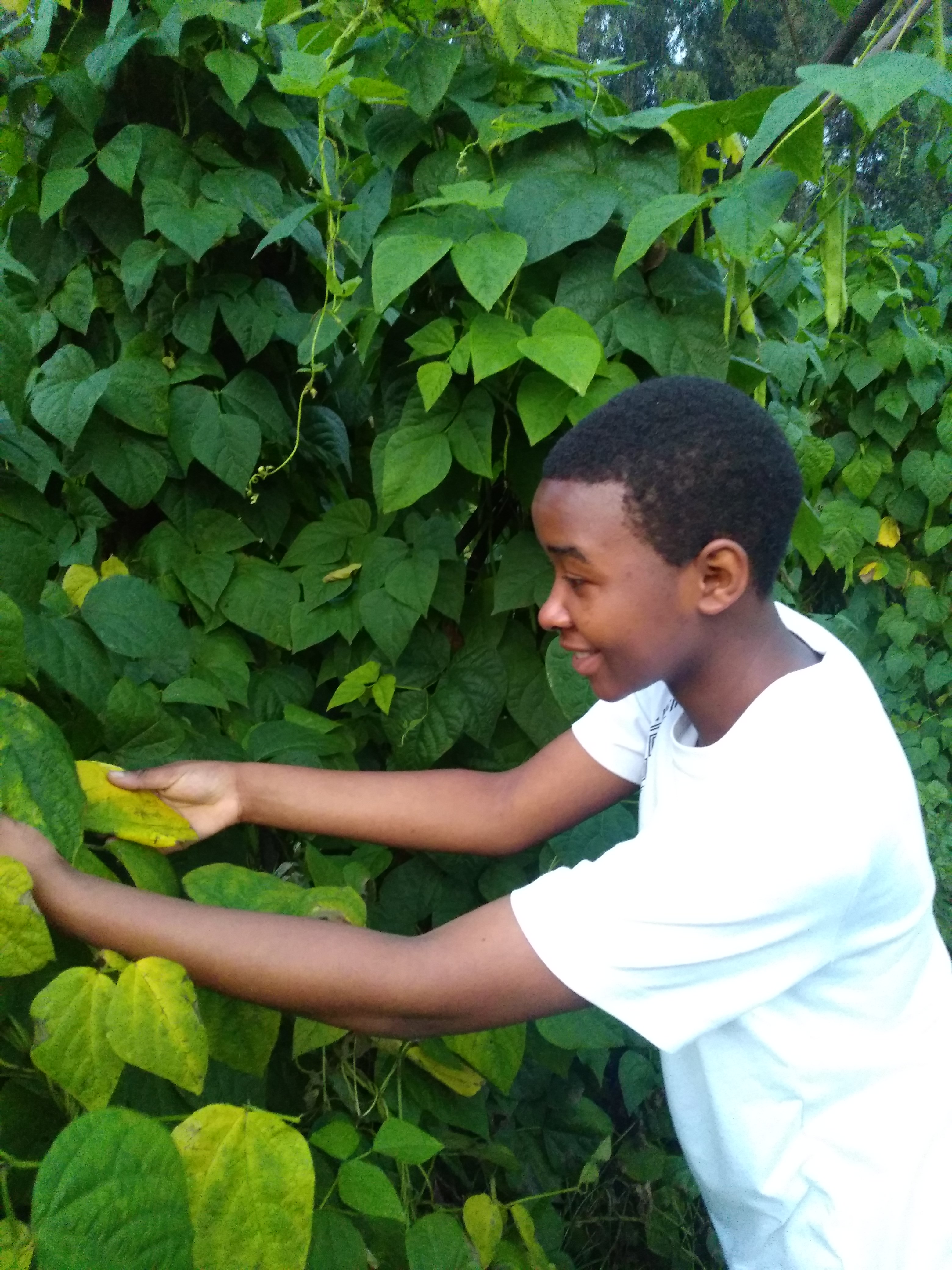
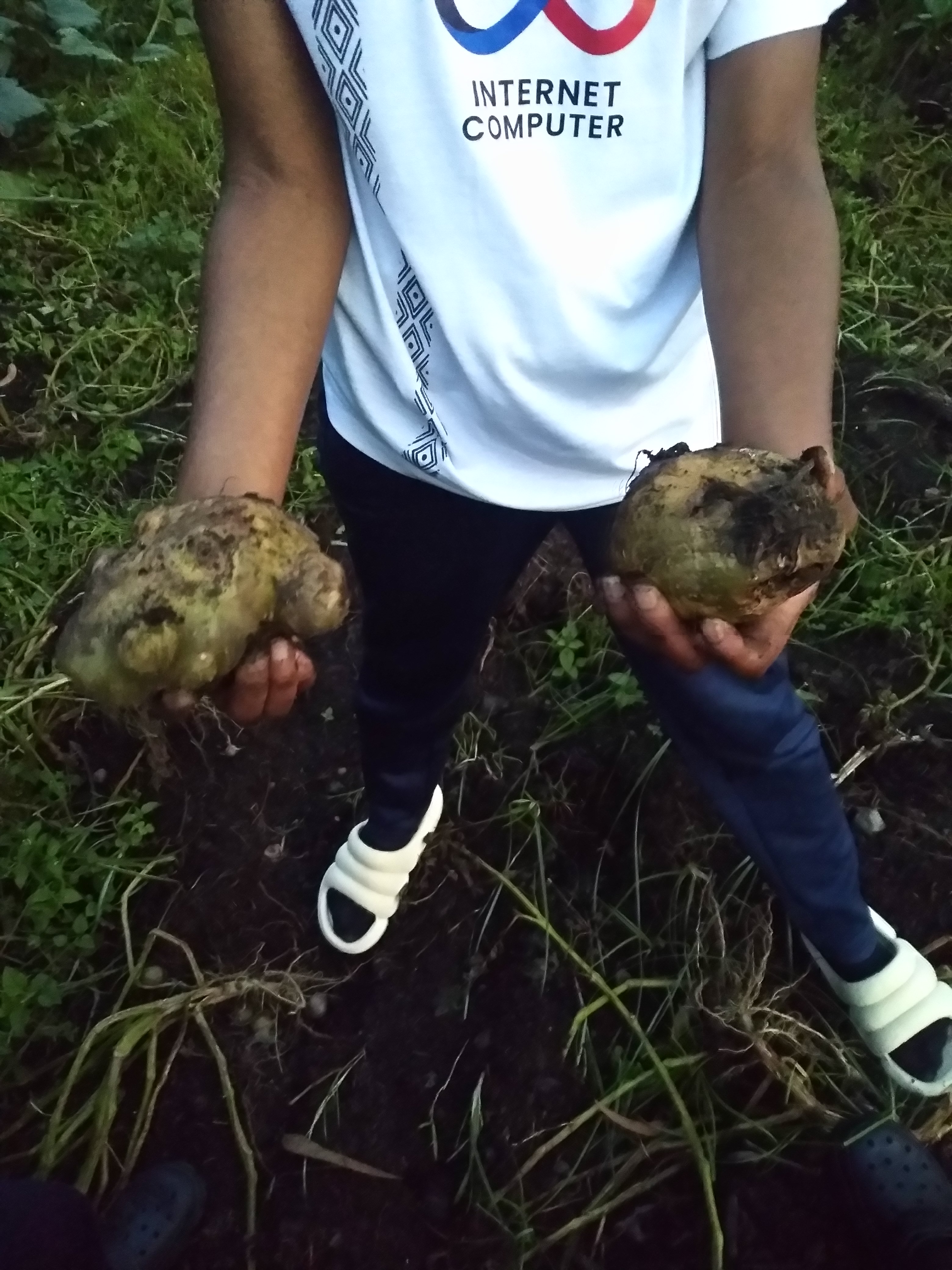
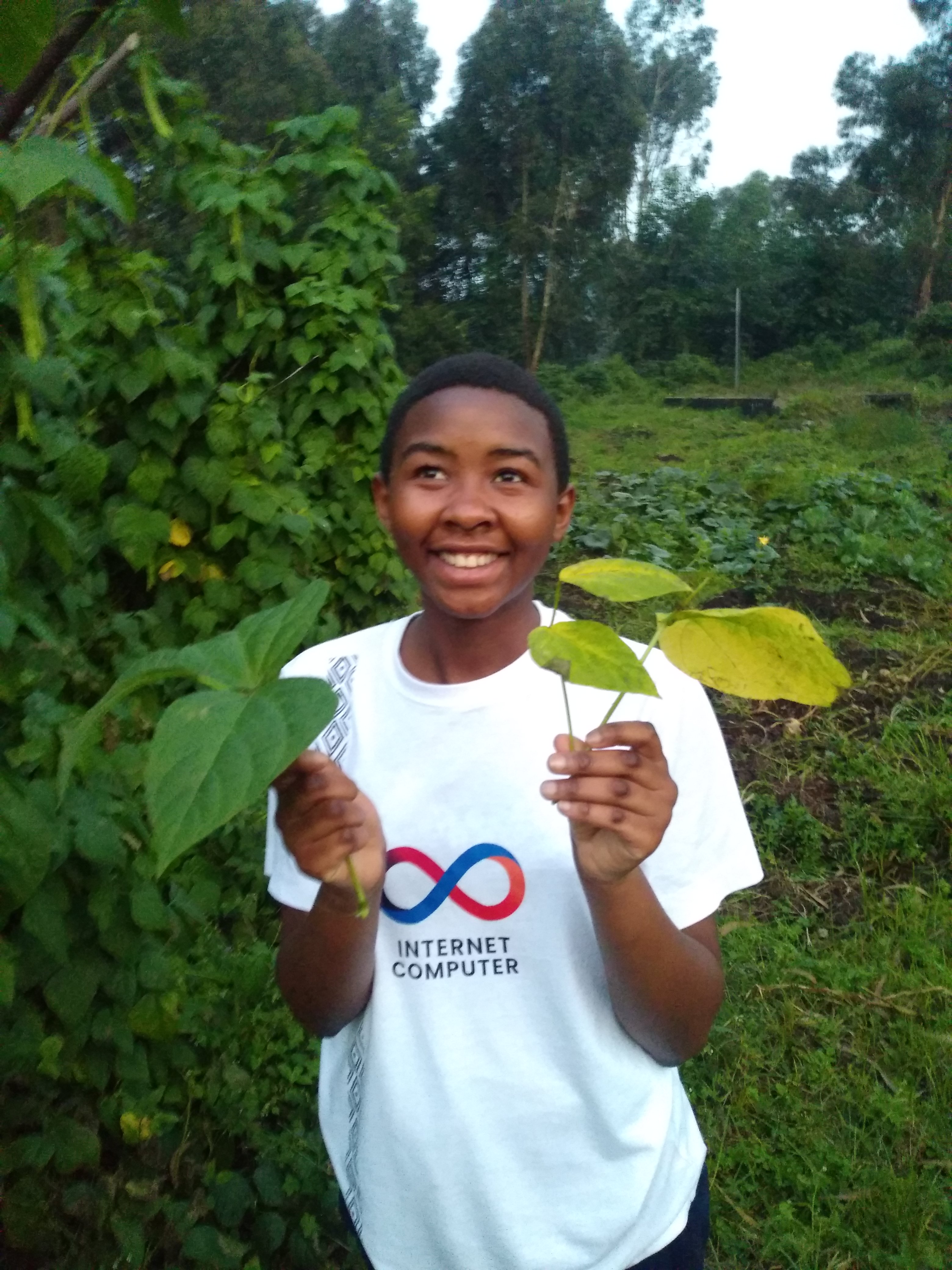
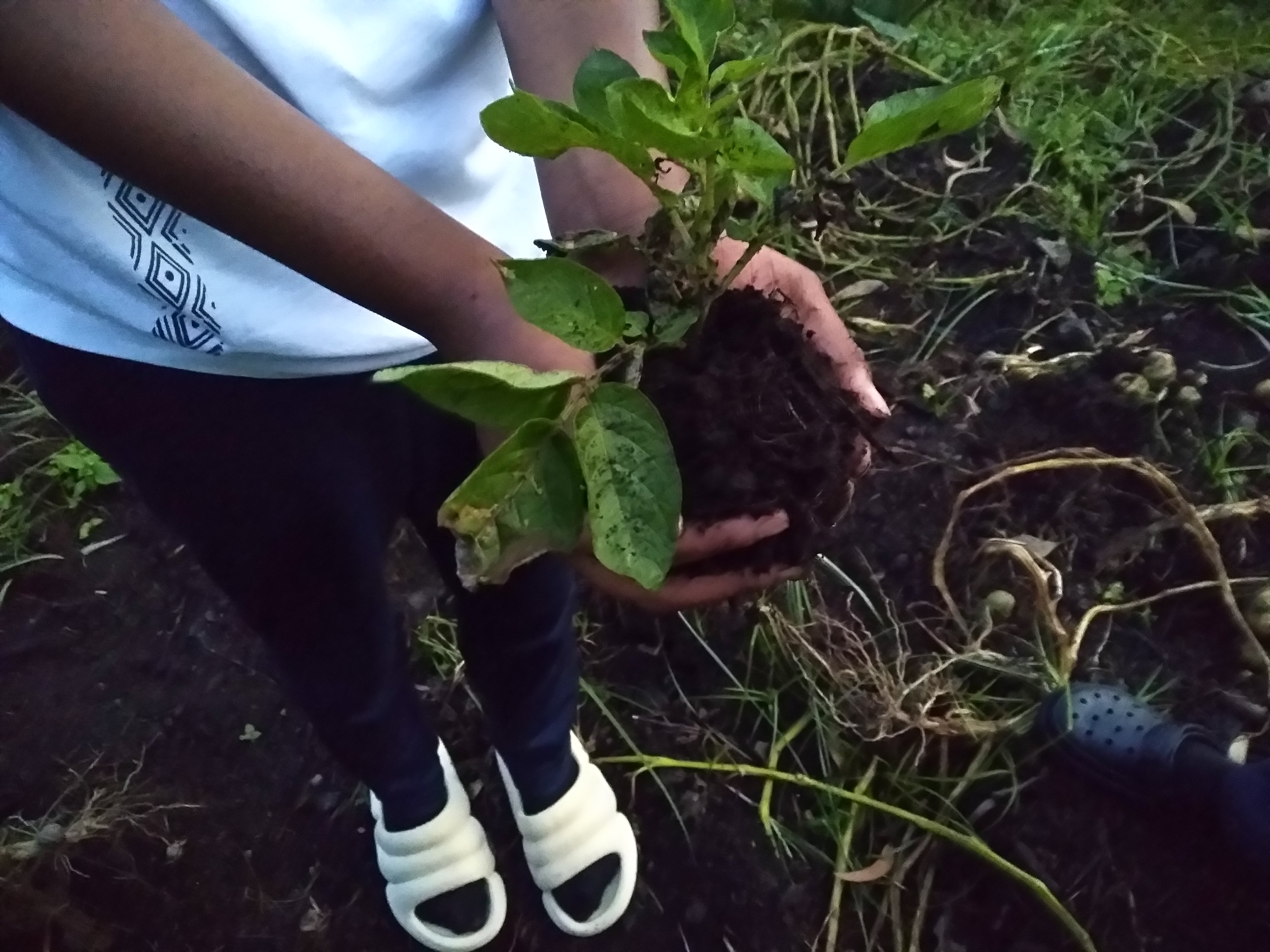
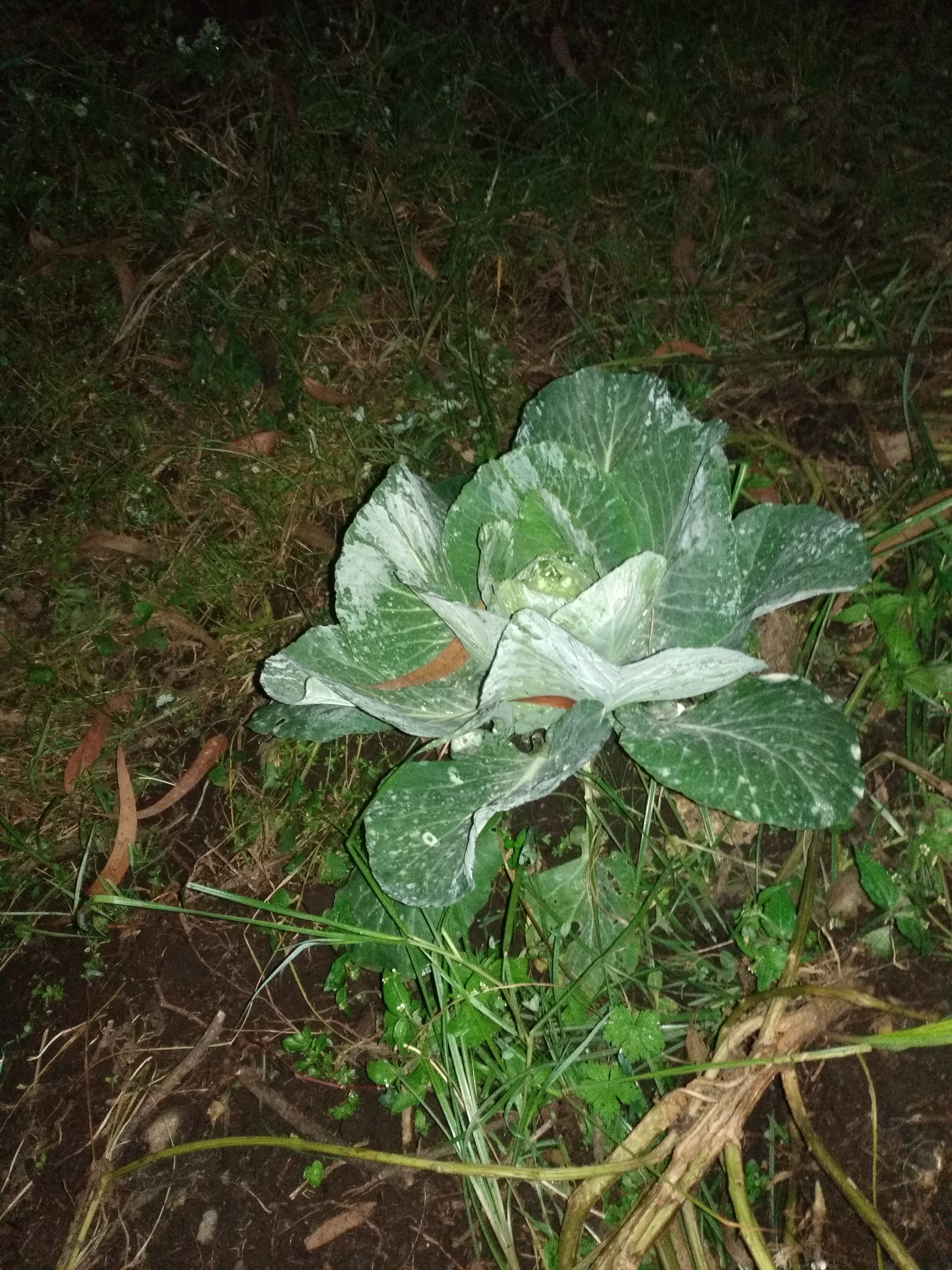
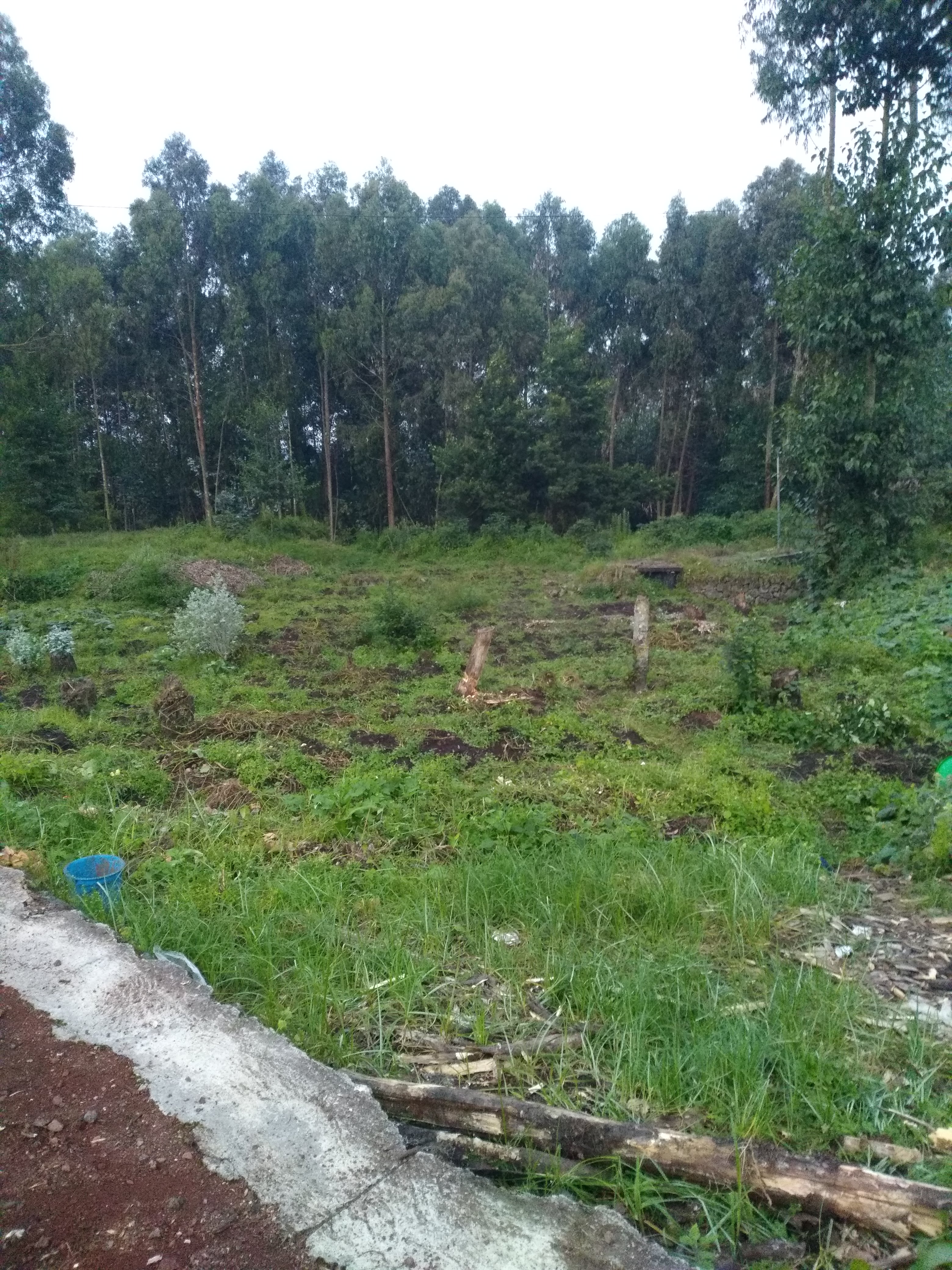
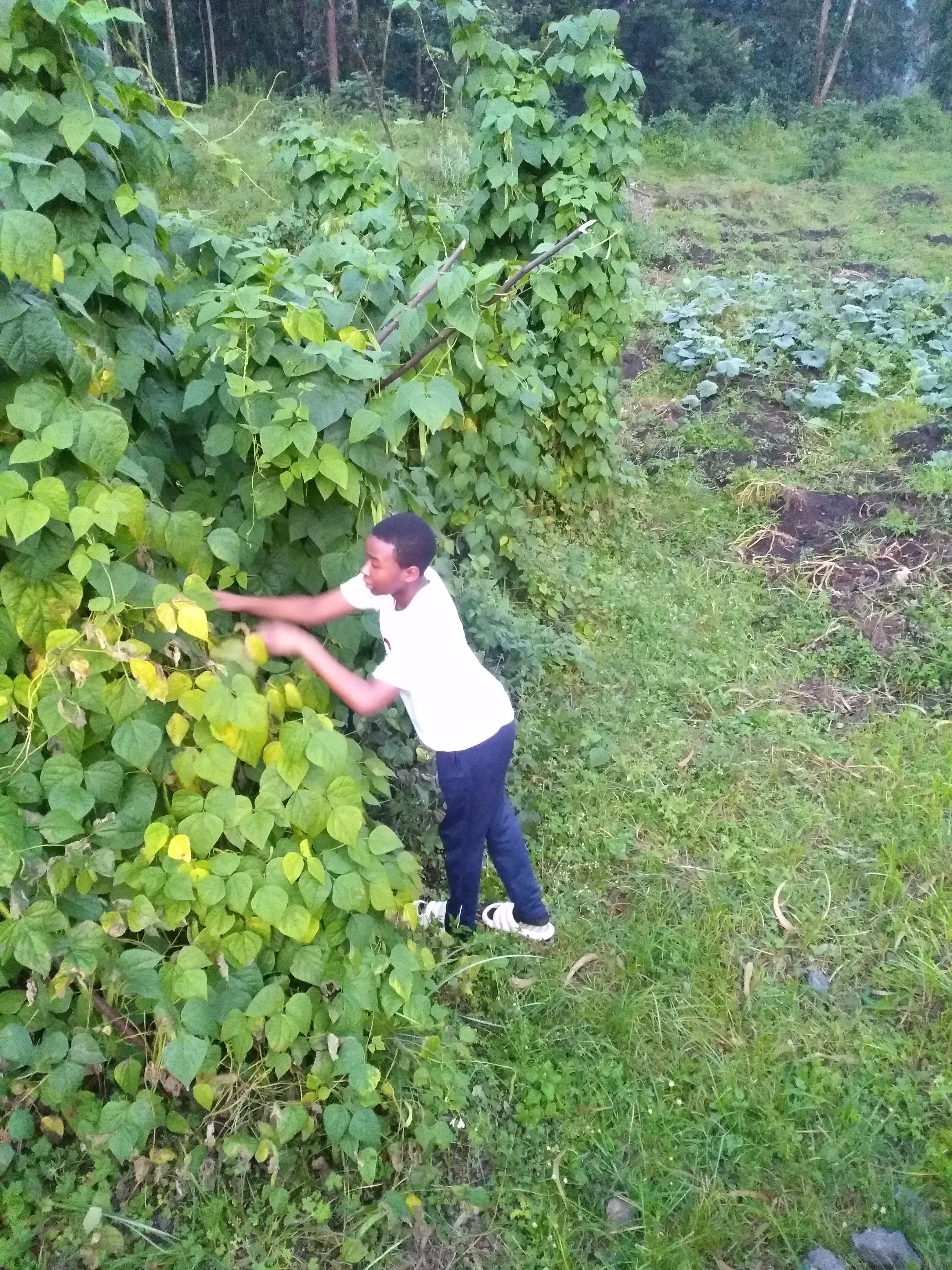
My inspiration came from witnessing my mom struggle with her garden. One day, all the vegetables she had planted fell down, highlighting the challenges faced by our family. This experience made me realize that many farming families encounter similar difficulties, such as planting in unsuitable soil, leading to low yields and poor disease management. I wanted to create a solution that leverages modern technology to empower these farmers and enhance their productivity.
What it Does
EzaSavy provides personalized recommendations for crop selection and disease management using AI. By analyzing local soil conditions and climate data, the app guides farmers in making informed decisions to optimize their yields and reduce crop losses.
How We Built It
EzaSavy was developed using a combination of technologies. The frontend was built with React Native for cross-platform compatibility, allowing it to run on both Android and iOS devices. The backend utilized Python and TensorFlow for model training and processing. We trained deep learning models like ResNet-50 and MobileNetV2 on diverse agricultural datasets to ensure accurate recommendations.
Challenges We Ran Into
Data Diversity: Acquiring a sufficiently diverse dataset that represents various crops and diseases was difficult. Solution: We plan to collaborate with agricultural research institutions and engage local farmers to contribute data through the app.
Infrastructure Constraints: Many targeted users have limited access to reliable internet and modern devices, necessitating an offline-capable app. Solution: We are developing an offline mode to ensure functionality in rural areas.
User Adoption: Ensuring farmers would trust and use the app required extensive community engagement and education. Solution: We initiated community workshops and partnerships with local agricultural organizations to demonstrate the app's benefits.
Accomplishments That We're Proud Of
We are proud of achieving strong model performance in preliminary tests, showing potential yield increases of up to 20%. Additionally, we have received positive feedback from farmers who participated in our pilot programs, validating our approach.
What We Learned
Throughout this project, we learned about the complexities of machine learning applications in agriculture, the importance of user-centered design, and the need for robust community engagement to ensure adoption of technology in rural areas.
What's Next for EzaSavy
Moving forward, we plan to expand our dataset to improve the accuracy of recommendations, enhance the app's features based on user feedback, and seek partnerships with agricultural NGOs to scale our impact. Our goal is to empower thousands more farmers and contribute to food security and sustainable agriculture across Africa.


Log in or sign up for Devpost to join the conversation.