Inspiration
Our inspiration stems from a profound desire to empower and inclusively engage the visually impaired community in the world of literacy. Our team learned that only 10% of Canadian’s with vision loss learn Braille throughout their life time, highlighting a need to reinforce education early on. Recognizing the transformative power of Braille in providing independence and access to information, our product seeks to bridge the gap and make Braille learning more accessible, intuitive, and enjoyable. Witnessing the resilience and potential of those with visual impairments, we were moved to develop a tool that fosters self-confidence, independence, and lifelong learning. Through this endeavour, they hope to not only enhance literacy skills but also foster a sense of inclusion and equality, where every individual has the opportunity to unlock the world of written knowledge through the beautiful language of Braille.
What it does
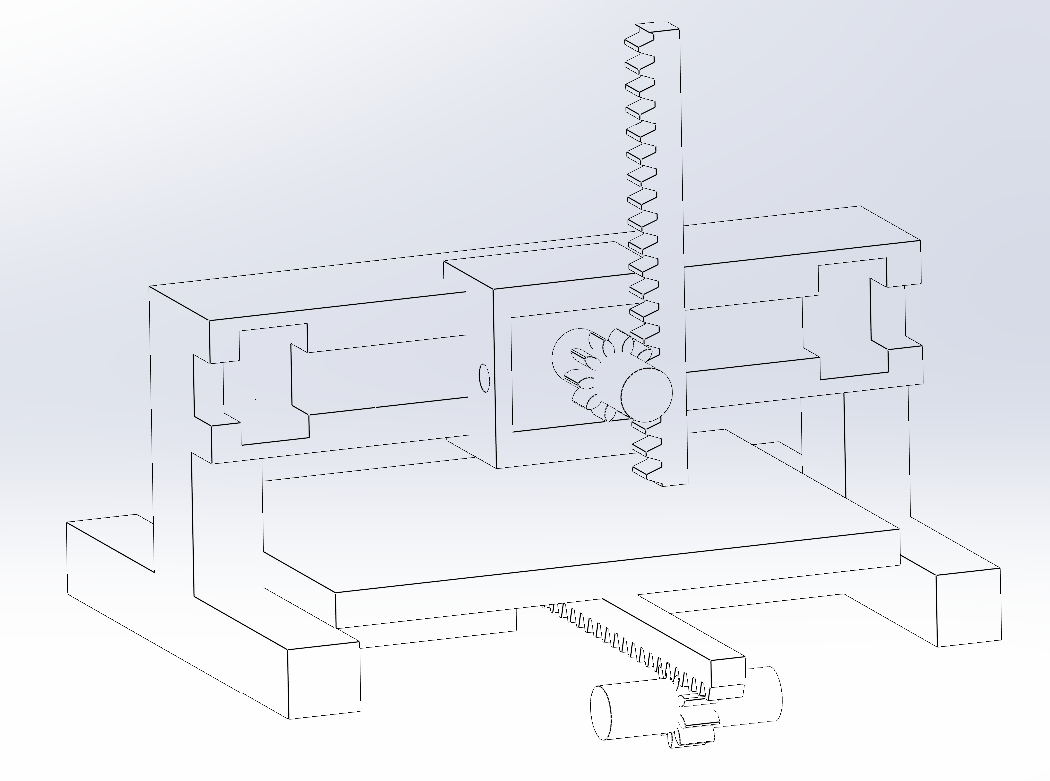
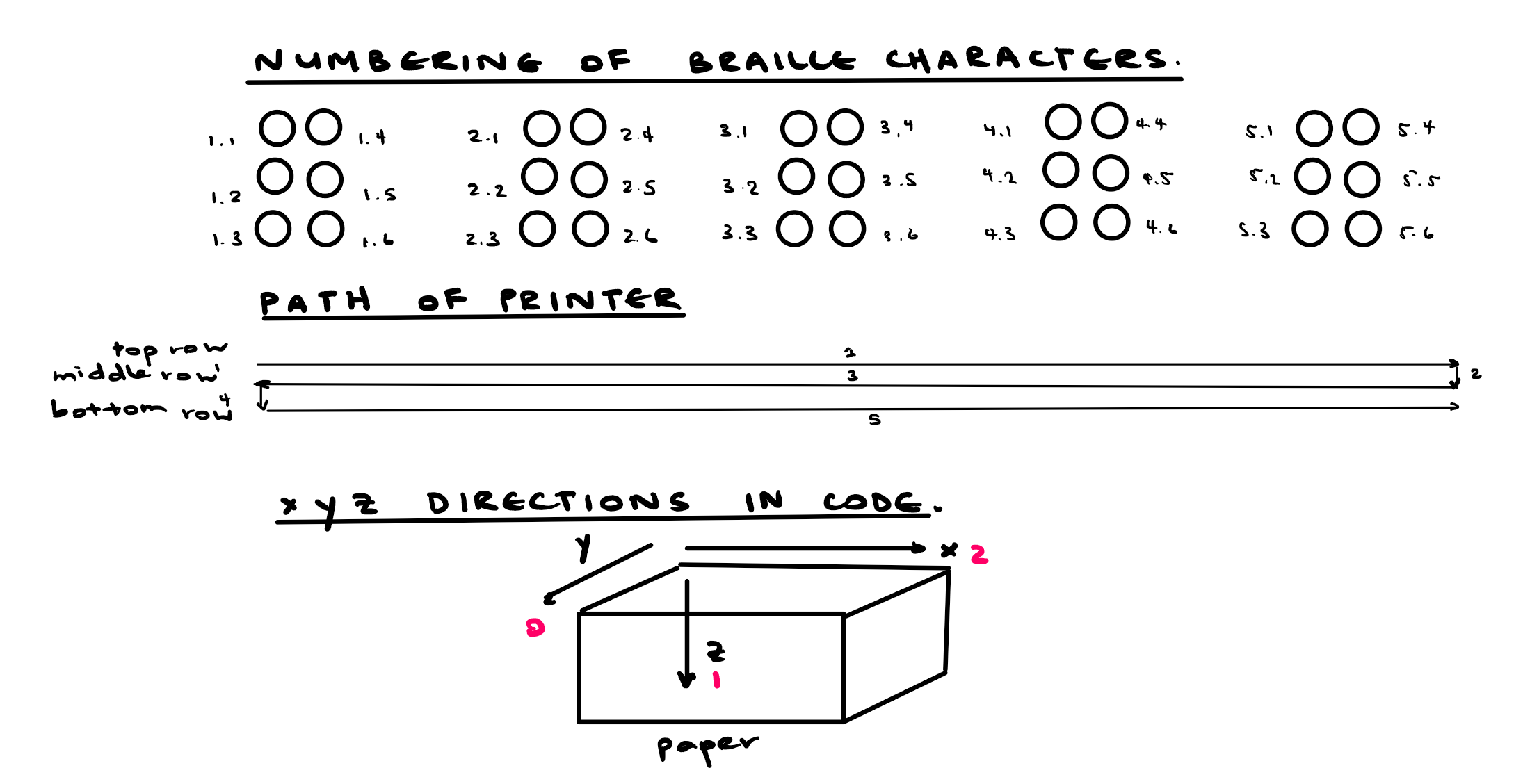
Our project is designed to connect to a laptop and receive input from the keyboard, enabling the conversion of text into Braille print. It accomplishes this by utilizing a motor and a pin mechanism to deconstruct each letter into its corresponding Braille pattern. These patterns are then etched into a surface, creating tactile grooves that enable visually-impaired individuals to read written text with ease.
How we built it
We made the collective decision to divide ourselves into two distinct groups: one dedicated to software development and the other concentrating on hardware aspects. Our initial steps involved sketching detailed diagrams to gain a comprehensive understanding of the machine's operational dynamics. We then meticulously crafted a list of project milestones and efficiently distributed tasks among team members in our pursuit to bring EyeSight to life
Challenges we ran into
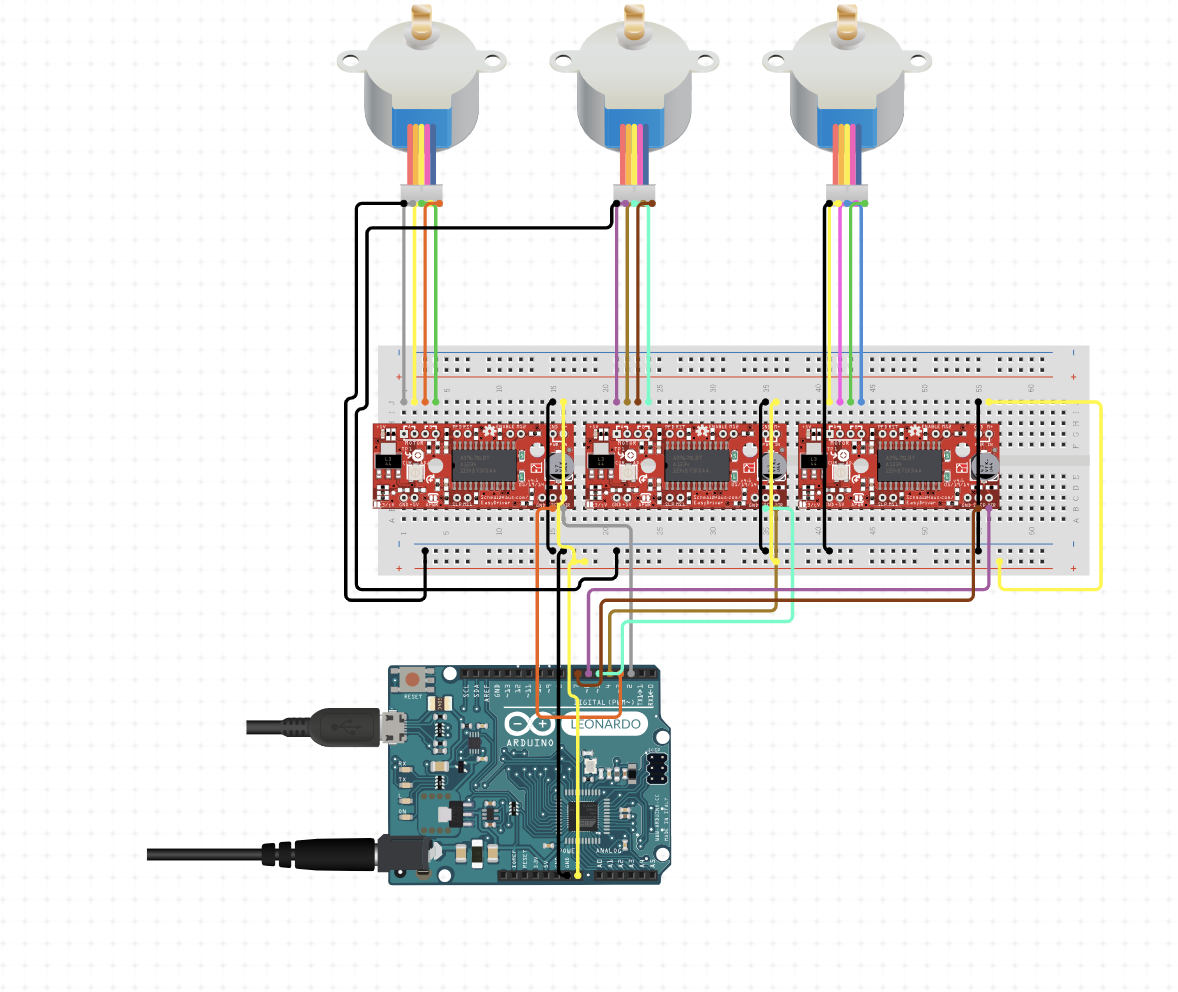
We encountered several challenges during the project, notably related to Arduino programming and the software controlling the motor rotation. The stepper motor exhibited vibrations instead of smooth turning, necessitating a significant investment of time and troubleshooting efforts to rectify the issue. Furthermore, our team encountered obstacles in procuring the necessary hardware materials for constructing the project's frame. Our 3D print, which was scheduled to run for 20 hours, faced delays due to the unavailability of a laser printing technician at the station. Additionally, we faced difficulties in locating essential wooden panels and tools. Regrettably, these challenges ultimately hindered our ability to construct the frame for EyeSight.
Accomplishments that we're proud of
One accomplishment we take great pride in is the precision and quality of our 3D-printed gears, pinions, and shafts. Initially, we invested a significant amount of time in meticulously designing a virtual 3D model using SOLIDWORKS. Subsequently, we successfully brought those designs to life through 3D printing, and the resulting components exceeded our expectations in terms of accuracy and adherence to our planned measurements.
What we learned
Navigating the challenges encompassing Arduino programming, motor control, and 3D printing, we've significantly enriched our technical proficiency in these domains. Our newfound insights have provided us with a deeper comprehension of these technologies and how to wield them with precision and efficiency. Furthermore, the hurdles we encountered underscored the critical significance of meticulous project planning and comprehensive risk assessment. This valuable experience has illuminated the need to allocate ample time and resources for addressing potential obstacles in forthcoming projects, as regrettably, we were unable to fully realize our envisioned outcome for EyeSight.
What's next for eyesight
Finish integrating the mechanical design with the circuitry. Develop desktop application to input text OR write an IOS/Android app and send information through an Arduino with a Bluetooth Module
Built With
- 3d-printers
- ardueno
- arm-controller-ardueno-library
- c++
- drivers
- motors
- soldering-iron
- solidworks


Log in or sign up for Devpost to join the conversation.