Inspiration
In most VR and MR games the hands do everything and the rest of the body watches. Gaze picks a menu item, a finger snap is a party trick, and breath isn't used at all. We wanted to turn that around and introduce gaze, a snap and above all breath as the main ways to play, not as extras.
Perspective puzzles gave us the reason. An impossible-looking path only joins up from one exact point of view, so the player's own eye is the missing piece. Once your body is already part of the puzzle, snapping to say "go" and blowing to move things feel natural. In Eye See a Way, you are the controller.
What it does
Eye See a Way is a seated mixed reality puzzle game for Quest 3 and 3S, played with your hands, your point of view and your breath.
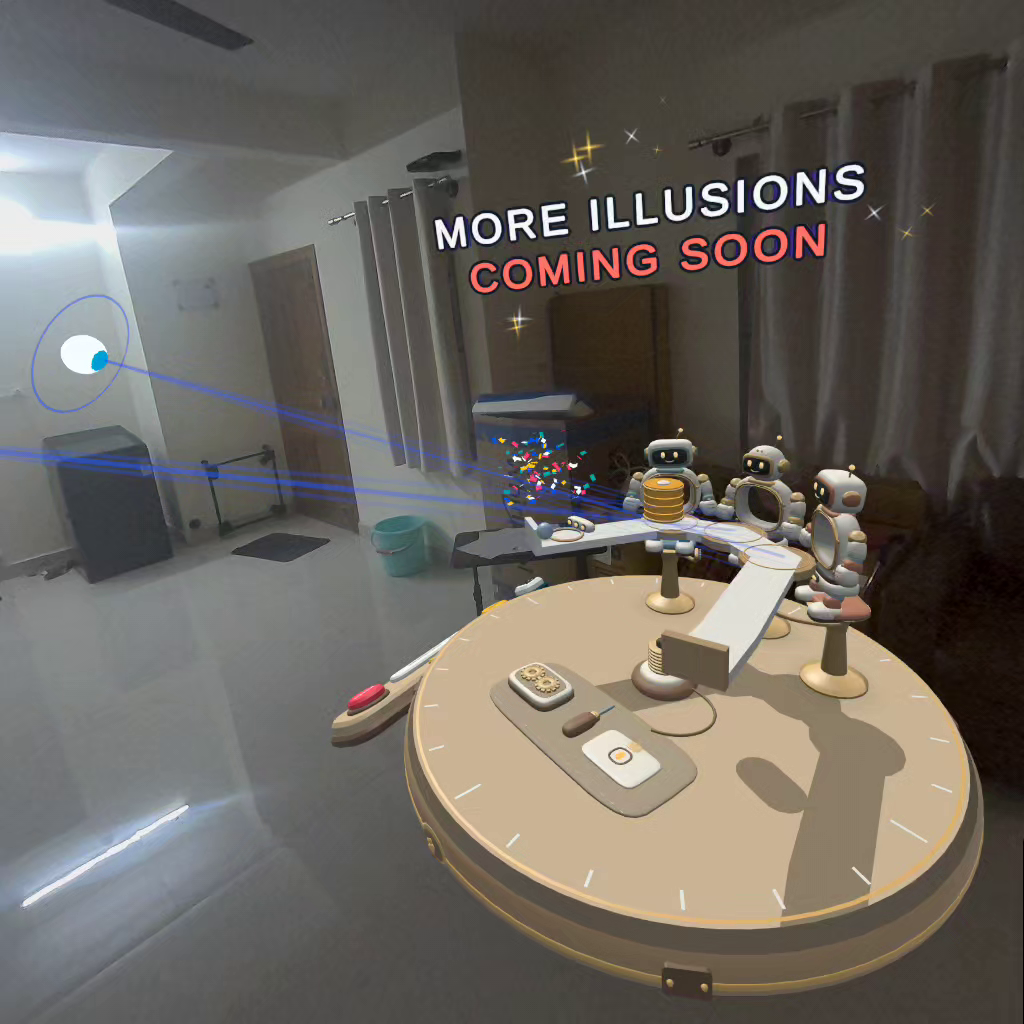
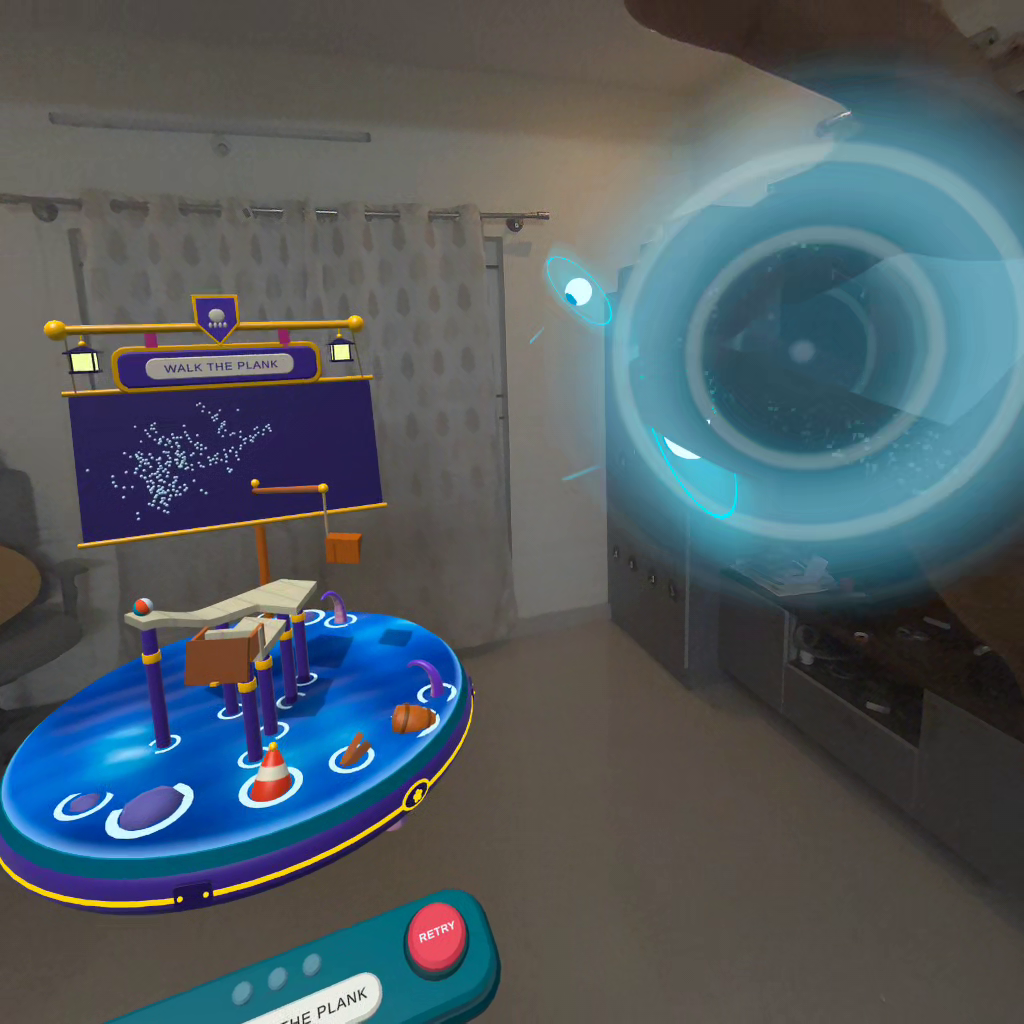
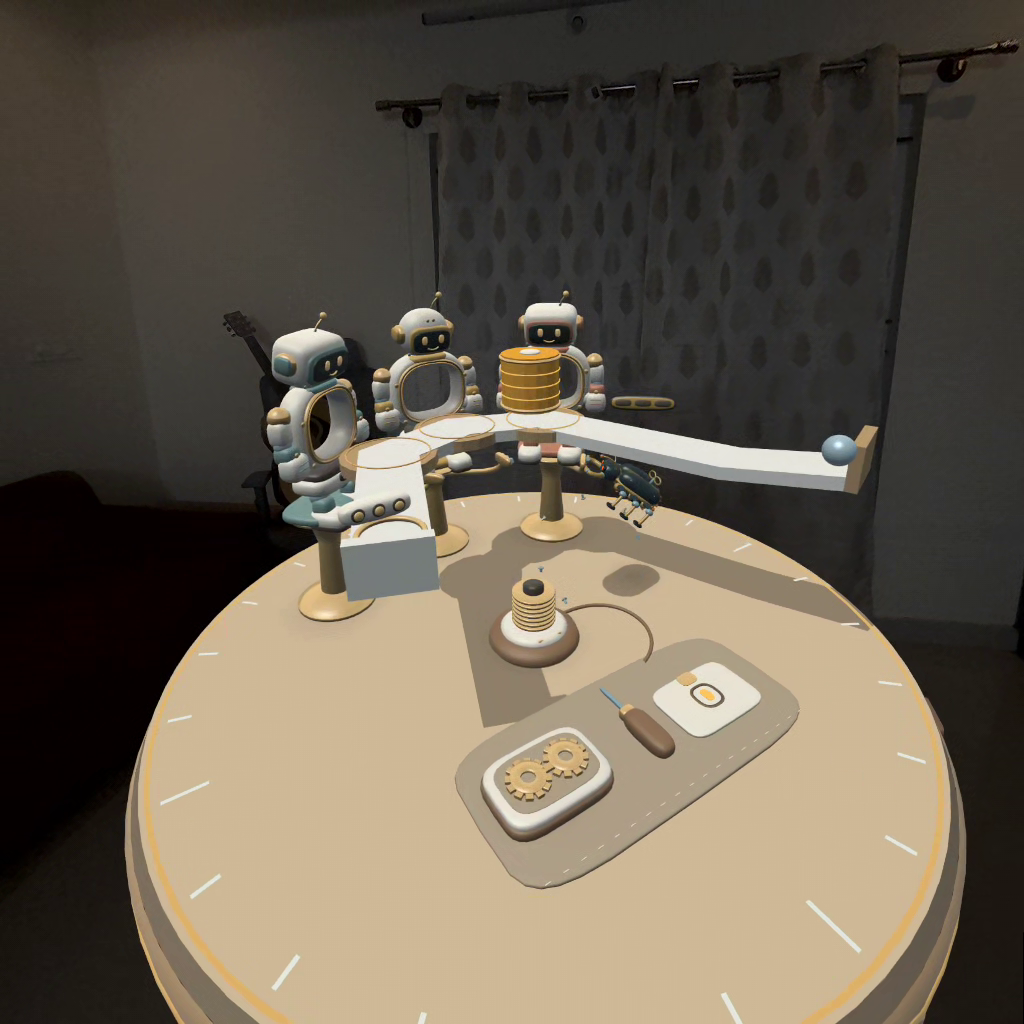
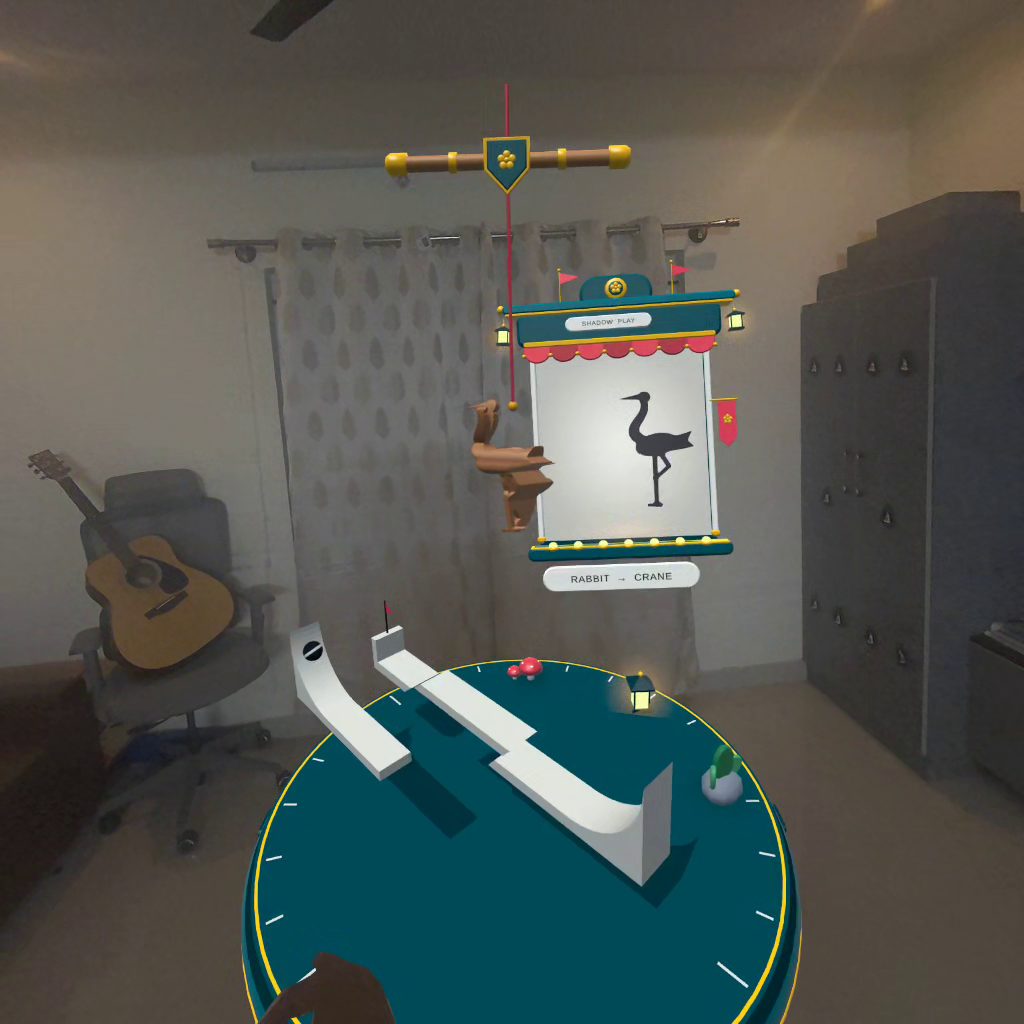
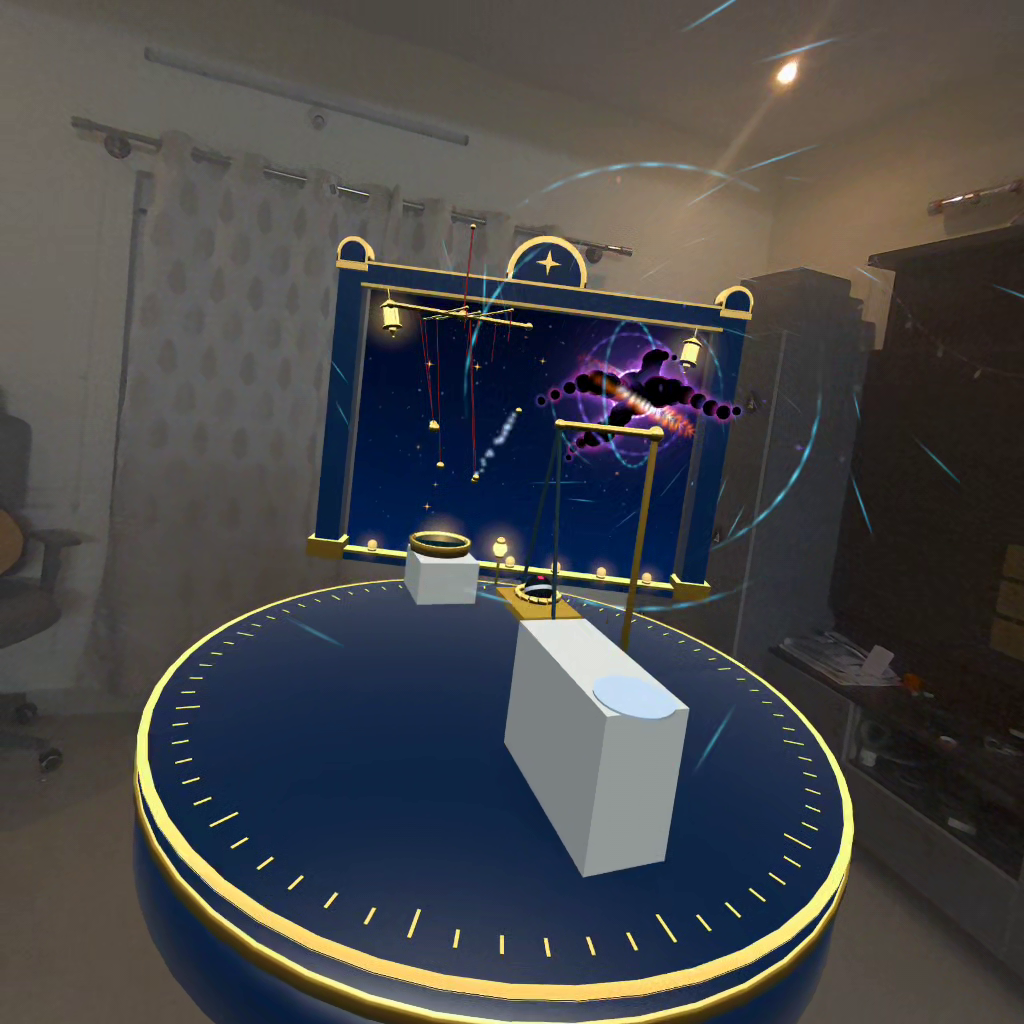
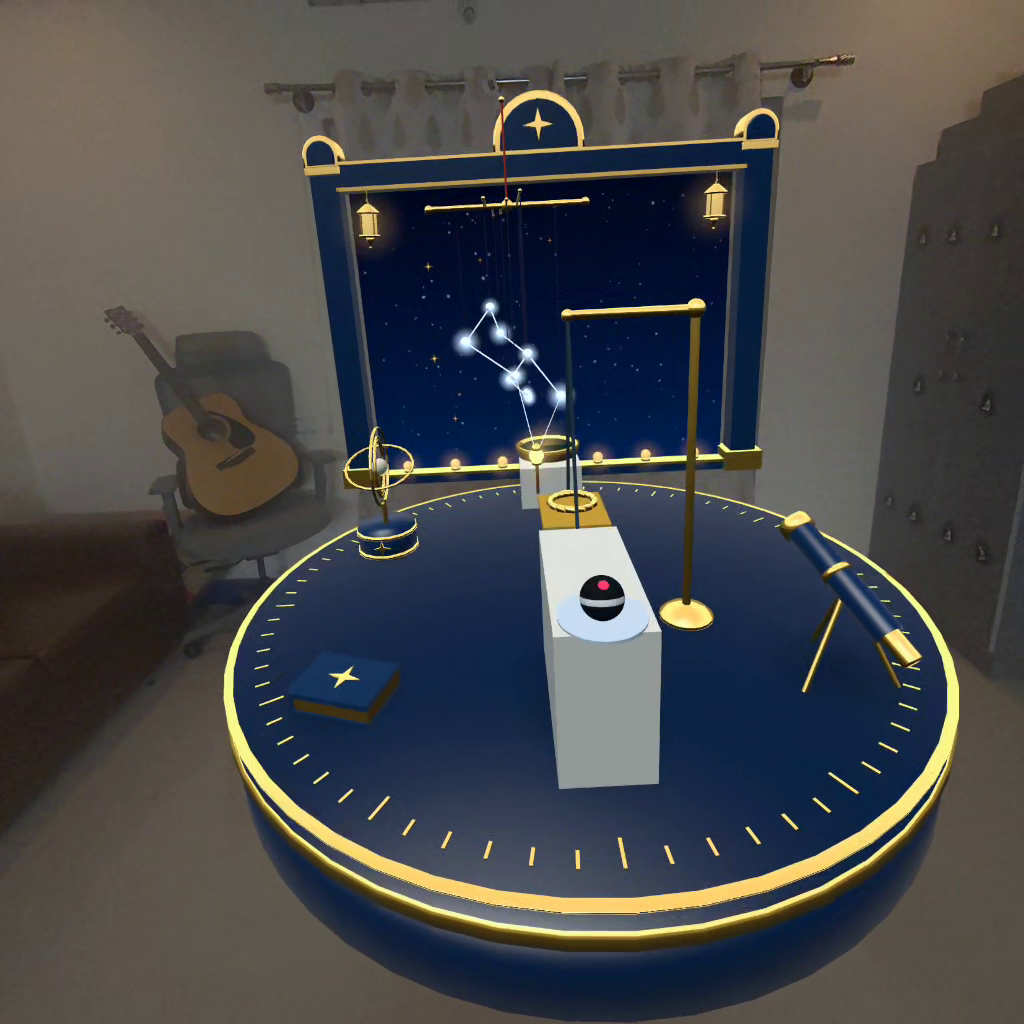
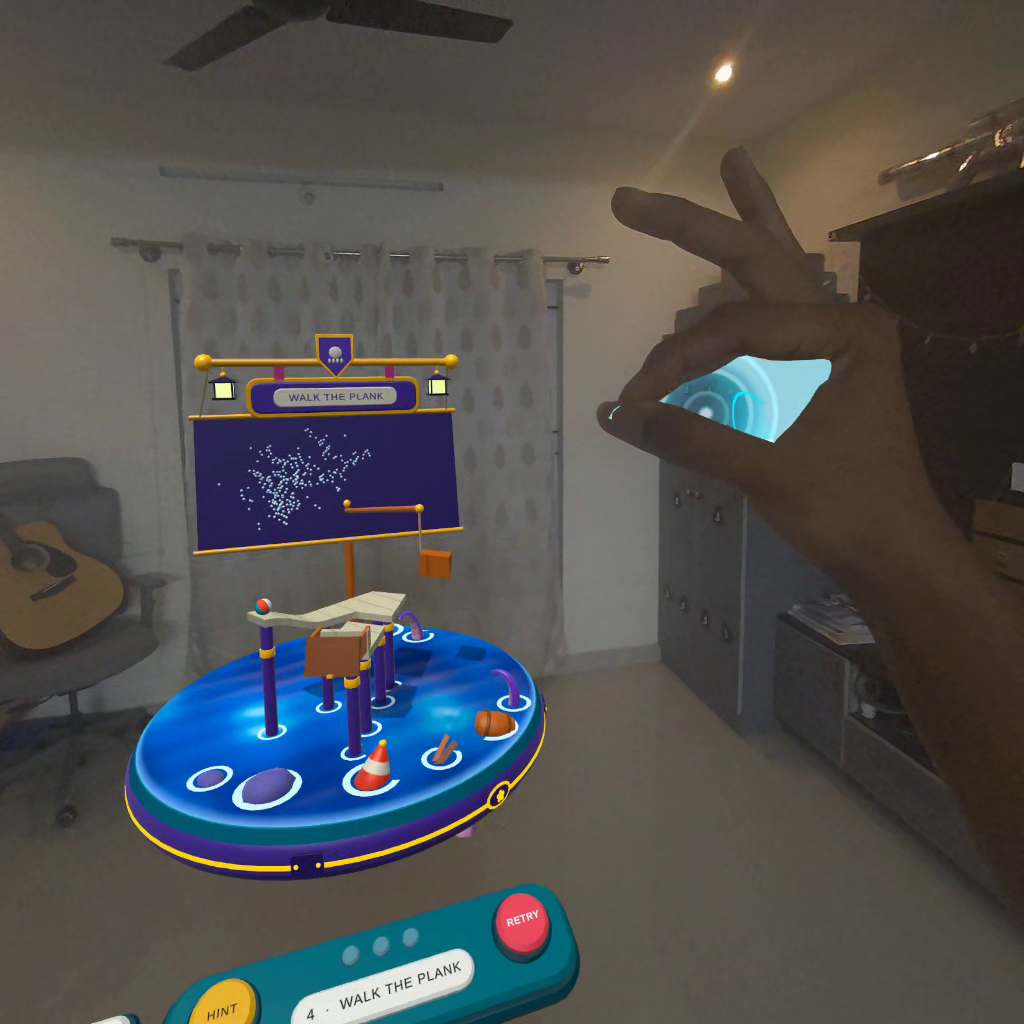
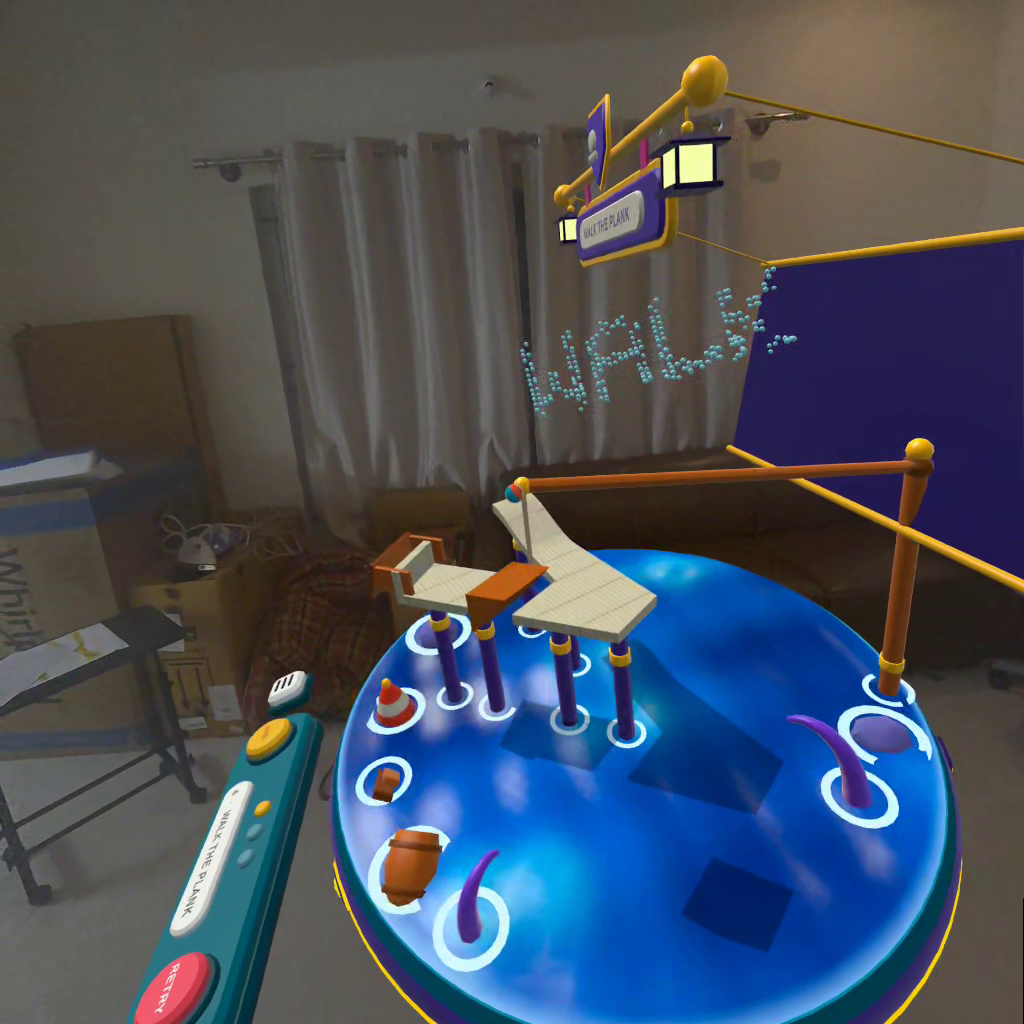
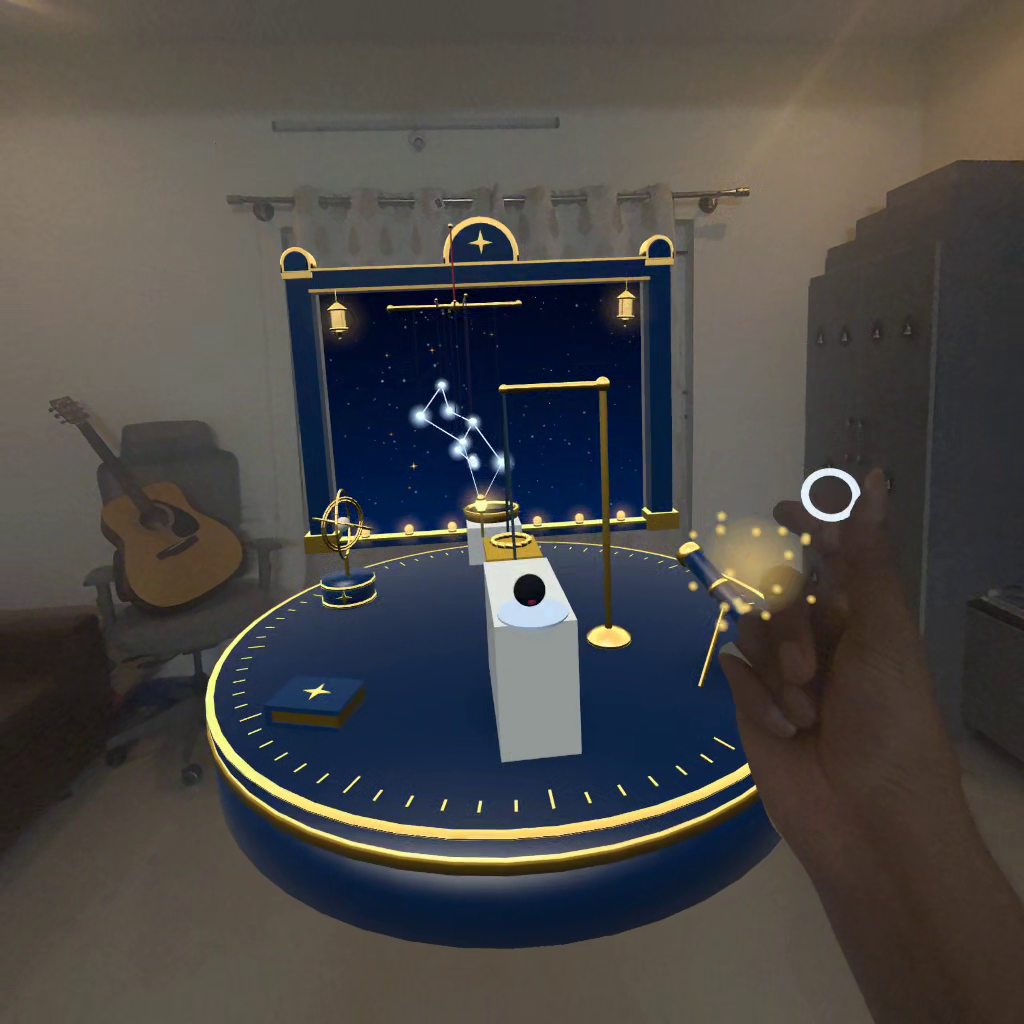
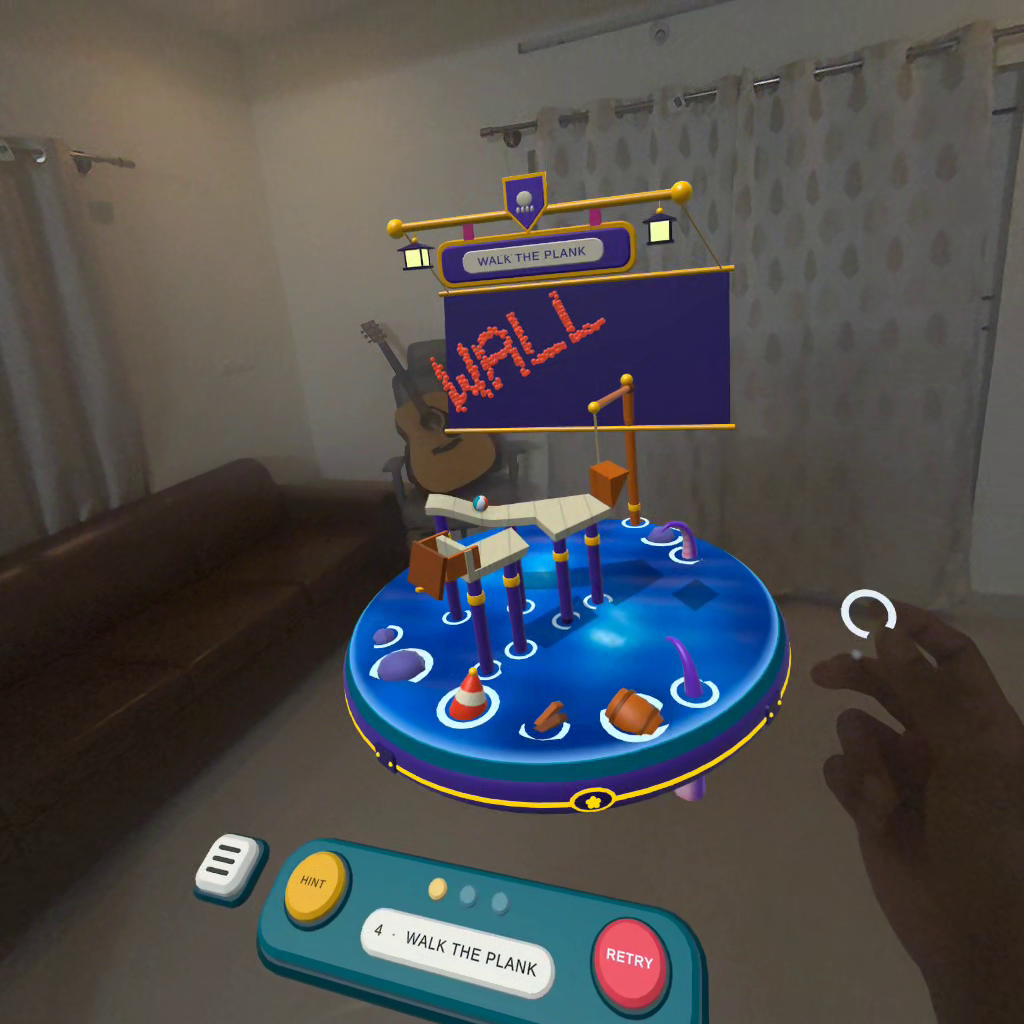
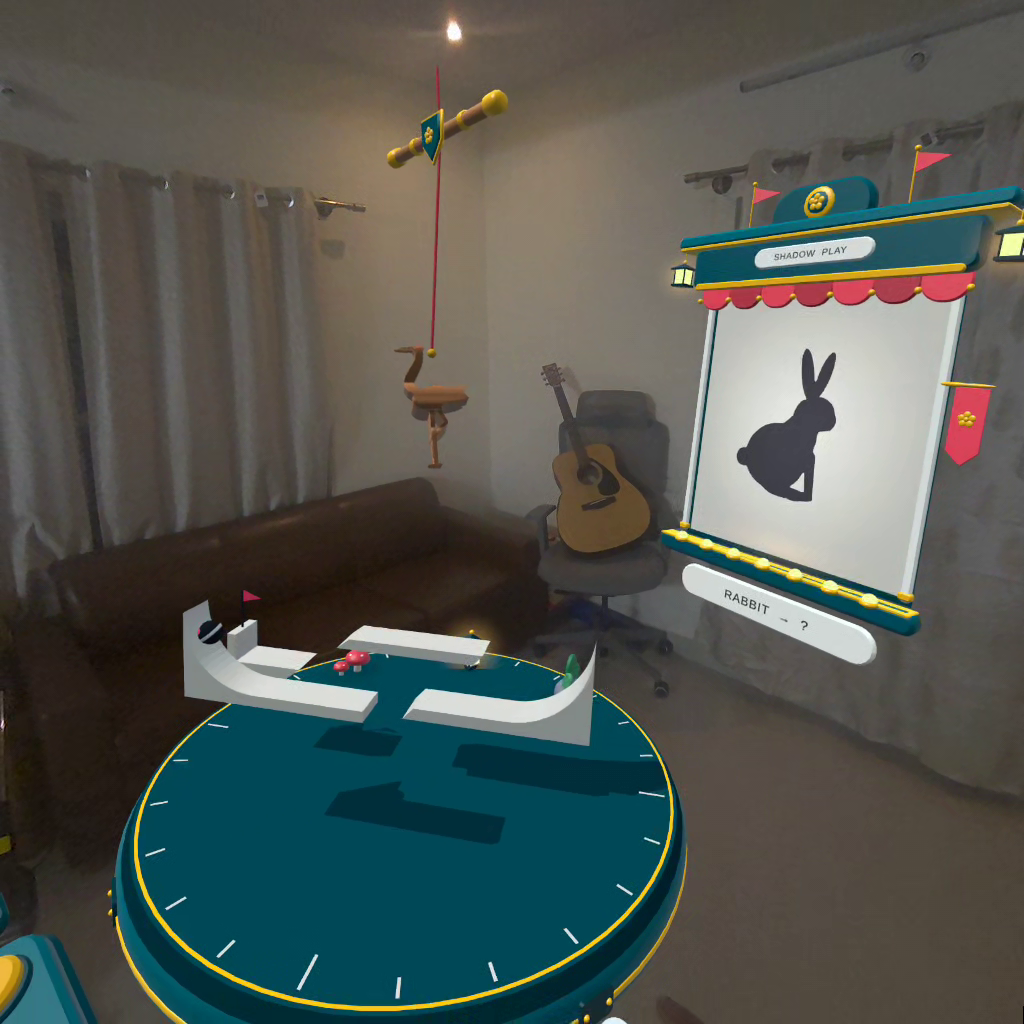
- A small diorama sits on your real desk in passthrough. Its tracks are broken apart in space.
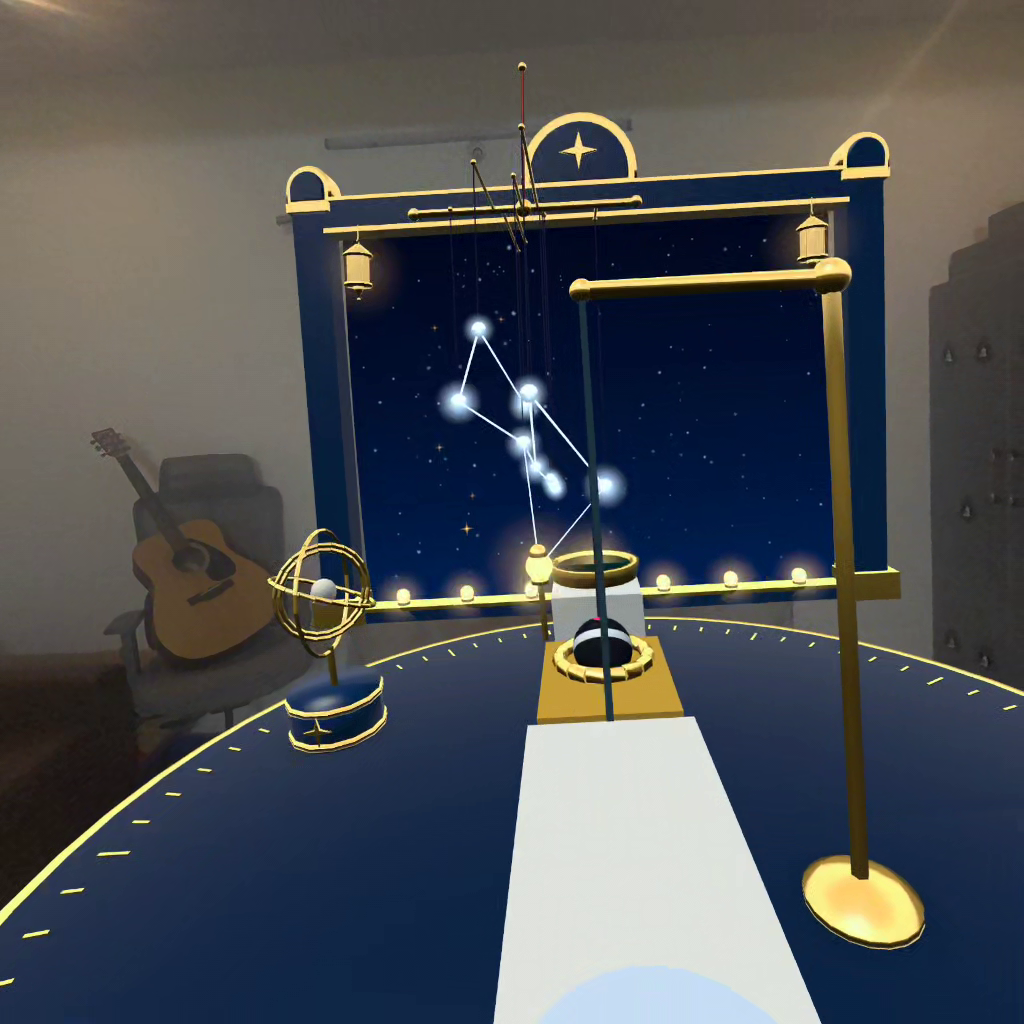
- Gaze: turn the diorama and move your head until the pieces line up from where you are looking. From that one view the gap closes and the ball really rolls across it.
- Snap: a finger snap (or a double pinch) sets the ball going.
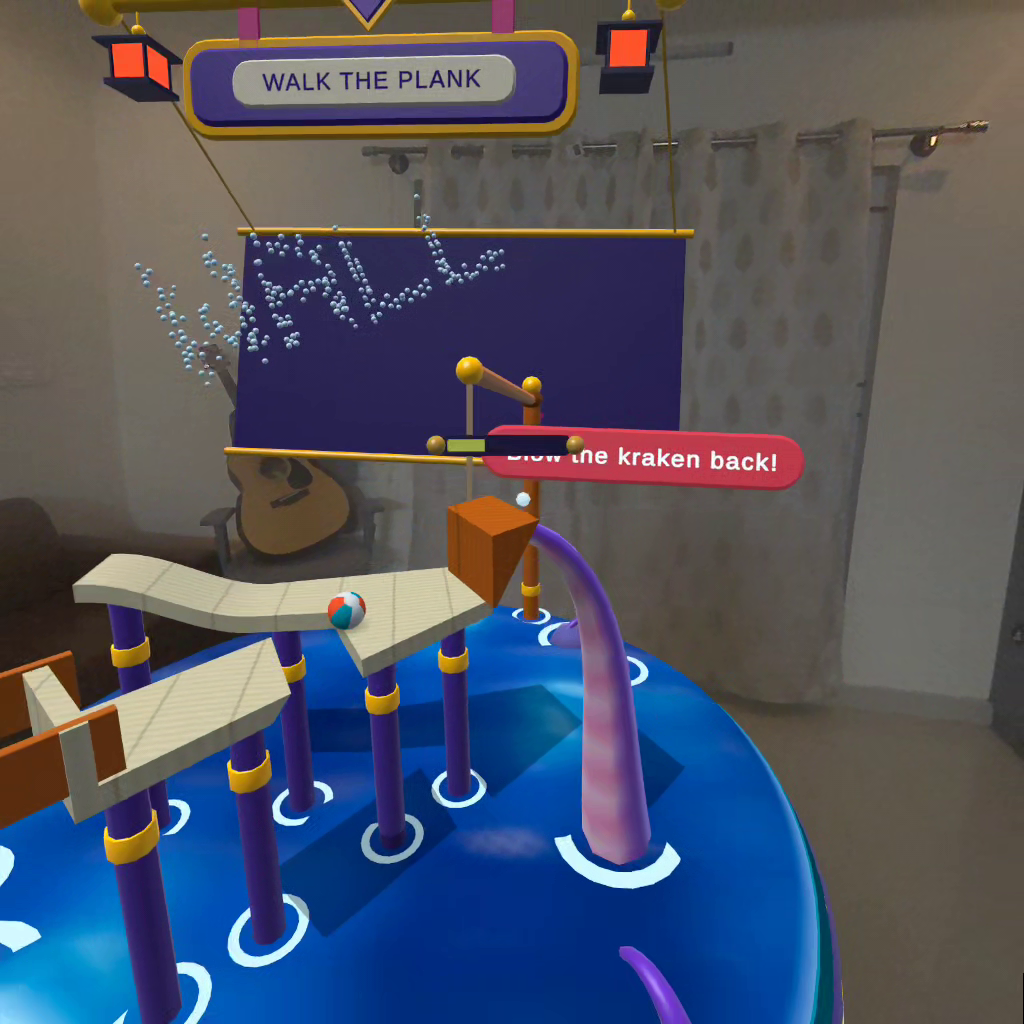
- Breath: blow at the board. A well-timed puff carries the ball over an edge and drives off the pests that come to spoil the level. The headset's microphone hears it, so there is nothing to hold or wear.
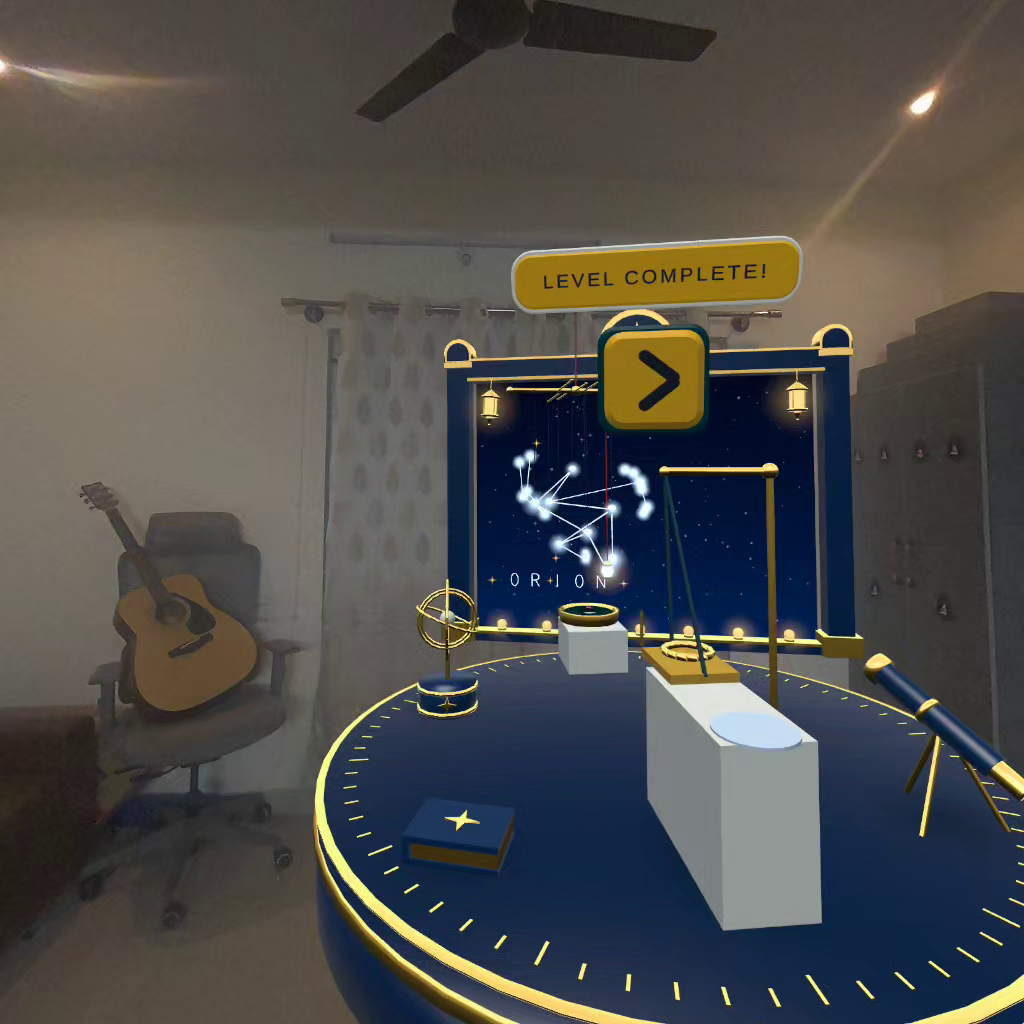
- A tutorial and five handcrafted levels, from a shadow-puppet theatre to a night sky and a workshop.
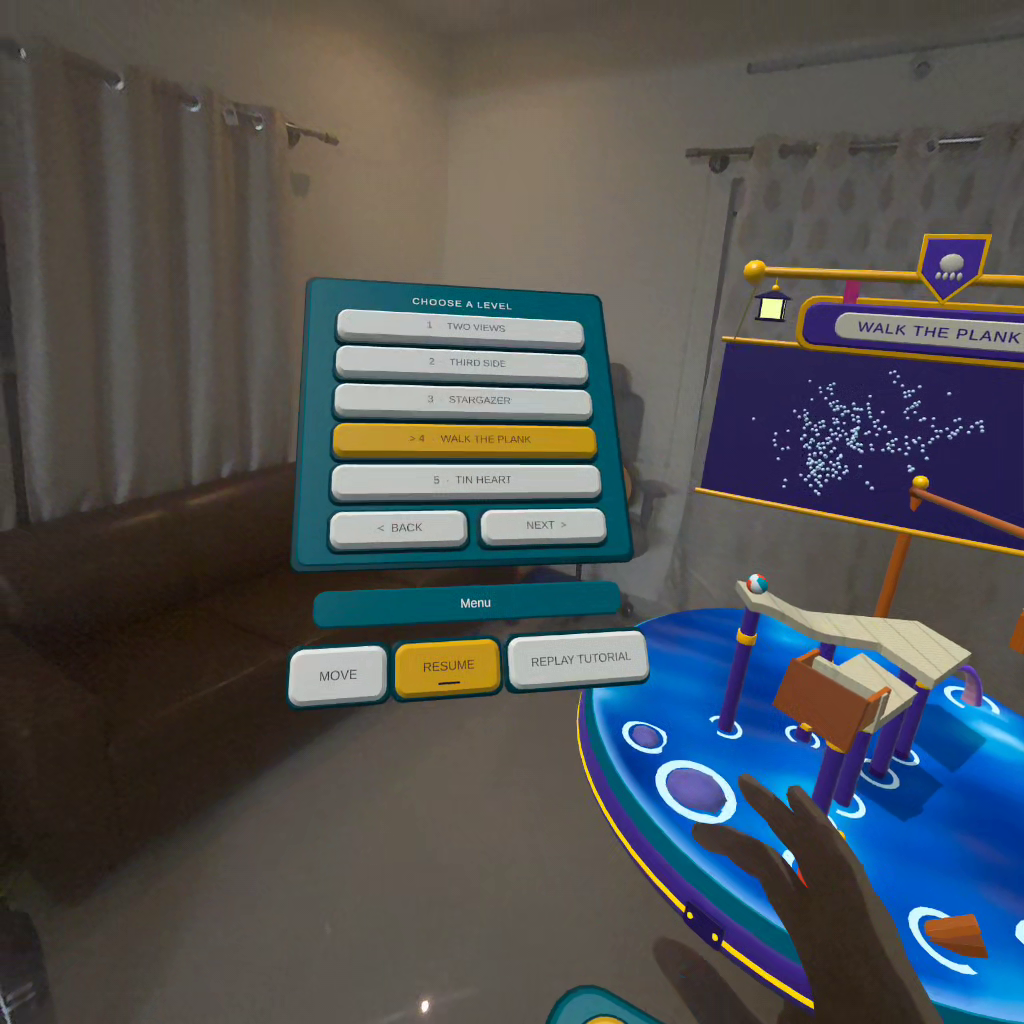
- Hints and menus are physical keys on a small bench, pressed with a fingertip.
How we built it
Unity 6 with the Meta XR Core SDK, OpenXR and URP, using high-frequency hand tracking and passthrough. The puzzle logic is its own engine-free simulation, so every level is solved and checked by a headless test harness before it reaches the headset. Custom shaders hold the illusion in stereo: at desk scale your two eyes disagree about where two pieces meet, so each eye is corrected separately. Breath is read from the microphone signal; the snap and pinches come from hand tracking.
Challenges we ran into
- Stereo breaks perspective tricks. A join that looks perfect to one eye can be more than a degree off for the other. A per-eye correction that eases in as you reach the right view fixed it.
- The ball has to agree with the picture. It may only cross where the illusion is complete, or it feels like cheating.
- Passthrough draws virtual objects over your real hands, so we cut the hands through to keep them in front.
- Making breath dependable: telling a deliberate puff from room noise, and handling a muted microphone.
- A snap has no button under it. Getting it to register reliably took several passes.
Accomplishments that we're proud of
- A whole game played by looking, snapping and blowing, with no controller at any point.
- Breath as a real game mechanic in mixed reality, not a gimmick.
- The moment the gap closes and the ball rolls over empty space, which the whole game is built around.
What we learned
The body has more inputs than hands. When an input matches what it means (looking to line things up, blowing to push something light), it needs almost no teaching. Desk-sized mixed reality is also comfortable: you sit, lean and peer the way you would at a real toy.
What's next
More illusions and levels, more mechanics driven by breath and gaze, and a release on the Meta Horizon Store.
