-
-
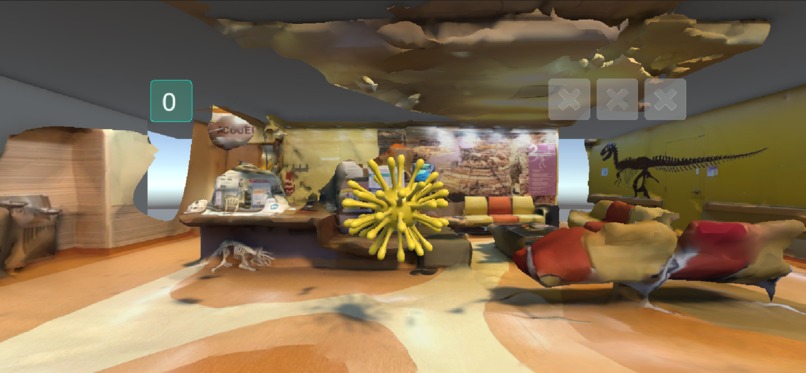
Slice the germ!
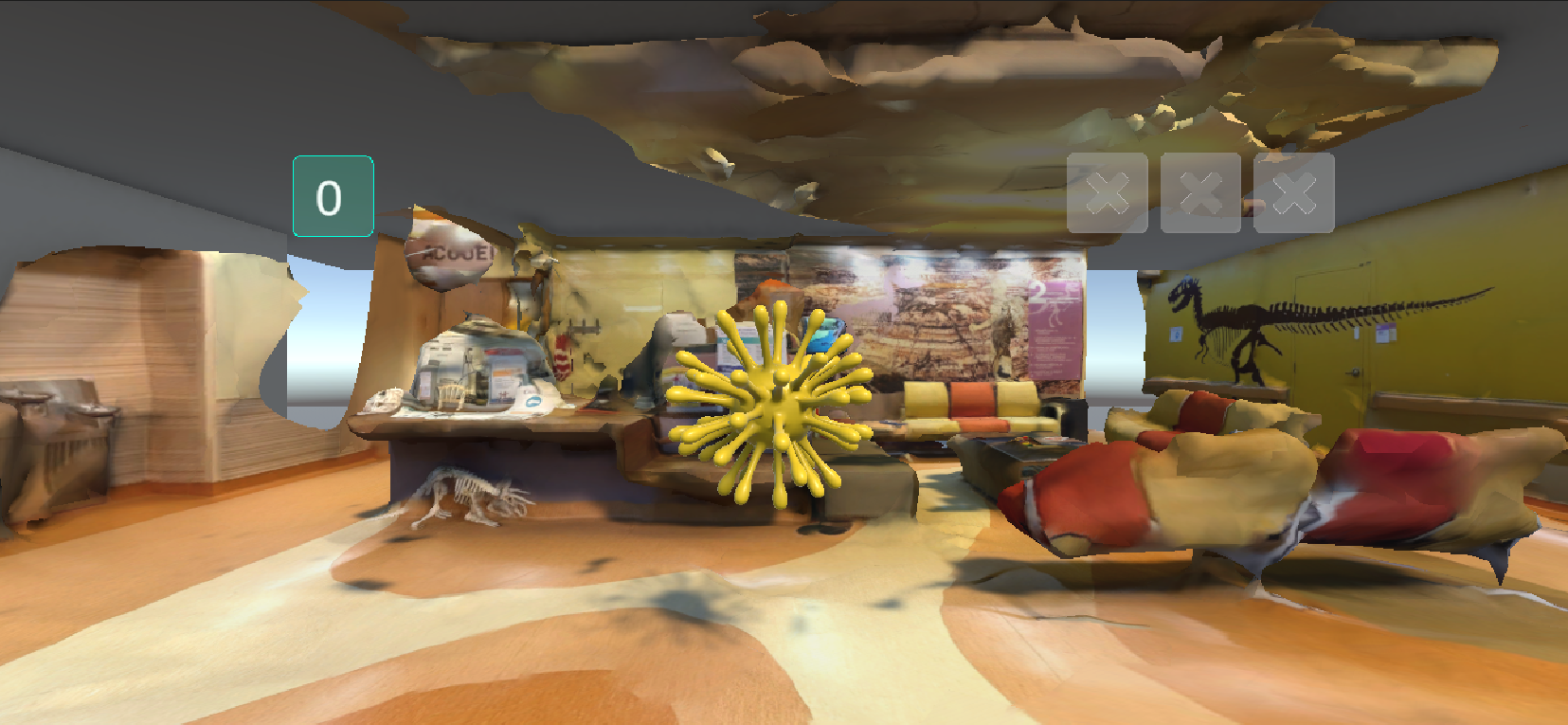
Inspiration
Our initial idea focused on motion-based gameplay, but we quickly realized that many pediatric patients undergoing procedures have limited mobility, especially with their arms. This led us to rethink our approach and design a game that remains interactive while requiring minimal movement. We asked ourselves: what if we made the game both educational and immersive by using head movements? This led us to create a head-tracking experience that is accessible to all patients.
What it does
Germinator is a head-controlled VR game where players use gentle head movements to slice harmful bacteria while avoiding objects, creating an engaging and safe distraction during medical procedures.
How we built it
We built Germinator using Unity, implementing head-tracking controls and designing a simple, intuitive gameplay system tailored for low-mobility use.
Challenges we ran into
One key challenge was balancing interactivity with safety, ensuring the game was engaging without requiring large movements that could interfere with medical procedures or cause discomfort.
Accomplishments that we’re proud of
We’re proud of creating an accessible VR experience that requires no controllers and minimal movement, while still maintaining engaging gameplay tailored for real clinical constraints.
What we learned
We learned how important it is to design with real-world constraints in mind, especially in healthcare, where accessibility, safety, and user comfort are critical.
What’s next for Germinator
Next, we plan to refine movement sensitivity, improve feedback systems, and test the game with users in real or simulated clinical settings to validate its effectiveness.
References: [1] Fear of Injections and Needle Phobia Among Children and Adolescents: An Overview of Psychological, Behavioral, and Contextual Factors
[2] Research Story Tip: Study Suggests VR Games May Help Children Better Cope with Painful Medical Procedures


Log in or sign up for Devpost to join the conversation.