-
-

EXSY logo
-
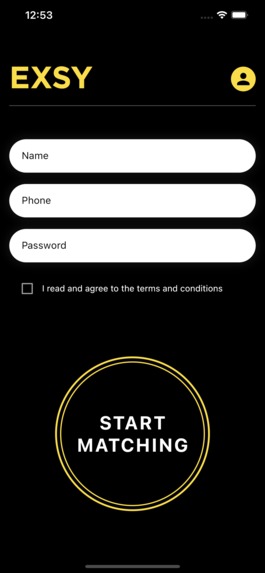
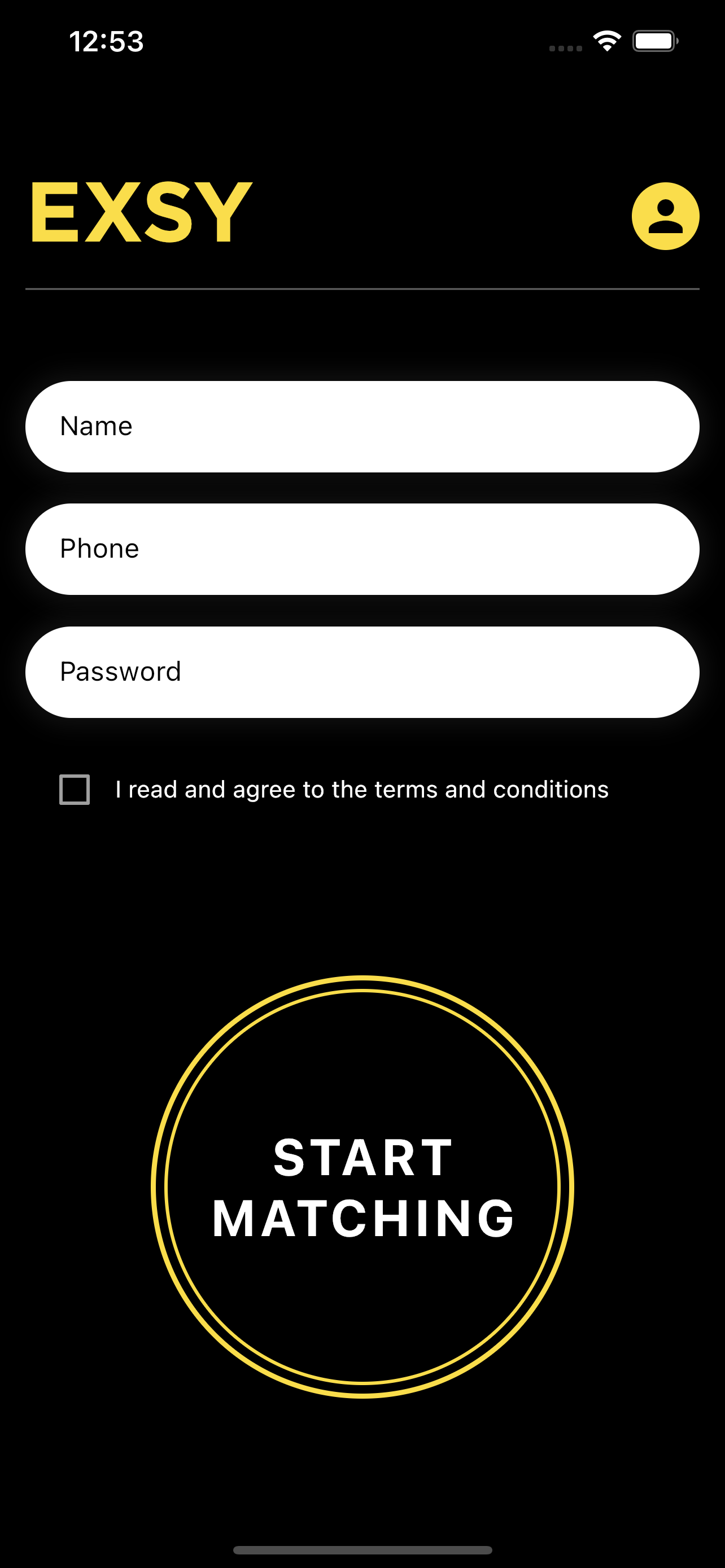
Registration page
-
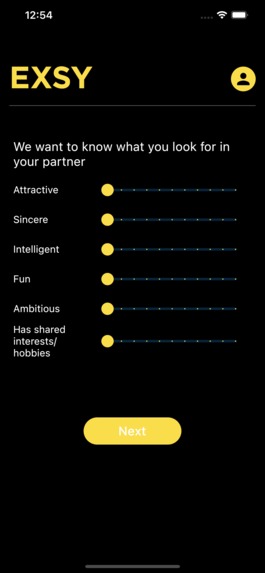
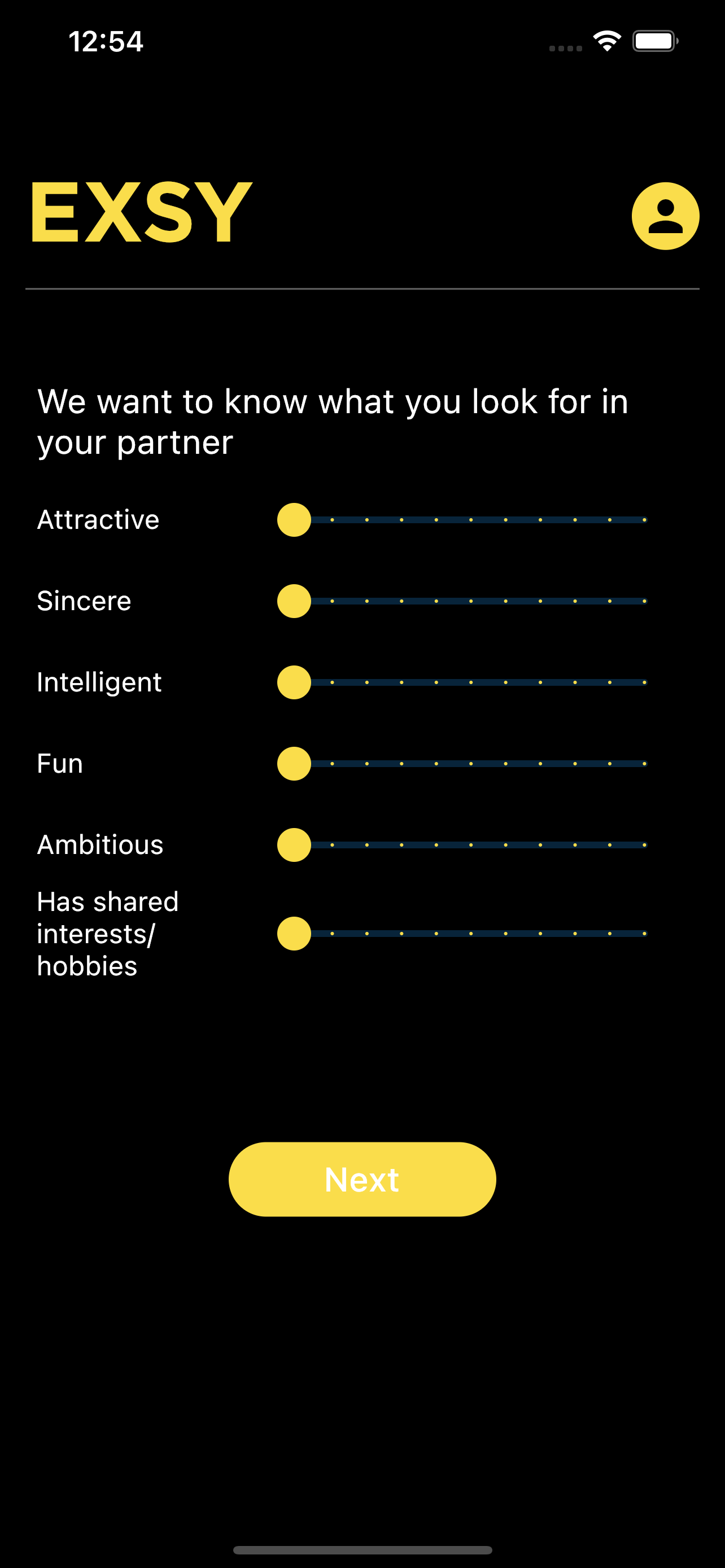
Traits looking for
-
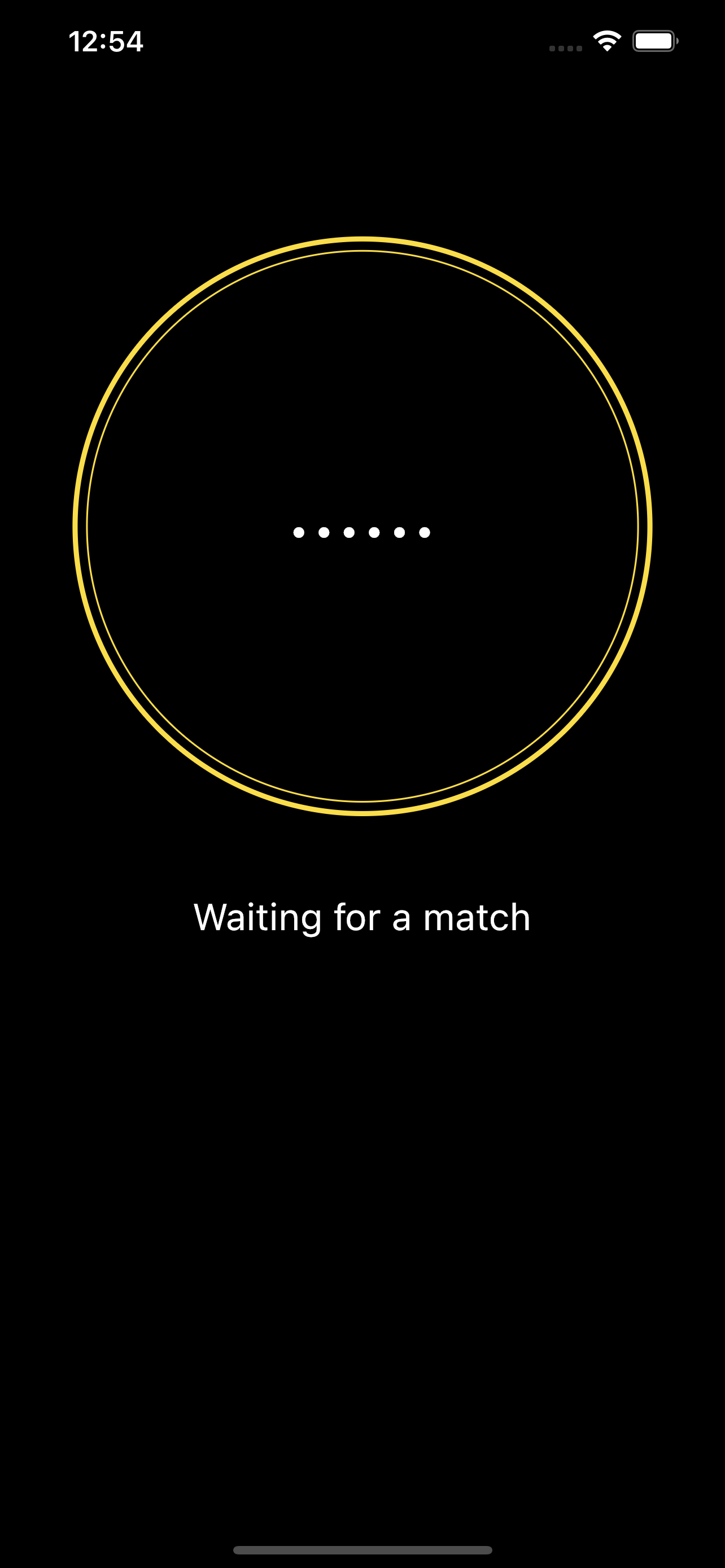
Waiting for match Page
-
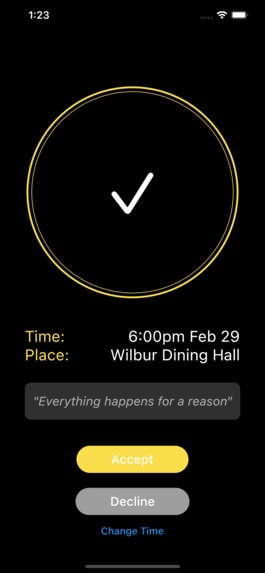
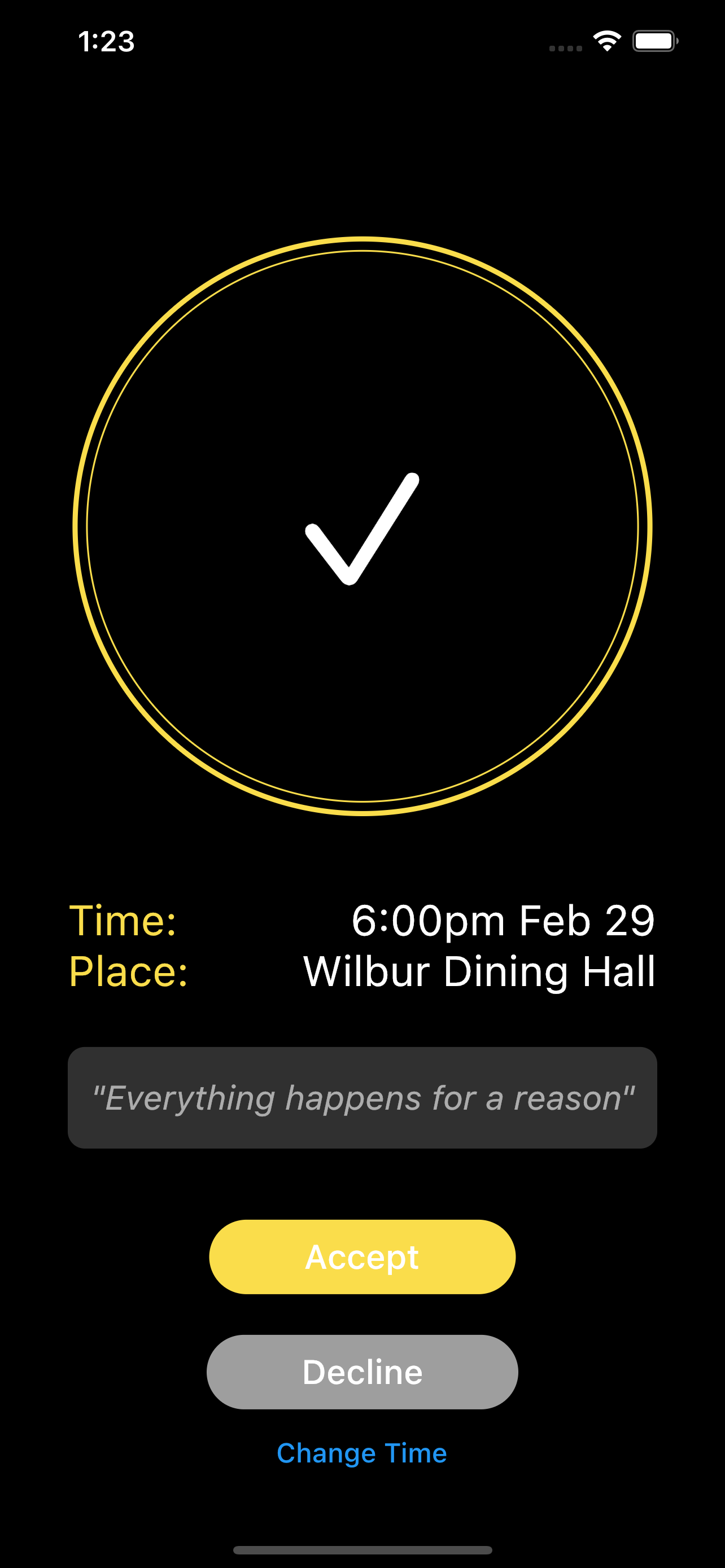
Match made and info
-
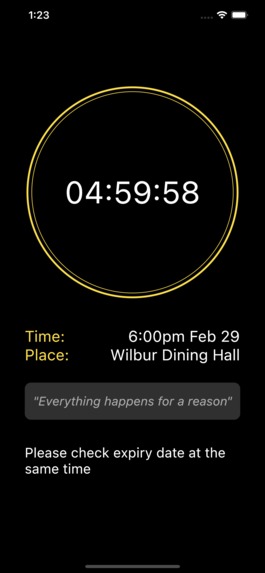
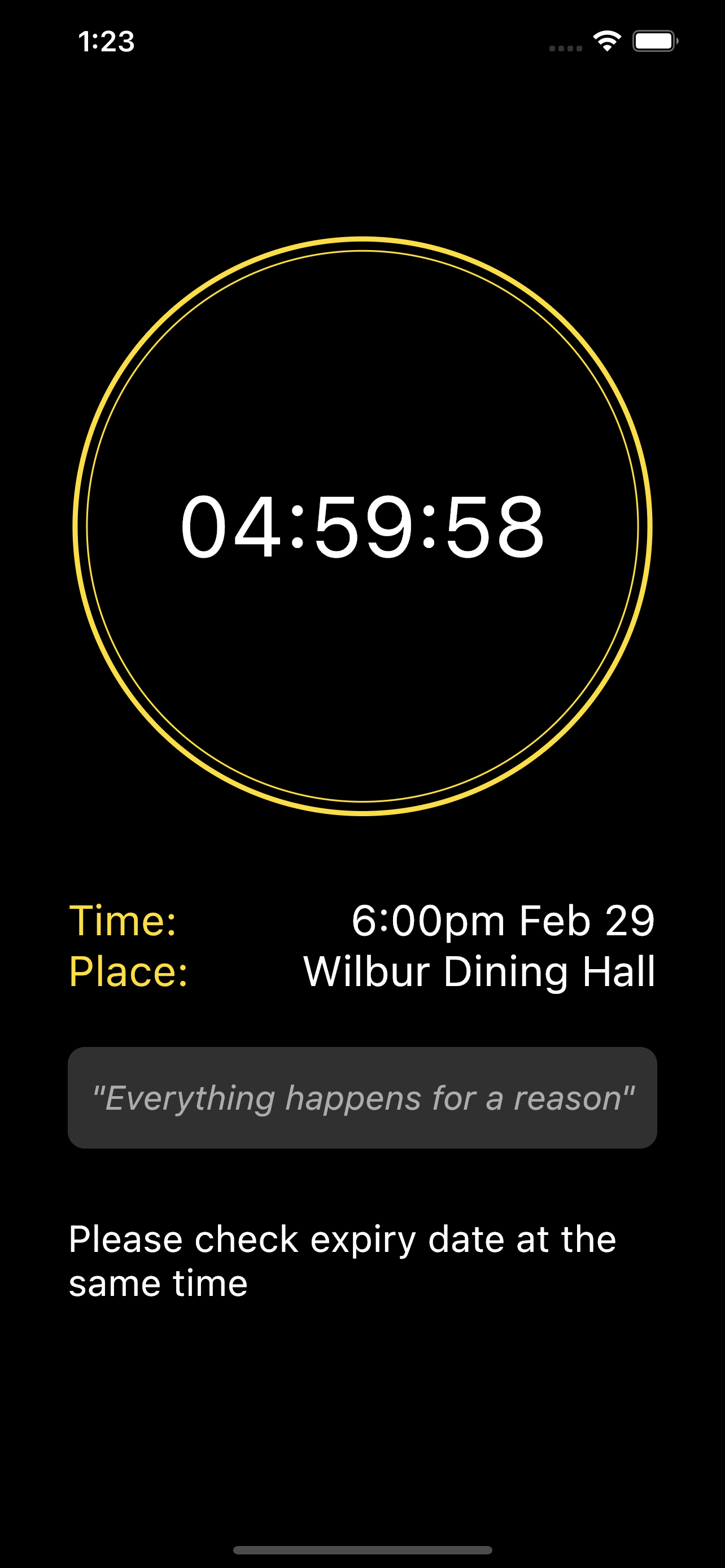
Expiry time count-down
-
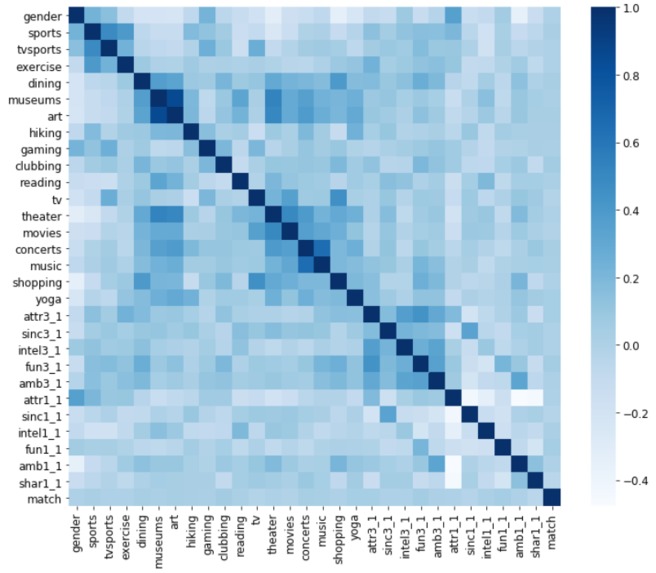
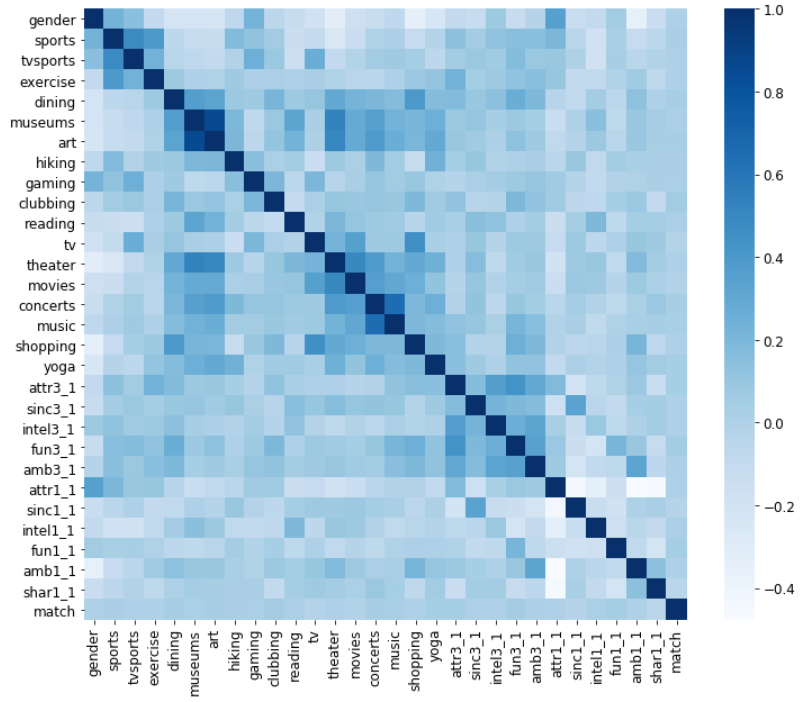
A heatmap of correlation matrix between features in our dataset
-
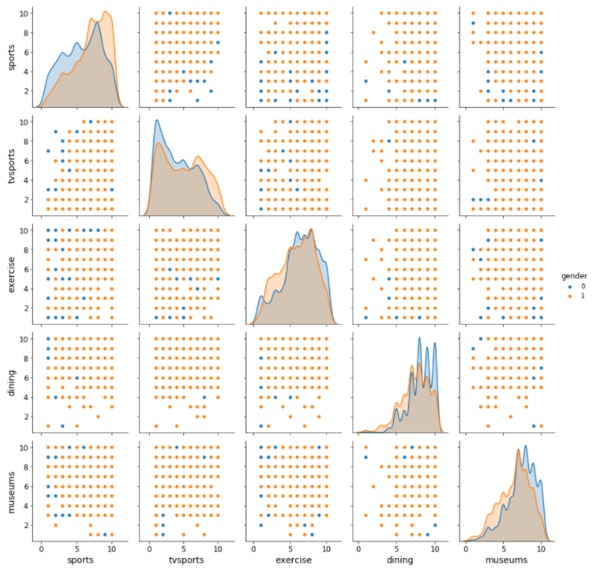
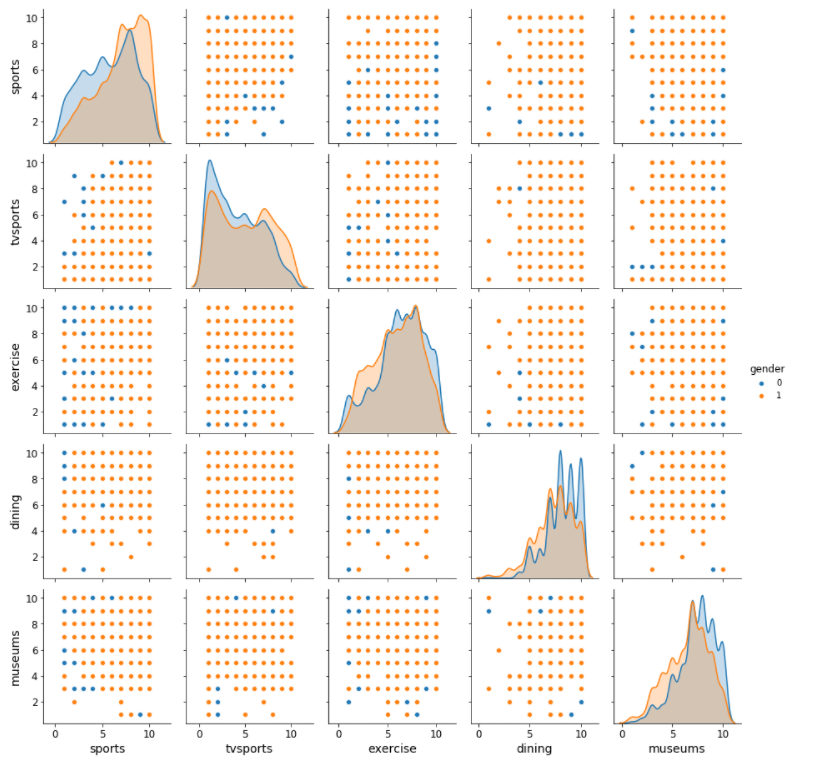
A visualization of the different responses for interests between genders in our dataset

Inspiration
Feeling lonely and looking to meet someone? Ever tired of making superficial connections on Tinder or Bumble?
EXSY takes an inaugural idea from Black Mirror and transforms the current dating culture. Equipped with our one-of-a-kind ML algorithms, EXSY knows your perfect match on campus with just a few words from you! But a little mysteriousness here — your match will not be revealed until the pre-arranged date. Moreover, the expiry timer, which is the countdown to the end of the date, does not start itself until both of you decide to check concurrently. Nonetheless, if you decide to check on your own, uh-oh, the expiry learns from the behavior and will recalibrate.
Inspired by unconventional ideas from Black Mirror Hang the DJ Episode, we feel the need to build an app that facilitates emotional connections through in-person encounters. With speed-dating and hookup culture so saturated on campus, fleeting online conversations or purely bodily encounters are taking over our time, and yet, they don't provide much comfort in creating deeper connections. Emotional connectedness seems more needed than ever. Prioritizing such connections, EXSY also aims to maximize accessibility for visually impaired communities with our voiceover narration. To ensure optimal and equitable matching results, EXSY strips away presupposed biases from viewing others' photos, profiles, or bio. It simply employs an ML model that learns from preferences to find an optimal match.
We hope that, through getting to know a person face to face, users on campus can find their compatible half and never have to check the expiry date on EXSY again :)
What it does
EXSY processes users' inputs of their interests, evaluations of their own personality, and expectations of the match. With the information given, EXSY makes use of its machine learning algorithms in finding a compatible match. A location and date-time will be prompted in both users' interfaces, where they can choose to accept or decline. However, no information about the other person will be made available. Users have to go on the pre-arranged date at the given location to find out more about the match.
During the date, both users have the option of checking the expiry date, which is determined by our algorithm based on their predicted compatibility, but they have to agree on checking at the same time. The reason for this is that we want mutual communications and agreement between the two people. The two are expected to hang out together until the time runs out. However, our ultimate goal is to pair you with someone with whom you would never check the expiry time!
How we built it
a. FRONTEND We are able to use Flutter and build an app that is inspired by the Black Mirror episode. From iOS, Android, Linux, Windows, to Mac OS, our app is supported in various environments. The app interface features a simplistic design meant to put focus on offline meetings. We put forth animations that emphasize fluidity and create a user-friendly interface that is clean, accessible, and characteristic.
b. BACKEND We were able to find a dataset online compiled by Columbia Business School professors Ray Fisman and Sheena Lyengar from 2002 to 2004. The data was gathered for an experimental speed dating event where participants are asked about their demographics, self-perception across key attributes, and expectations in a partner across key attributes. These key attributes include attractiveness, sincerity, intelligence, fun, ambition, and shared interests. We are able to use these datasets and the feedback that each gives after speed-dating to train our Random Forest classification model. Just as the Black Mirror episode imagines a matching algorithm based on thousands of simulations, our Random Forest model also builds thousands of decision trees and determines compatibility based on vote of each.
Ethical Considerations
Making the app accessible for visually-impaired communities. Our app features an in-app voiceover that builds on Apple's Siri. The voiceover reads the text and prompts users to enter the appropriate information. With a number of visually-impaired communities on campus, this design aims to make our app equally accessible for all.
Stripping away pre-supposed biases based on race, education, profile pic, etc. We minimize our intake of users' information and hope to make a match based on the most effective features. With that said, we do not ask for users' race, education, profile pic, etc. as other dating apps do. Instead, we work our magic in our ML algorithm and questionnaires on interests, self-assessment, and expectations. These fields strip away biases that often come into play on other dating apps so that people usually disadvantaged by these biases are equally likely to get to know another person.
A ML algorithm aimed to achieve parity and fairness. Albeit going through challenges in finding datasets to train our ML model, we came across a rich dataset that contains various personal information about the participant and their dating experiences. Race and ethnicity were available as a data field in the dataset, but we decide to not incorporate that in training our current model. This is because we didn't want race to affect the model's decision in making a match. We understand that fairness through unawareness may not be the most effective framework to ensure parity, but in excluding sensitive features, we hope to truly base our matching algorithm off of participants' answers about themselves and feedback about their past dates arranged by EXSY.
Challenges we ran into
a. Finding an existing, large-scale dataset that incorporates personal information and compatibility. Our main challenge was to generate or find a dataset to train our ML model. Through extensive searching online, we came across a dataset consisting of demographics, personal interests, and ratings of both themselves and their dates.
b. Scoping of our app. We struggled with defining the scope of usage for our app, as we wanted to make it into an application that can be used more widely instead of only on Stanford campus. Due to the time limits of the event, we decide to build a prototype that is based on Stanford campus but can be expanded into somewhere more general.
Accomplishments that we're proud of
a. We were able to train a Machine Learning model with an accuracy of 91% on the test set and successfully incorporate that into our matching algorithm.
b. Designing and implementing the interface within a short period of time was pressuring yet rewarding. We designed an app that works on a variety of systems and can be switched easily from one to another.
c. Our frontend and backend engineering were separately programmed, but we managed to connect the server with the interface such that both are exchanging information with each other.
What's next for EXSY
a. We wish to make the most use of current AI technologies, and one thing that we came up with but weren't able to realize was processing conversations during the date with NLP to evaluate the compatibility between the two. This may be important as two people meeting each other for the first time may not have the best idea of whether they need to meet for a second time, and EXSY could come to mentor and assist the two in determining whether they should go on a second date.
b. In order for a more generalized application of the software, we need to add more features on location services. We would collect a user's location and their accepted range of areas to meet without violating their privacy. In doing so, we will be able to match the users who have overlapping areas and generate an accepted point of interest on the map for them to meet. Since the location is determined by the server, we would also need to consider the types of public spaces (coffee shop, restaurant, etc.) that we designate for the two users.
c. Taking personal safety into consideration, we wish to incorporate safety tools during date time that users could easily resort to. We also imagine a post-match survey where users can report a user, if they didn't show up or if their behaviors are making them uncomfortable.
Built With
- fastapi
- flutter
- machine-learning
- python
- randomforest
- scikit-learn
- smote


Log in or sign up for Devpost to join the conversation.