-
-
Example Lesson
-
Example Lesson
-
Student Page
-
For Parents
-
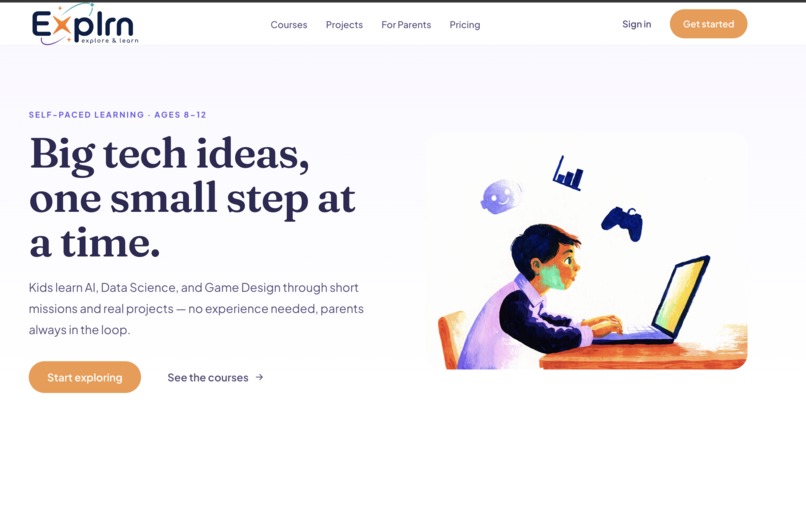
Landing page
-
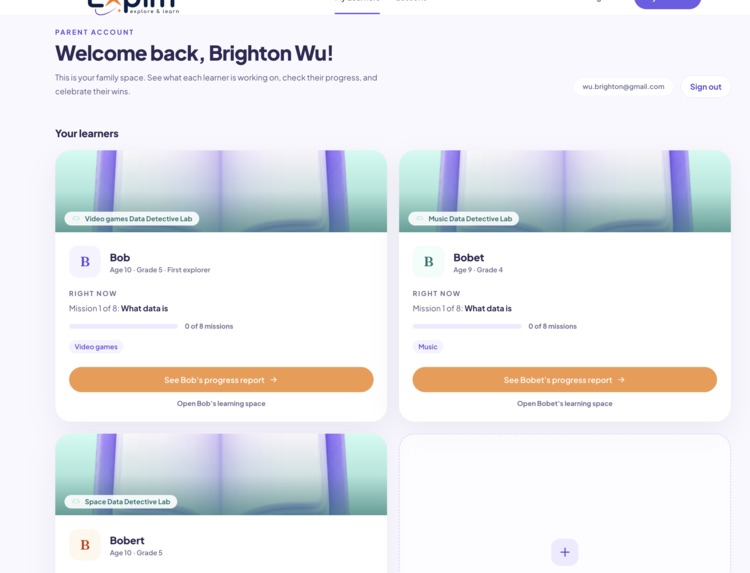
Parent Dashboard
-
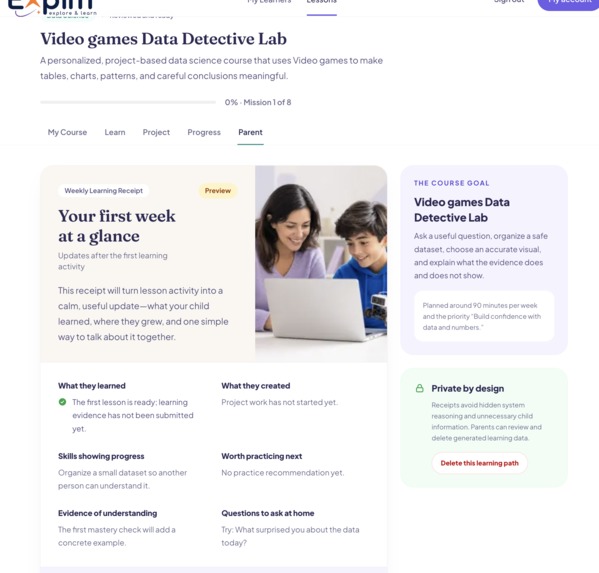
Parent Overview
-
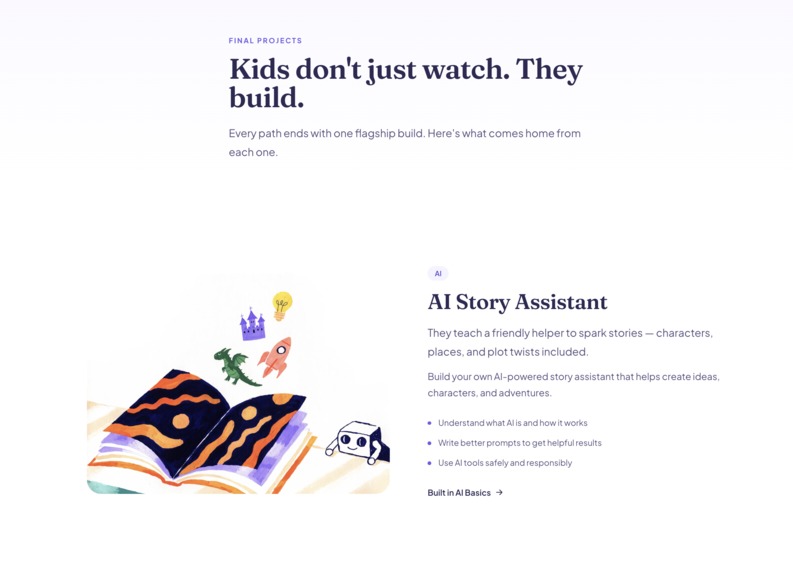
Projects
-
Projects
Inspiration
Explrn was inspired by Nabiha's three years at a children's coding center, where she developed and led camps in web development, cybersecurity, game development, and programming. Teaching these programs, she saw two recurring gaps: most children's tech courses follow predefined curricula that can't keep pace with fast-moving fields like AI and data science, and every student receives the same lessons and projects despite learning in very different ways, some driven by games, others by science, art, or real-world problems.
The team built Explrn to make technology education more current, personal, and engaging: helping young learners build strong technical foundations while exploring the ideas shaping the world around them.
What it does
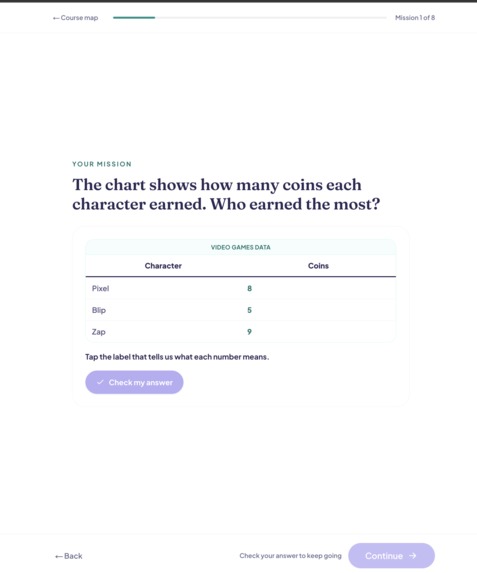
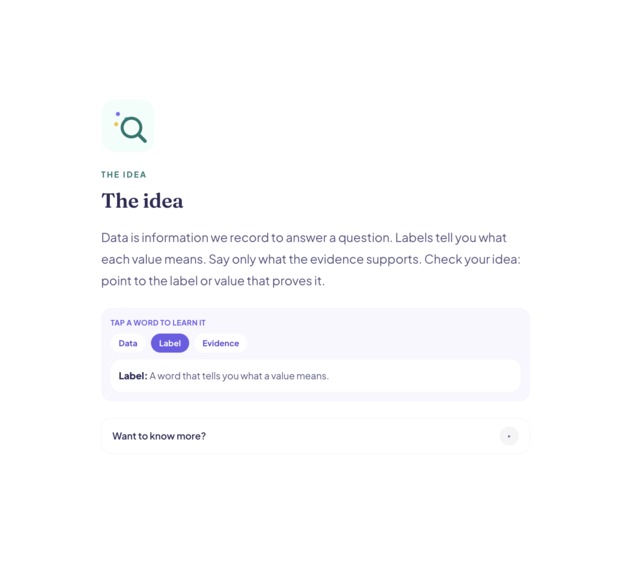
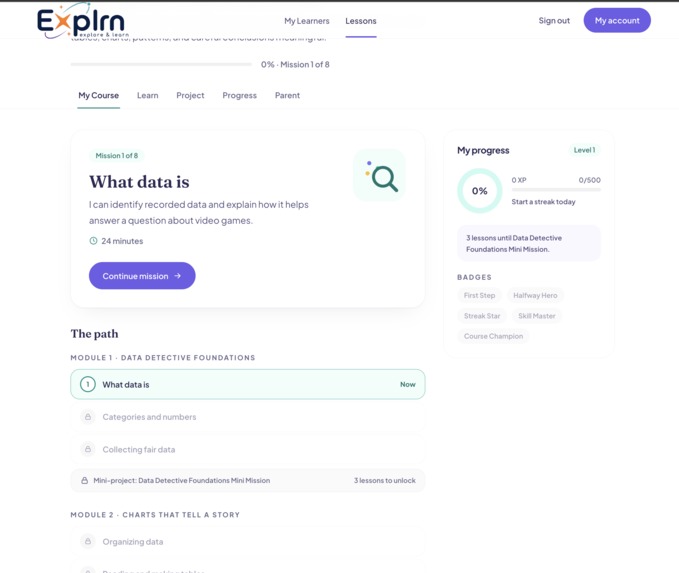
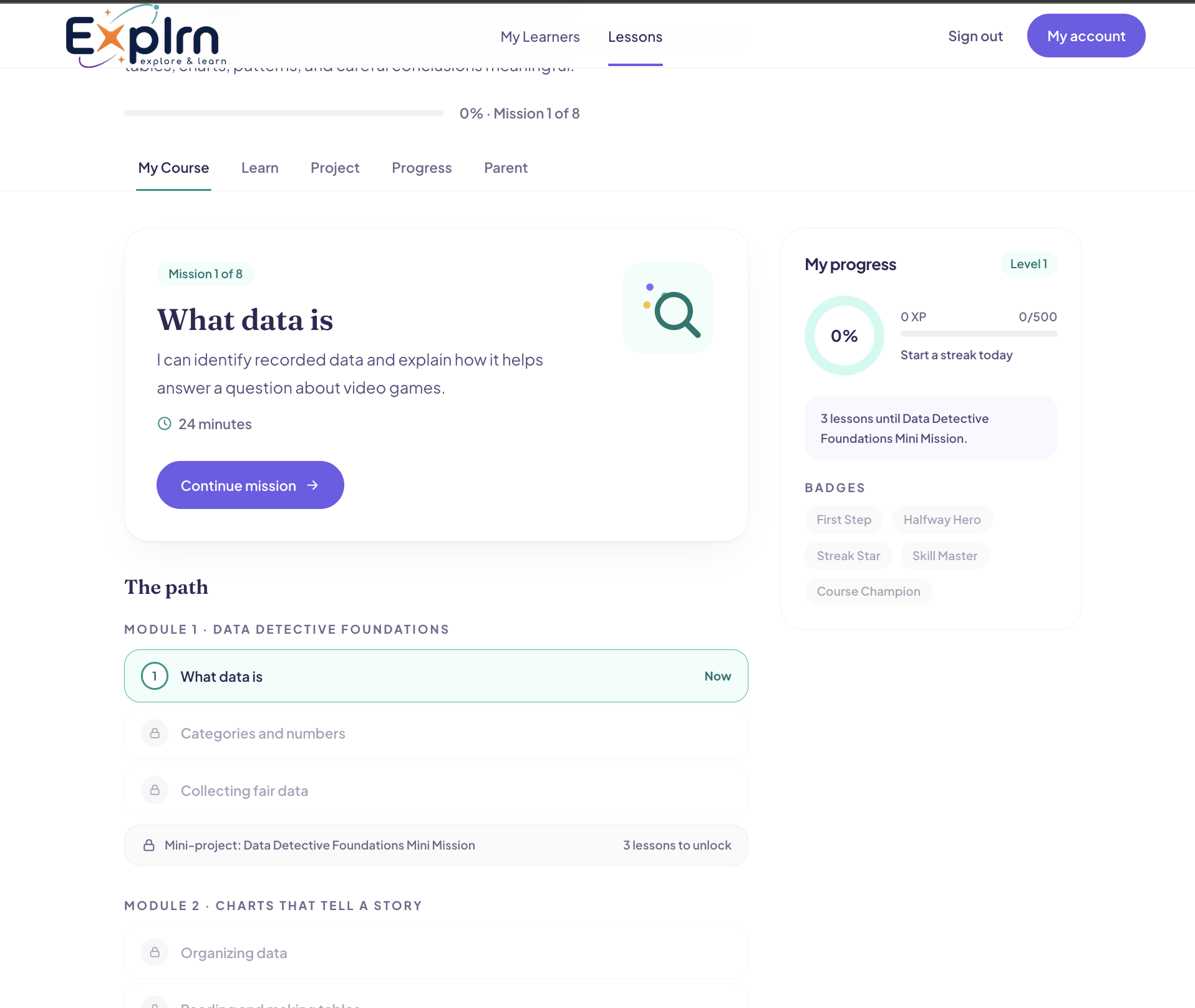
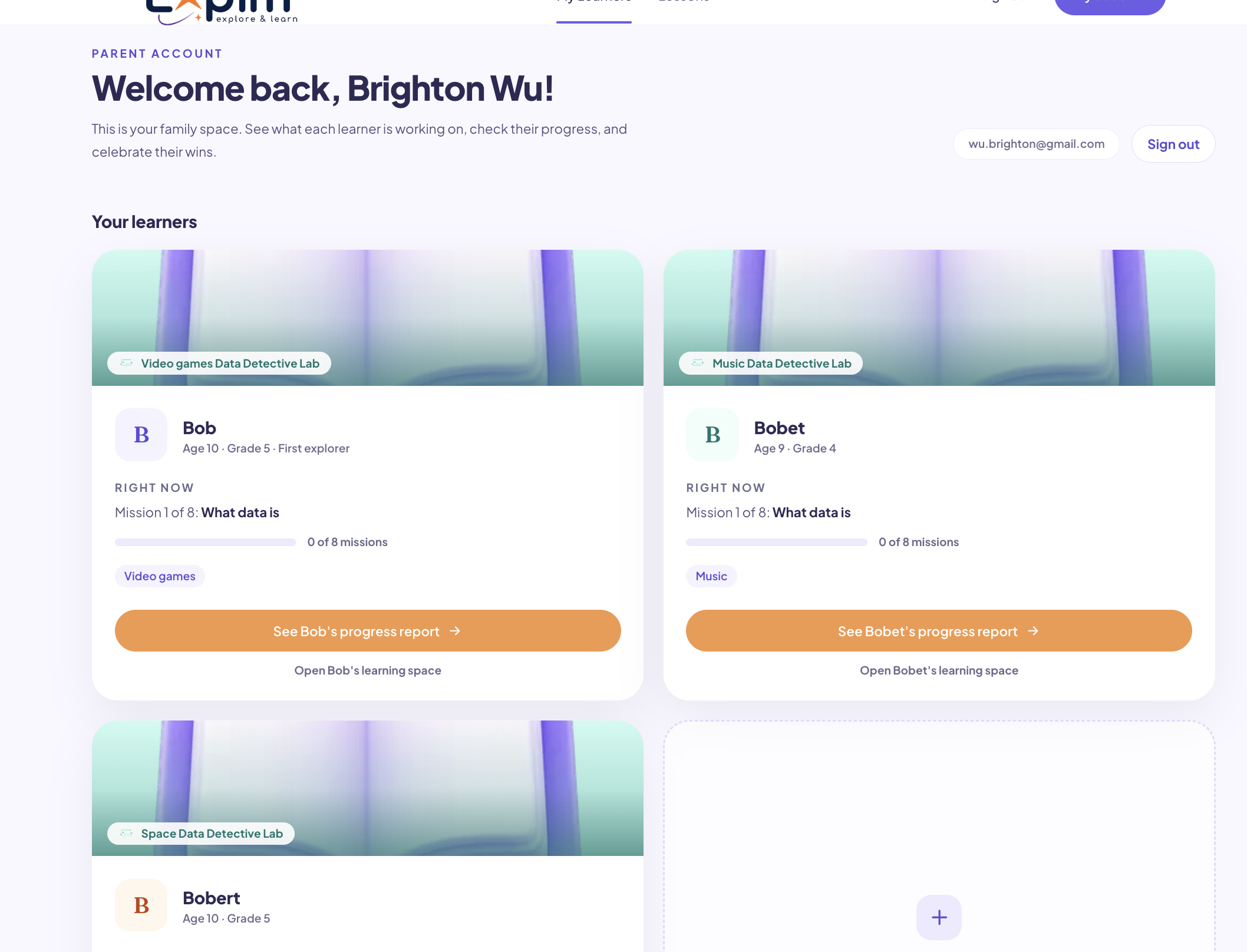
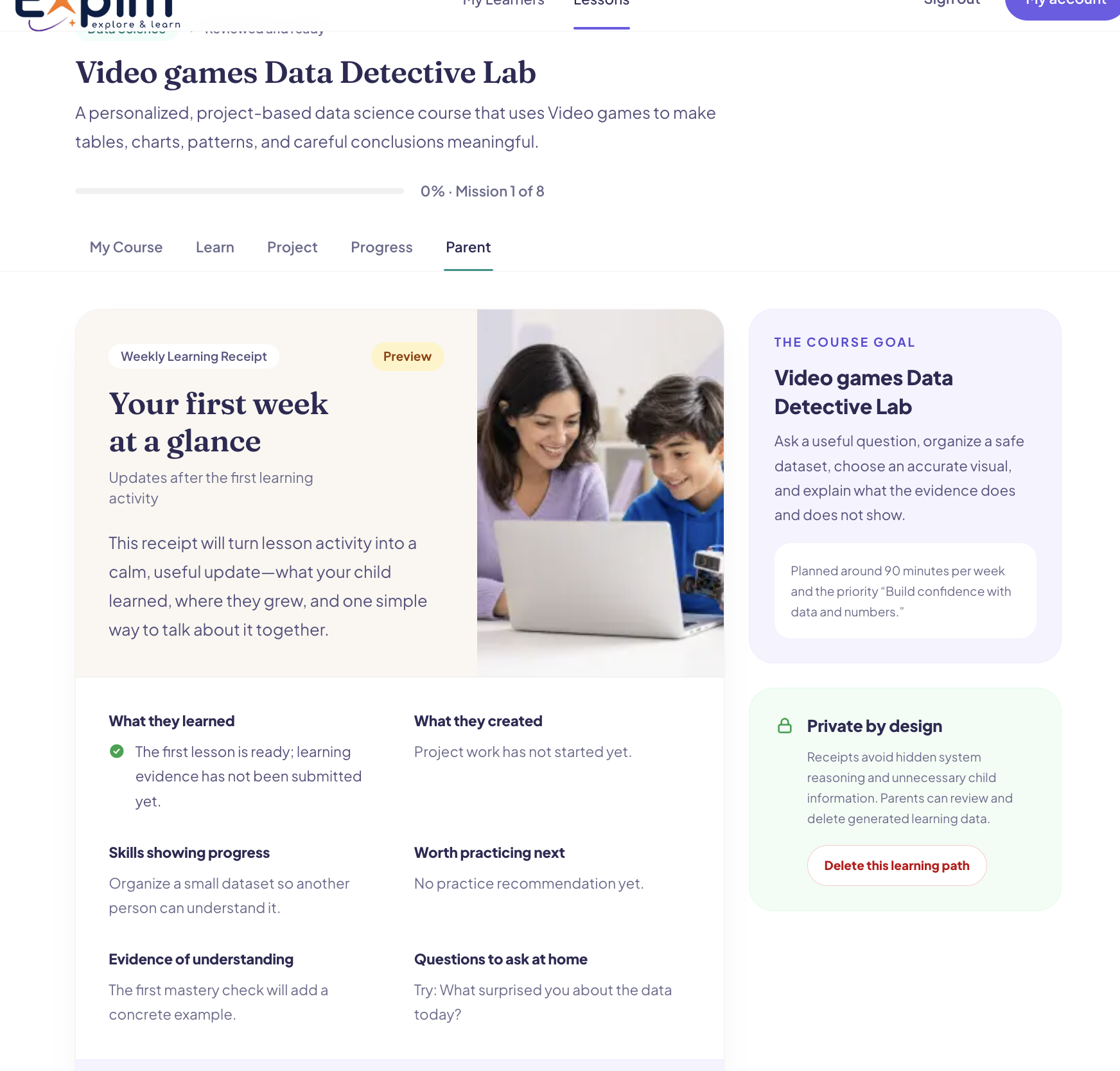
Explrn is an agentic learning platform that creates a personalized technology curriculum for each student. When a learner joins Explrn, the platform considers factors such as their age, grade level, interests, existing experience, learning goals, and preferred style of explanation. It then uses this information to build a learning path designed specifically for them. Instead of every student receiving the same examples, Explrn connects technical concepts to topics the learner already cares about. A student interested in sports might explore data science through player statistics, while a student interested in art could learn coding by creating an interactive digital project. Students learn through guided lessons, hands-on activities, and project-based courses in areas such as coding, artificial intelligence, data science, and cybersecurity. As they progress, Explrn adapts the curriculum based on their understanding, performance, and interests. The goal is not only to teach students how to use technology, but to help them understand its foundations, build real projects, and become confident, independent learners.
How we built it
Explrn is a Next.js app deployed on AWS. The web app and API run as a containerized service on ECS Fargate behind CloudFront and a load balancer, with Amazon Cognito for parent sign-in and a private PostgreSQL database for accounts, learners, and courses. We defined the whole stack as code with AWS CDK so it deploys reproducibly.
The core is the course generator. Instead of one prompt, we built a chain of specialized LLM agents running on GPT-5.6 Luna: a learner-profile agent, subject router, curriculum architect, an independent reviewer, a lesson builder, and a safety validator. Each returns structured, schema-validated output. Every lesson passes through AWS Bedrock Guardrails and our own safety checks before a child sees it, and we never collect personal information. Since a live build takes longer than a normal web request, generation runs asynchronously: the API starts the pipeline, returns right away, and the client polls until the course is ready.
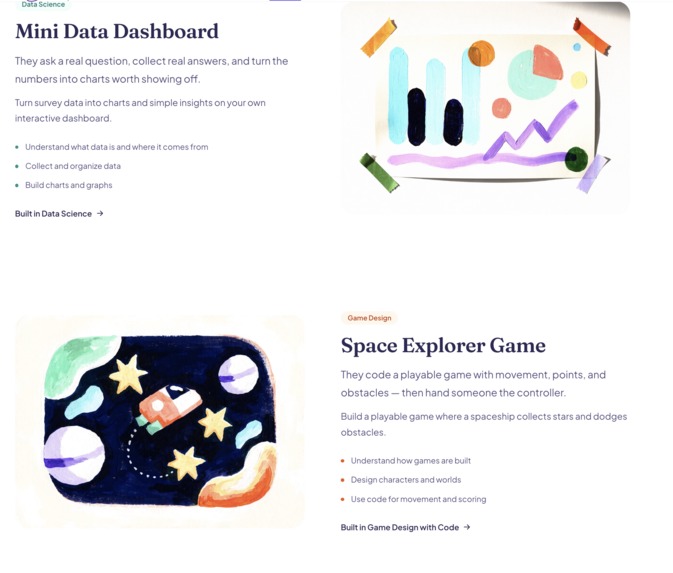
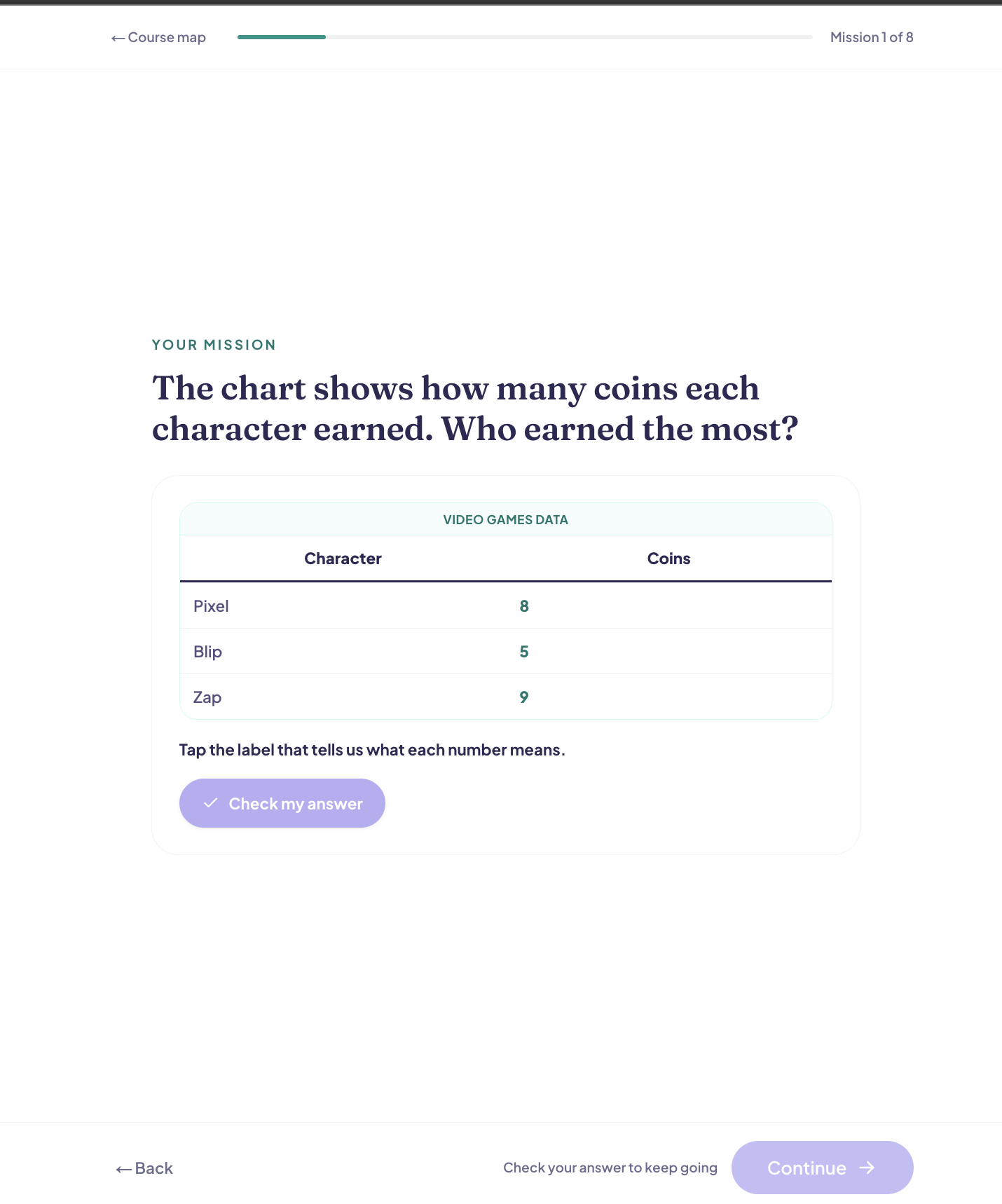
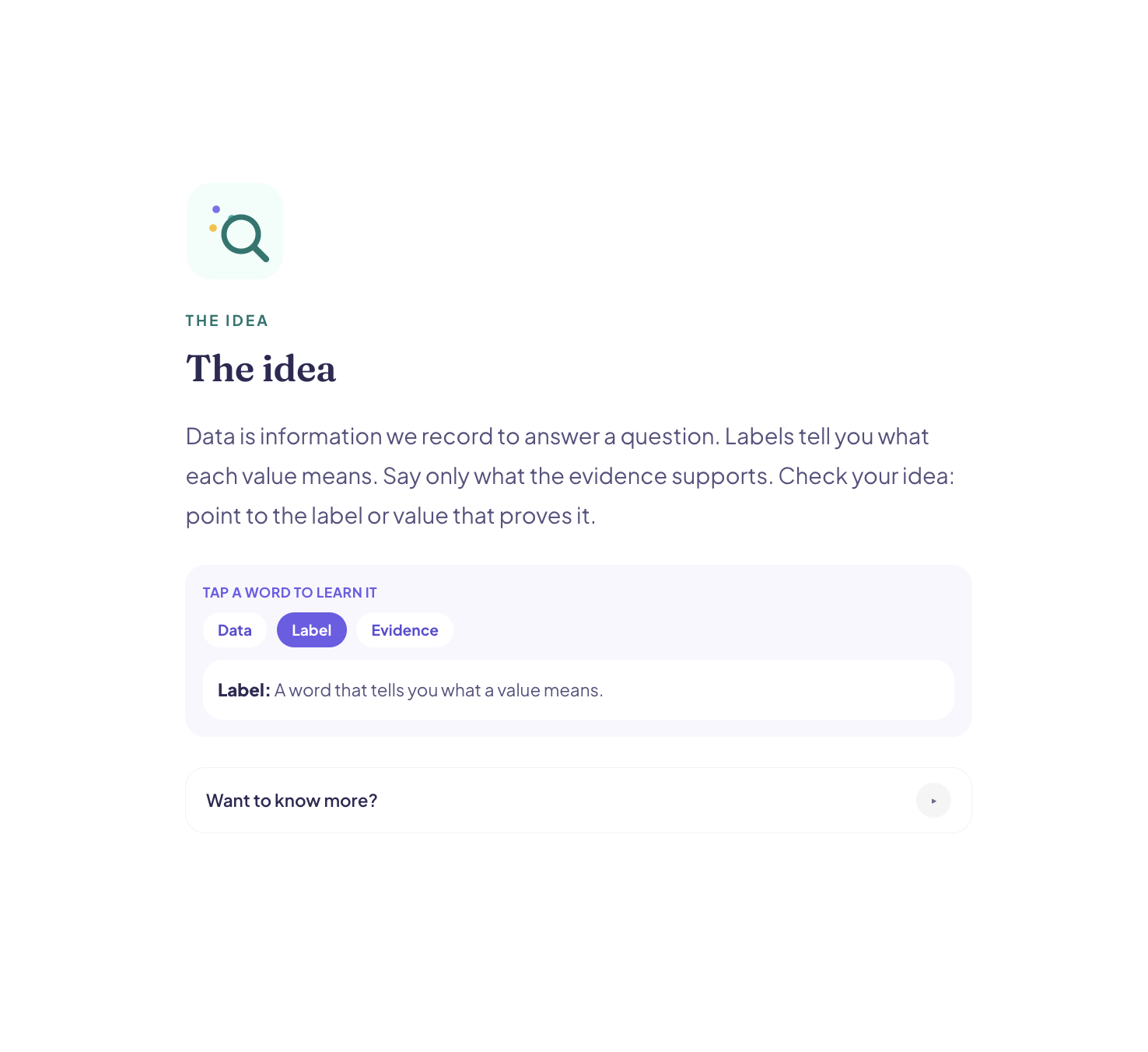
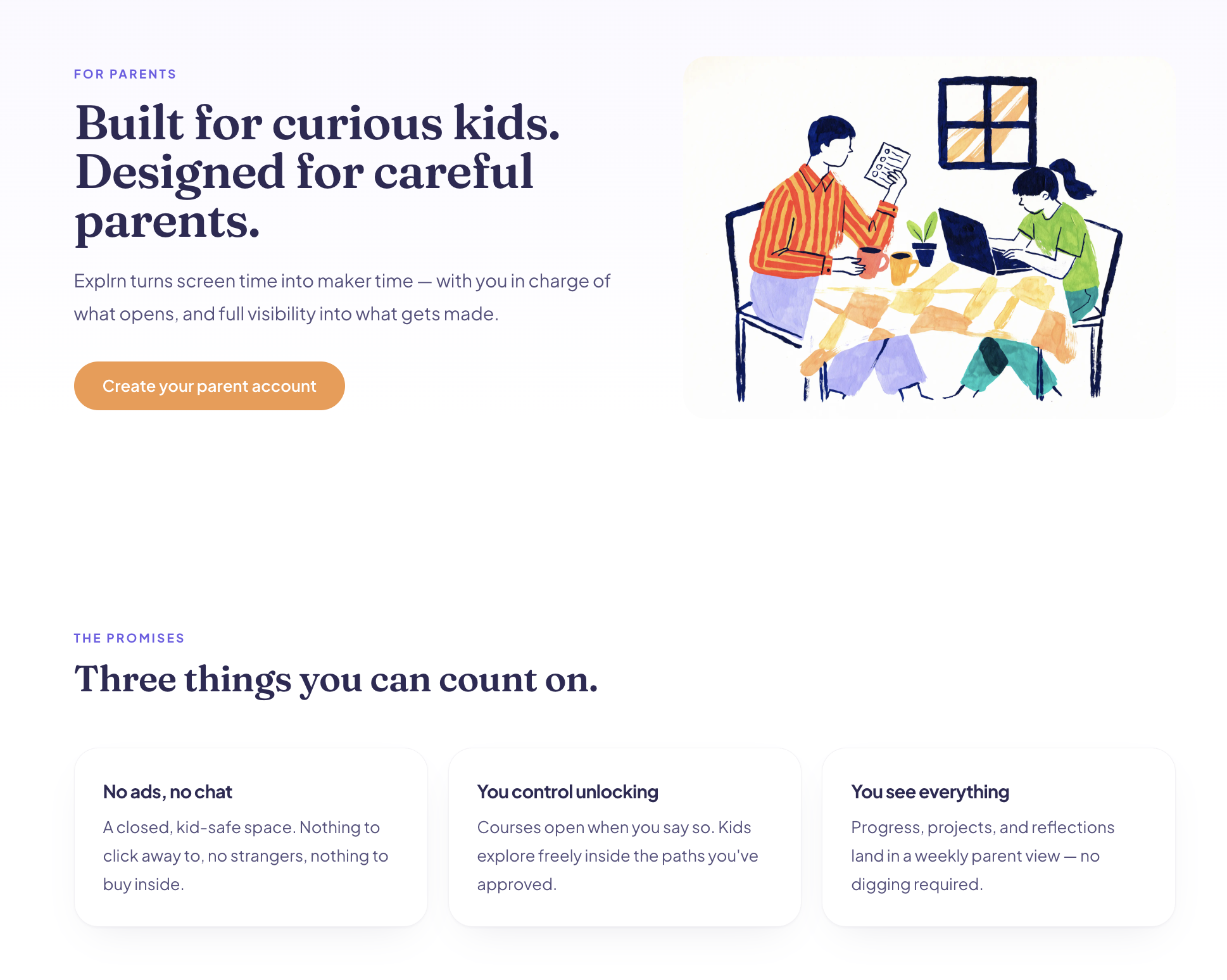
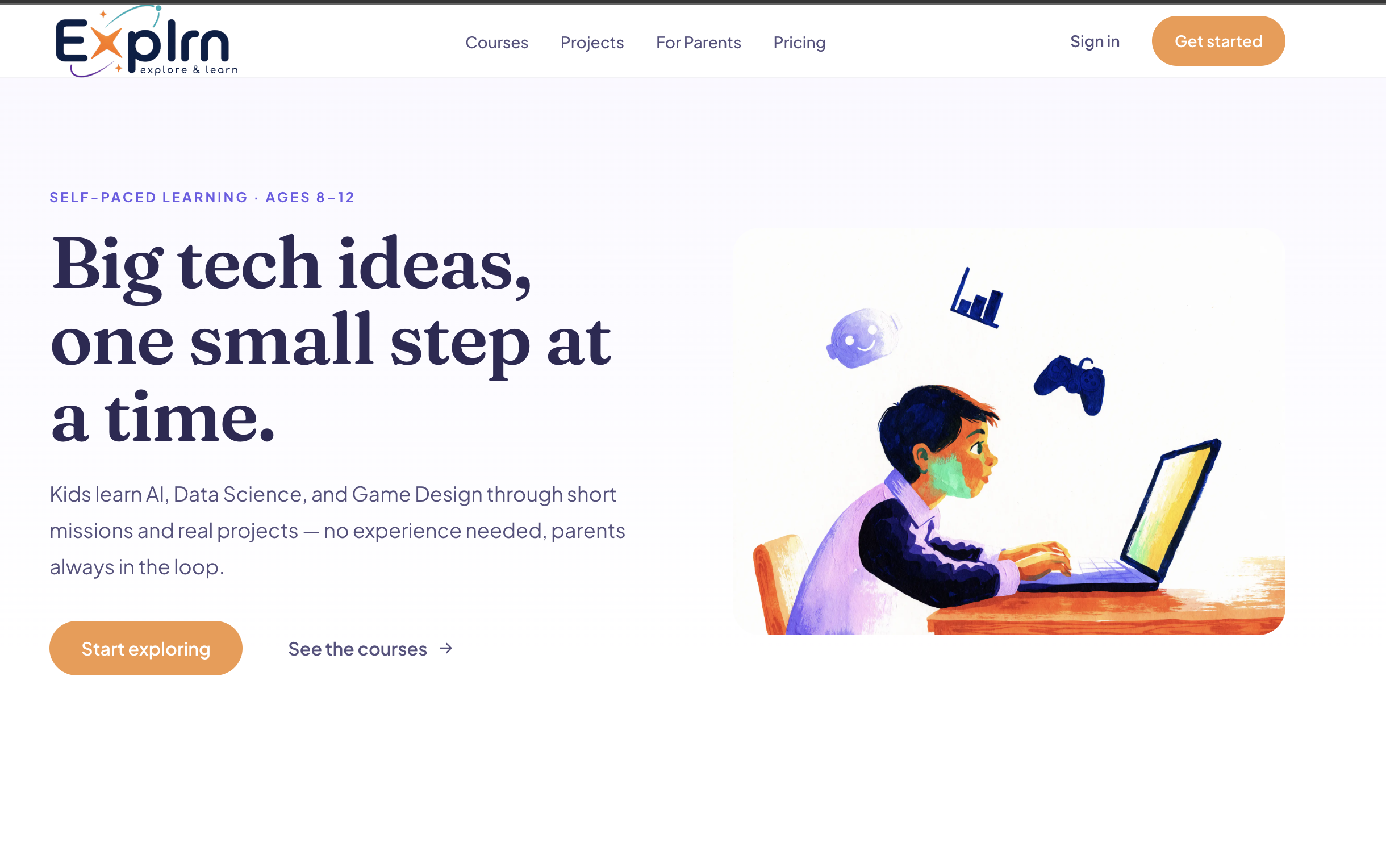
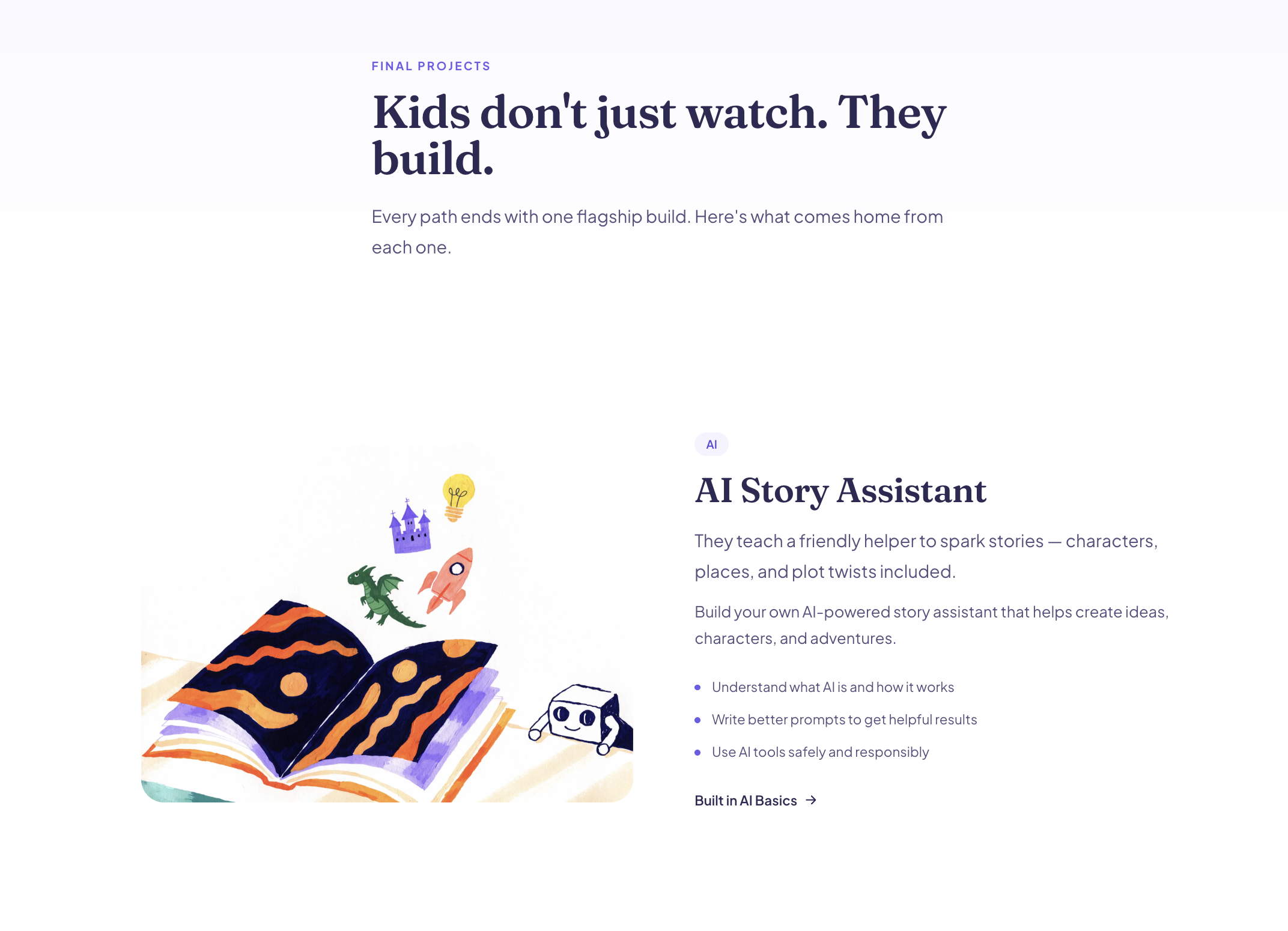
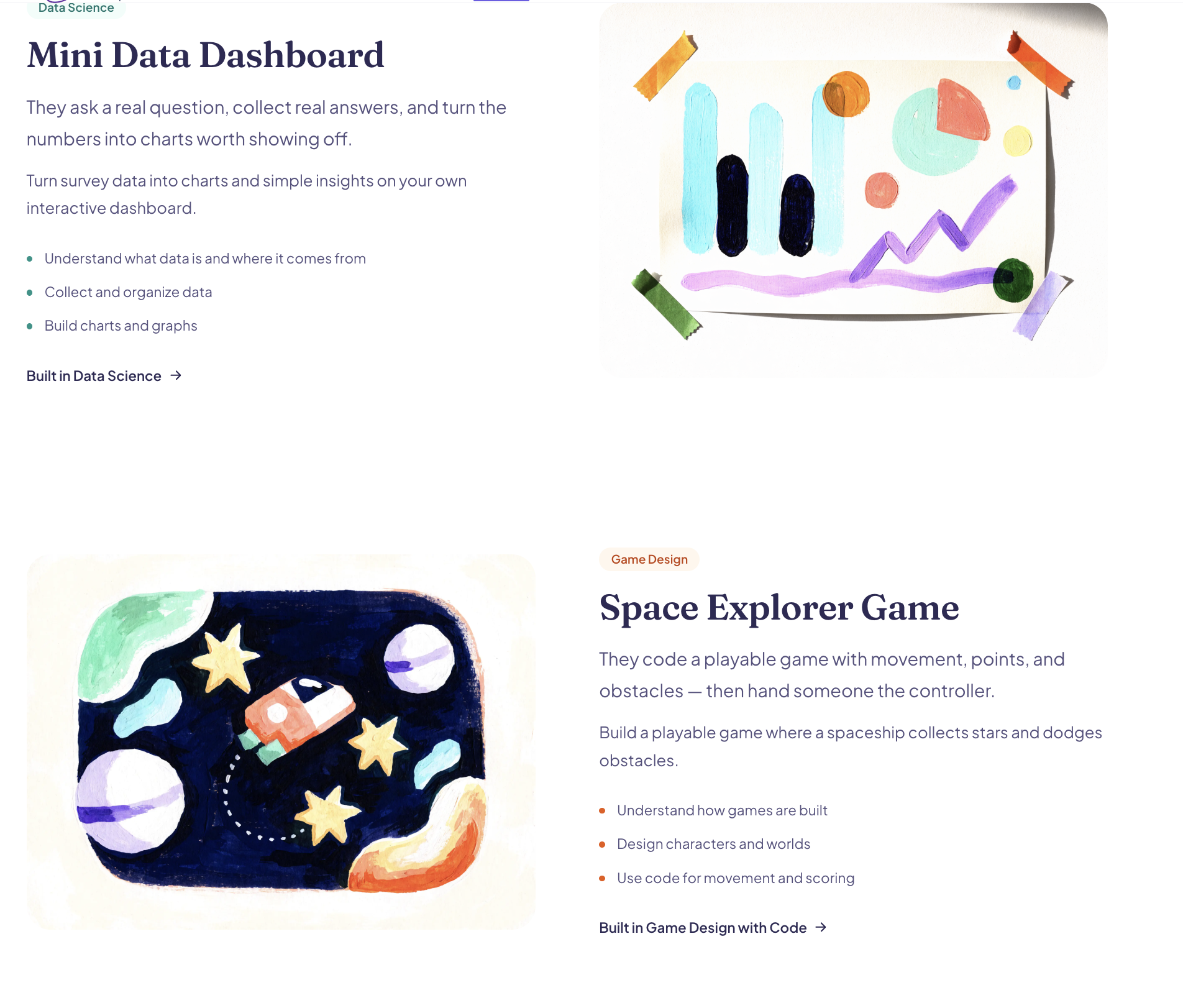
We used Codex for the majority of the development. Almost all of the backend configuration was done by Codex 5.6 Sol, including the agent architecture. We also found Codex to be extremely helpful in front-end UI/UX since we found it really easy to make high quality images which were very important for not only the landing page, but also the lessons as well.
Challenges we ran into
One of the first big problems we hit was speed. Building a full course with live model calls took over a minute, but CloudFront and our load balancer cut requests off at 60 seconds. Users got an error saying the course failed, even though the backend had actually finished and saved it, so they retried and created duplicate courses. We rebuilt generation to run asynchronously, so the API starts the pipeline and returns right away, then the app polls until the course is ready.
Another issue was reliability. A course is dozens of connected pieces, and free-form LLM text broke the pipeline constantly. We put every agent behind a strict schema and validated its output, retrying on malformed responses so the whole chain stays consistent instead of failing halfway.
Accomplishments that we're proud of
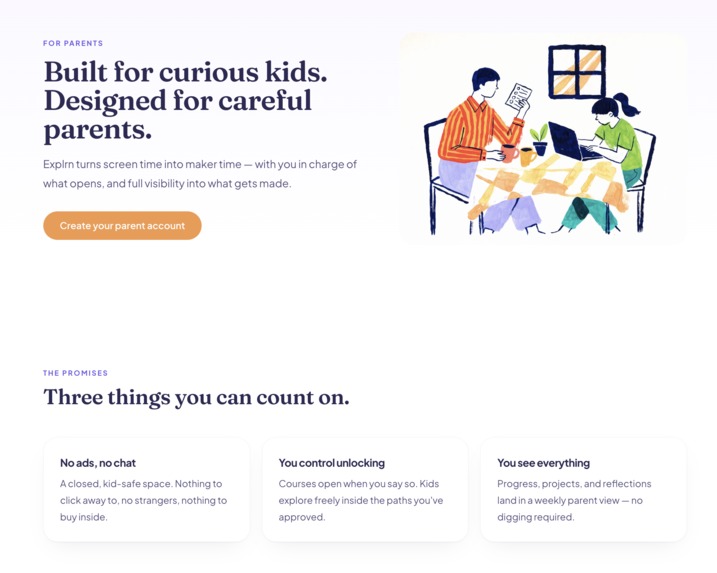
We’re really proud of how our UI came out. Working with Codex, we ended up with a UI and a set of generated images that feel genuinely premium but still creative and playful, which is a hard balance to strike for a kids' platform. Another thing was getting the actual agents to work with the time we had. We started late, and a multi-agent pipeline that plans a curriculum, builds real lessons, and checks them for safety felt like too much to pull off. Working with Codex, it basically took over our backend and was able to build the six agents (we said three in the video since there were at the time) in a few prompts and get it working in under a day. The core idea of curated, per-student lessons was there, and the quality held up better than we expected.
What we learned
The biggest thing we learned was how much faster we could move by splitting our work across parallel sessions. We made one initial plan, then broke it into pieces that different sessions could build at the exact same time instead of working through everything in order. Since we started late and were short on time, this forced us to adapt, but it turned into our biggest advantage. We came out knowing we can take a large plan, divide it cleanly, and execute it in parallel to ship far more than we thought was possible in the time we had.
What's next for Explrn
We've already talked to more than 10 parents through Facebook, so our next step is turning that feedback into a polished MVP and putting it in front of those same families to test. From there we plan to expand beyond data science into other fast-moving fields like AI and cybersecurity, and use what we learn from real students to keep improving how well each course adapts to the individual learner.
Built With
- amazon-web-services
- codex
- gpt5.6
- gptimage2
- nextjs

Log in or sign up for Devpost to join the conversation.