-
-
ExploreFantasy Logo
-
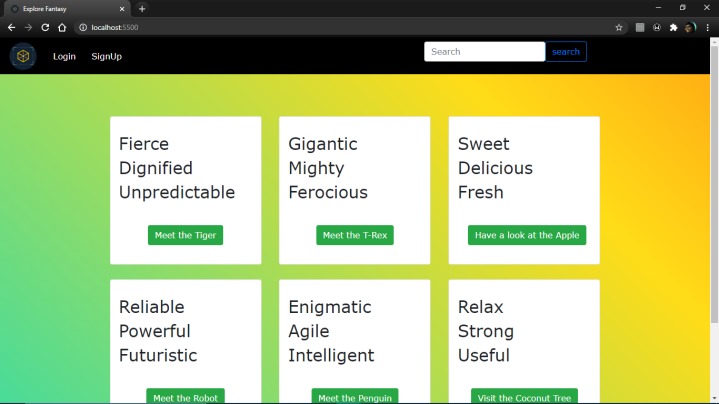
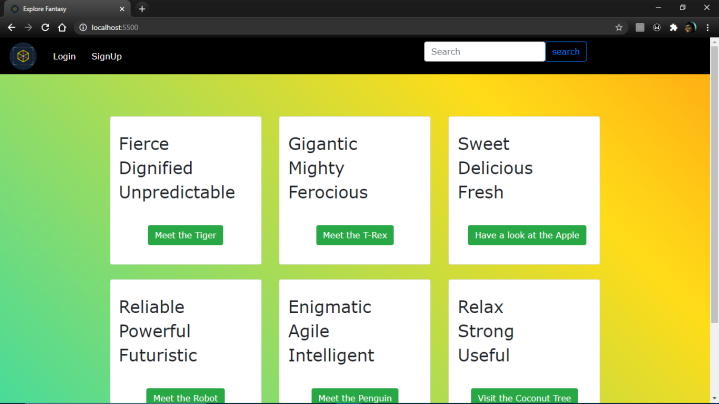
ExploreFantasy Webpage Design
-
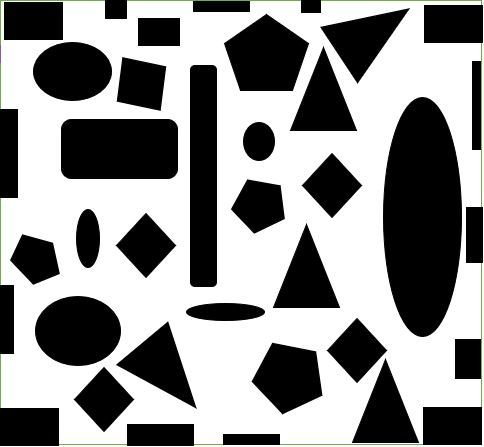
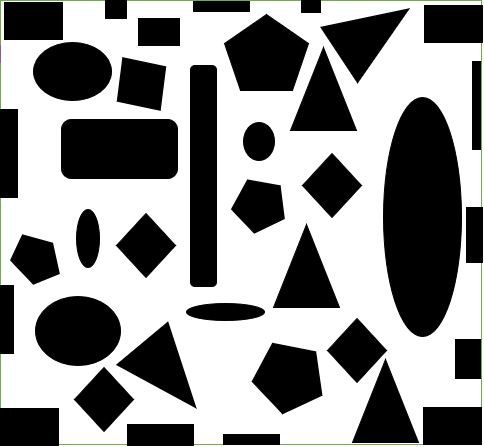
Pictograph used for improved surface tracking
-
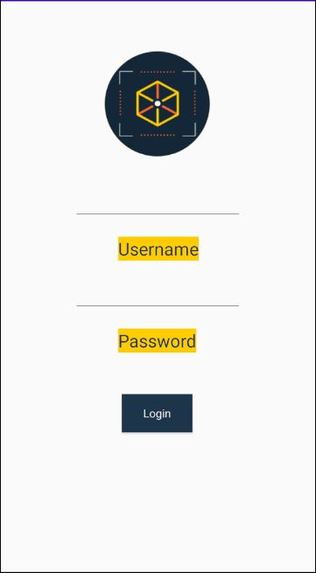
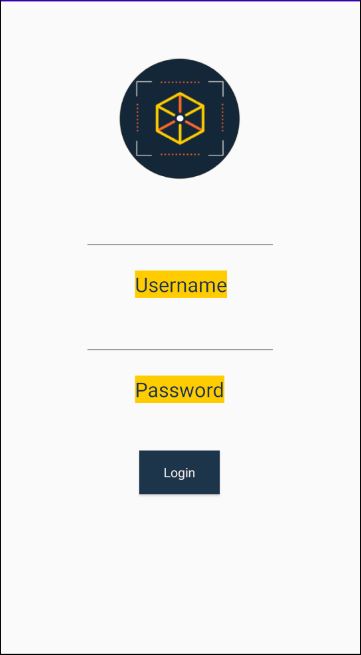
ExploreFantasy login screen
Inspiration
Developing an app for children chemotherapy can be seen as niche. For the those in treatment, their room and their floor are their world.
What it does
ExploreFantasy makes an empty hospital wall vibrant. It uses pictographs to help track the augmented reality models. ExploreFantasy uses limited location services are used for cross-hospital community building. It creates an augmented reality environment where users can interact with the objects.
How we built it
ExploreFantasy was built with Android Studio as its mobile development platform. Google Maps API was used for location services. The ARCore Plugin was the augmented reality tool used for the application. Google Poly models were used for the augmented reality objects.
Challenges we ran into
ARCore had plugin compatibility issues, thus an encompassing workaround was found that worked for all Android Studio Versions. Despite time committed to Unity, the team recognized that ARCore would best meet our development deadline and successfully pivoted. Merging projects with different dependencies gave the team a robust understanding of the build gradle.
Accomplishments that we're proud of
The application is robust, with no conflicting dependencies or plugins even across different development environments. The augmented reality space exceeded expectations, with the environment built being complex and smart.
What we learned
Google Map API calls. The ARCore plugin library and its applications. Gradle structure and avoiding dependency conflicts.
What's next for ExploreFantasy
Using pictograms as a sturdier anchor for the model objects. Database receiving and sending object data to web and mobile applications. Developing the application for IOS using XCode. Framework for games such as scavenger hunts and car racing.


Log in or sign up for Devpost to join the conversation.