-
-
ExploreEase
Inspiration
The inspiration behind ExploreEase came from the challenges travelers face when planning trips. We wanted to create a seamless platform that simplifies trip planning, offers personalized recommendations, and helps users explore hidden gems effortlessly. The idea was to merge technology with the spirit of adventure to make travel accessible and enjoyable for everyone.
What it does
Allow users to share their itineraries and trips with friends.
How we built it
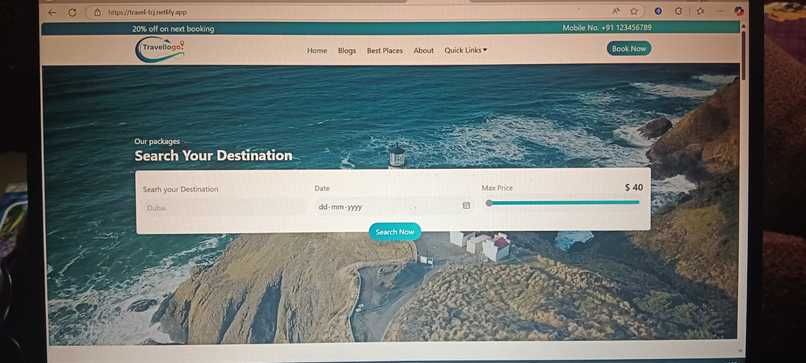
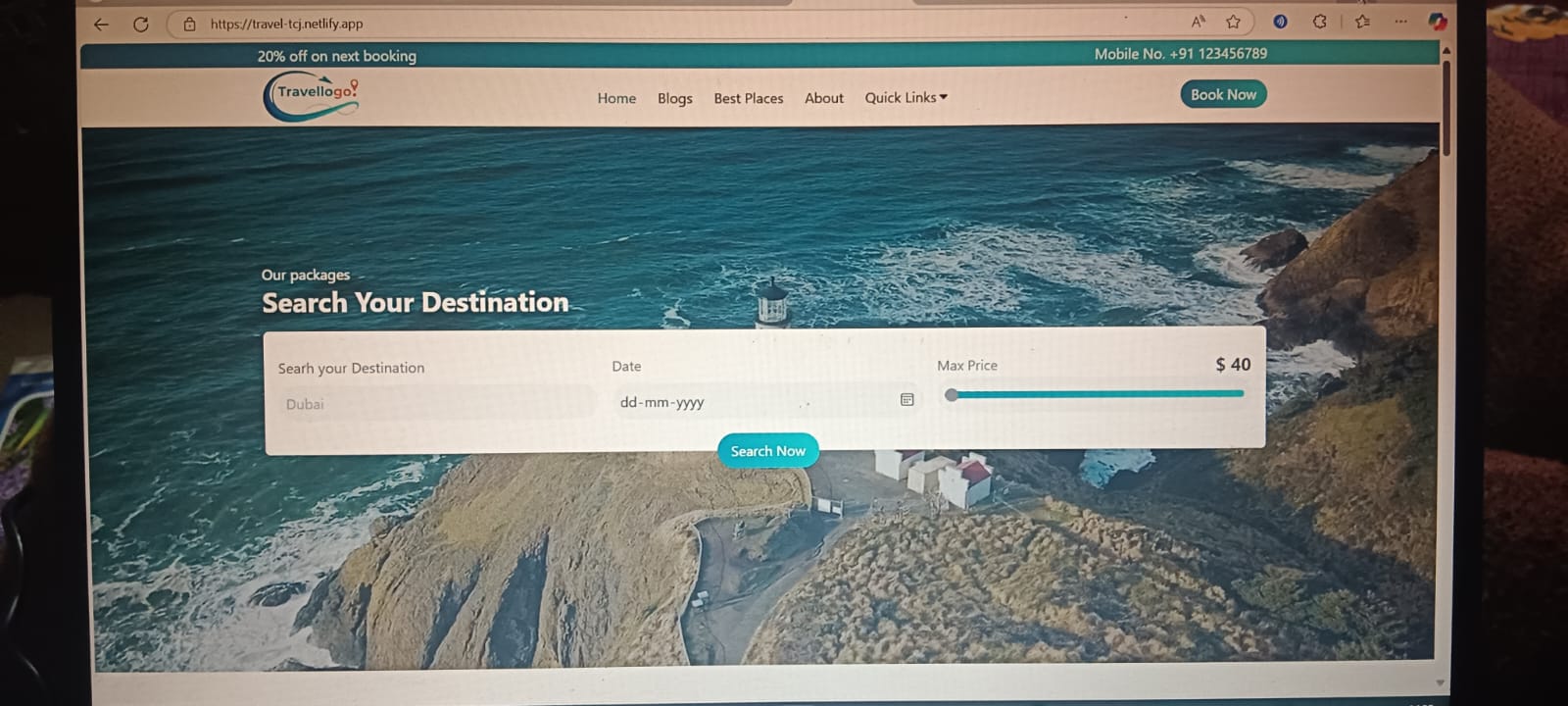
Frontend: The app was built using React JS with a focus on component-based architecture for scalability and maintainability. Styling: We used Tailwind CSS for a modern, responsive, and visually appealing design. APIs: Integrated multiple APIs for functionalities like destination search, weather updates, and hotel/flight booking suggestions. Routing: Implemented dynamic routing with React Router to navigate seamlessly between pages like home, destination details, and itinerary planner. Deployment: The app was deployed on Netlify for easy access and smooth hosting.
Challenges we ran into
API Integration Issues ,State Management ,UI/UX Consistency and Time constraints
Accomplishments that we're proud of
Seamless API Integration Successfully integrated Google Maps and weather APIs to provide real-time destination information and route mapping for users. Responsive and Intuitive Design Built a mobile-first, user-friendly interface using React JS and Tailwind CSS, ensuring accessibility across devices. Functional and Scalable Prototype Delivered a fully functional travel app within the hackathon timeframe, showcasing personalized itineraries, budget-friendly suggestions, and interactive maps.
What we learned
Throughout this project, we gained valuable experience in building scalable web applications using React JS and Tailwind CSS. We learned how to integrate external APIs, such as Google Maps and weather services, to provide real-time data and dynamic content. Managing state and building reusable components in React was key to creating an efficient and maintainable app. Additionally, we honed our skills in designing responsive, user-friendly interfaces with a mobile-first approach, ensuring a seamless experience across all devices. This project deepened our understanding of front-end development and enhanced our problem-solving and collaboration skills.
What's next for ExploreEase
Moving forward, ExploreEase will focus on expanding its features and improving user experience. We plan to integrate AI-powered travel recommendations to provide personalized itineraries based on user preferences and past travels. Additionally, we aim to incorporate offline functionality, allowing users to access their itineraries and maps even in areas with limited internet connectivity. We’re also exploring the possibility of social integration, enabling users to share their travel plans and experiences with friends. With continuous feedback from users, we hope to expand our reach and make ExploreEase a go-to platform for seamless travel planning and exploration.


Log in or sign up for Devpost to join the conversation.