What is Blockchain Technology?
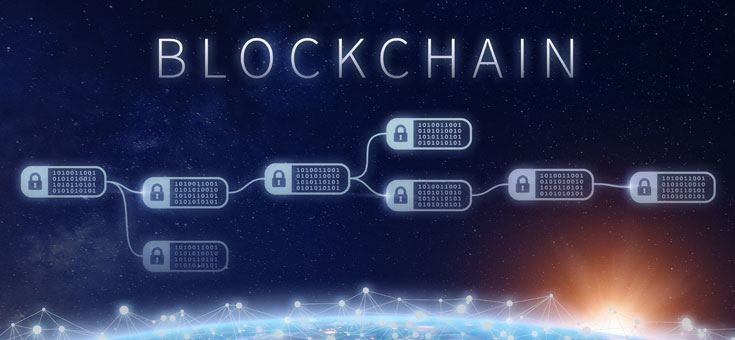
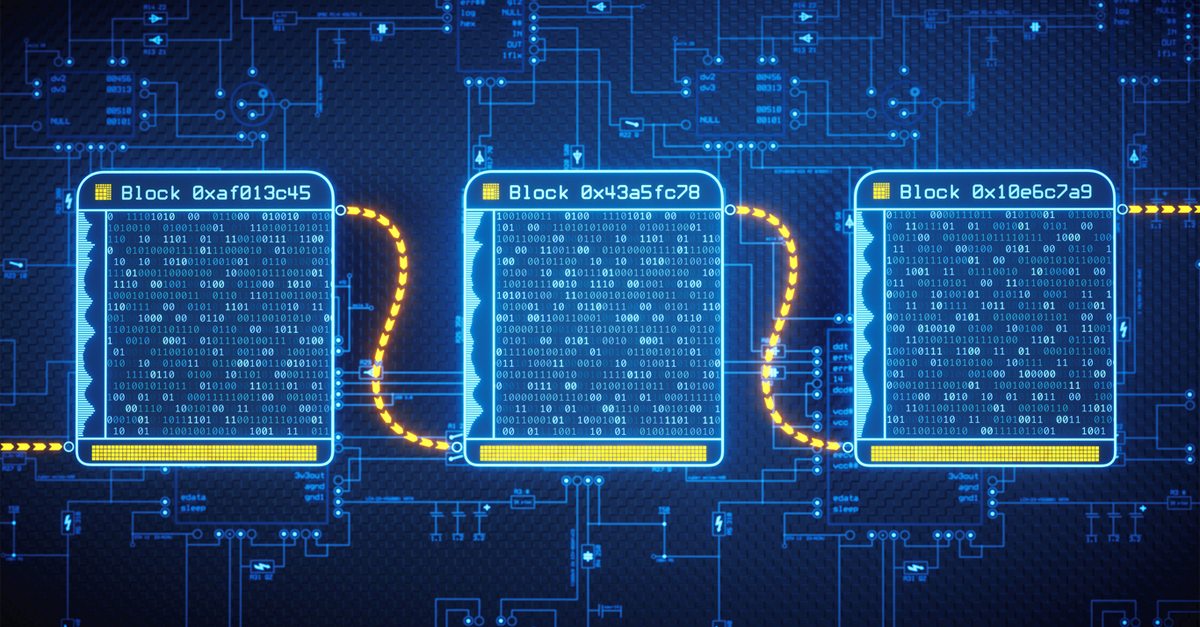
Blockchain technology is a structure that stores transactional records, also known as the block, of the public in several databases, known as the “chain,” in a network connected through peer-to-peer nodes. Typically, this storage is referred to as a ‘digital ledger.’
Every transaction in this ledger is authorized by the digital signature of the owner, which authenticates the transaction and safeguards it from tampering. Hence, the information the digital ledger contains is highly secure.
In simpler words, the digital ledger is like a Google spreadsheet shared among numerous computers in a network, in which, the transactional records are stored based on actual purchases. The fascinating angle is that anybody can see the data, but they can’t corrupt it.
Why is Blockchain Popular?
Suppose you are transferring money to your family or friends from your bank account. You would log in to online banking and transfer the amount to the other person using their account number. When the transaction is done, your bank updates the transaction records. It seems simple enough, right? There is a potential issue which most of us neglect.
These types of transactions can be tampered with very quickly. People who are familiar with this truth are often wary of using these types of transactions, hence the evolution of third-party payment applications in recent years. But this vulnerability is essentially why Blockchain technology was created.
Technologically, Blockchain is a digital ledger that is gaining a lot of attention and traction recently. But why has it become so popular? Well, let’s dig into it to fathom the whole concept.
Record keeping of data and transactions are a crucial part of the business. Often, this information is handled in house or passed through a third party like brokers, bankers, or lawyers increasing time, cost, or both on the business. Fortunately, Blockchain avoids this long process and facilitates the faster movement of the transaction, thereby saving both time and money.
Most people assume Blockchain and Bitcoin can be used interchangeably, but in reality, that’s not the case. Blockchain is the technology capable of supporting various applications related to multiple industries like finance, supply chain, manufacturing, etc., but Bitcoin is a currency that relies on Blockchain technology to be secure.
Blockchain is an emerging technology with many advantages in an increasingly digital world:
Highly Secure: It uses a digital signature feature to conduct fraud-free transactions making it impossible to corrupt or change the data of an individual by the other users without a specific digital signature.
Decentralized System: Conventionally, you need the approval of regulatory authorities like a government or bank for transactions; however, with Blockchain, transactions are done with the mutual consensus of users resulting in smoother, safer, and faster transactions.
Automation Capability: It is programmable and can generate systematic actions, events, and payments automatically when the criteria of the trigger are met.
How Does Blockchain Technology Work?
In recent years, you may have noticed many businesses around the world integrating Blockchain technology. But how exactly does Blockchain technology work? Is this a significant change or a simple addition? The advancements of Blockchain are still young and have the potential to be revolutionary in the future; so, let’s begin demystifying this technology.
Blockchain is a combination of three leading technologies:
- Cryptographic keys
- A peer-to-peer network containing a shared ledger
- A means of computing, to store the transactions and records of the network
Cryptography keys consist of two keys – Private key and Public key. These keys help in performing successful transactions between two parties. Each individual has these two keys, which they use to produce a secure digital identity reference. This secured identity is the most important aspect of Blockchain technology. In the world of cryptocurrency, this identity is referred to as ‘digital signature’ and is used for authorizing and controlling transactions.
The digital signature is merged with the peer-to-peer network; a large number of individuals who act as authorities use the digital signature in order to reach a consensus on transactions, among other issues. When they authorize a deal, it is certified by a mathematical verification, which results in a successful secured transaction between the two network-connected parties. So to sum it up, Blockchain users employ cryptography keys to perform different types of digital interactions over the peer-to-peer network.

Log in or sign up for Devpost to join the conversation.