-
-
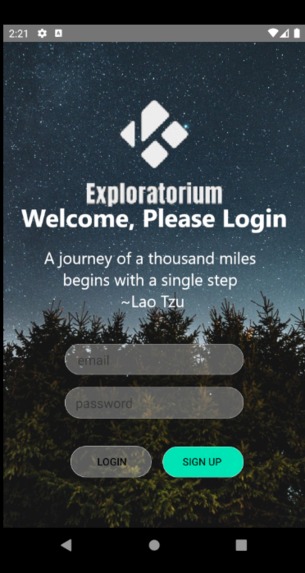
Login
-
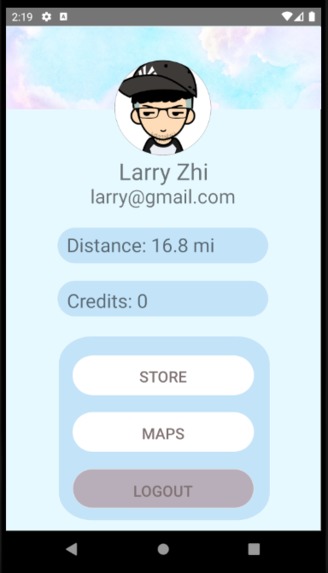
Profile
-
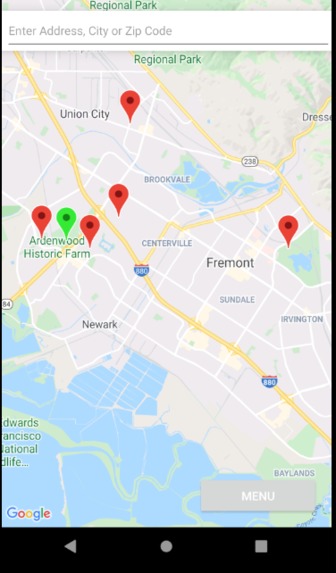
Maps
-
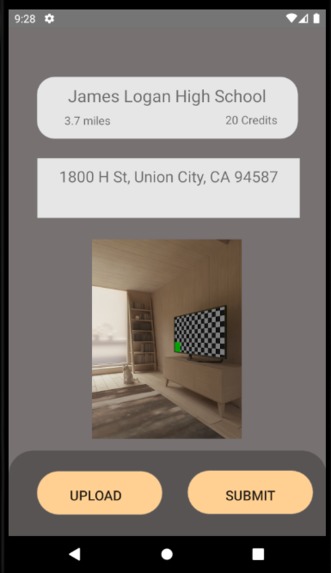
Upload
-
Store
Inspiration
As athletes, the pandemic has limited many of the exercises we would normally do during sports seasons. With everything being digital, it is hard for us to find the motivation to actually get out of the house to maintain our physical well-being. An app that would motivate users to leave the confines of their homes would not only help people like us but could also serve as a way to combat the growing obesity problem in America.
What it does
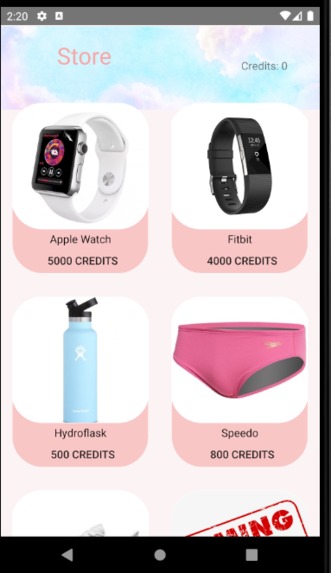
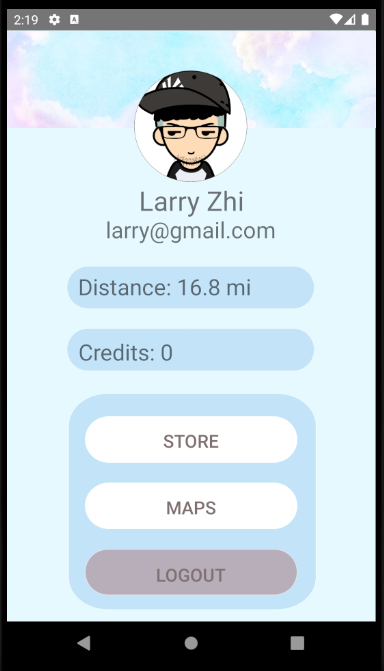
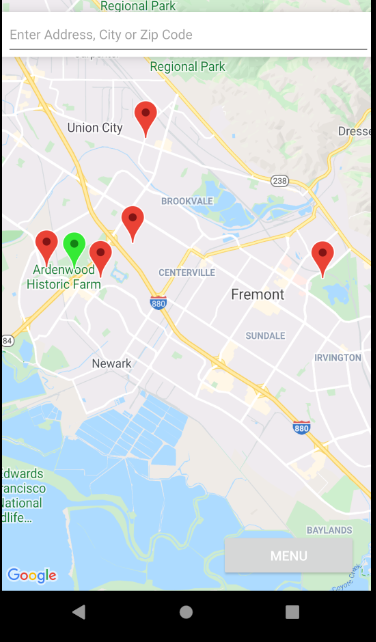
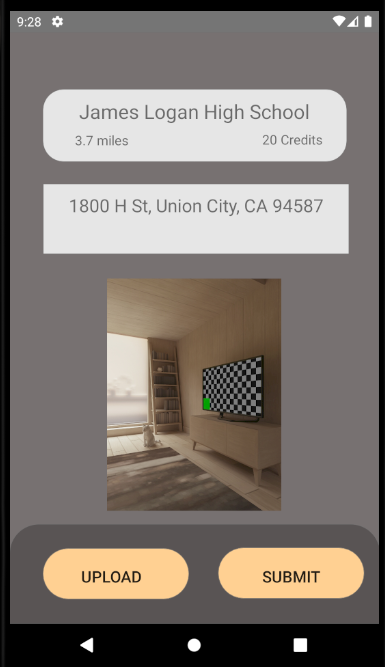
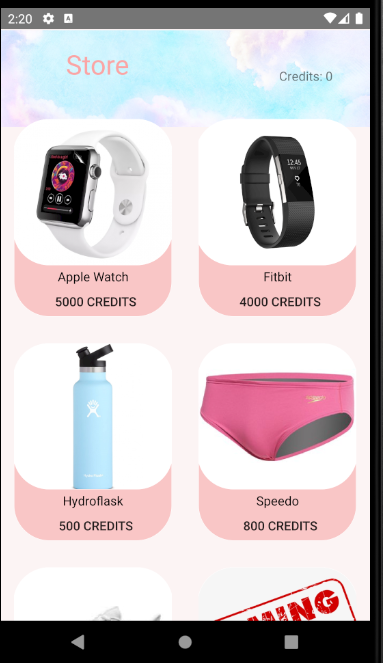
Exploratorium is an app that promotes exercising by incentivizing users to leave the confines of their homes while exploring the beauty of their local neighborhood. The user would first have to select their home location. Our app will then generate popular attraction points near their home and the user can click through these locations to find one that they want to go to. The further this location is from the home, the more points the user acquires for going there. Users will then be prompted to upload an image of the destination, preserving the memory of traveling to these places. Once the image is approved, they will receive a set amount of points. The points can then be exchanged for all kinds of different prizes.
How we built it
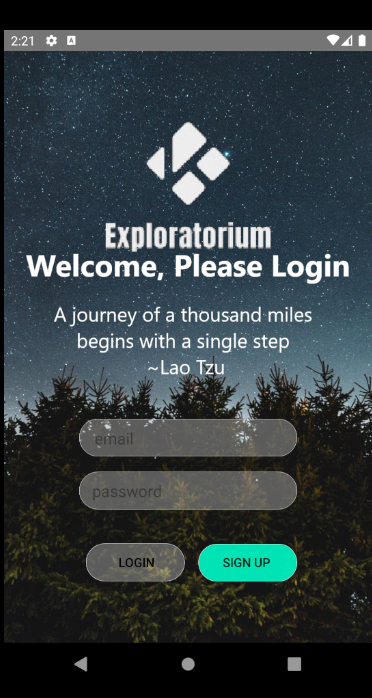
Our project was made through Android studio, but was based heavily on the Google Maps API; we implemented many features of the API, such as markers and coordinates, into our final project. For the backend, we used a xampp localhost forwarded by a ngrok web tunnel as a server to run php scripts that were called from the app. This allowed us to make functional register and login components, as well as store and update user data. For UI, we used Adobe XD to experiment with different layouts and incorporate them in our app.
Challenges we ran into
With two members of our team completely new to Android Studio and hackathons in general, it was tough to complete such a demanding project in such a short timeframe. Before working on the project, these two members first needed to go through tutorials, making time an even more pressing issue. In addition to this, our team had no server to use as a backend. We improvised by using ngrok, a free web tunneling service, to forward localhost to a public URL. This worked extremely well, and our app was able to run publicly.
Accomplishments that we're proud of
We are proud of creating our first Android studio project in only 1 day with good page designs and working functionalities. At first, we thought the idea of using google API was challenging, but we learned a lot about API usage and google maps specifically, which we can incorporate into future projects.
What we learned
The two new members learned the entire process of collaborative code projects, starting from GitHub and git commands. They focused on the UI, learning the properties of XML files in android studio, and how to manipulate aspects of the file while also learning the basics of Android Studio. We also learned how to use Google Map API to create the actual functionality of the program, setting markers on the map and allowing users to click on them.
What's next for Exploratorium
An aspect of our project that we simplified (due to lack of time) was the image verification part. There are going to be ways to cheat the system such as driving to the location instead of walking, which is the goal. To combat this, we could run the app in the background to check the speed of the user to see how fast the user is traveling, which could help verify that they are not using vehicles. There may also be problems with funding since we have to be able to afford the prizes in the store. We thought maybe we could accept ads from places. For example, we could add a zoo location for users to travel to which would help bring in revenue for them.

Log in or sign up for Devpost to join the conversation.