-
-
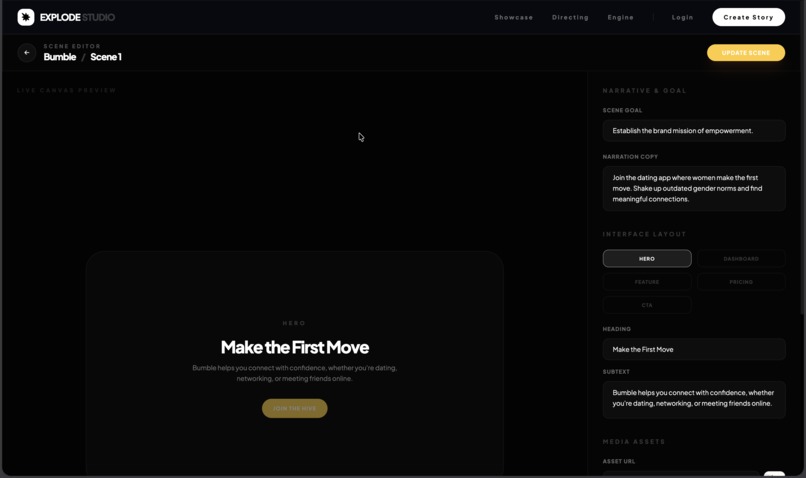
Scene Editor
-
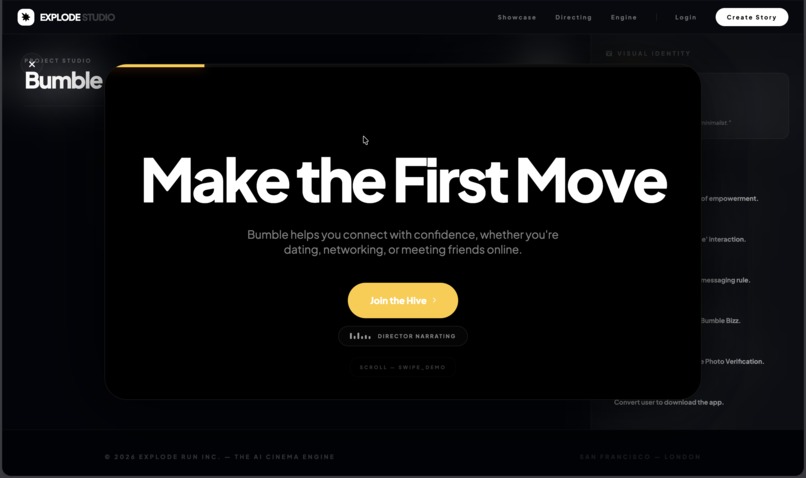
Preview
Inspiration
Most products ask users to sign up, book demos, or watch videos before they can understand the value. That friction often kills curiosity and conversions. I wanted a way for people to instantly experience a product directly from a link, without forms or onboarding. The idea was simple: if someone can try the product immediately, they’re far more likely to care. That thinking led to Explode.
What it does
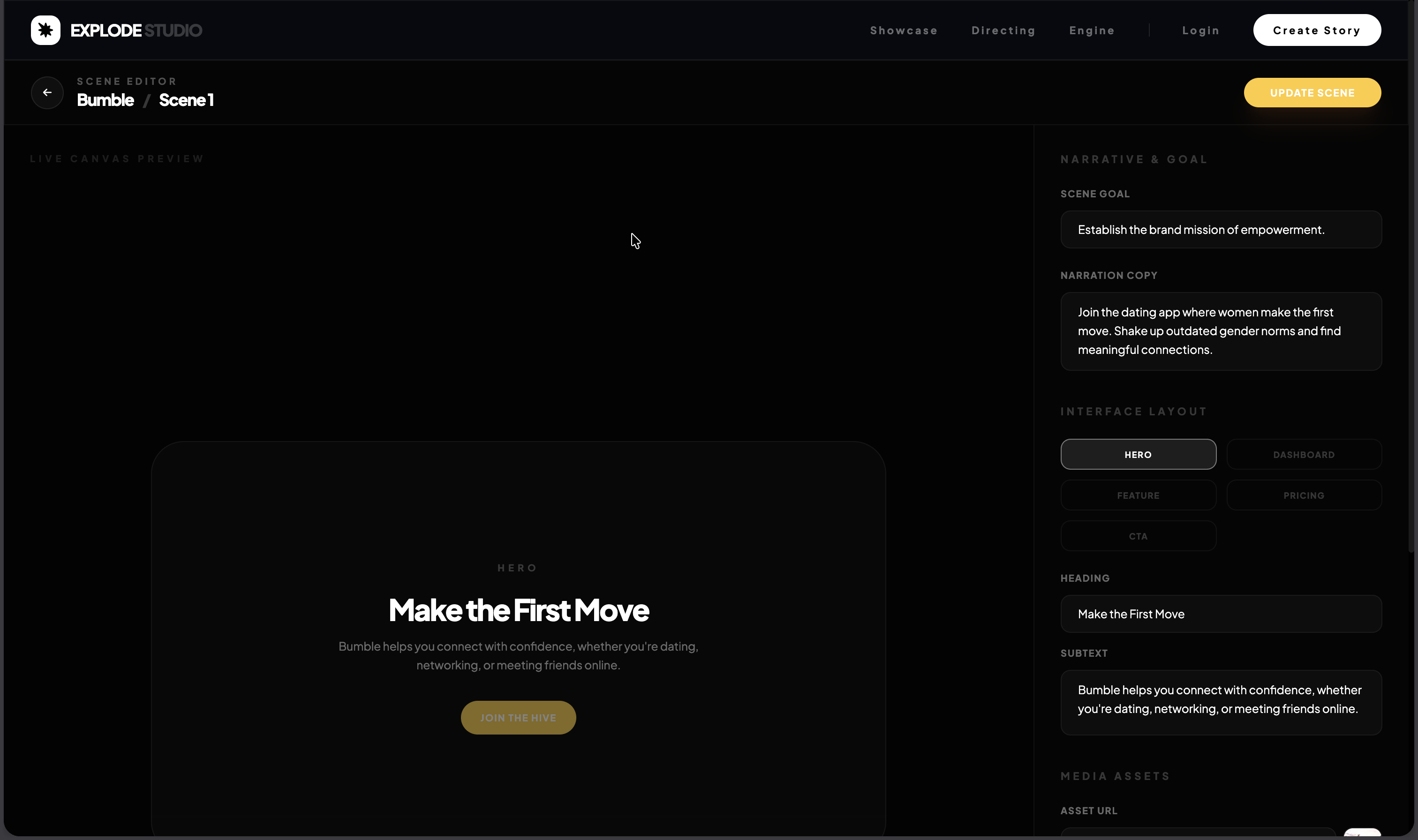
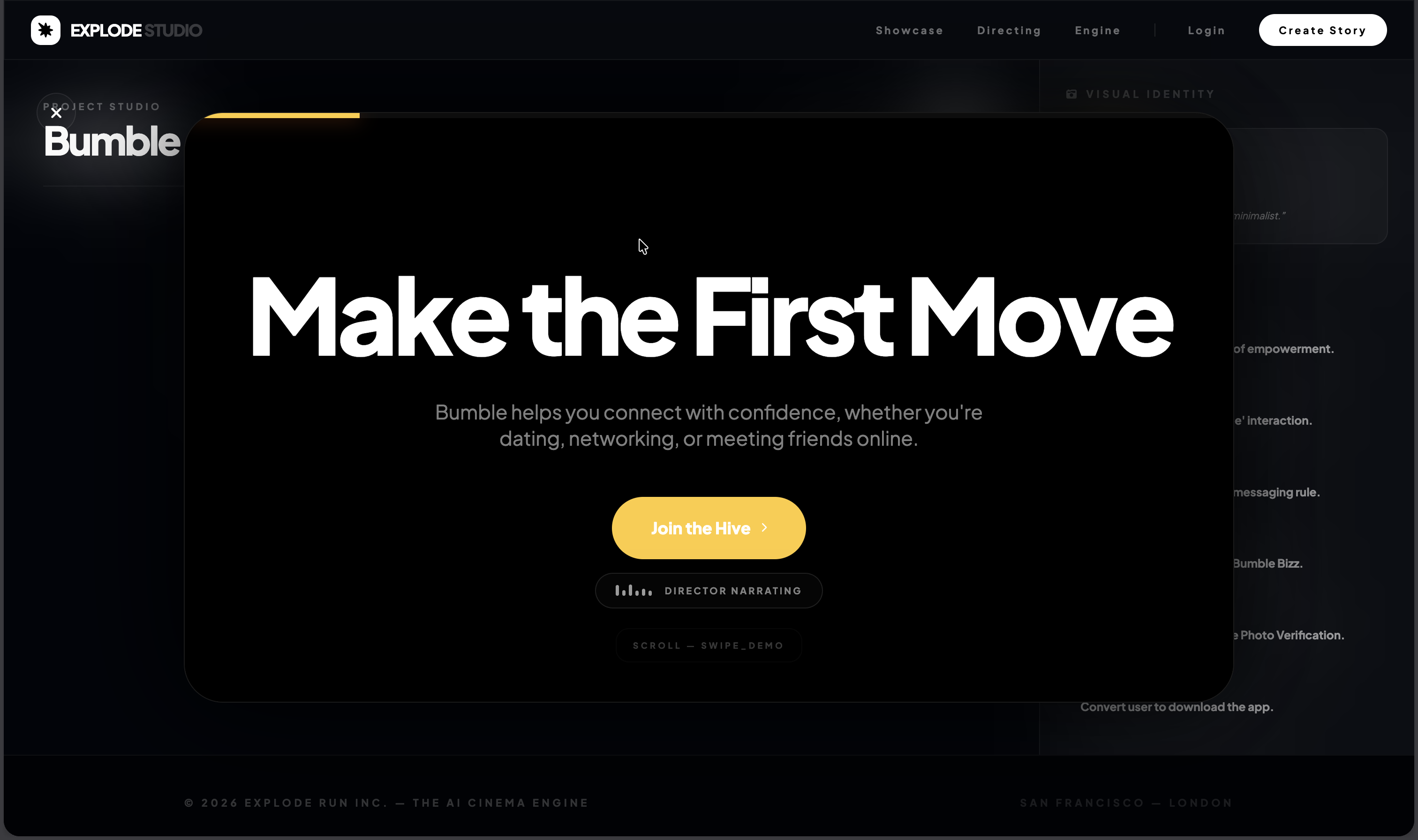
Explode turns any product URL into an interactive web demo. Teams can embed it on landing pages, launch campaigns, or docs so users can explore real features and flows without creating an account. It’s like a hands-on product tour that works instantly in the browser.
How we built it
During the hackathon, I built Explode solo. I created a pipeline that analyzes a site, captures key screens and flows, and programmatically reconstructs them into an interactive frontend. A lightweight runtime simulates interactions and keeps everything fast and embeddable. The focus was portability, automation, and zero setup.
Challenges we ran into
Handling dynamic UIs, authentication walls, and inconsistent layouts was difficult. Recreating realistic behavior while keeping the demo lightweight required careful trade-offs. Time constraints as a solo builder also meant prioritising core features over polish.
Accomplishments that we're proud of
I shipped a working end-to-end system that can generate interactive demos automatically from a URL. The output is fast, shareable, and easy to embed — all built within a hackathon timeframe.
What we learned
Reducing friction dramatically improves engagement. Users understand products much faster when they can interact instead of read or watch. I also learned to balance automation with simplicity under tight deadlines.
What's next for Explode
Next steps include better flow detection, smarter interaction simulation, improved accuracy for complex apps, and a simple dashboard so teams can generate and customize demos in seconds.

Log in or sign up for Devpost to join the conversation.