-
-

Logo
-
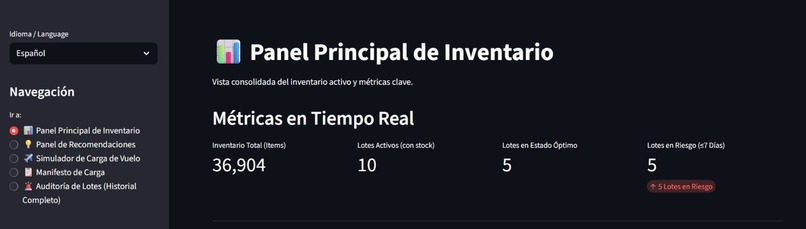
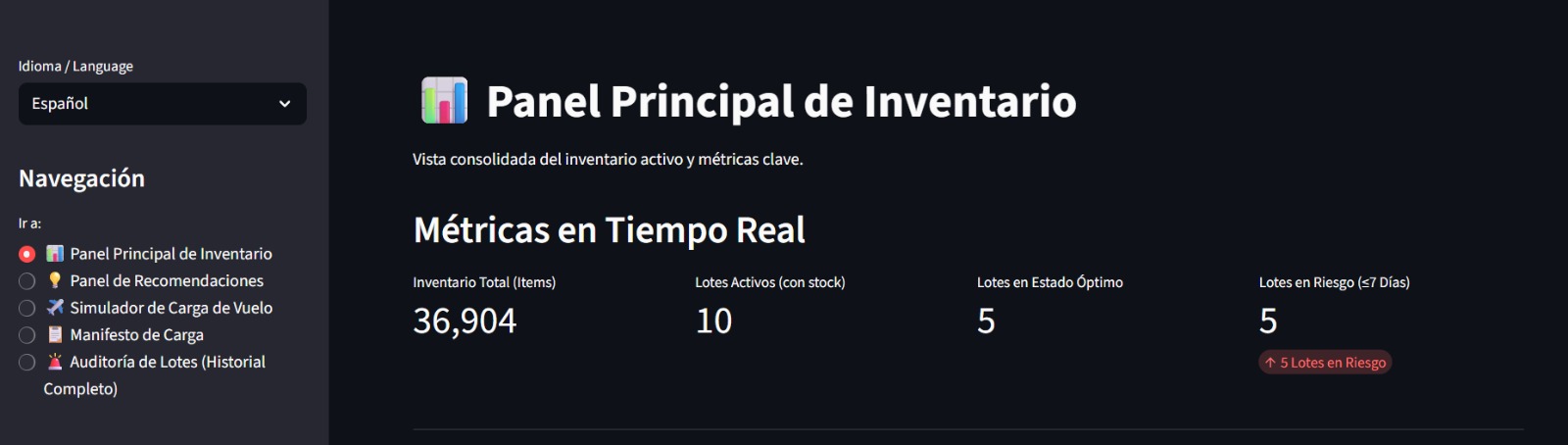
Panel Principal.
-
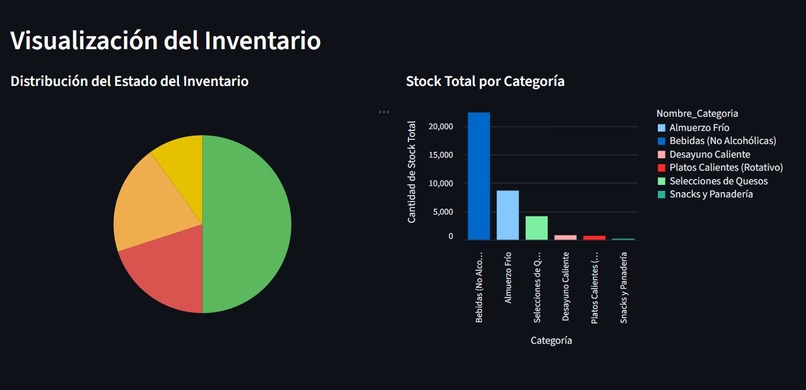
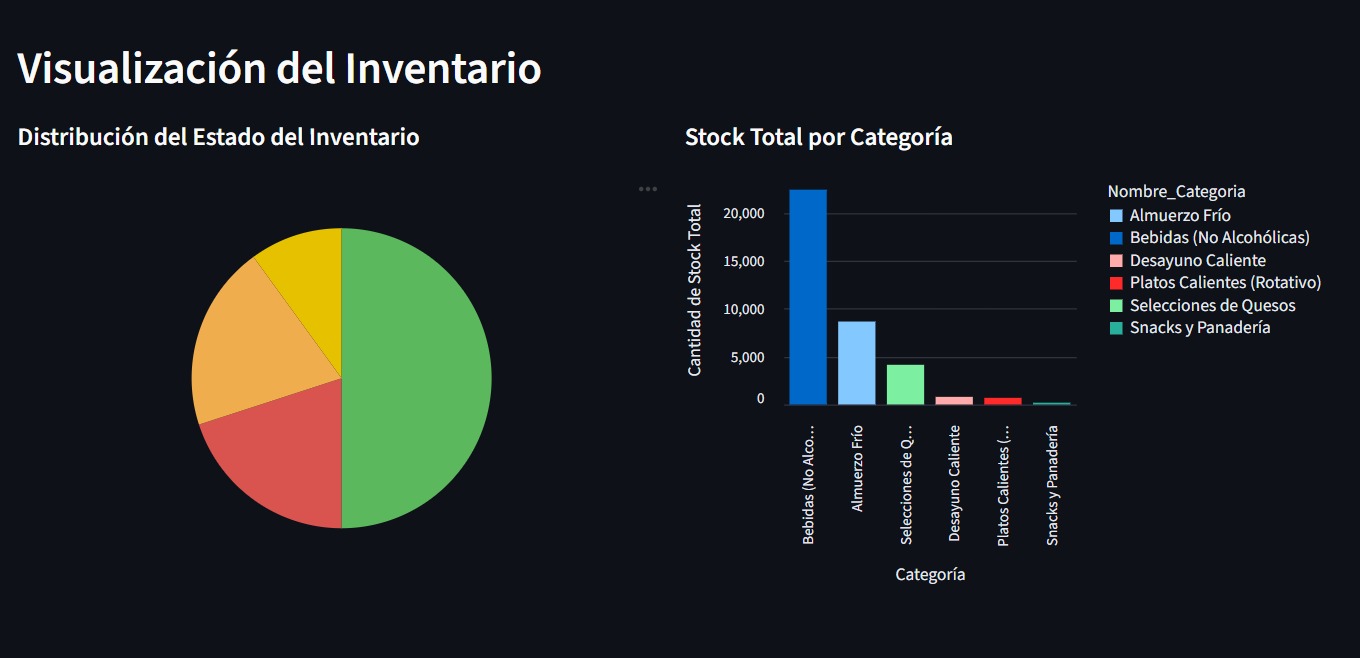
Gráficas que describen el inventario actual.
-
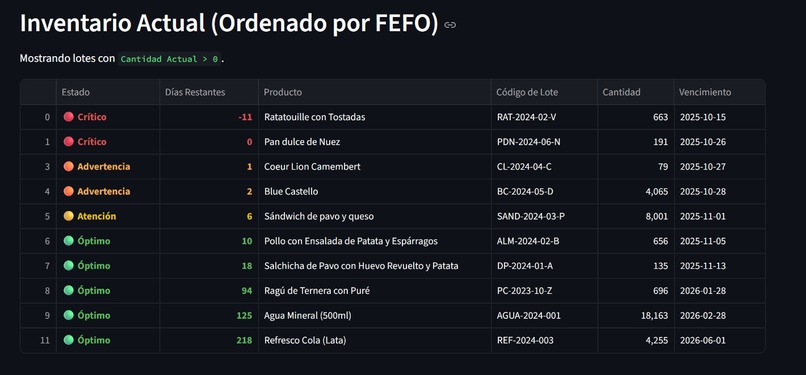
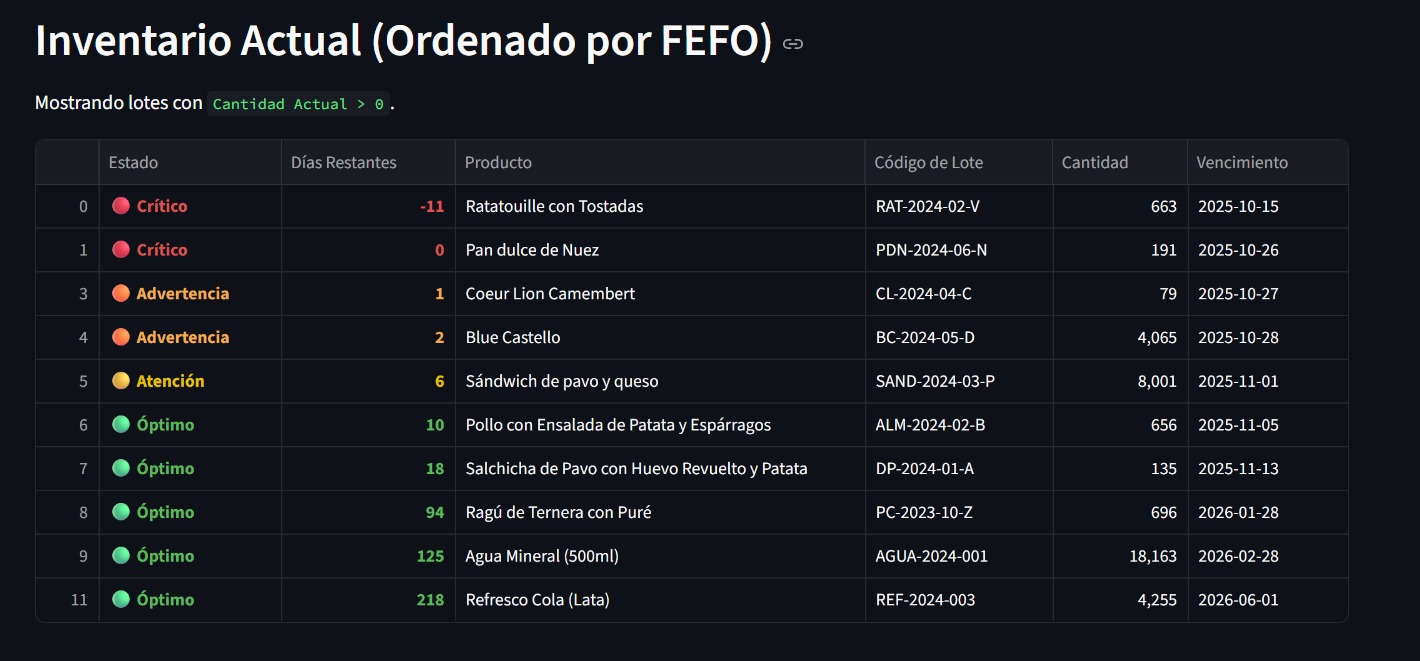
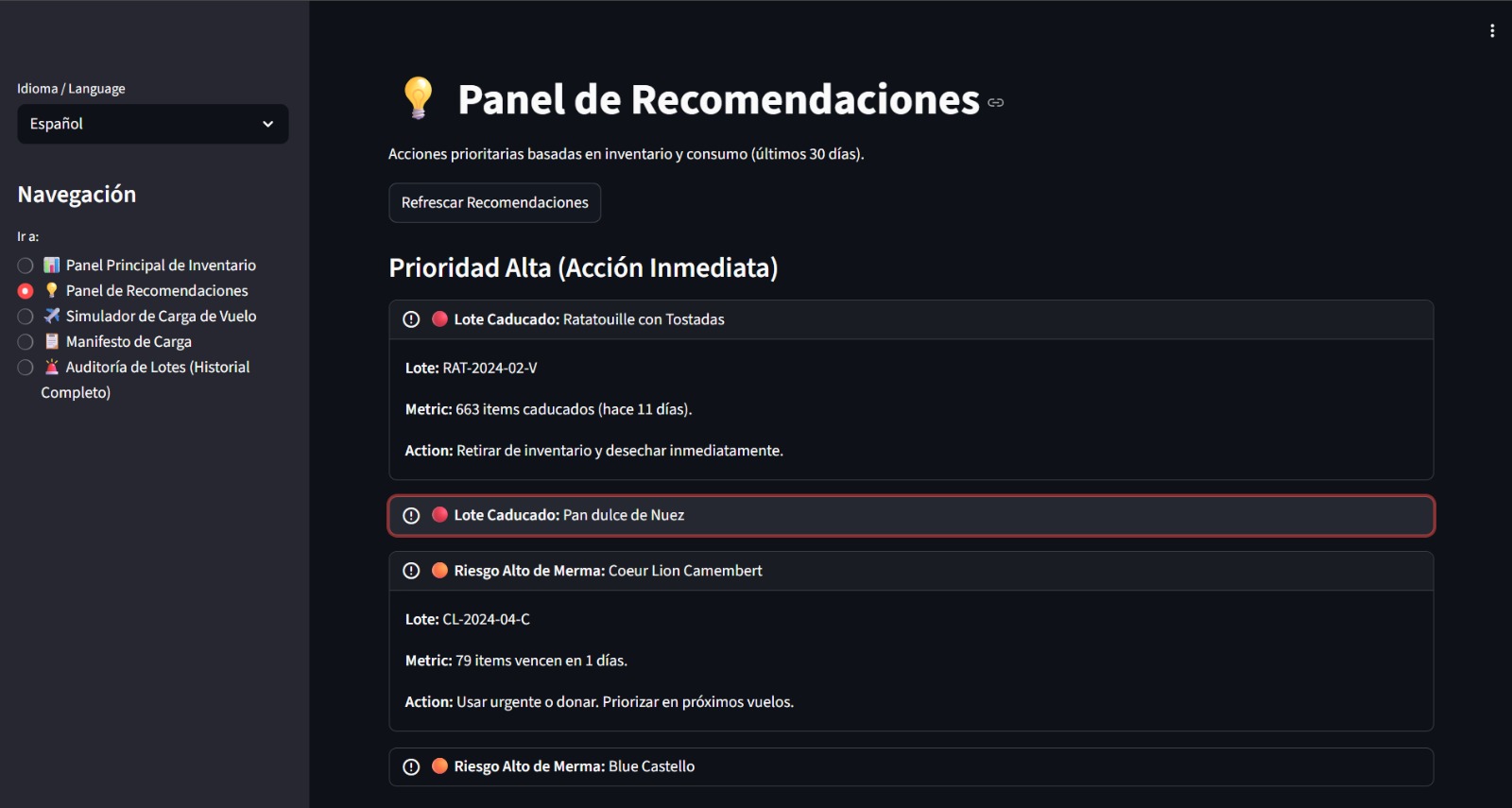
Lista de prioridades en base a la caducidad.
-
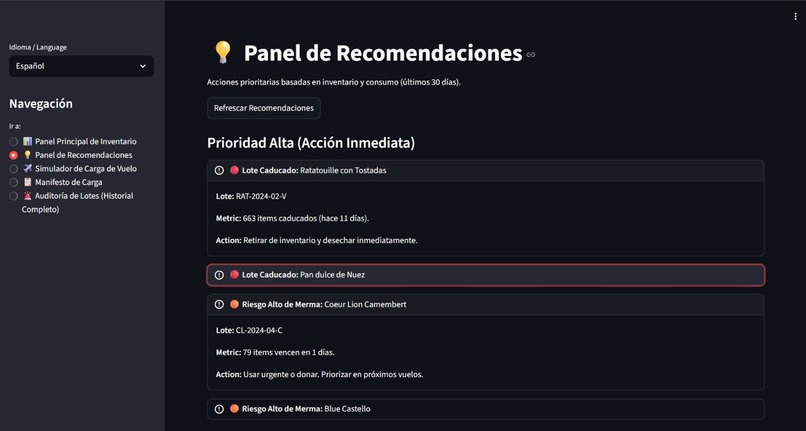
Sugerencias de toma de acción, caducado = desecho, operador deberia elegir "alto riesgo" para usar el producto.
-
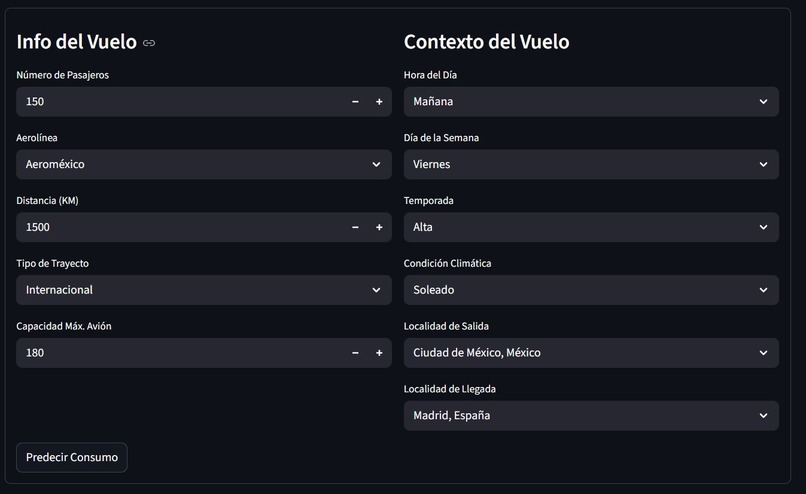
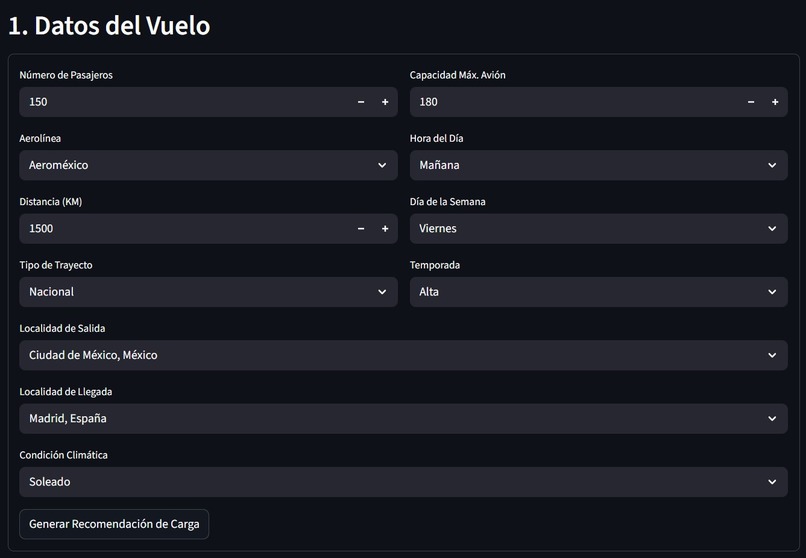
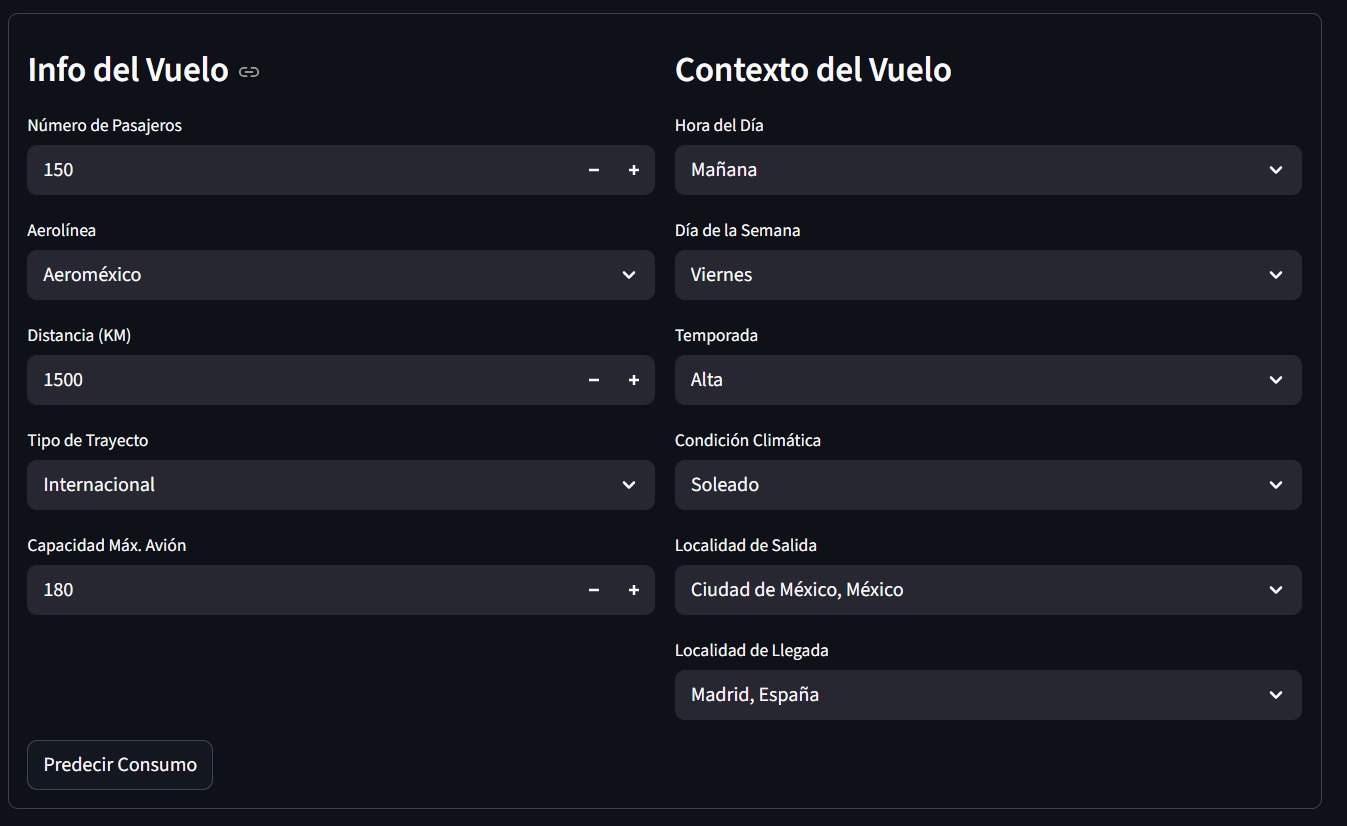
Selección de parametros por parte del operador.
-
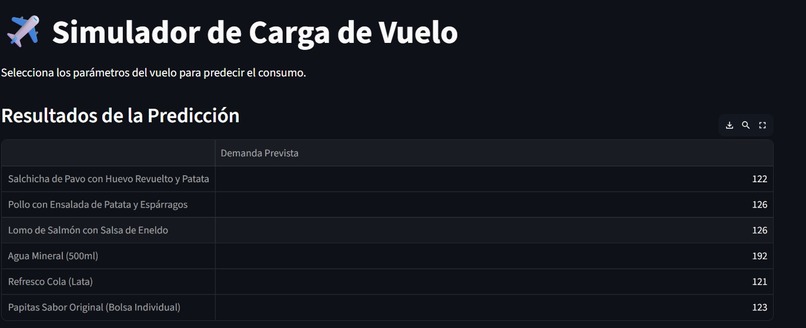
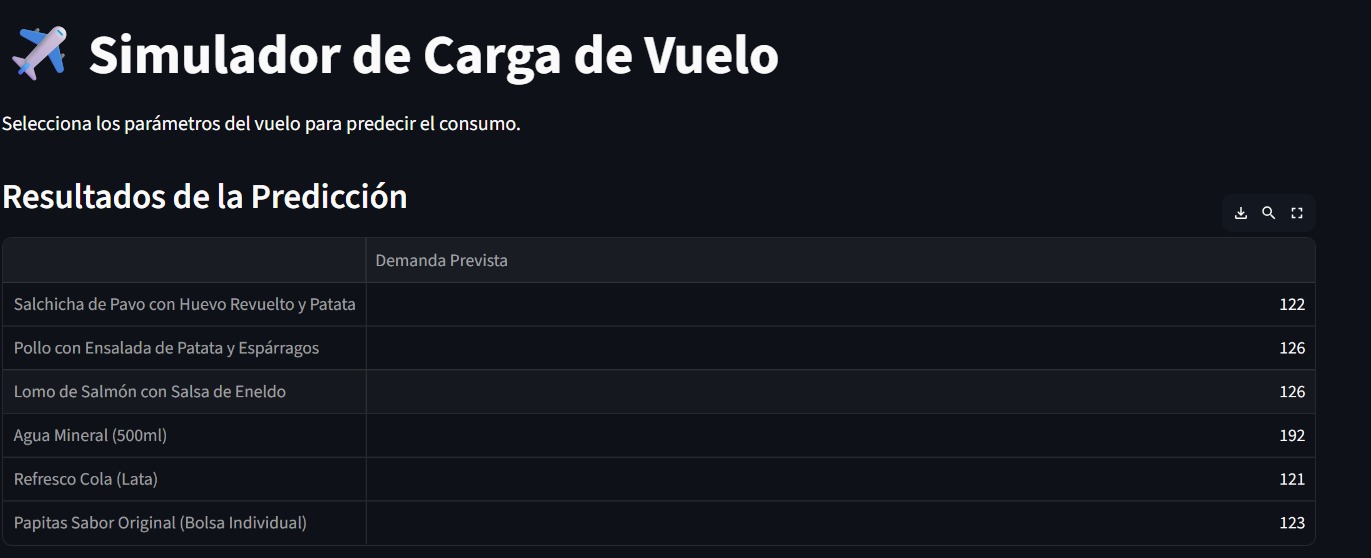
Predcciones de acuerdo a los valores propuestos.
-
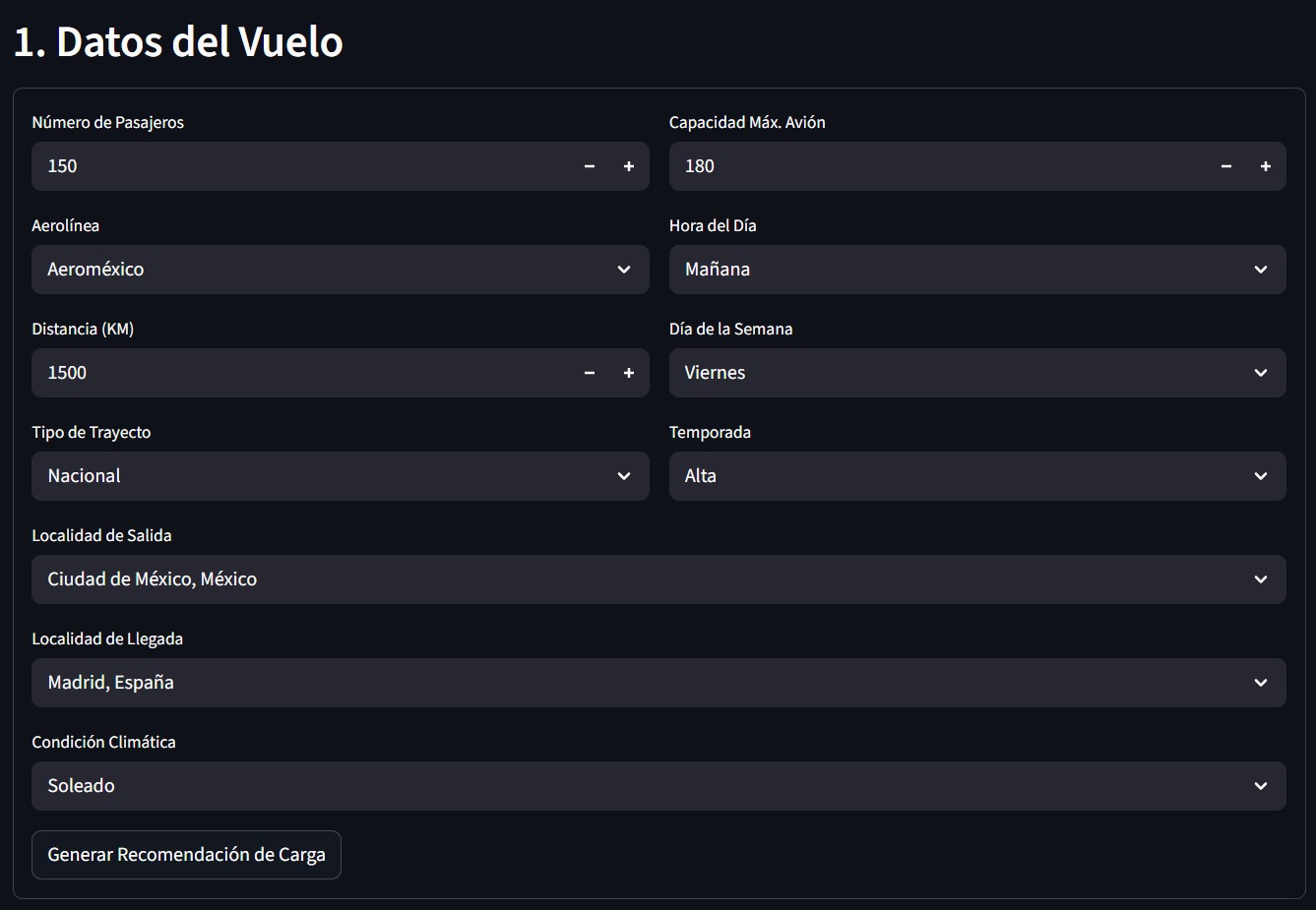
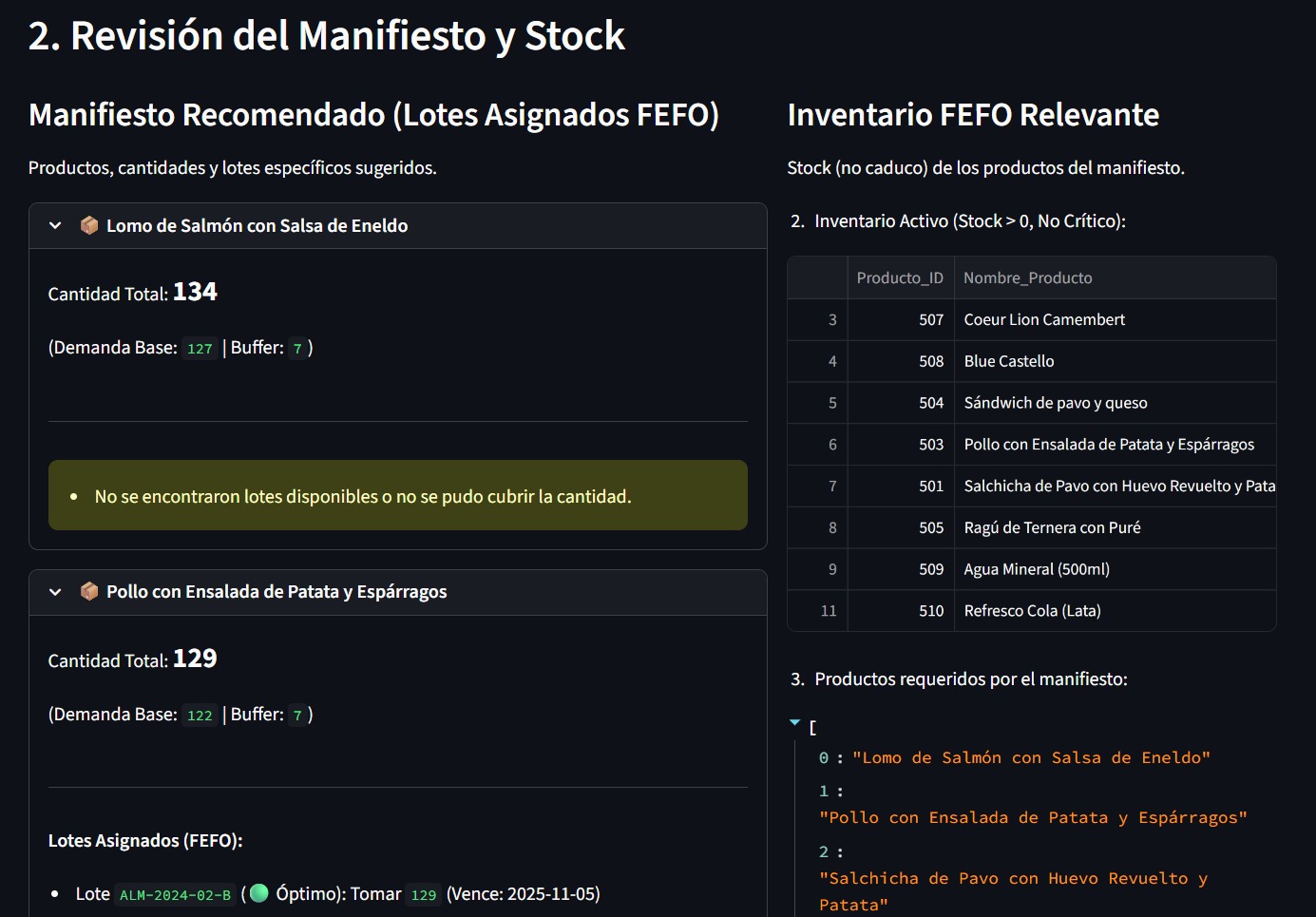
Menu que sugiere que productos exactamente se deberían cargar al avión, con respecto al inventario.
-
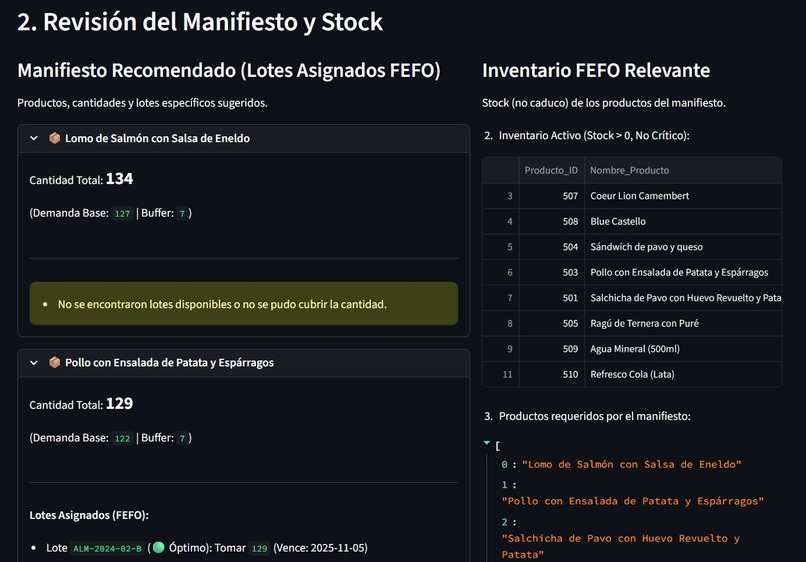
Basado en la sugerencia (Buffer aumenta las unidades predichas por un 5% para asegurarse de que nunca falte)
-
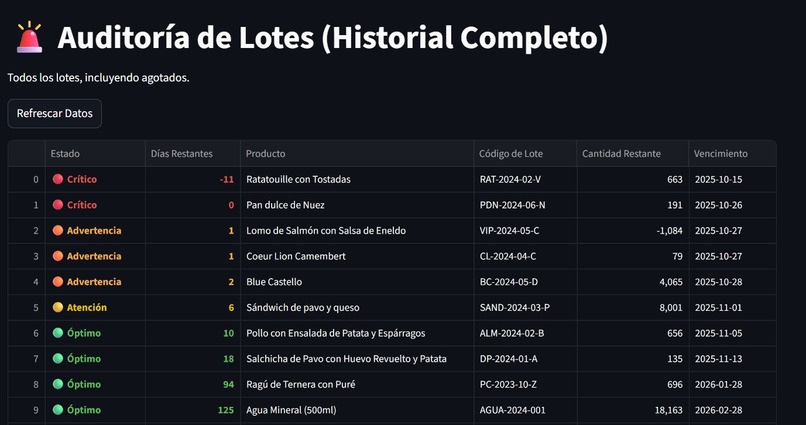
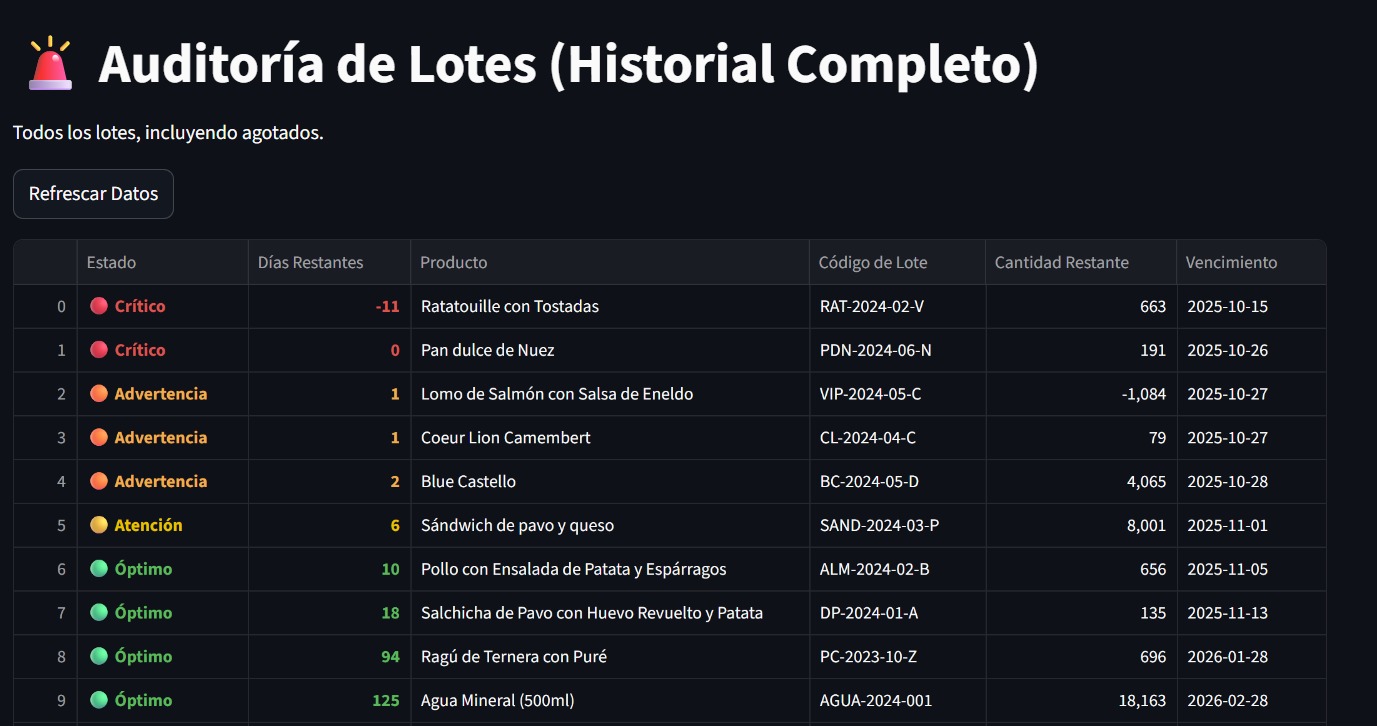
Historial completo de los lotes que se han usado.

Inspiration
Our inspiration came from the challenge itself, turning pressure and limited time into creativity and precision. What began as a two-day sprint quickly became an opportunity to combine our shared passions for data, systems, and purpose-driven innovation. Drawing from experiences in database management, robotics, and intelligent systems, we aimed to design a project that evolves with every dataset, transforming how catering logistics are managed. Beyond the numbers, we were motivated by the impact this solution could have on people, safety, and the planet. Expiry - Track was born from the belief that technology should not only optimize operations but also promote sustainability and trust. For us, this project represents the balance between efficiency and responsibility, a step toward a smarter and greener future for aviation catering.
What it does
An intelligent management system that revolutionizes how airlines handle catering operations. It combines automated expiration tracking with predictive consumption analysis to make every flight safer, more efficient, and more sustainable. Through a digital FEFO system (First Expired, First Out), Expiry - Track replaces manual inspection with smart scanning each product is tagged with a QR or RFID code that tells staff exactly which batch to use first, guaranteeing zero expired products on board and full compliance with safety regulations. At the same time, our predictive module uses advanced data analysis to study patterns such as flight duration, route, passenger type, and historical consumption (among many other indicators). This allows the system to anticipate demand with remarkable accuracy, loading only what’s truly necessary allowing the reducing of waste, cutting excess weight, and saving on fuel and operational costs. The result? A seamless, data-driven solution that turns catering into a precise science while maximizing safety, minimizing loss, and elevating sustainability across every flight. It doesn’t just manage food but it manages impact, transforming everyday logistics into smarter, greener operations.
How we built it
We began by creating an SQL database that simulates real flight data from multiple airlines. It includes information such as flight schedules, passenger capacity, destinations, and the consumption of different food and beverage items served on board. This database allowed us to build a realistic environment with thousands of flight scenarios that reflect gategroup’s operations. The data is then processed through a backend that applies linear regression to identify relationships between flight characteristics and product consumption. This mathematical model predicts how many units of each product will be needed for specific flights, improving inventory management and reducing waste. Finally, we built a user-friendly interface in Streamlit that allows gategroup operators to choose flight variables such as route, time, or weather conditions and instantly see the predicted consumption and inventory status. The system also provides real-time alerts for items close to expiration and recommendations on which batches should be used first, helping prevent unnecessary waste. Together, this solution creates a data-driven system that improves efficiency, ensures food safety, and supports sustainability across gategroup’s catering operations.
Challenges we ran into
As our first hackathon, the journey was far from easy, instead, it was an intense learning curve filled with both breakthroughs and setbacks. One of our biggest challenges was integrating each member’s work, as different development environments made our collaboration more complex. Our workflow followed a cascade structure, meaning that progress in one area depended on another’s completion. This often slowed down the overall pace and required strong coordination and adaptability from every member of the team. We also faced difficulties working with APIs, a tool that was completely new to all of us. Transitioning from object-oriented programming (the one we use in most of our projects) to interface-based logic demanded a full shift in mindset and approach. On top of that, incorporating the sub-challenges of the hackathon (such as the one offered by ElevenLabs) into our main concept proved to be a double-edged sword, while it enriched the vision of Expiry - Track, it also divided our focus across multiple directions.
Accomplishments that we're proud of
We may not have many milestones to showcase, but what truly makes us incredibly proud is that we never gave up, not for a second. Despite the stress, the time pressure, and the technical roadblocks, we kept pushing, adapting, and believing in our idea. There were moments when nothing seemed to work, yet our determination and stubbornness to keep trying turned frustration into progress. By the end, everything began to align faster than we ever expected. That perseverance and the decision to keep building even when it got tough, is, without doubt, our greatest accomplishment.
What we learned
Throughout this experience, we discovered much more than just technical skills. We learned how to adapt, collaborate, and push beyond our comfort zones. As a team, we explored new development environments and discovered the importance of flexibility when combining different systems into one cohesive project. We deepened our understanding of software development from multiple angles: We gained valuable insights into working across diverse environments and how app development differs from online frameworks, we experienced first-hand how AI can accelerate debugging and strengthen coding efficiency, we learned how to optimize storage and handle large datasets effectively for performance and scalability and also we expanded our knowledge in front-end design and linear regression, bridging data science with user experience. Ultimately, this challenge taught us that innovation thrives where curiosity meets collaboration and that every challenge is a chance to evolve both as developers and as a team.
What's next for Expiry - Track
Our vision for ExpiryTrack goes far beyond this hackathon. Right now, the project operates with a limited dataset (a small module of information) but our next goal is to scale it globally. With larger and more diverse data inputs, the system’s predictive accuracy and learning capacity will grow exponentially, allowing it to make even more precise estimations (more than they already are). We also aim to take ExpiryTrack beyond gategroup, expanding its reach to companies across different industries, not just food, but any sector dealing with perishable or time-sensitive products. Our mission is to turn this prototype into a real-world solution that helps build a more sustainable, waste-free, and quality-driven world for everyone.


Log in or sign up for Devpost to join the conversation.