Inspiration
I grew up playing IL-2, MS Combat Flight Sim 2, and MSFS. These games taught me how to fly and helped me practice while getting my pilot's license. However, I was never good at gunnery and found civilian flying too boring. I created Exosky as the in-between game I always wanted—pure flight skill without combat.
My childhood in my dad's computer repair store inspired the visuals. I spent hours tracing circuit lines like miniature cities. Instead of making a game set in the future, I decided to make a game someone in the future might play—flying through those miniature computer hardware worlds.
What it does
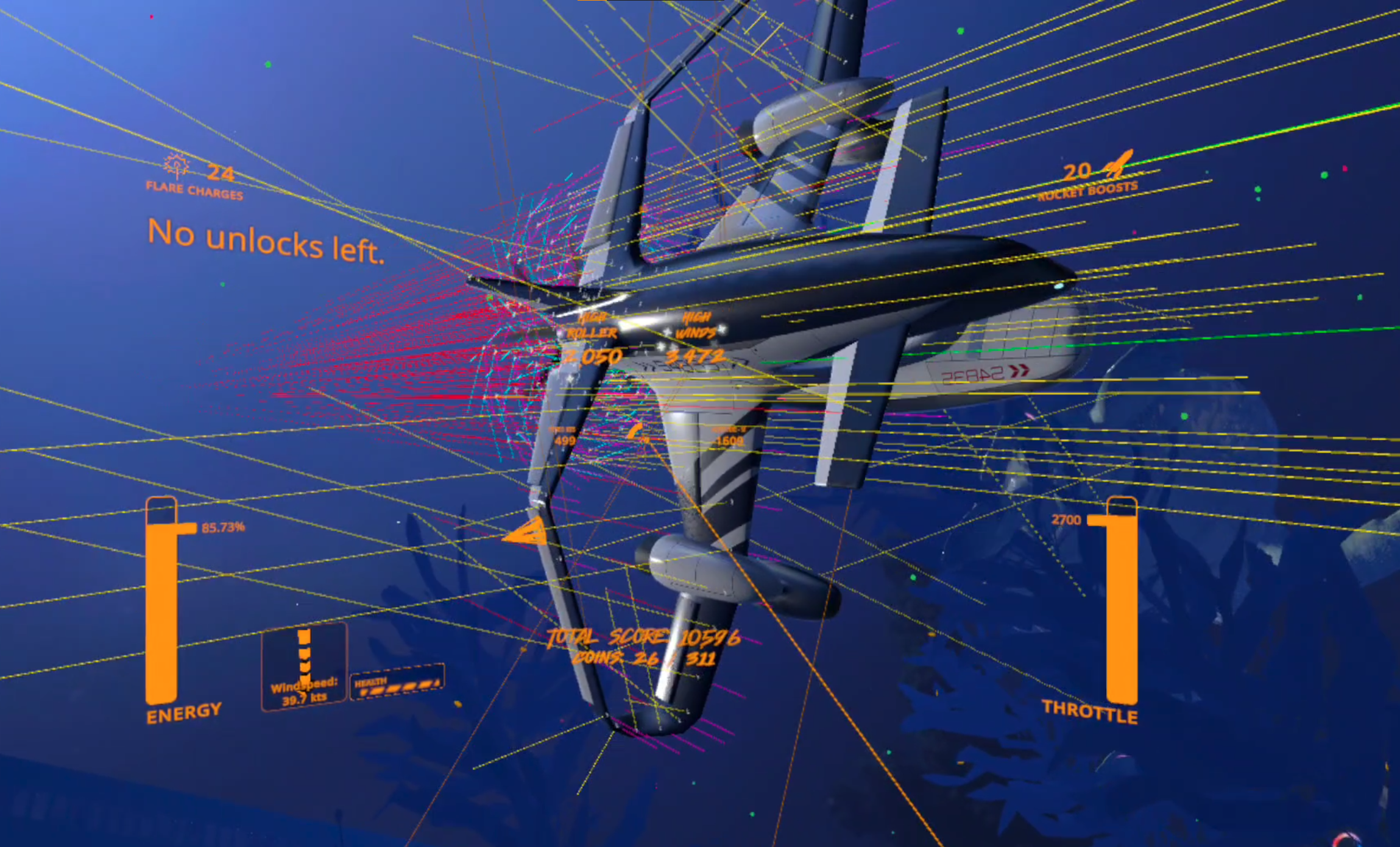
Exosky delivers full-fat flight simulation on Meta Quest where dangerous flying equals higher scores. You partner with Norton, an AI cat, to train the ultimate autopilot through death-defying stunts. The riskier your maneuvers, the better training data you generate.
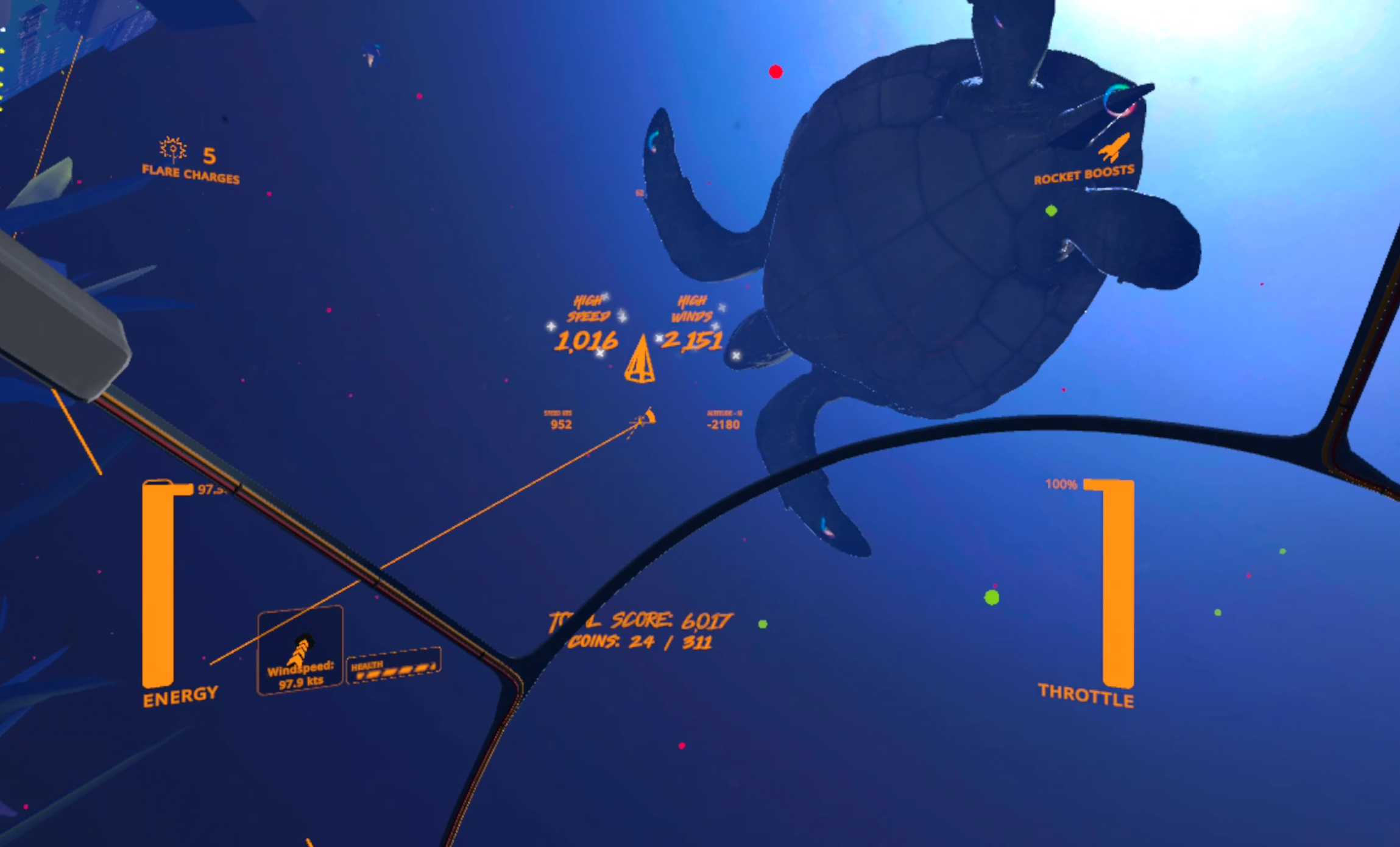
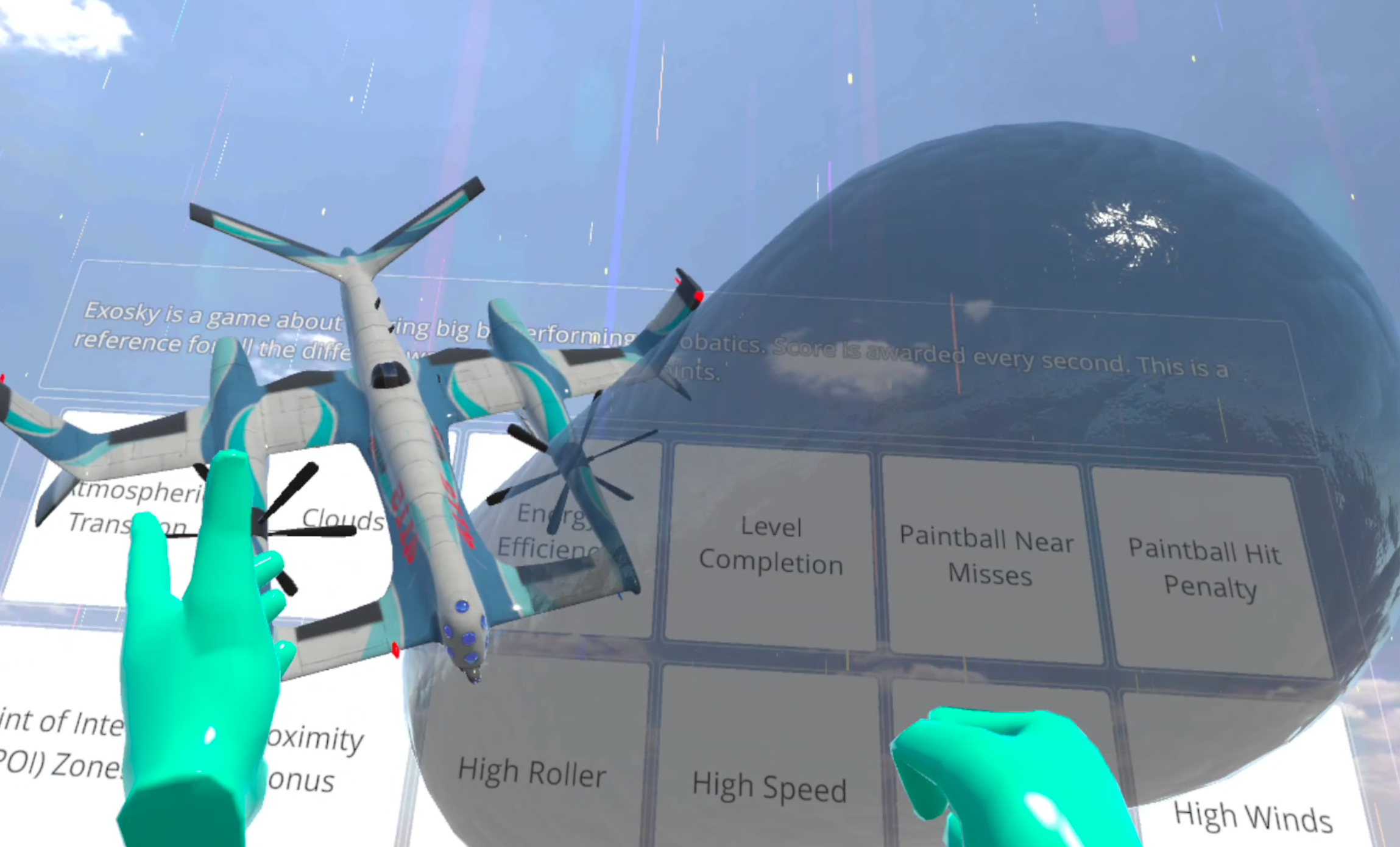
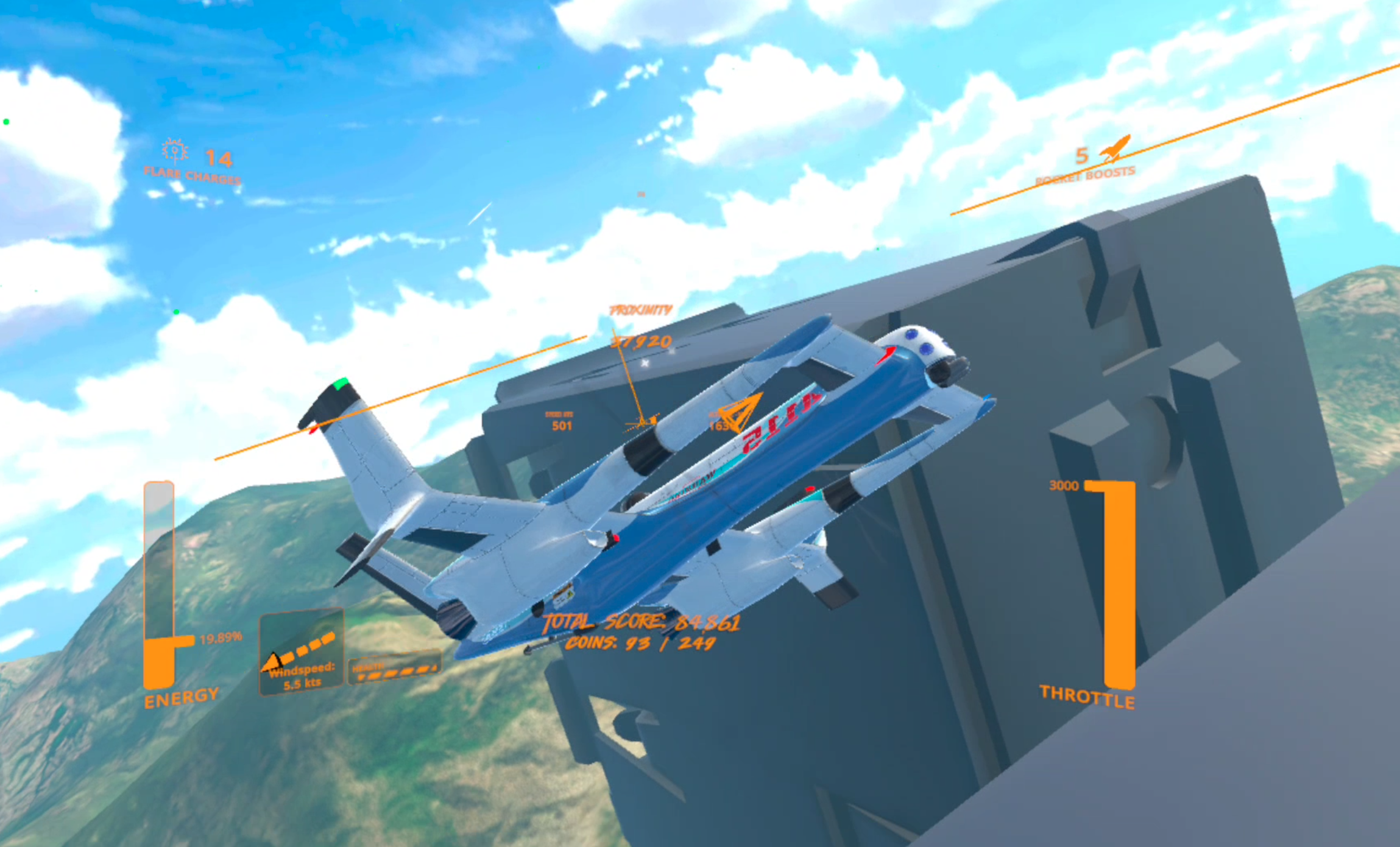
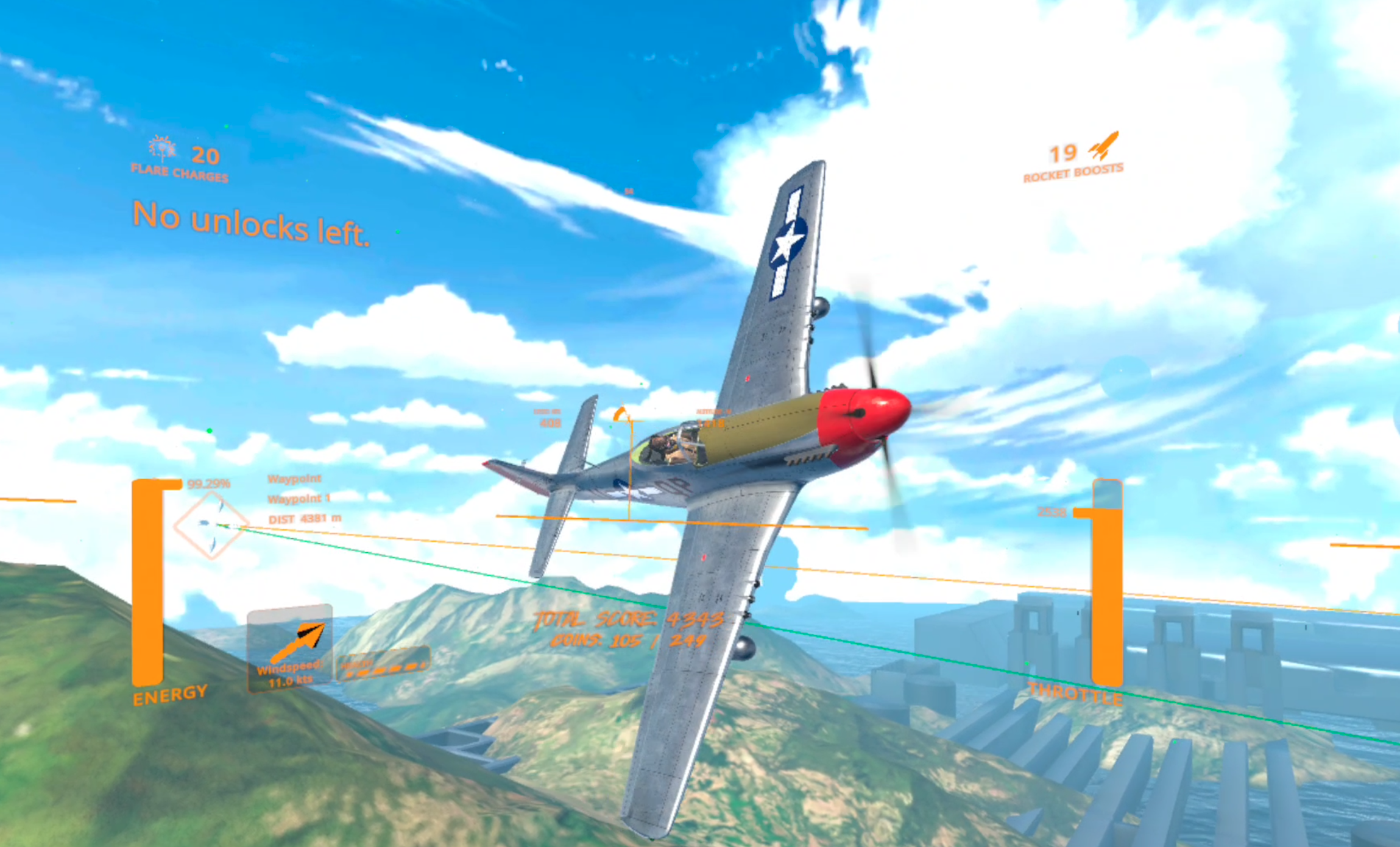
The full game features 11 unique aircraft with authentic physics responding to geometry, propeller shape, and airfoil properties. You'll fly through 7 surreal levels inspired by computer components—flooded motherboards, GPU heat sinks, CPU architectures.
The flight model realistically simulates aircraft performance based on shape; wings are broken into composite panels and each panel has it's own forces calculated on it. This approach gives a great-feeling flight model without sacrificing realism.
How I built it
I built Exosky using Unity and the VR Interaction Toolkit. The game started as a PC flight simulator, requiring significant reconstruction for VR while maintaining sophisticated flight physics. Significant time and effort was spent optimizing the physics pipeline, improving it's efficiency to maintain 60+ FPS on the target hardware. Levels have been optimized to maintain the same visual quality without reducing framerate. Cockpit control stick interactions were added and the main menu was completely rebuilt.
Challenges I ran into
The biggest challenge was rebuilding the HUD and UX, where several functions such as the attitude indicator and targeting systems had to be rebuilt to work with the new 3D canvas. Another challenge was implementing left and right-handed control options. Getting input bindings configured and all the logic for seamless switching was incredibly difficult and time-consuming.
Performance optimization was similarly tough. Constant profiling to get the physics running efficiently on Quest hardware meant numerous iterations of compilation -> upload -> testing. In addition to physics work there was of course some graphical tweaking and some levels (like the Pentium 2) had to be completely reworked to use unlit materials with baked textures.
I reworked the physics to use floats instead of doubles and reworked the origin shifter (used to prevent floating point rendering errors) to update a lot less frequently to save performance. This had knock-on effects throughout the project so lots was tweaked.
Accomplishments that I'm proud of
I'm incredibly proud of how optimized the game is and how little was compromised in translation. The game was built as a PC title first, and roughly 90% of it successfully made the jump to standalone VR. The physics fidelity, aircraft variety, and visual complexity all survived intact while hitting demanding VR performance targets.
What I learned
I learned extensively about CPU optimization and garbage collection management. VR's strict performance requirements forced me to deeply understand Unity's memory management, physics tick optimization, and rendering pipelines. While I already understood GPU optimization, the experience of maintaining simulation fidelity while hitting high FPS really helped me understand more about CPU optimization as well.
What's next for Exosky
The remaining four levels are complete and will be optimized for a release in early Q1 2026!


Log in or sign up for Devpost to join the conversation.