-
-
logo - COLORIZED
-
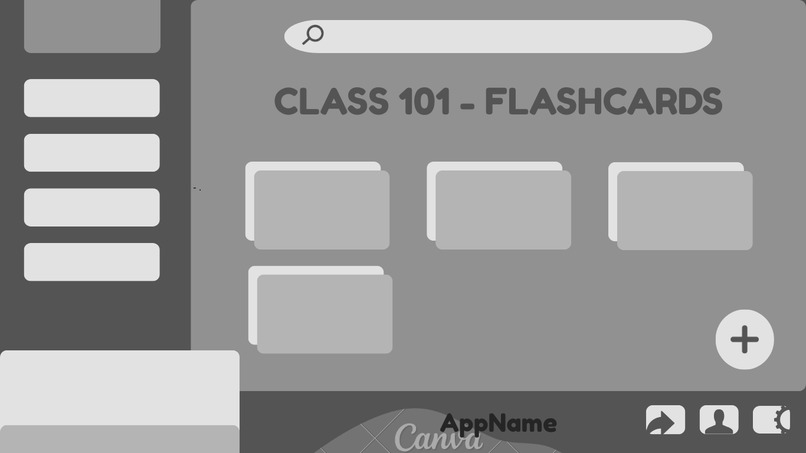
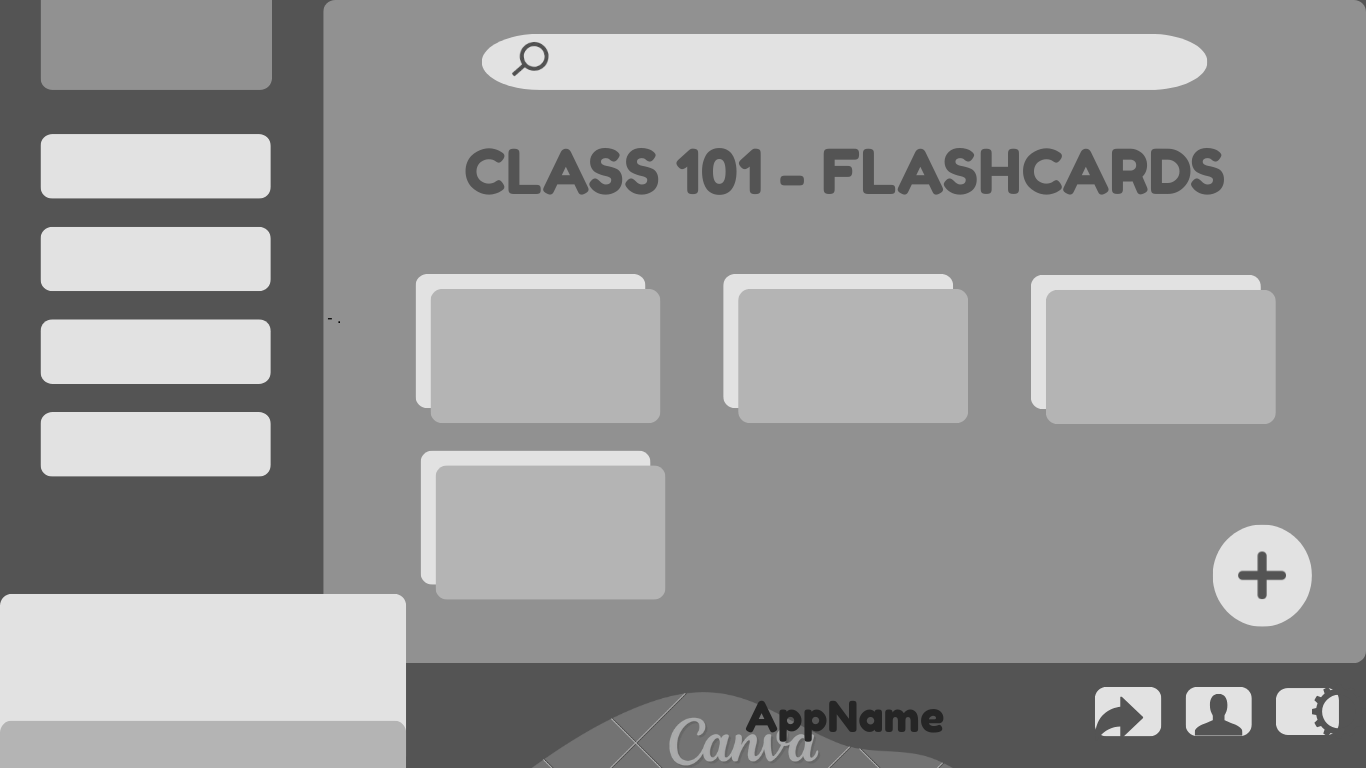
Flashcards (OG UI SKETCH)
-

Upload (OG UI SKETCH)
-
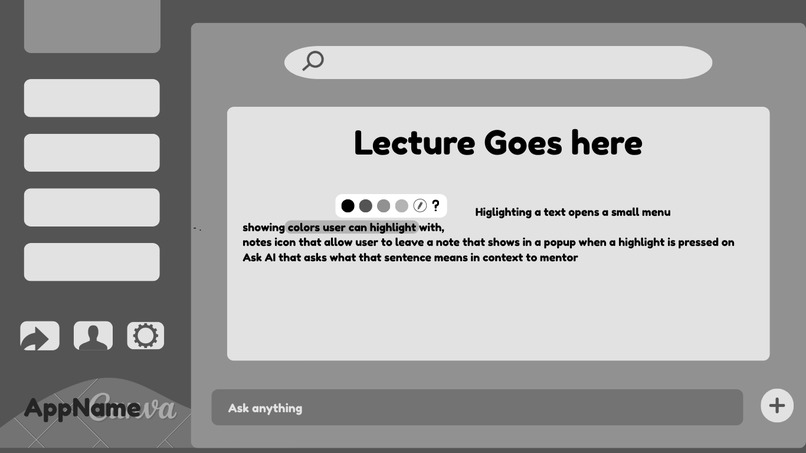
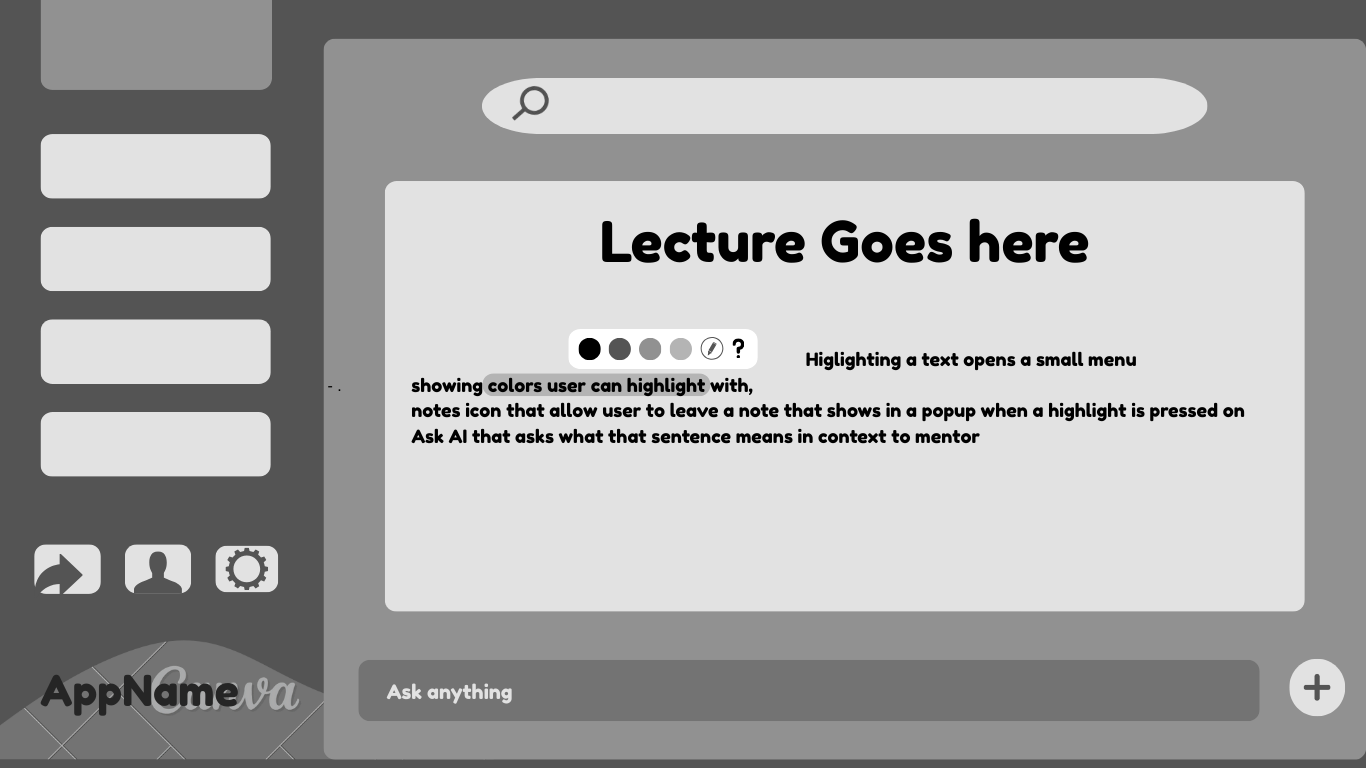
Lecture (OG UI SKETCH)
-
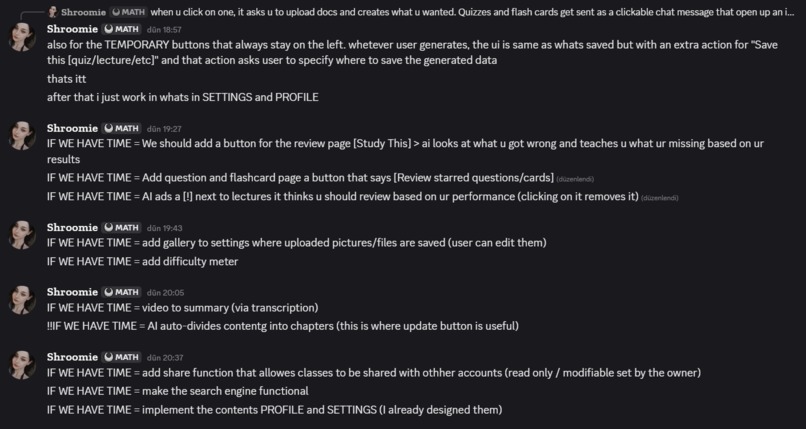
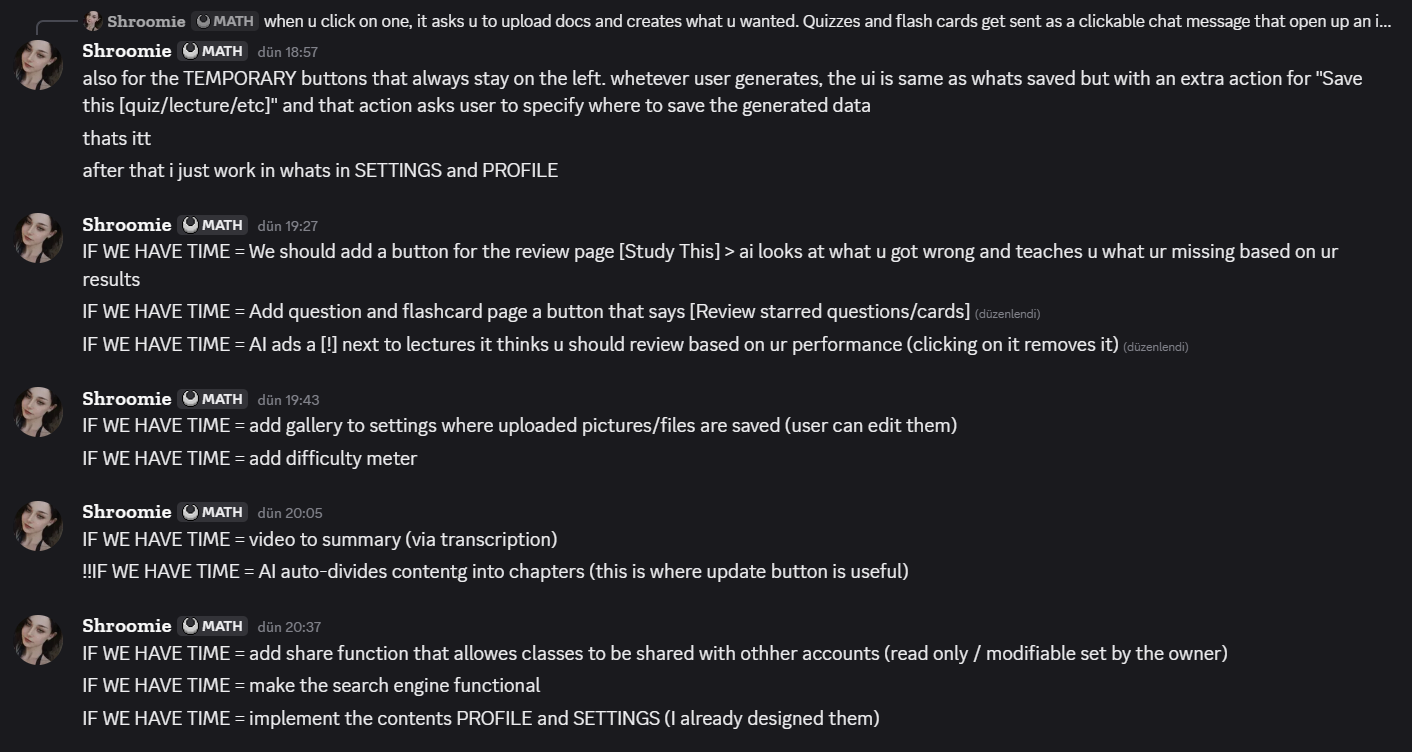
oh sweet innocence

In order to explain why this product had to exist, I must highlight a simple truth every student recognizes: most of studying isn’t learning. It’s logistics.
Trying to guess what matters, rewriting what’s already written, overthinking how things will be tested, and whether you’re spending your time on the right things or not…
In the end, students desperately look for shortcuts. Often by uploading textbook pages into generic AI tools and hoping the output translates into exam readiness.
However, this approach fails for a simple reason: a large portion of high-value learning material does not exist as clean digital text. In real academic cases, students rely on handwritten lecture notes, photos of whiteboards, annotated pdfs, problem sets with steps more important than the answer, or past exams filled with corrections. These are often the most accurate record of what a course emphasizes, yet they are precisely what most tools cannot use effectively.
Modern AI study solutions tend to generate content from polished inputs: extracted textbook sections, typed notes, or blank assignments. They rarely account for what the student has already done. Even when students upload exams, most tools only interpret the questions, not the student’s actual responses, reasoning processes, or recurring errors. As a result, the experience becomes repetitive: the same concept is explained again and again, without identifying the prerequisite gaps that caused the misunderstanding in the first place.
Examplify is designed to address that exact inadequacy.
It uses OCR to make handwritten and marked course inputs usable. Students can upload photos or scans of their notes and exams, and the system converts them into structured material that can be summarized and transformed into targeted quizzes, flashcards, and mini-lectures. More importantly, the content and practice generated are tied to the student’s demonstrated performance. Study assets can be saved and revisited, and the platform provides individualized feedback based on strengths, weaknesses, and patterns over time. So, students are not just consuming explanations, but systematically improving the areas that are actually holding them back.
With that goal in mind, without any sleep, we spent the entire hackathon building, even while eating! We were a team of three: one backend engineer, one frontend engineer, and one project manager/designer. We had an incredible time, not realising how fast the day had passed.
Unfortunately, as most do, we hit several obstacles. However, our main time constraint was self-inflicted. We initially spent too much time building infrastructure instead of shipping product logic. Afterwards, we realised Concordia’s network environment didn’t support straightforward hosting for the flow we wanted, and we couldn’t reliably connect the camera usage the way we planned.
On the backend, we initially chose to build a Go framework from scratch using OpenAP, which caused too much boilerplate and slowed down iteration. We also tested a GenAI approach, but for OCR it did not meet the reliability level we needed compared to an OpenAI-based OCR workflow.
On the frontend, we used SvelteKit with generated API functions, which helped with speed early, but it also constrained network flexibility. Lastly, due to time constraints resultin, some parts of the codebase are not as clean as we would want in production, even though they work and demonstrate the intended functionality.
Because of these constraints, we made the strategic decision to simplify the scope and focus on the core differentiator, OCR ingestion plus content generation, rather than trying to ship every feature in our original, richer design. Though simplified, we are proud of the outcome: a functional prototype that proves the core value this idea was built on, turning real student materials, including handwritten content, into usable study assets.
More importantly, we learned how to approach a scratch-built product properly, such as what to prioritize first, how to reduce risk early, and how to recover when certain constraints can’t be “fixed,” only designed around.
Going forward, our team is aligned on building Examplify the right way from the ground up: a richer UI, a more scalable architecture, and an accessibility-first experience (especially for students who struggle with attention and organization) so studying is no longer a barrier course after course, but a workflow that finally feels fair.
Examplify: hands-off education.
Built With
- go
- goose
- minio
- openai
- openapi
- postgresql
- python
- sqlc
- sveltekit
- tailwind/css
- zodios


Log in or sign up for Devpost to join the conversation.