Inspiration
Preparing for exams can be overwhelming. Students often have to organize lecture notes, read PDFs, identify important concepts, create flashcards, and practice questions across multiple disconnected tools.
But the biggest challenge isn't simply accessing information — it's understanding how concepts connect, identifying what you don't know, and knowing what to study next.
We built ExamPilot to make exam preparation more structured, personalized, and interactive.
Our goal was to turn scattered course materials into a connected learning experience where students can explore concepts, practice actively, and focus on areas that need improvement.
What it does
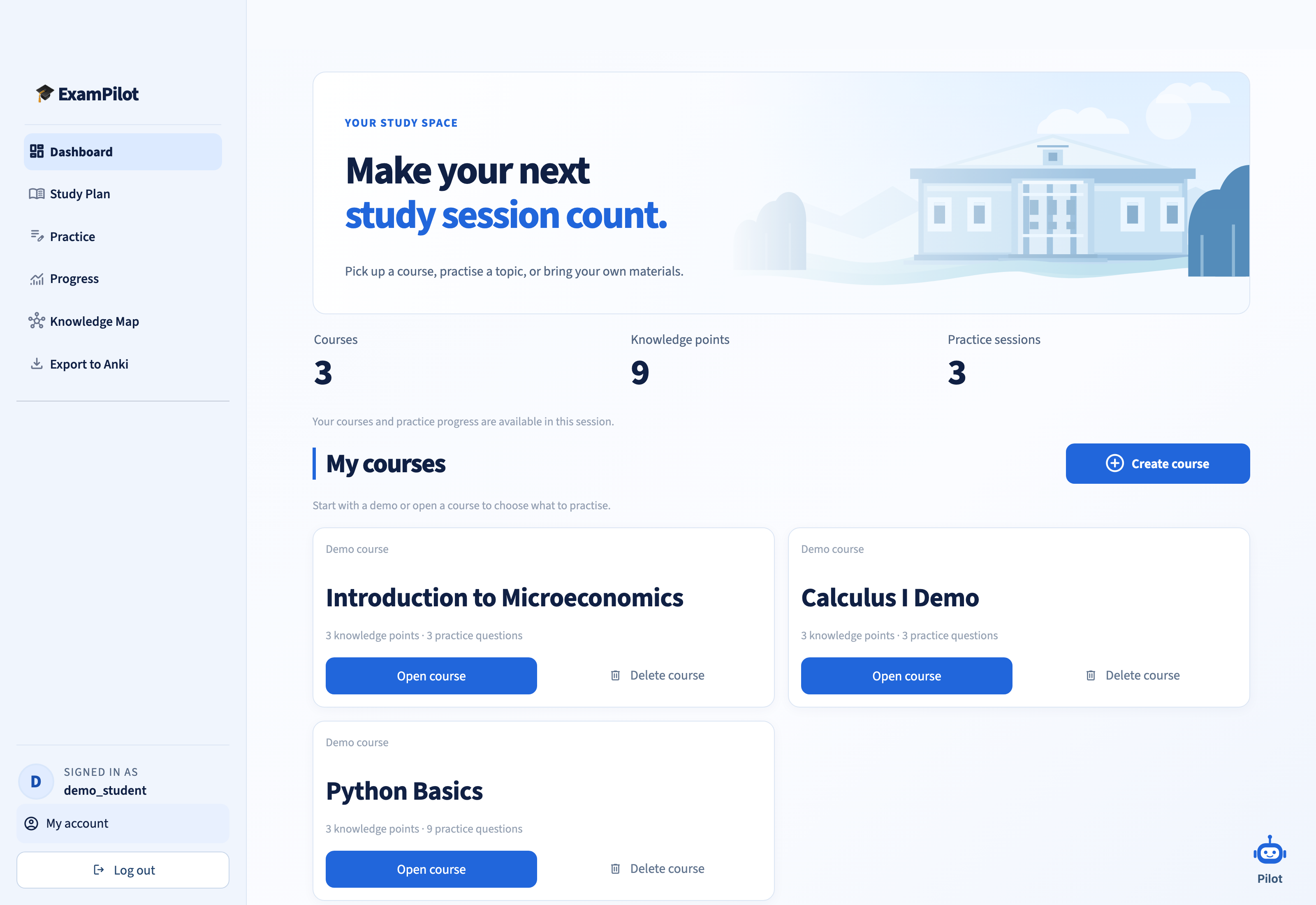
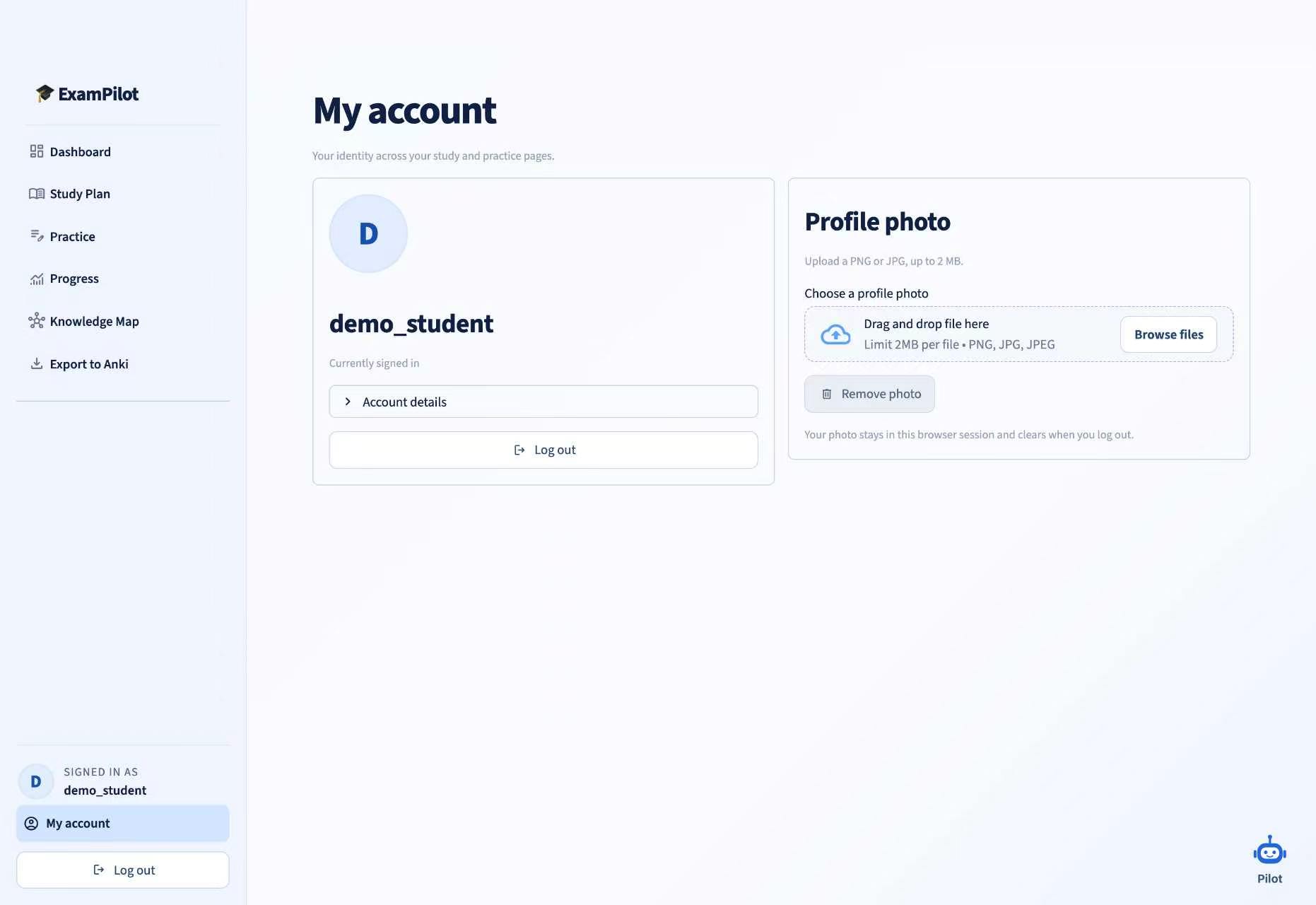
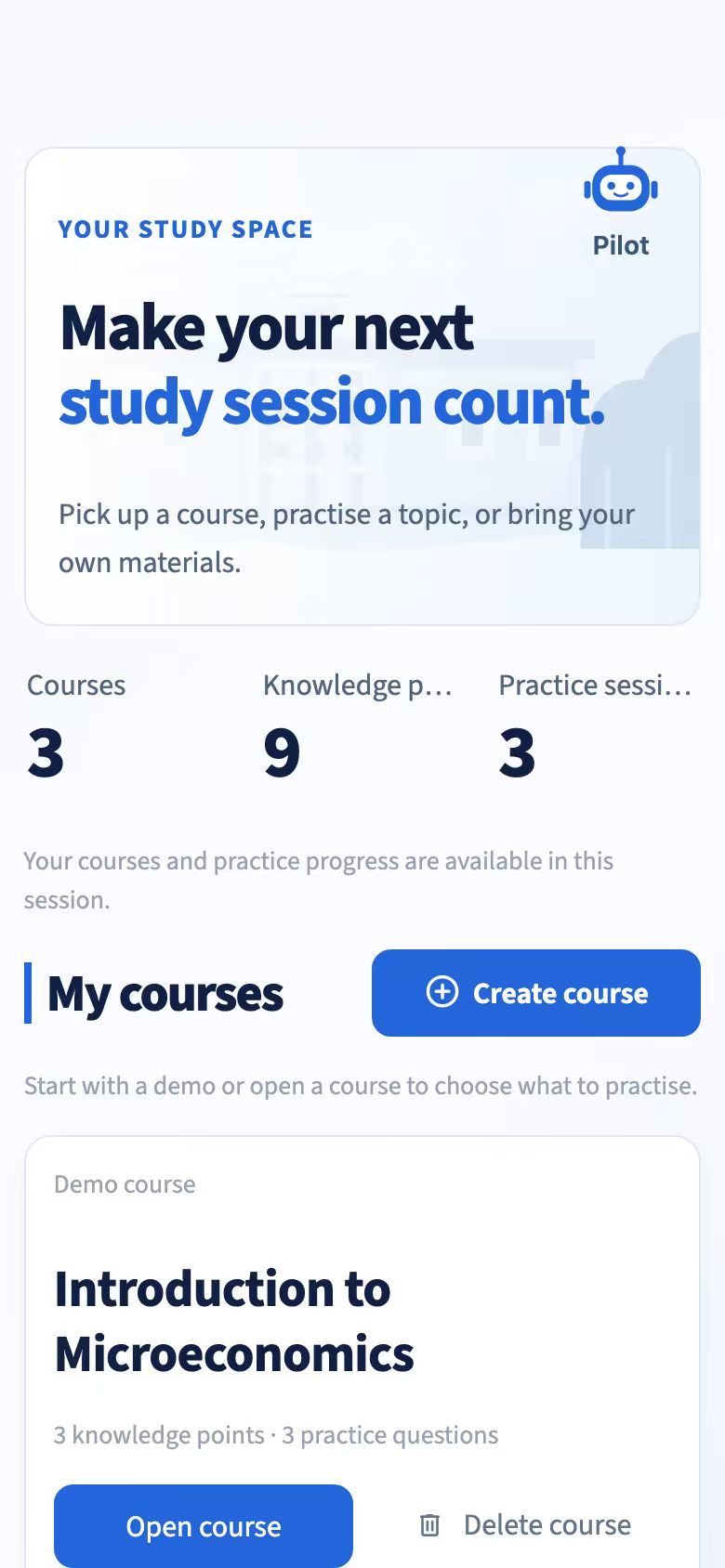
ExamPilot is an AI-powered study platform designed to help students turn their learning materials into a personalized exam preparation environment.
Its core features include:
- AI-Powered Document Learning: Students can upload course materials and use them as the foundation for a more organized study experience.
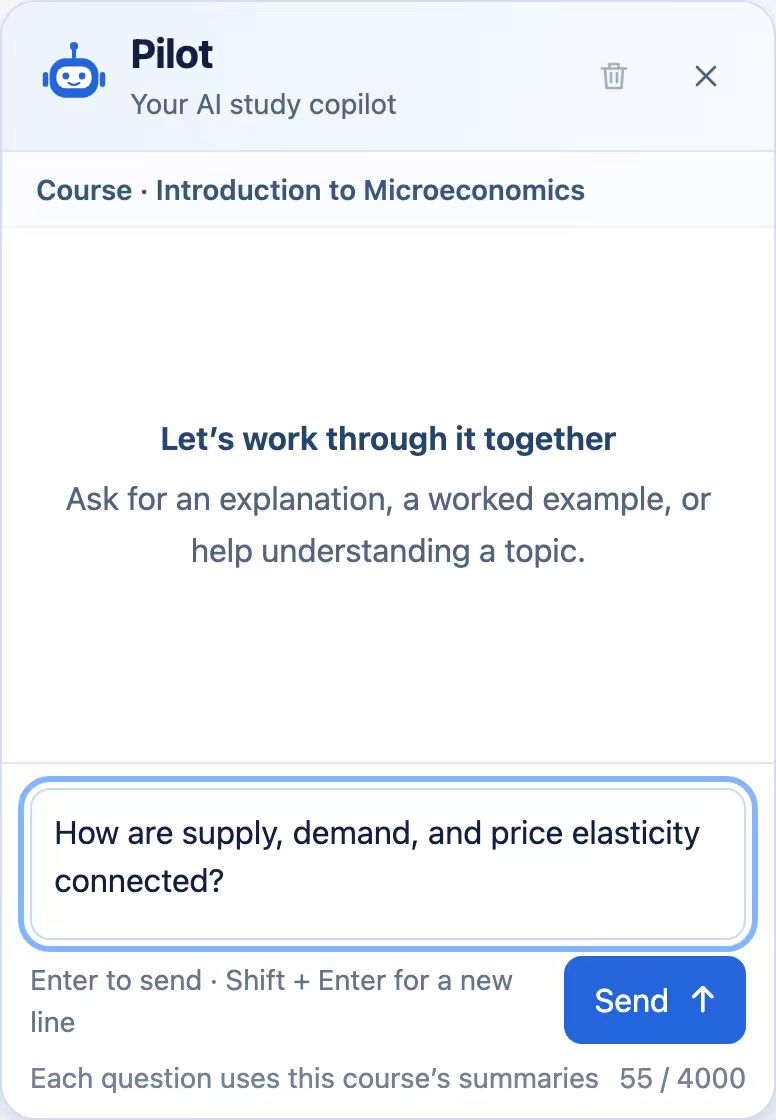
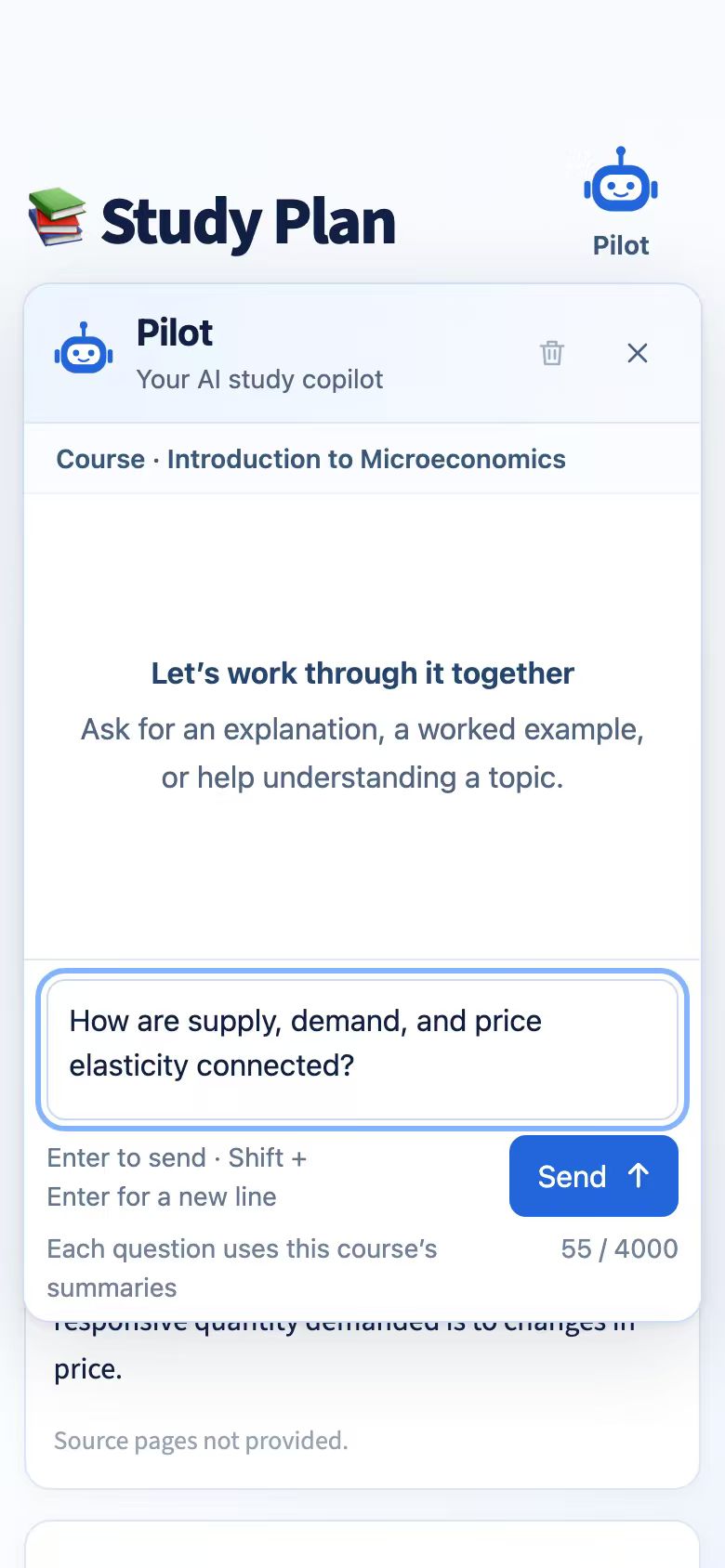
- AI Tutor: A Gemini-powered learning assistant helps explain academic concepts and supports interactive learning.
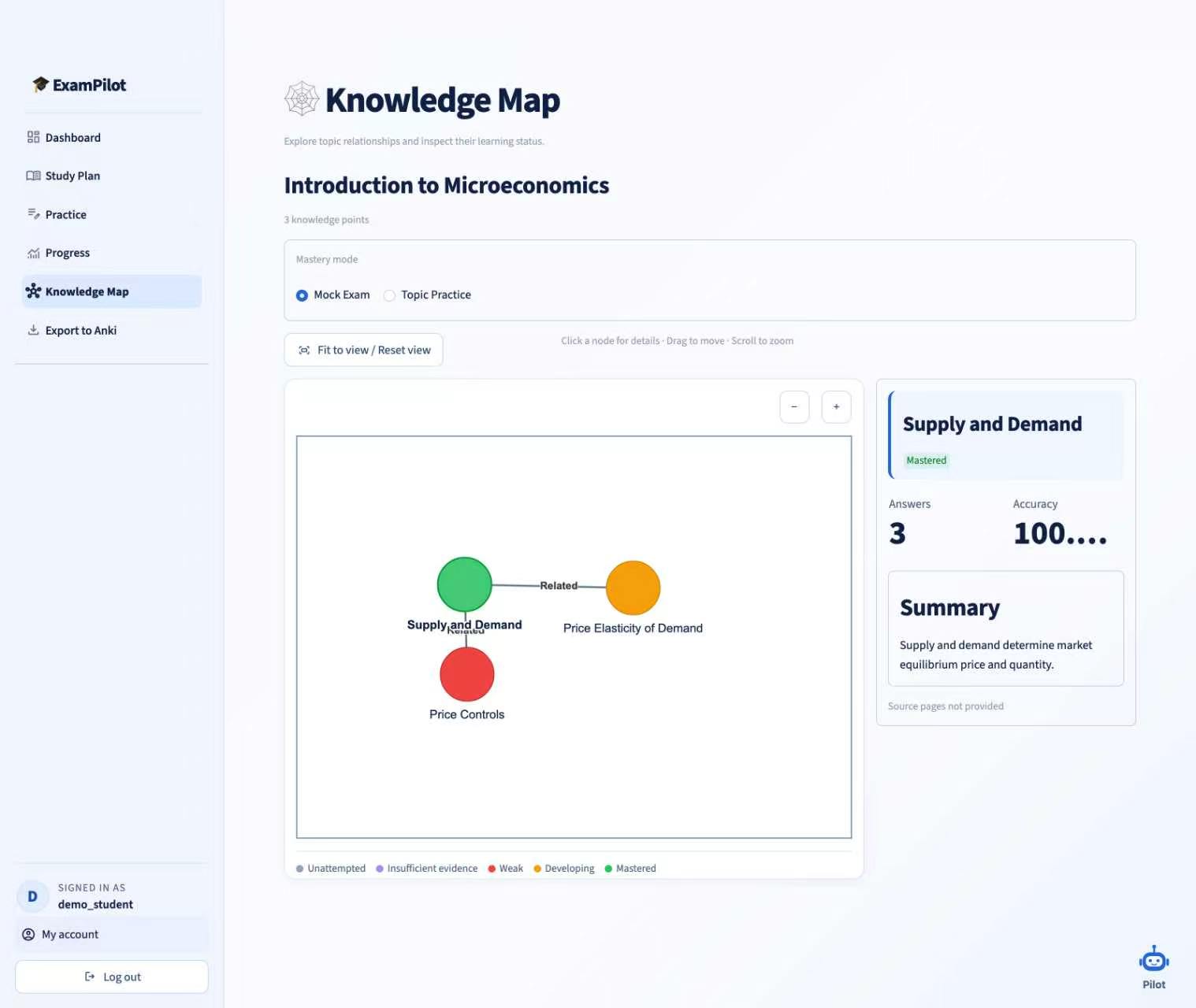
- Interactive Knowledge Graph: Visualizes relationships between concepts, allowing students to explore how different topics connect.
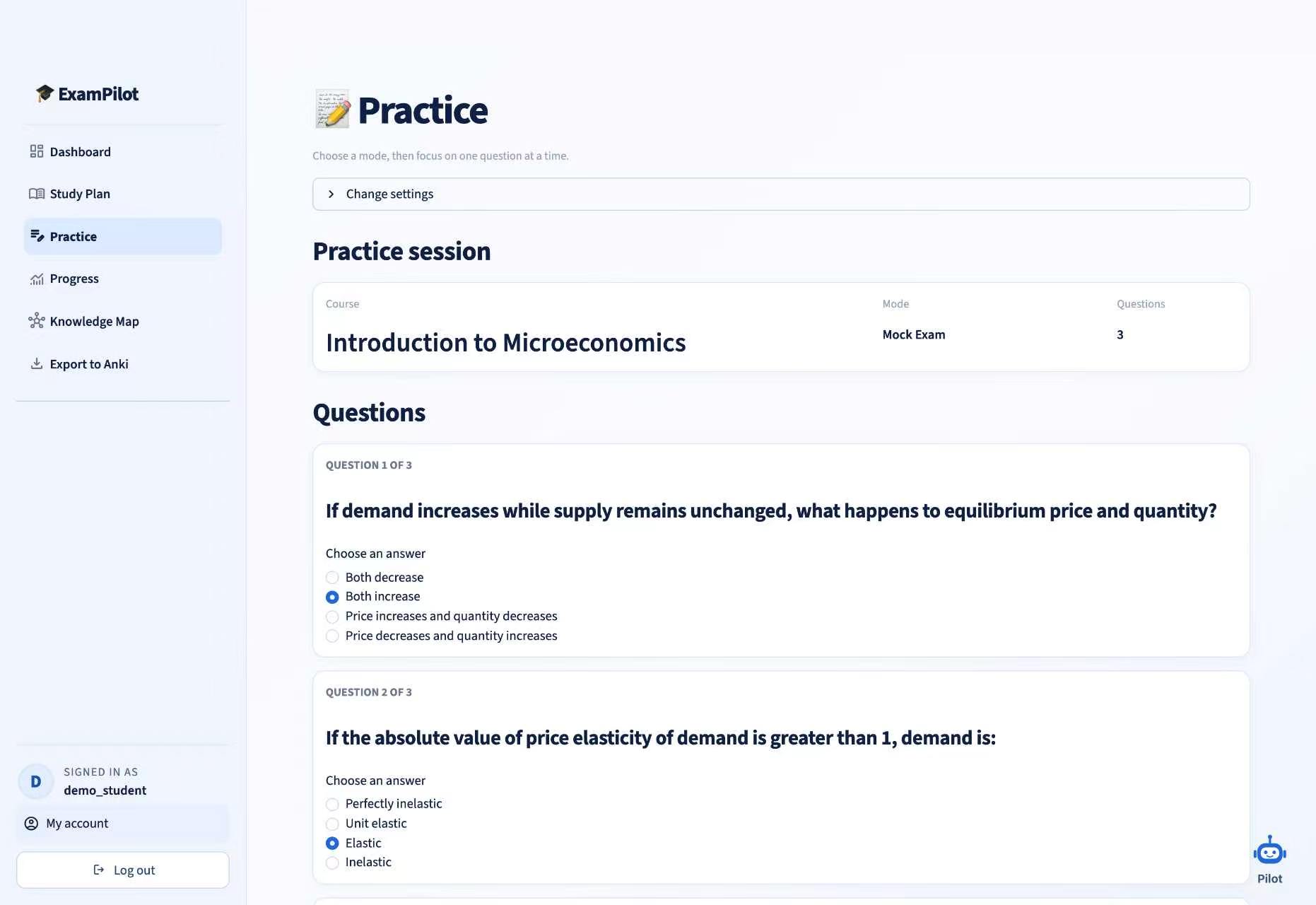
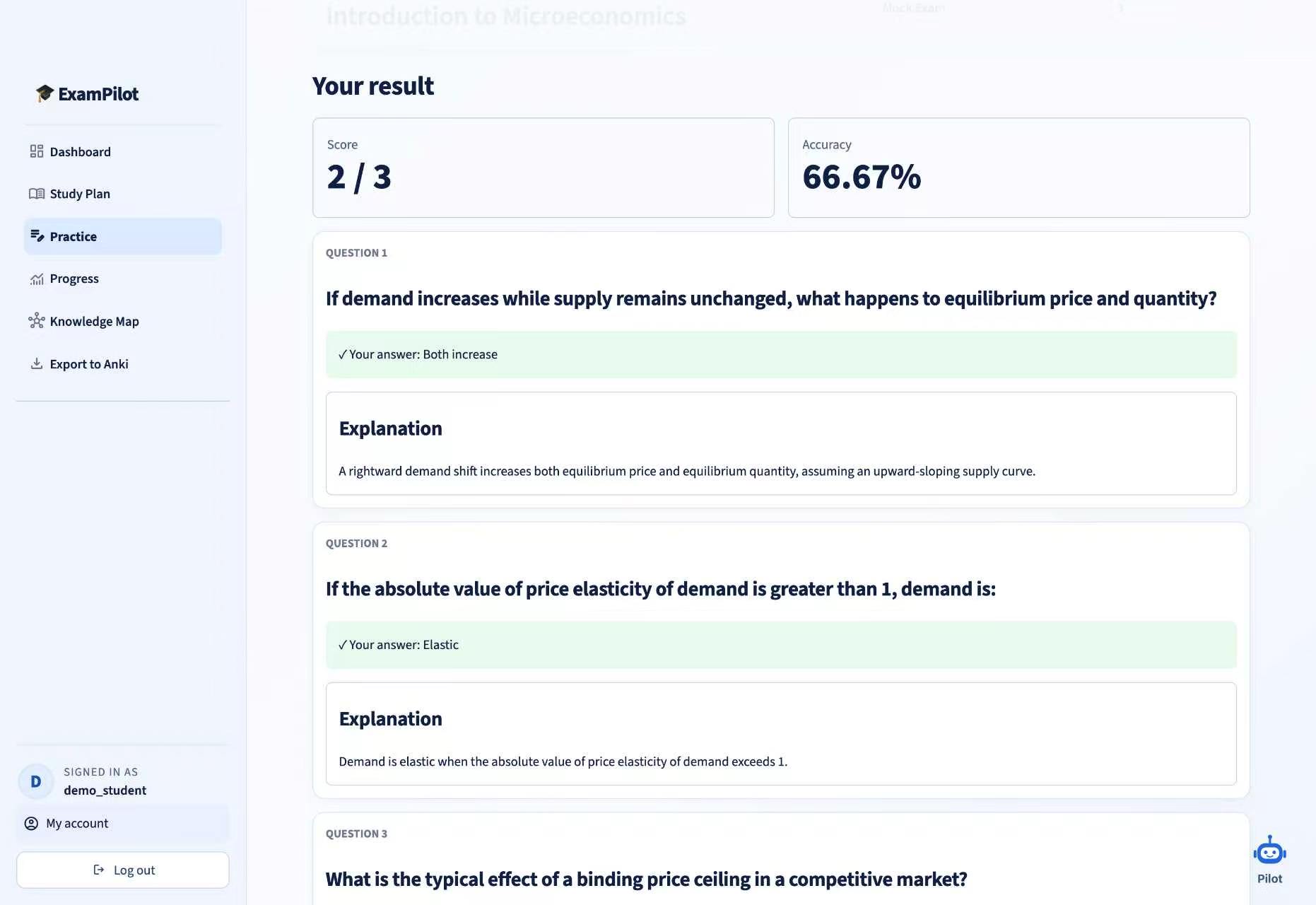
- Practice Exams: Provides opportunities to test understanding and prepare for assessments.
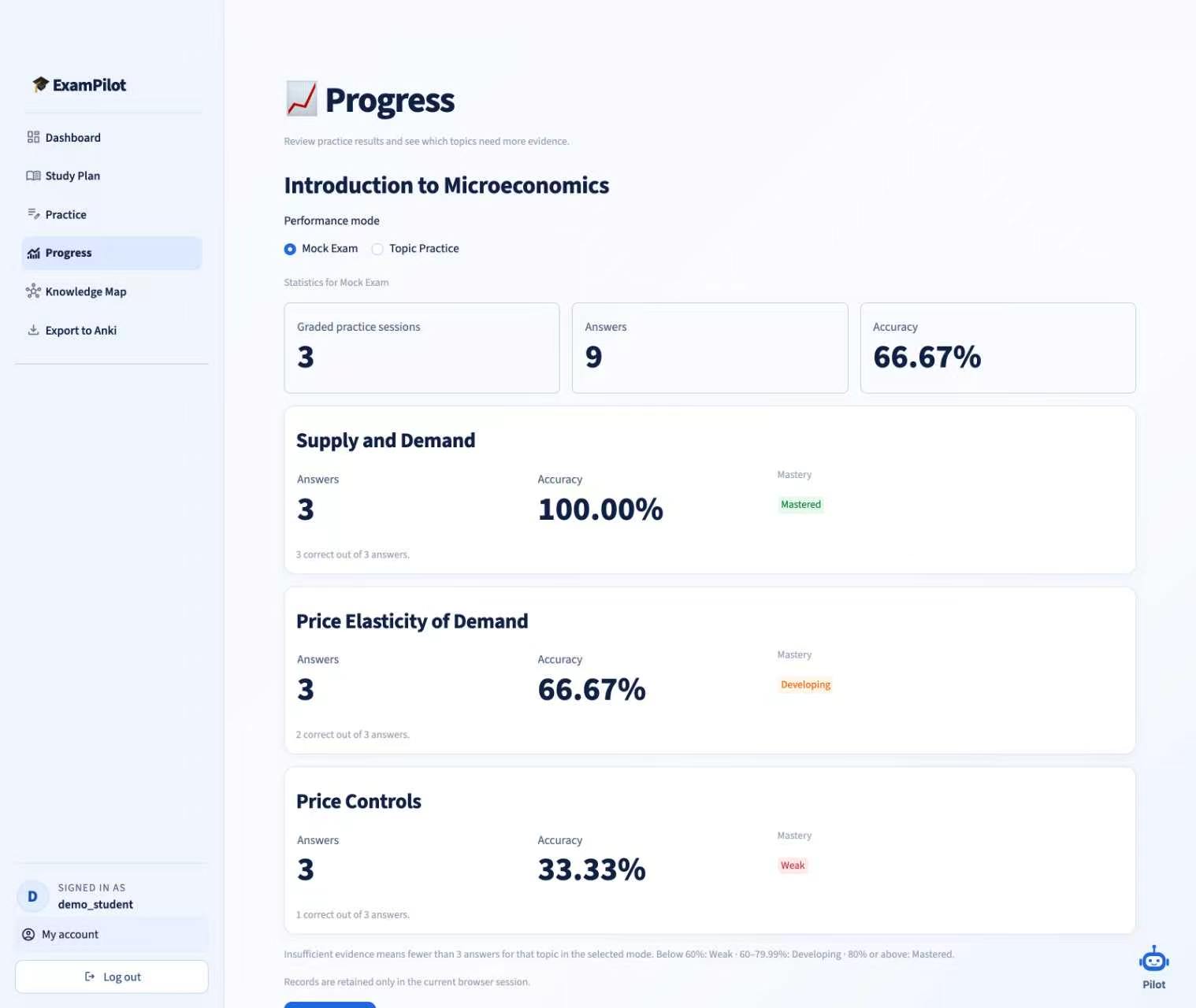
- Mastery Tracking: Helps students identify weaker areas and prioritize further review.
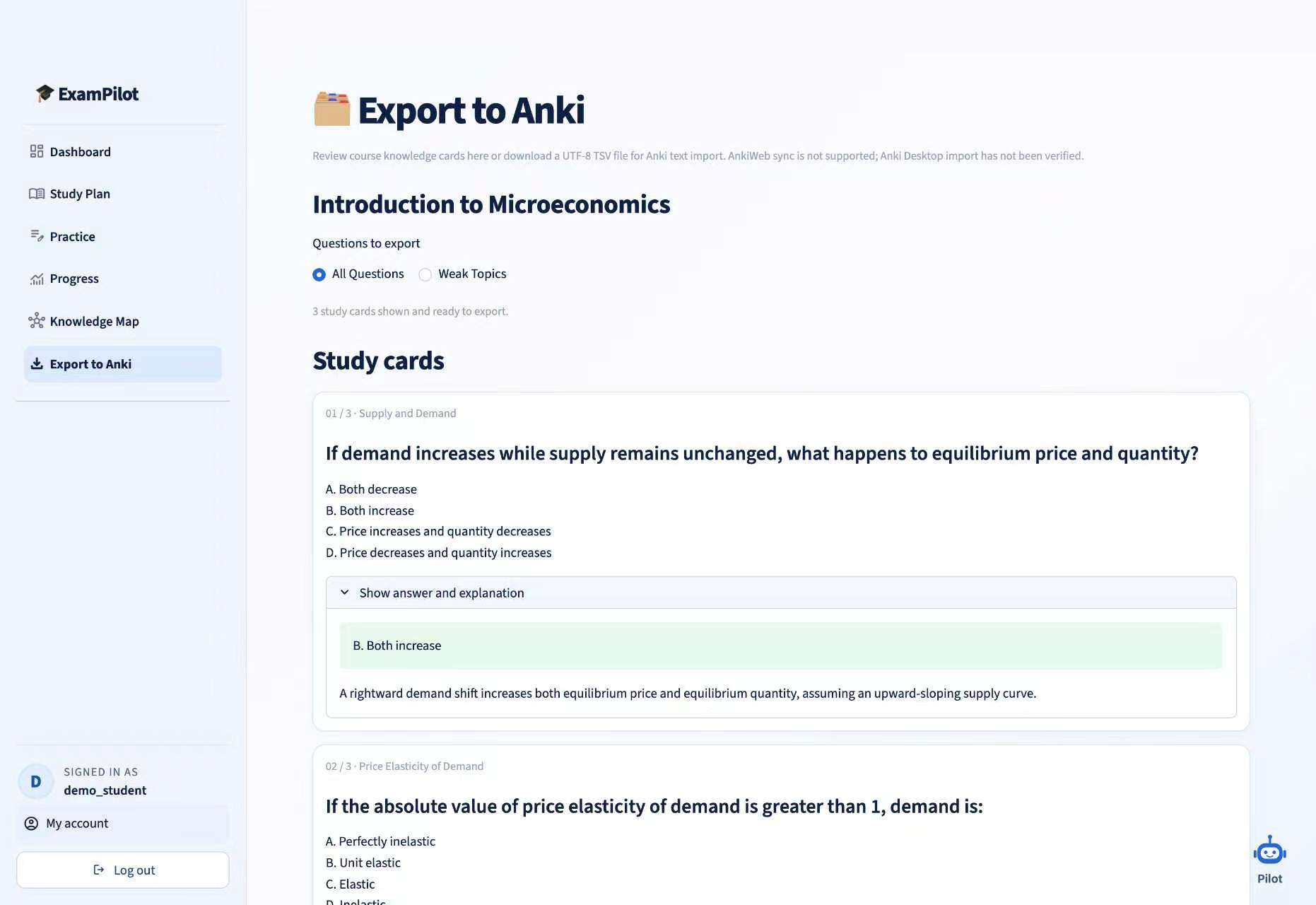
- Smart Flashcards: Supports active recall and concept reinforcement through flashcard-based studying.
Rather than treating studying as a collection of isolated tasks, ExamPilot aims to connect learning, practice, and review into one workflow.
How we built it
ExamPilot was developed collaboratively by a four-person team, with responsibilities divided across the major components of the application.
Frontend and User Experience
We designed an interface that brings different study tools together into a unified learning experience, making it easier for students to navigate between their materials and learning activities.
AI and Document Processing
We integrated Google's Gemini models into our AI tutoring workflow and developed document-processing functionality to support learning from uploaded study materials.
Practice Exams and Mastery
We worked on exam practice and mastery-related features to help students evaluate their understanding and identify opportunities for improvement.
Knowledge Graph and Integration
We developed an interactive knowledge graph to represent relationships between academic concepts and worked on integrating the application's different components.
Our team used a GitHub-based collaborative development workflow to coordinate changes, manage separate features, and bring the system together.
Challenges we ran into
One of our biggest challenges was integrating multiple interconnected features within a limited hackathon timeframe.
The AI tutor, document processing, practice exam system, flashcards, and knowledge graph each handle different types of information. Making these components work together required careful coordination of data structures, interfaces, and application state.
Another challenge was turning AI-generated academic information into a useful and understandable learning experience.
For example, a knowledge graph needs more than a collection of concepts. Relationships must be represented clearly so students can meaningfully navigate the material.
We also had to coordinate development across multiple contributors while maintaining compatibility between independently developed components.
Accomplishments that we're proud of
We're proud of bringing together multiple approaches to learning in a single student-focused application.
Instead of building only an AI chatbot or a flashcard generator, we explored how several learning tools could complement one another.
Our knowledge graph adds a visual dimension to studying, while AI-assisted explanations, practice exams, and flashcards support different ways of understanding and retaining information.
We're also proud of the collaboration required to develop and integrate a multi-component application during a hackathon.
What we learned
Throughout this project, we gained hands-on experience with:
- Integrating generative AI into an educational application
- Designing interactive knowledge graph visualizations
- Structuring data across different application components
- Building and connecting frontend and backend features
- Collaborative development using Git and GitHub
- Debugging and integrating independently developed features under time constraints
Most importantly, we learned that developing a useful AI product requires more than connecting a language model to an interface. It also requires thoughtful system design and attention to the actual problems users face.
What's next for ExamPilot
We envision ExamPilot evolving into a more intelligent, adaptive learning companion.
Future improvements could include:
- More personalized study recommendations based on mastery
- Stronger connections between the knowledge graph and practice questions
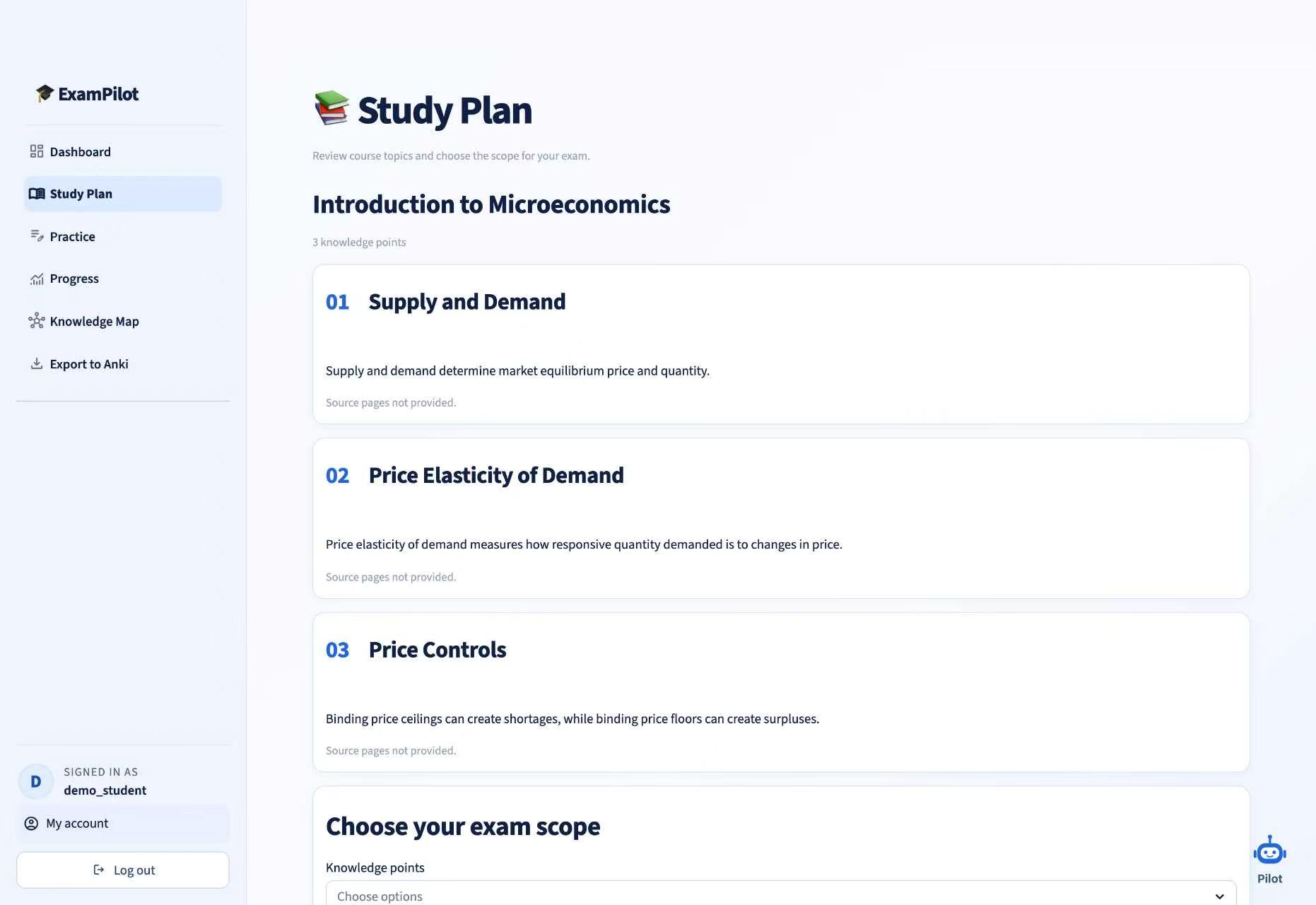
- Automated study plans tailored to upcoming exams
- Improved support for different document formats
- More detailed learning analytics and progress visualization
- Expanded support for students across different academic disciplines
Our long-term vision is simple: help students spend less time organizing their studying and more time actually learning.
Built With
- css
- git
- google-gemini
- html
- javascript
- python
- streamlit

Log in or sign up for Devpost to join the conversation.