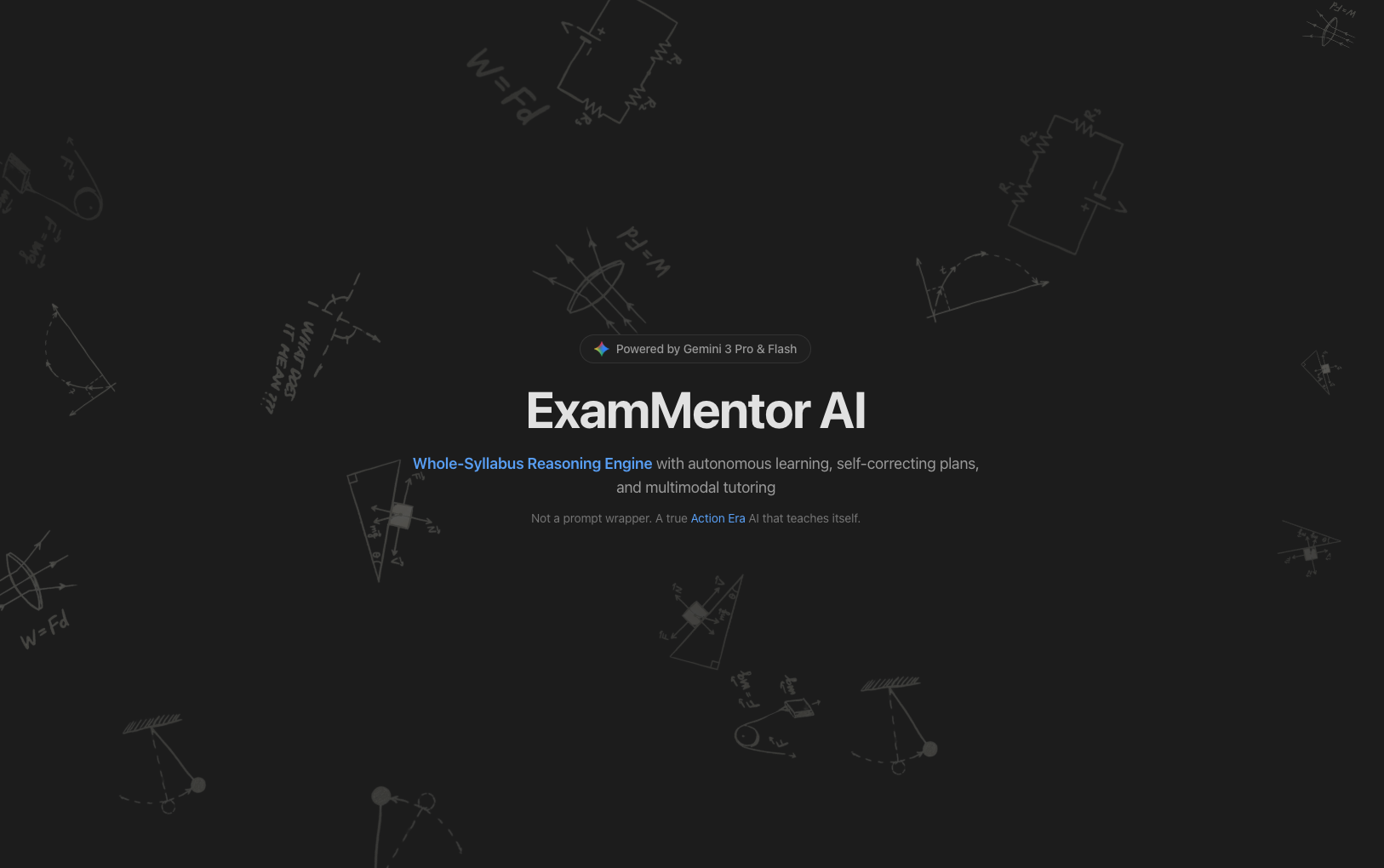
Inspiration: The Passive Learning Trap I realized that 90% of ed-tech is still just "digitized textbooks" or "passive chatbots." A student asks a question, gets an answer, and stops. That’s not how real learning happens. Real mastery requires a Marathon - a continuous loop of planning, learning, testing, and self-correcting when you fail.
I asked: Can I build an AI that doesn't just chat, but actually takes the wheel? An agent that plans your week, watches you struggle, and intervenes autonomously? That was the birth of ExamMentor AI.
What it does
ExamMentor AI is an autonomous Orchestrator for Learning, designed for the "Action Era" of Gemini 3. It replaces static study plans with dynamic, self-correcting agent loops.
- The Self-Correcting Planner: Instead of hallucinating a schedule, our Plan Agent drafts a curriculum, and a second Verifier Agent critiques it (e.g., "Day 3 is overloaded") before you ever see it.
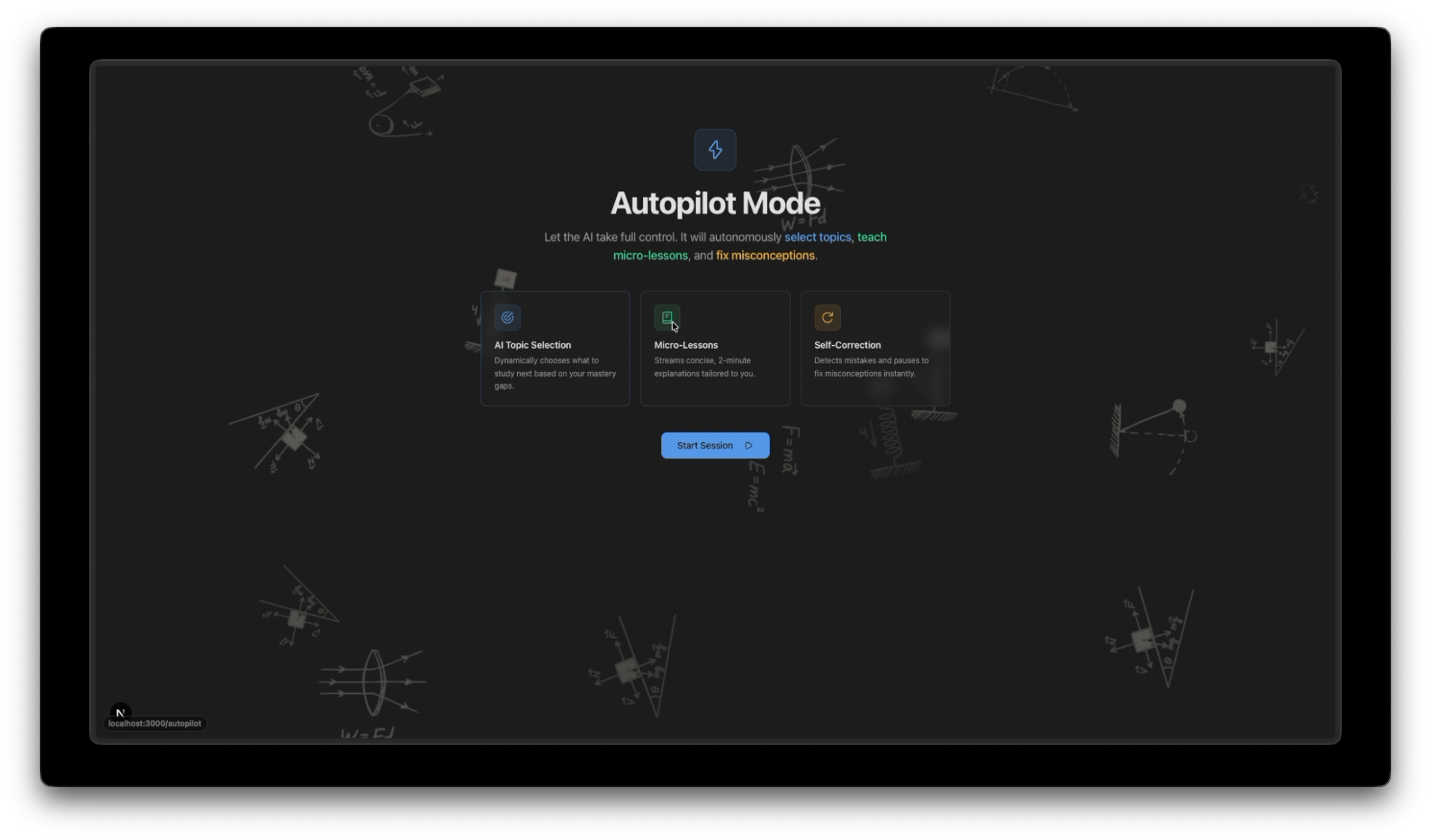
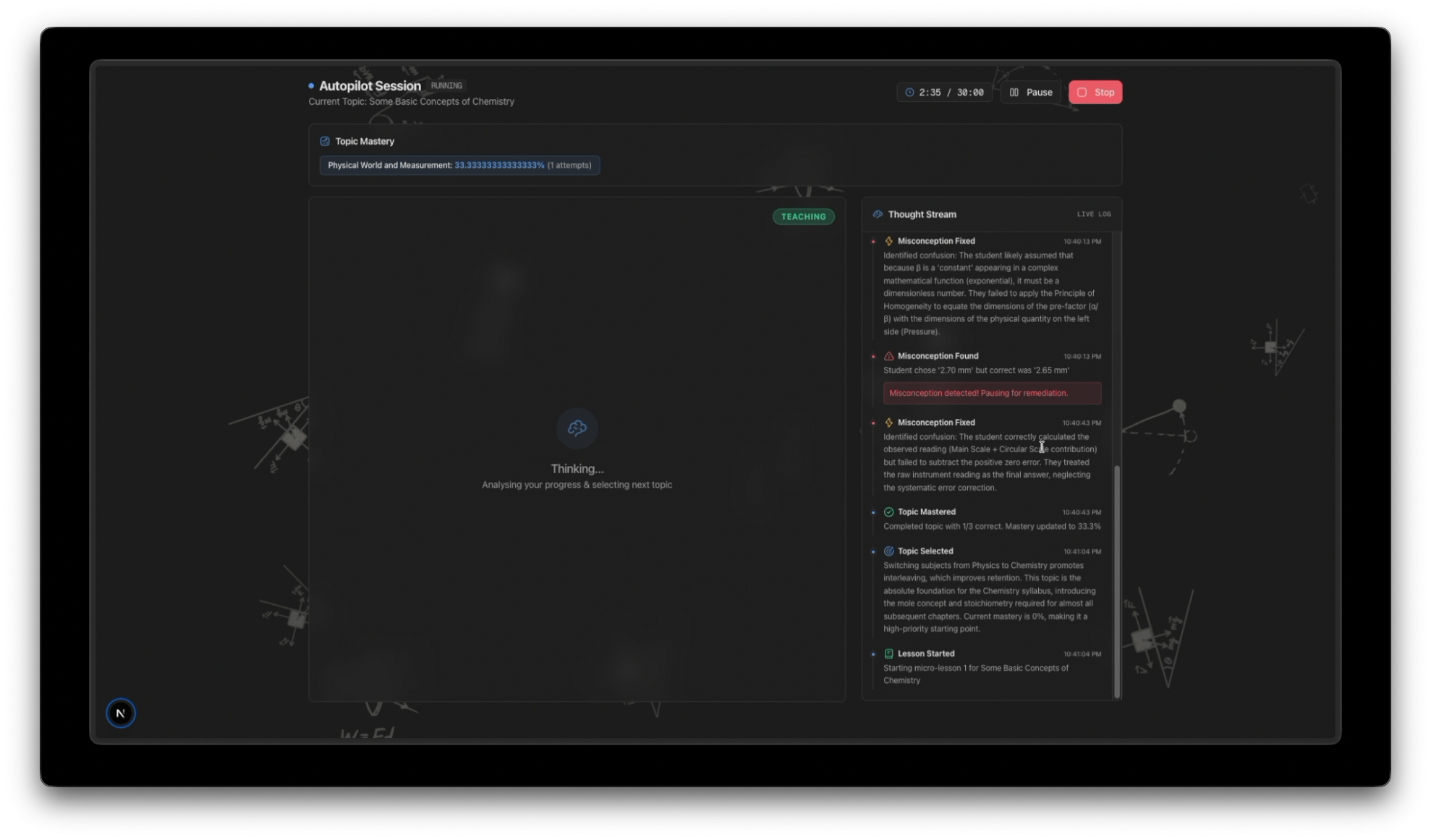
- Autopilot Mode (The Marathon Agent): You click "Start," and the AI drives. It picks the next weak topic, teaches a micro-lesson, quizzes you, and if you fail, it automatically triggers a remediation loop to fix your misconception. No clicks required.
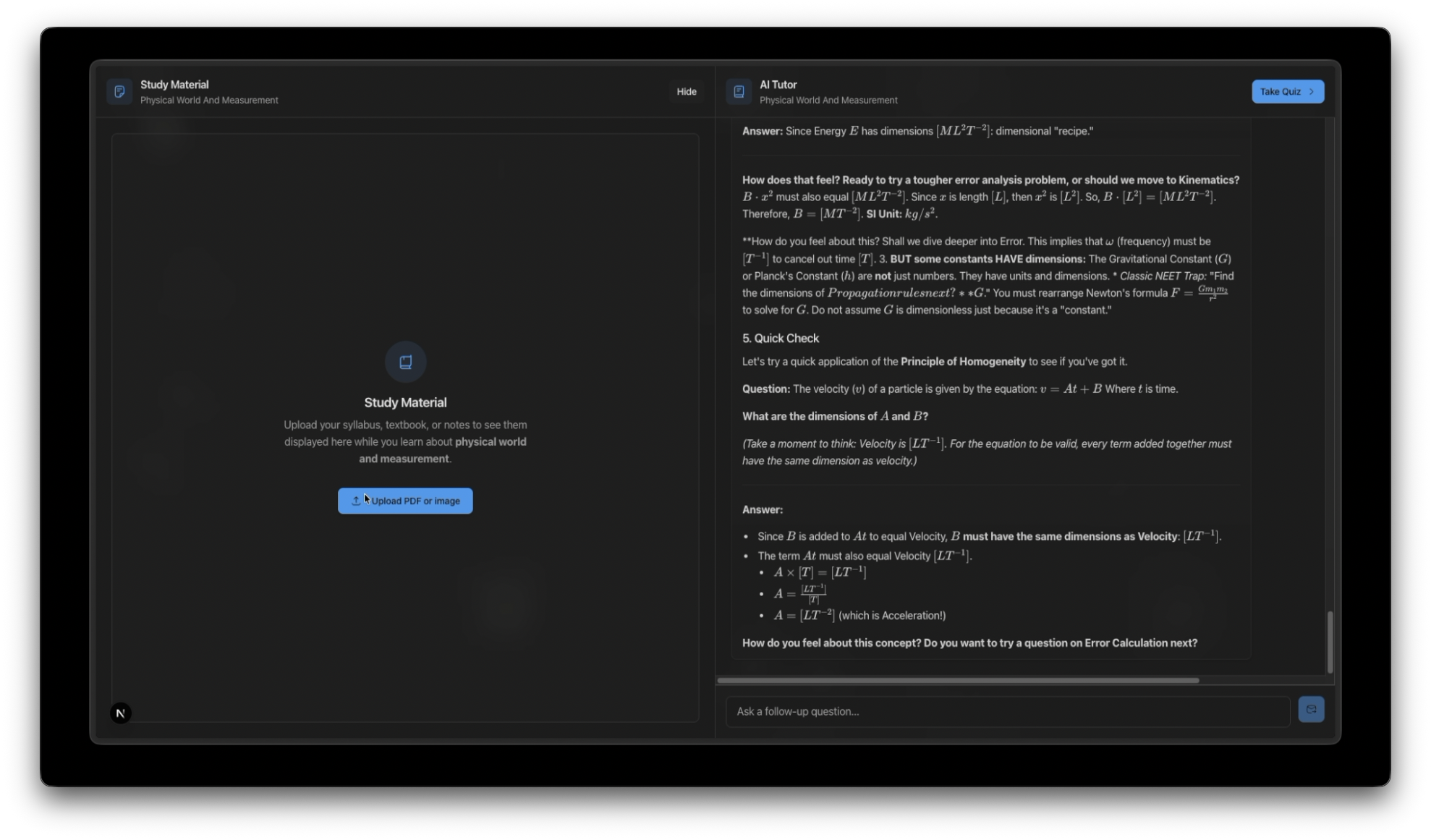
- Multimodal Visual Reasoning: It doesn't just OCR text. It "sees" your handwritten diagrams. If you upload a physics problem, it references specific visual elements (e.g., "The arrow in the top-left...") to ground its explanation.
- The Misconception Graph: It tracks why you failed (e.g., "Confused Velocity vs. Acceleration") and persists this data to prevent future errors.
How I built it (The Tech Stack)
I moved beyond simple RAG wrappers to build a true Multi-Agent System:
- Orchestrator (Python/FastAPI): A state machine manages the user's cognitive load and session state.
- Gemini 3 Pro (The Brain): Used for High-Level Thinking and Structured Outputs.
- Planner: Uses
thinking_level="high"to simulate student fatigue. - Tutor: Uses Multimodal capabilities to analyze user uploads.
- Planner: Uses
- Supabase (The Memory): Stores the "Misconception Graph" and verified study plans.
- Next.js 15 (The Interface): A streaming UI that visualizes the agent's "Thought Stream" in real-time.
Challenges I ran into
- The "Hallucinating Planner": Early versions of Gemini would schedule 25 hours of study in a single day.
- Fix: I implemented a Verifier Loop where Agent B audits Agent A's output against a strict "8-hour limit" rule before approving the plan.
- Autopilot Latency: Chaining 3 agents (Teach → Quiz → Grade) caused delays.
- Fix: I used Optimistic UI and pre-fetching in Next.js to make the Autopilot feel instant while Gemini thought in the background.
Accomplishments that I am proud of
- Building a Self-Correcting Loop that actually catches errors in real-time (visible in the demo!).
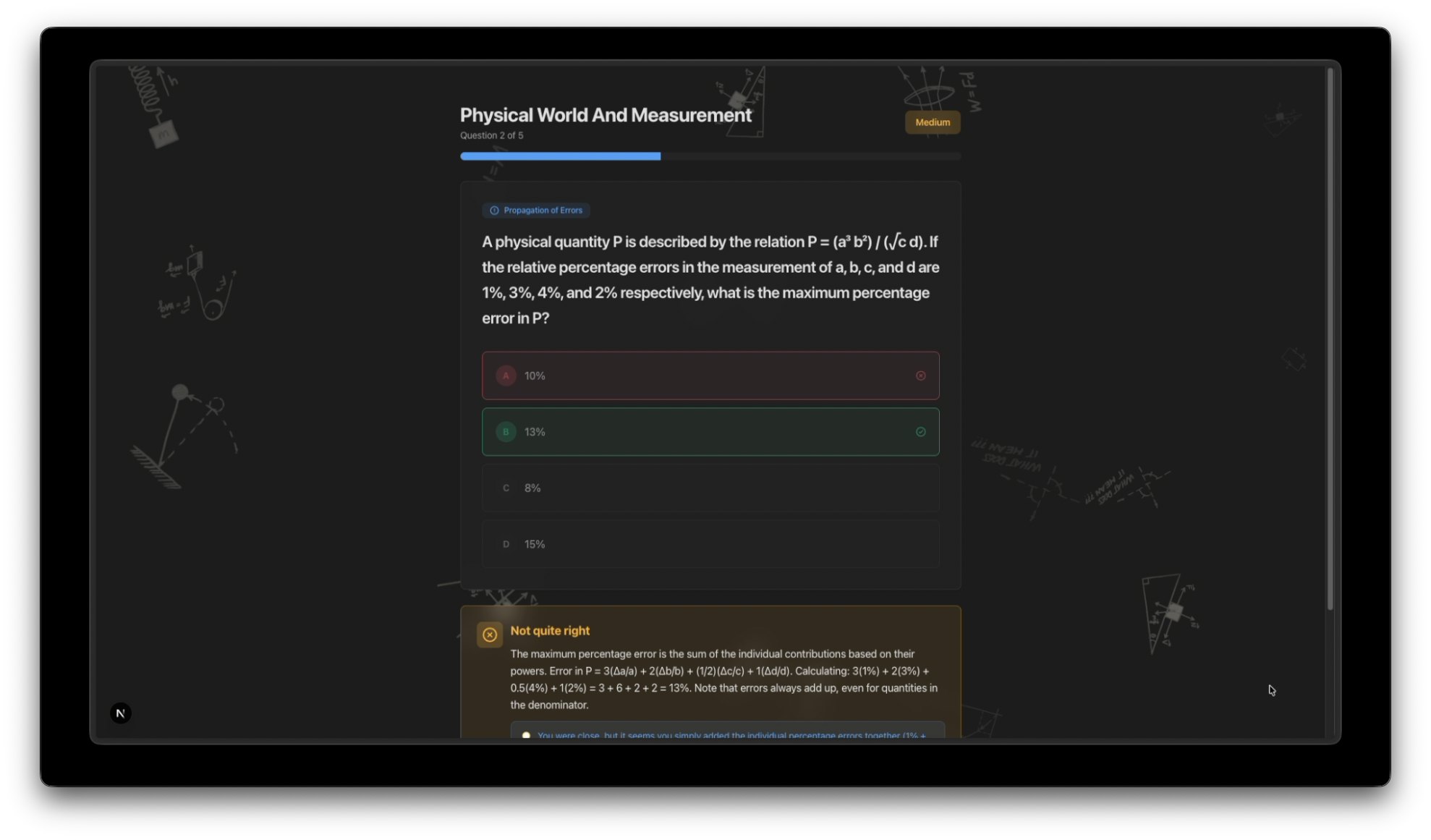
- Creating a Multimodal Quizzer that generates questions derived from the pixels of a user's upload.
- Moving from "Chat" to "Action"—the system runs autonomously for 30+ minute sessions.
What I learned
The "Action Era" isn't just a buzzword. Giving LLMs the power to critique themselves (Self-Correction) turns a 70% accurate toy into a 99% reliable product. We also learned that Structured Outputs are the backbone of any real agentic workflow.
What's next for ExamMentor AI
- Live Voice: Integrating Gemini Live for a "Voice-Only" Commuter Mode.
- Group Study Agents: An agent that mediates debates between two human students.
- Vibe Coding Integration: Allowing users to "code" their own study bots using natural language.
Built With
- fastapi
- gemini-3-pro
- google-ai-studio
- next.js
- python
- structured-outputs
- supabase
- tailwind
- typescript


Log in or sign up for Devpost to join the conversation.