Inspiration
Every Institute, whether big or small, has challenges to overcome and managing the information of Exams, Exam schedule, Students, Result, Examiner. Every Examination Management System has different Student needs, therefore this software is designed keeping in mind the exclusive management systems that are adapted to the managerial requirements. This is designed to assist in strategic planning, and will help to ensure that the Institute is equipped with the right level of information and details for the future goal. This system comes with a remote access feature, which will allow us to manage the workforce anytime or at all time.
The “Examination Management System” has been developed to override the problems prevailing in practicing manual system. This software supported to eliminate and in some cases reduce the hardships faced by the existing system. Moreover this system is designed for the particular need of the institute to carry out operations in a smooth and effective manner.
The application is reduced as much possible to avoid errors while entering the data. No formal knowledge is needed for the user to use this system. Thus by this all it proves it is user- friendly. Examination Management System, as described above, is reliable and fast management system. It can assist the user to concentrate on their other activities rather to concentrate on the record keeping. Thus it will help the Institute in better utilisation of resources.
What it does
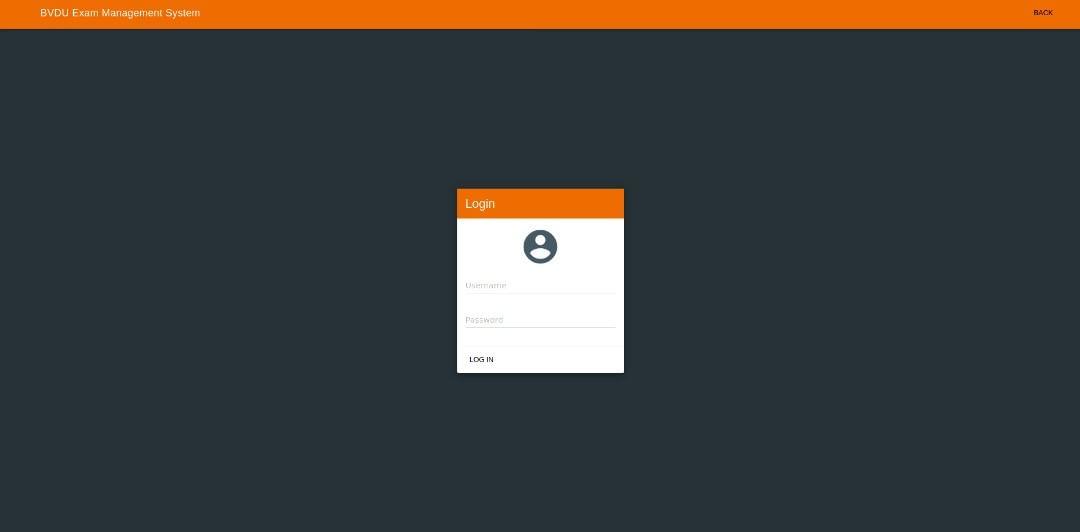
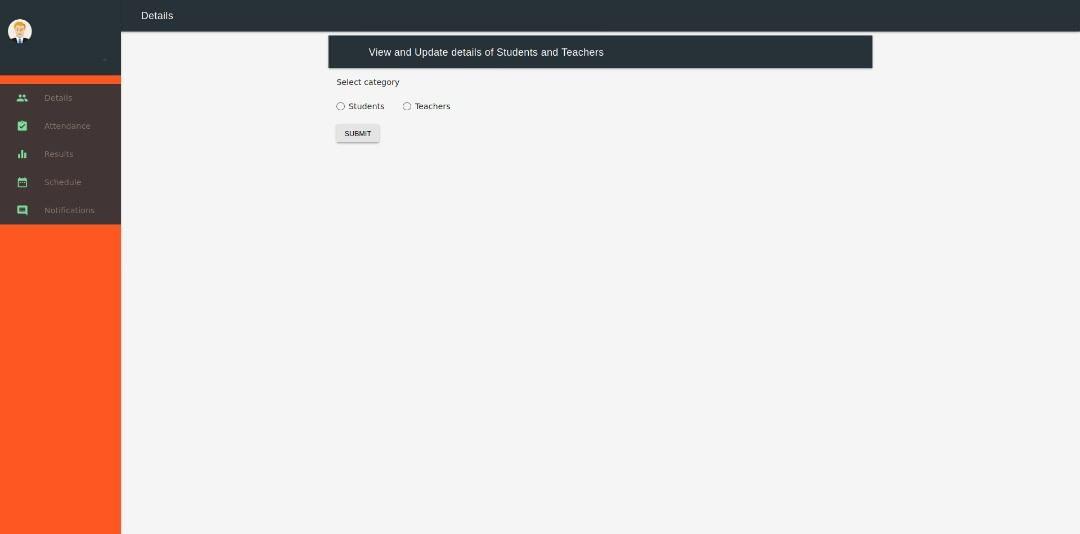
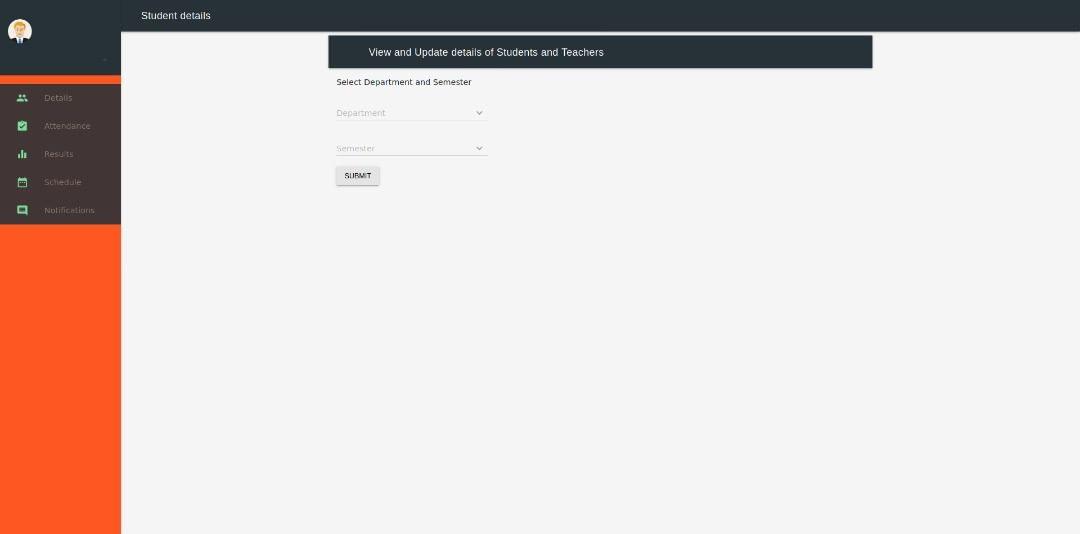
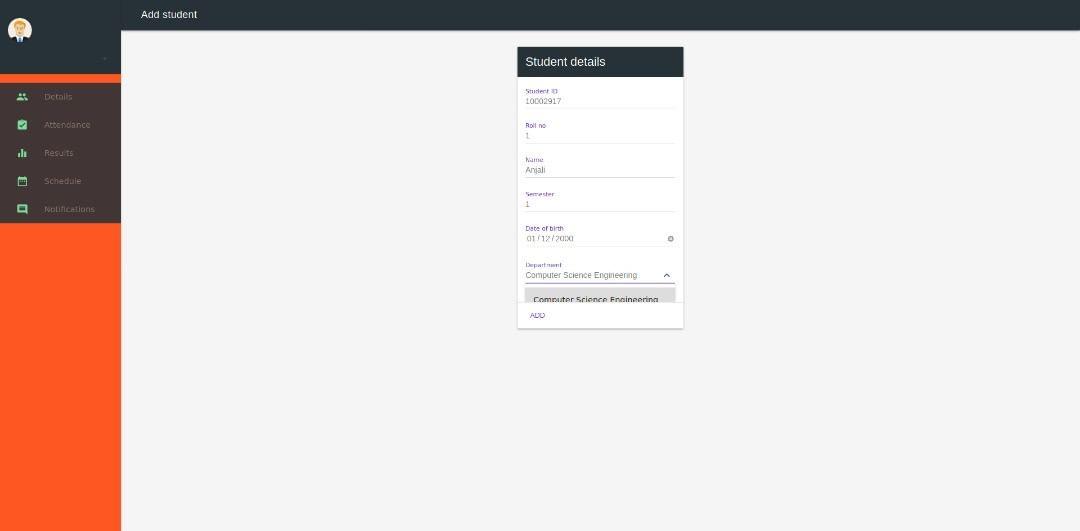
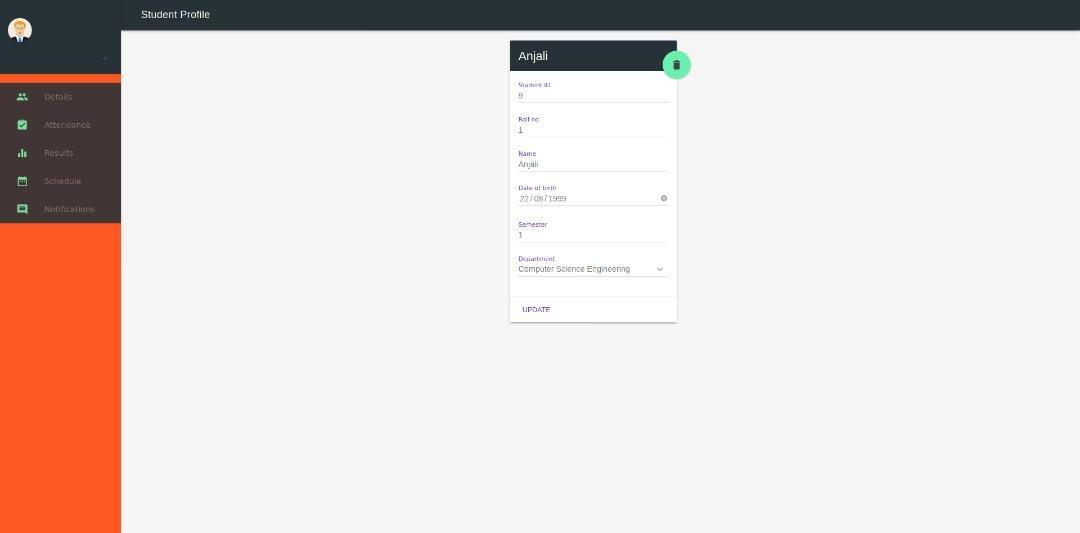
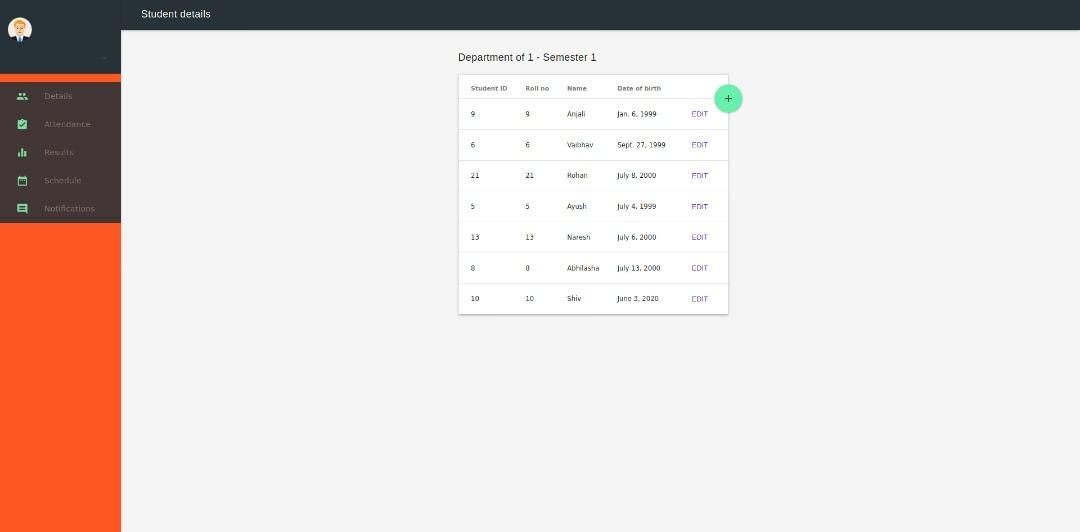
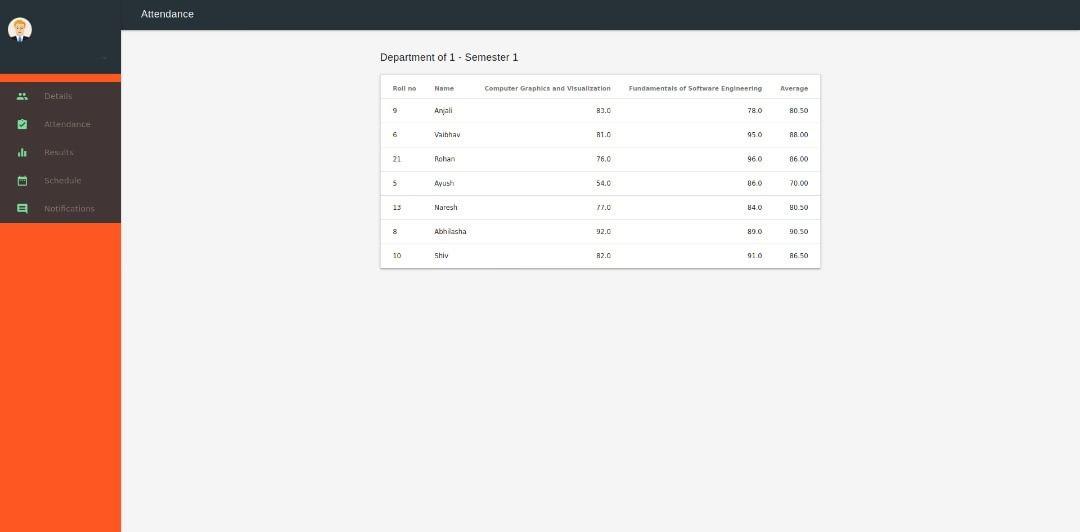
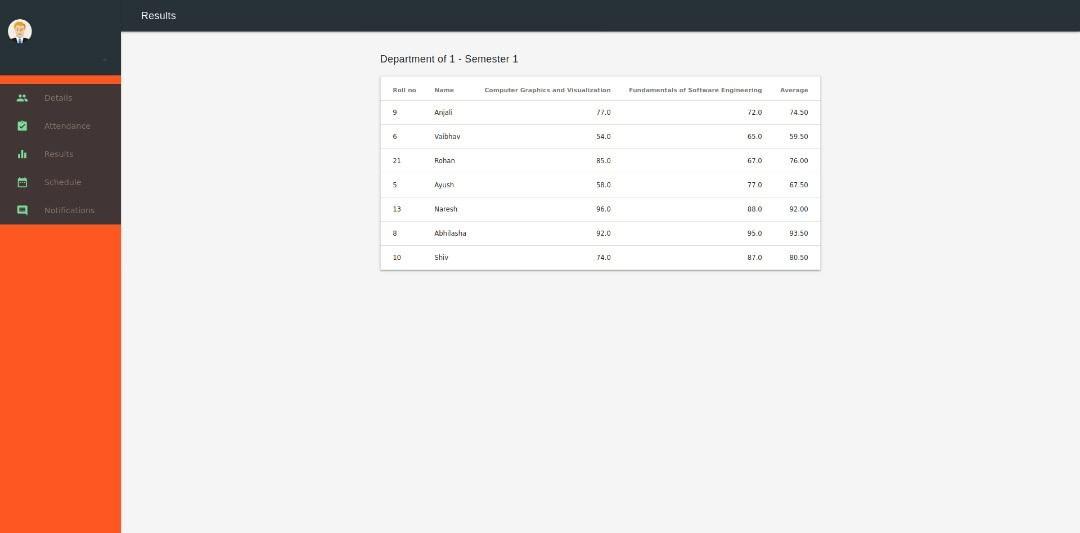
The main objective of this web portal on Examination Management System is to manage the details of the Students, Attendance, Exam, Papers, Results, Examiner. It manages all the information about Students, Attendance, Exam, Papers, Results, Examiner. The project is totally built at the administrative end and thus only the administrator is guaranteed the access. The purpose of the project is to build an application program to reduce the manual work for managing the Students, Attendance, Exam, Examiner, Papers. It tracks all the details. Examination Management System is very helpful to user and the administration as well. The aim of this project is to provide quick, immediate and easy way to have the exam details, records of students according to the different departments, their attendance record and the teacher’s record. The Examination Management System can create a database of the students including the attendance. Login module helps the user to login to the site. For that he/she must type the username and password correctly. The login provision in this page helps the already registered to a user to directly access the site and there is a link for registration to a user who is new to this site. Student Module is mainly for the students. For registration the student details such as Student Id, Roll no, Name, D.O.B., Department should be entered. This system provides the details, attendance, results, schedule, and notifications. The Teachers module is mainly for the administrator. The teachers module is for updating the attendance record of the students, posting the important information on to notification panel, updating the exam marks and further making the results.
How we built it
The website is an Exam Management Portal designed for BVDU. This web portal features some essential day to day tasks which can now be done using this portal online. The key features in this portal include: -Student Registration -Teacher Registration -Department Registration -Attendance of Students -Marks Allotment in Exams -Examination Schedule -Subjects Registration Design and Implementation of the portal The web portal is designed to be the complete portal for all necessary examination related activities.
- The portal is made using the Django Framework and is programmed in Python3.
- The architecture includes modular object representation and relations using models in Django Framework.
- Requests and responses to the corresponding requests are managed by the views section of the architecture.
- On an incoming request, -If the request is a POST, PUT, or a PATCH request, the data is saved to the database for further use. -In the case of a GET request, the user is provided with the necessary information by querying the database internally hereby mentioned as models in Django terminology.
- For providing the user with representational data, all the information queried is rendered on a nicely formatted HTML5 page using CSS and other dynamic functionalities is handled by Javascript. Database The following are the database tables used for storing the BVDU exam portal data: Department Table Teacher Table Student Table Student Section Subject Subject Section ClassAttendance Marks Schedule Available Features The first step is the login step. After login the admin can: o Add a Student to the portal. o Remove a Student from the portal o Add a Teacher to the portal. o Remove a Teacher from the portal o Register a subject for the upcoming semester o Register a Department o The teacher can grade the Students with Marks o The teacher can give attendance to the student o The admin can update and create the examination schedule.
Control Flow On receiving a request from the front end, the backend will: Identify the type of request made by the front end user. In case of a GET request o The backend will query the models for necessary and relevant information and then pass the data in the form of a python dictionary. o The received dictionary will be parsed into a string using Django template feature and then will be rendered on the HTML5 page with CSS styling. o The server sends a response code of 200 on success otherwise it will send the error message along with the error code, usually in case of a bad request. In case of a POST request o The backed will receive the POST data from the request. o Store the necessary information using SQL queries in the database. o Redirect the request to the next url if the request is valid and the store operation is successful. o The server sends a response code of 200 on success otherwise it will send the error message along with the error code, usually in case of a bad request.
Challenges we ran into
The BVDU examination portal is a one-stop portal for an institute to fulfill all its requirements and provide teachers with hassle-free experience of grading and marking students. The portal lacks, for now, the large scale usage architecture to fulfill the needs of thousands of requests at once and can be improved to scale up to these many requests if needed. Security Aspects
- The logged-in user is supplied with CSRF token in order to prevent Cross-Site Request Forgeries and other malicious forbidden activities whatsoever.
- For the user to make any POST request or retrieve any important information using a GET request, the user need to be logged in to the server.
- All the necessary operations which are to be performed on the administrator level can be only done by the administrator.
- All the necessary operations such as grading and attendance allotment can only be done by the teacher.
- The students are restricted to only seeing the exam schedule, marks, and attendance of themselves and not others.
- All these checks are made during the request handling part provided by the Django views.
What's next for Examination Management System
In a nutshell, it can summarize that the future scope of the project circles around maintaining information regarding: -We can give more advance software for Examination Management System including more facilities -We can add printer in future Integrate multiple load balancers to distribute the loads of the system -Create the master and slave database structure to reduce the overload of the database queries -Implement the backup mechanism for taking backup of codebase and database on regular basis on different servers The above mentioned points are the enhancements which can be done to increase the applicability and the usage of this project. Here we can maintain the records of the Students, their Exams, attendance and the teachers. All the options are open so that if any other future requirement in the system by the user for the enhancement of the system. It is possible to implement them.
Built With
- django
- framework
- postgresql

Log in or sign up for Devpost to join the conversation.