🧓👴Inspiration
During the covid lockdown, my grandma was forced to be at home and she couldn't go on her morning walks anymore. When I looked for fitness apps for old people, I couldn't find anything that keeps old people's issues in mind but also gives fitness plans for them so they can feel good and keep their health in check. My great-grandma who was pretty old, got diabetes in her last few years which made her last days even more unbearable. This wouldn't happen if she kept her diet in check and someone warned her that she was at risk for it. Lifestyle is important for people of all ages. Life becomes easier, the more healthy and happy you are. The more you exercise and eat well, the more you feel good about yourself. Looking at these situations, I was inspired to use my tech background and brain to build an ML-based lifestyle app for seniors.
🥦🏋️What it does
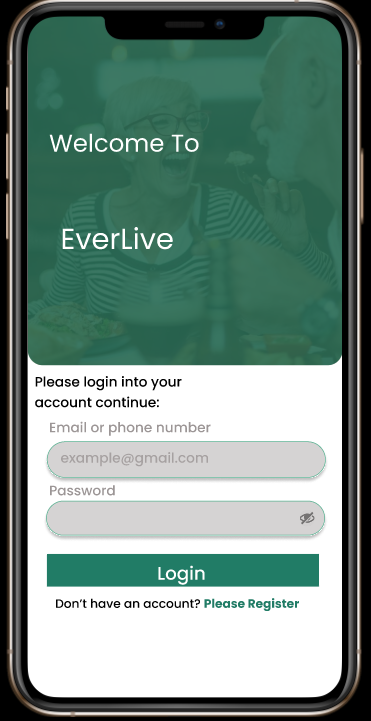
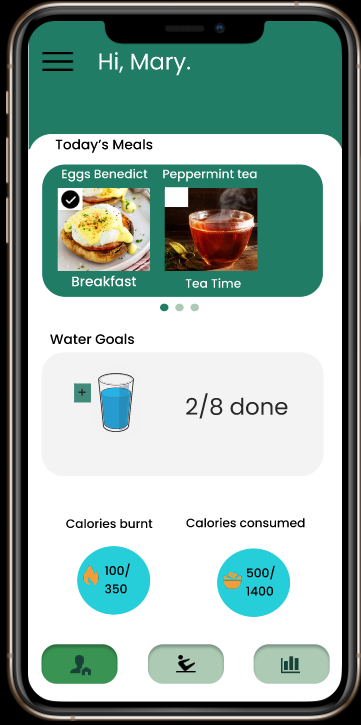
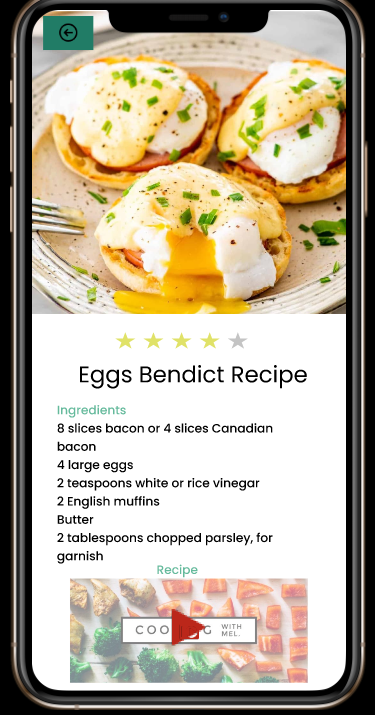
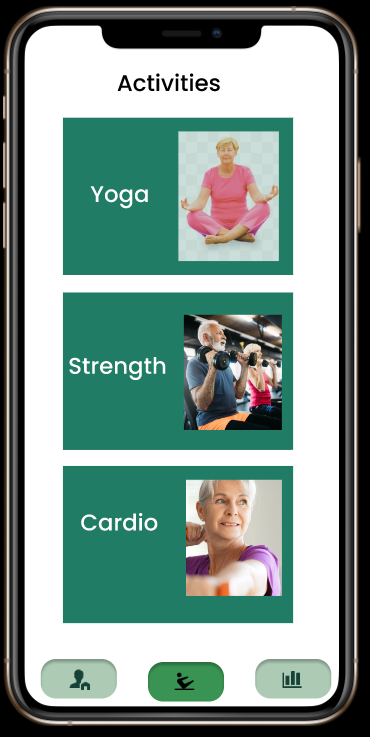
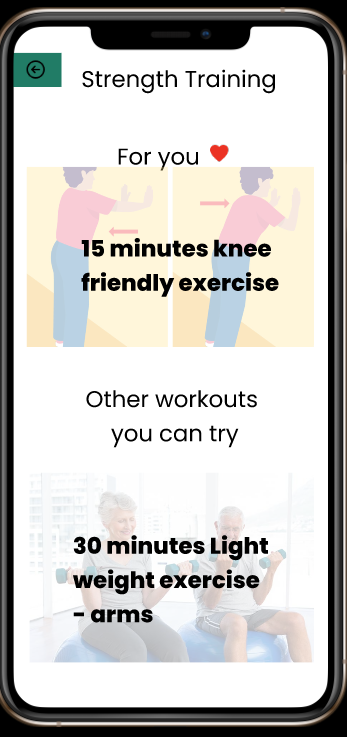
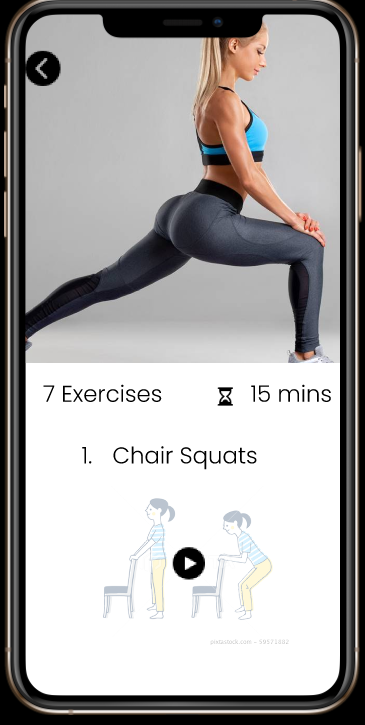
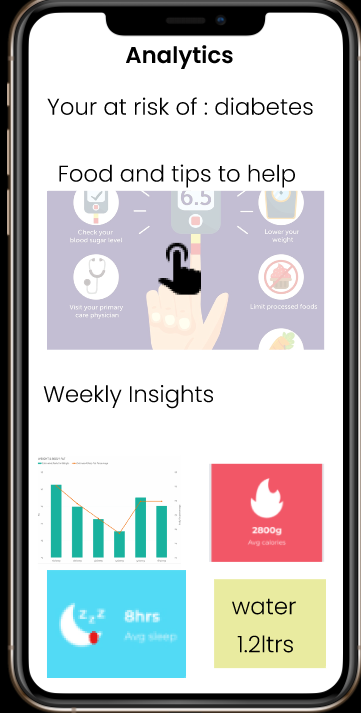
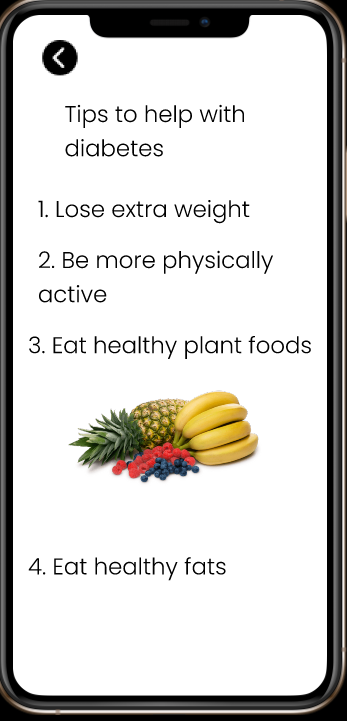
The app is made for seniors. It has a simple interface so they can use it. It has diet and fitness plans. You can get a weekly analytics report which shows how active and healthy you've been this week. You can compare how your health is improving after using the app. It uses machine learning to determine if you're at risk for any diseases and it recommends foods you can eat to help prevent it. The data you entered is used to give you an appropriate diet plan and exercises as well. For example, if you have back pain, it gives you exercises that take care of it. It also has recipes, a calorie tracker, and a water monitoring system.
💻🖥️How we built it
On the front-end, I used Figma to layout my entire design and then used bravo to make it functional. On the backend, the app uses machine learning to use the user's data such as age, the number of pregnancies, previous family history, and so on, to predict the diseases that a user might be susceptible to. Now based on this, the app gives diet solutions to help prevent them to an extent. It also uses injuries and health conditions data to give you exercise routines.
Diabetes Prediction
It uses a random forest classifier to classify data and make predictions. Columns: Pregnancies, Glucose, blood pressure, skin thickness, Insulin, BMI, DiabetesPedigreeFunction, Age, Outcome.
Heart Disease prediction This notebook uses a random forest classifier, logistic regression, and KNeighborsClassifier to make predictions if a person is susceptible to heart disease. Features: age - age in years sex - (1 = male; 0 = female) cp - chest pain type 0: Typical angina: chest pain related to decreasing blood supply to the heart 1: Atypical angina: chest pain not related to heart 2: Non-anginal pain: typically esophageal spasms (nonheart related) 3: Asymptomatic: chest pain not showing signs of disease trestbps - resting blood pressure (in mm Hg on admission to the hospital): anything above 130-140 is typically cause for concern chol - serum cholesterol in mg/dl serum = LDL + HDL + .2 * triglycerides above 200 is cause for concern fbs - (fasting blood sugar > 120 mg/dl) (1 = true; 0 = false) '>126' mg/dL signals diabetes restecgresting electrocardiographic results 0: Nothing to note 1: ST-T Wave abnormality can range from mild symptoms to severe problems signals non-normal heartbeat 2: Possible or definite left ventricular hypertrophy Enlarged heart's main pumping chamber thalach - maximum heart rate achieved exang - exercise-induced angina (1 = yes; 0 = no) oldpeak - ST depression induced by exercise relative to rest looks at the stress of heart during exercise unhealthy heart will stress more slope - the slope of the peak exercise ST segment 0: Upsloping: better heart rate with exercise (uncommon) 1: Flatsloping: minimal change (typical healthy heart) 2: Downslopins: signs of an unhealthy heart ca - number of major vessels (0-3) colored by fluoroscopy colored vessel means the doctor can see the blood passing through the more blood movement the better (no clots) thal - thalium stress result 1,3: normal 6: fixed defect (used to be a defect but ok now) 7: reversible defect (no proper blood movement when exercising) target - have disease or not (1=yes, 0=no) (=the predicted attribute)
Cervical Cancer Prediction
It uses the cervical cancer kaggle dataset. It uses data like your smoking history and applies machine learning algorithms such as logistic regression to predict if a person might be at risk of cervical cancer.
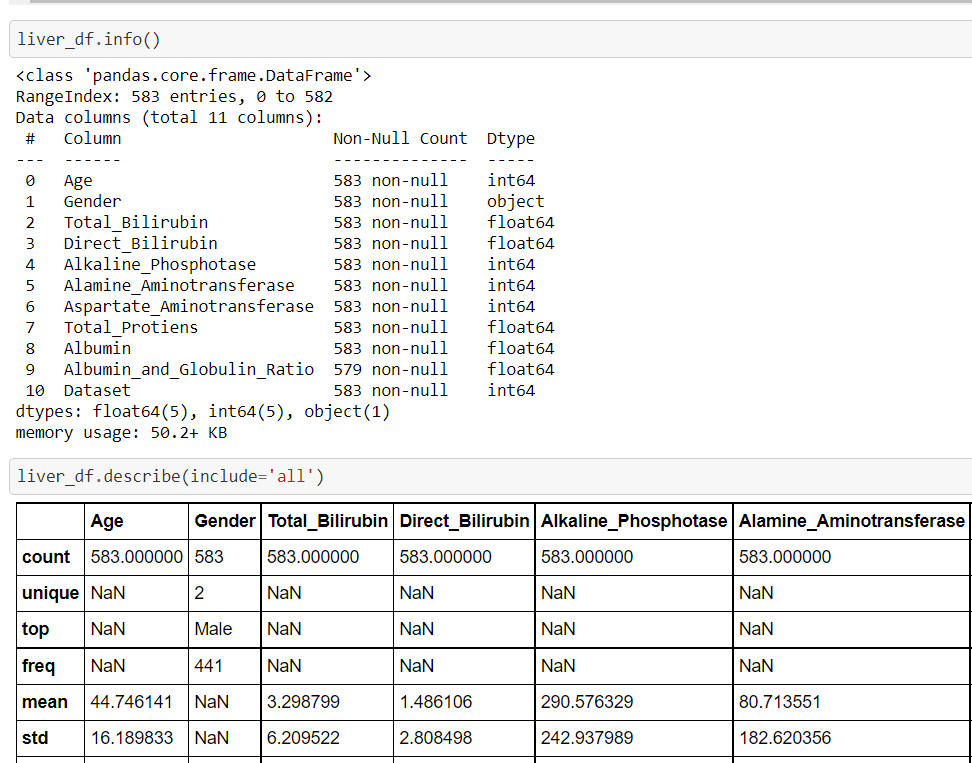
Liver Disease Prediction This data set contains 416 liver patient records and 167 nonliver patient records collected from North East of Andhra Pradesh, India. The "Dataset" column is a class label used to divide groups into liver patients (liver disease) or not (no disease). This data set contains 441 male patient records and 142 female patient records.
Any patient whose age exceeded 89 is listed as being of age "90".
Features: Age of the patient Gender of the patient Total Bilirubin Direct Bilirubin Alkaline Phosphatase Alamine Aminotransferase Aspartate Aminotransferase Total Proteins Albumin Albumin and Globulin Ratio Dataset: field used to split the data into two sets (patient with liver disease, or no disease).
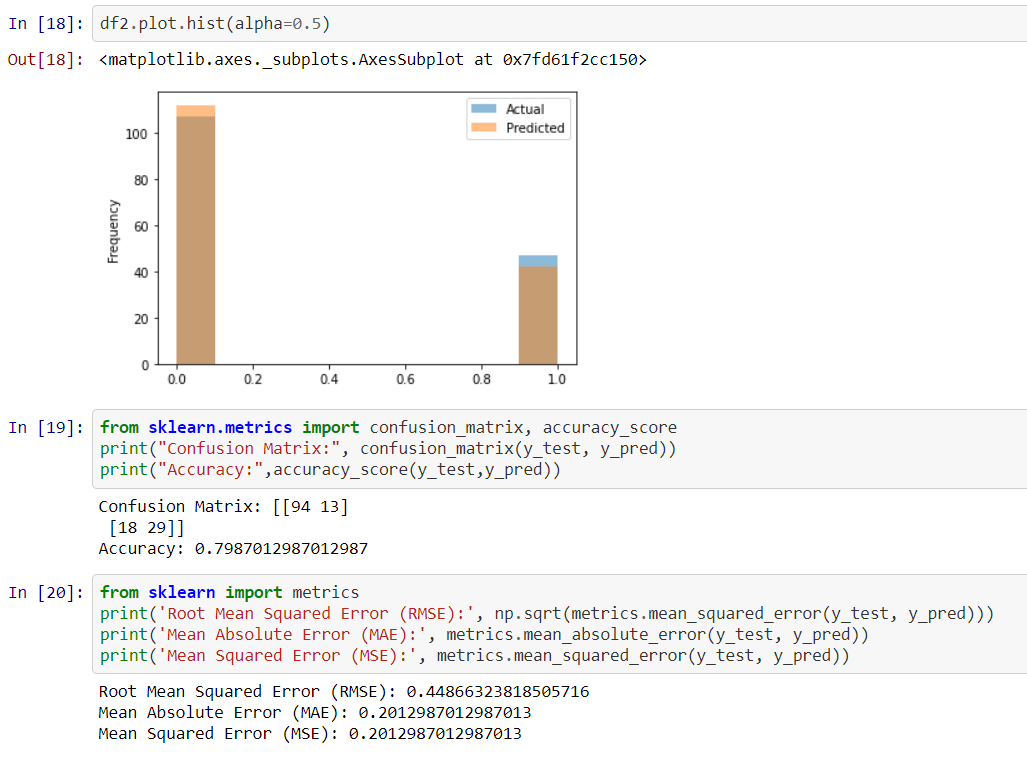
It uses different Ml algorithms(Like KNN, SVC, etc.) to predict if a person is at risk of liver disease.
🚵♂️🧗Challenges we ran into
The challenges I ran into are:
- Some of the datasets were not clean to use so cleaning them and visualizing them was hard.
- Training four machine learning models while also designing the app was really hard to do in 30 hours. I am new to UI/UX design.
- Increasing the accuracy of the model.
- Motivating myself to complete the project since I worked by myself.
🏁Accomplishments that we're proud of
I am really proud of participating in the hackathon alone and actually submitting a project that I think is very cool and different from the kind of projects I usually do. I am happy that I built something that my grandma would love to use. I am proud of trying new machine learning algorithms on different kinds of the dataset and getting them to run smoothly. I spent hours getting many details on the app design, I am proud of that as well.
🤍🤎What we learned
- Disease Prediction Using Machine Learning and its very interesting use cases.
- Analytics and algorithms behind fitness apps.
- UI/UX design.
- Everything about Figma and how it can be made functional with bravo (need to explore more about that).
⏭️What's next for EverLive
The main thing is to build an actual fully functioning app using MERN or PERN stack. Get feedback from older people on features they would love to see in an app like this. Add more ML models to predict other diseases as well. Try to increase the accuracy of the current models.
Built With
- bravo
- figma
- googlecolab
- machine-learning
- python


Log in or sign up for Devpost to join the conversation.