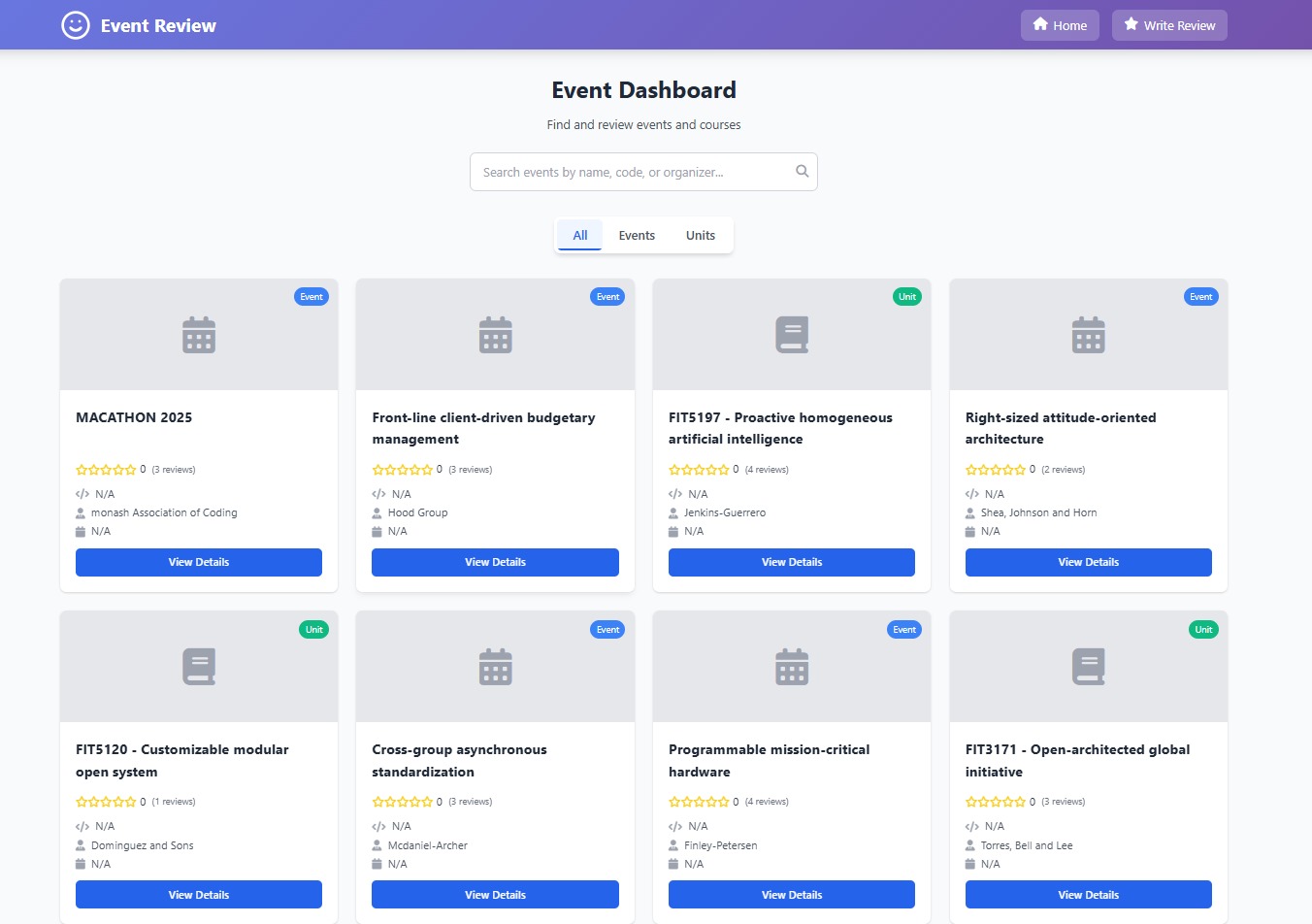
MoodPulse Inspiration At Monash University, we noticed a concerning trend: many students feel disconnected from the broader university community and uncertain if their voices matter. Traditional feedback systems often fail to capture authentic, real-time emotional responses to courses and events. Students frequently hesitate to provide honest feedback due to identification concerns, creating a communication gap that prevents the university from understanding genuine student sentiment. This disconnect leads to disengagement and missed opportunities to enhance the educational experience in a timely manner. What it does MoodPulse is an anonymous platform that empowers students to express their feelings about university courses and events through emoji reactions. The platform generates visual analytics that help faculty understand student sentiment while fostering a sense of community belonging among students. By providing a safe space for emotional expression, students can react to courses and events using intuitive emoji selections that represent their feelings. These collective emotional responses are transformed into statistical visualizations accessible to both students and faculty. Students gain a sense of belonging by seeing the aggregate mood of their peers, while faculty receive valuable insights into student sentiment without compromising individual privacy. How we built it We developed MoodPulse as a responsive web application with:
Frontend: Vanilla JavaScript for lightweight, fast-loading interfaces with full control over the user experience Backend: Node.js with Express for efficient server-side operations Data visualization: Custom statistical charts and graphs using native JavaScript and HTML5 Canvas Database: MongoDB for storing emotional data with careful attention to anonymity Authentication: University credentials for access, but with complete separation from mood submissions Development methodology: Agile approach with regular user testing involving diverse student groups
Our architecture ensures complete anonymity through specialized data separation techniques that prevent any connection between user accounts and their emotional responses. Challenges we ran into
Balancing data collection with anonymity: Creating a system that provides meaningful insights while ensuring absolute user anonymity required innovative data separation techniques. Emotional data visualization: Developing visualizations that accurately represent complex emotional data without oversimplification demanded multiple iterations and careful design considerations. Promoting constructive feedback: We needed to encourage honest expression without creating a negative feedback loop, which we addressed through thoughtful UI design that emphasizes constructive emotional sharing.
Accomplishments that we're proud of
Creating a platform that successfully balances meaningful data collection with complete user anonymity Developing intuitive visualizations that effectively represent emotional data in ways that are easily understood by both students and faculty Building a system that encourages honest feedback while maintaining a constructive atmosphere Implementing a lightweight architecture that ensures fast load times and accessibility across devices Successfully conducting user testing with diverse student groups to refine the interface and visualization components
What we learned
The critical importance of anonymity in encouraging honest feedback Techniques for separating user authentication from data collection to ensure privacy Strategies for visualizing emotional data in meaningful, accessible ways The value of regular user testing in refining interface design and user experience How to balance technical efficiency with user-centered design principles
What's next for MoodPulse
Expanding emotion categories with more nuanced emoji selections Developing trend analysis features to track sentiment changes over time Creating customizable dashboards for faculty to better understand specific aspects of student feedback Implementing optional anonymous text comments to provide context for emotional reactions Exploring integration with university learning management systems for seamless access Developing mobile applications to complement the web platform Conducting longitudinal studies to measure the impact on student engagement and educational outcomes

Log in or sign up for Devpost to join the conversation.