Inspiration
Our inspiration was to create a product that we would use ourselves. We love Escape Rooms, we play a lot of Dungeons&Dragons where puzzles are an integral part of the adventure and we of course love books with great stories, we wanted to transfer this experience to a mobile app, so that everyone could have fun regardless of where they are.
What it does
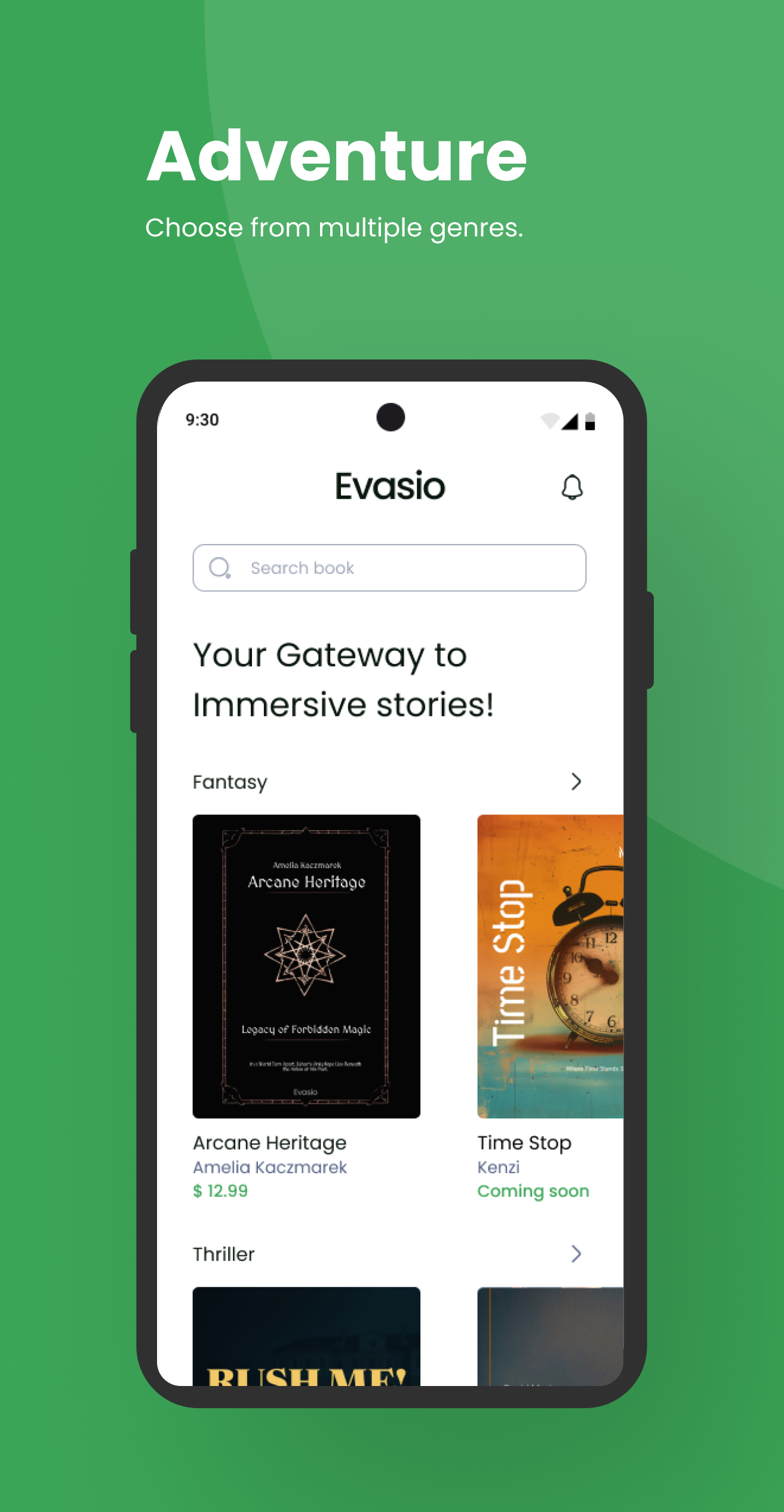
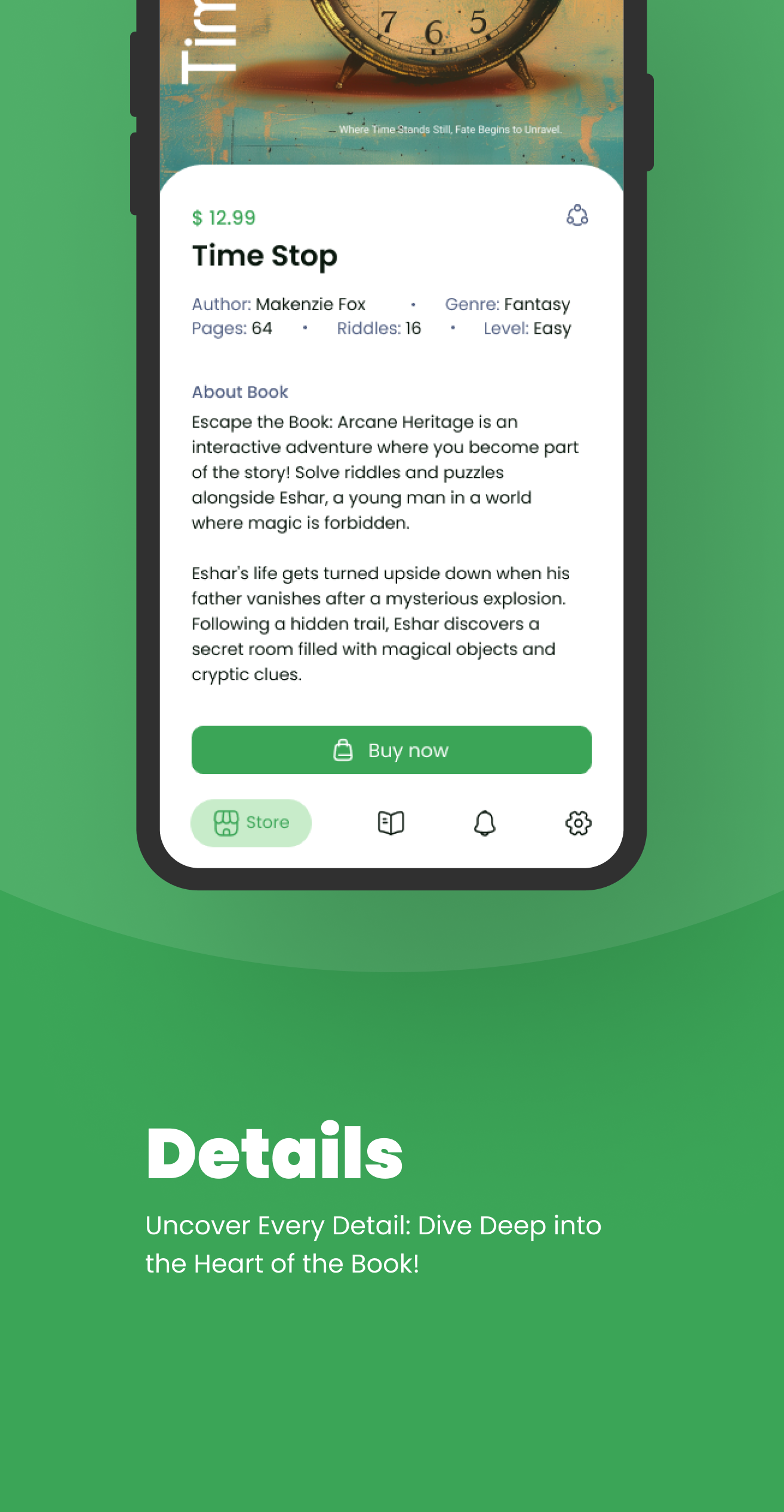
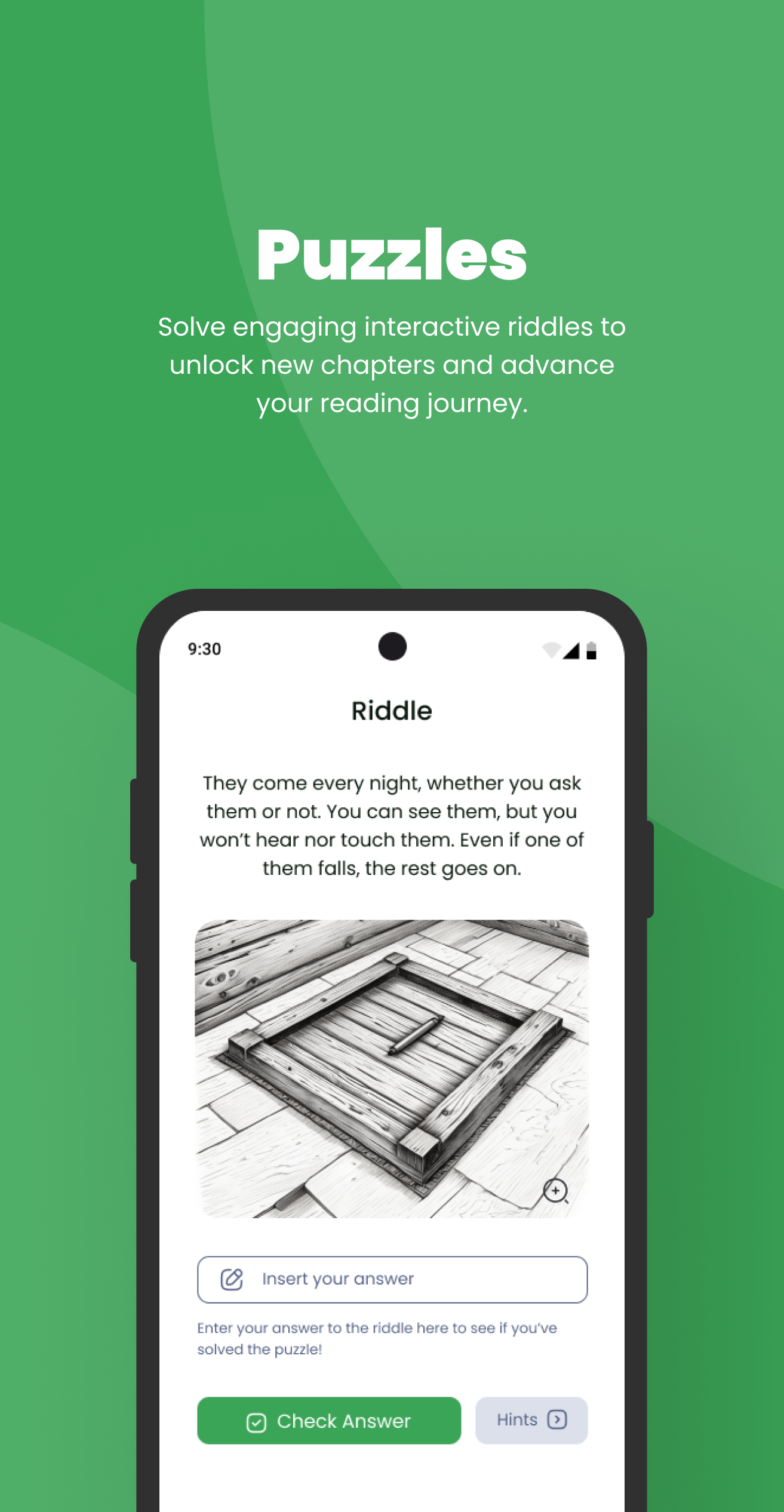
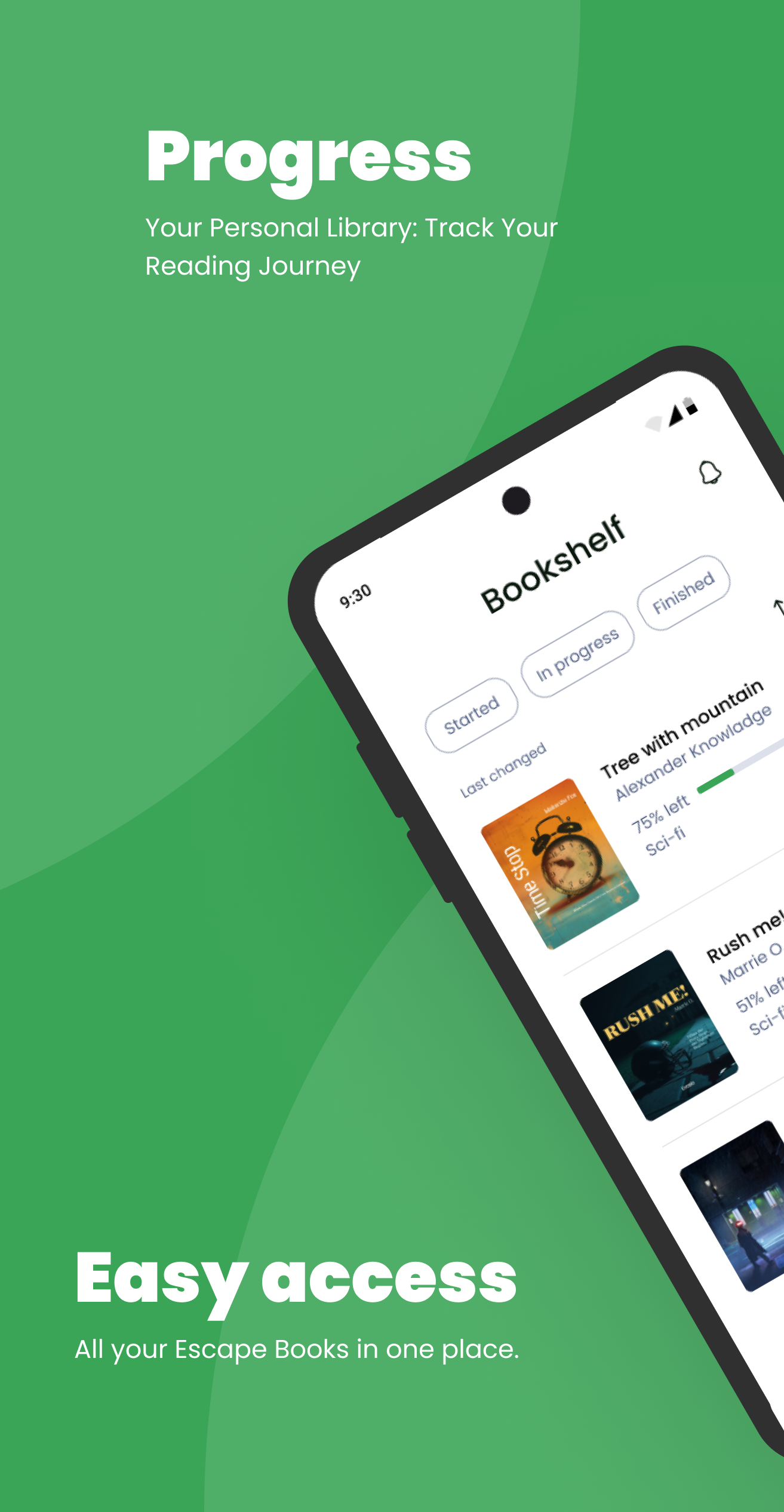
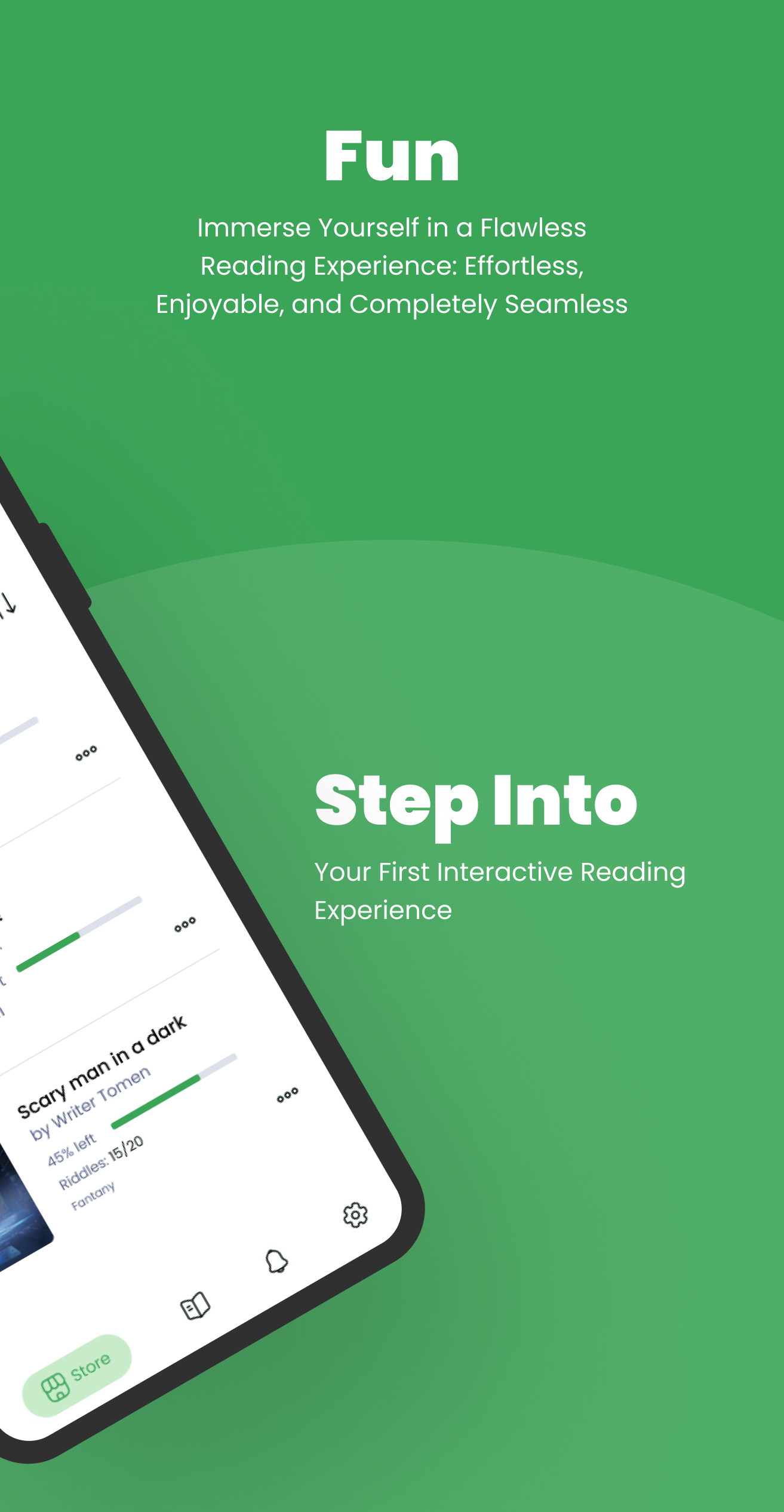
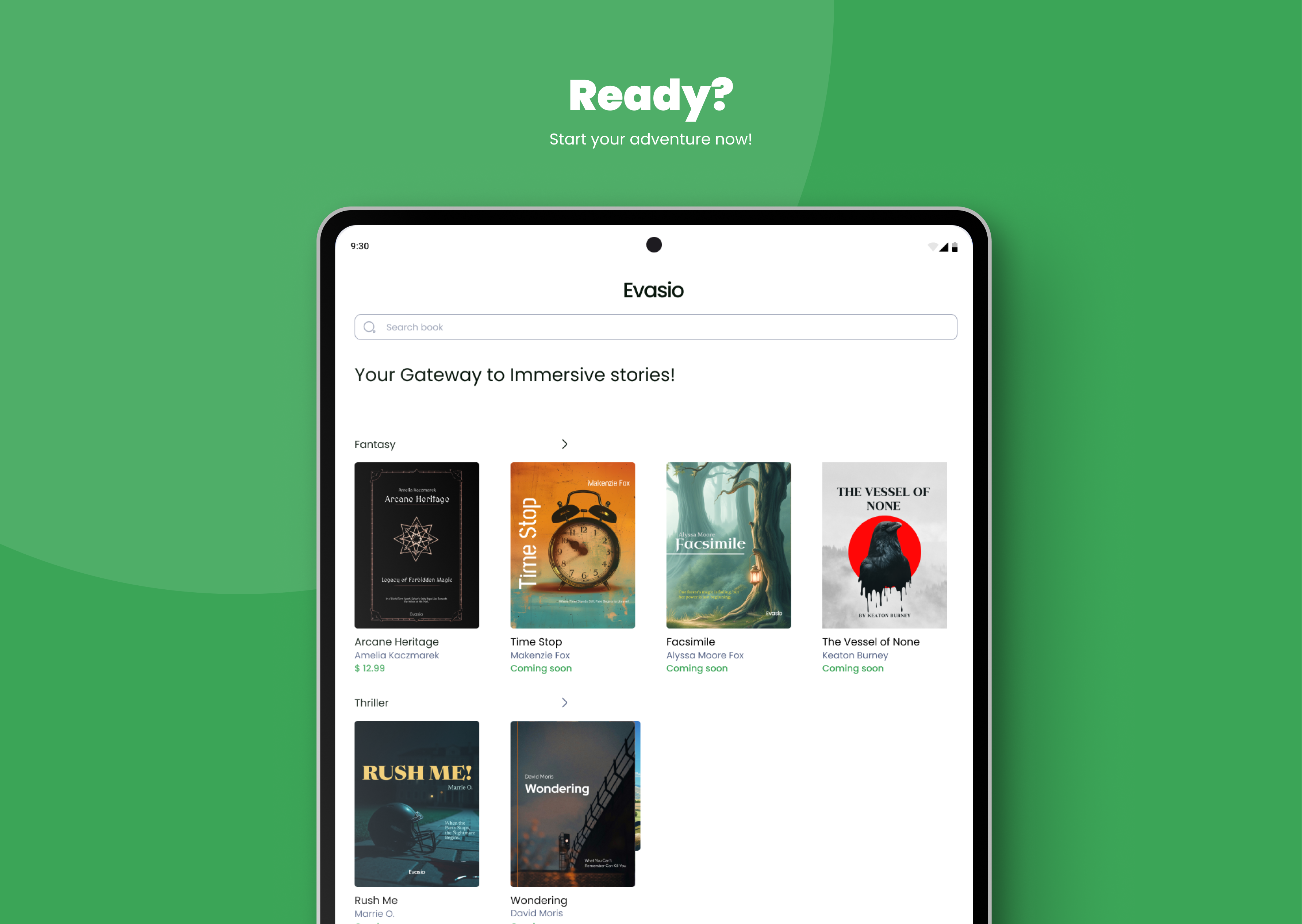
Evasio redefines storytelling by combining immersive reading with engaging riddles in one beautifully designed app. Our unique Escape Books allow readers to dive deeper into the narrative by solving puzzles alongside the characters, making the adventure truly interactive. With a dozen amazing stories and a seamless reading experience, Evasio is the go-to platform for those who love both books and escape rooms experience. Evasio is where stories come alive, and readers become part of the journey.
How we built it
Flutter and Dart helped us build the app's core, while Firebase managed the backend. Figma helped design the user interface. We collaborated using Github, Discord, and Signal. We started working with 6 independent writers who are already in the process of writing books, each book will have about 15-20 puzzles and 20,000 words. Together, these tools and people helped us create Evasio, a brand that we hope will change the face of reading books.
Challenges we ran into
Lack of Expertise in Art for Riddles: We struggled to create the specific graphics we needed, so we turned to AI for help. Our backend developer spent countless hours refining prompts and perfecting the process of generating images to meet our requirements.
Calculating Text Fit on Different Screens: Accurately determining how much text would fit on various devices proved challenging. We had to rely on methods like MediaQuery.of(context) to obtain screen dimensions and system text scaling factors, which needed to be passed through multiple layers of our architecture. This added complexity made writing initial tests difficult.
Not Knowing Where to Begin: As developers, we were unprepared for the sheer number of challenges ahead. Every day brought a new issue we hadn’t anticipated—whether it was drafting contracts with writers that satisfied both parties, determining the best format to send riddles so writers could easily work with them, or figuring out how to assess our product's market viability. Each day presented a new hurdle to overcome.
Accomplishments that we're proud of
RevenueCat Integration: Initially, We were concerned that integrating with RevenueCat would be a time-consuming process. However, thanks to their excellent documentation and user-friendly integration, we managed to complete in-app purchases in just one day.
Designs: Although we didn't have much experience in designing app interfaces—our "designer" is actually a backend developer—we still managed to create a beautiful and thoughtfully crafted application that we're really proud of.
#BuildInPublic: Through our daily efforts to build a community, we've developed a strong sense of consistency in our work. This dedication has propelled our product to where it is today, and we have big plans for our brand moving forward. While our outreach efforts didn’t generate massive traffic on the X platform, we did manage to reach dozens of people who see our app. We plan to continue working on this platform after the hackathon and start using our private accounts on LinkedIn.
Collaboration with Authors, Artists, and a Riddle Master: We have established an effective and enjoyable workflow for collaborating with various creative professionals, which has significantly enriched our project.
What we learned
From App to Business: What started as a project to build an app quickly evolved into the creation of a fully functioning company, one that operates smoothly and efficiently. We now have a clear vision for its continued growth over the coming years.
Mastering App Design: Through countless hours of studying Material Design principles and UX, we were able to create a beautiful app despite our initial lack of expertise. User surveys played a crucial role in this process—we gathered groups of ten friends to observe how they interacted with the app and which designs they preferred, helping us refine our approach.
Attention to Detail: We've learned that people are drawn to products and services that are visually appealing. Consistency and functionality are key—if our app isn’t visually coherent or if something doesn’t work properly, users simply won’t buy it.
Building a Product is More Than Just Creating an App: We realized that developing an app is just one part of the equation. Turning it into a full-fledged product requires much more—engaging with writers, collaborating with puzzle creators, and working with artists who bring our vision to life.
What's next for Evasio
We have a major marketing campaign lined up for the end of the year, featuring holiday promotions. As part of this, we’ll launch six books simultaneously, which are currently in the works. To enhance our puzzles' interactivity, we plan to collaborate with an animator skilled in Rive or Flame. Additionally, we intend to leverage our connections in the IT industry to find funding and expand our book collection to include new books and titles in other languages like Spanish. We would also like to introduce a path selection system and equipment into the story so that users can get closer to the character. Of course, we still need to support the iOS platform, because 90% of our researched target use these phones, and since we use Flutter, it will be available in a couple of days after this hackathon.


Log in or sign up for Devpost to join the conversation.