Inspiration
- Our inspiration for the project came out the sheer necessity for people living in affected communities. These people typically are hesitant to rely on local governments who are often caught off guard and mount a less than satisfactory response to threats. Our system attempts to evacuate people in a timely and efficient manner while also minimizing casualties.
What it does
- This system issues instructions to victims in a systematic manner based upon their location and proximity from the intruder. It keeps track of all victims and the position of the intruder and uses machine learning to make the most optimal decisions every second.
How we built it
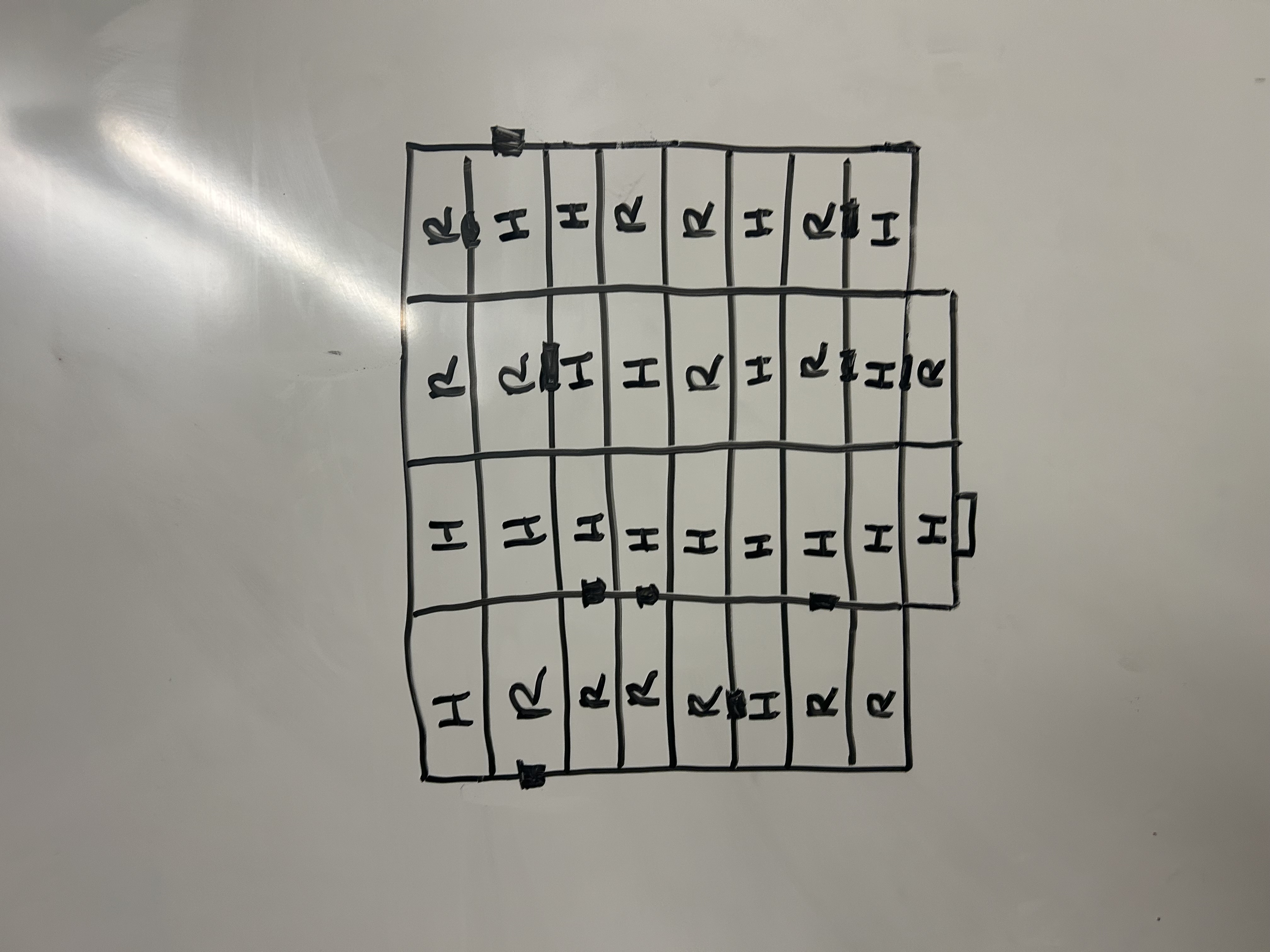
- We used a 2D matrix to represent the floorplan and used breadth-first search to find the most optimal path to the closest exit. Then, we utilized k-means algorithm to classify victims based on their danger levels which depends on their position and proximity. Finally we modified the standard bread-first algorithm as well as network flow algorithm to create an algorithm that would take the shortest path while avoiding the intruder. In addition, the algorithm used k-means to prioritize victims.
Challenges we ran into
- Learning a new engine, Godot, was very challenging and there was definitely a learning curve involved. In addition, implementing algorithms in this engine was difficult and the time involved required a truncation of the features.
Accomplishments that we're proud of
- We were proud of having learned Godot in only 5 hours as well as implementing algorithms and modifying them in a manner that achieves an overall goal. Despite not being fully fledged, the fact the we were able to build a working simulator is an accomplishment.
What we learned
- We learned some algorithms for collision simulation as well as modified algorithms we already knew about. For collision simulation, we utilized Quad-Trees, a tree data structure for efficient look ups. For traversal, we utilized breadth first search as well as edmonds-karp. Finally, k-means was utilized for prioritization of victims in the most danger.
What's next for EvacX - Evacuation Simulation
- Our team will continue to work on this project and plan to add many new features to it. We are currently working on procedural generating floor-plan as well as implementing the machine learning algorithm for better survival rates. In addition, a complete re haul of the simulation is desired as the current graphics can be improved.


Log in or sign up for Devpost to join the conversation.