-
-
Eva AI
Inspiration
I was constantly juggling handwritten notes, sticky notes, Notion, multiple to-do apps, and even ChatGPT everything felt scattered. When I was on the go and had a thought I wanted to capture, there was no fast or consistent way to do it. Most tools either track tasks or goals, but rarely both and when they do, they still rely on manual input that adds friction. I noticed that AI productivity tools tend to fall into two extremes: chat-based interfaces that are great at conversation but don't translate into actionable work, or traditional task managers that require too much manual effort. This gap motivated me to explore a different approach a voice-first system that understands your intent and reduces the cognitive load of managing your tasks and goals.
What it does
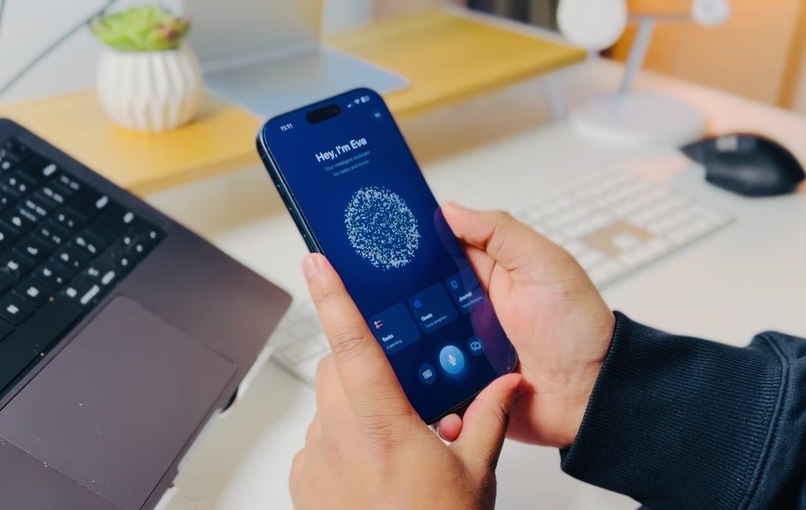
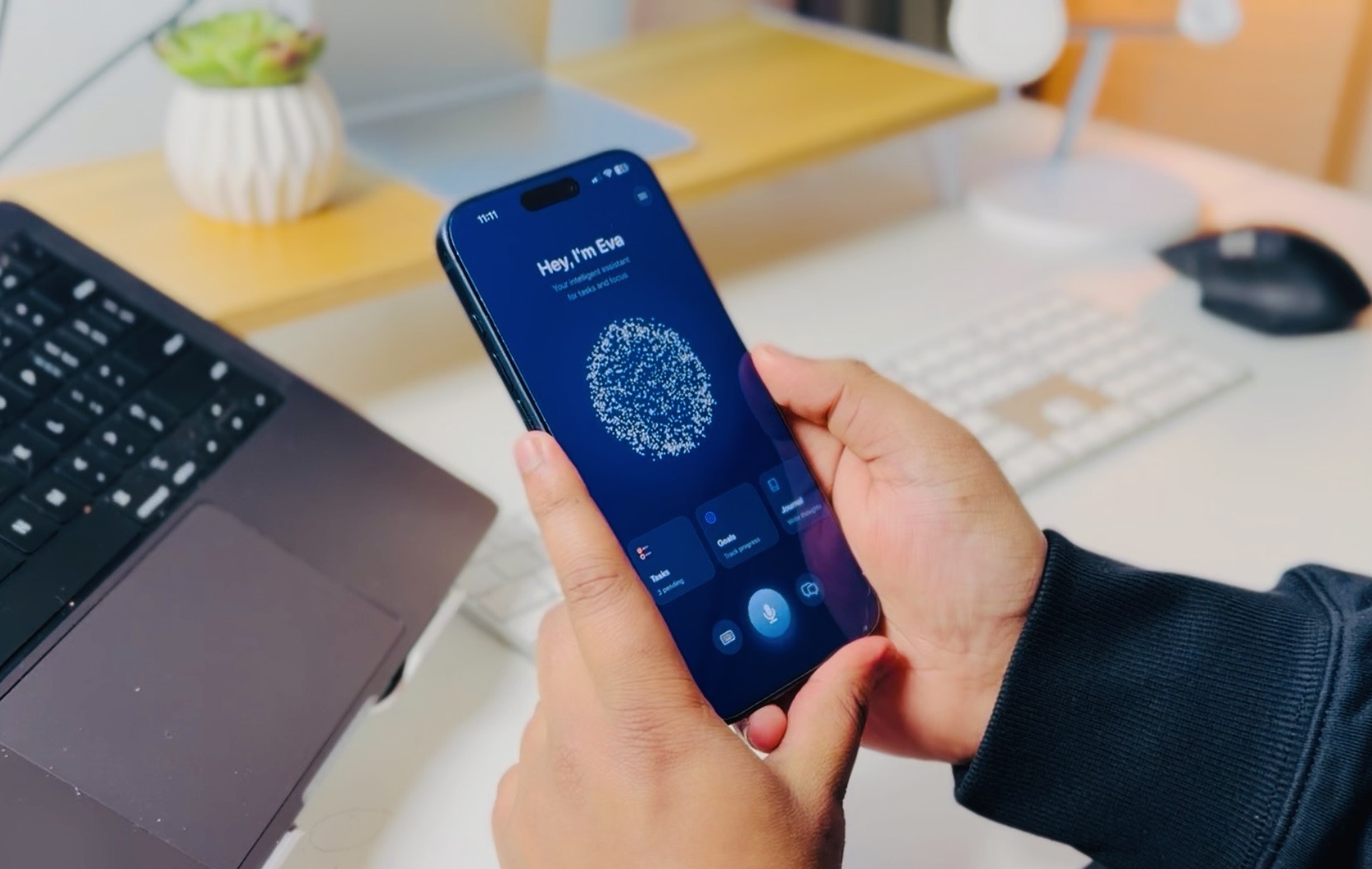
Eva AI is a voice-first productivity OS for iOS that manages your goals, tasks, and captured thoughts using the power of AI. Instead of manually typing and organizing, you just speak naturally "I need to finish my pitch deck by Friday and start running three times a week" and Gemini understands your intent, distinguishes between a task and a goal, auto-categorizes everything, and organizes it for you. The app keeps you on track, reduces friction, and eliminates the need for manual entry so you spend less time managing and more time doing.
How we built it
Eva AI was built with SwiftUI and Xcode for the iOS frontend, with the Google Gemini API (via Google AI Studio) powering the core intelligence intent recognition, task vs. goal classification, and natural language parsing. ElevenLabs handles voice synthesis for a conversational experience. Cursor and Claude Code accelerated the development workflow Claude Code was instrumental in rapid prototyping, debugging, and iterating on the codebase. Figma was used for all design work. The entire product was designed and engineered solo from research and sketching on paper to a working prototype.
Challenges i ran into
Getting the voice interaction to work properly was a major challenge. The UX and UI went through countless iterations to get the experience right keeping it simple and easy to use without feeling cluttered or feature-bloated. Reducing voice latency to quickly capture and process output was another hurdle. On top of that, figuring out the API integration with the database was challenging, especially as the app kept evolving throughout development. These were some of the biggest challenges I faced.
Accomplishments that we're proud of
Shipping a working voice-first iOS prototype as a solo designer-engineer. The app genuinely reduces friction I use it myself daily. Achieving reliable intent classification through Gemini where spoken input is automatically parsed into structured, categorized tasks and goals without any manual intervention from the user.
What we learned
Even with all the AI capabilities, having good judgment and taste helps build products people love. The core idea is simple, yet there are unsolved problems even with existing products. Google AI capabilities make it possible for even non-technical people to build complex voice apps, and solutions like Google AI Studio have been a great way for me to prototype products. Going from zero to one is truly a fun experience.
What's next for Eva AI - Personal Assistant Powered by Google Gemini
Eva AI is launching to a wider audience with the goal of becoming an everyday productivity tool. Over time, the app will integrate AI agents that go beyond capturing and organizing they'll actively execute tasks, send follow-ups, and hold you accountable. The vision is to evolve from a productivity tracker into a true personal assistant that takes action on your behalf. We're looking to reach more people and welcome any support from Google or the community to help bring this idea to a larger audience.

Log in or sign up for Devpost to join the conversation.