-
-
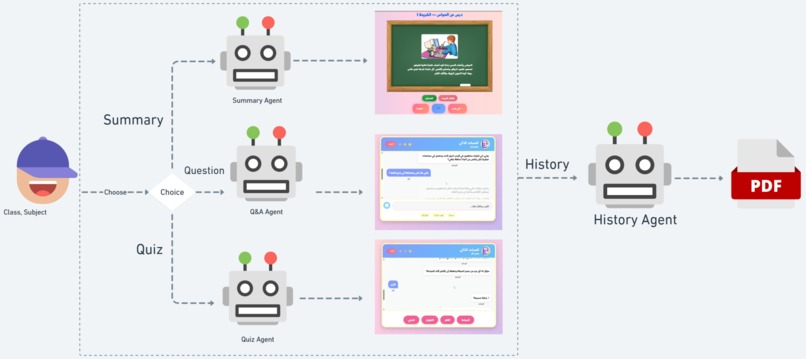
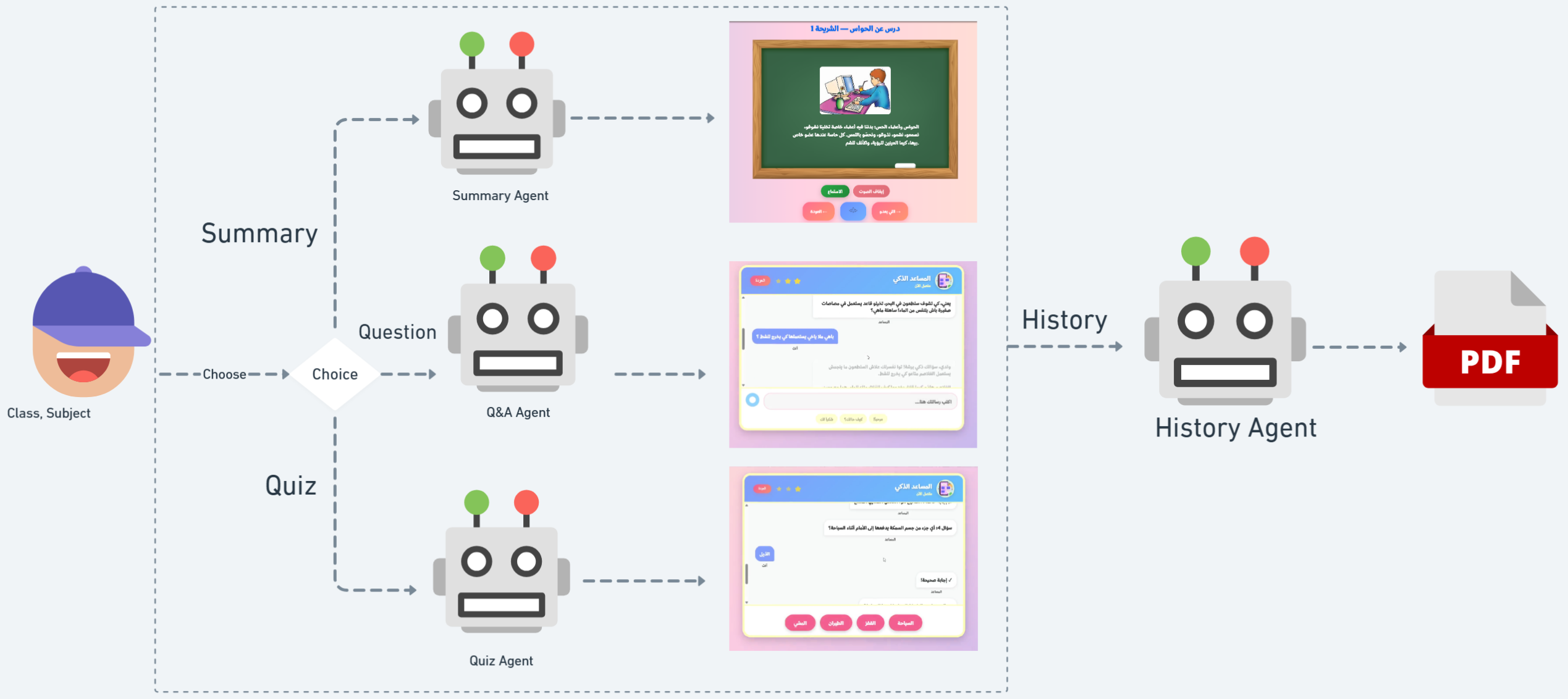
Educational AI System Overview
-
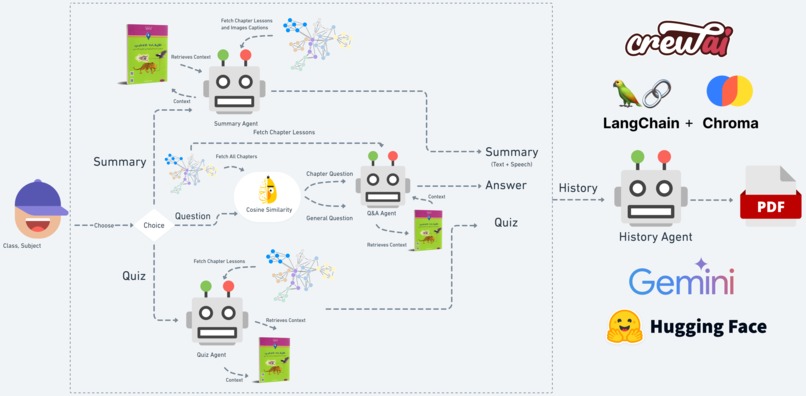
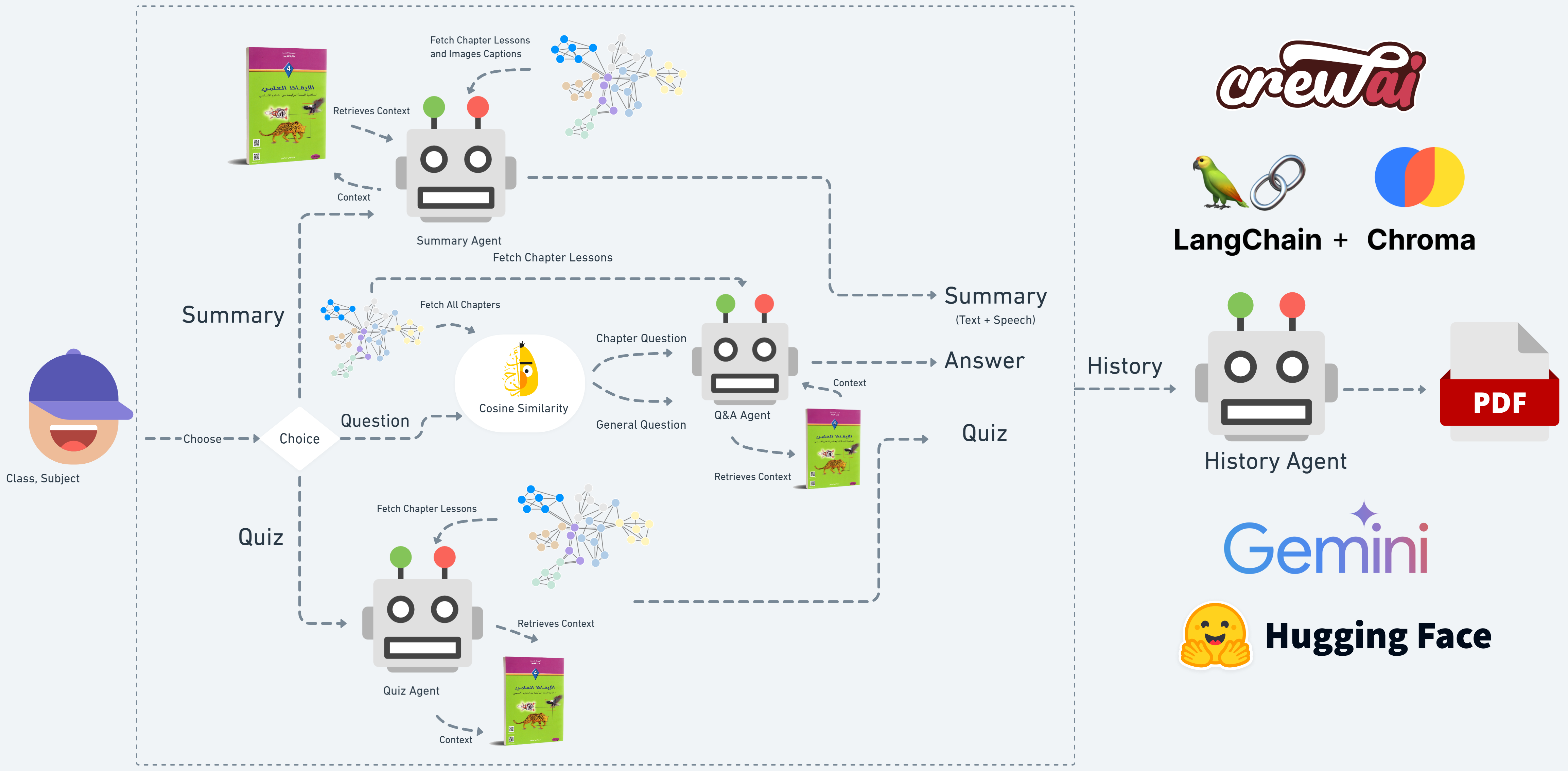
Educational AI System Full Architecture
-
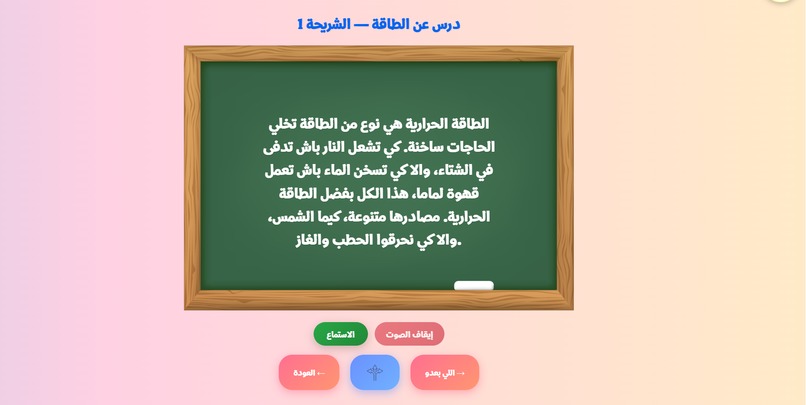
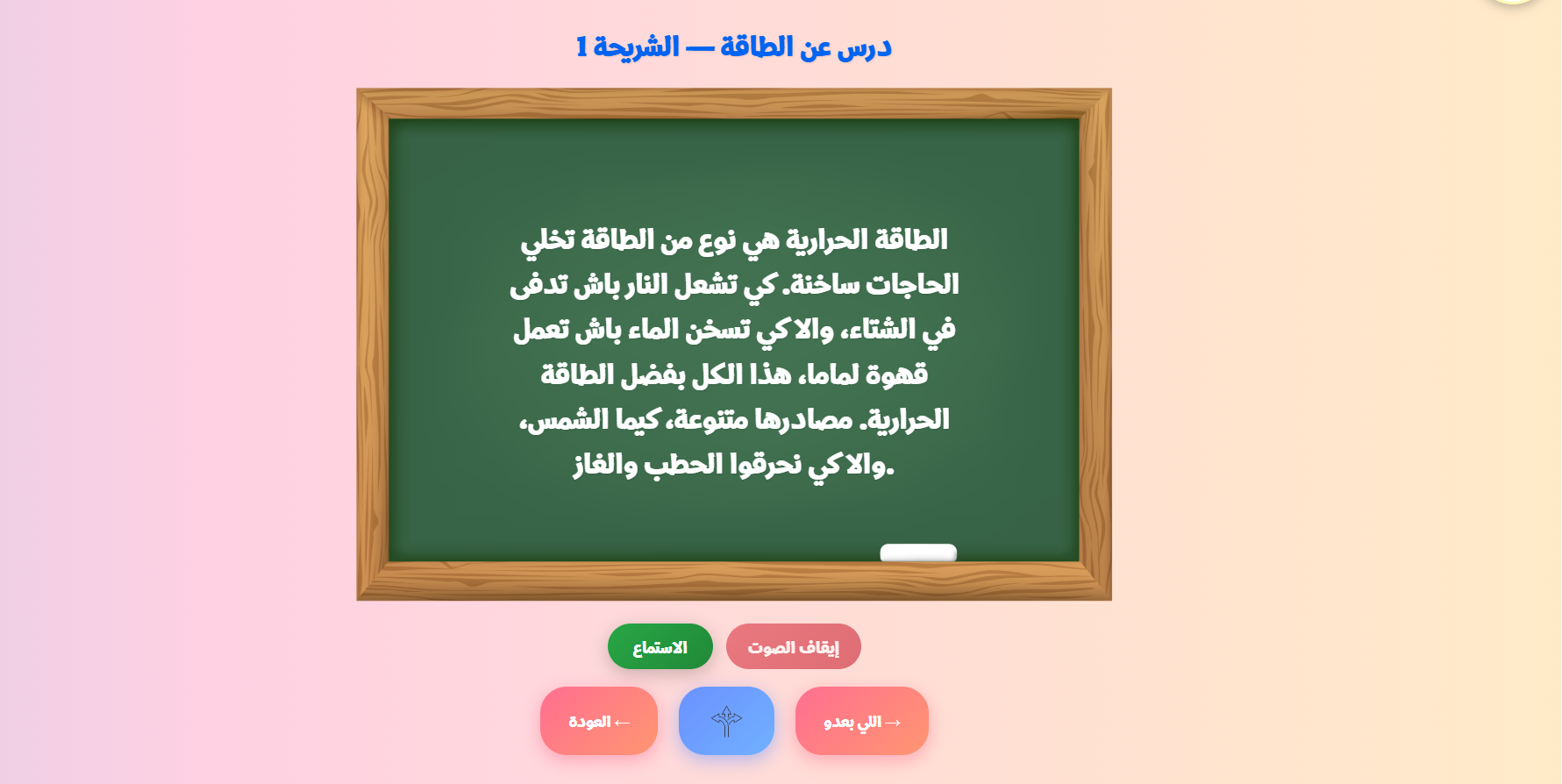
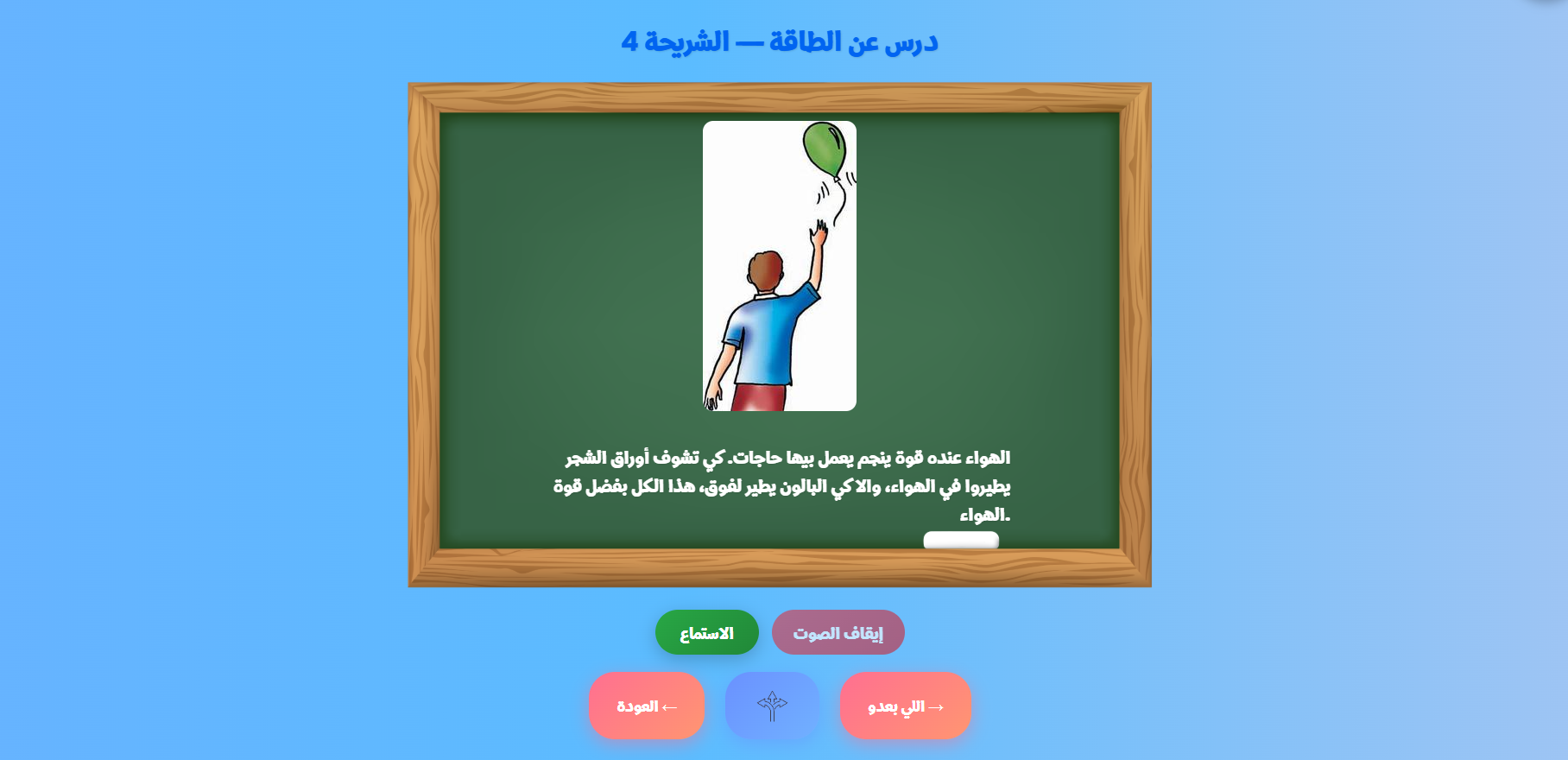
LessonBoard (Summary Task) Example 1
-
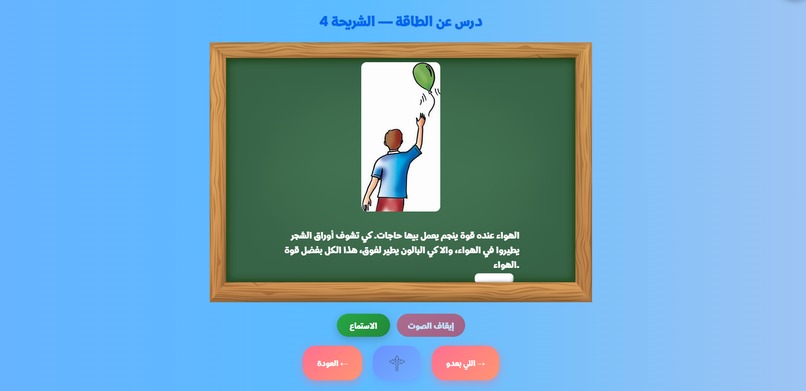
LessonBoard (Summary Task) Example 2
-
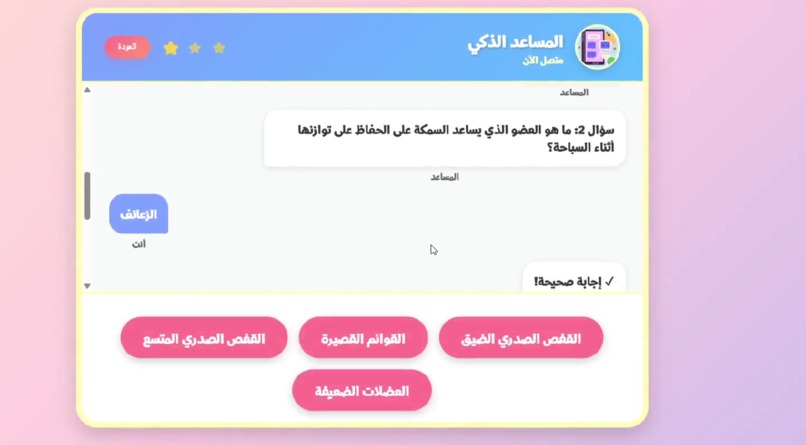
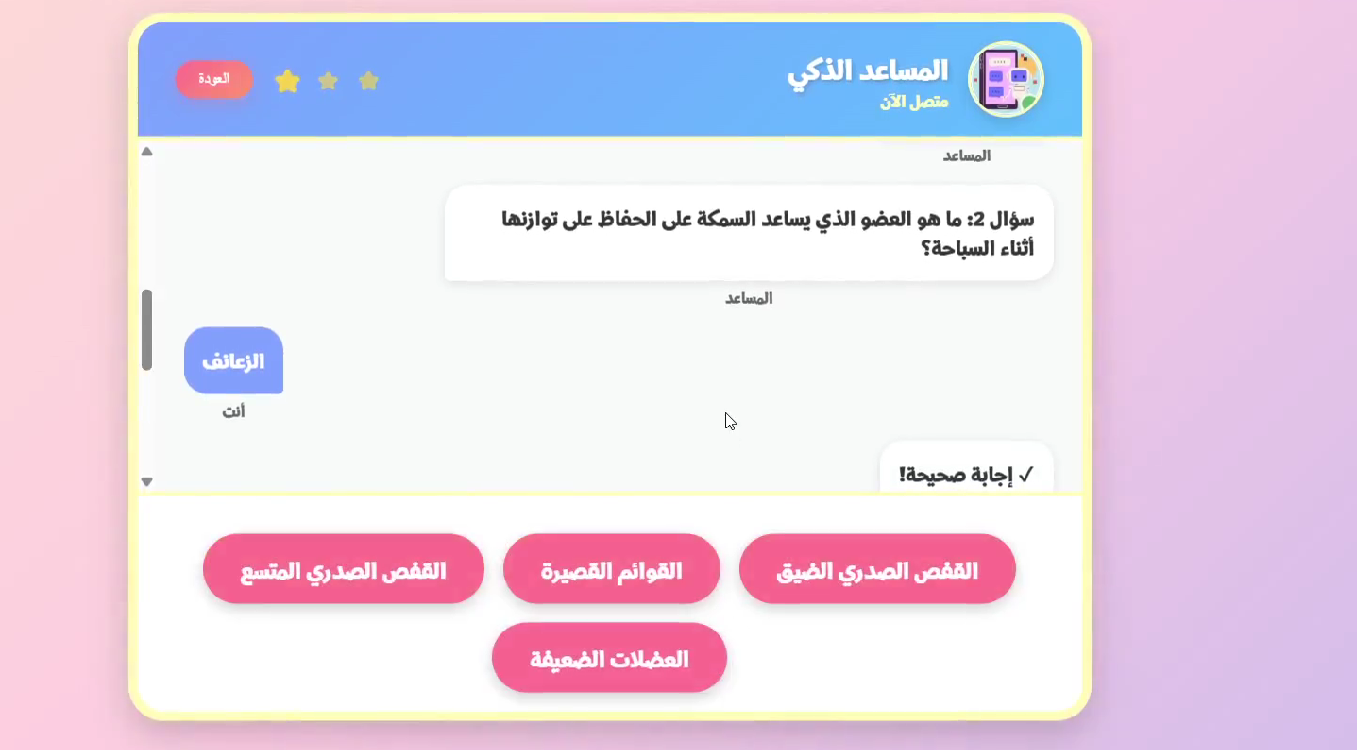
Quiz Task Example
Presentation Slides : link
Technical Report : link
Full Demo Video (2min):link
Project Abstract
Etude.AI is an AI-powered educational platform developed to support Tunisian primary students facing learning difficulties by providing personalized educational content delivered in the Tunisian dialect. Built for the AINS Hackathon (Track 3: AI for Tunisian Dialect), Etude.AI integrates multiple AI agents to dynamically offer lesson summaries, interactive quizzes, responsive Q&A, and comprehensive progress reports. The platform leverages a sophisticated knowledge graph (KG) created from official curriculum textbooks, enriched with semantic linking of textual content and image captioning through Gemini and PyMuPDF, all managed by Neo4j for efficient retrieval. Its AI pipeline incorporates CrewAI, LangChain, Chroma, and Hugging Face tools for semantic retrieval, summarization, and question-answering through cosine similarity and semantic chunking. The user-friendly Angular frontend communicates seamlessly with a FastAPI backend via REST APIs. Additionally, a text-to-speech integration, using FastAPI and ElevenLabs, supports multi-modal learning. Sessions are meticulously logged and compiled into PDF reports by the History Agent, allowing continuous monitoring of student progress. The platform’s comprehensive architecture ensures a personalized, adaptive, and engaging educational experience for young learners.
Project Story
When we embarked on the Etude.AI project for the AINS Hackathon, we were immediately inspired by the challenge of creating an AI tool specifically for the Tunisian dialect, something not commonly explored in education. We noticed a significant gap in educational AI solutions tailored for Tunisian students, and we wanted to make a real impact, especially for primary students who often face learning difficulties and are overlooked by the current educational system.
From the start, we explored various language models to see which would best handle the Tunisian dialect. We tested everything from ChatGPT, JAIS, FANAR, Qwen, Llama, Claude and Gemini, and while Gemini's speed and reliability impressed us, discovering the Labes model 7b on Hugging Face was a highlight, even if we ultimately opted for Gemini.
Our initial approach was to build a simple RAG pipeline focused on one textbook. While it worked well, allowing us to quickly query and get responses, we encountered challenges. The model sometimes hallucinated details due to the complexity and volume of the content, especially with image-rich chapters. We realized that a single model couldn't efficiently handle all tasks like summarization, Q&A, and quizzes, which led us to explore a more modular approach.
To overcome these challenges, we incorporated a knowledge graph based on the book’s index, enabling us to retrieve only the relevant sections of content. We also extracted images from the textbook and created captions, linking them to lessons in the knowledge graph to enrich the learning experience with visual aids.
Scaling the project further, we adopted CrewAI to manage specialized agents, each focusing on a specific task, which improved efficiency and accuracy. Integrating this with FastAPI and TypeScript for our web interface was challenging but crucial to ensuring a kid-friendly and engaging user experience. Although we aimed to integrate text-to-speech and speech-to-text features, time constraints meant we focused on integrating TTS for lesson summaries.
In the end, the experience was incredibly rewarding. In just eight days, through long hours of dedicated teamwork, we created something truly impactful for Tunisian students.
Built With
- angular.js
- chroma
- contextual-compression
- crewai
- elevenlabs
- fastapi
- gemini
- hugging-face
- langchain
- natural-language-processing
- neo4j
- neo4j-knowledge-graph
- ngrok
- pymupdf
- python
- text-to-speech
- typescript

Log in or sign up for Devpost to join the conversation.