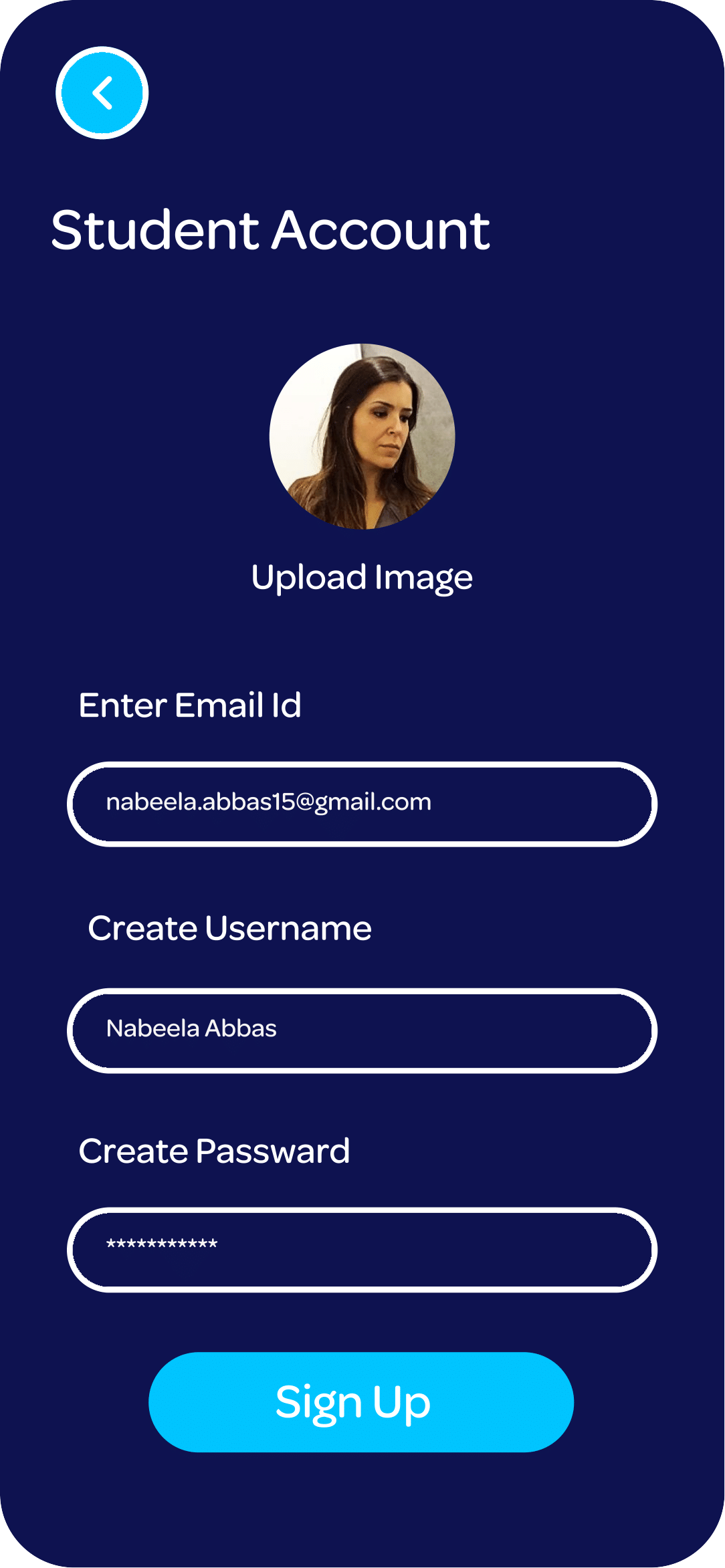
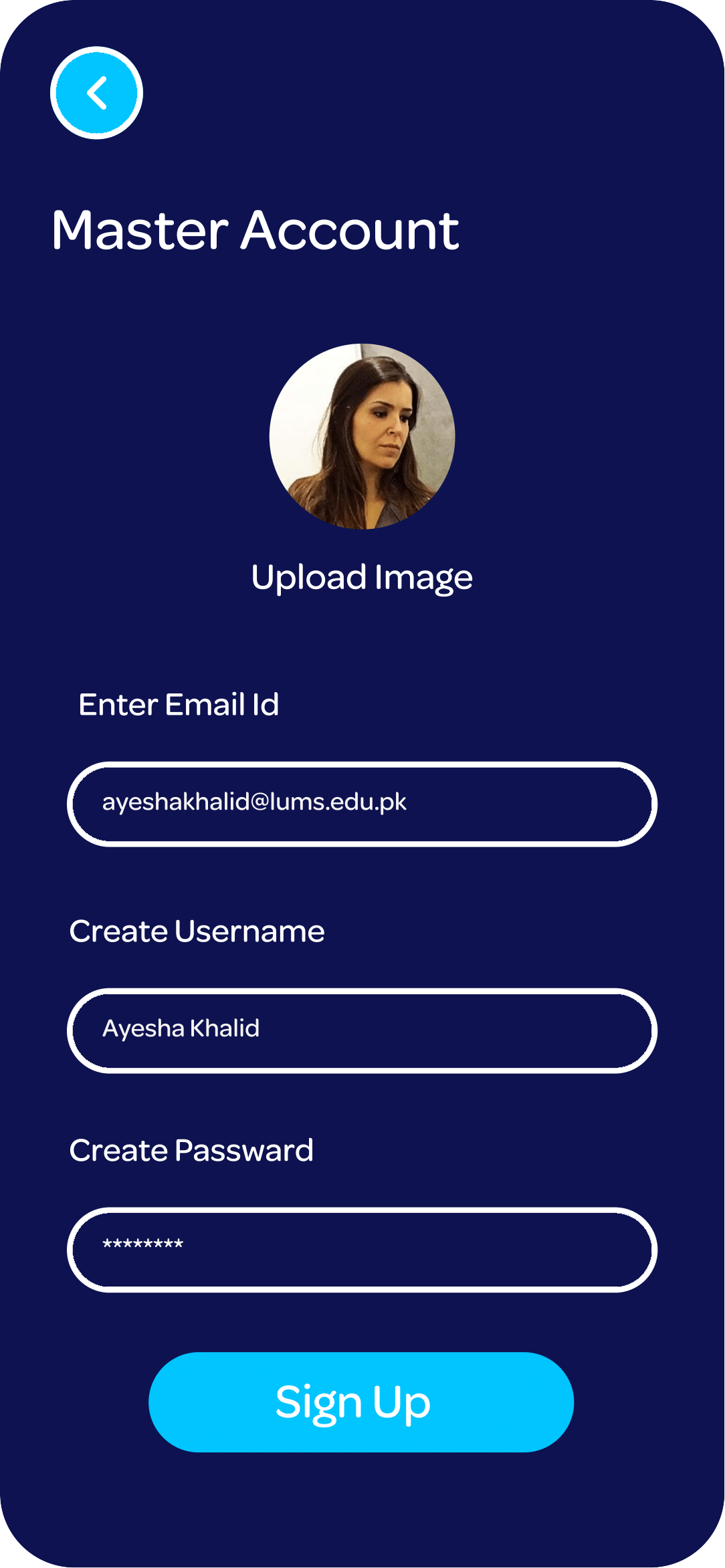

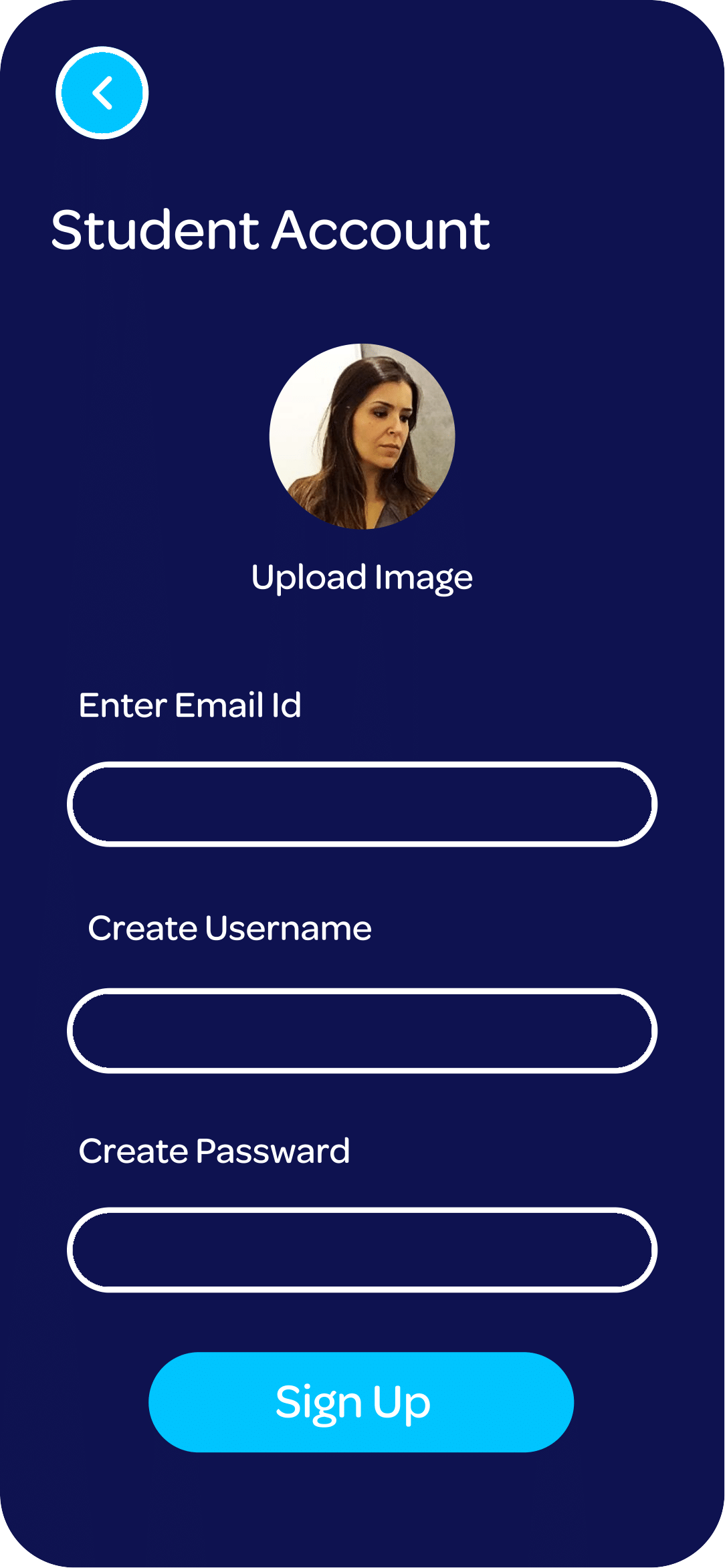





Project Story Inspiration Our inspiration for EthnoLearn stemmed from recognizing the perceived challenges that university students face when it comes to research. We observed that many students found research to be a daunting and unengaging task that hindered their learning outcomes. We also identified the potential benefits of learning ethnographic research skills from the start of their academic journey. We believed that by making research interactive and engaging, we could equip students with practical research skills, enhance their understanding of research ethics and ethnography, and elevate their research outcomes.
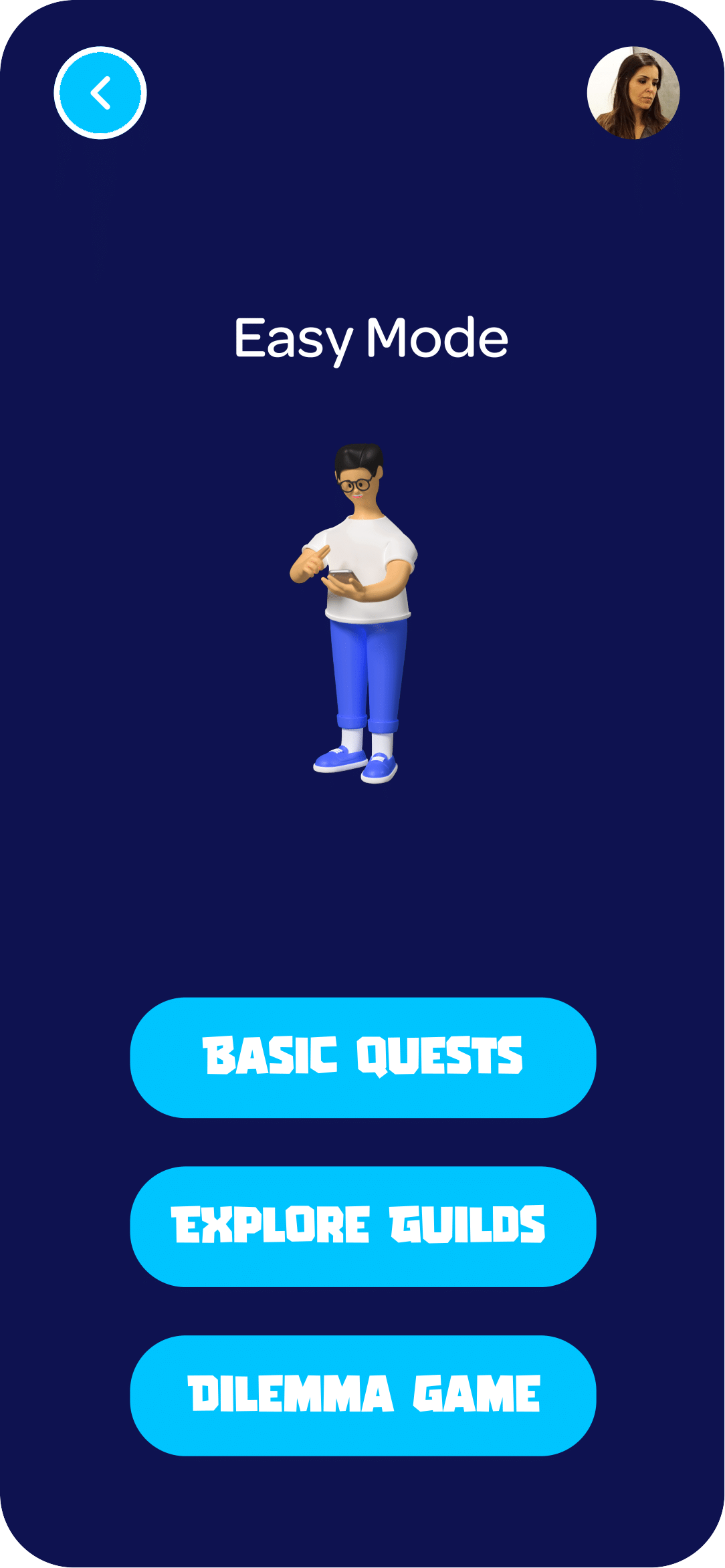
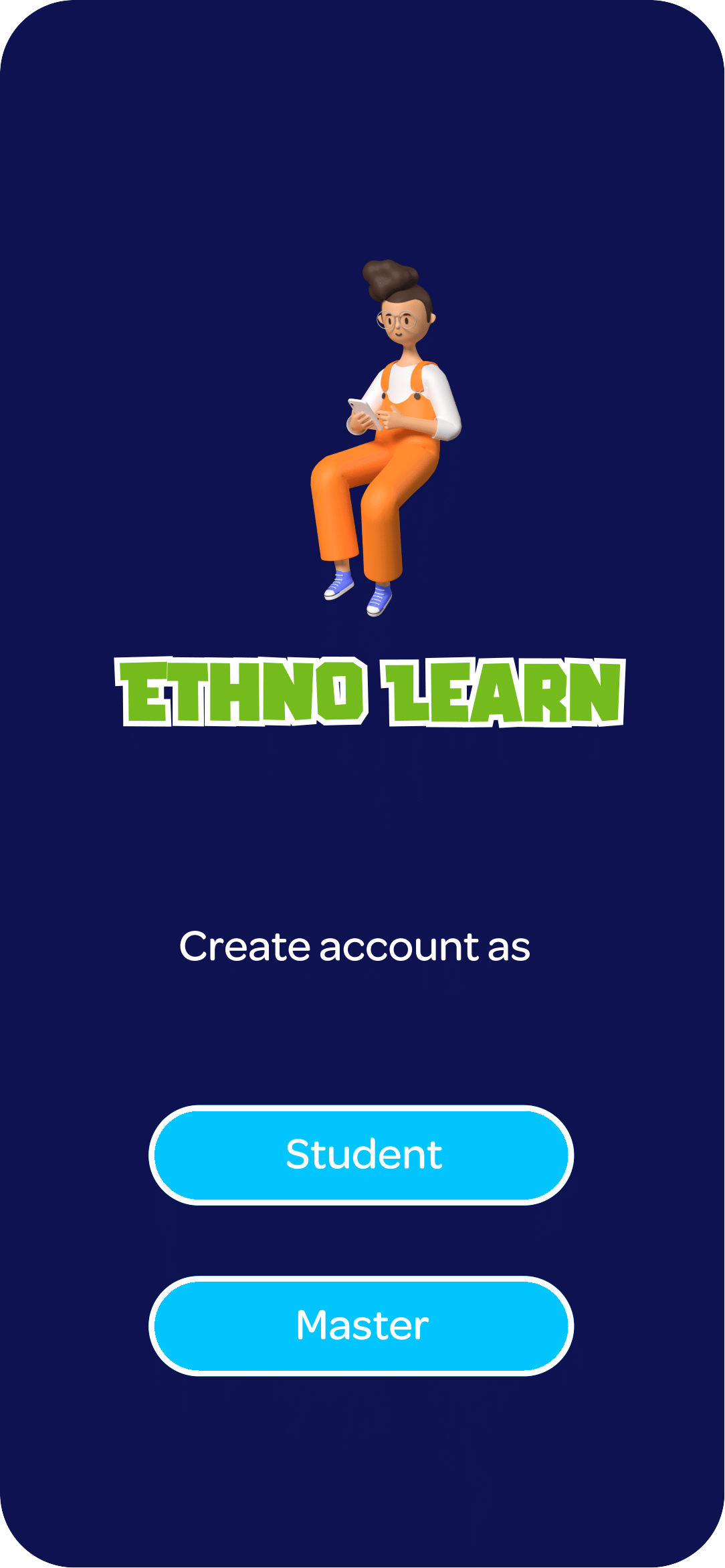
What it does EthnoLearn is a gamified teaching approach that aims to revolutionize research education for university students. It provides an active platform that makes learning research and ethnography interactive and engaging. The key features of EthnoLearn include:
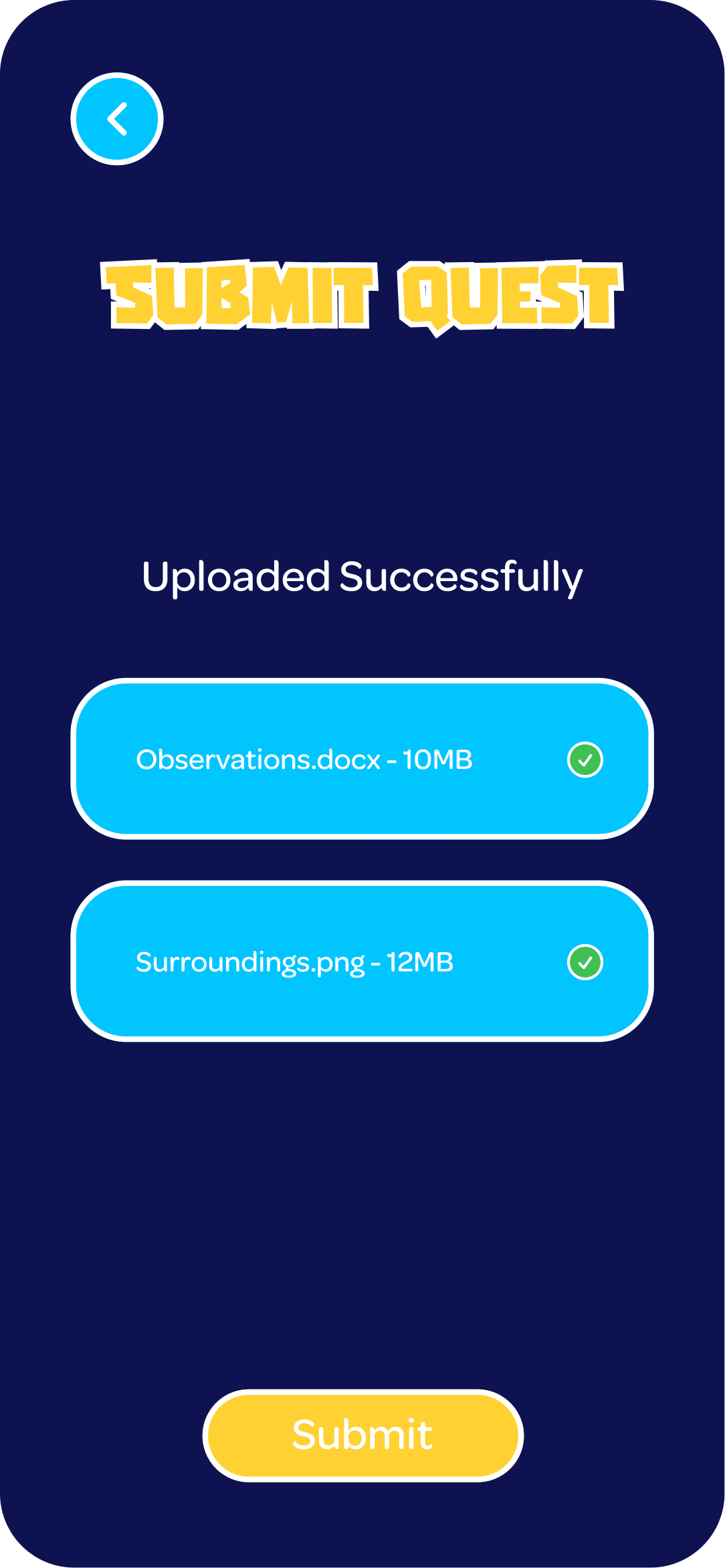
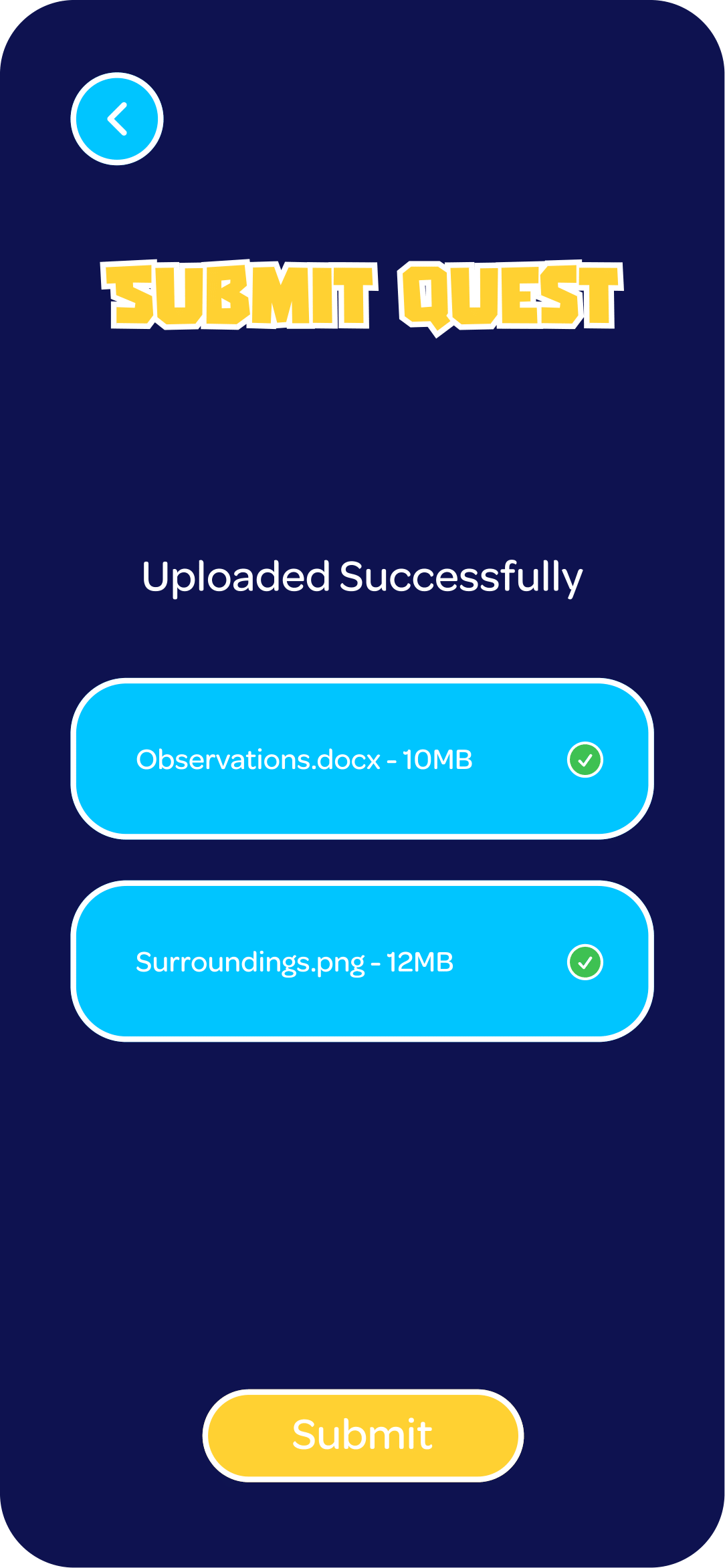
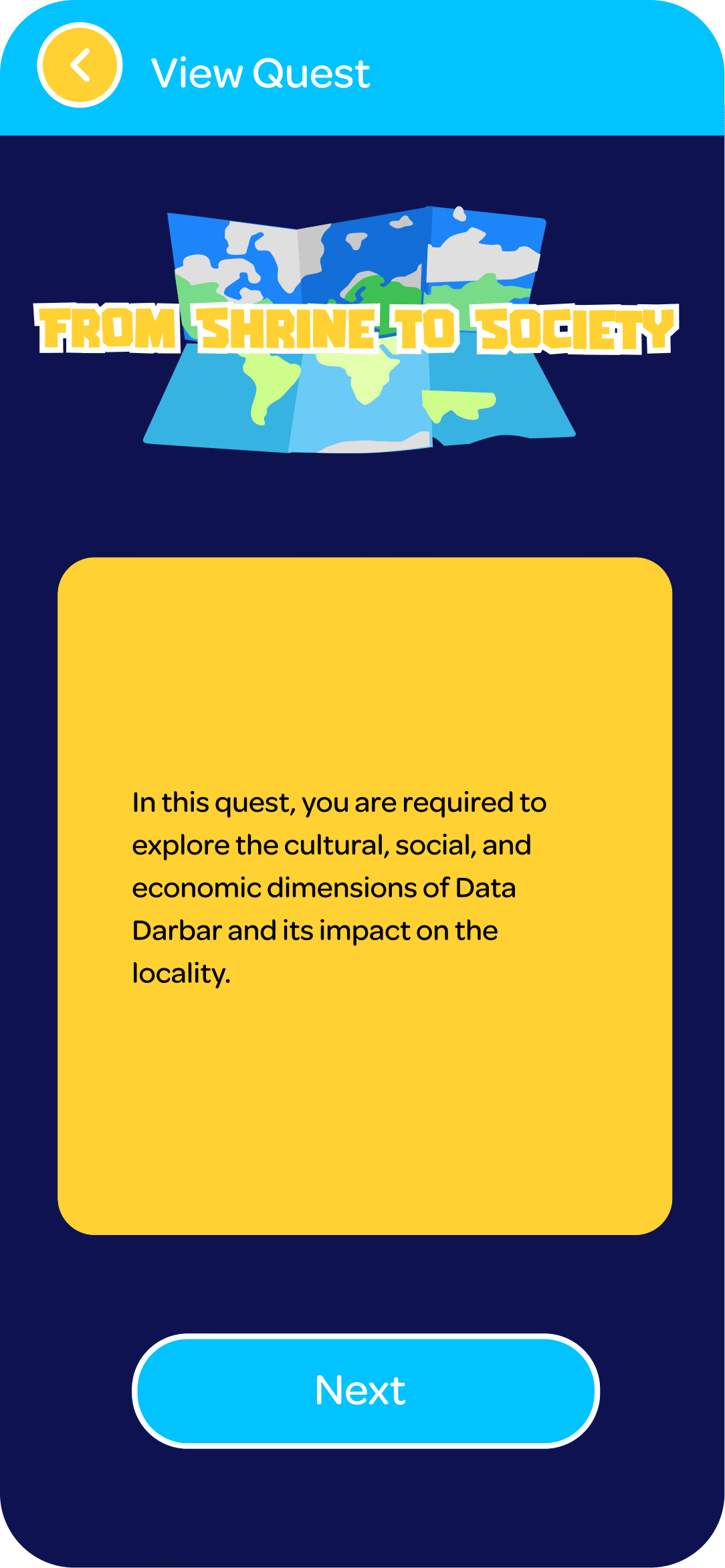
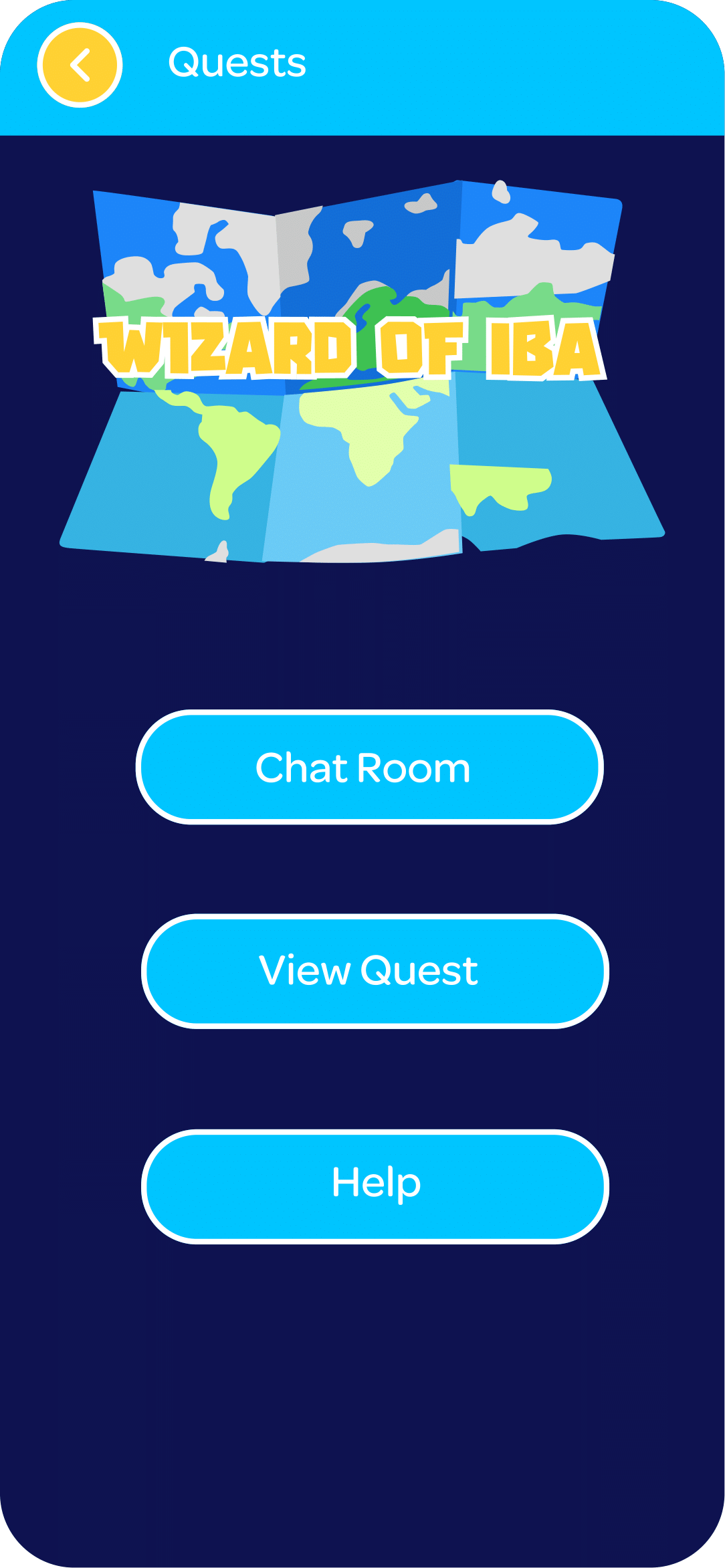
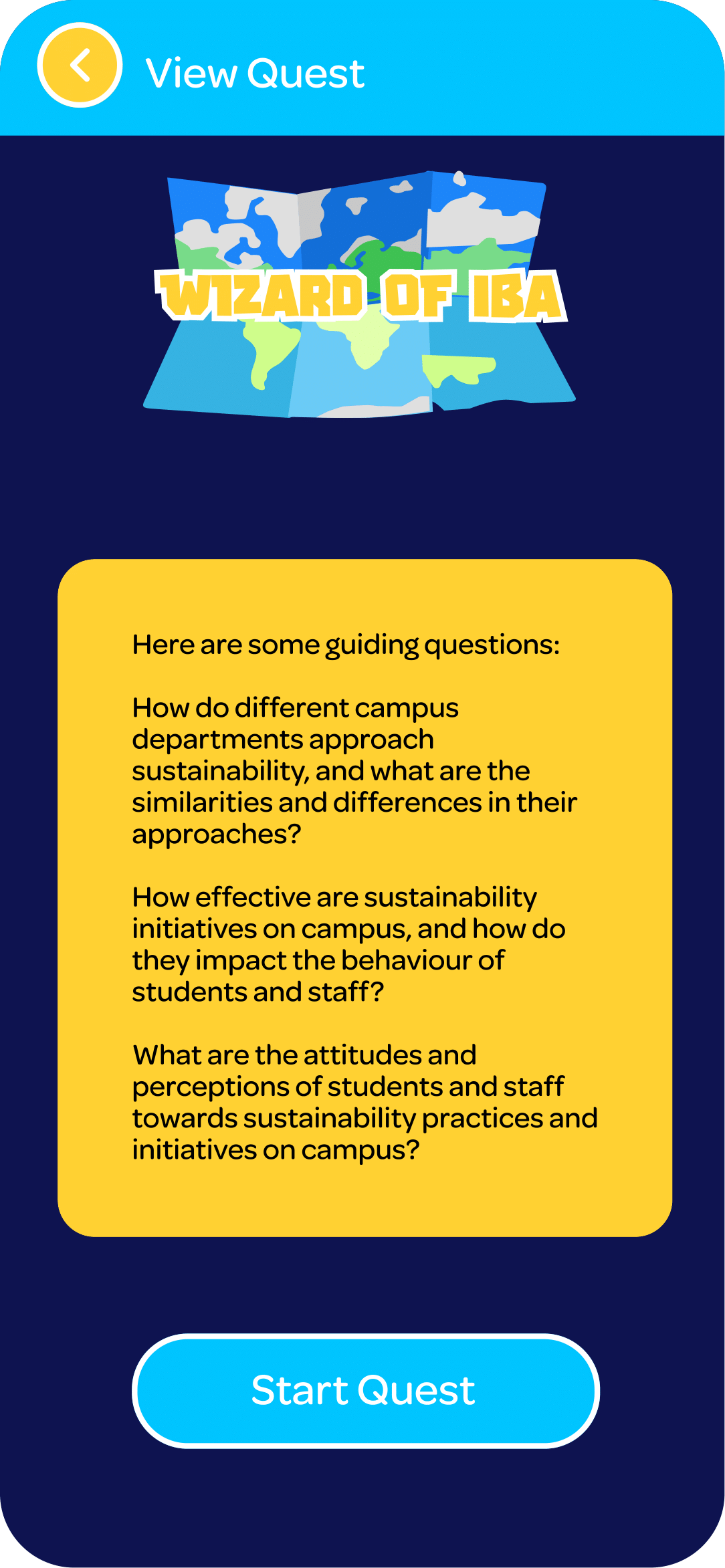
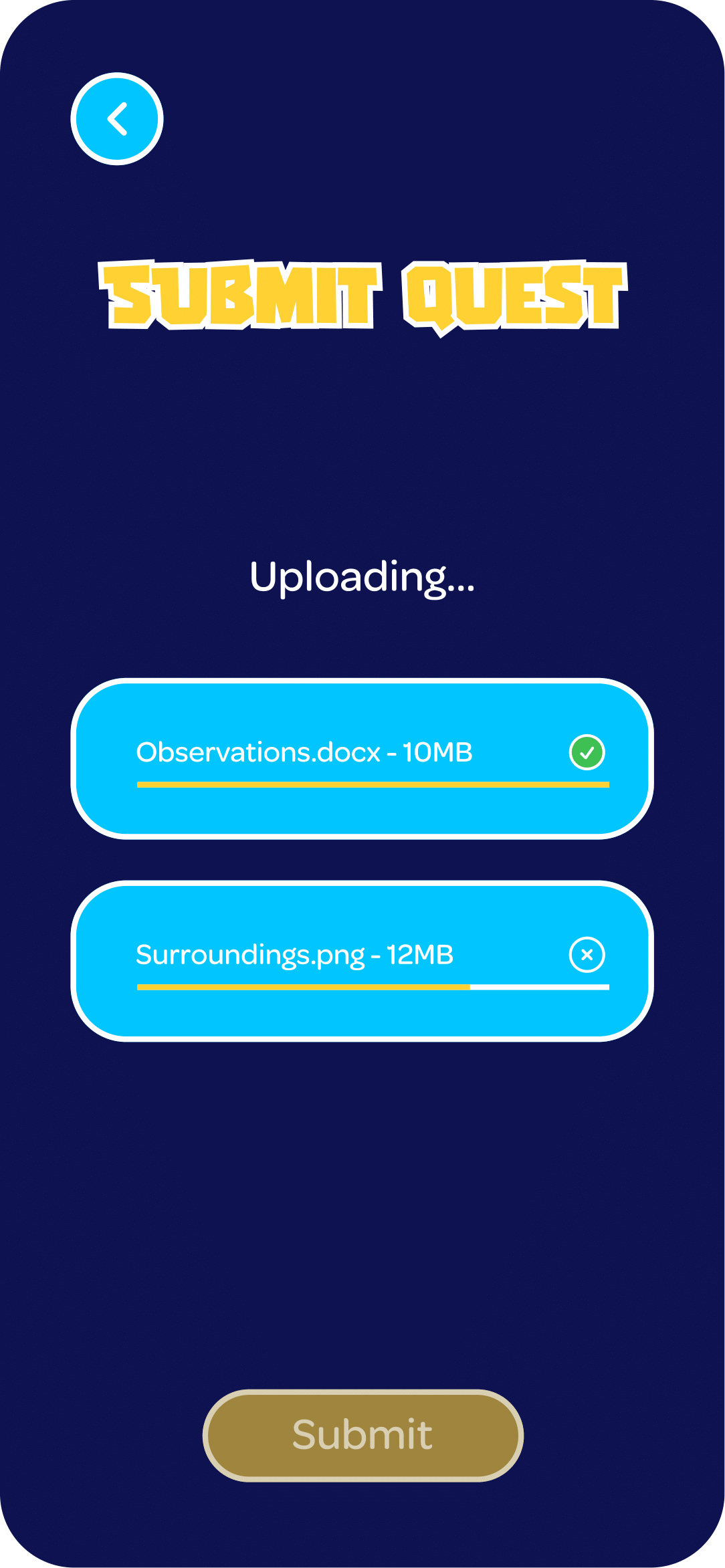
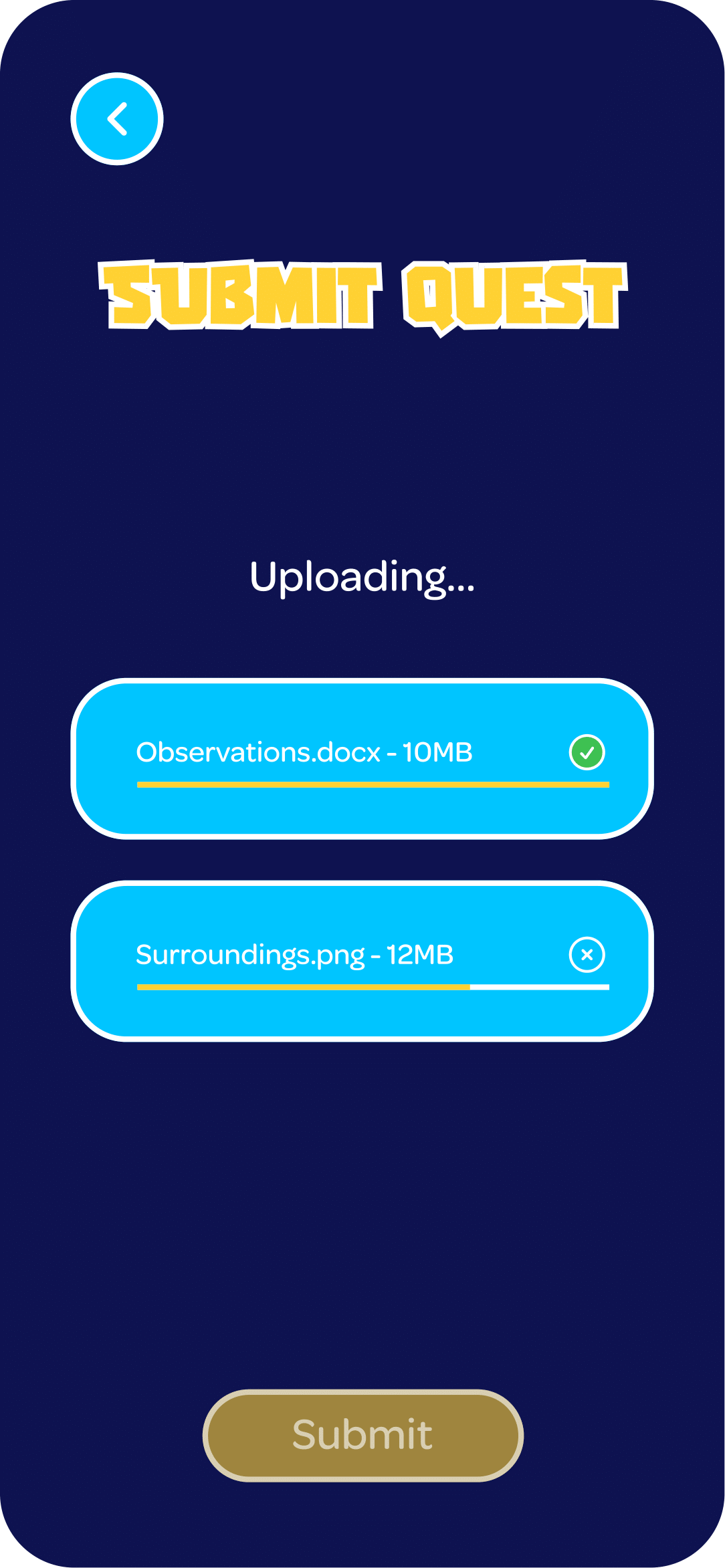
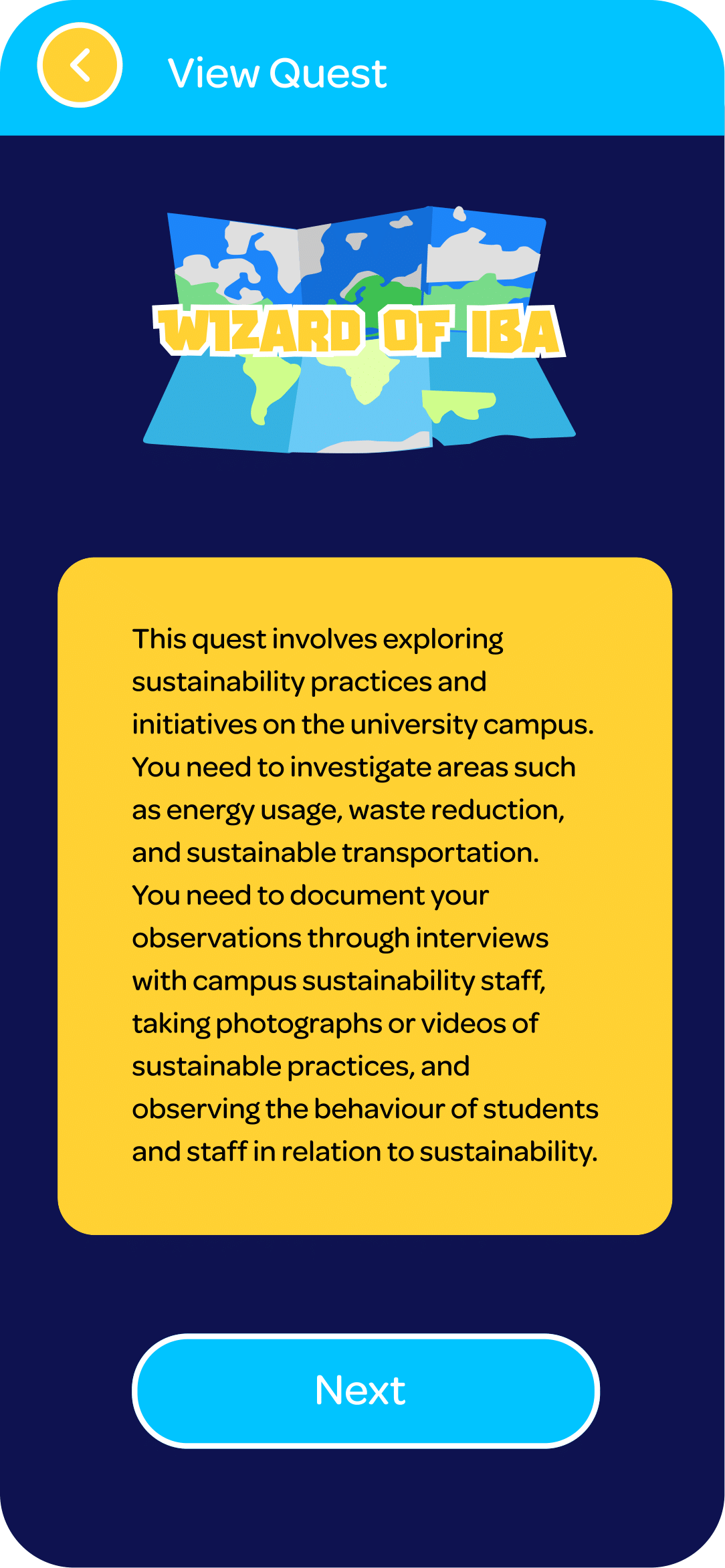
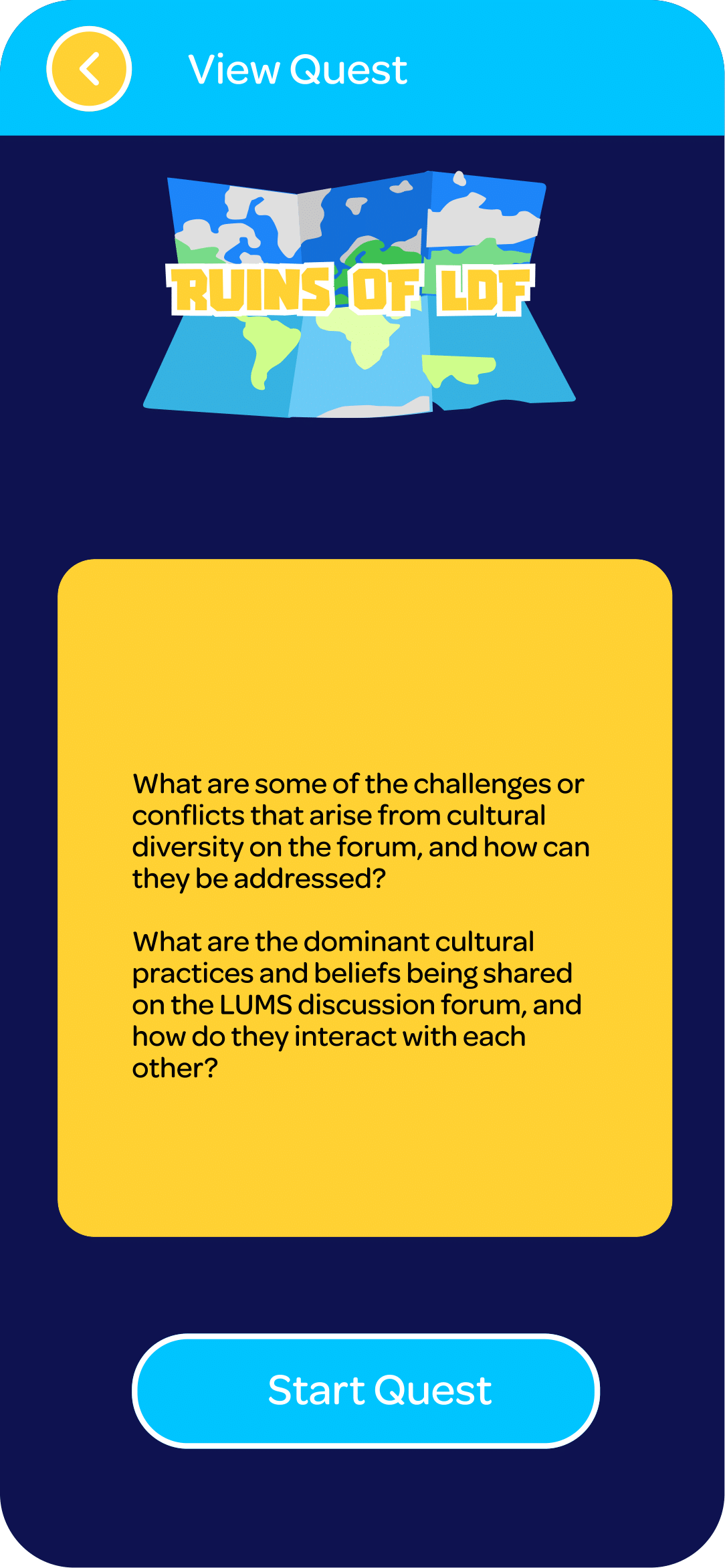
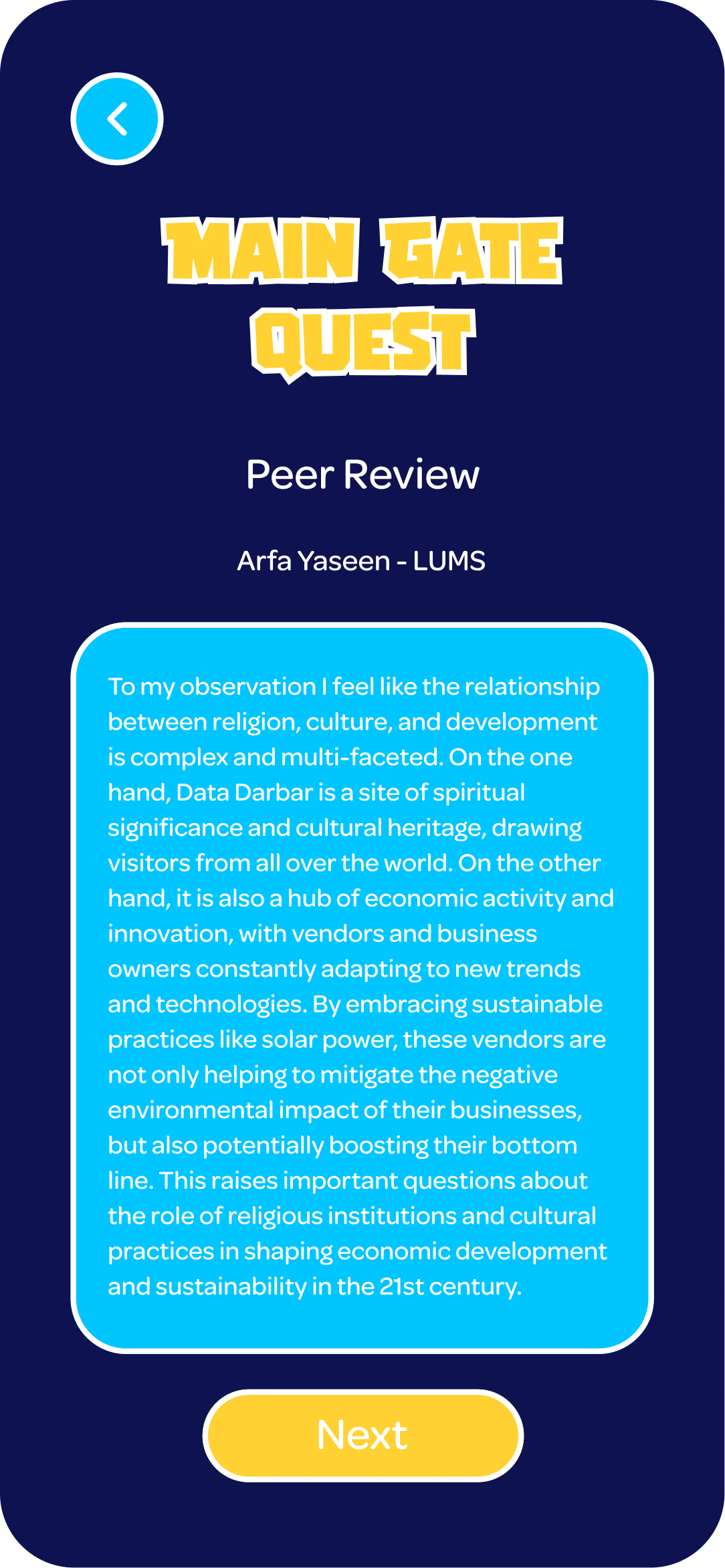
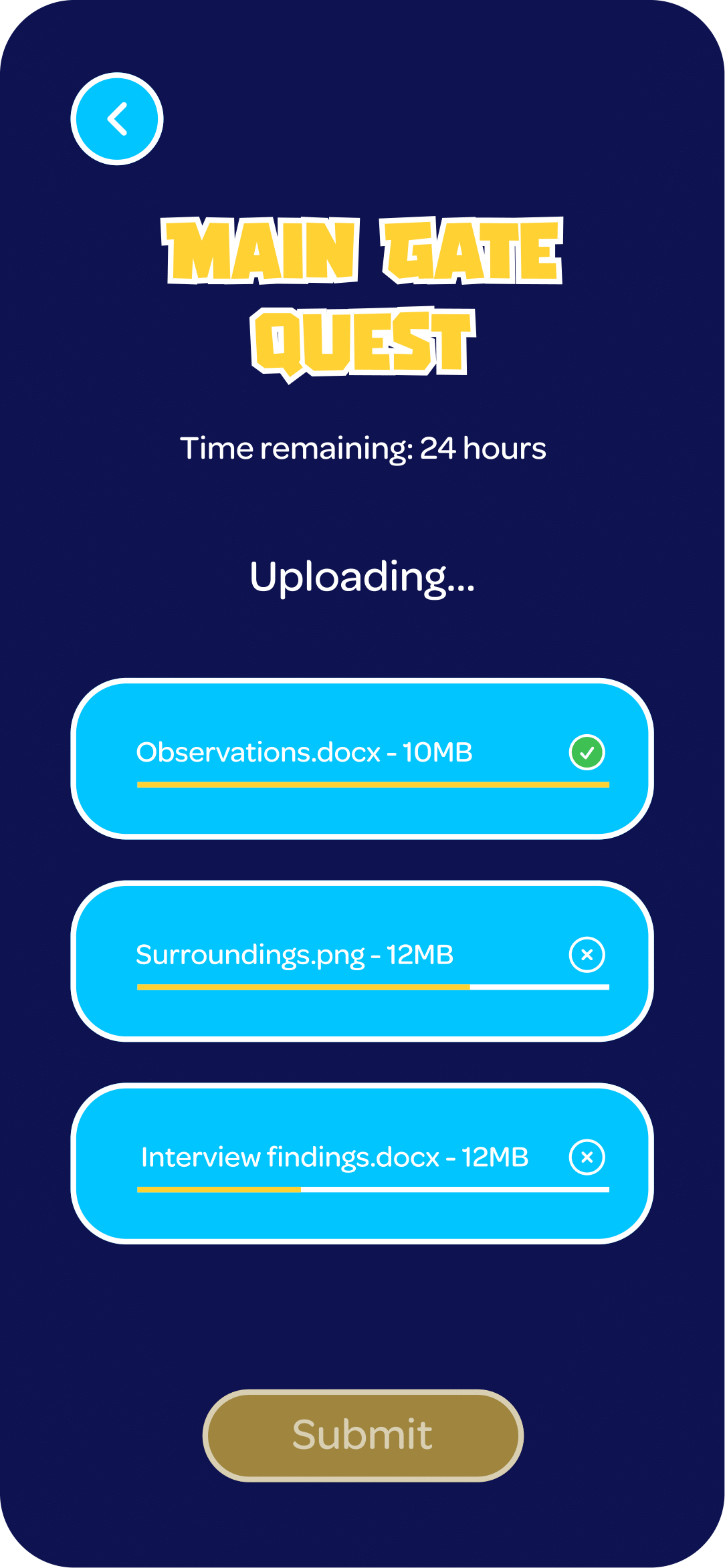
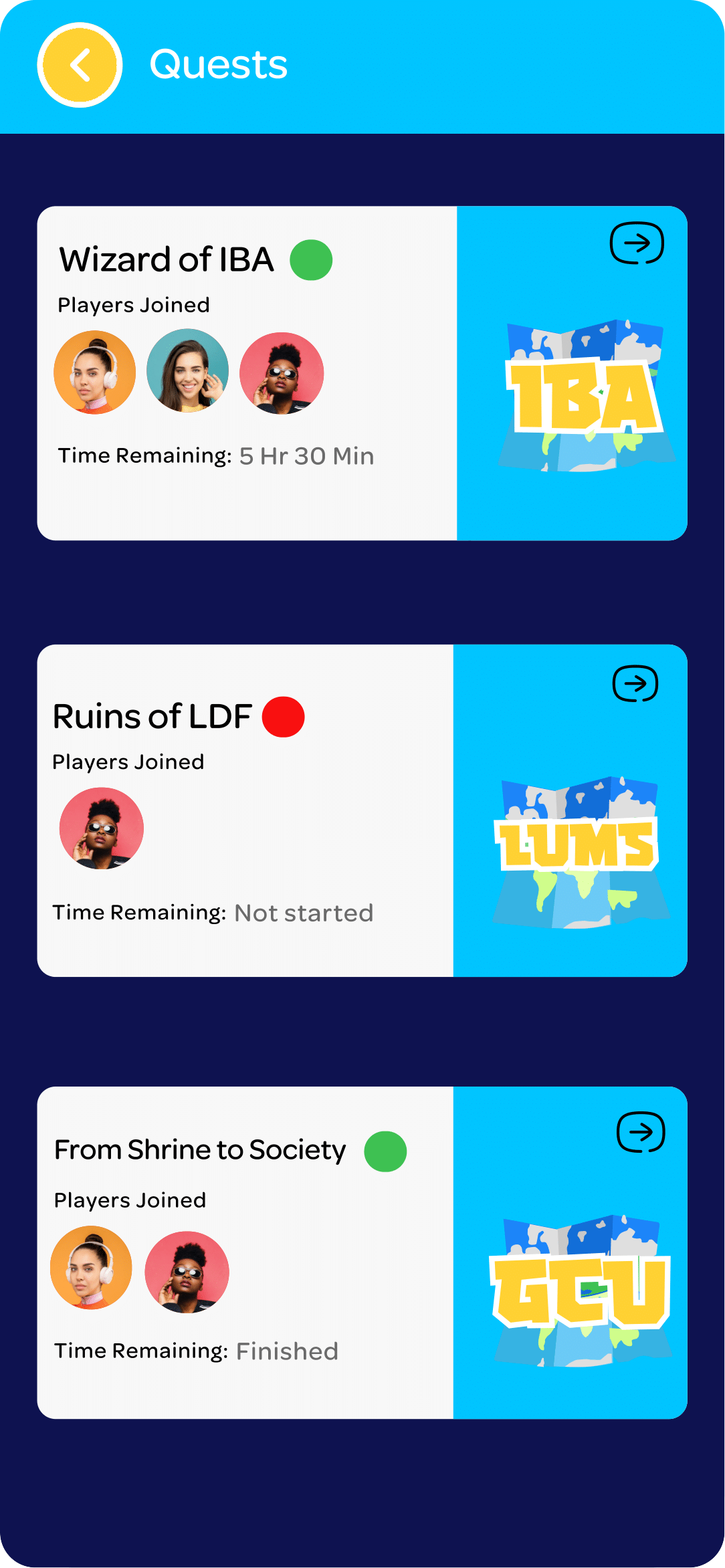
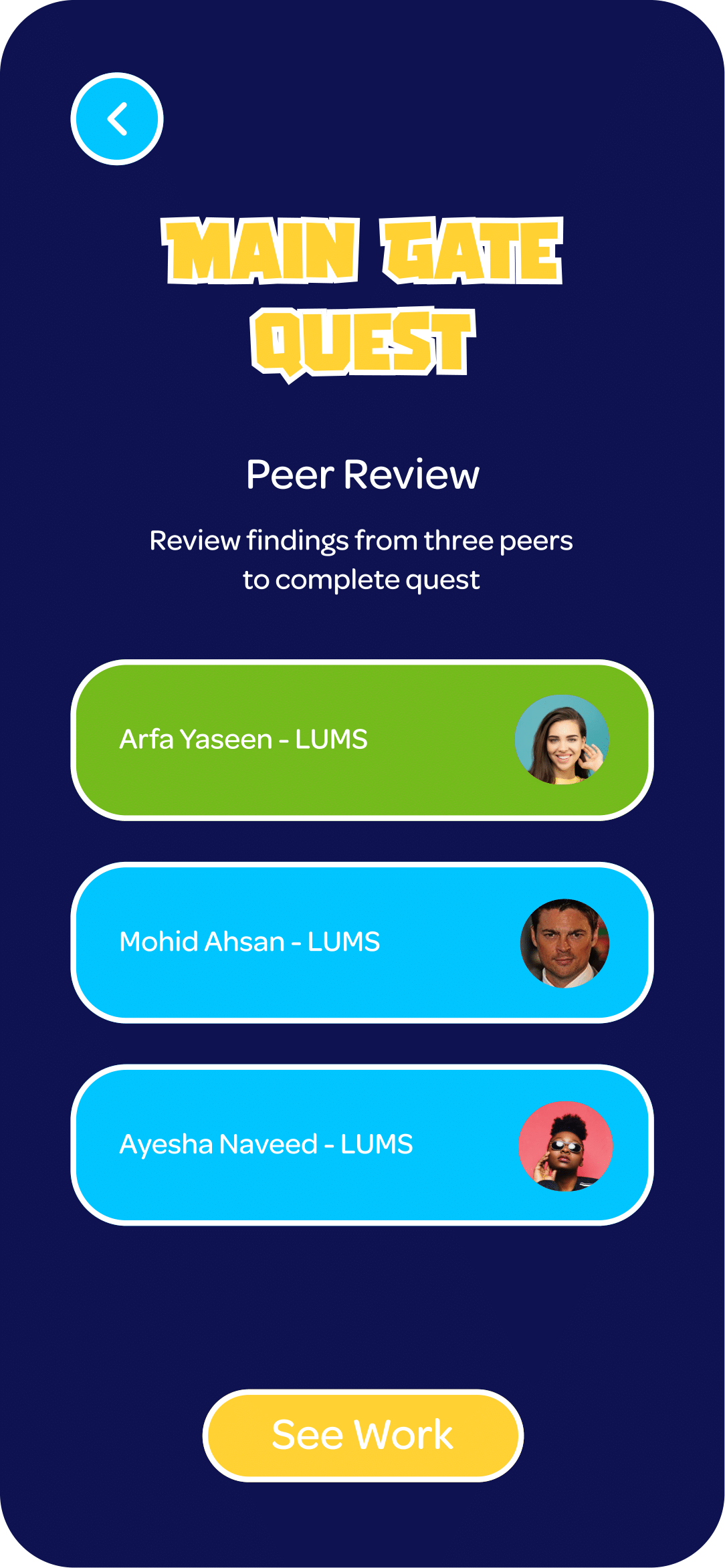
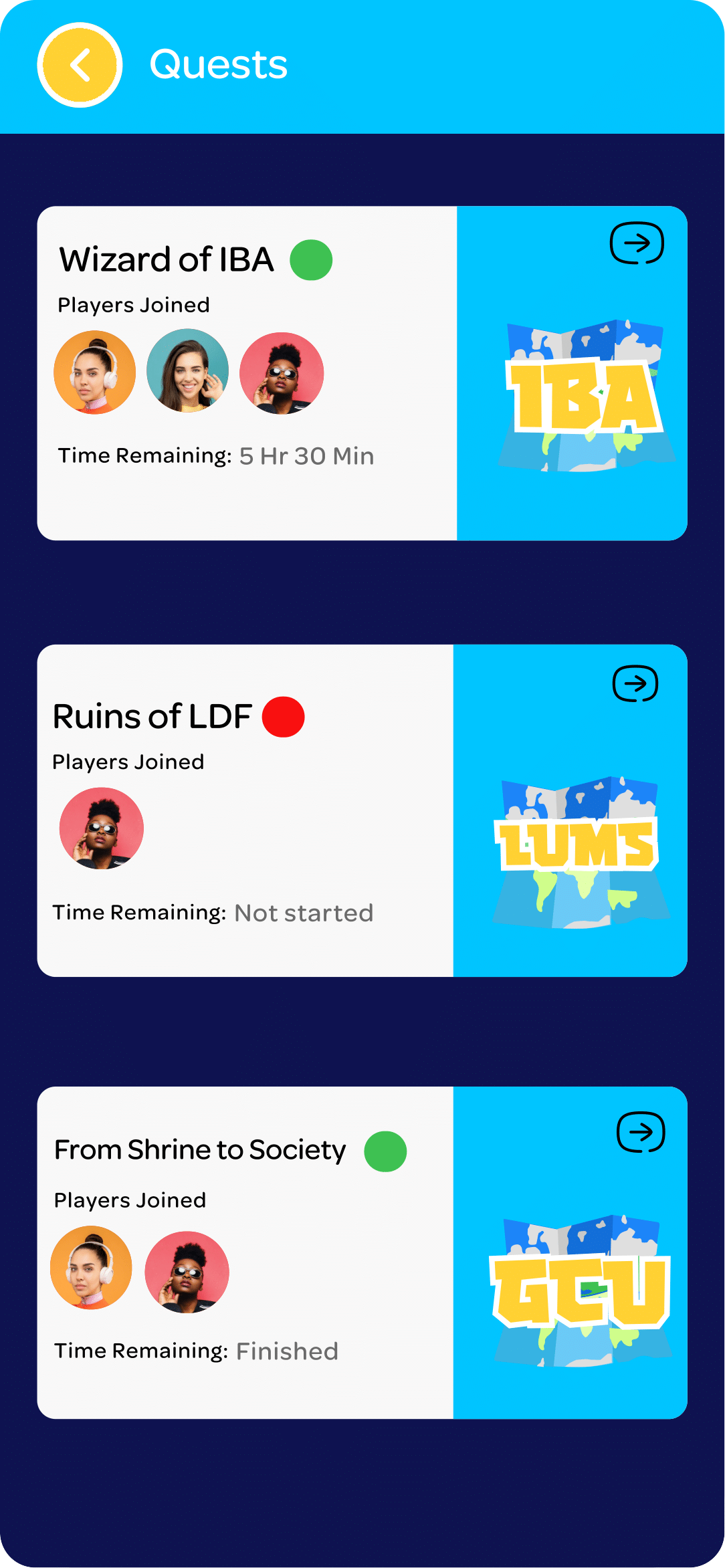
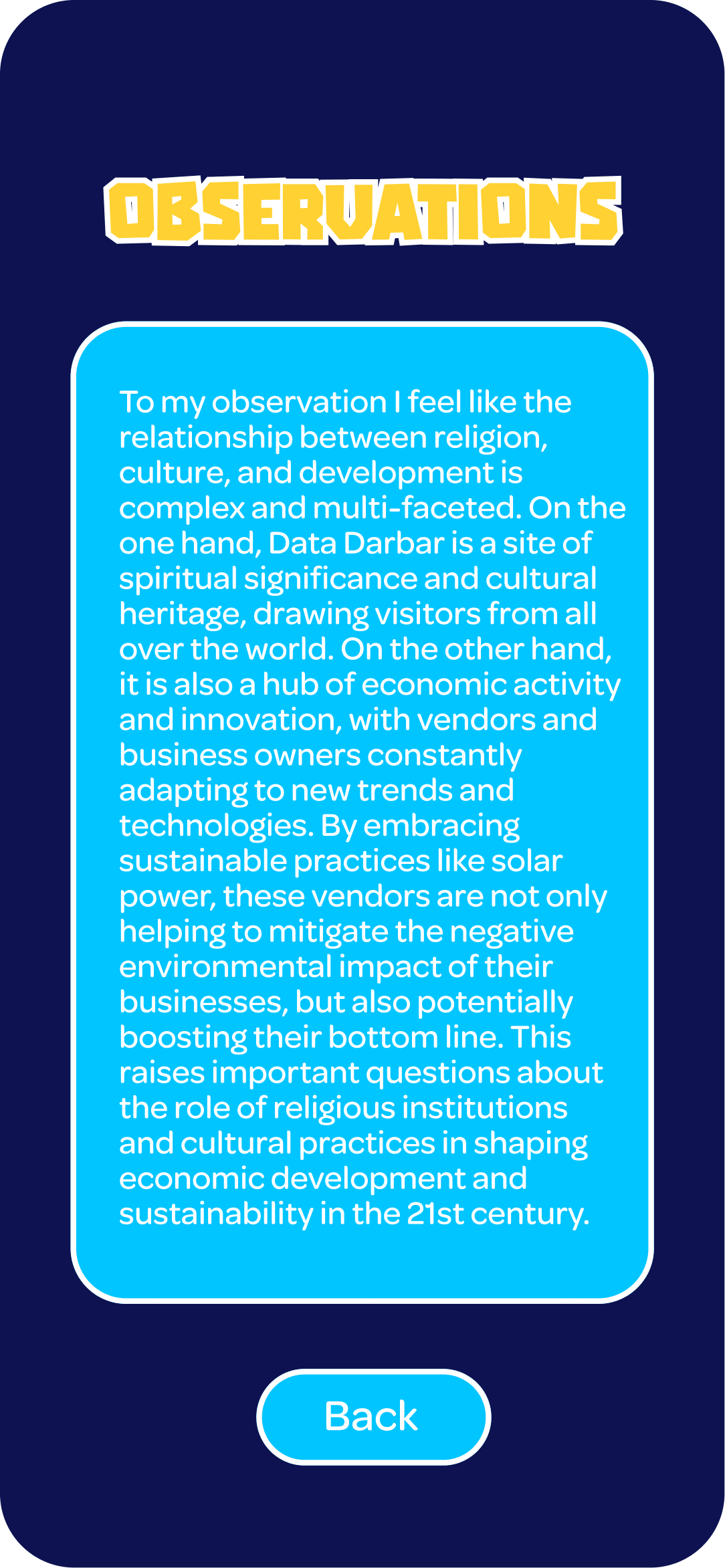
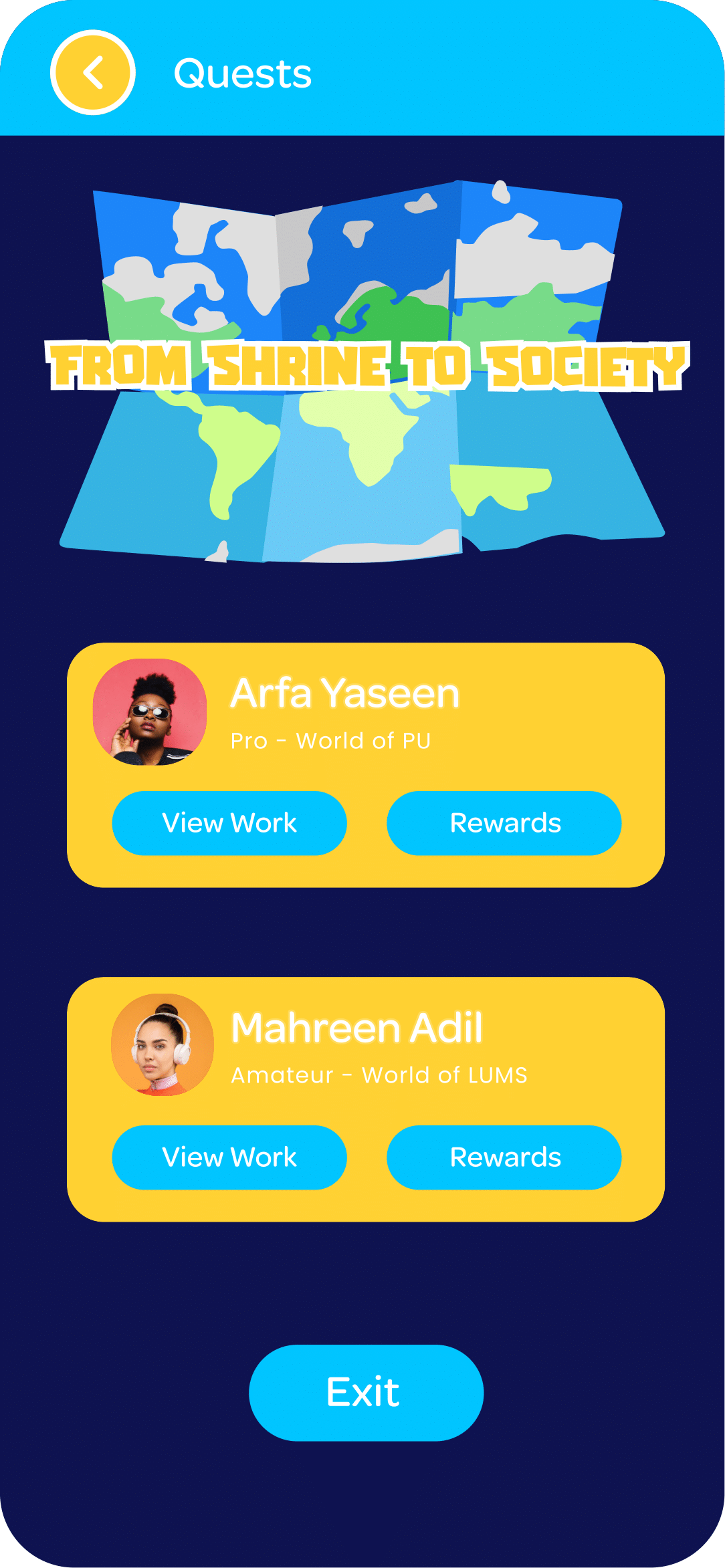
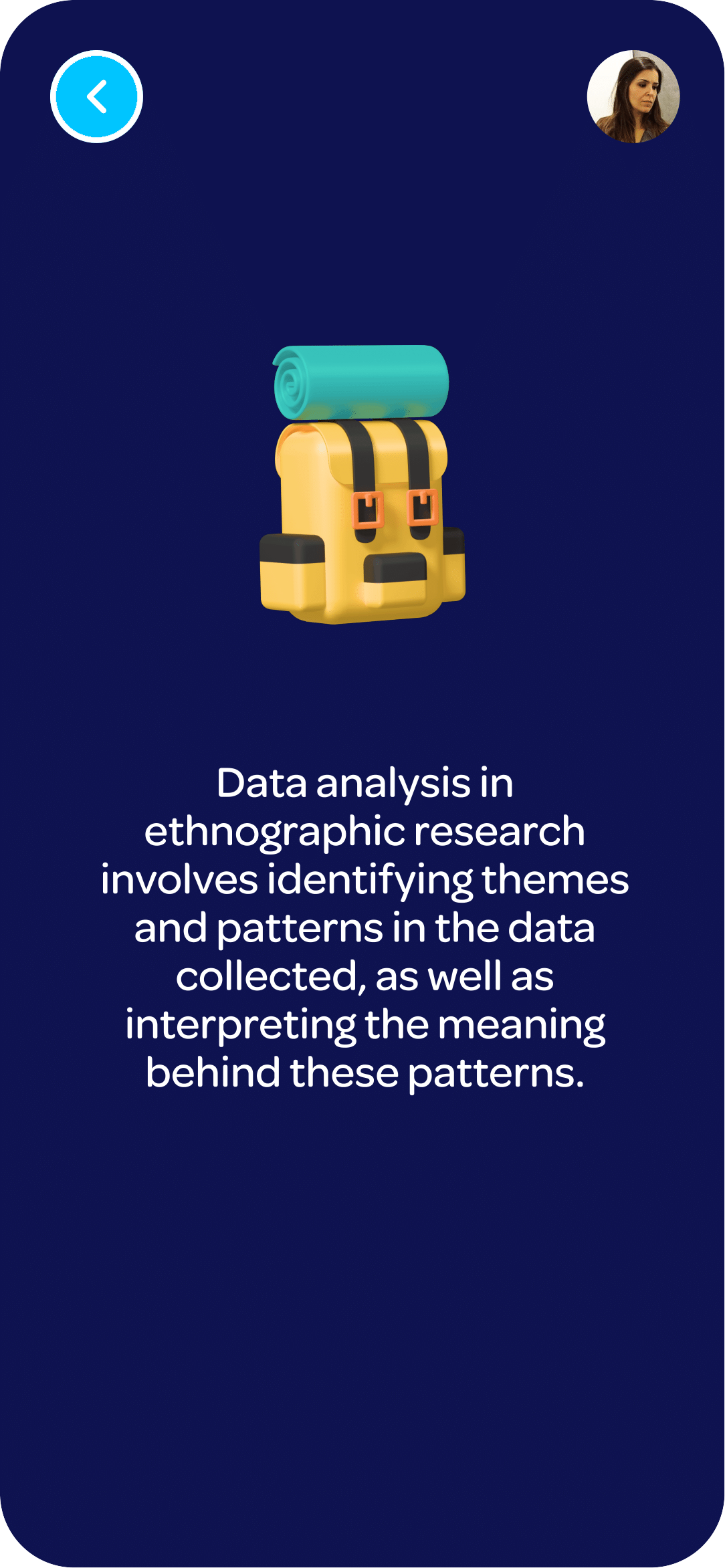
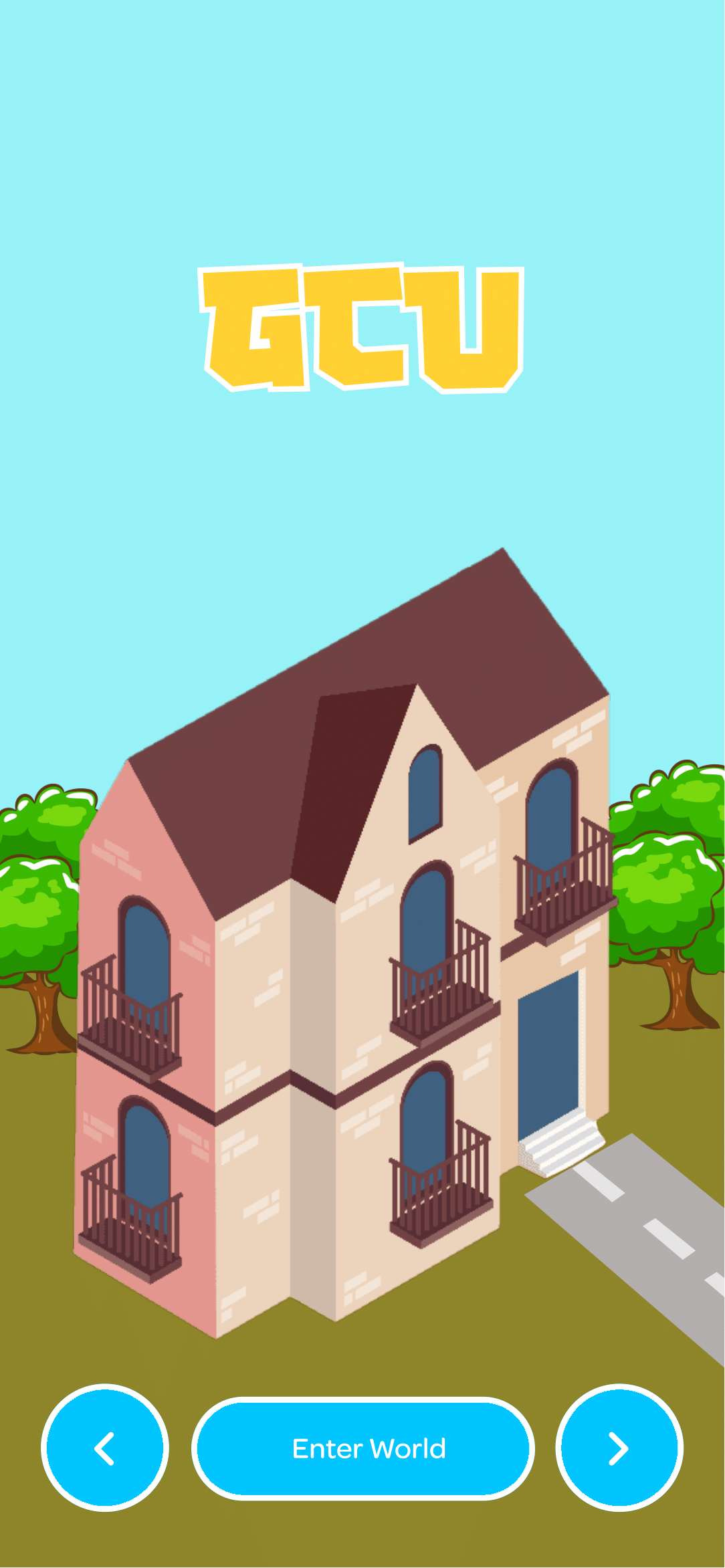
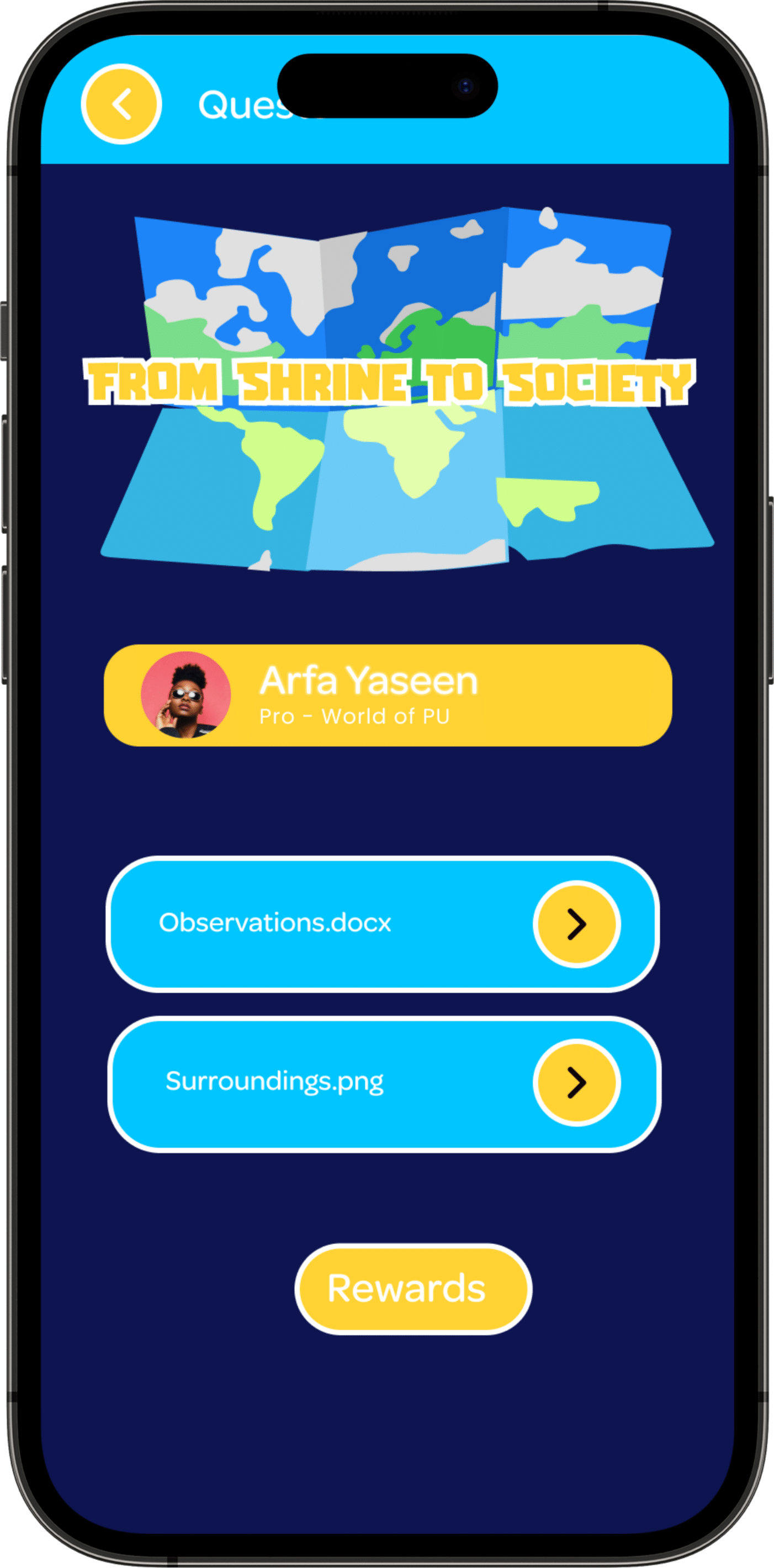
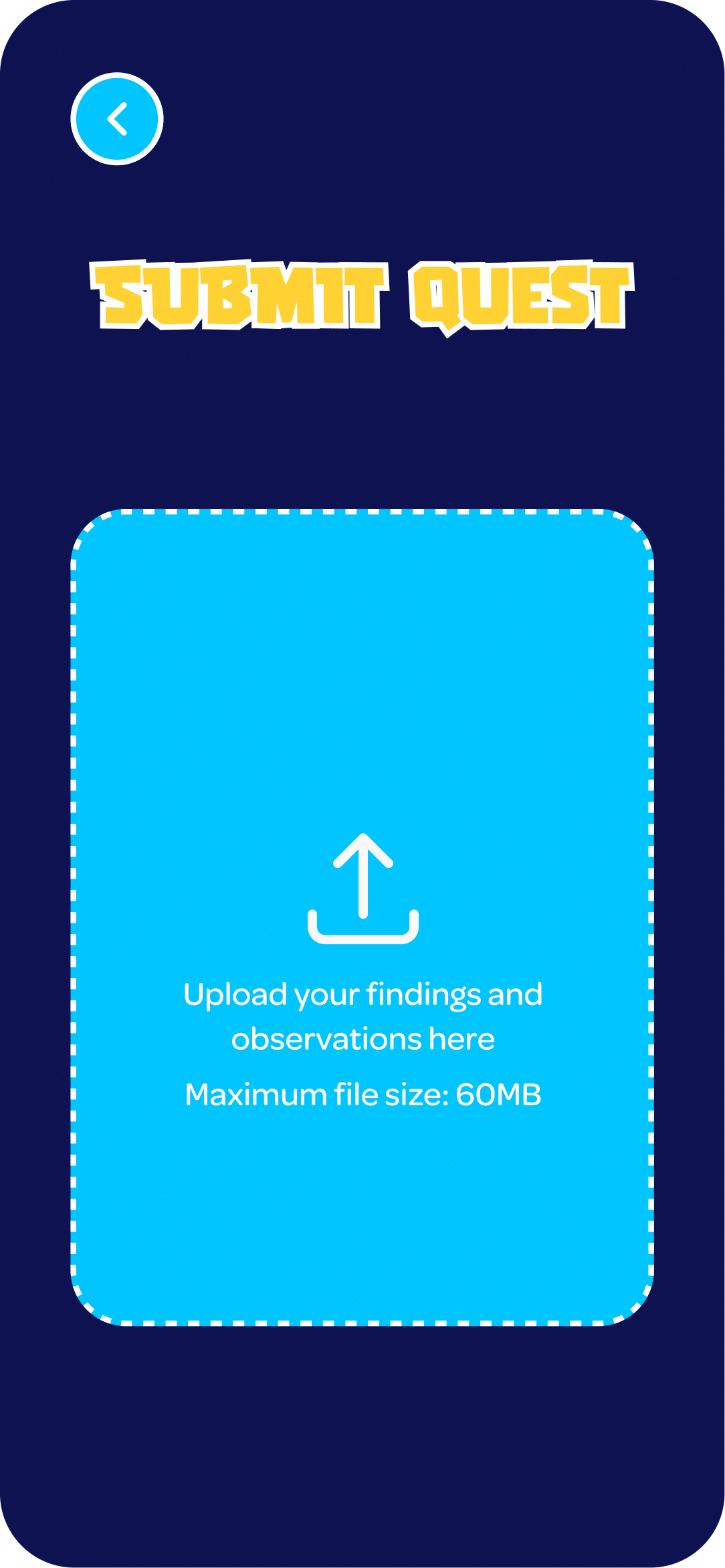
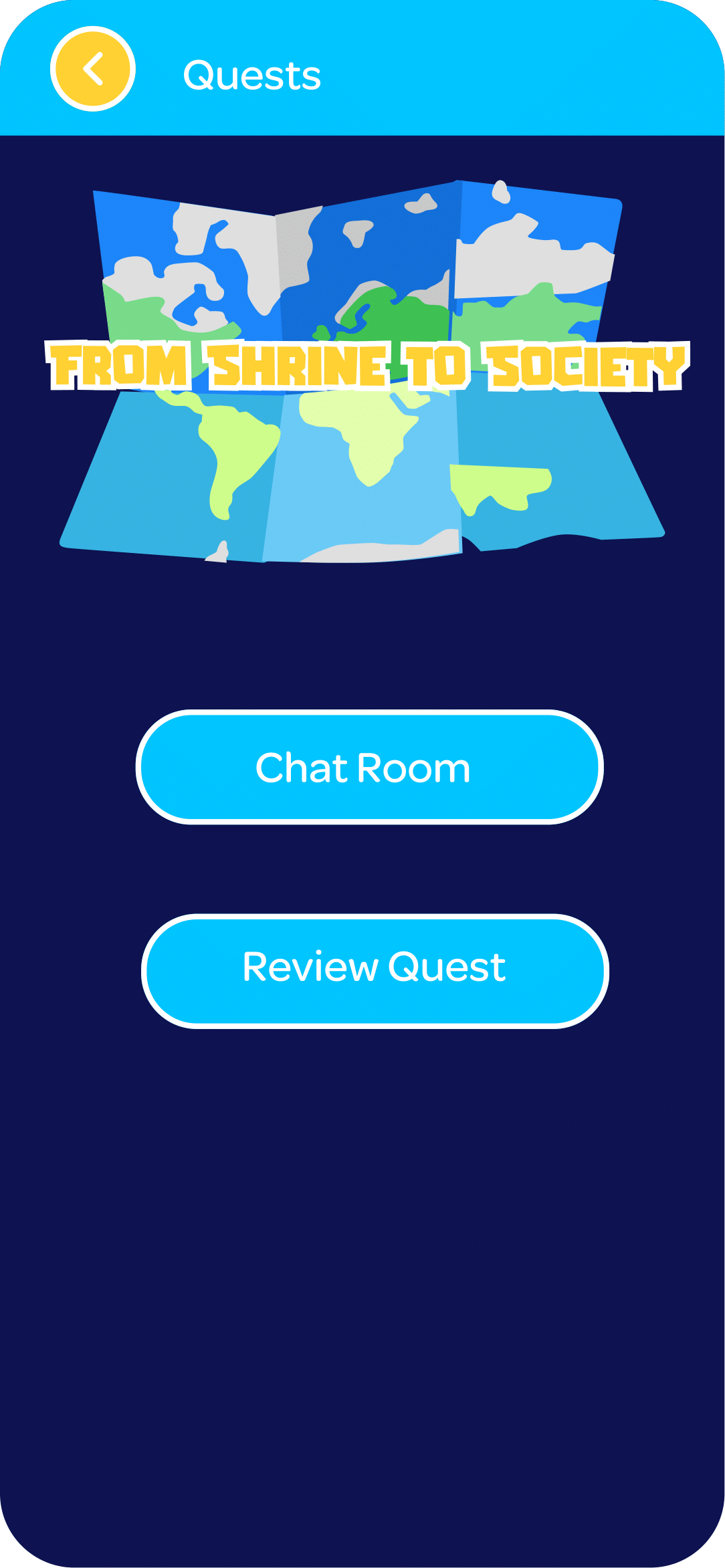
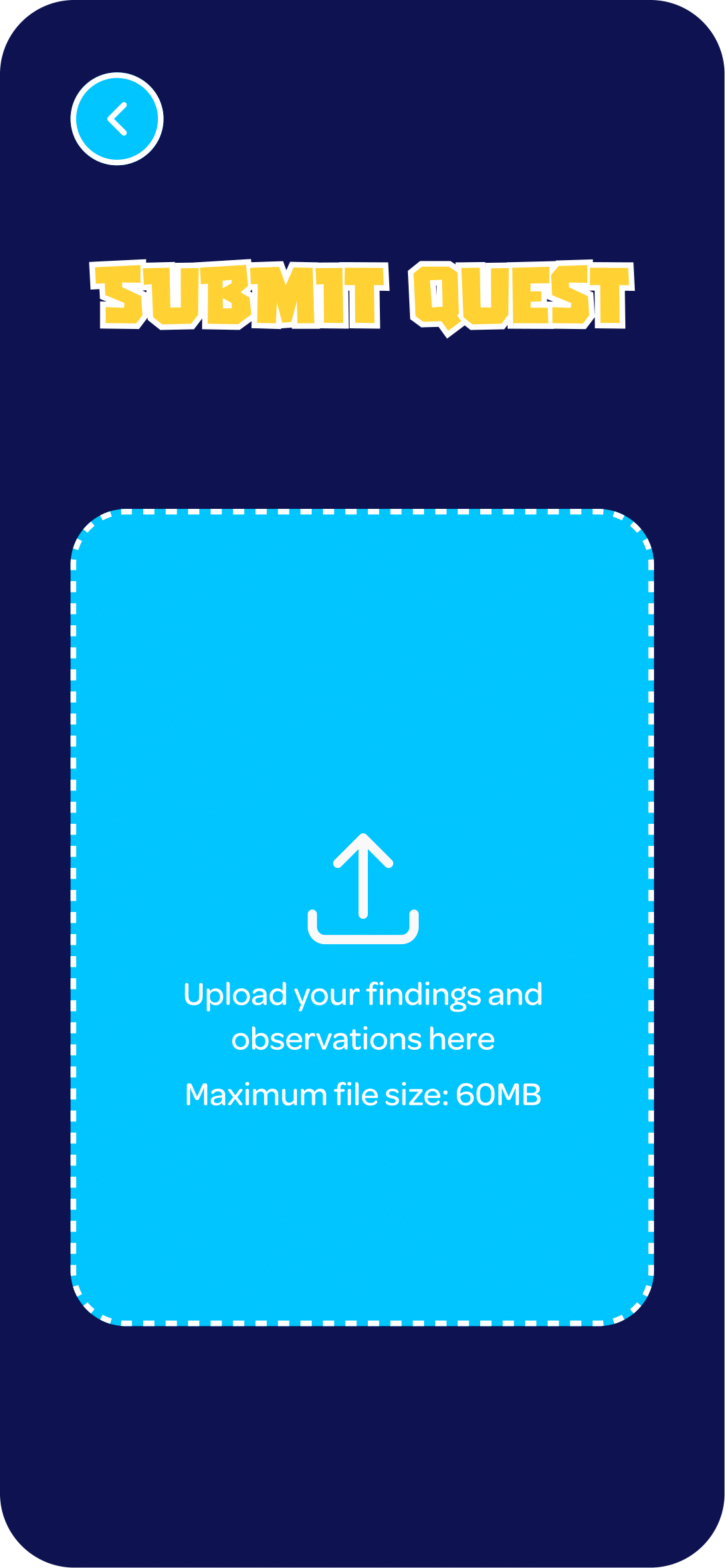
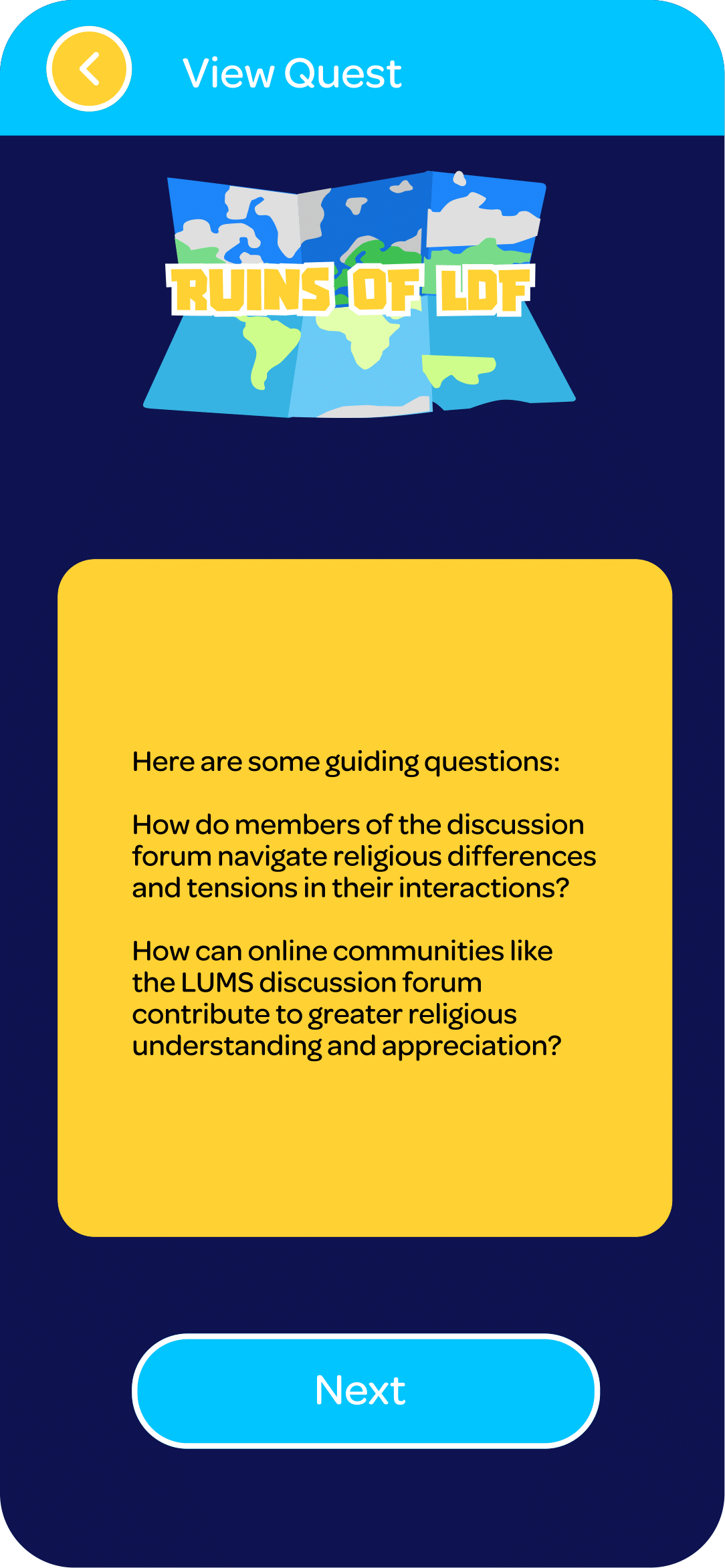
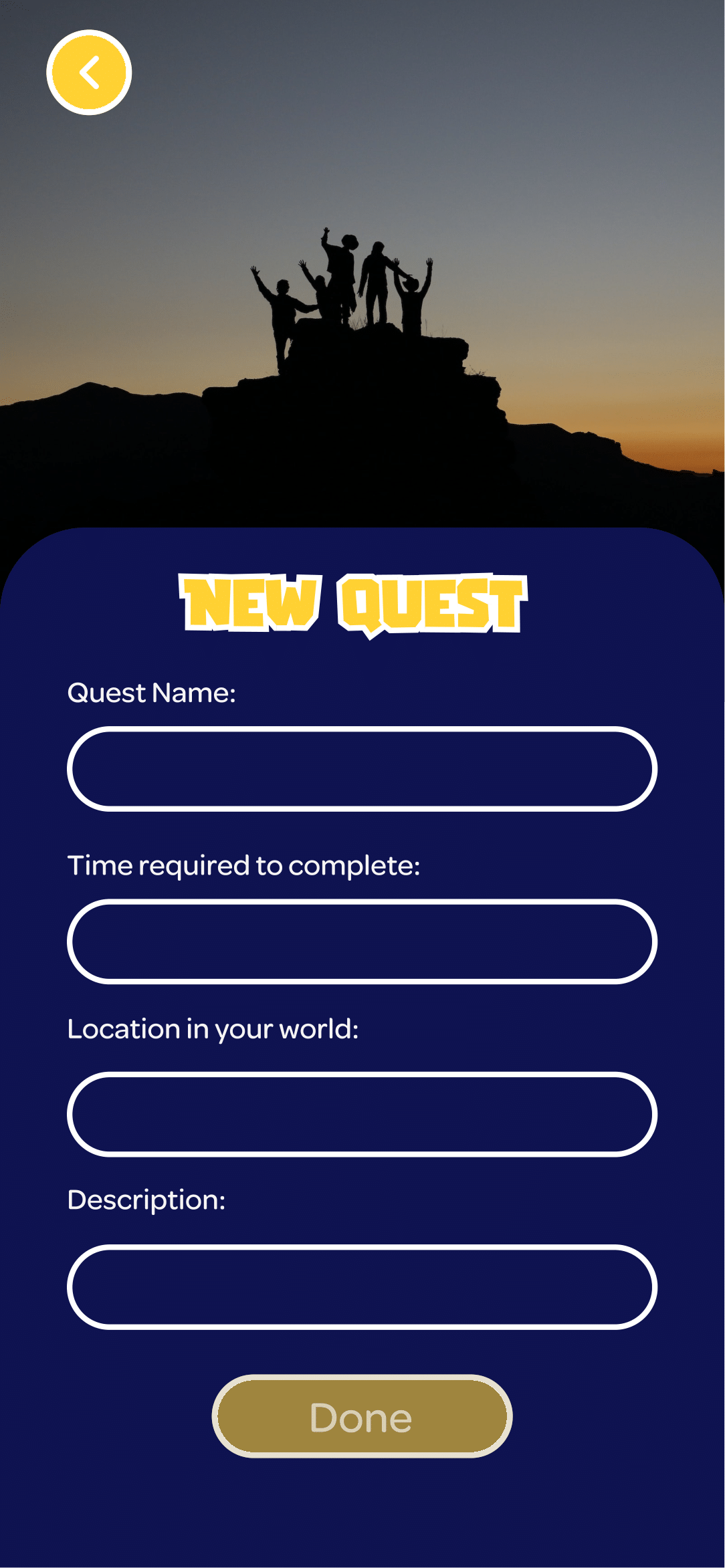
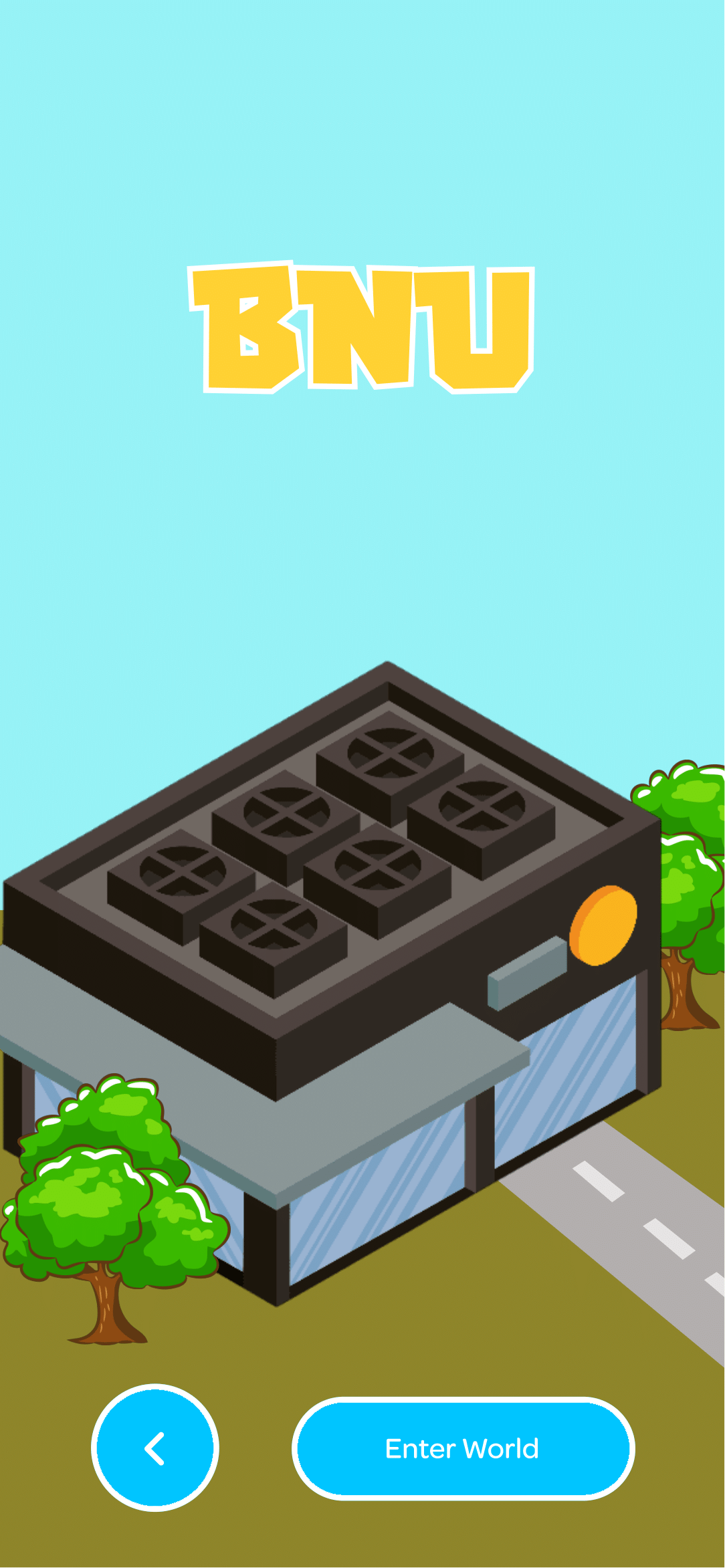
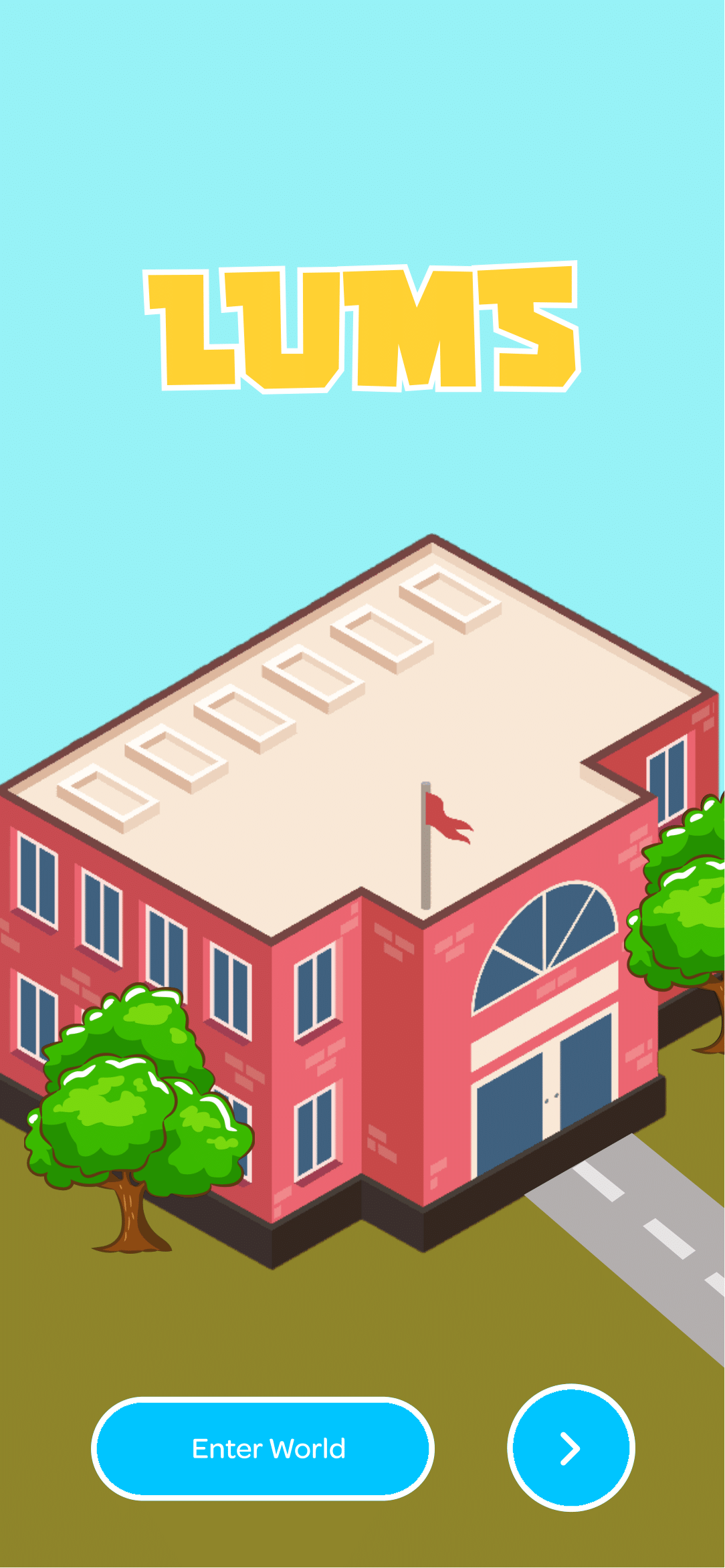
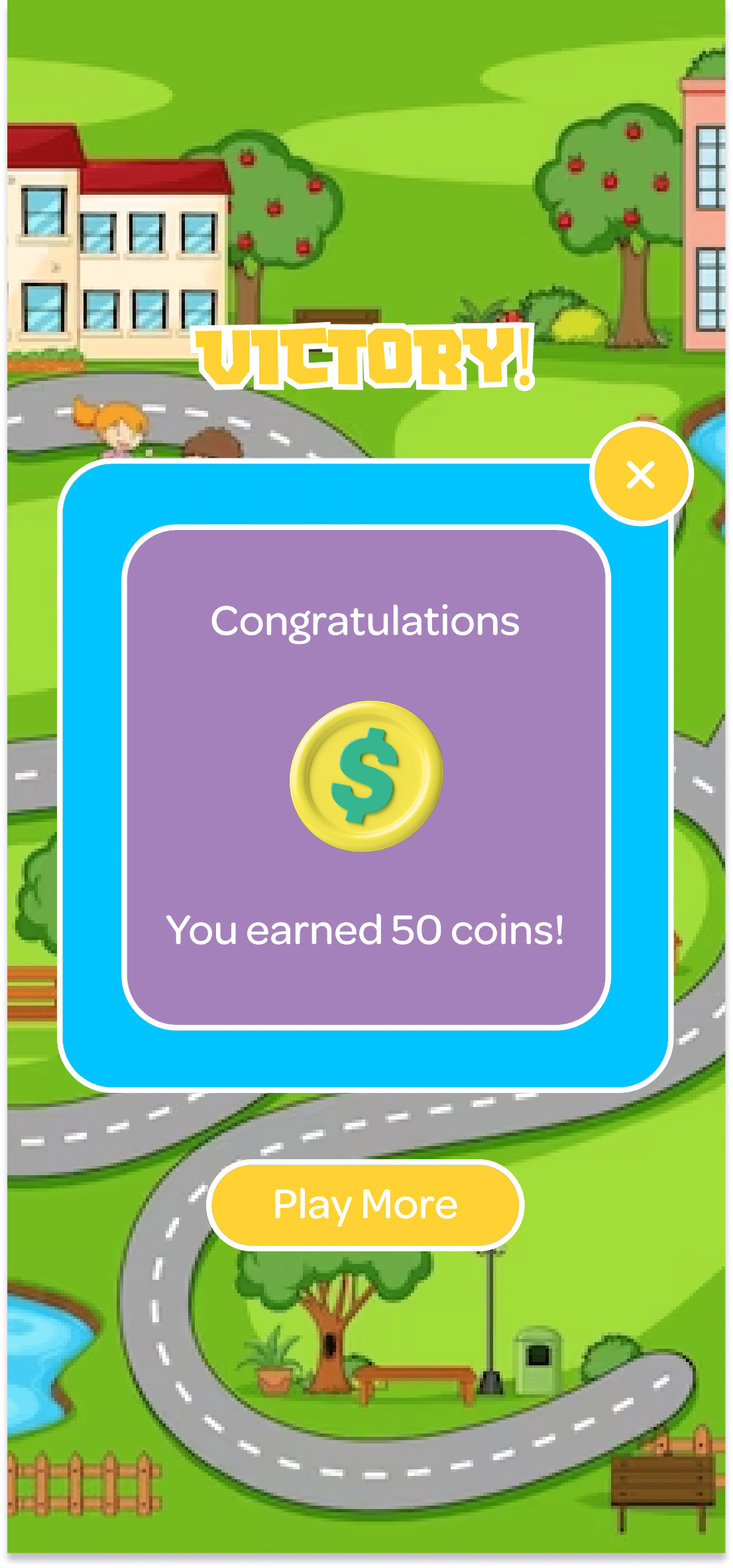
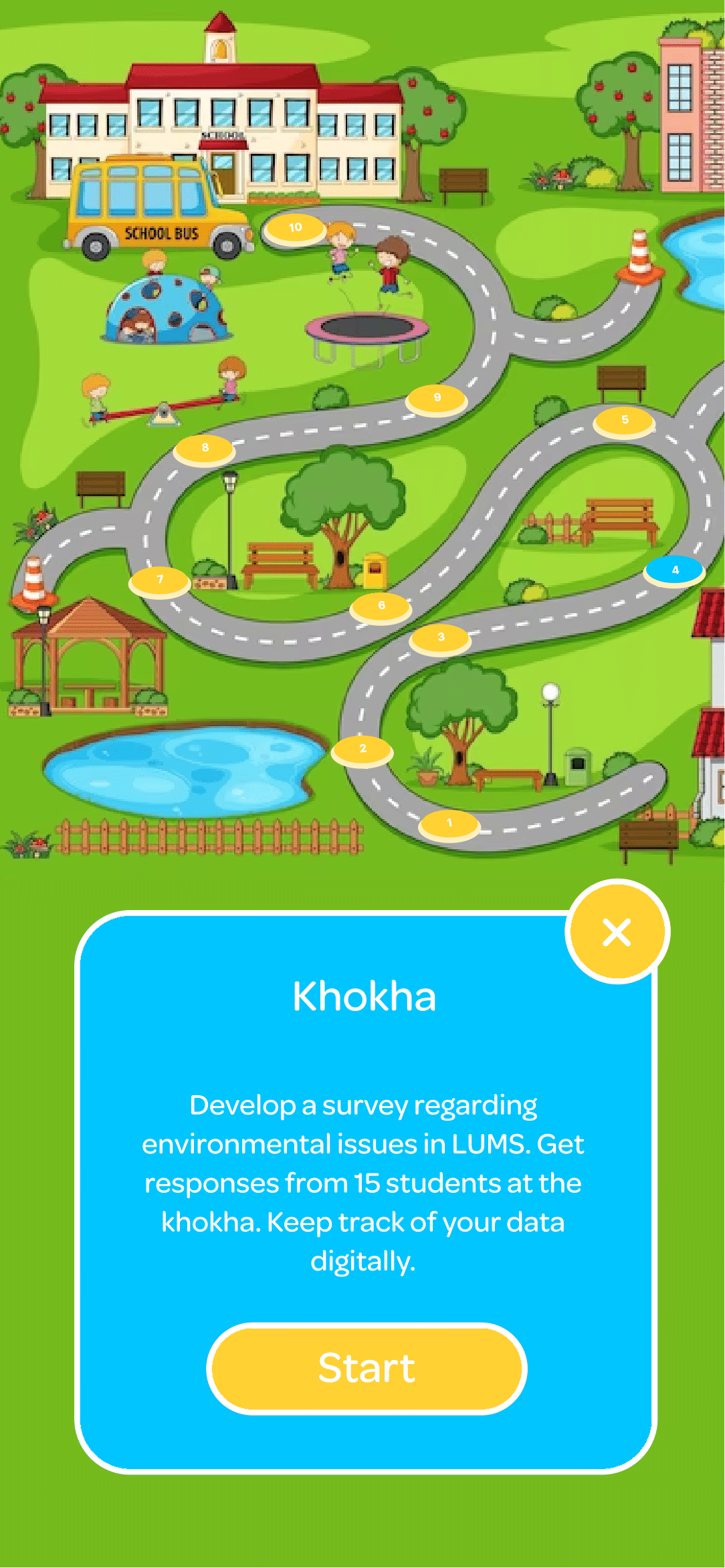
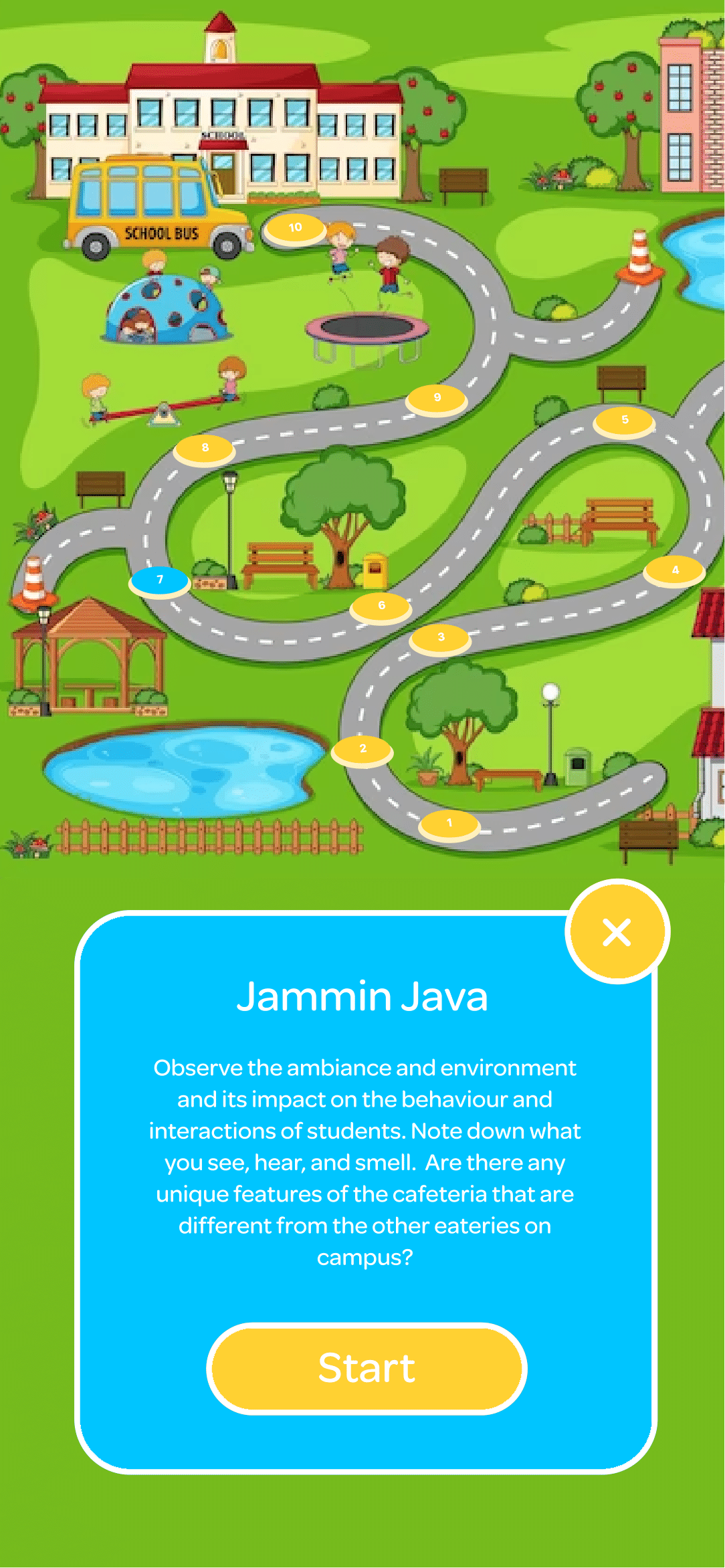
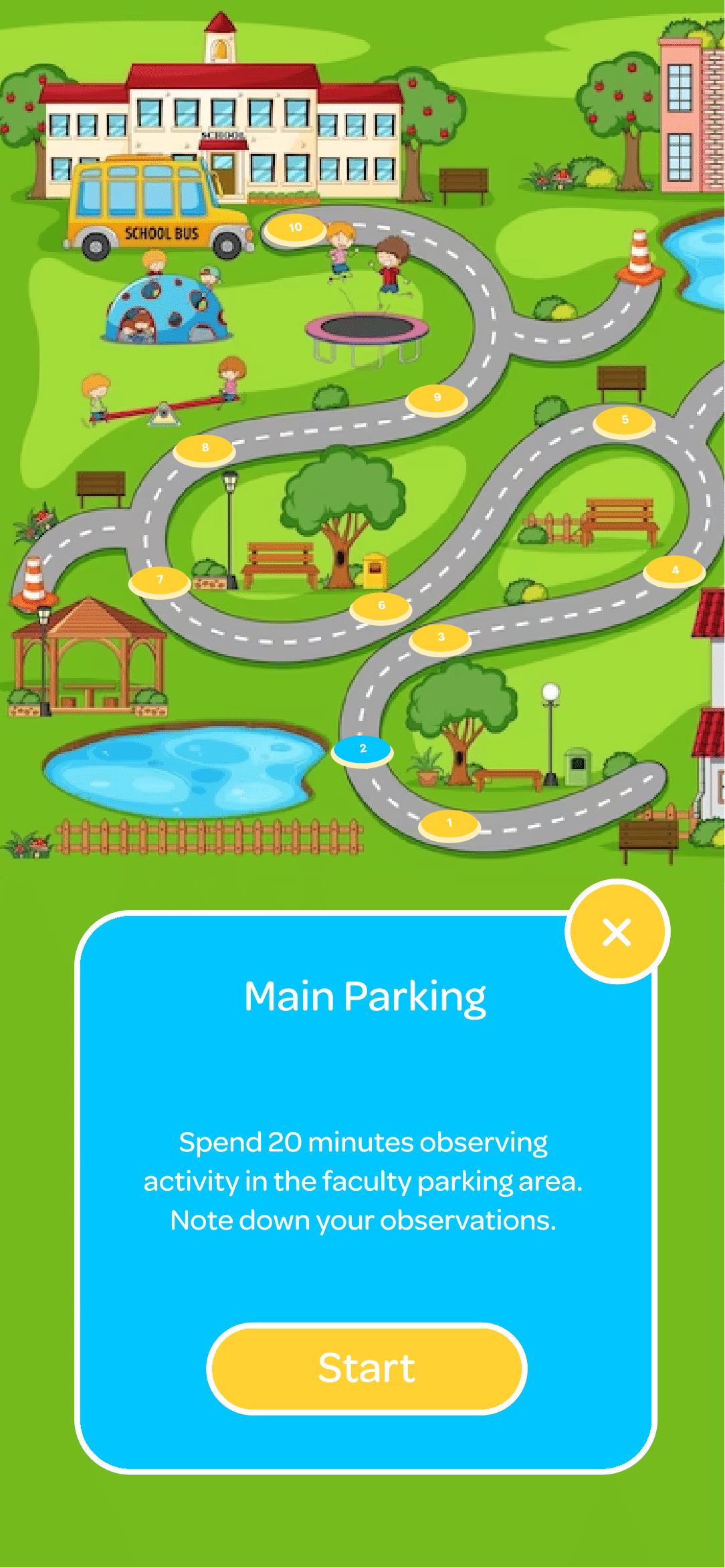
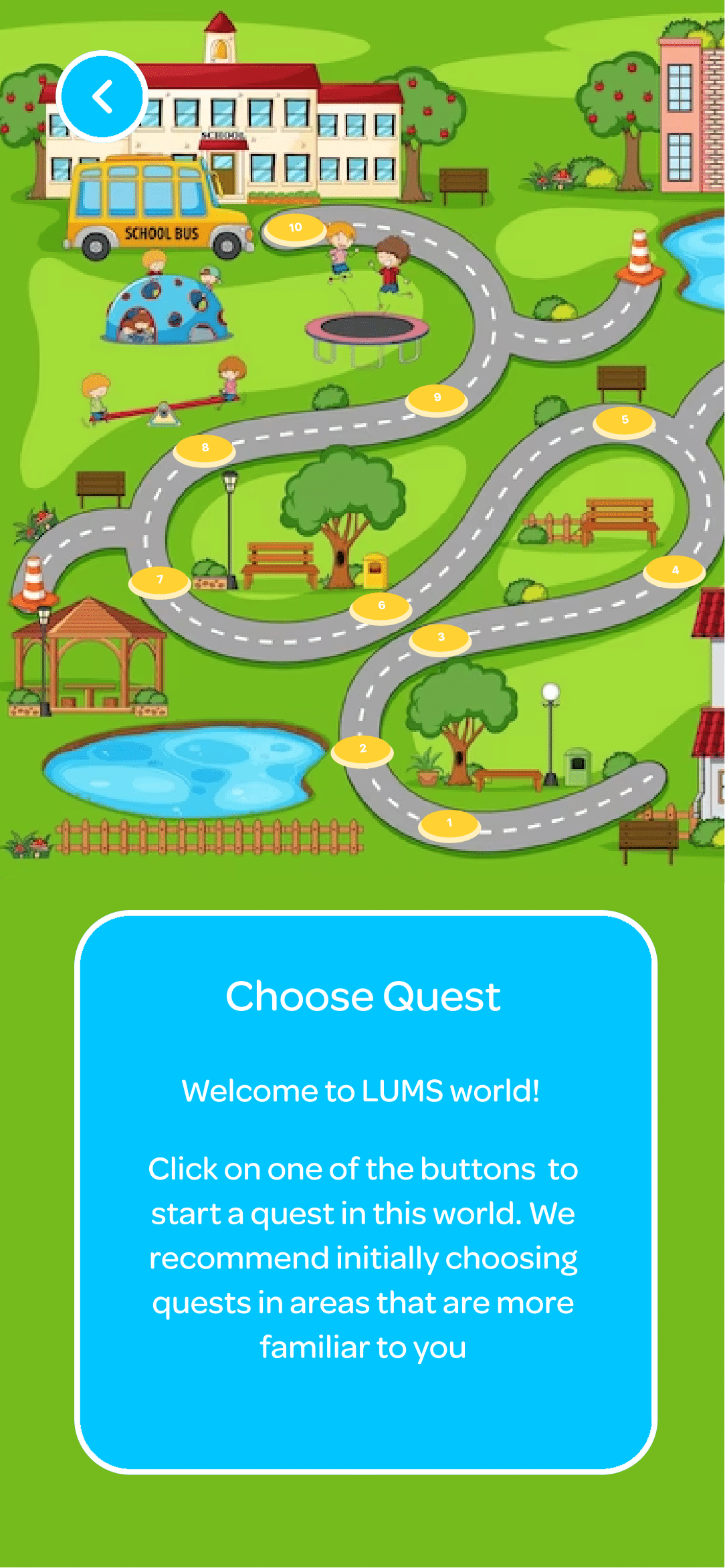
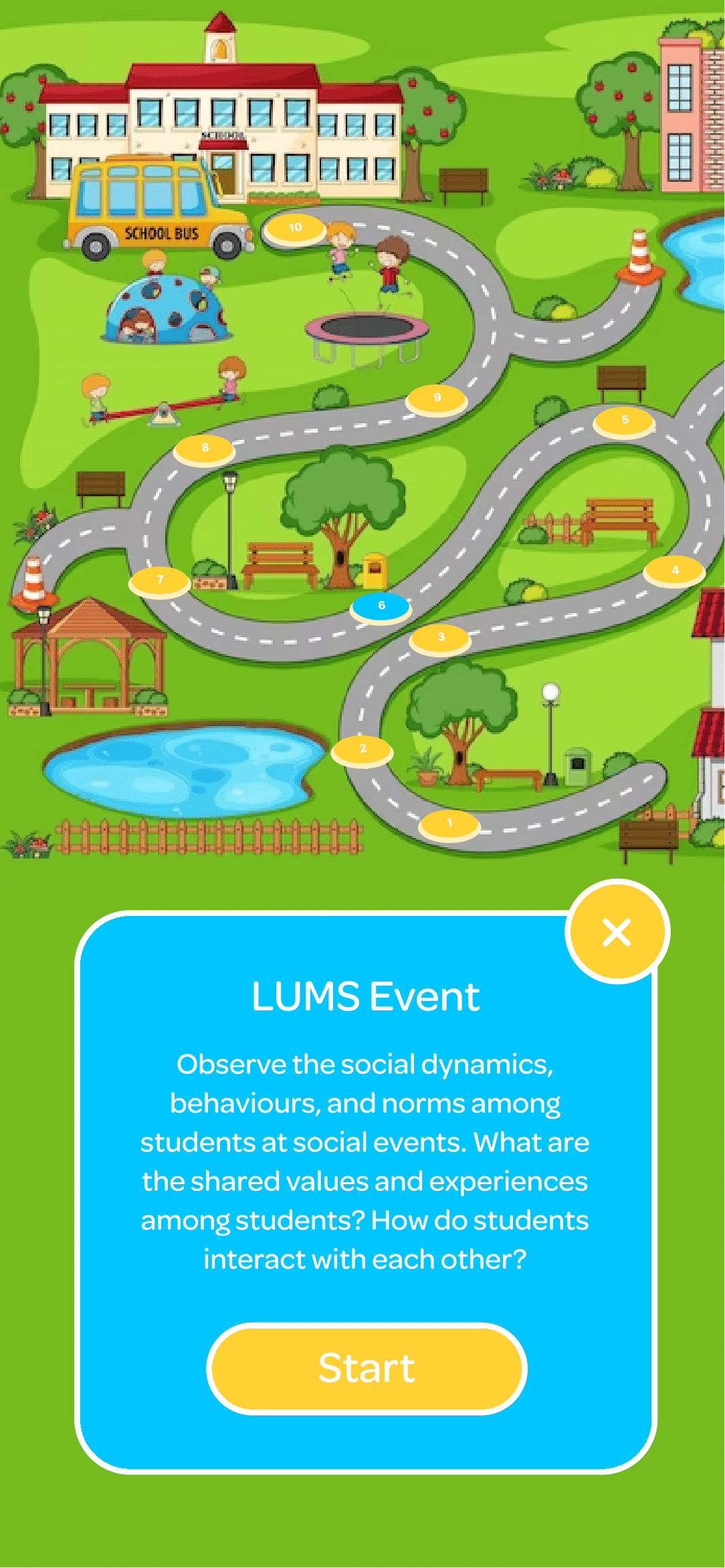
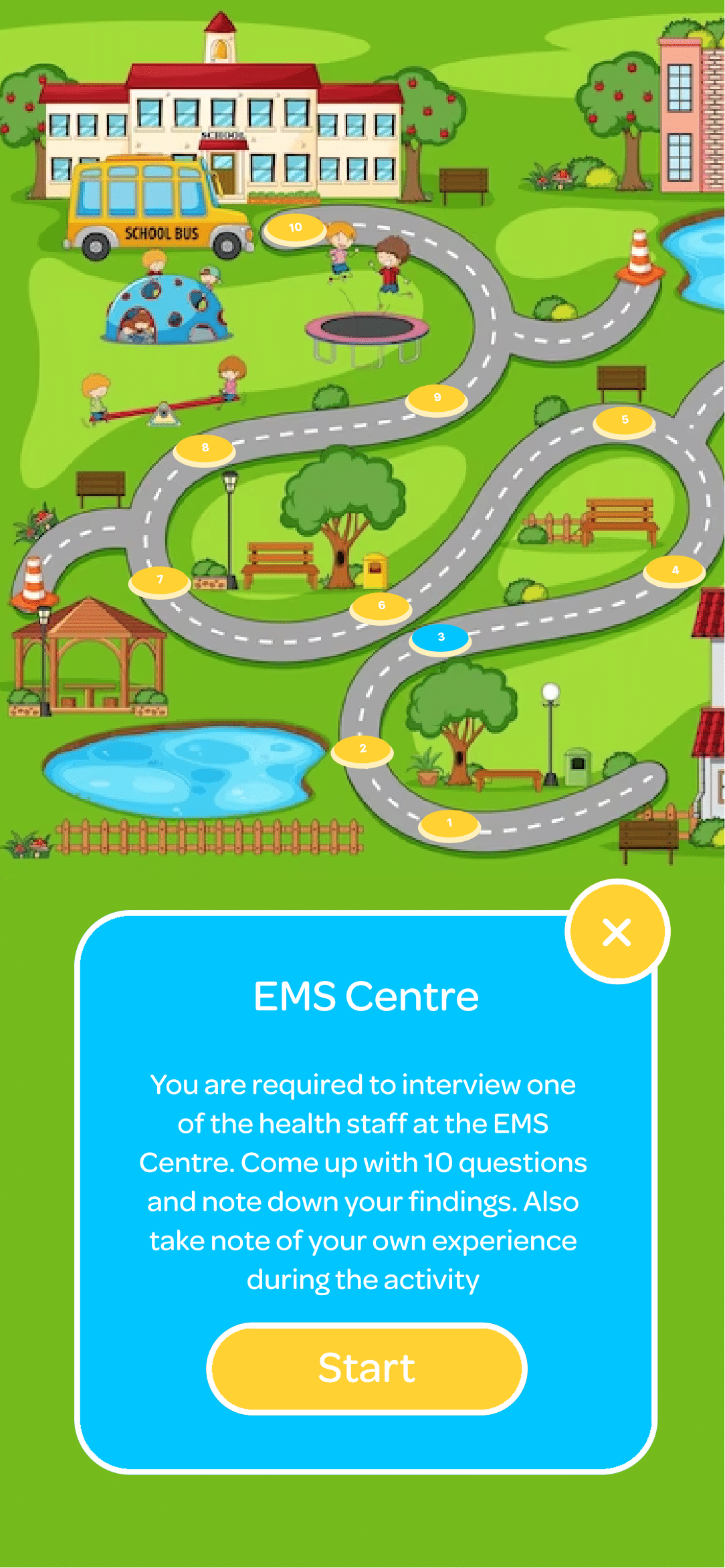
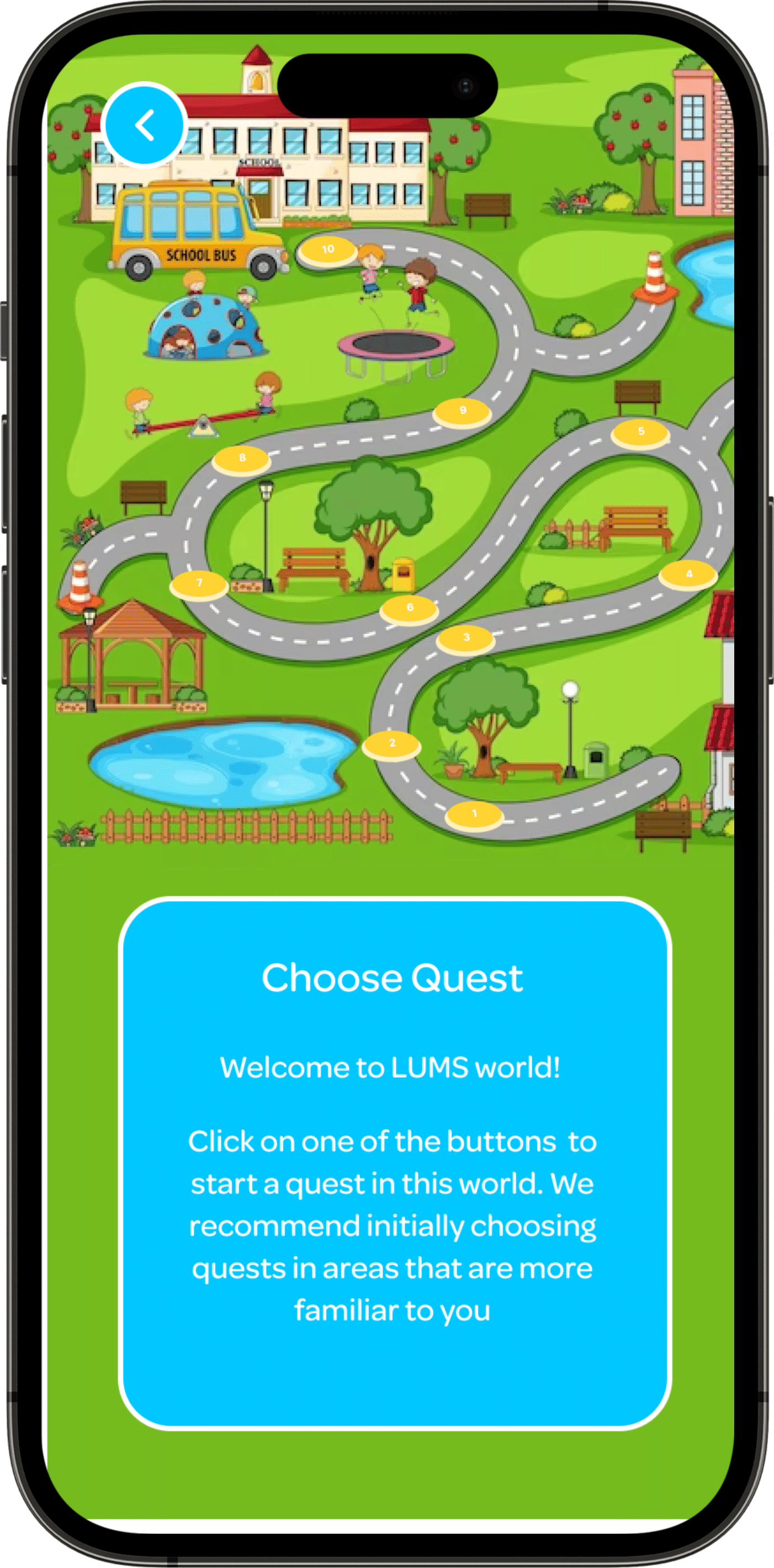
Quests: Students engage in location-based quests within their university campus, where they conduct ethnographic research. For example, they may have to have informal conversations with security guards to understand their work experiences and note down their findings. These quests allow students to immerse themselves in their surroundings and develop a deeper understanding of their community.
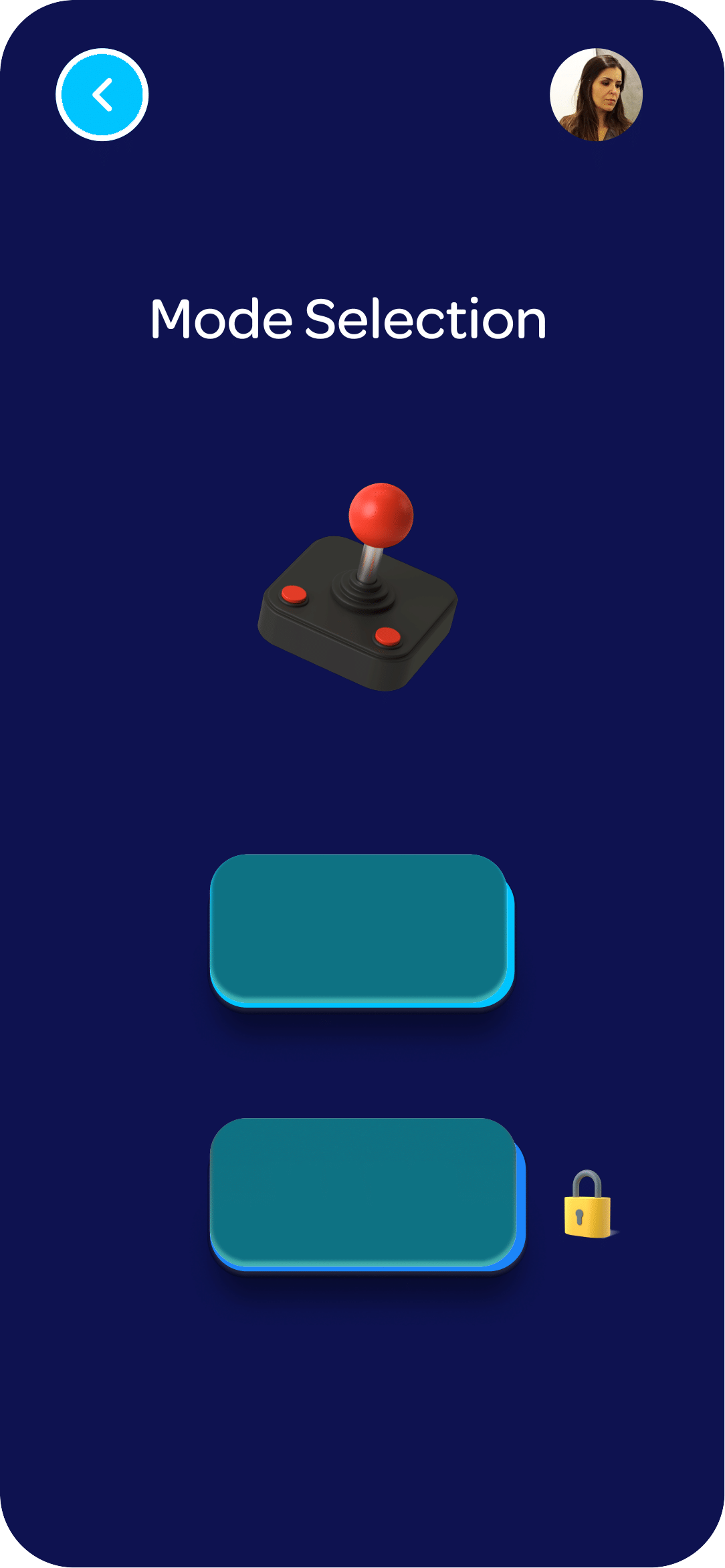
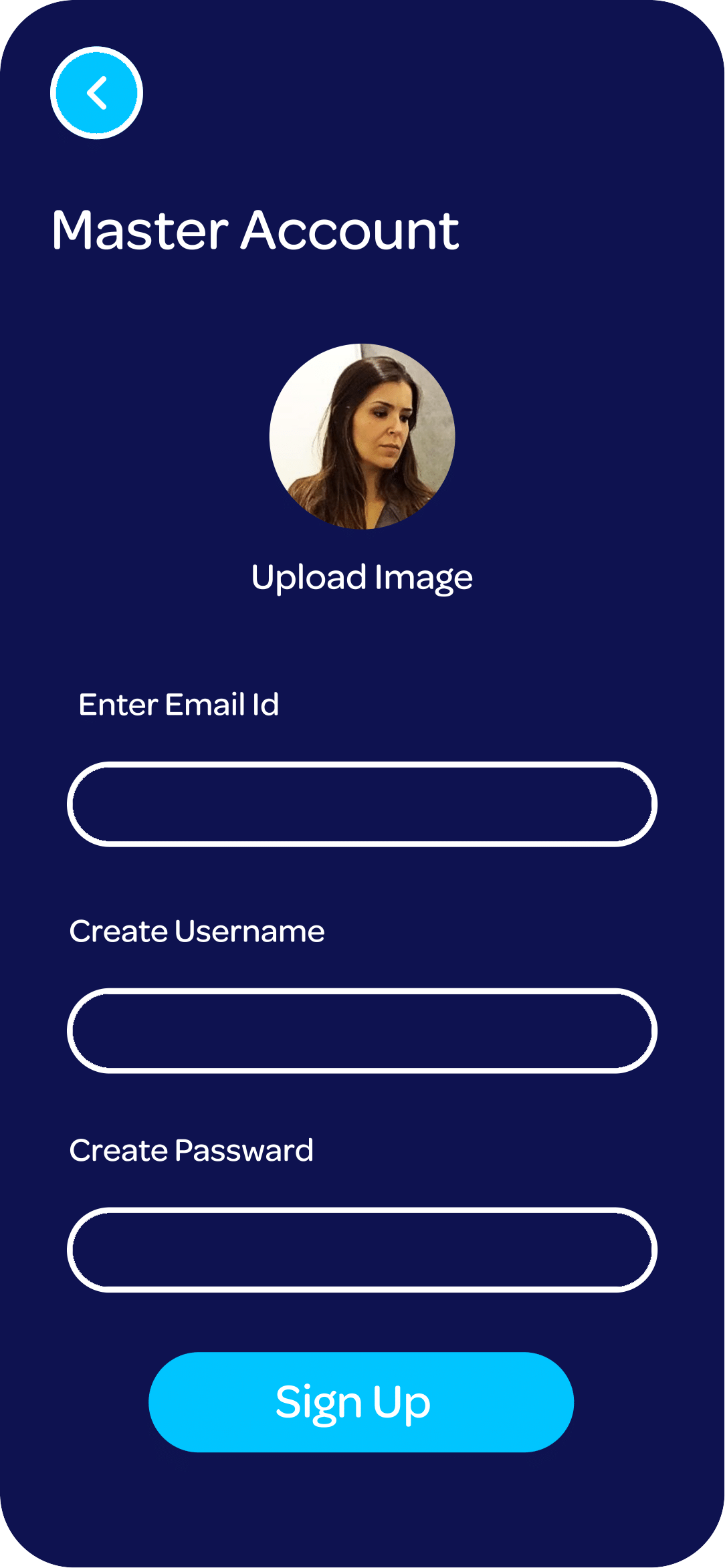
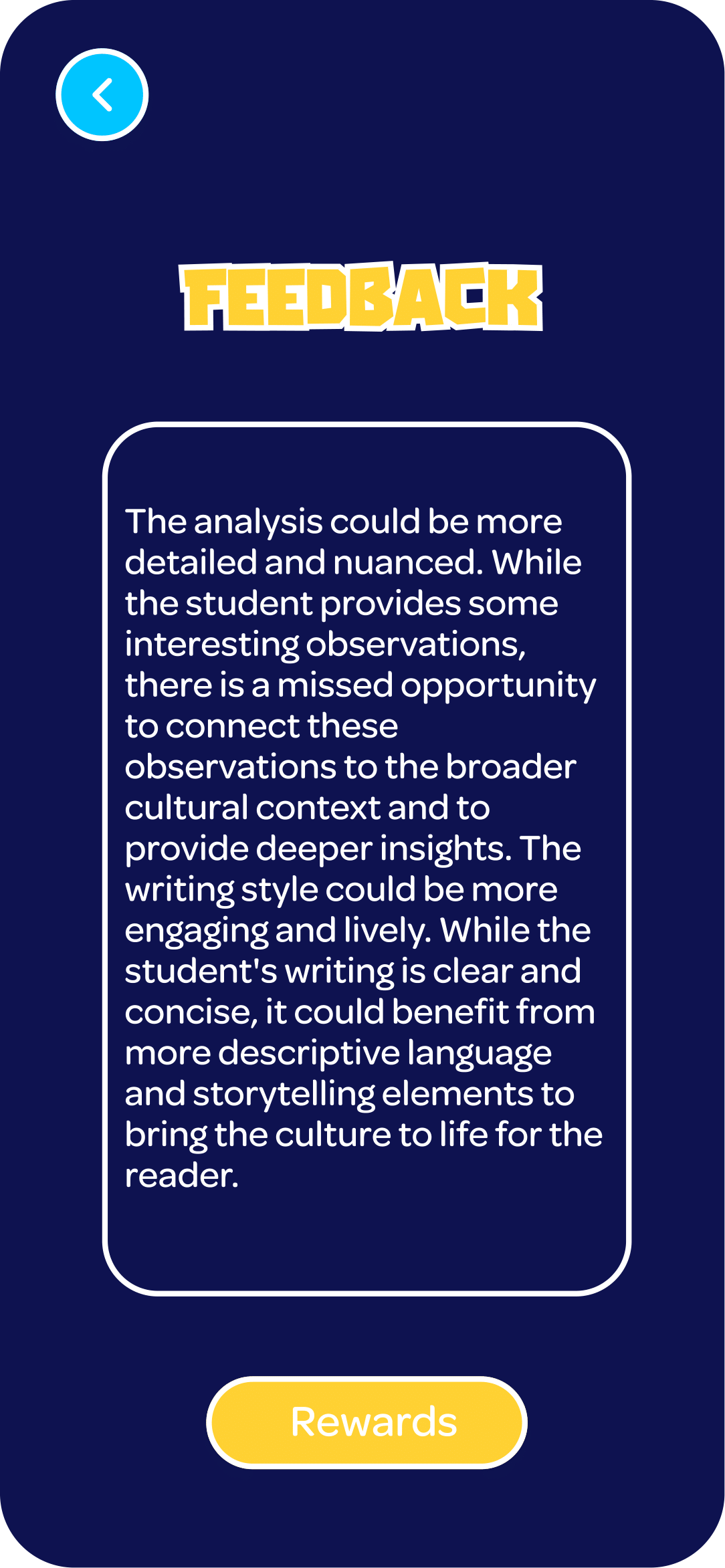
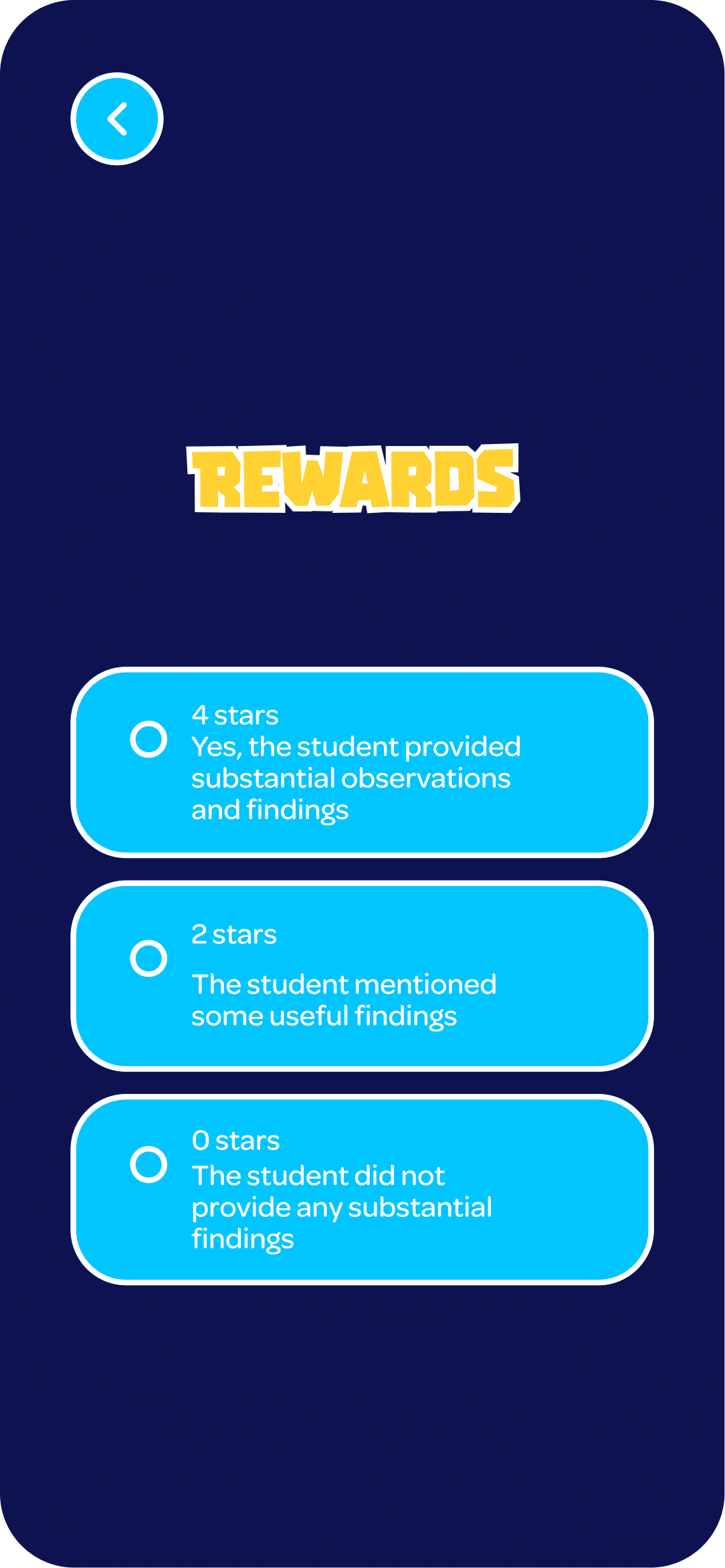
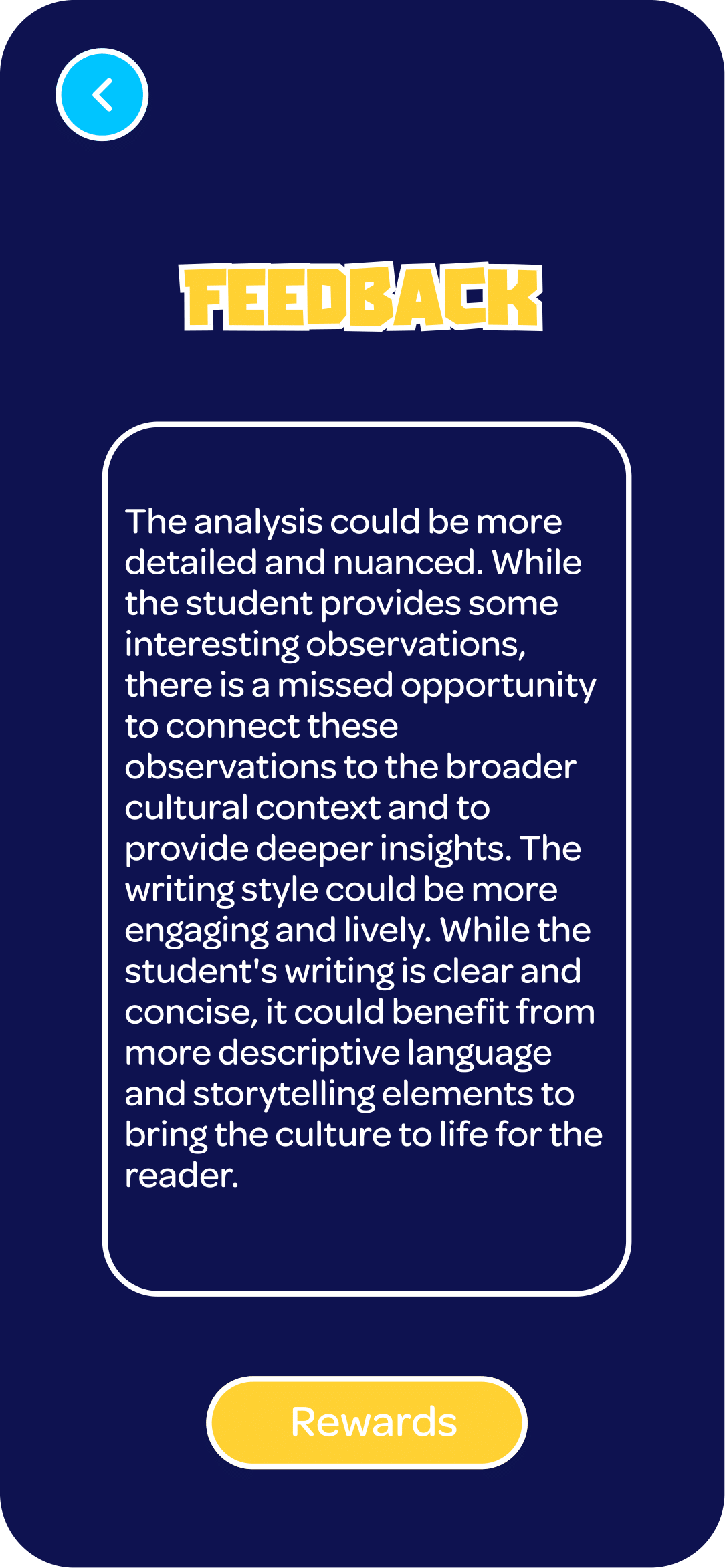
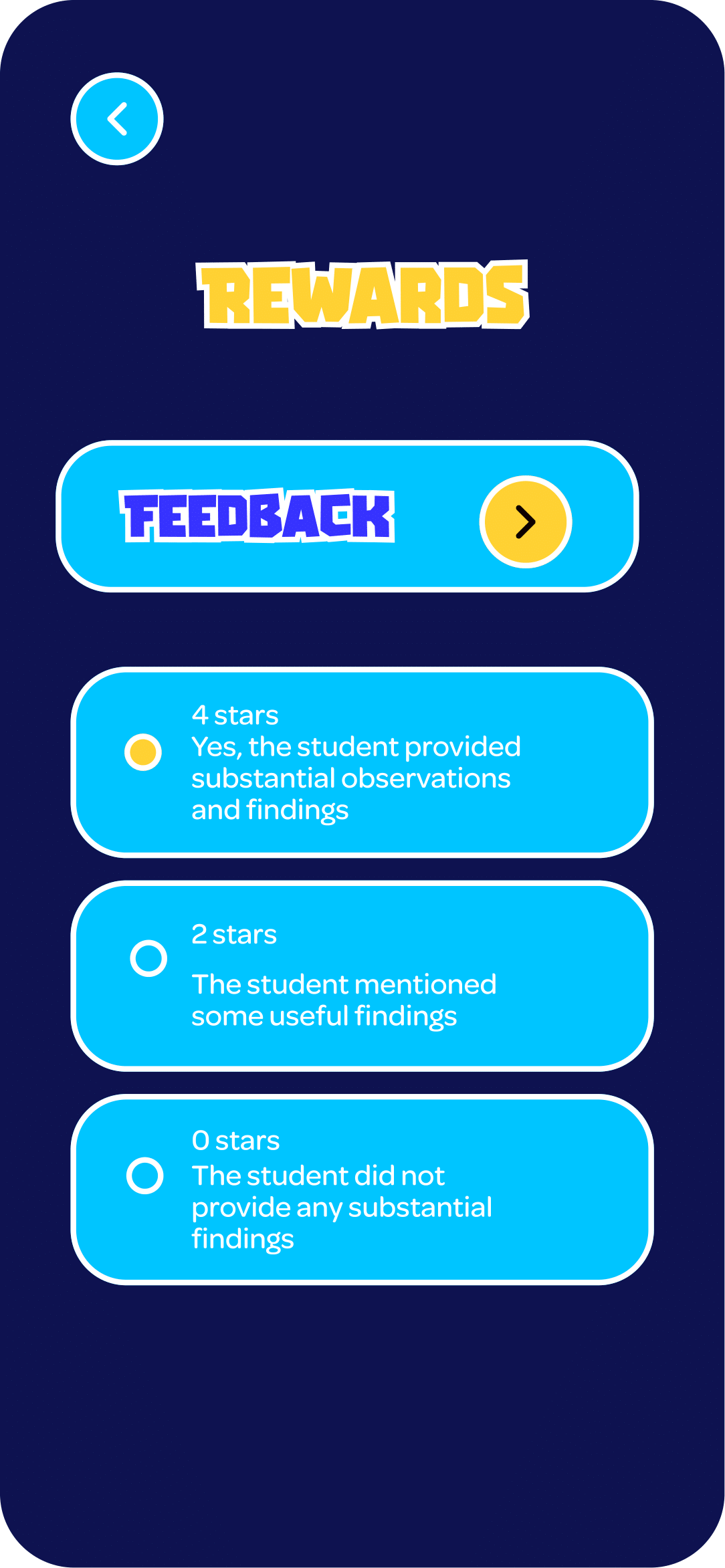
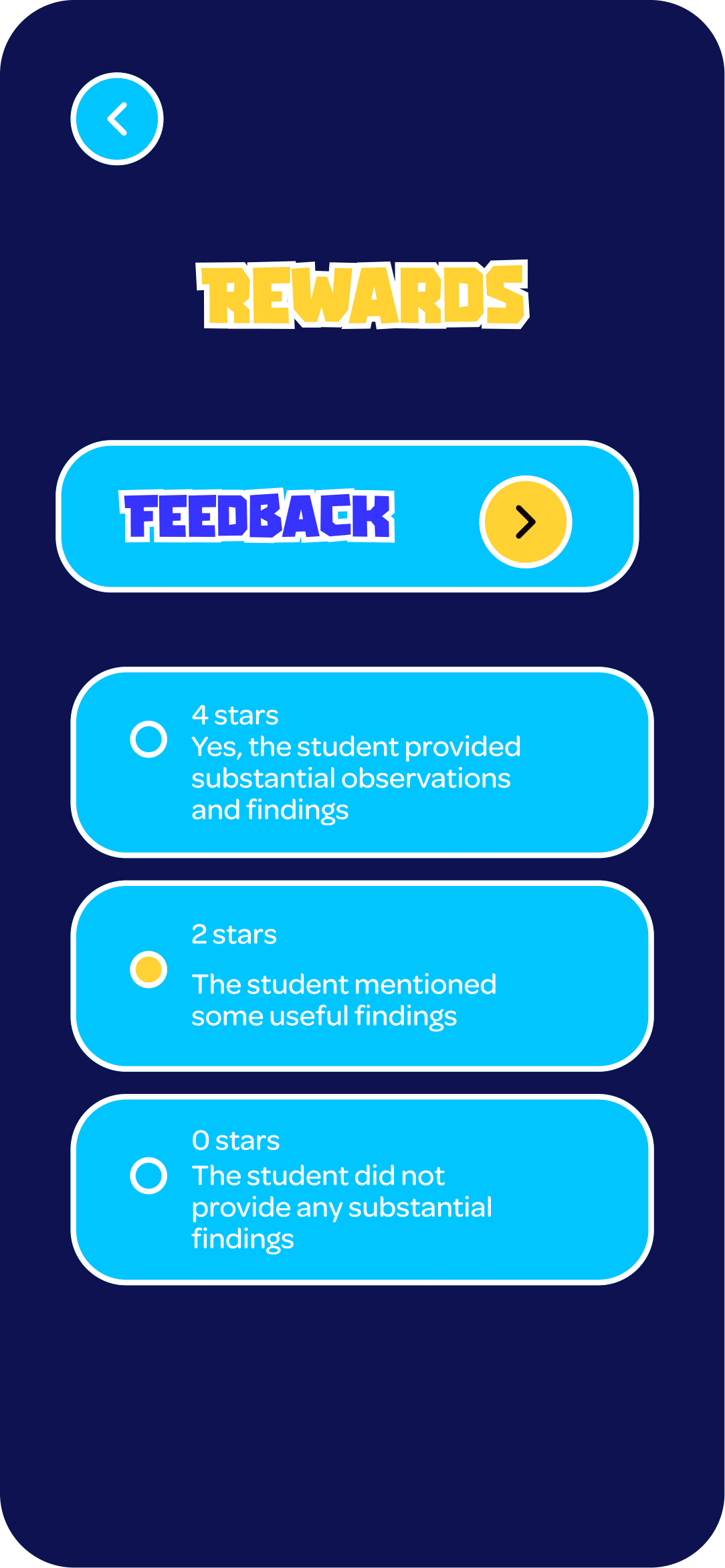
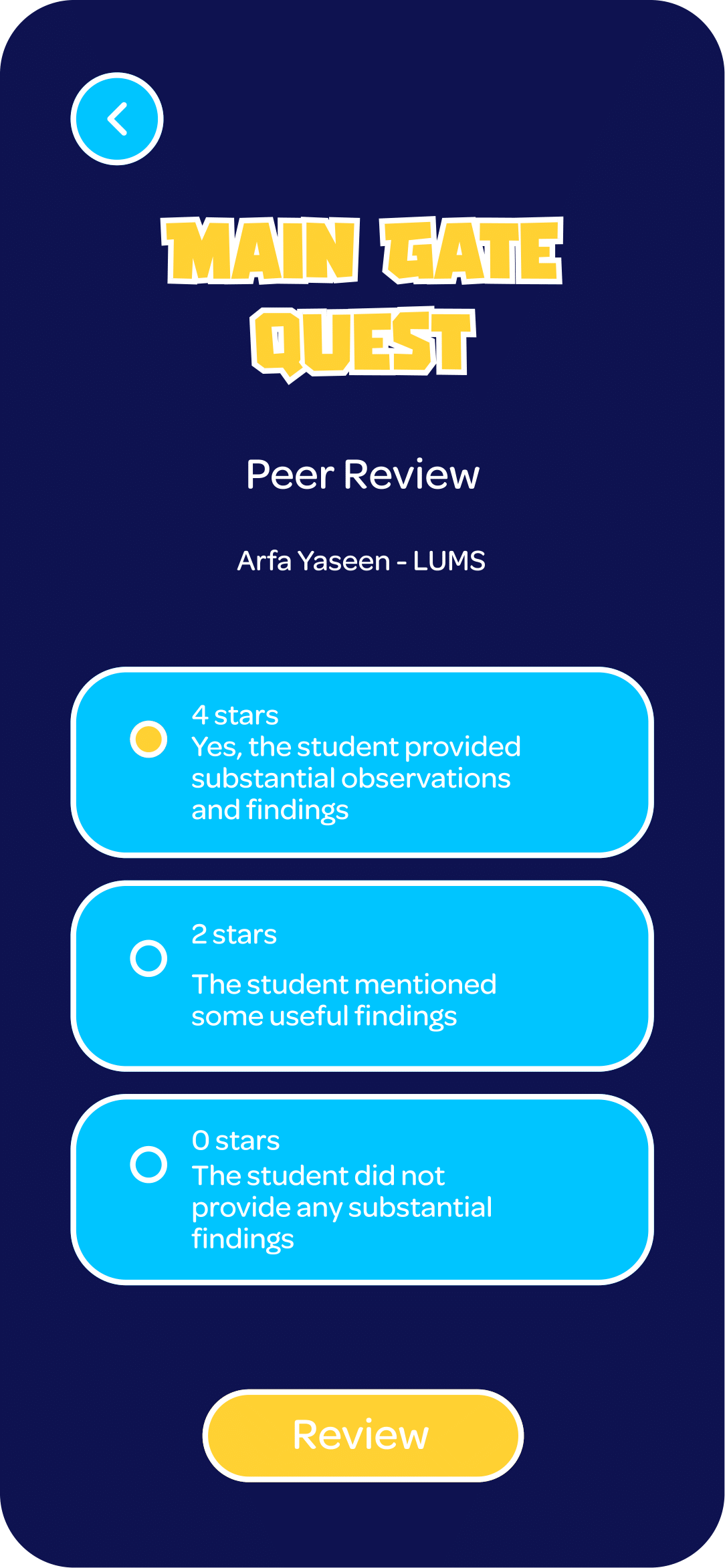
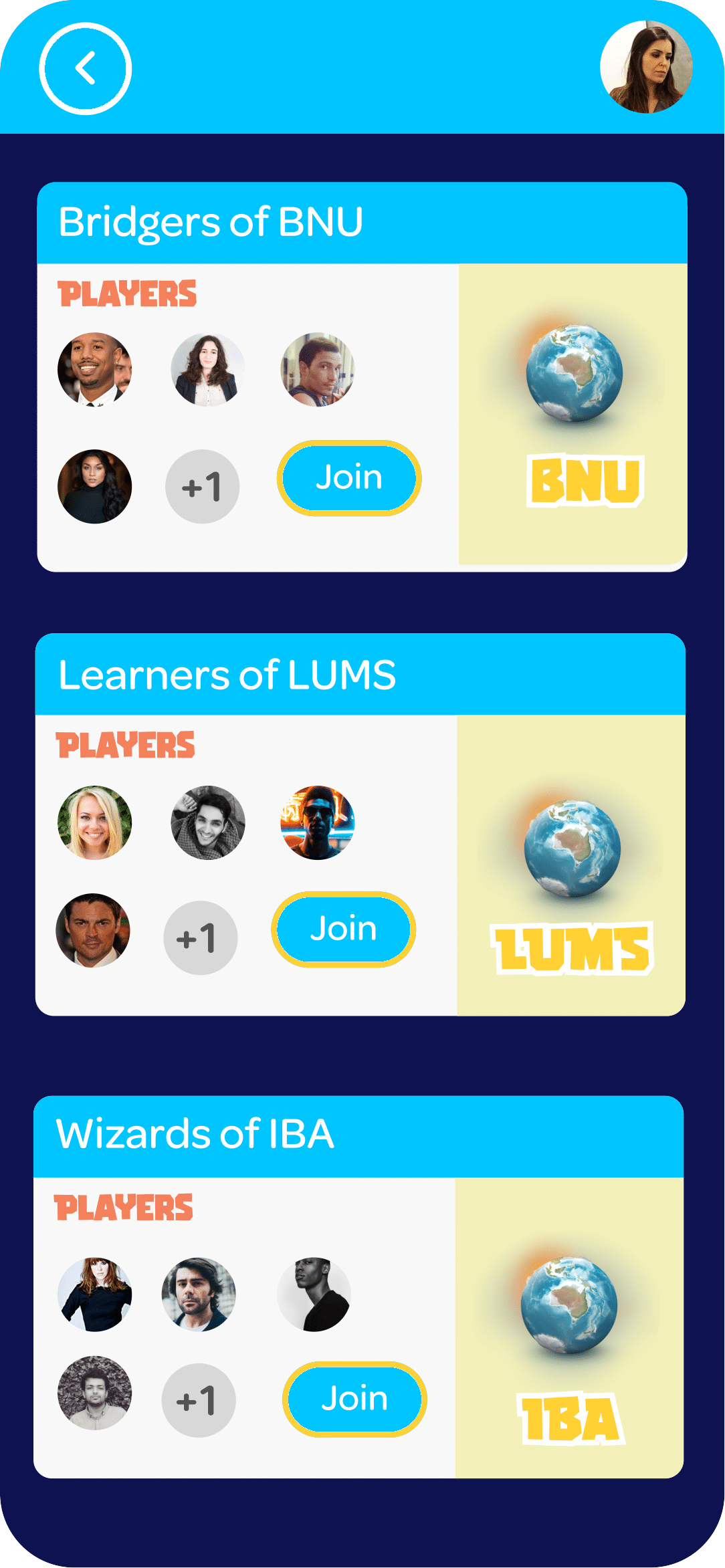
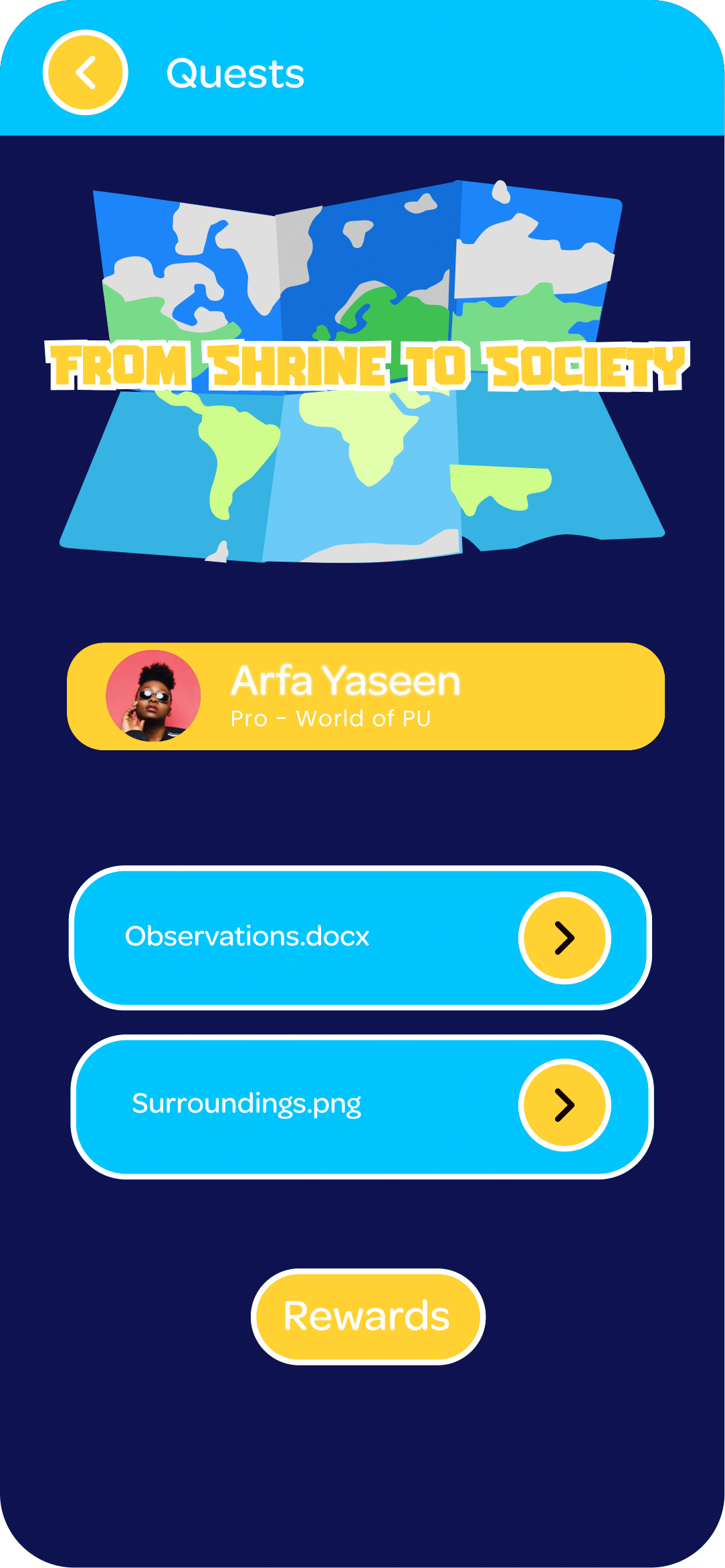
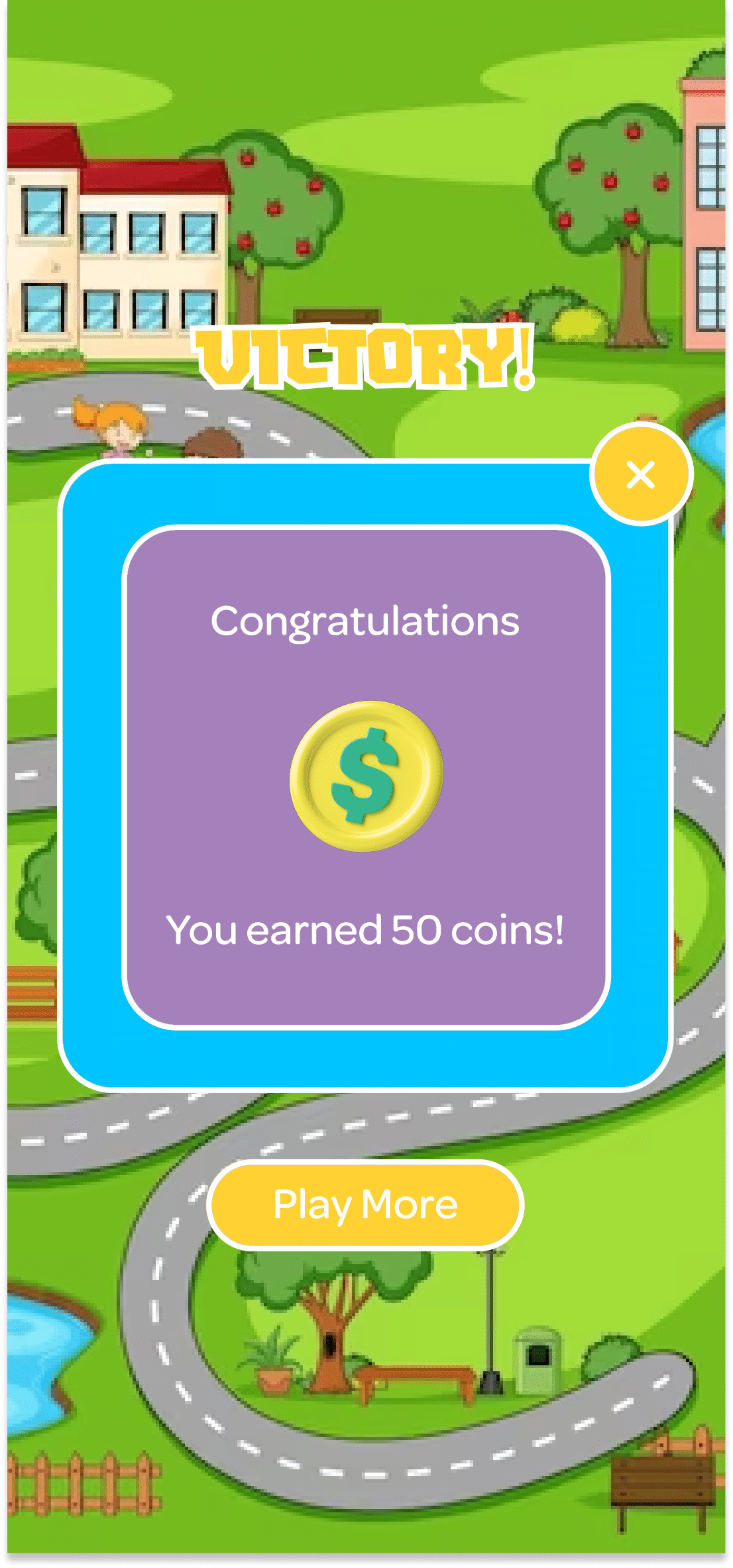
Guilds: Students can join guilds that are created and managed by experienced masters. Guilds provide a collaborative approach to learning ethnography, where students can explore different cultures and scenarios. Masters review the work of players, rate their performance, and provide valuable feedback to help them level up in their research journey.
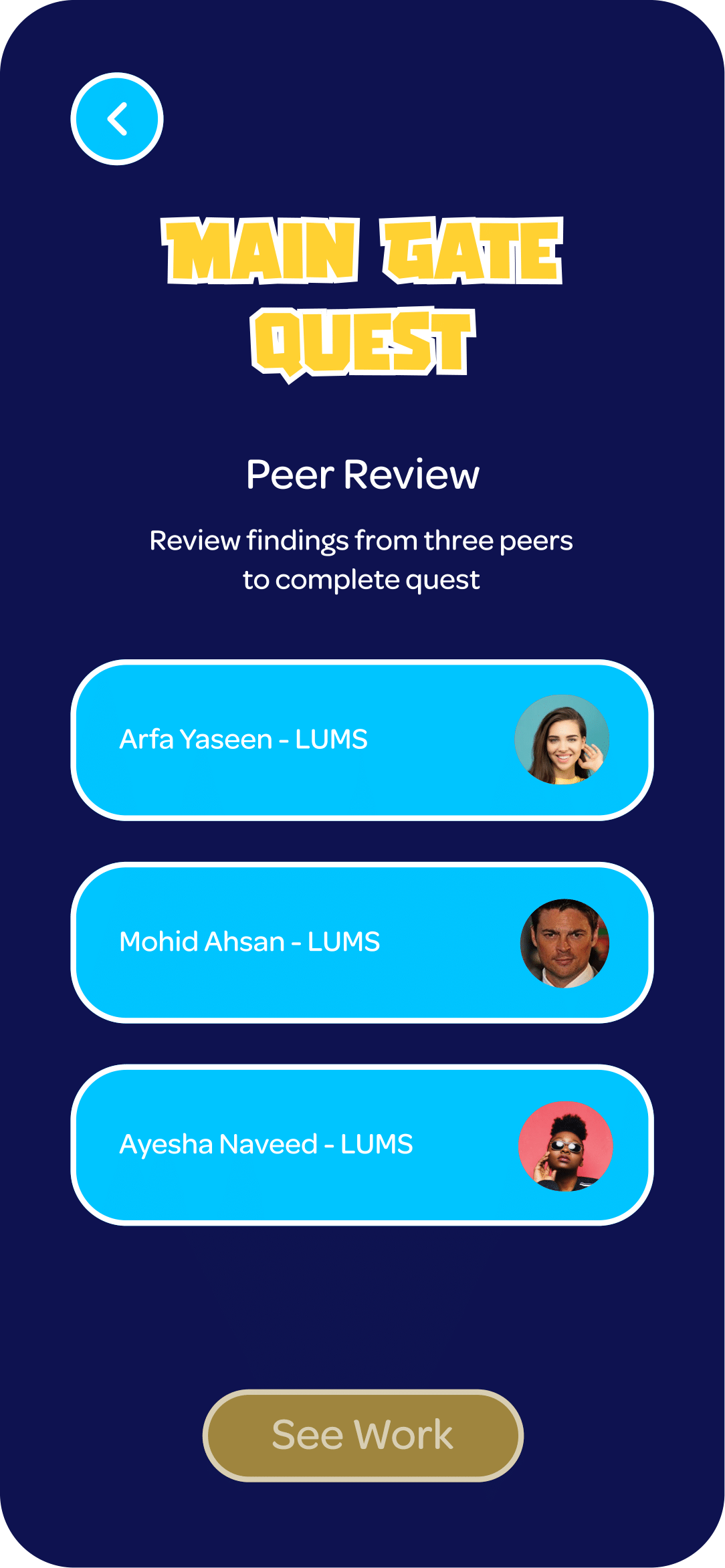
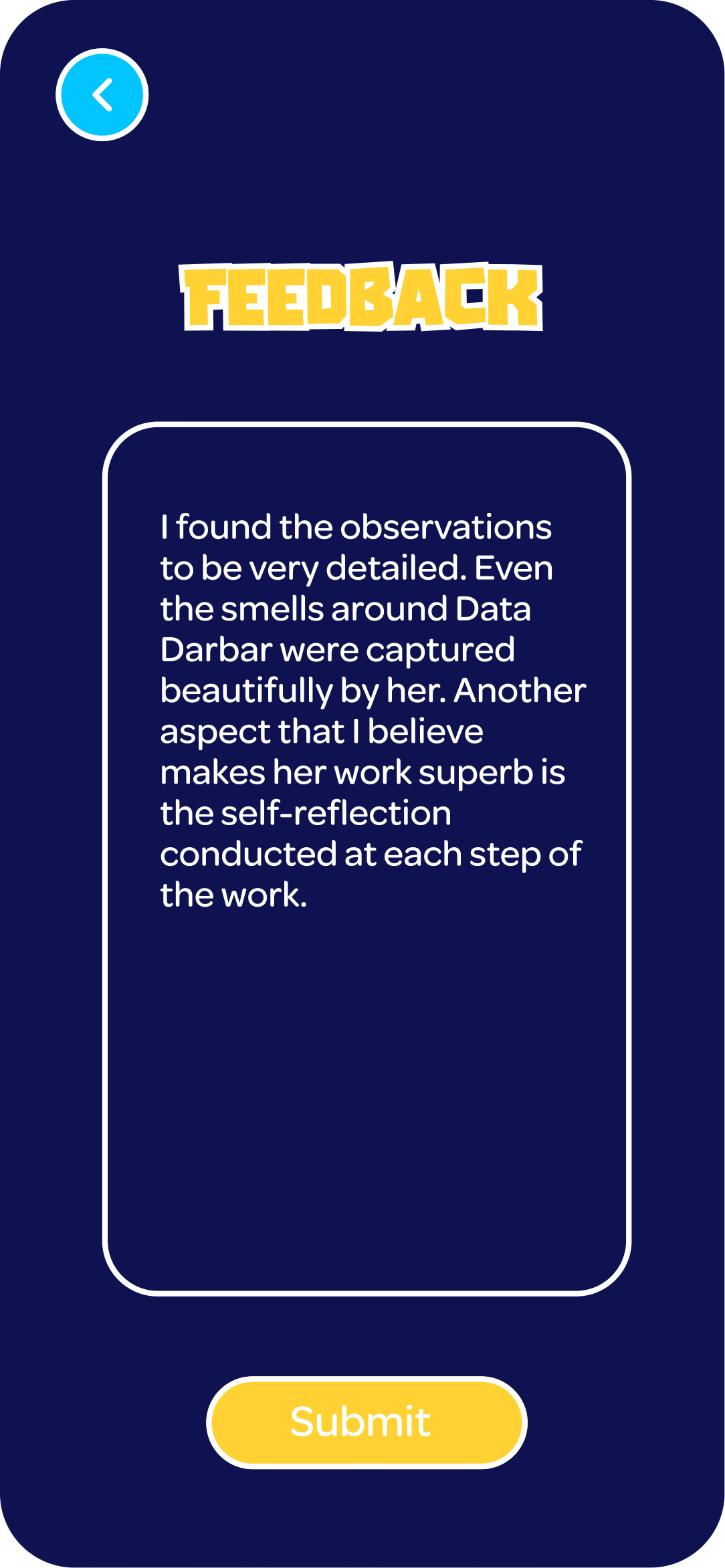
Master Review: Masters play a crucial role in supervising and guiding students in learning the research methodology. They review the work of players in their guilds, offer feedback, and help them improve their skills. This review process allows students to receive personalized guidance and support in their research endeavors.
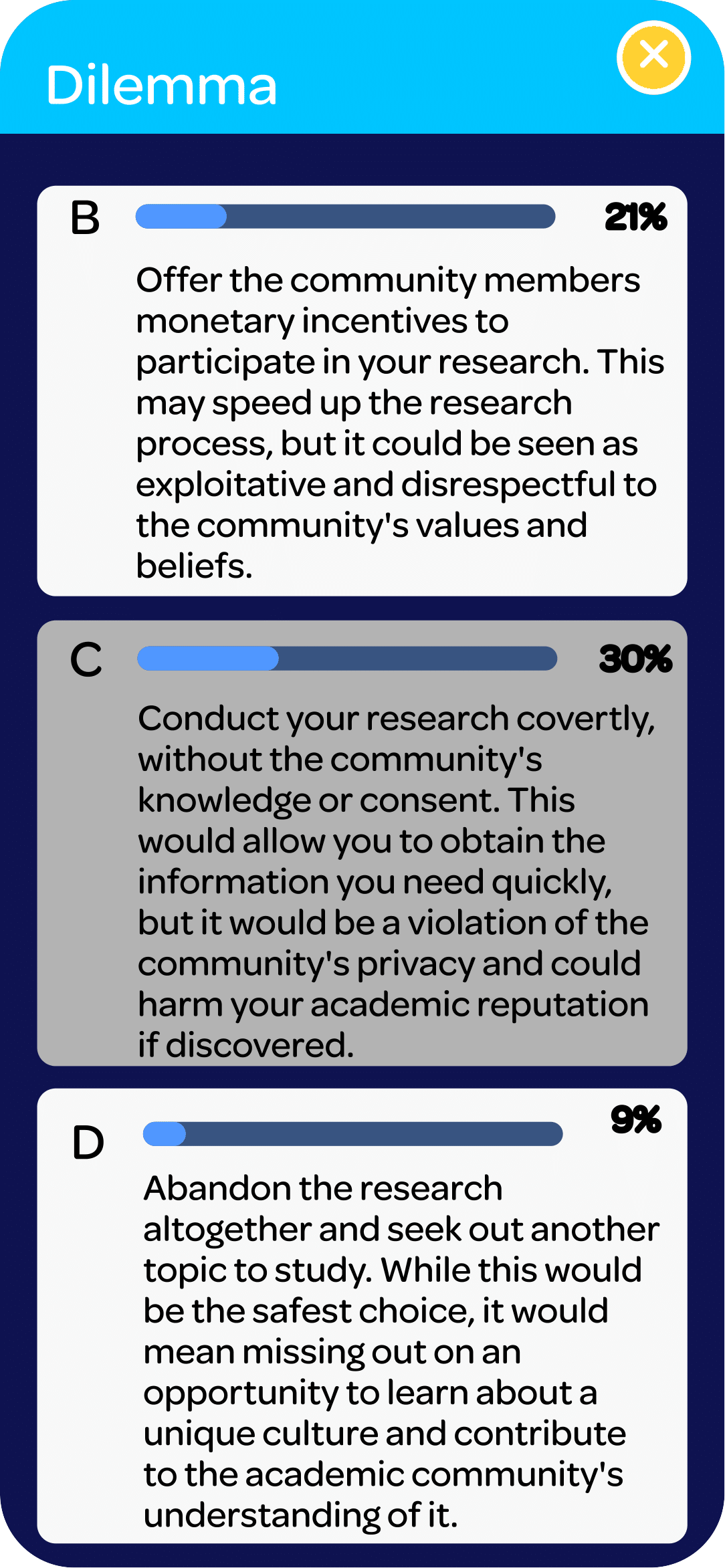
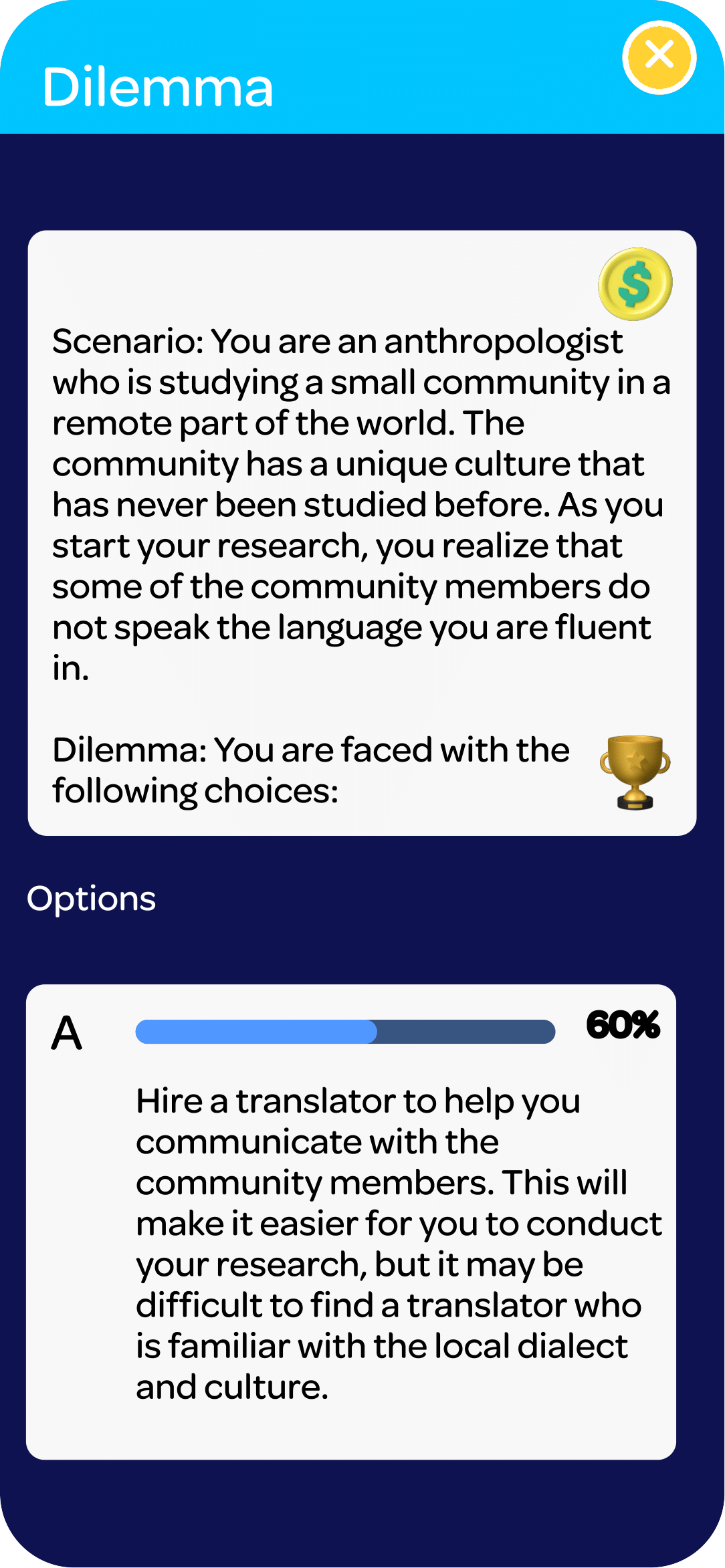
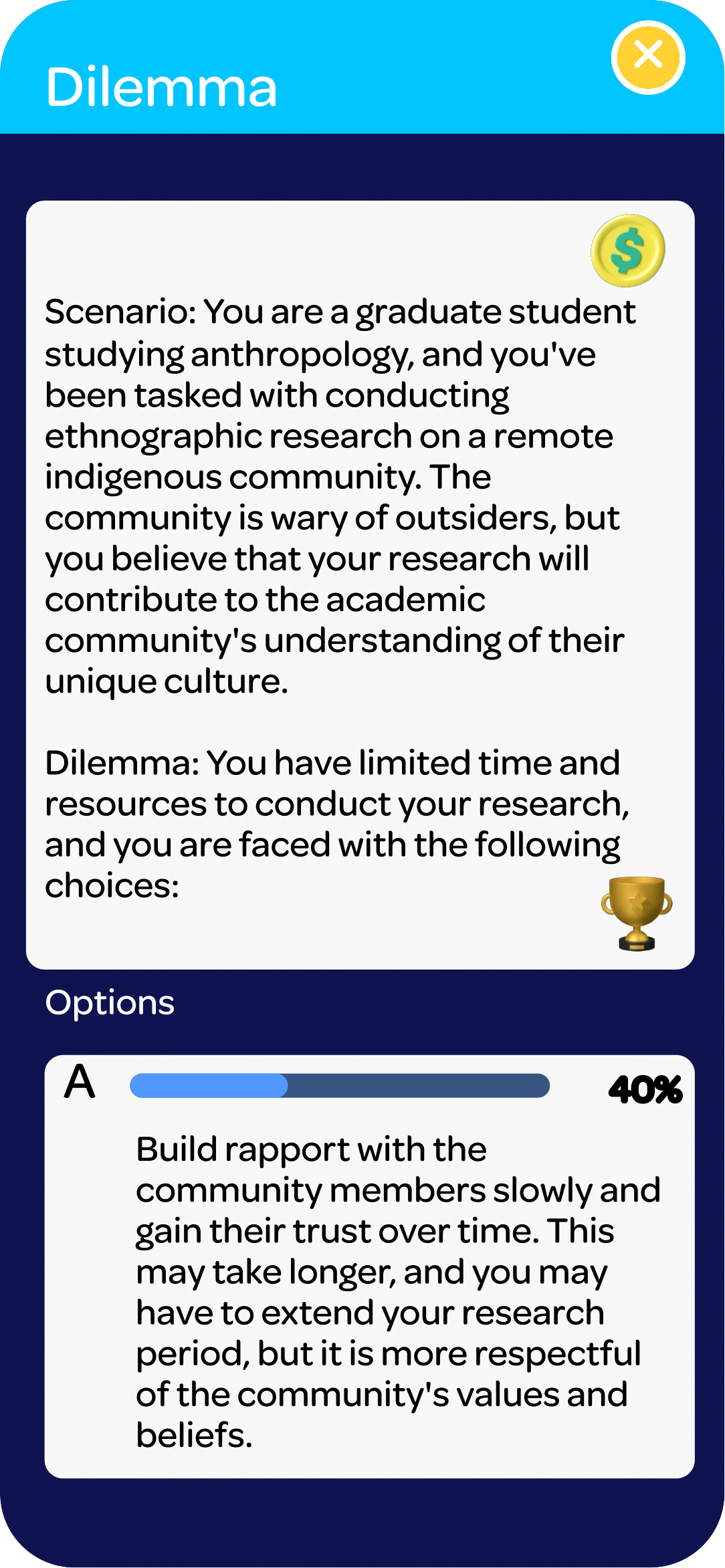
Dilemmas: EthnoLearn incorporates a dilemma game, adapted from Erasmus University Rotterdam's dilemma game app, to stimulate awareness of research ethics and professionalism. This game presents players with realistic situations that ethnographers may encounter during their research. It encourages critical thinking and open discussions about integrity and cultural sensitivity in research.
How we built it To develop EthnoLearn, we followed a comprehensive design process. We began with problem identification, conducting desk research to understand the challenges students face in research and the effectiveness of teaching ethnography. We then conducted user research through semi-structured interviews to inform the design, build personas, and gather insights from the target audience.
Using the insights from the research phase, we designed the solution, focusing on gamifying the learning process of ethnographic research. We used tools like FigJam to visualize and iterate on the design, ensuring it aligns with the goals of making research interactive and engaging for students.
Challenges we ran into Throughout the project, we encountered several challenges. One of the primary challenges was addressing the perception that research is daunting and unengaging. We needed to find creative ways to make research more accessible and enjoyable for students. Additionally, time constraints prevented us from implementing certain design elements, such as character customizations and avatars, which could have enhanced interactivity further.
Accomplishments that we're proud of We are proud of creating EthnoLearn, a gamified teaching approach that has the potential to transform research education for university students. We successfully integrated interactive elements like quests, guilds, master reviews, and dilemmas to make the learning process engaging and immersive. By addressing the perceived challenges students face in research, we believe EthnoLearn can empower students to develop practical research skills and deepen their understanding of the world around them.
What we learned Throughout the project, we learned about the importance of user-centered design and the value of conducting user research. The insights gathered from interviews and personas greatly influenced our design decisions, ensuring that EthnoLearn meets the needs and expectations of its target audience. We also gained insights into the challenges students face in research and the potential benefits of incorporating ethnographic research skills into their academic journey.
What's next for EthnoLearn Moving forward, the next steps for EthnoLearn include refining and expanding the gamified teaching approach. We aim to further develop the platform, incorporating the missing design elements like character customizations and avatars. Additionally, we plan to pilot EthnoLearn in universities, gather feedback from students and educators, and continuously iterate based on their experiences. By scaling EthnoLearn, we hope to bridge the gap between students and the research process, empowering them with practical skills and a deeper understanding of the society they engage with.
Built With
- design
- figma
- prototyping

Log in or sign up for Devpost to join the conversation.