-

-
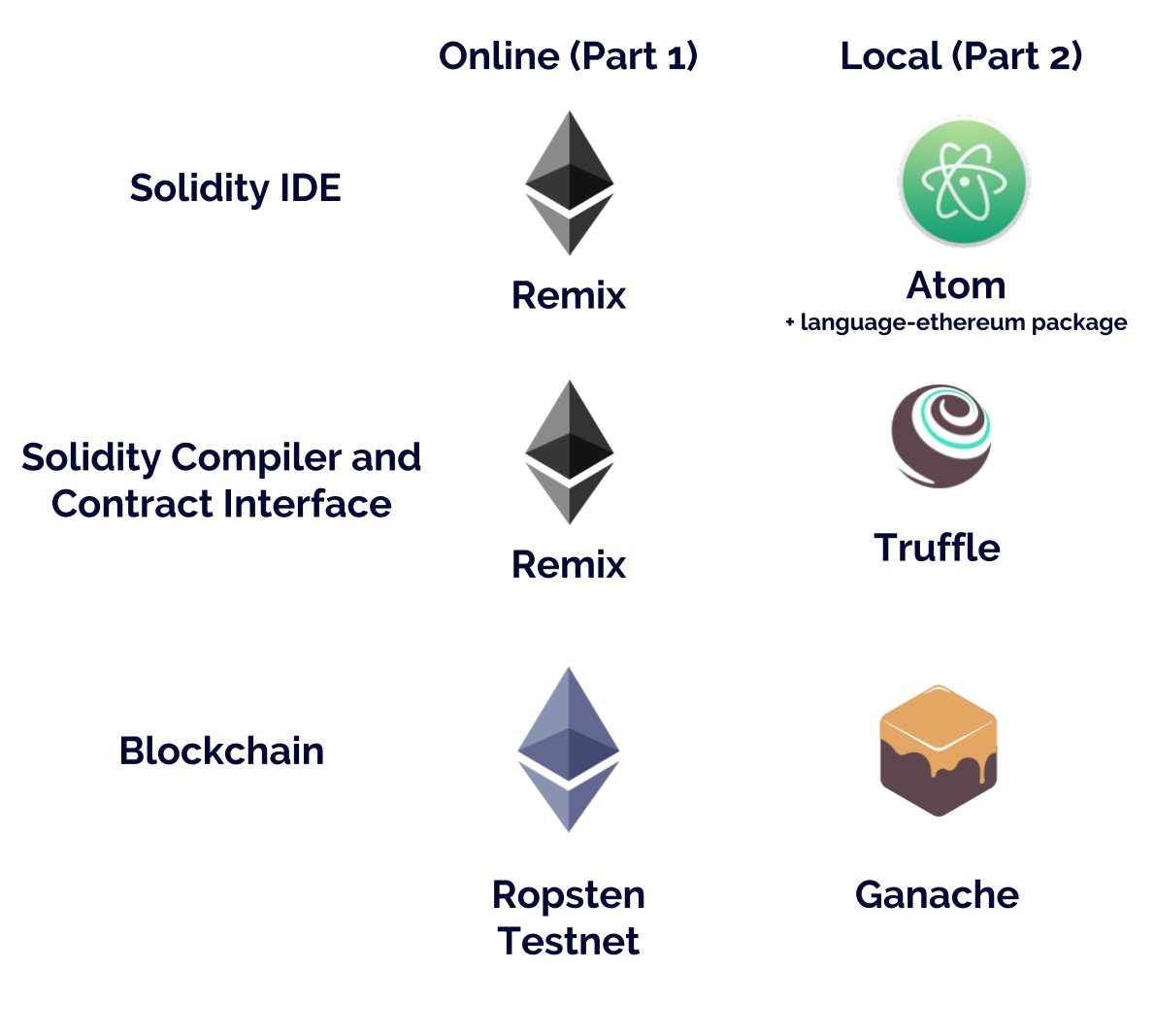
Basic Flow
-
Ganache, One Click Blockchain!!
-
Metamask
-
Helpers!!
-
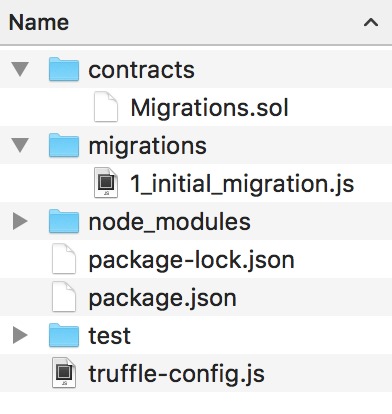
Basic Setup
-



Inspiration
I've chosen a todo list application because it is one of the most common ways to learn any new programming language. It will teach us how to read and write data from the blockchain, as well as execute business logic that will govern the behavior of our todo list application. It will teach you the fundamentals about how a blockchain works and how to write Ethereum smart contracts.
What it does
Here is a list of what you would find on the server: Client side files in HTML, CSS, and JavaScript Back end code responsible for the application's business logic Database that stores the tasks in the todo list This server is a centralized entity that full control over every aspect of the application. Anyone with full access to the server can change any part of the code or the data at any time. A blockchain application works quite differently. All of the code and the data to the todo list does not lie on a centralized server. Instead, it is distributed across the blockchain. All of the code and the data is shared and unchangeable on the blockchain.
toggleCompleted: async (e) => { App.setLoading(true) const taskId = e.target.name await App.todoList.toggleCompleted(taskId) window.location.reload() },
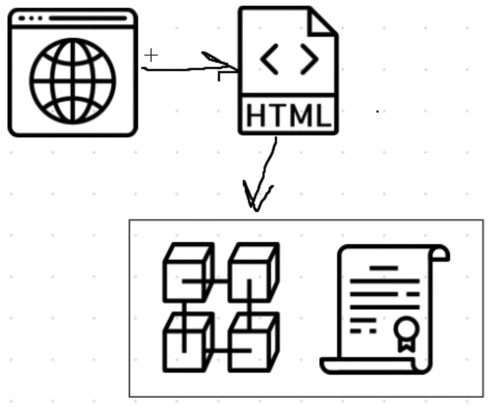
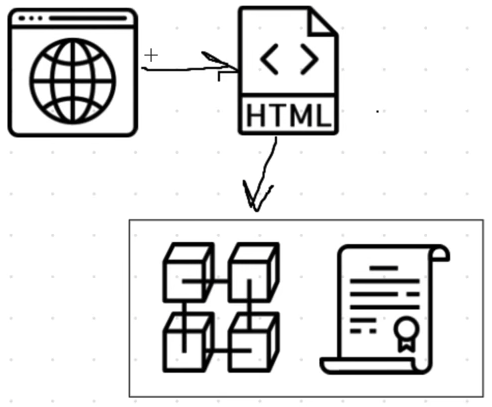
To access the blockchain todo list, we'll use a web browser to talk to the client side application, which will be written in HTML, CSS, and JavaScript. Instead of talking to a back end web server, the client side application will talk directly to the blockchain.
How we built it
In order to understand how a blockchain application works, let's first look at how a todo list might work as a web application. To access the todo list, you would use a web browser that would communicate with a web server over the Internet. The server contains all of the code and data for the todo list.
Challenges we ran into
This server is a centralized entity that full control over every aspect of the application. Anyone with full access to the server can change any part of the code or the data at any time. A blockchain application works quite differently. All of the code and the data to the todo list does not lie on a centralized server. Instead, it is distributed across the blockchain. All of the code and the data is shared and unchangeable on the blockchain.
Accomplishments that we're proud of
I should also highlight another fundamental distinction between traditional web applications and blockchain applications: instead of being a user of the application itself, you are a user of the blockhain network. The application does not manage any user data. That is the responsibility of the blockchain!
What we learned
Now, find a task in the client side application and click the checkbox. Once you sign this transaction, it will check off the task from the todo list!
What's next for ETHEREUM TO DO LIST
Now you should be able to add new tasks from the client side application! Notice, there is no "submit" button on the form. I left it off to simplify the user interface. You must hit the "enter" key on your keyboard to submit a task. Once you do, you'll see a Metamask confirmation pop up. You must sign this transaction in order to create the task.


Log in or sign up for Devpost to join the conversation.