Inspiration
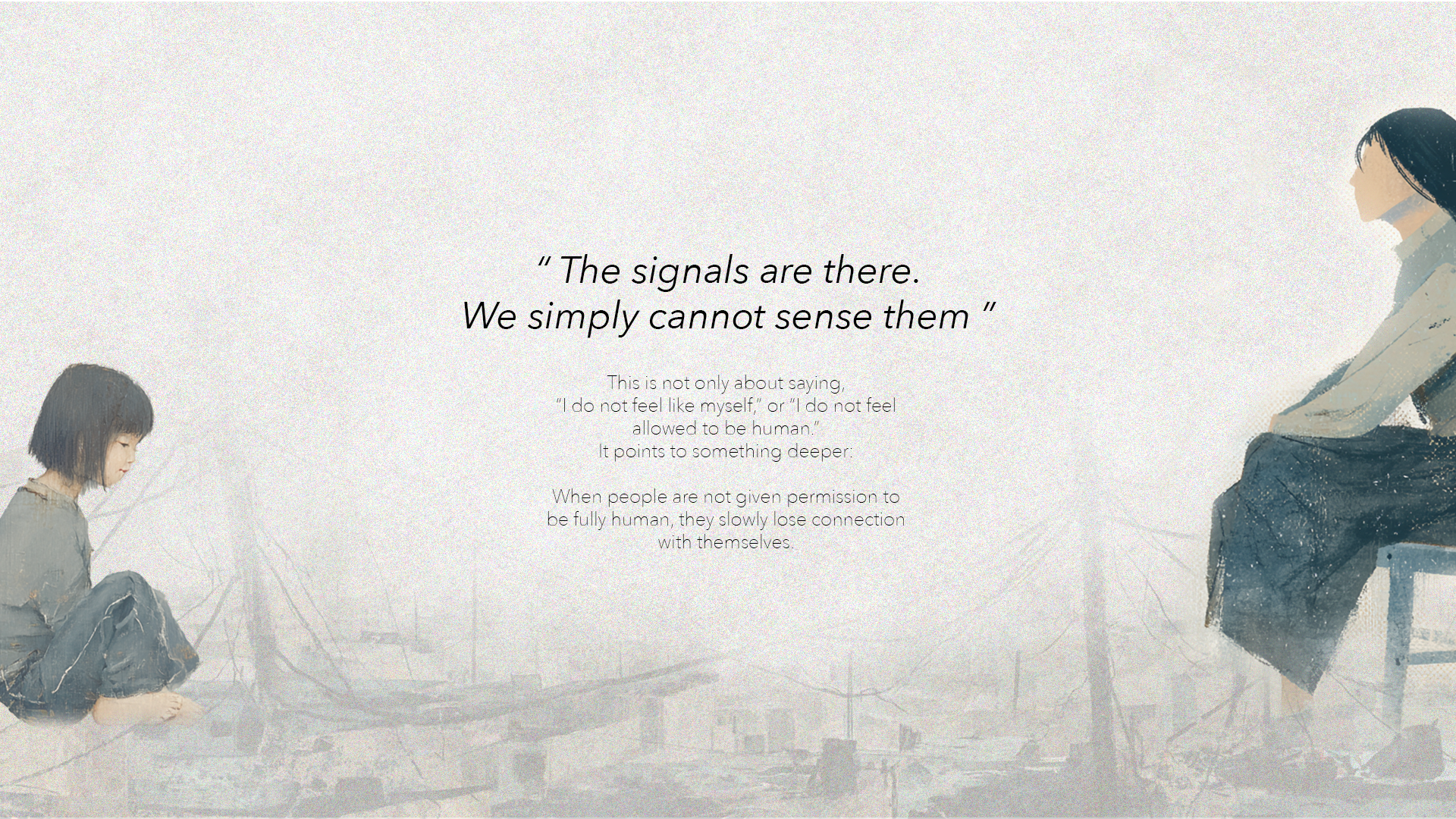
Some technologies help us track external behaviors: steps taken, hours slept, heart beats. Yet the signals that shape how we feel and act—emotional alignment, internal tension, and moments of vitality—remain largely invisible.
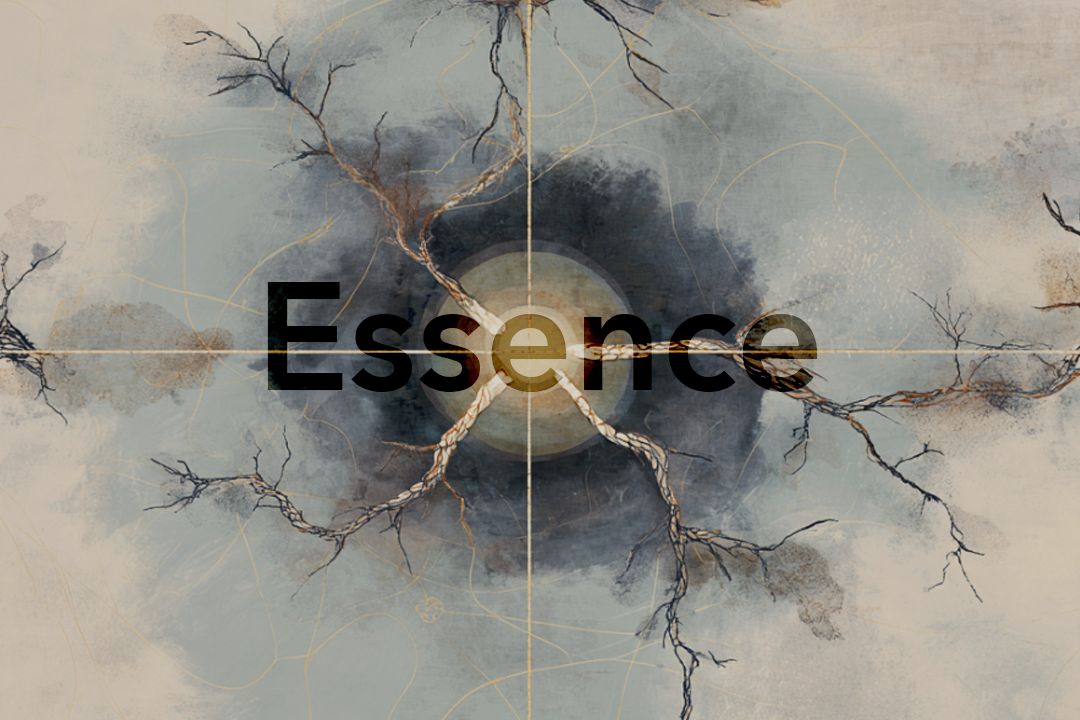
We became interested in a simple question: what if people could sense those signals, this essence of the self?
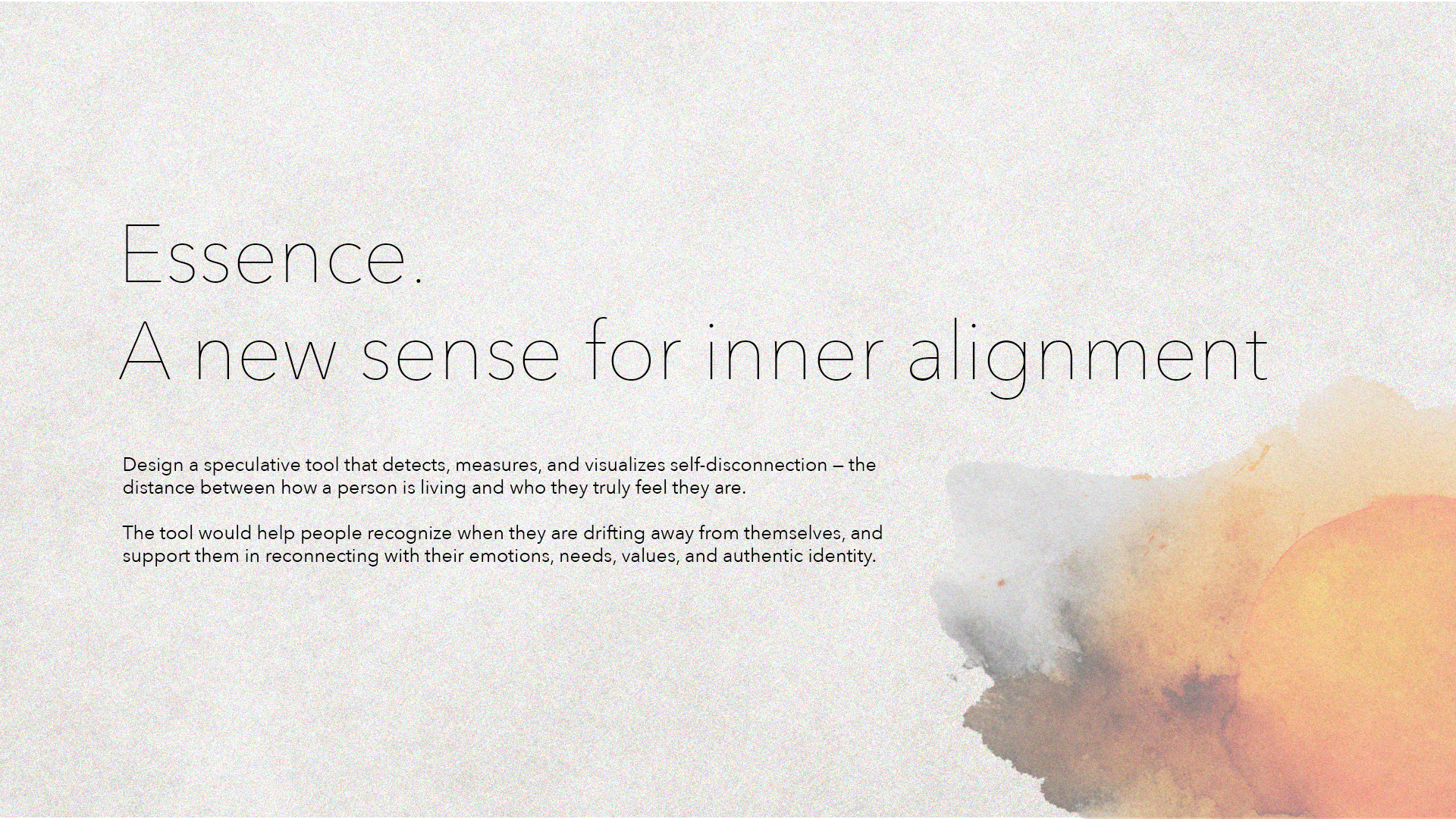
Inspired by the philosophical essence and existence concepts along with the human soul, we explored through speculative design how future sensing technologies might help people perceive patterns between their emotions, thoughts, and actions. We imagined a tool that reveals when people are aligned with themselves, and when they quietly drift away.
Essence emerged from this exploration.
What it does
Essence is a speculative sensory interface designed to make subtle emotional and cognitive signals perceptible.
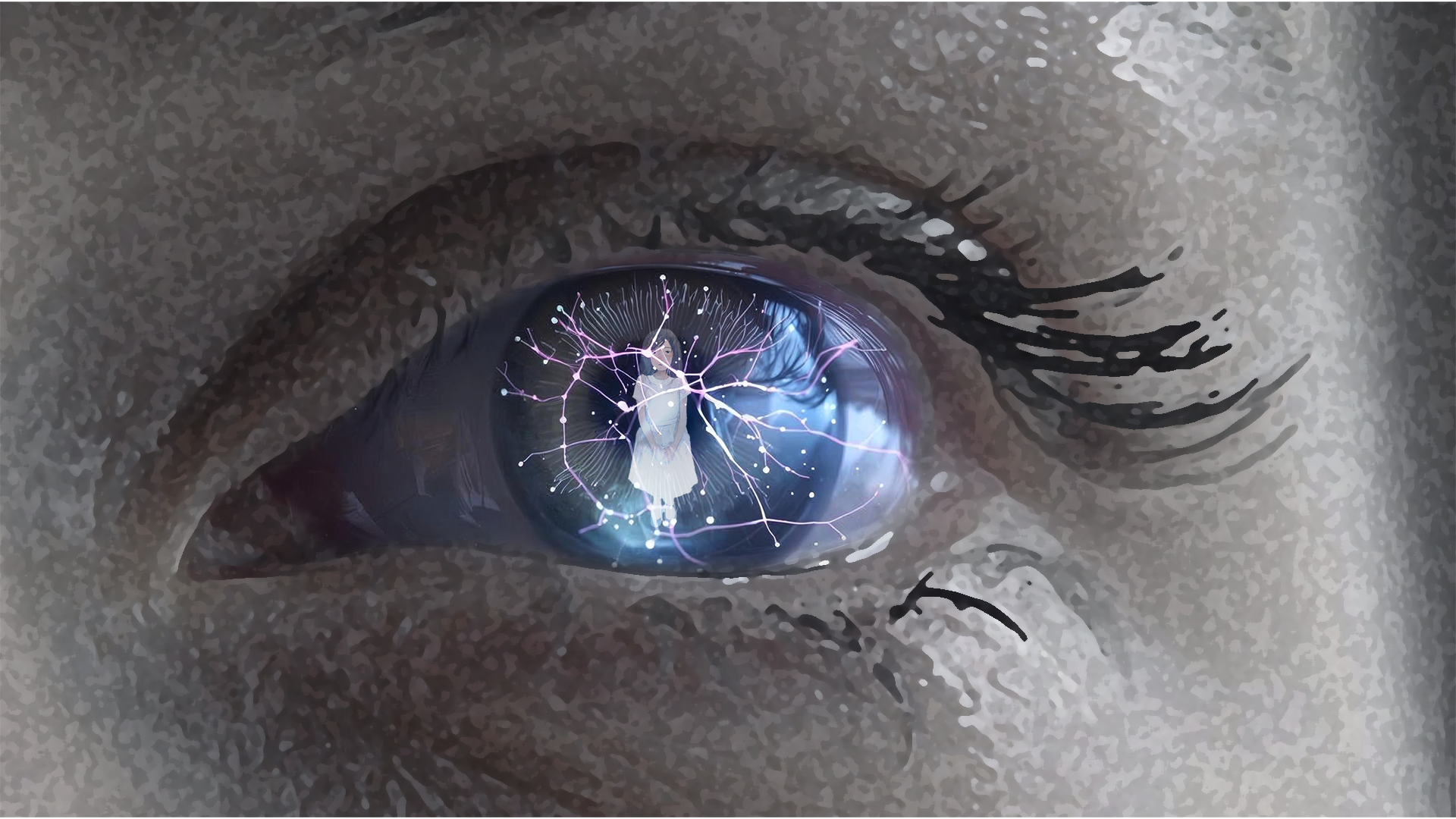
Through an ultra-light weight, neural-sensing eye lense, it is designed to enhance unique inner signals into active perception as a biosynthetic cell recreated from the user’s DNA.
Essence detects patterns related to emotional regulation, cognitive focus, and physiological stability. These signals are translated into a living visualization that reflects the user’s inner alignment across five domains of wellbeing:
- Physical wellbeing
- Psychological clarity
- Belonging
- Self-esteem
- Fulfillment
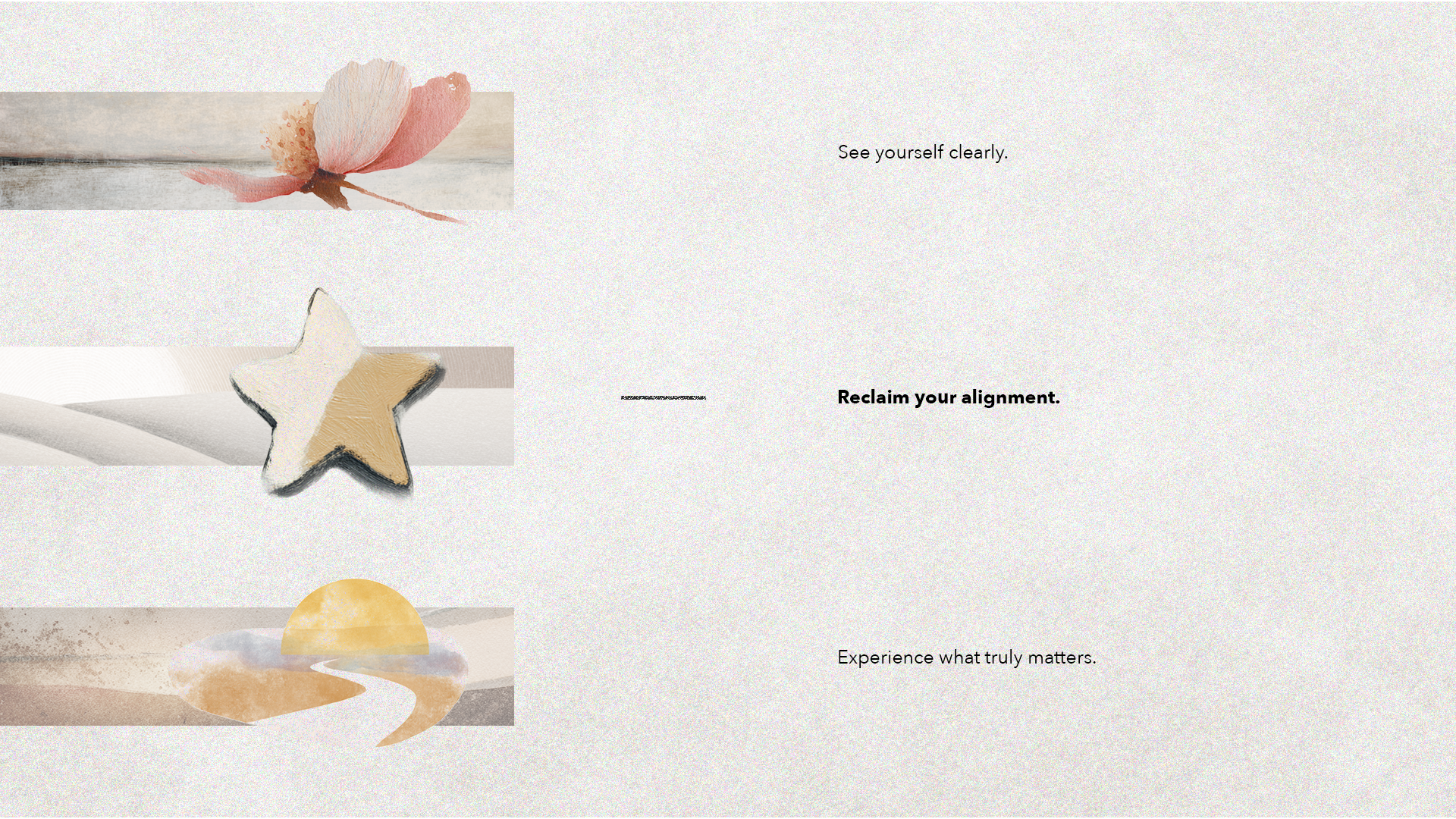
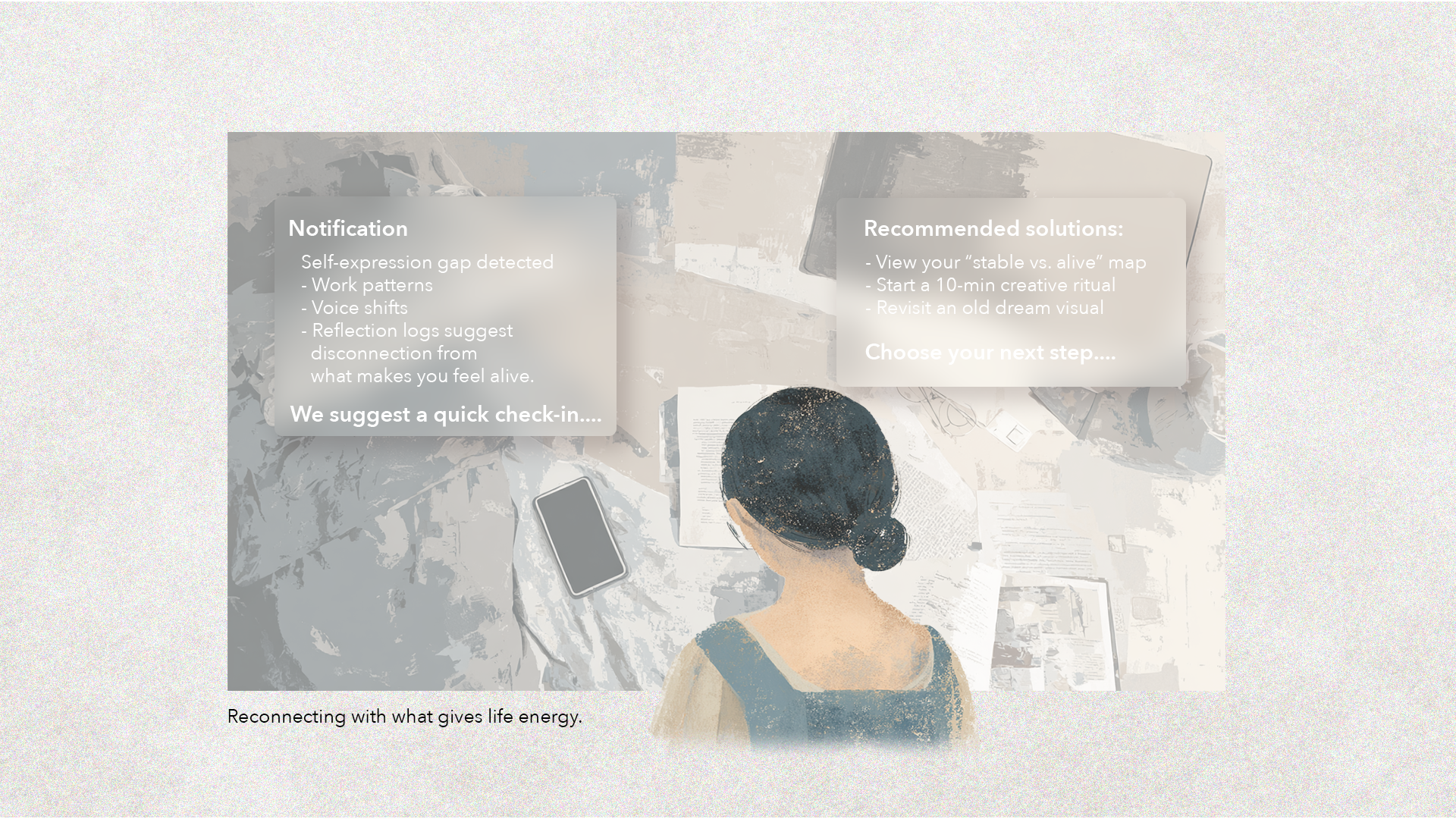
Instead of prescribing behavior, the system surfaces moments of coherence and misalignment through quiet reflections. This helps users recognize patterns between their experiences and their internal state, identifying when something strengthens their sense of vitality, or when they are slowly drifting away from it.
The goal is not optimization, but awareness.
How we built it
We approached Essence as a speculative product design project.
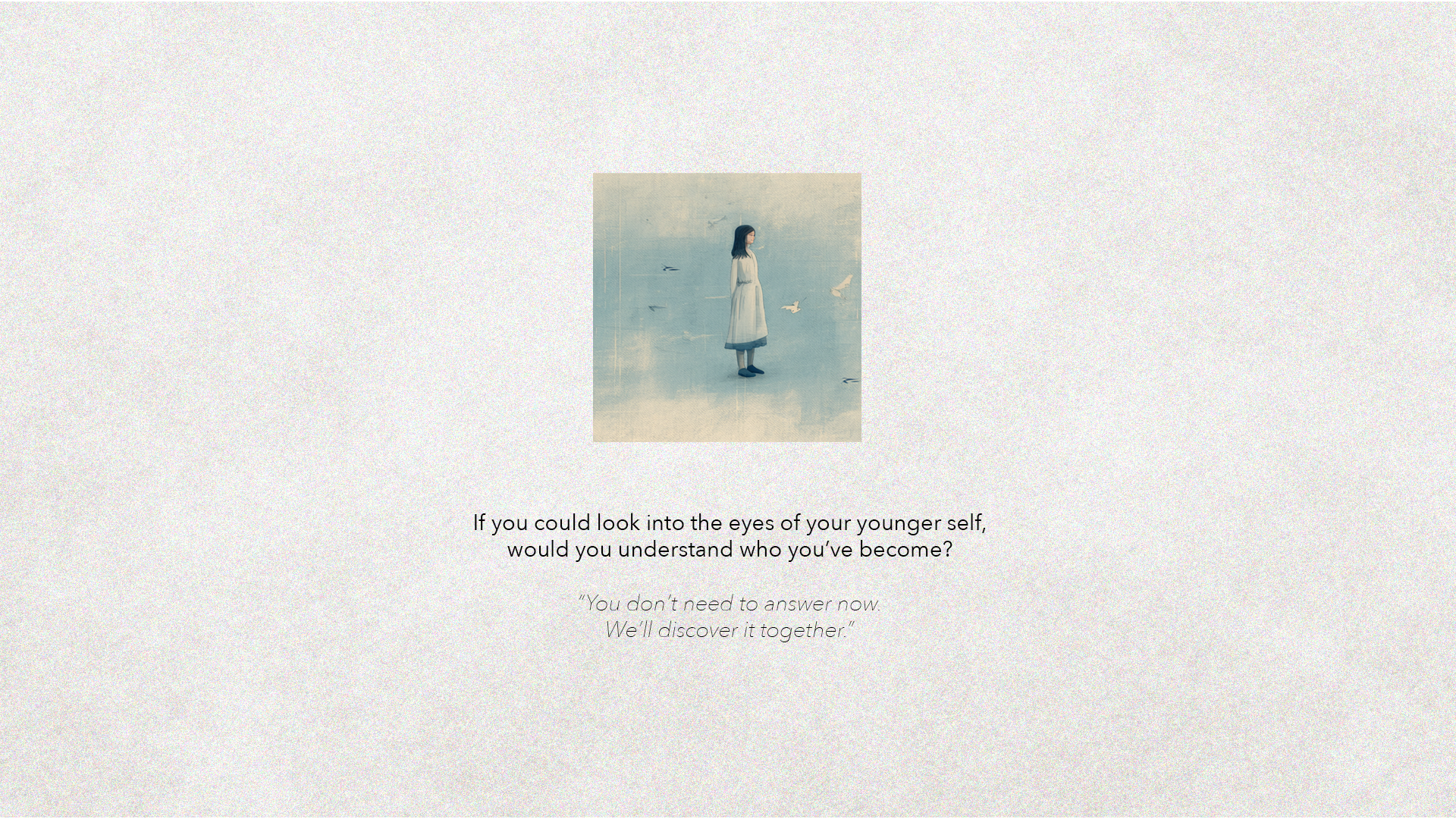
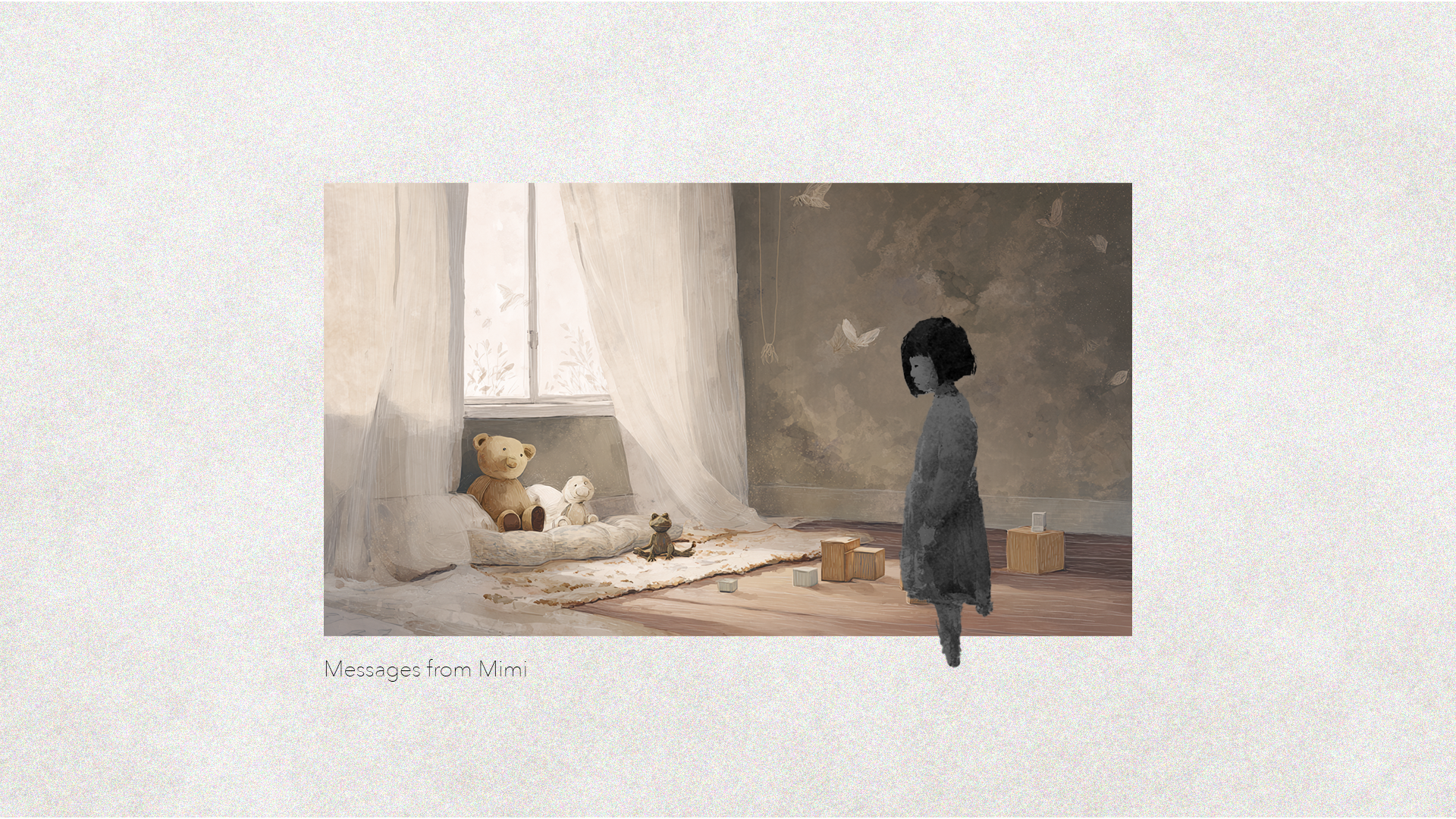
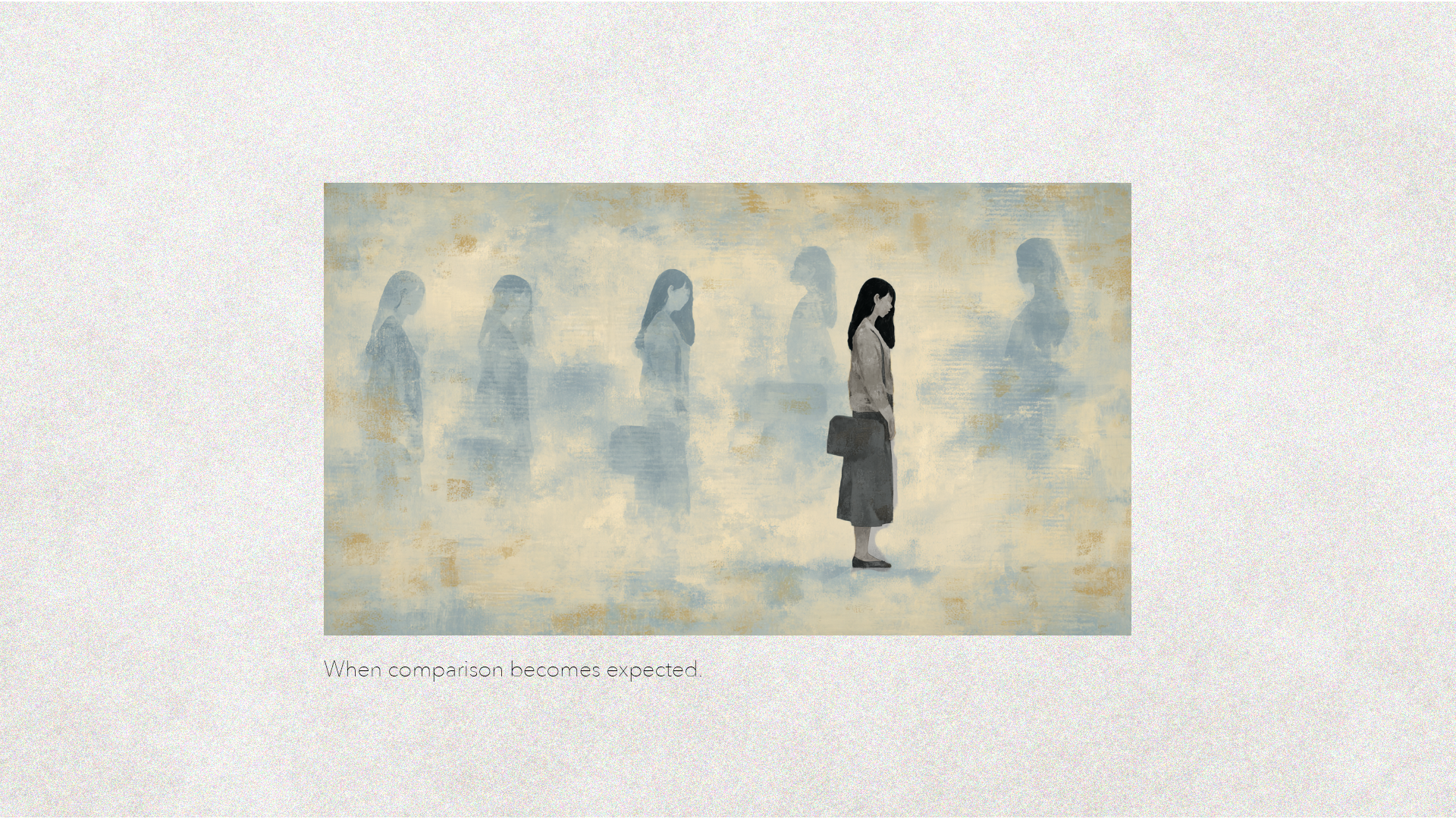
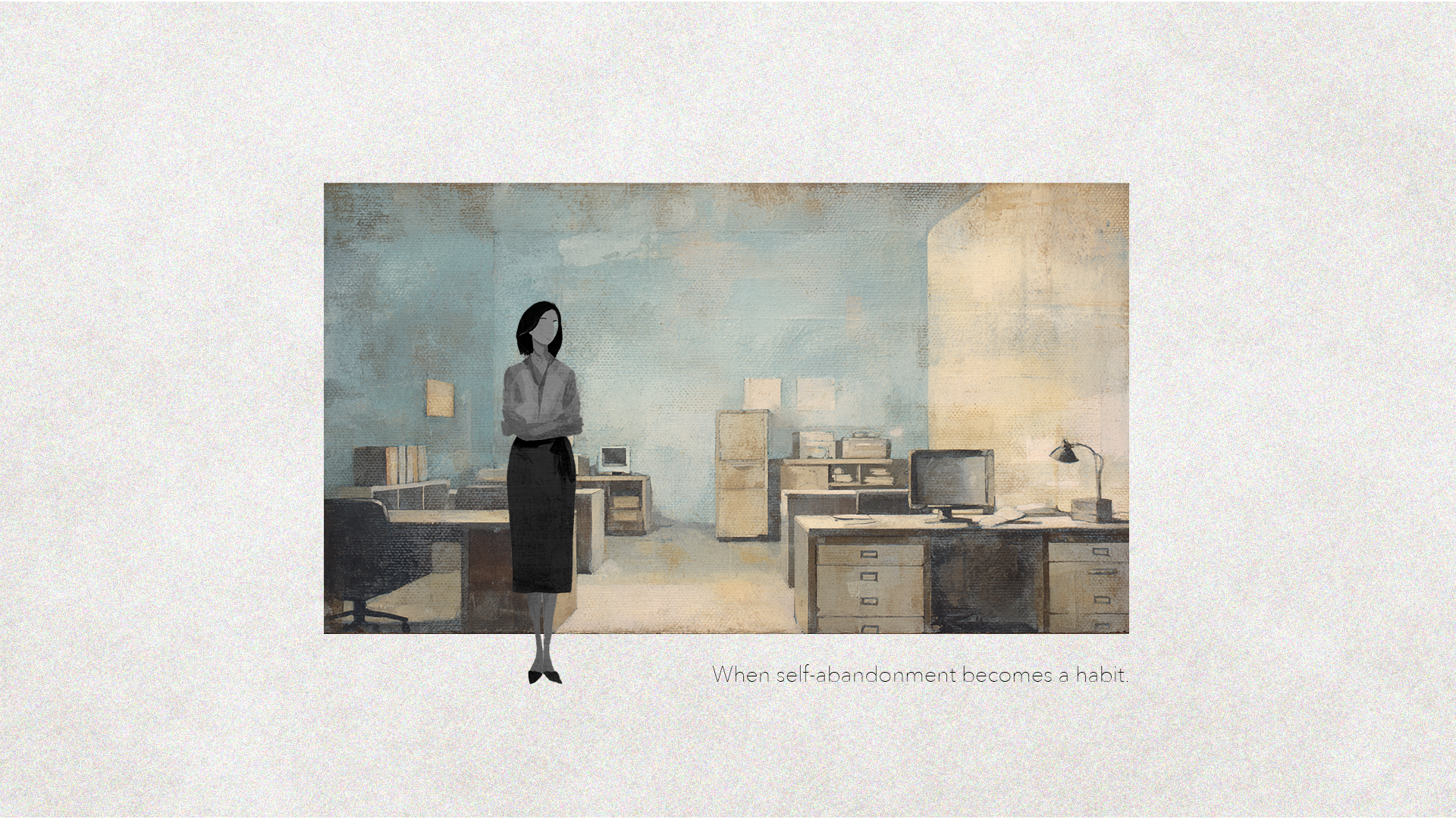
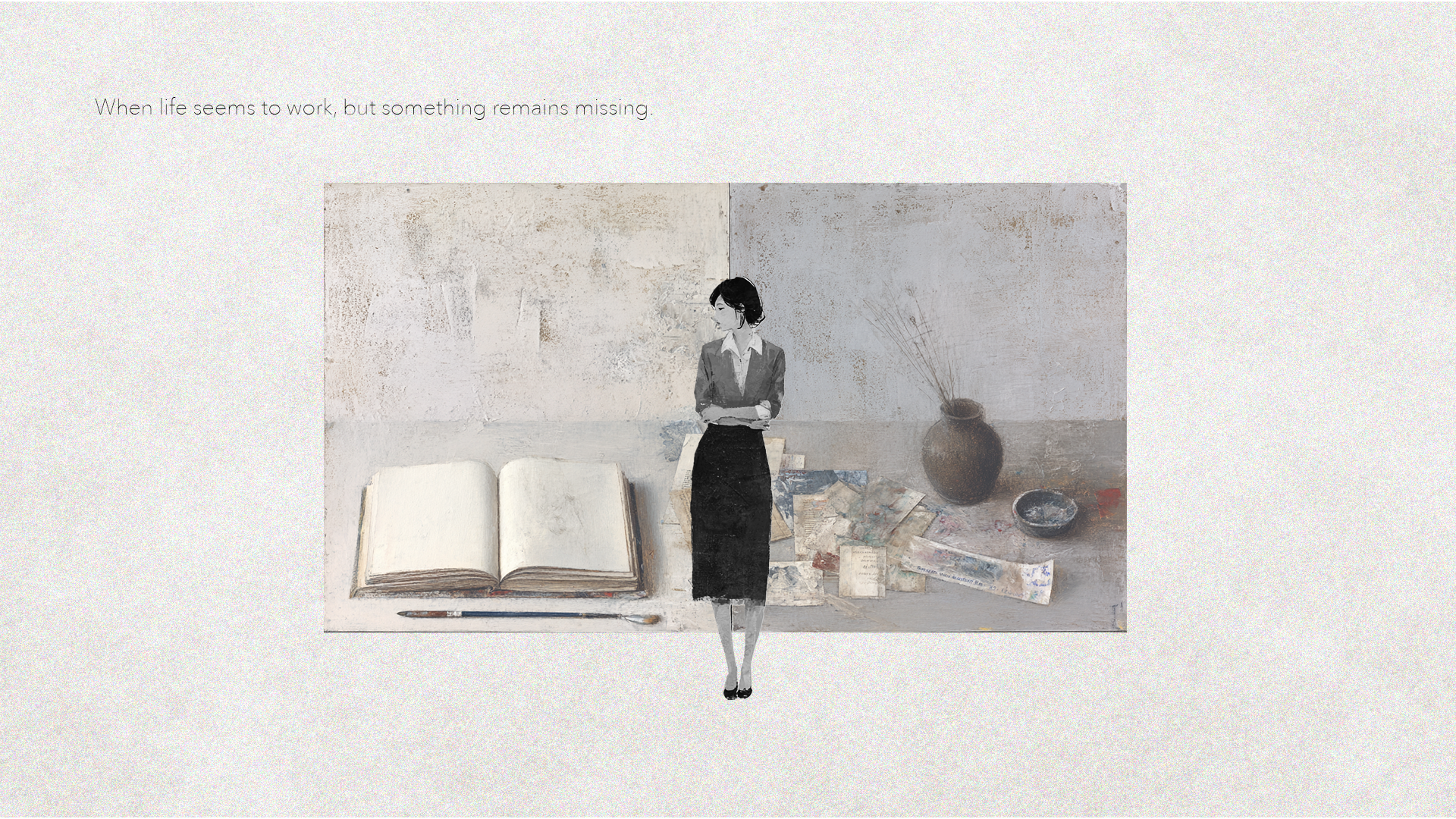
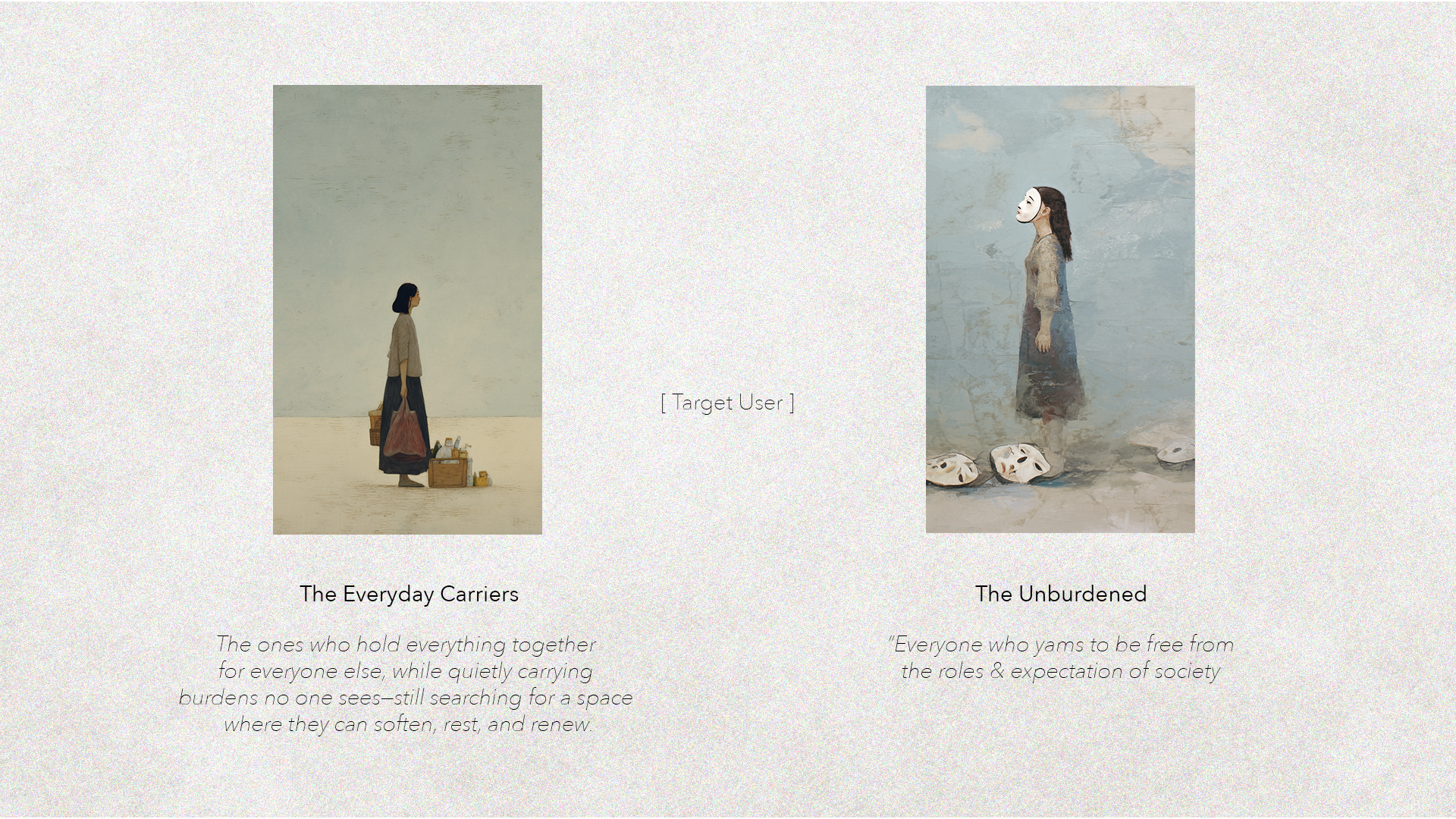
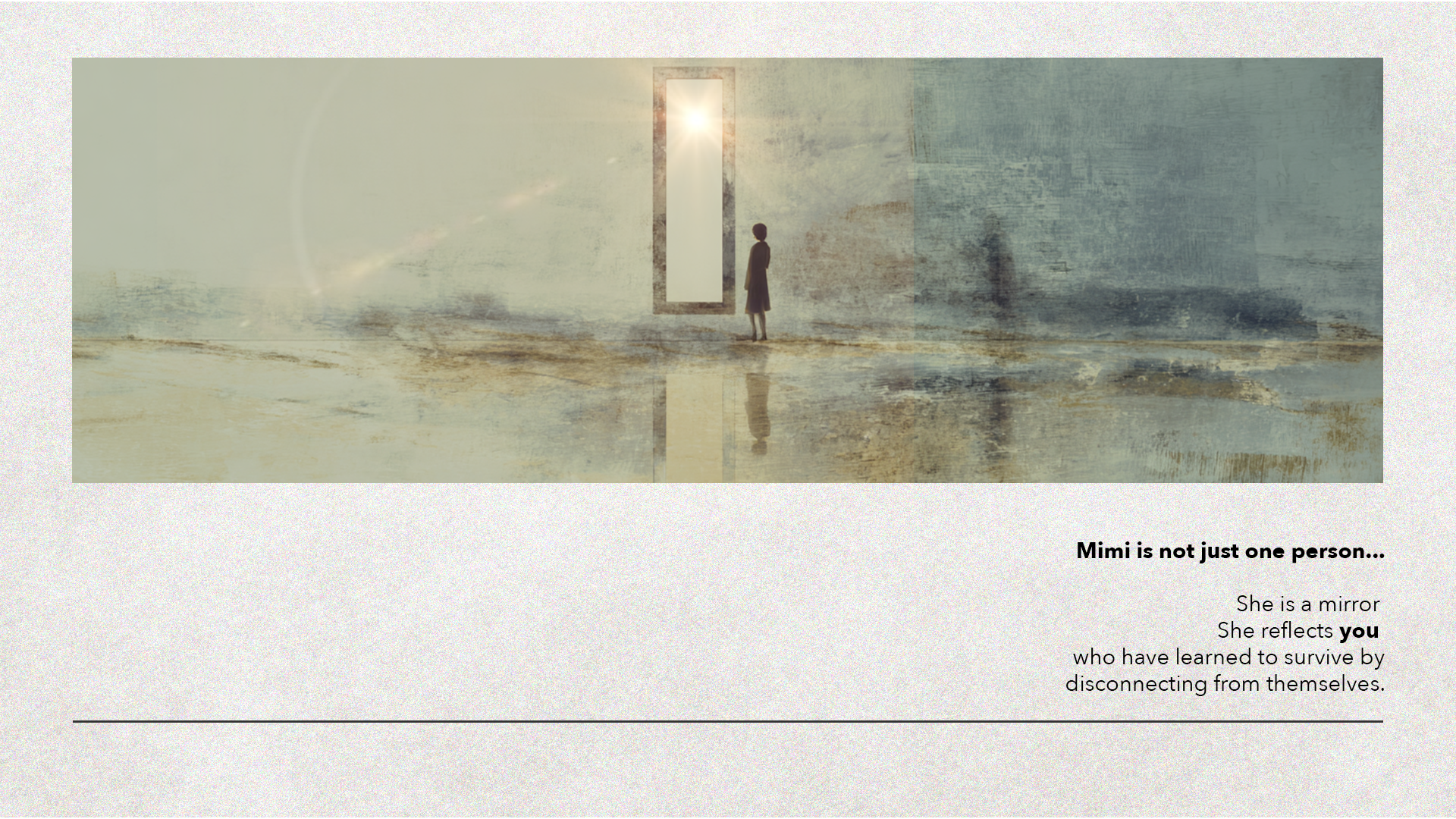
First, we explored the problem space through storytelling, following a fictional user named Mimi representing our audience across different stages of life. This helped us understand how comparison, responsibility, and routine can gradually disconnect people from their inner signals, pulling from our own personal stories.
From there, we designed the sensing concept and interaction model. We developed a visualization system that translates internal patterns into a living map of alignment, structured around five domains of human wellbeing.
The narrative was developed using FigmaDesign and Photoshop primarily, while the visualization of the alignment map was prototyped through 3D modeling on FigmaMake to simulate how users might explore their internal state in an intuitive way.
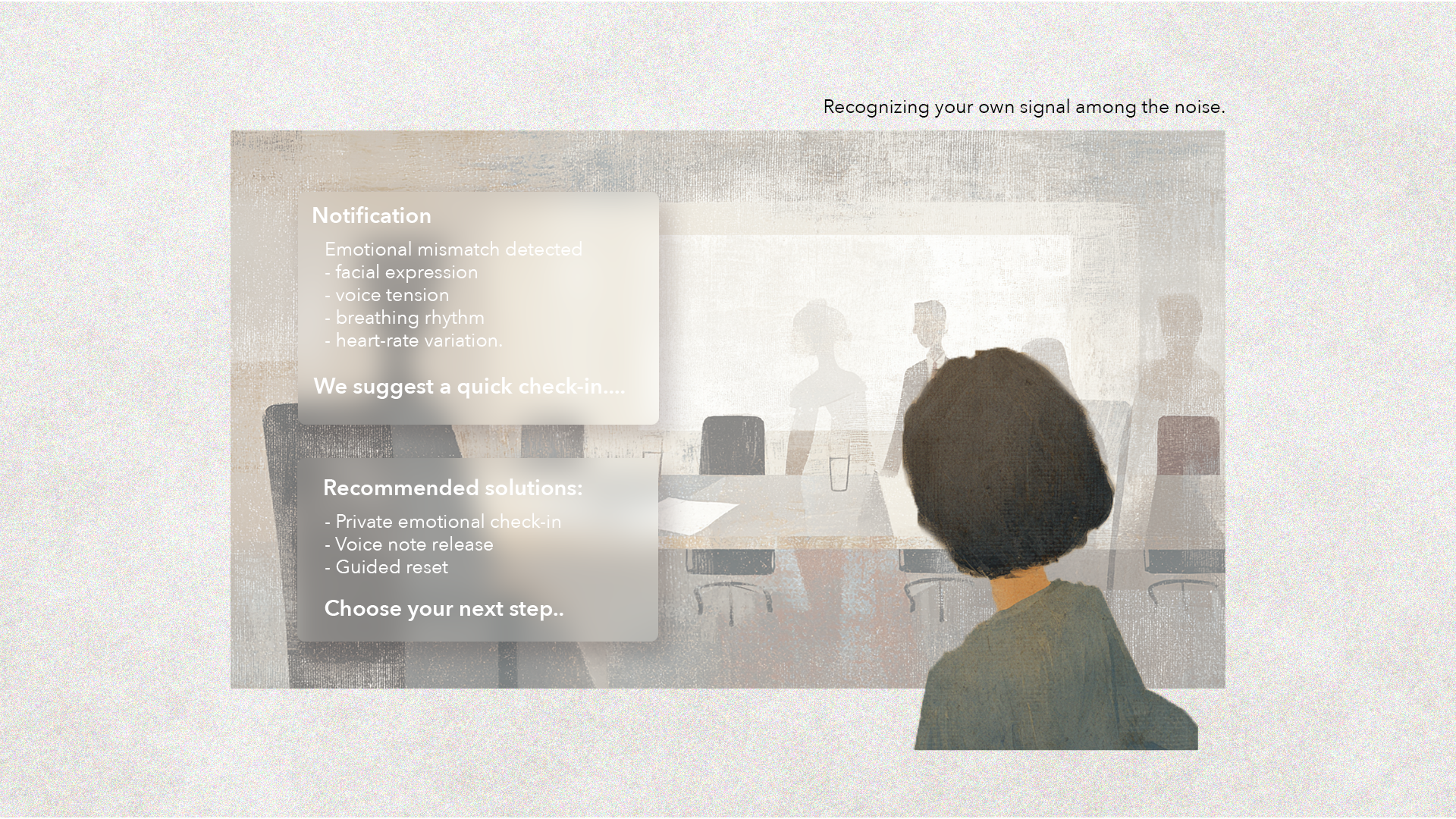
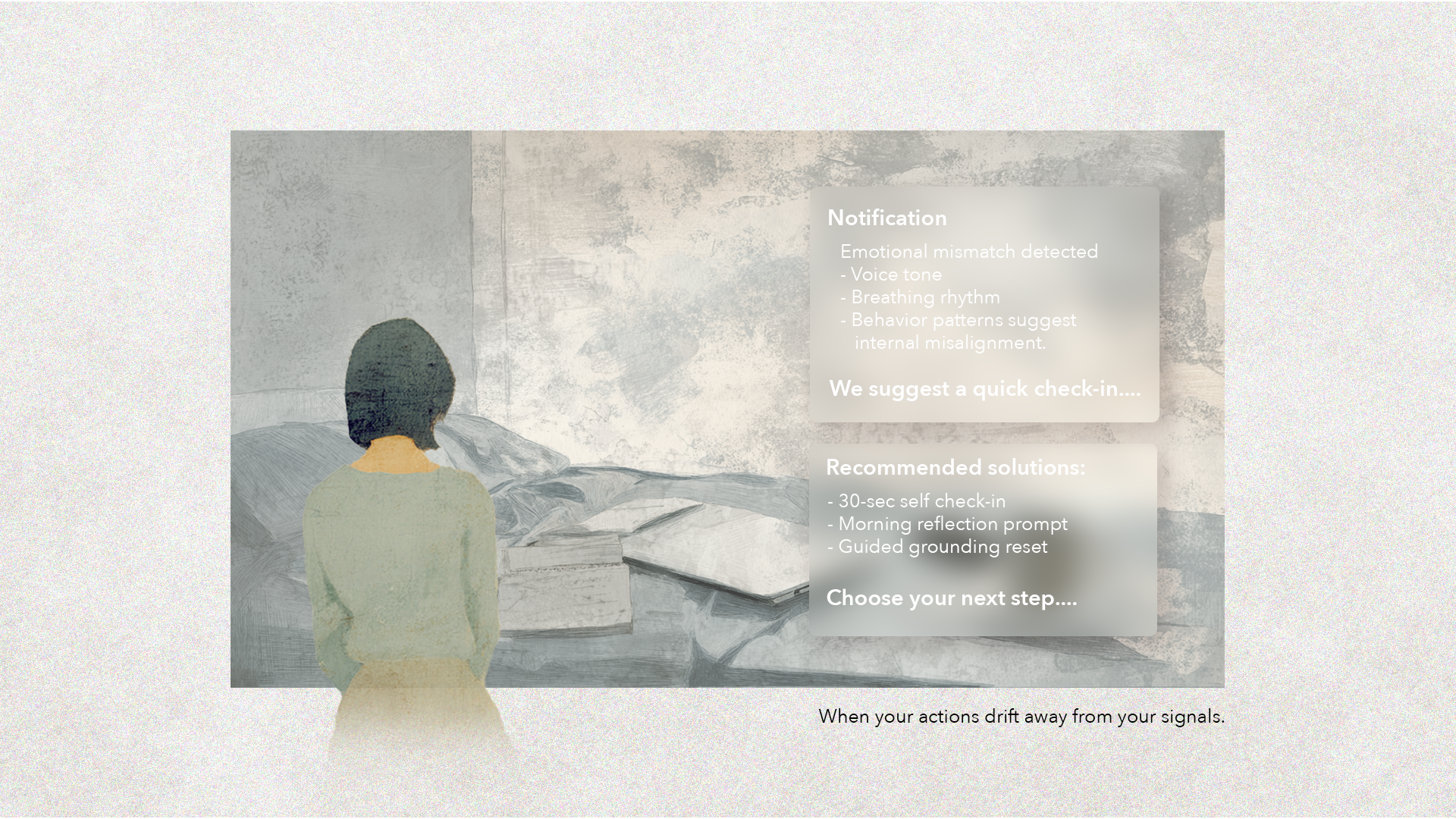
Finally, we designed a series of everyday use cases demonstrating how the system surfaces insights without prescribing behavior, allowing users to reflect and decide their next step.
Challenges we ran into
One of the main challenges was balancing speculative imagination with believable product design.
Because the project explores sensing capabilities that do not yet exist, we had to design interactions that still feel realistic and human-centered, conveying clarity and emotions at the same time.
Another challenge was avoiding the trap of algorithmic life optimization. Many existing tools attempt to prescribe better behavior through notifications or recommendations. We wanted Essence to do the opposite: surface signals and patterns without telling the user what to do, except from optional, non intrusive reflections.
Finally, translating something as abstract as someone’s essence into a clear and intuitive visual system required several iterations before arriving at the living map structure used in the final design.
Accomplishments that we're proud of
We are proud of creating a concept that connects storytelling, speculative technology, and product design into a cohesive experience. Instead of designing another data dashboard, we developed a visualization system that reflects internal patterns in a way that feels intuitive and meaningful.
We are also proud of the strong narrative structure of the project, which communicates a complex idea through a relatable, emotional, poetic human story while still grounding the concept in thoughtful design decisions and aesthetics.
What we learned
Designing for signals people cannot currently perceive is challenging.
We learned that making invisible phenomena visible while creating a great product design requires more than technology. It requires thoughtful problem framing, applying human-centered design while retaining a systemic global approach, and clear, intentional visual language.
This project also taught us how subtle differences in interface language, such as reflection prompts instead of recommendations, can significantly change the relationship between people and technology.
What's next for Essence
Future explorations of Essence could investigate new forms of sensing and visualization that help people better understand their internal states.
Potential directions include:
- Adaptive visualization systems that evolve with the user
- Deeper personalization of signal interpretation
- Privacy-preserving architectures for sensitive emotional data
More broadly, Essence opens questions about how future interfaces might help people develop deeper self-awareness. Not by measuring more of life, but by helping us perceive it differently.
Built With
- adobephotoshop
- adobepremierepro
- canva
- chatgpt
- figjam
- figmadesign
- figmamake
- gemini
- midjourney
- perplexityresearch


Log in or sign up for Devpost to join the conversation.