-
-
Project Overview
-
The Problem
-
The Solution
-
Tech Stack
-
Demo
-
Demo
-
Demo
-
Artwork Showcase
-
Artwork Showcase
Inspiration
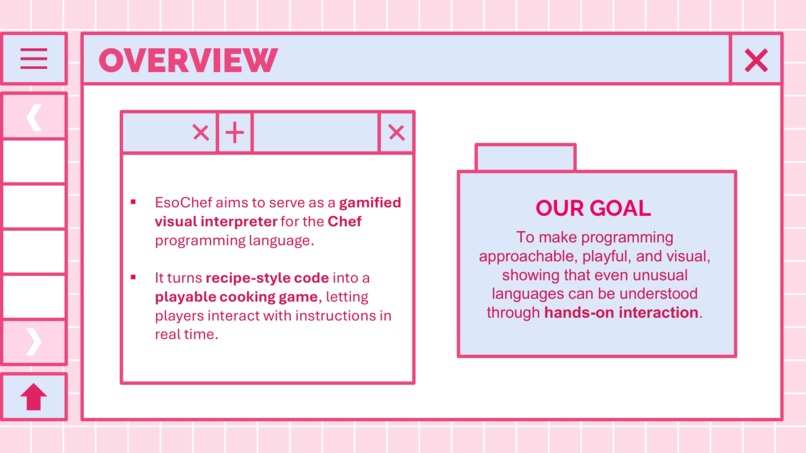
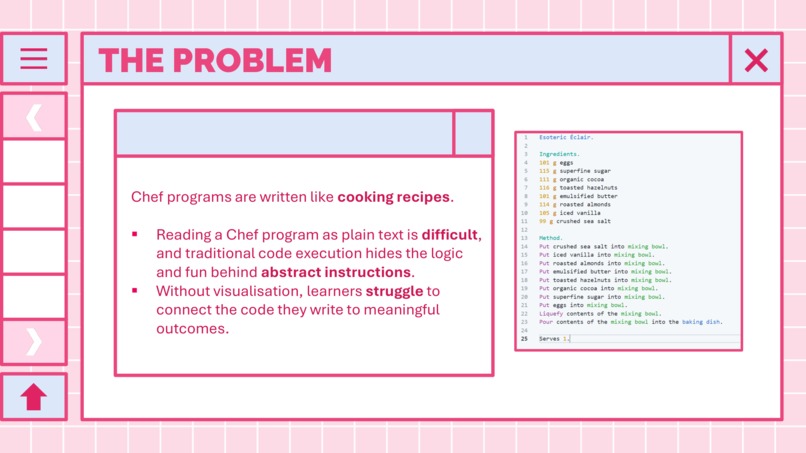
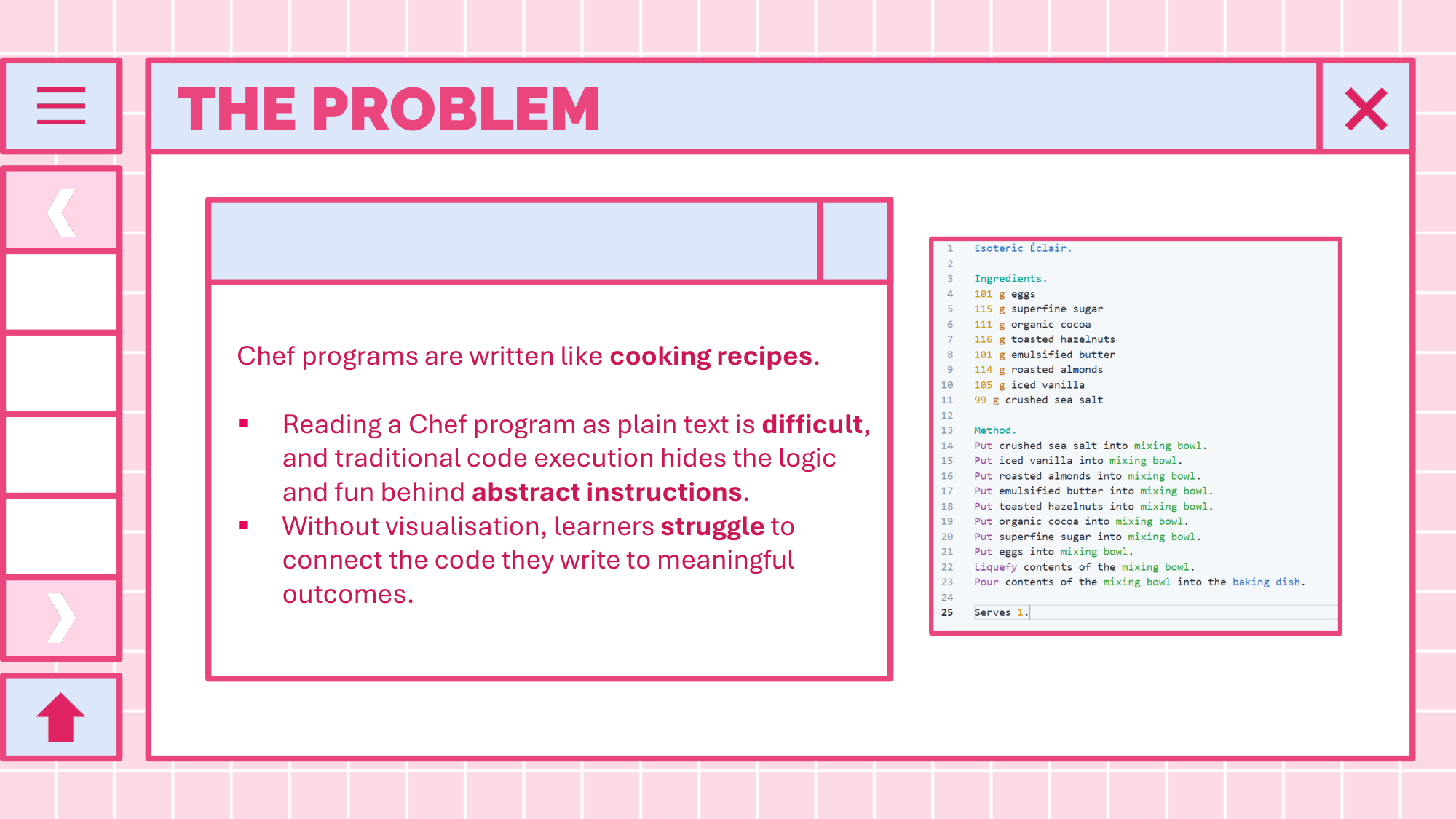
We were inspired by Chef, an esoteric programming language where programs are written like cooking recipes. A funny concept, but also surprisingly hard to read and understand from just text.
We thought it would be interesting to make Chef visual, interactive, and fun to play with. This led us to create a gamified visual interpreter that turns Chef recipes into a cooking game. Our goal was to make programming more approachable while showing that even unusual languages can be easier to understand when you can see them in action.
What it does
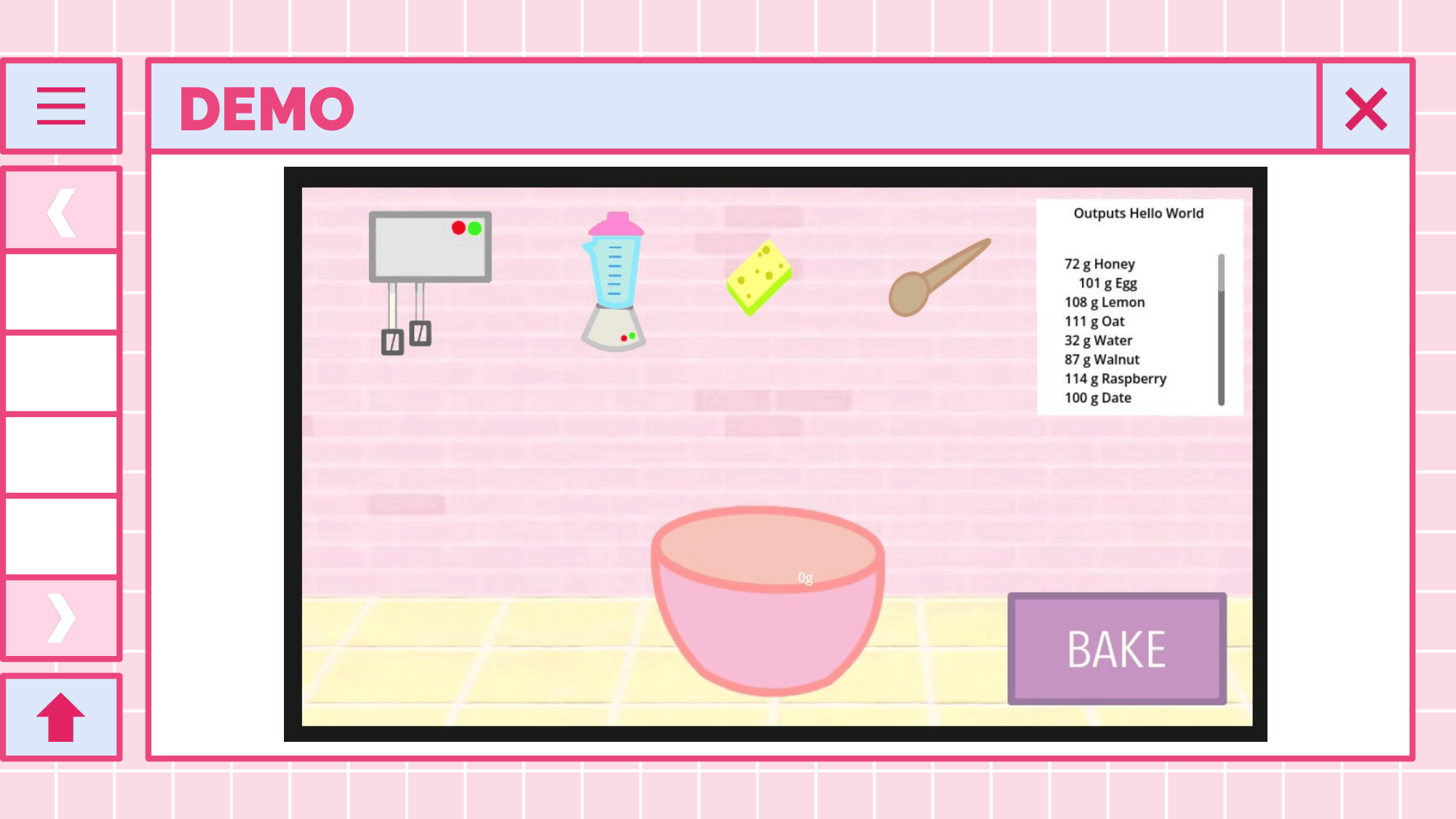
EsoChef aims to serve as a visual interpreter for Chef that turns recipe-style code into a playable cooking experience.
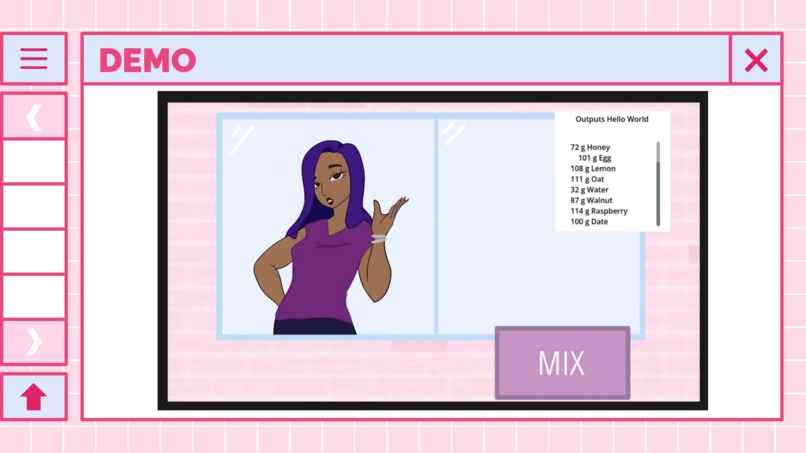
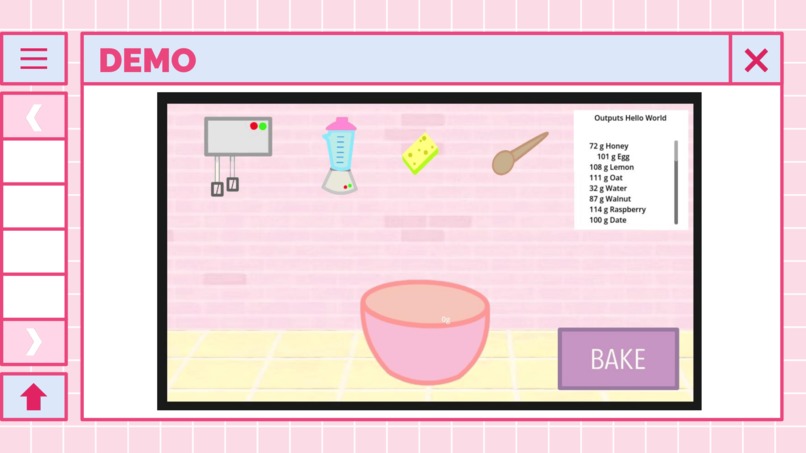
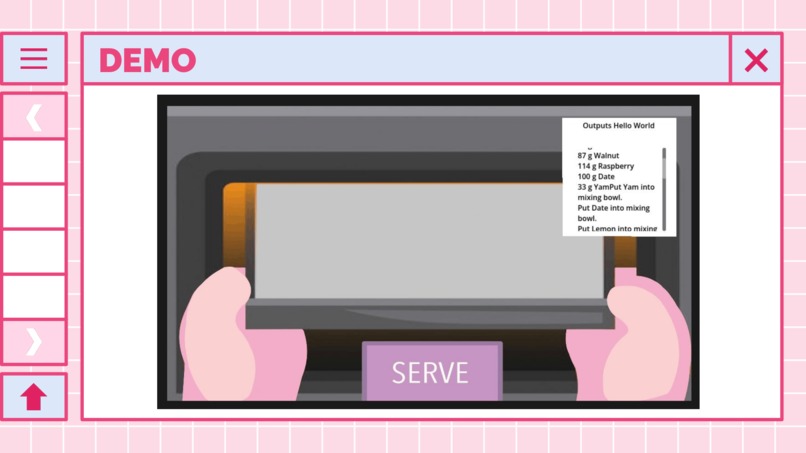
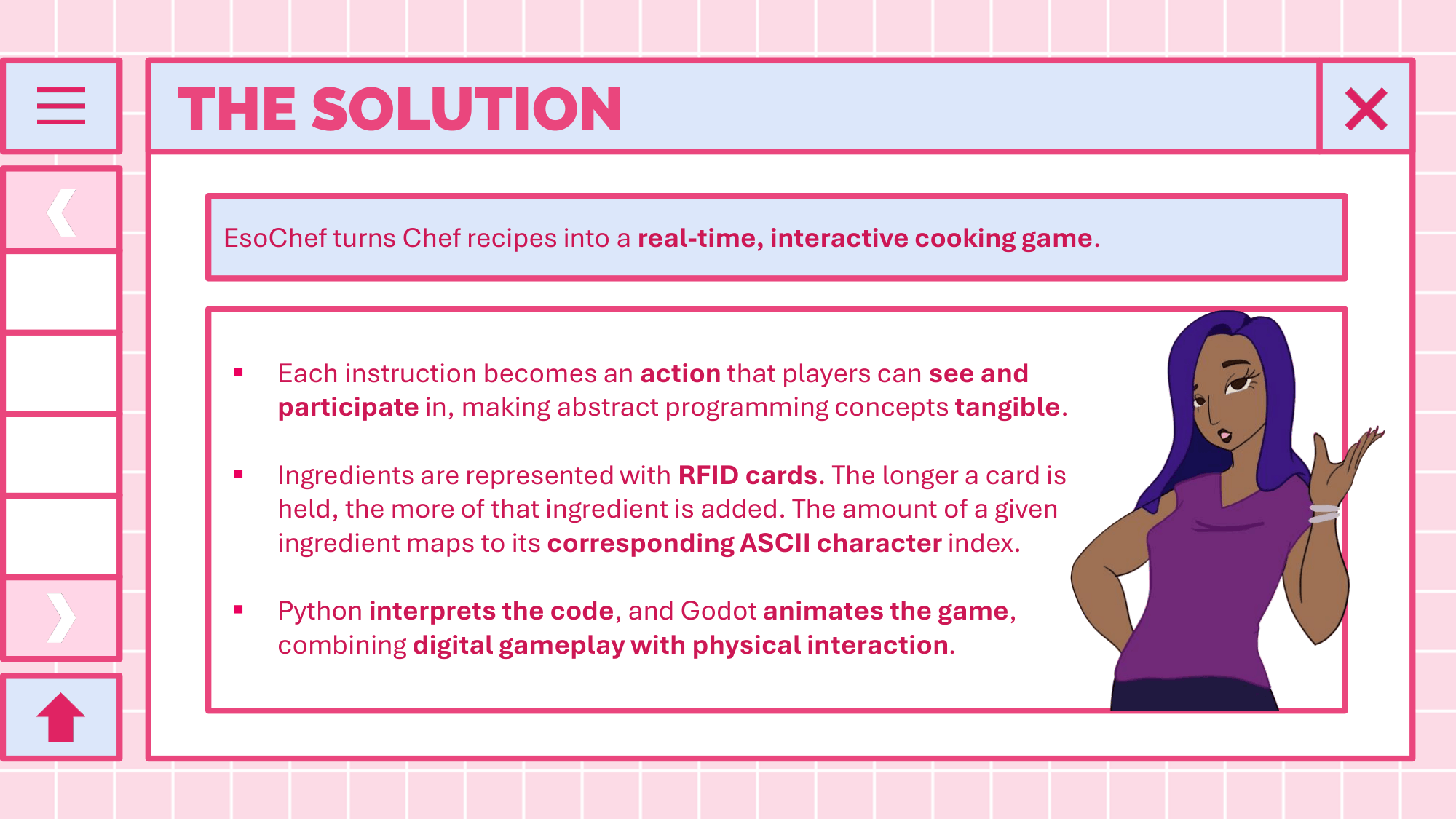
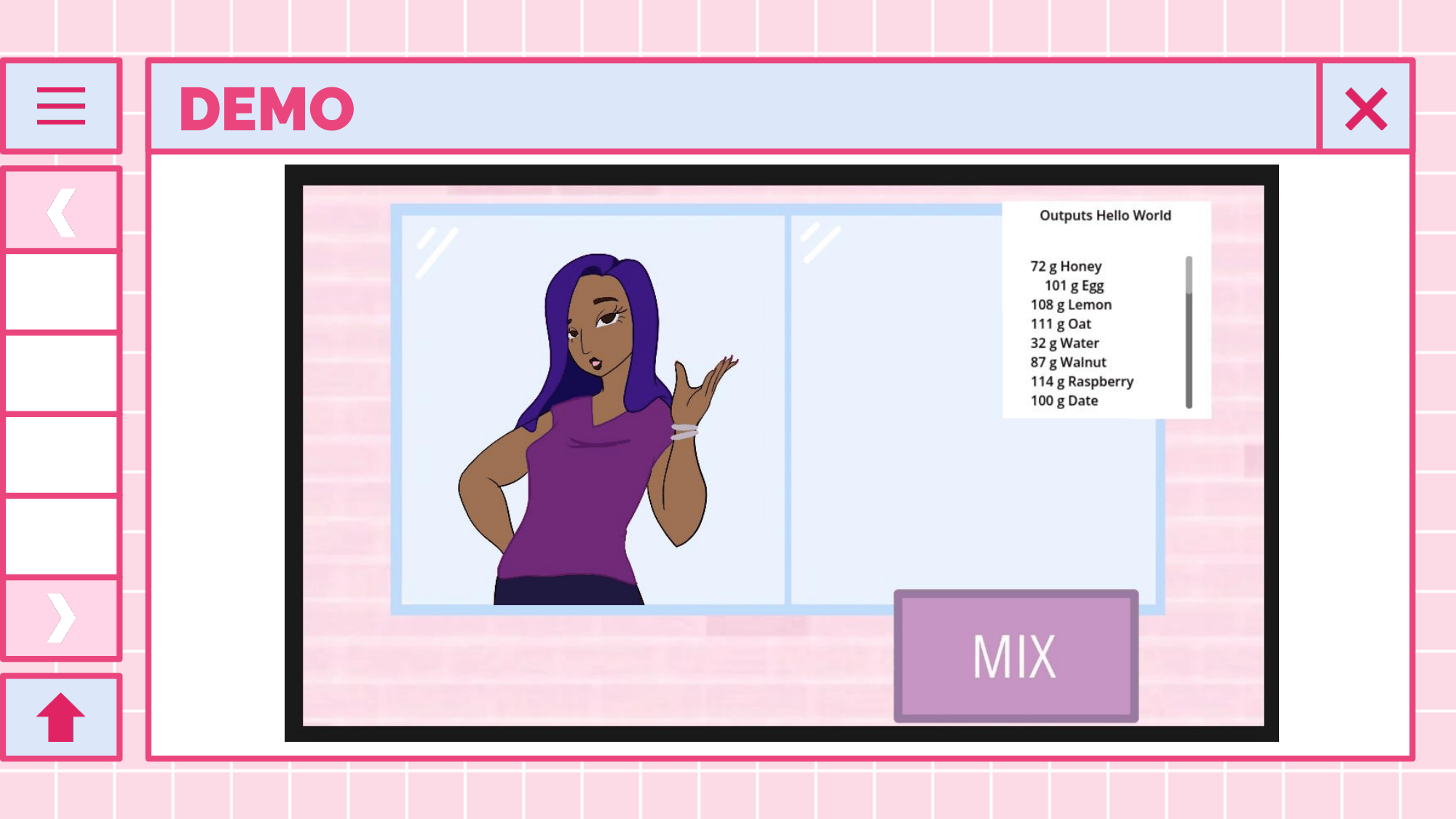
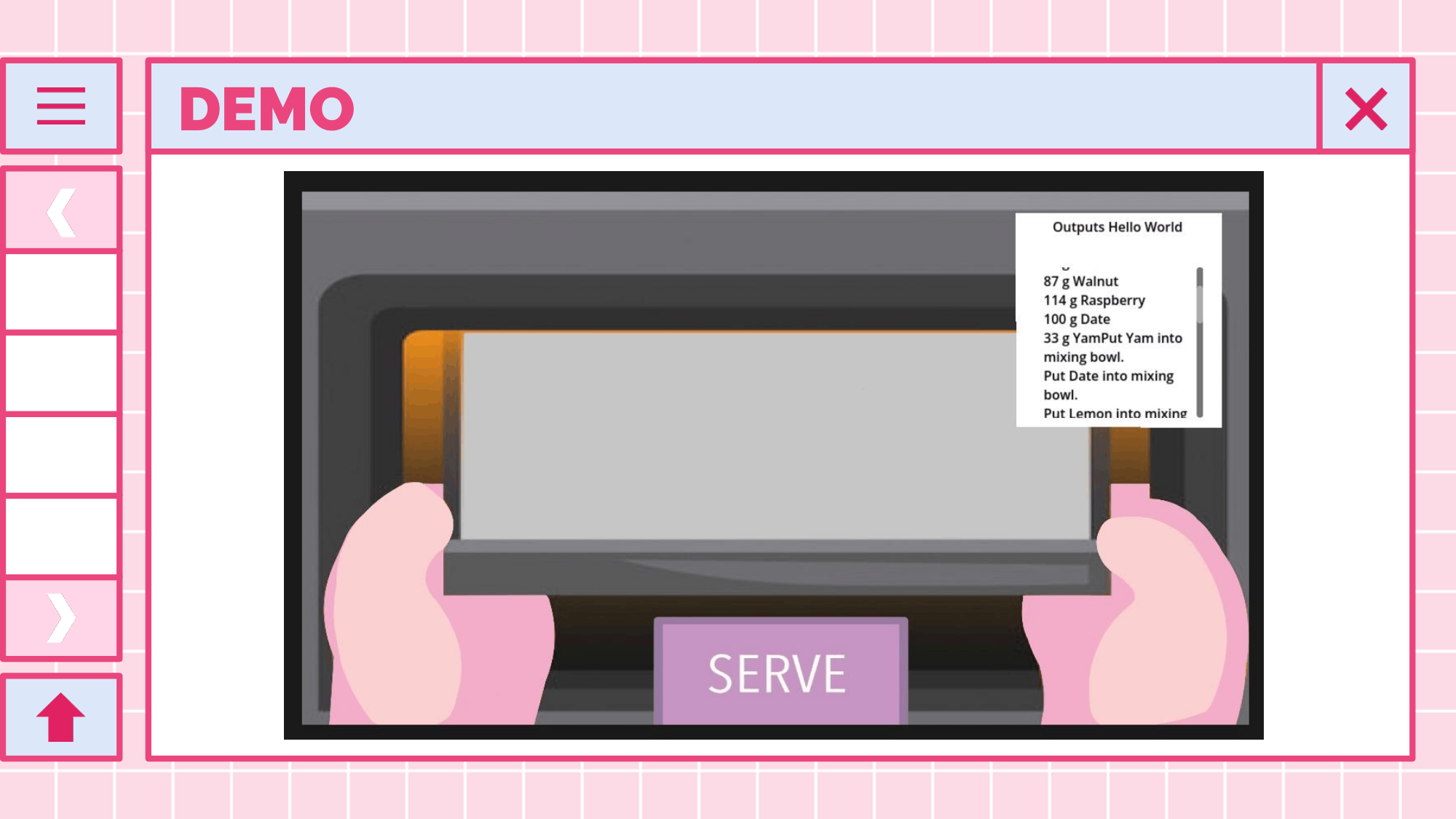
Instead of running code invisibly or printing plain text output, our game brings Chef to life. Each instruction becomes a visual and interactive element. Players follow the recipe in real time, adding ingredients, mixing, and watching the program execute.
This approach makes abstract programming concepts easier to understand and more fun to explore.
How we built it
We started by analysing Chef's unique recipe structure and thinking about how to translate it into a game.
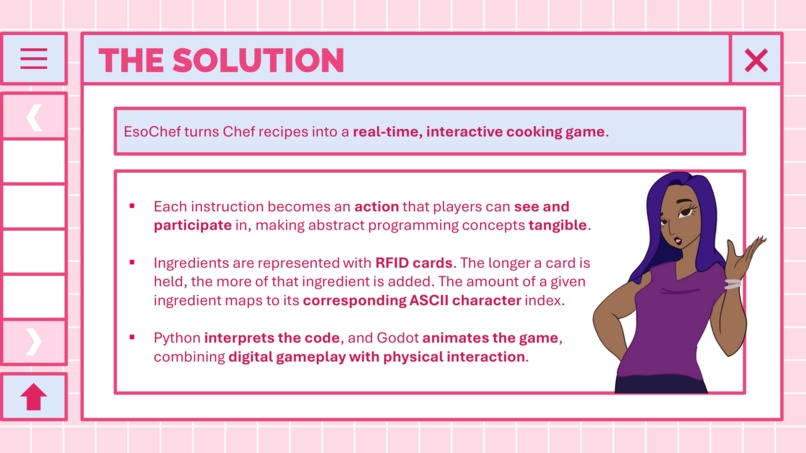
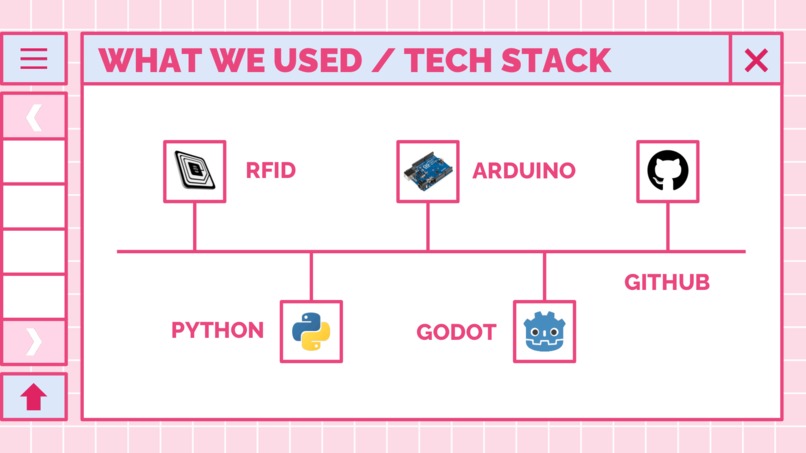
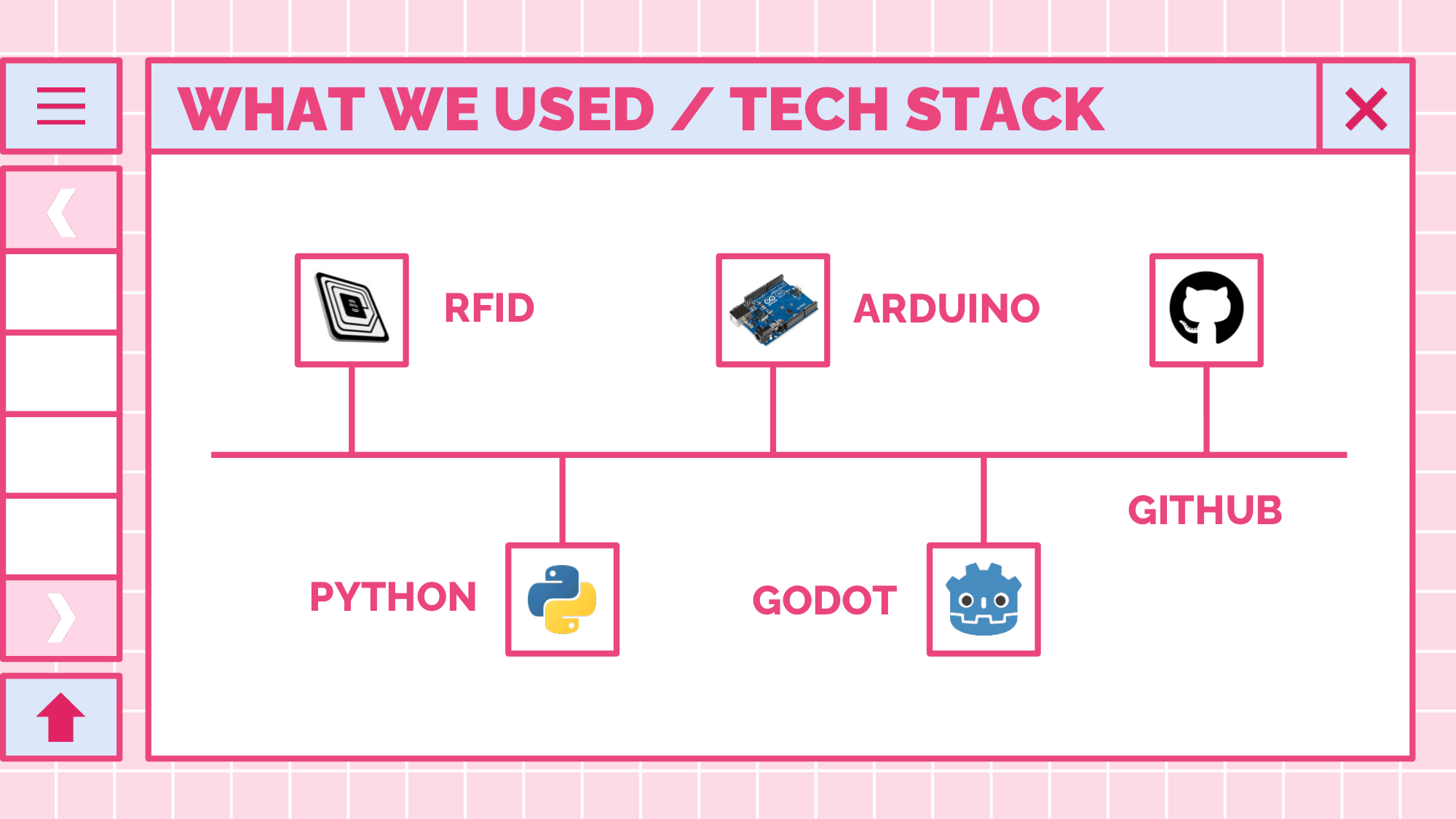
- Python handles the logic. It reads Chef recipes and converts them into executable steps. RFID cards represent ingredients.
- Each card maps to a different in-game ingredient. The longer a card is held on the reader, the more of that ingredient is added to the mixing bowl.
- Godot turns the interpreted steps into visual gameplay.
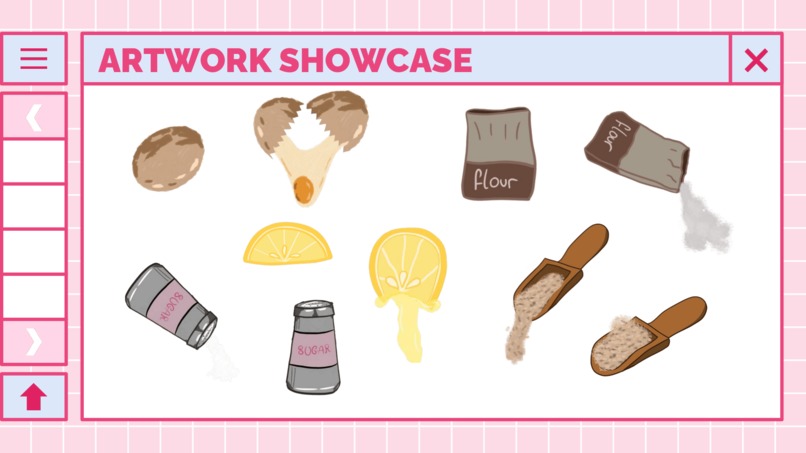
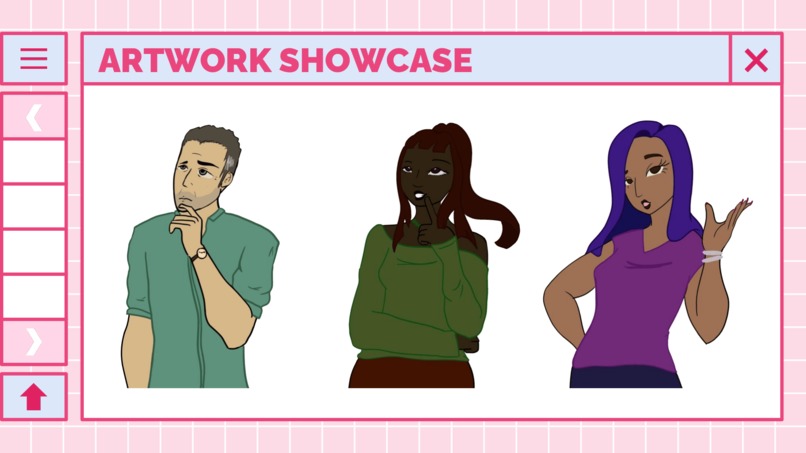
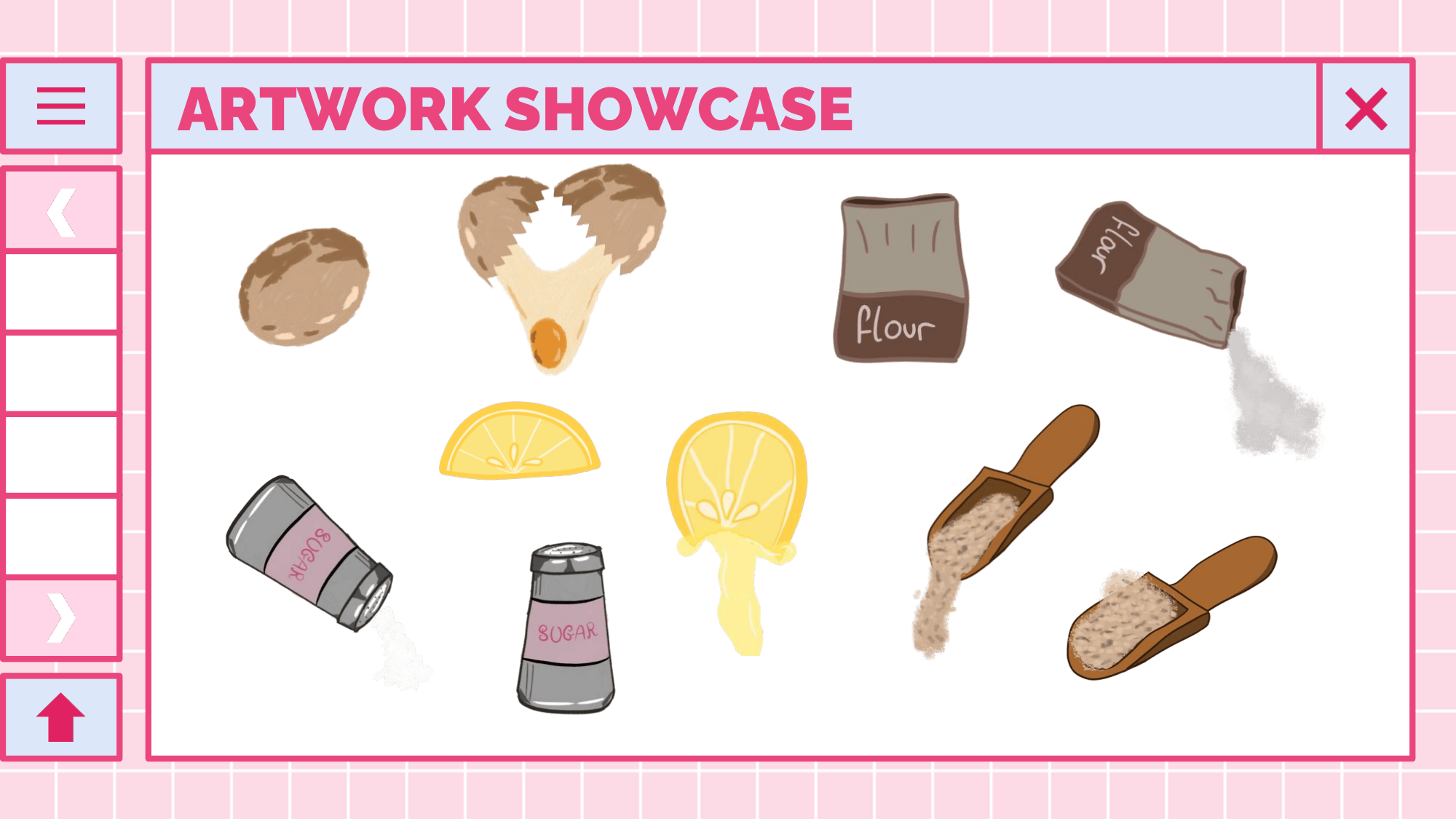
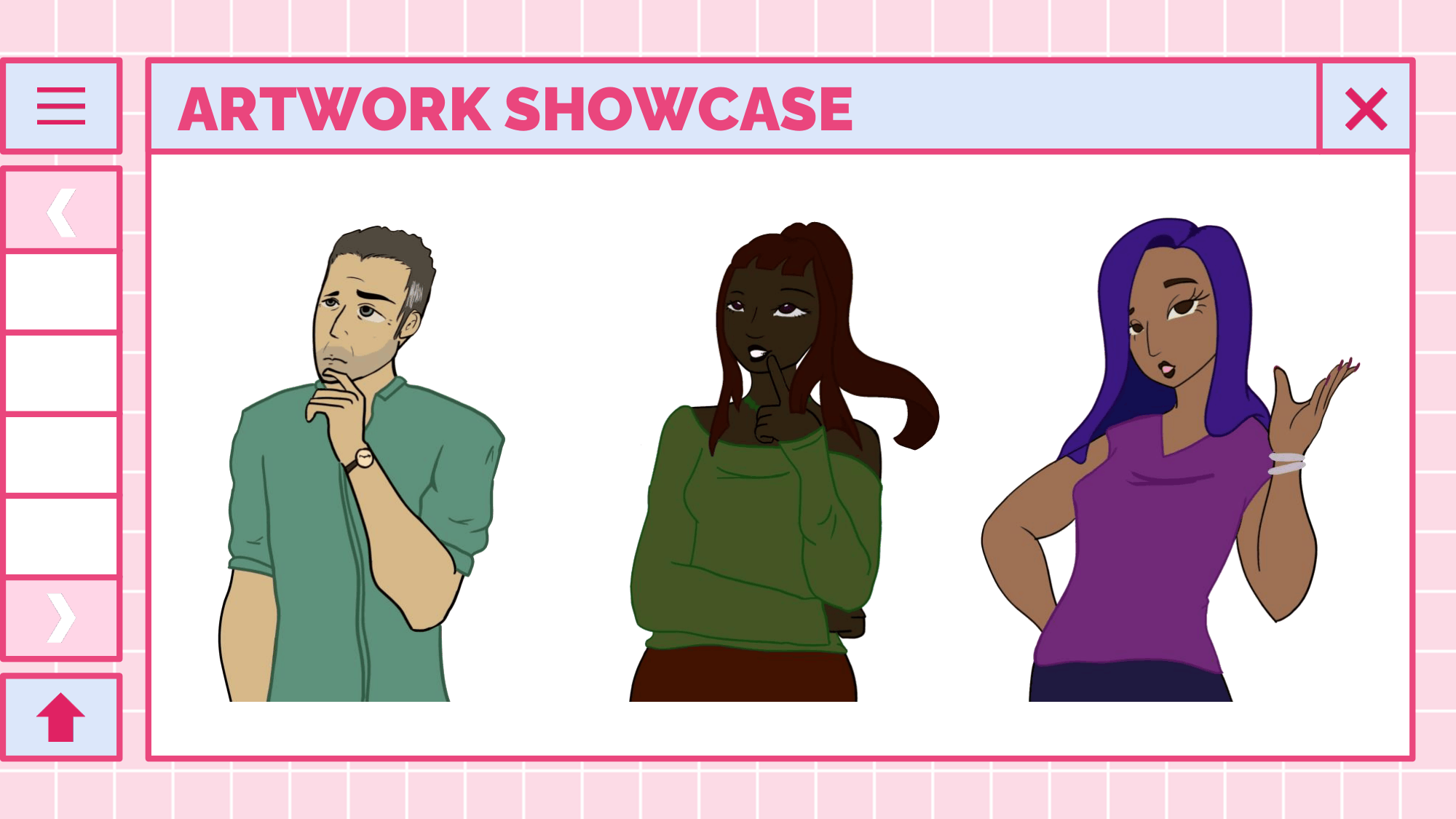
We focused on making the experience playful while staying true to the code. We drew all the sprites and built a colourful and intuitive interface. The game is designed to be satisfying to play and easy to understand.
Challenges we ran into
One of the main challenges was making Chef visual without losing what makes the language unique. We had to decide how recipe instructions should behave, how they should be displayed, and how to make the execution readable without overwhelming players.
Another challenge was making the project accessible to people who had never heard of Chef. We needed the game to make sense immediately so that anyone could enjoy it.
Accomplishments that we're proud of
- Successfully mapped Chef instructions to real-time interactive gameplay
- Created a physical-digital interaction using RFID cards to represent ingredients
- Built a fully drawn and polished game interface
- Turned an esoteric joke language into a tool for teaching and experimentation
What we learned
We learned that abstract code is much easier to understand when visualised in real time. Even though Chef is meant as a joke language, creating a playable interpreter showed how programming can be interactive and fun.
We also learned the importance of design when explaining technical concepts. Clear and playful visuals make a big difference in accessibility.
What's next for EsoChef
Future directions include:
- Supporting more Chef language features and complex recipes
- Adding deeper gameplay mechanics and polishing the user experience
- Allowing users to create and share their own recipe programs
Our goal is to make programming more playful, interactive, and approachable for everyone, even for people who are new to coding.

Log in or sign up for Devpost to join the conversation.