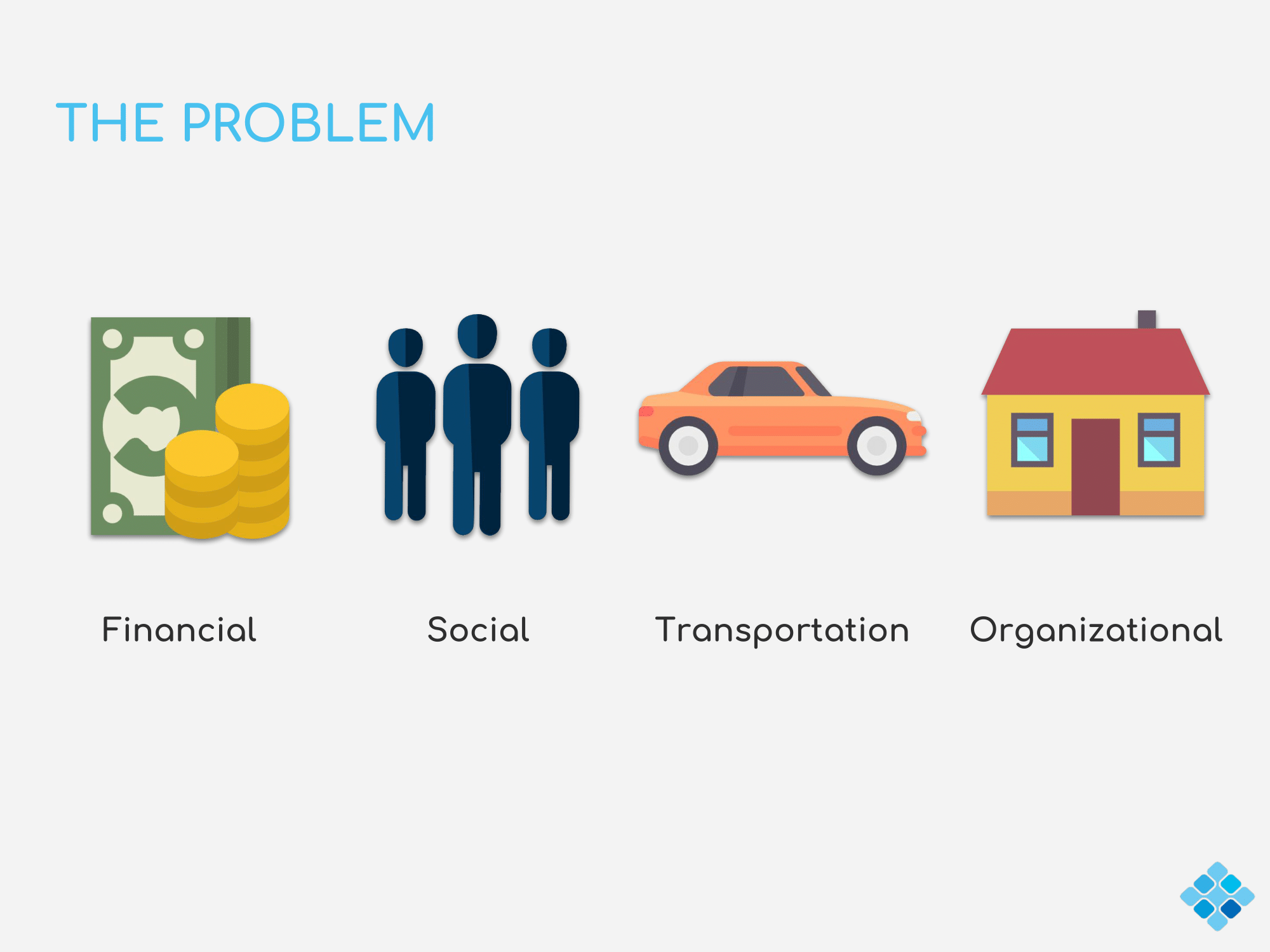





PROBLEM DEFINITION Healthcare facilities servicing low-income patients face abnormally high no-show rates. Missed appointments cost the U.S. healthcare system $1.5 billion each year. This is an incredibly complex problem with many contributing factors.
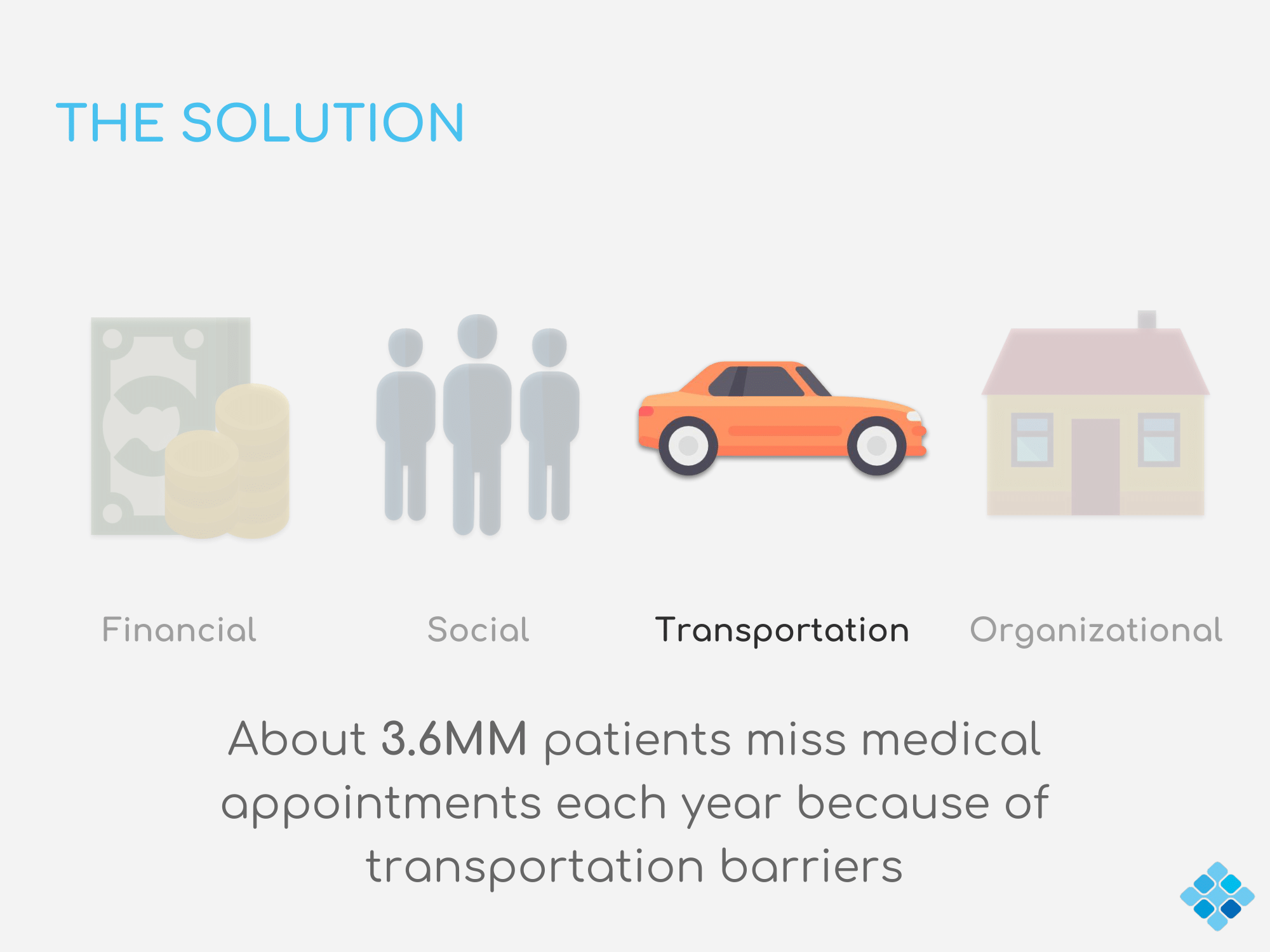
Transportation to primary care is a well-documented barrier for patients with Medicaid coverage. According to the National Academy of Sciences, about 3.6 million patients miss medical appointments each year because of transportation barriers. The ability to show up to appointments remains one of the biggest challenges facing the healthcare industry.
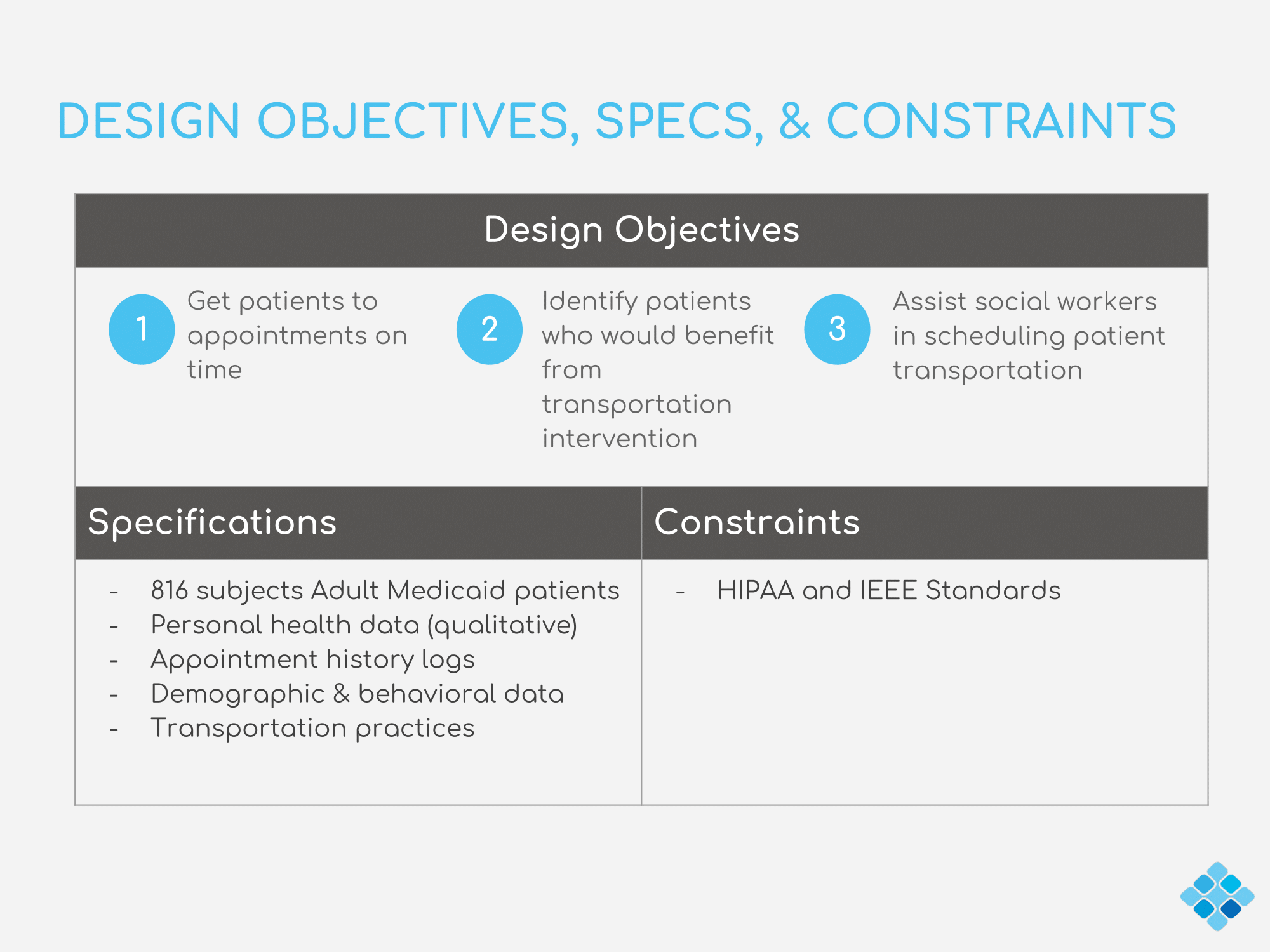
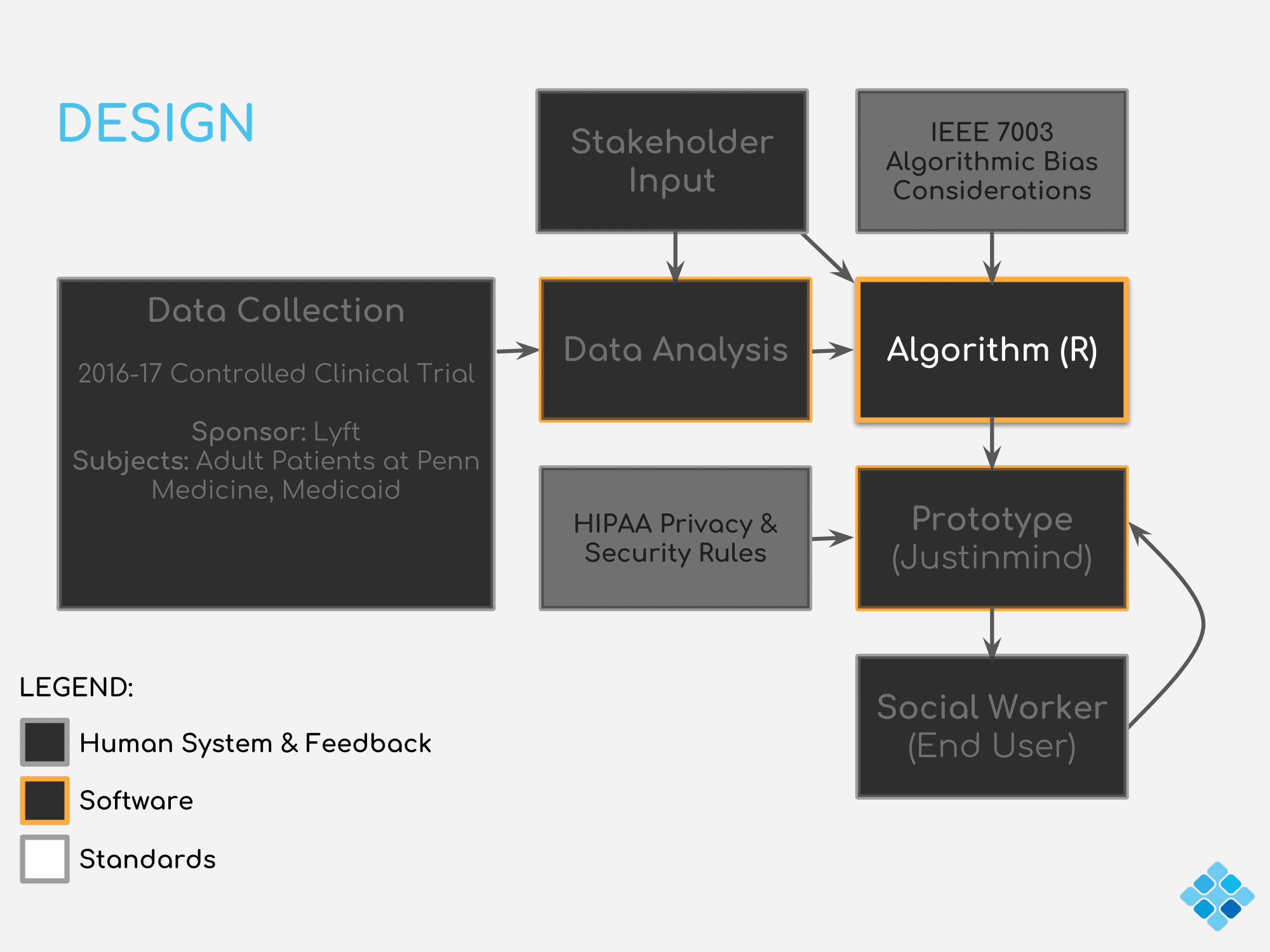
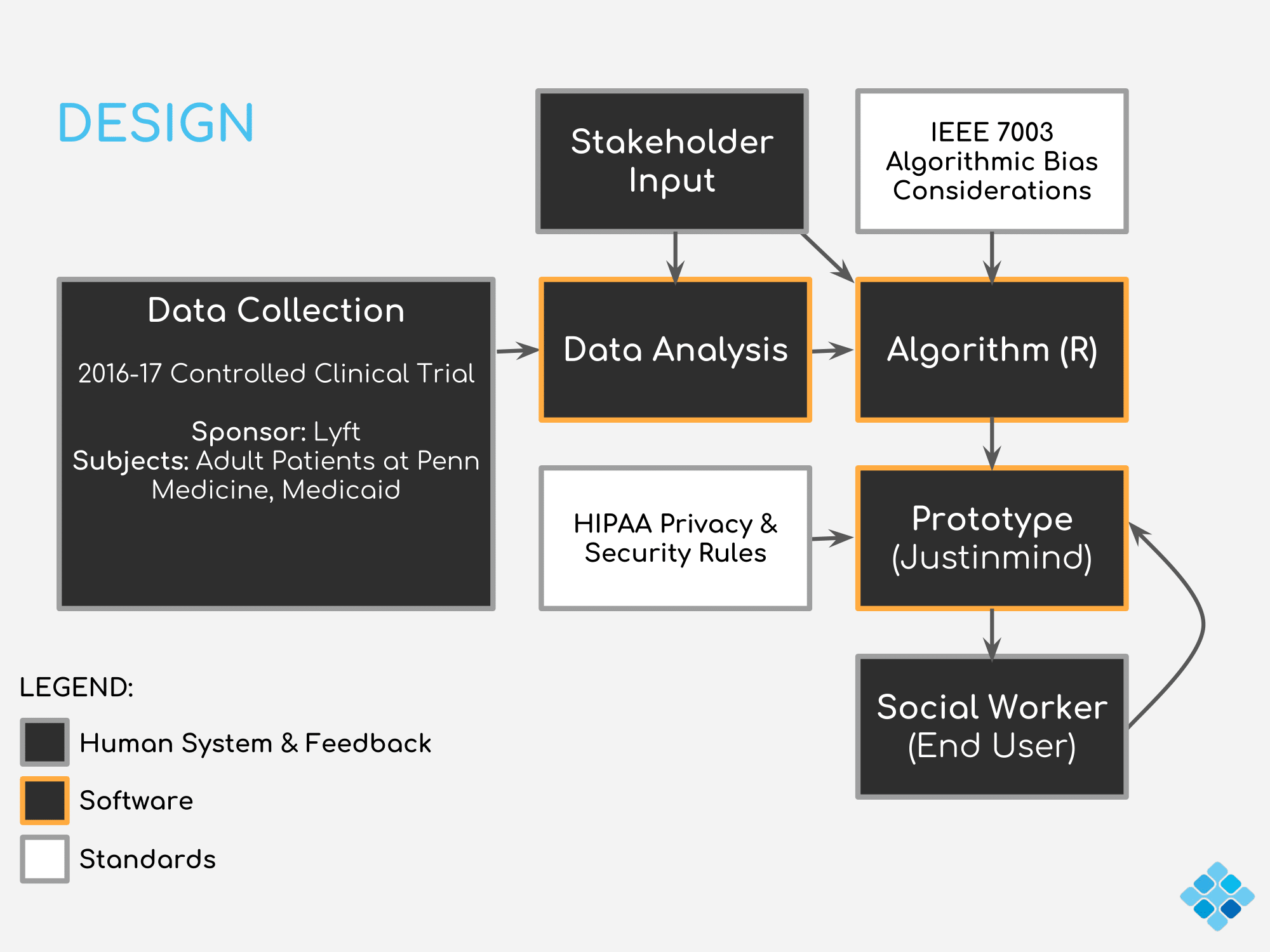
ABSTRACT Our team worked with the primary care clinic on 3701 Market in order to optimize patient attendance. Since the clinic’s patient demographic consists primarily of low-income, older patients on Medicaid, it faces high no-show rates and high associated costs.
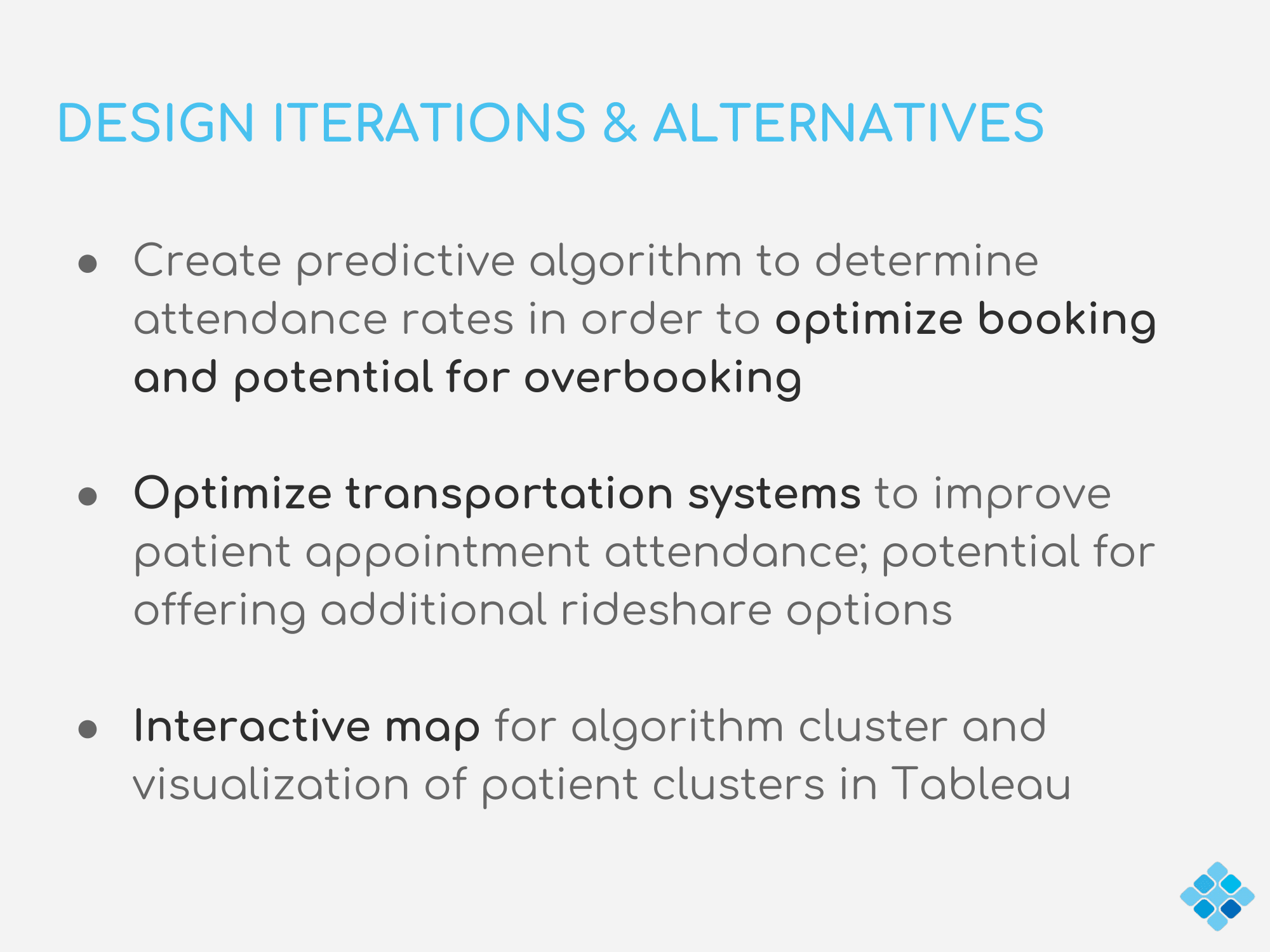
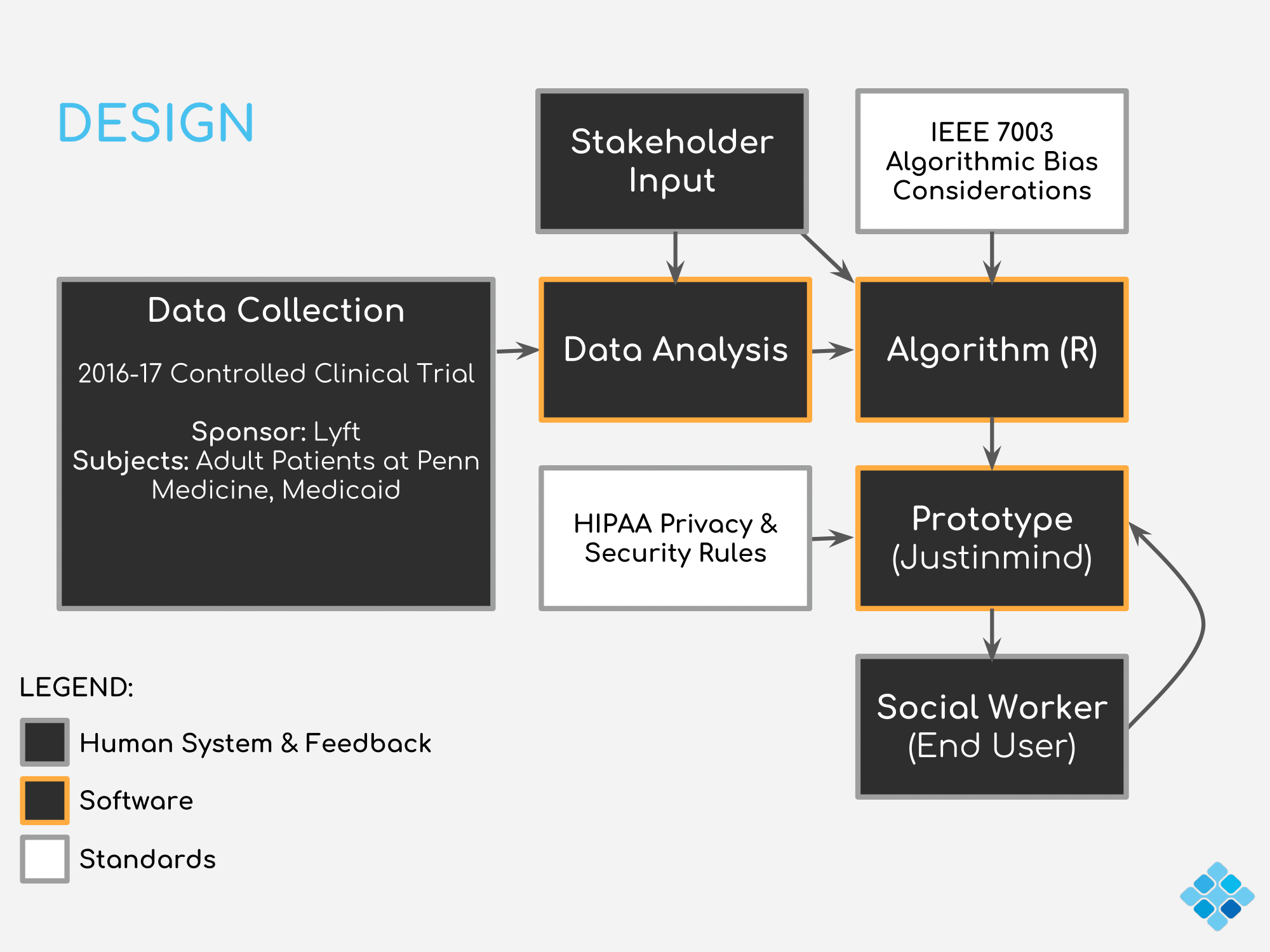
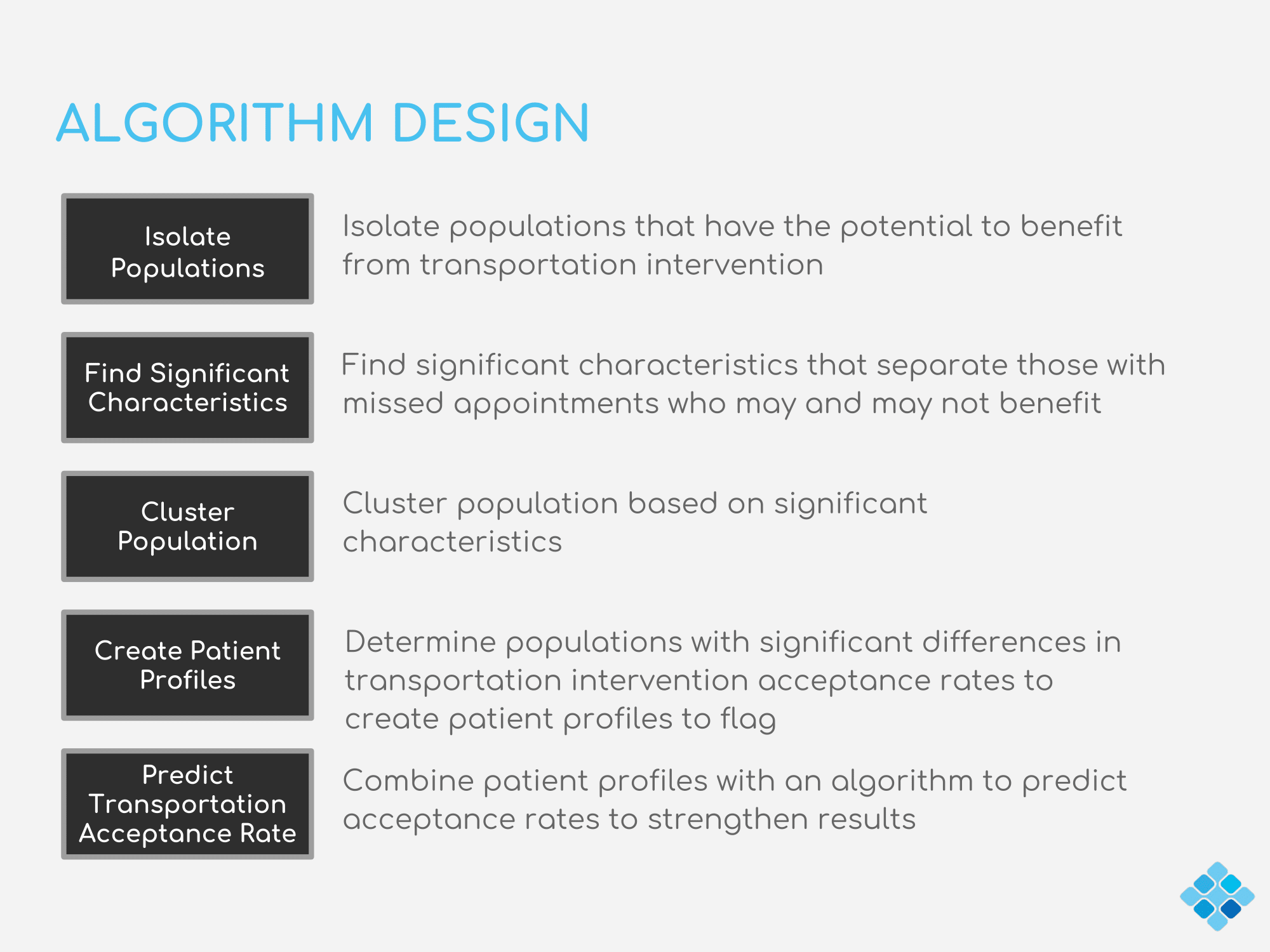
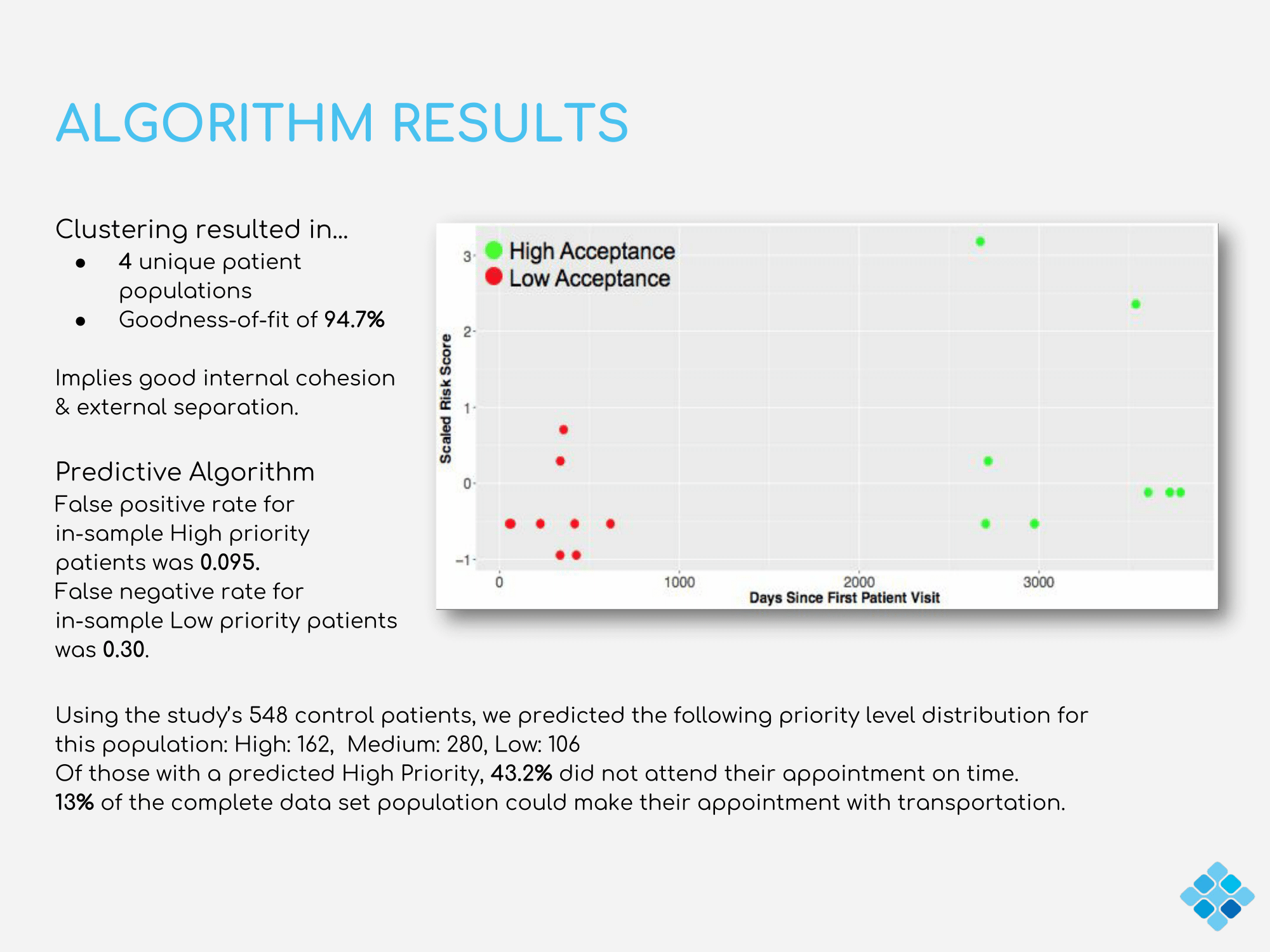
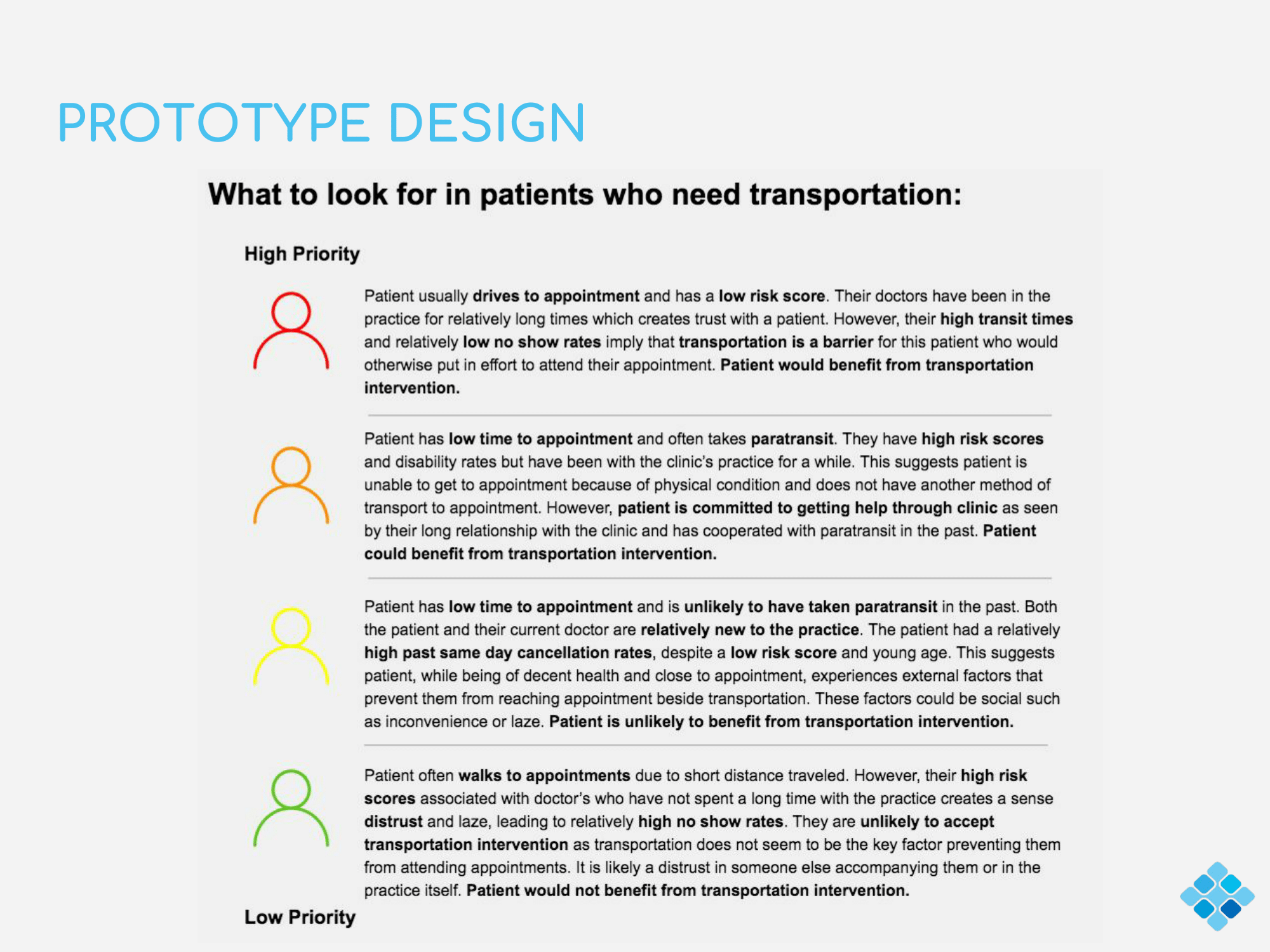
Our team built a predictive algorithm – using patient inputs such as past attendance history, available transportation options, and demographic data – to identify which patients would benefit from transportation scheduling by clinic personnel.
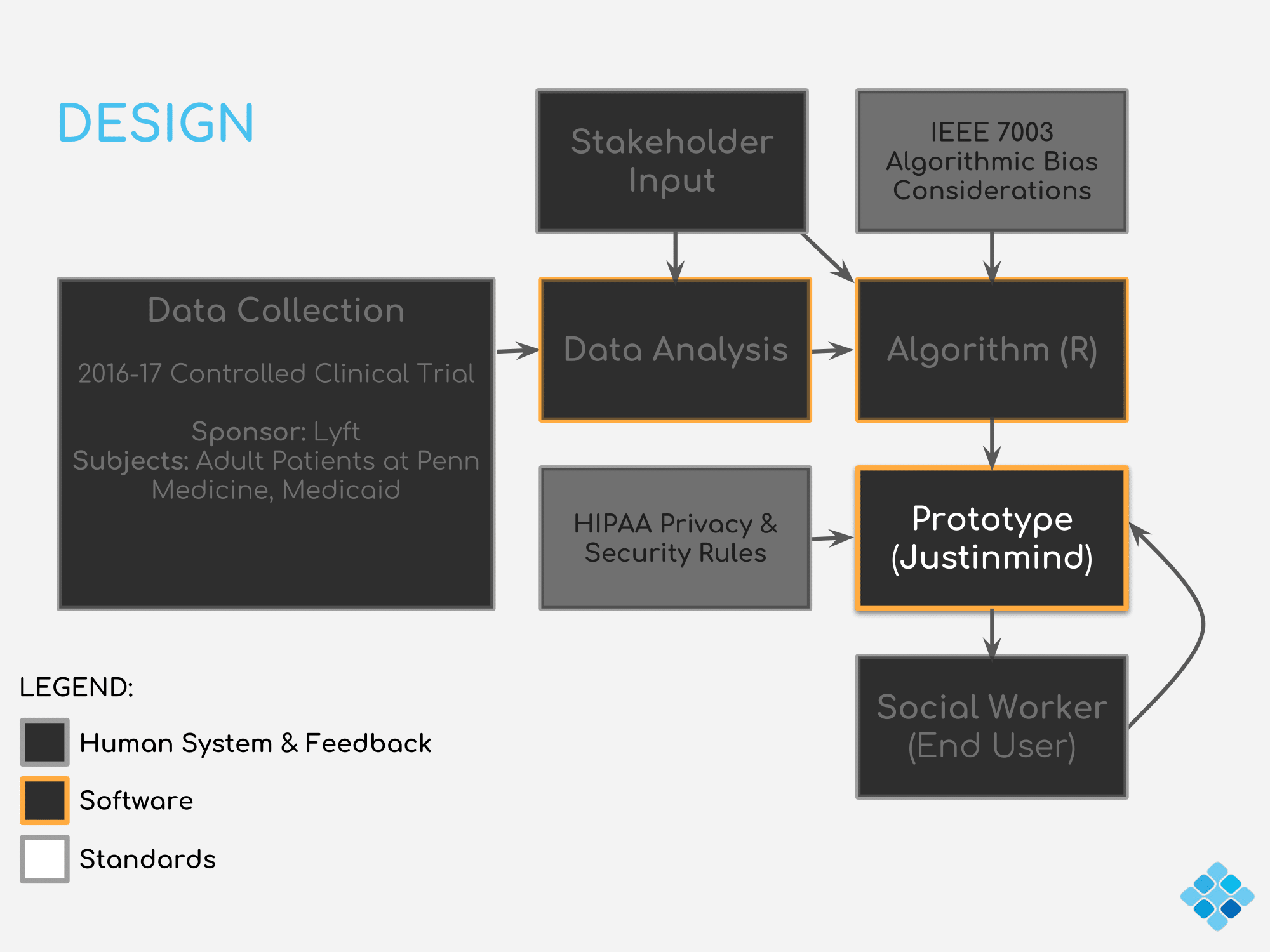
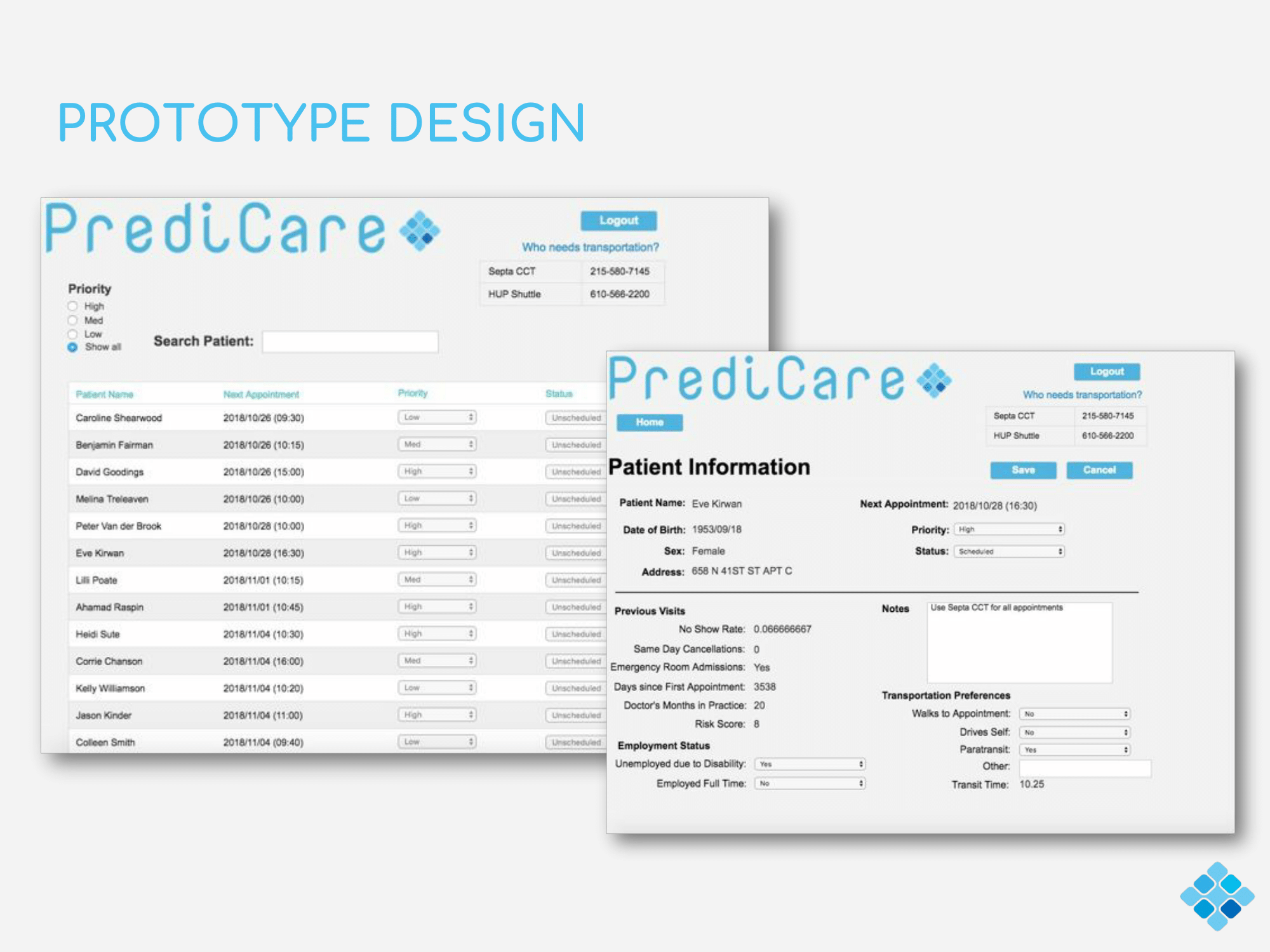
We designed a dashboard, incorporating the results from our algorithm, to facilitate clinic social workers with scheduling transportation intervention. By offering social workers an easy way to identify savable patients proactively, we aim to reduce the number of patients missing appointments due to transportation barriers. We believe that this will allow for improved patient attendance, improved overall health, reduced visits to the ER, and decreased operating costs of Penn’s healthcare system.


Log in or sign up for Devpost to join the conversation.