-
-
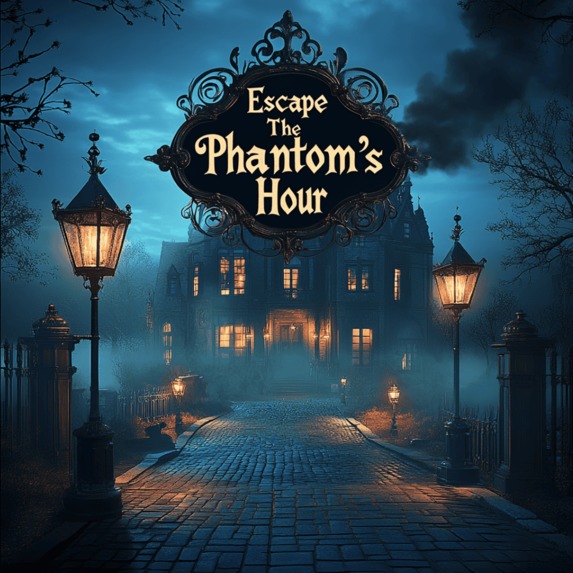
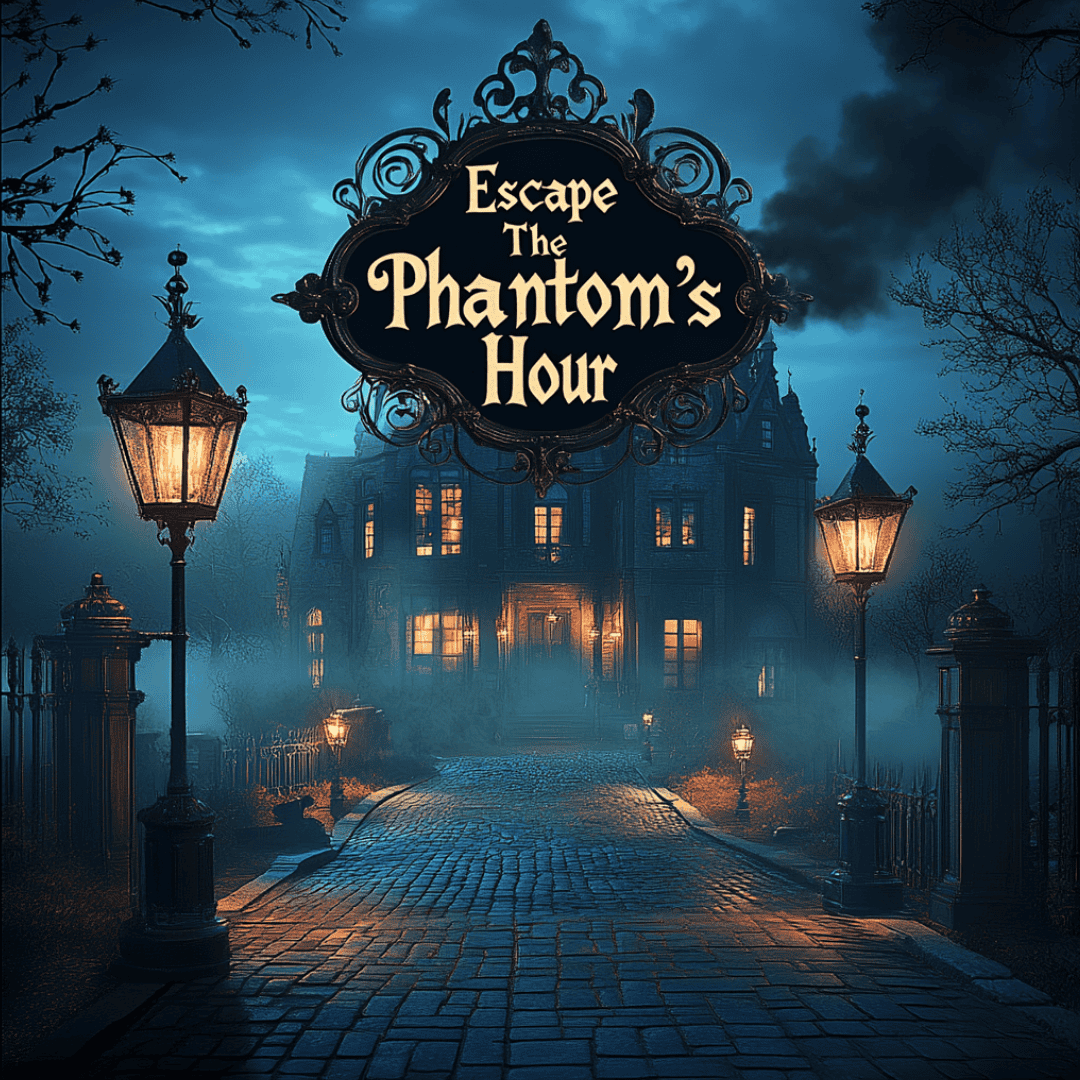
Escape the Phantom's Hour Game Cover
-
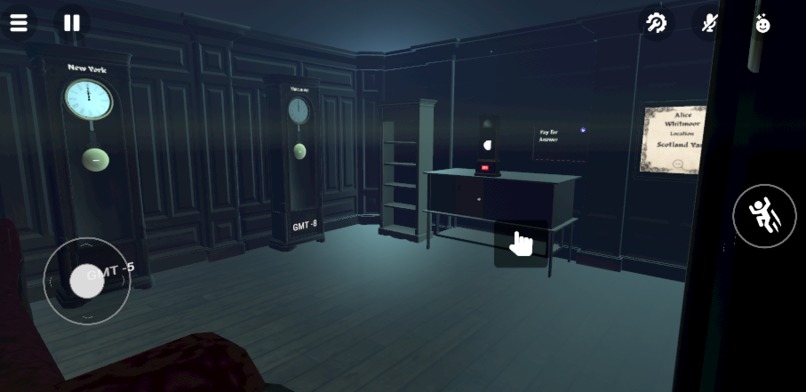
Escape the Phantom's Hour Game Image 1
-
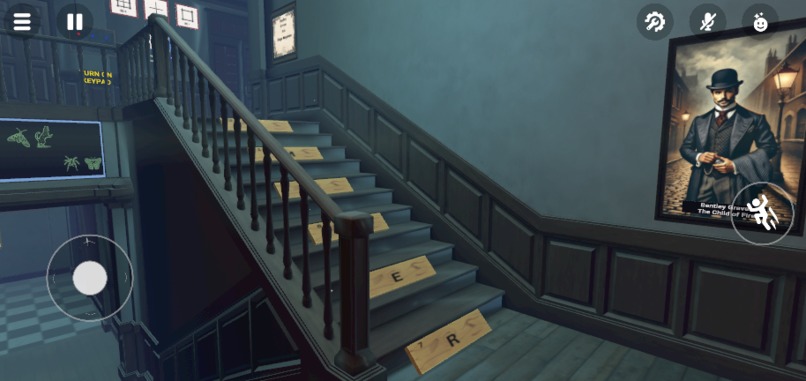
Escape the Phantom's Hour Game Image 2
-
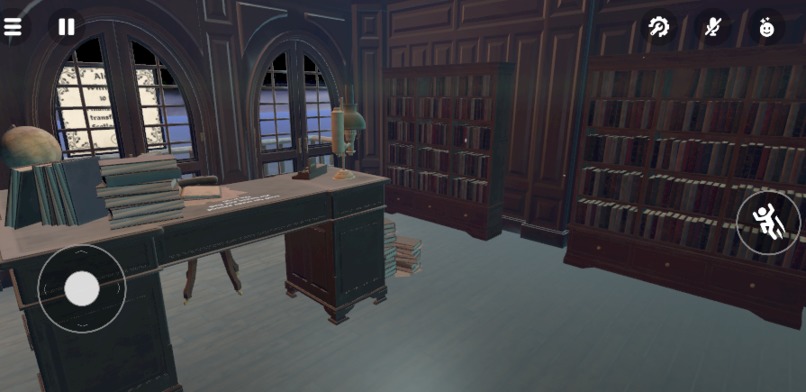
Escape the Phantom's Hour Game Image 3
-
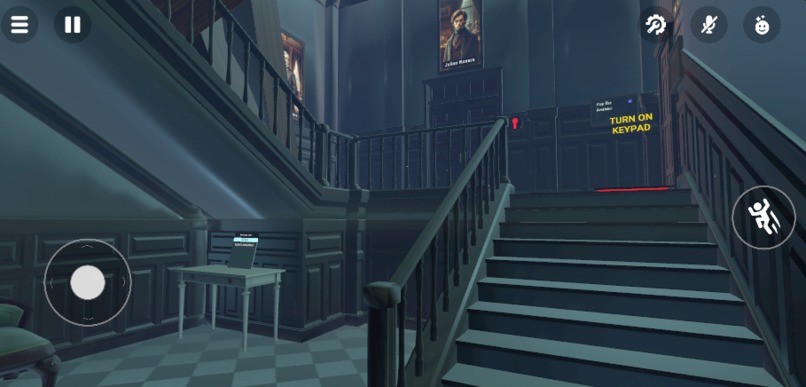
Escape the Phantom's Hour Game Image 4
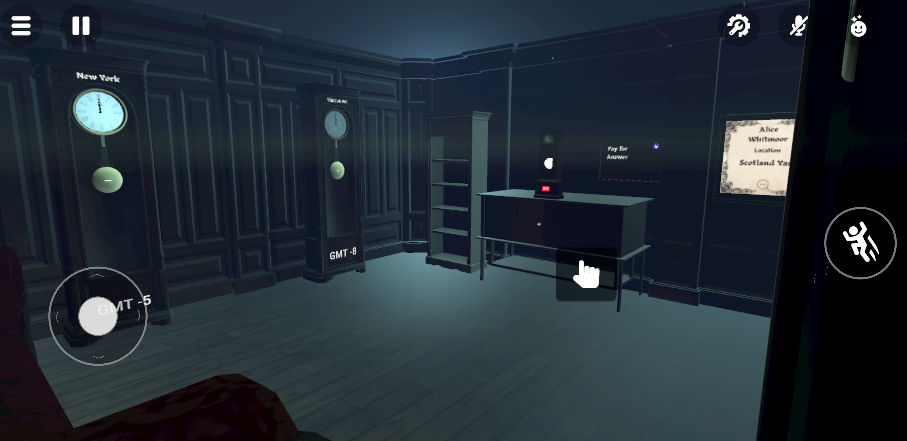
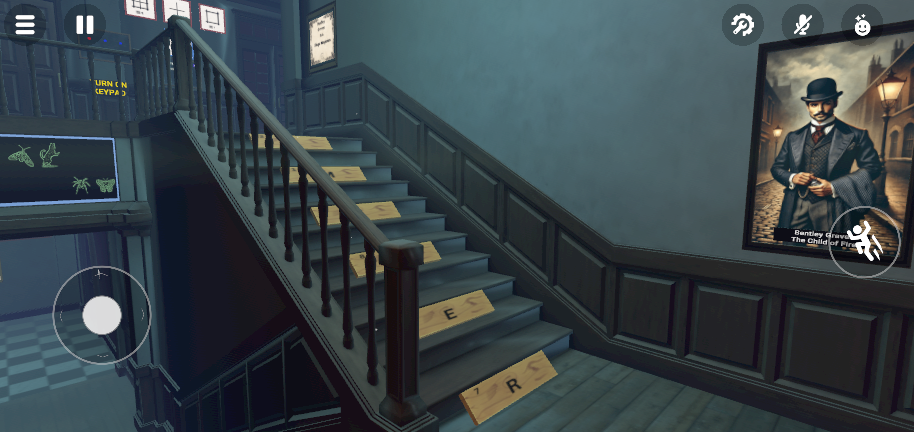
Inspiration
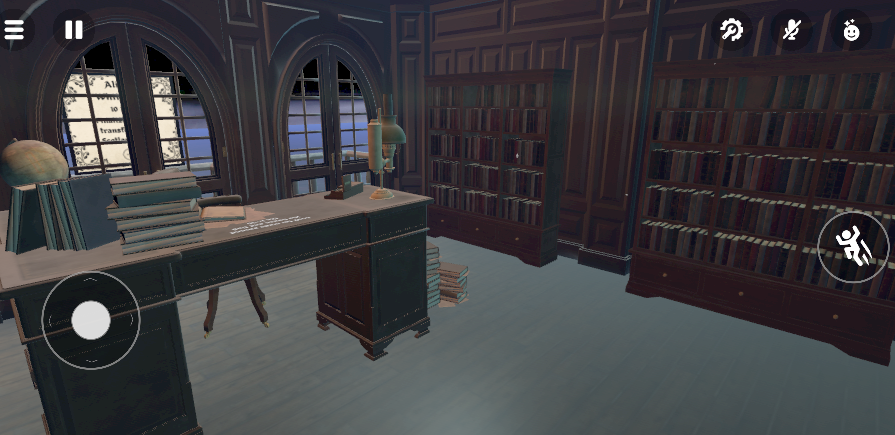
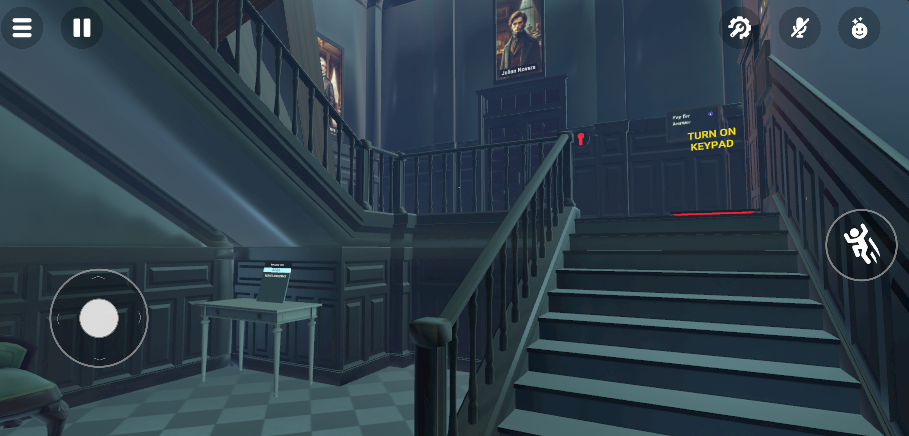
This project was inspired by classic Sherlock Holmes mysteries, Victorian gothic fiction, and escape room logic puzzles. I wanted to create a narrative-driven experience that blended the suspense of a haunted manor with the deductive satisfaction of solving a layered mystery. The Phantom’s Hour draws from the atmosphere of stories like The Woman in Black, The Others, and of course, Hamlet, with a healthy dose of secret societies and family betrayal.
What it does
Escape the Phantom’s Hour is a narrative escape room game set in a cursed Victorian manor. Players must unravel the disappearance of Julian Novera by solving puzzles, decoding telegrams, reconstructing timelines, and uncovering the truth behind the Hollow Order. The game features a branching ending depending on player success and atmospheric visuals that immerse players in a brooding, story-rich world.
How we built it
The game was built using Horizon Worlds, leveraging both TypeScript and custom UI tools for puzzle interaction and narrative delivery. Skybox tools were used to generate the foggy night environment, and AI-generated assets (portraits, newspapers, letters) helped bring the world to life. We used a modular logic system to design flexible puzzles that tie directly into the story, including a multi-stage deduction board and a timed final “Phantom’s Hour” puzzle.
Challenges we ran into
Creating a game with non-linear storytelling and logic-based puzzles in a limited interactive environment was no small task. One of the biggest challenges was designing puzzles that feel challenging without being frustrating. Balancing narrative delivery with interactivity, and managing complex character relationships through player progression, took a lot of iteration and testing.
Accomplishments that we're proud of
We’re especially proud of how well the story and puzzles are integrated. Every clue, letter, and object in the game ties back to the central mystery in a meaningful way. Players have told us they feel like true detectives — not just solving puzzles, but uncovering a legacy. The final clock puzzle and its cinematic payoff are a major highlight. Creating diverse, grounded characters in a historical setting was also an intentional and meaningful achievement.
What we learned
This project taught us how to design immersive storytelling through environmental clues and timed mechanics. We gained experience in narrative pacing, modular world-building, and puzzle logic that rewards observation and deduction. Most of all, we learned how to trust the player — to let them discover, piece things together, and feel ownership over their journey.
What’s next for Escape the Phantom’s Hour
We’re already planning an expansion: Escape the Hollow Order — a prequel that explores Seraphina Blackthorne’s past and the rise of the Order itself. We also want to implement a leaderboard, more alternate endings, and hidden lore layers that players can unlock across multiple replays. Our long-term goal is to turn this into a full episodic mystery anthology series set in the same universe.
Built With
- worlds


Log in or sign up for Devpost to join the conversation.