Inspiration The project was inspired by the need for a decentralized application (dApp) that could efficiently handle game result validation on the blockchain, leveraging the scalability and security of Cartesi Rollups. The aim was to create a robust platform that could process complex logic off-chain while ensuring the integrity and transparency of on-chain transactions.
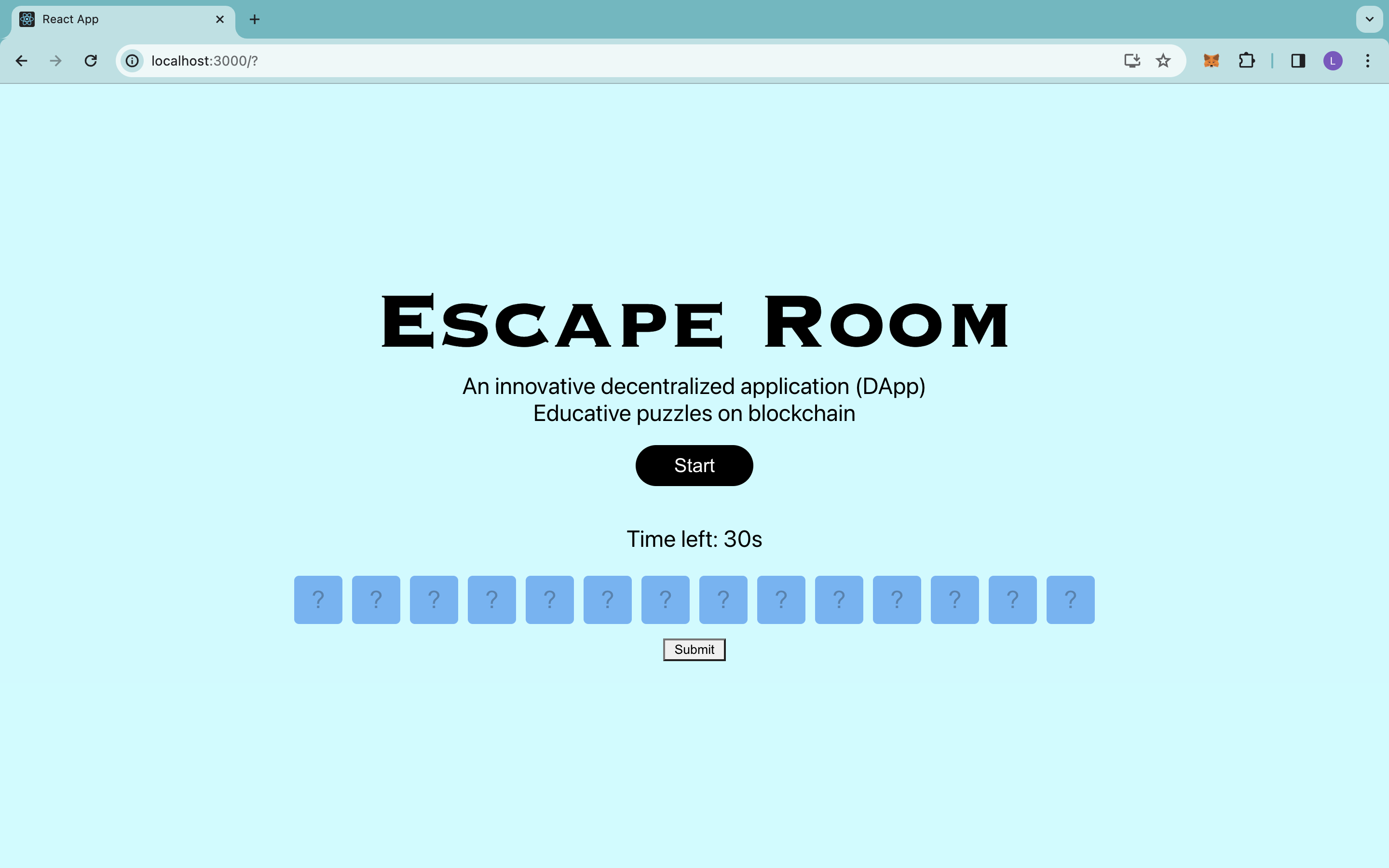
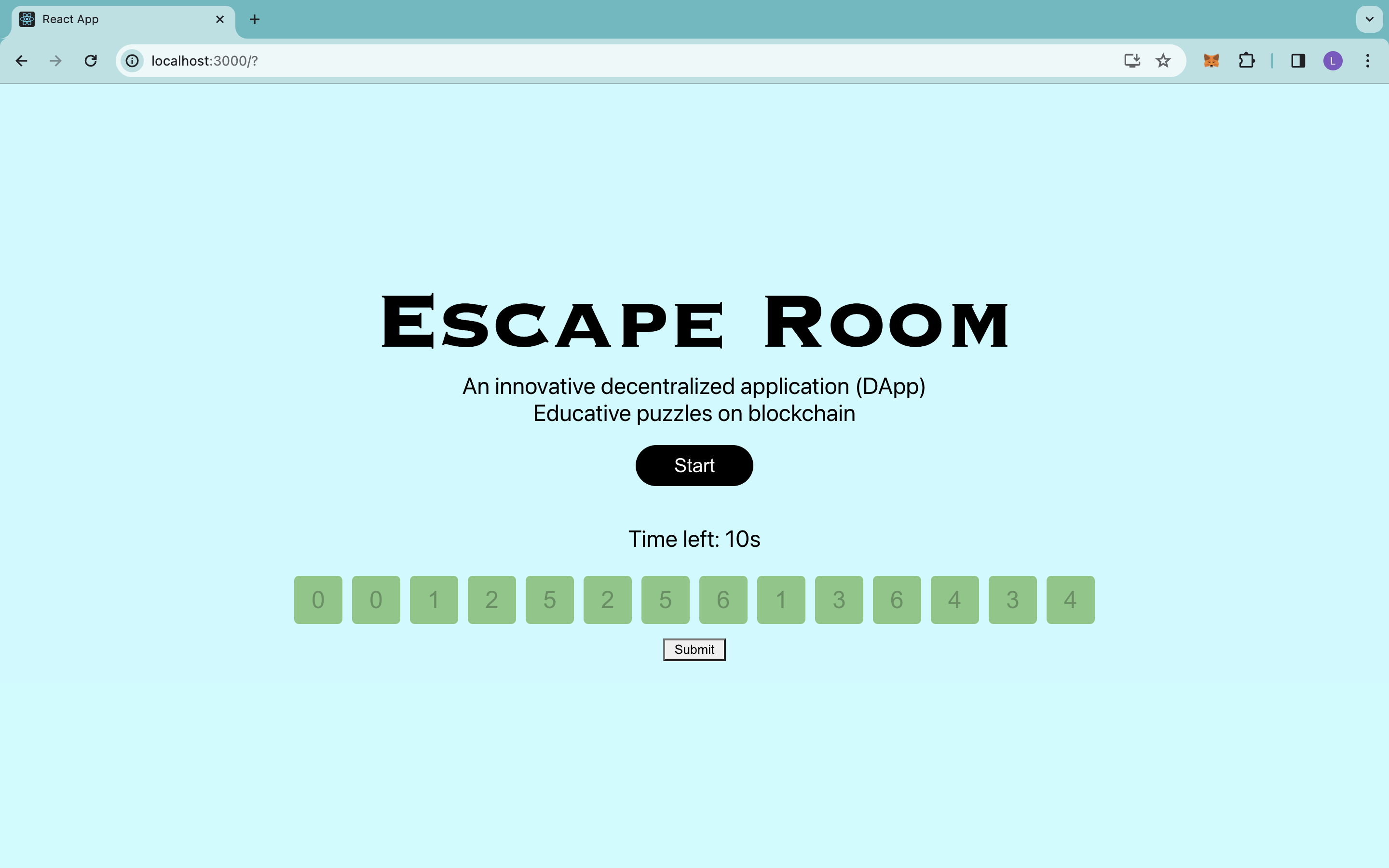
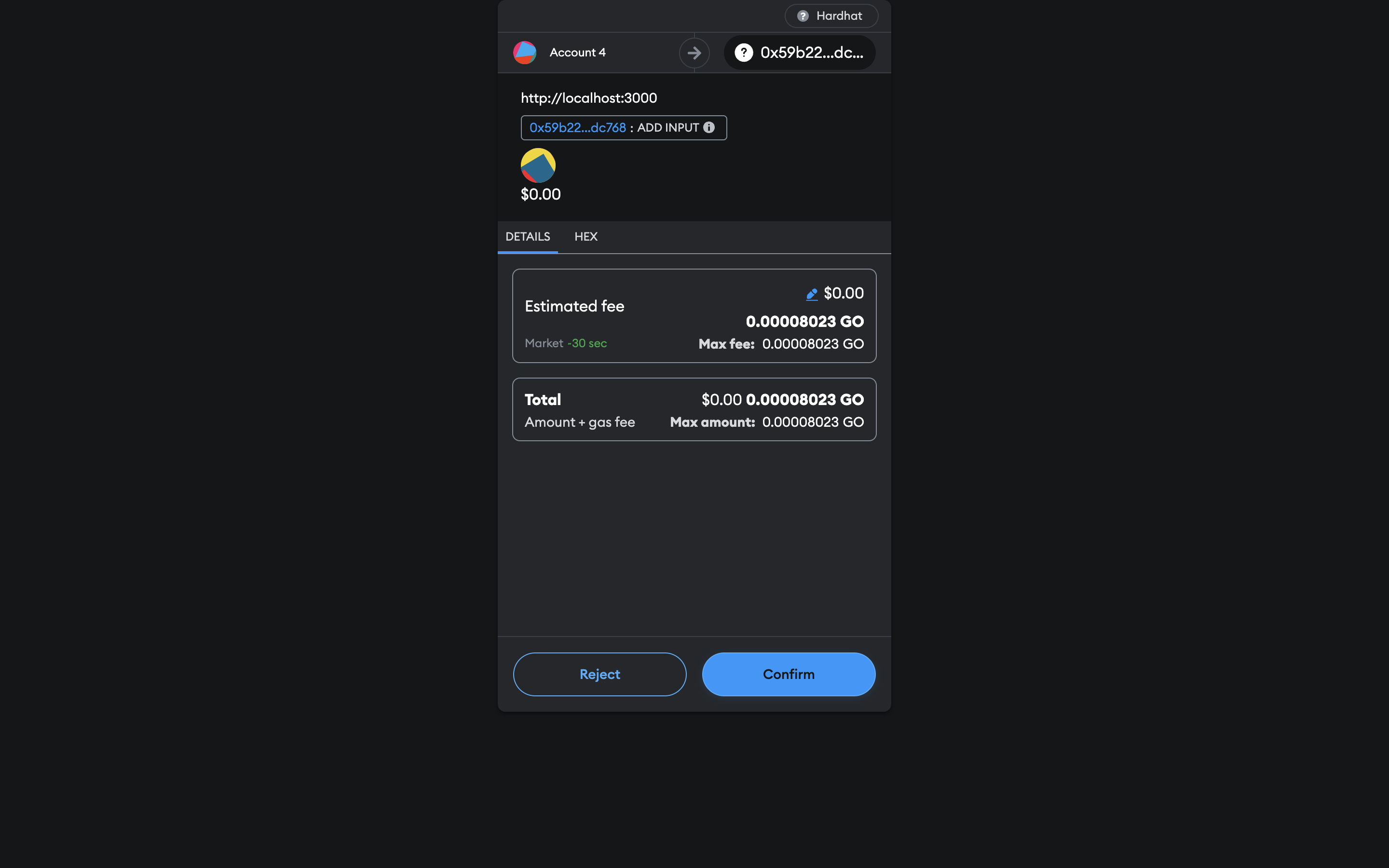
What it does This dApp provides a decentralized platform for game result validation, utilizing a React front-end for user interaction and a Cartesi Rollups back-end for processing and validating submissions. Users can submit game results through the React interface, which are then validated by the back-end, ensuring accurate and fair outcomes in a decentralized manner.
How we built it The project was initiated by setting up the necessary development environment, including Docker, Node.js, and Yarn. The front-end was developed using React, creating a user-friendly interface for submitting game results. The back-end, built with Python, handles the submission logic and communicates with the Cartesi Node for rollups processing. Both components were containerized using Docker for consistent deployment and testing.
Challenges we ran into Integrating the React front-end with the Cartesi back-end posed significant challenges, especially in establishing reliable communication and data exchange between the two. Ensuring that the dApp could operate efficiently on the blockchain network, handling scalability, and maintaining security were other critical challenges faced during development.
Accomplishments that we're proud of Successfully deploying a fully functional Cartesi Rollups dApp that integrates a React front-end with a complex back-end logic stands as a significant achievement. Overcoming integration and blockchain-related challenges, and establishing a seamless workflow from front-end to back-end validation processes are key accomplishments of this project.
What we learned Through this project, we gained in-depth knowledge about blockchain technology, specifically Cartesi Rollups, and how to leverage them for off-chain computations while maintaining on-chain integrity. We also enhanced our skills in developing and integrating front-end and back-end systems in a decentralized environment.
What's next for the dApp The future plans include expanding the dApp's functionality, incorporating more complex game logic, and improving user interaction. Additionally, exploring broader use cases for the Cartesi Rollups technology in different sectors and optimizing the dApp for higher scalability and efficiency are part of the roadmap.


Log in or sign up for Devpost to join the conversation.