Inspiration
<<<< 🌠 Thanks for watching! What was your favorite moment? We read and reply to COMMENTS. 🌠 >>>>
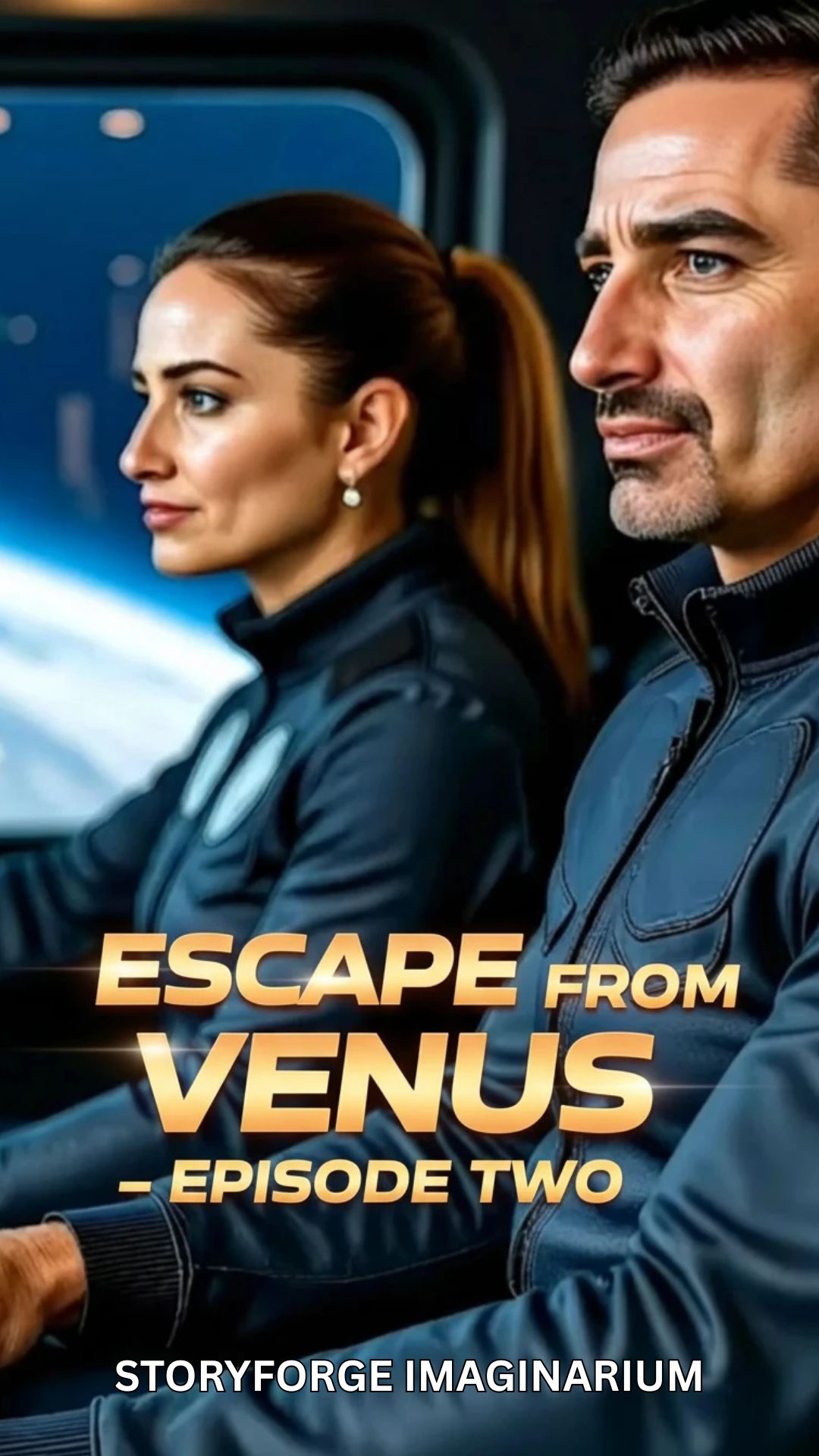
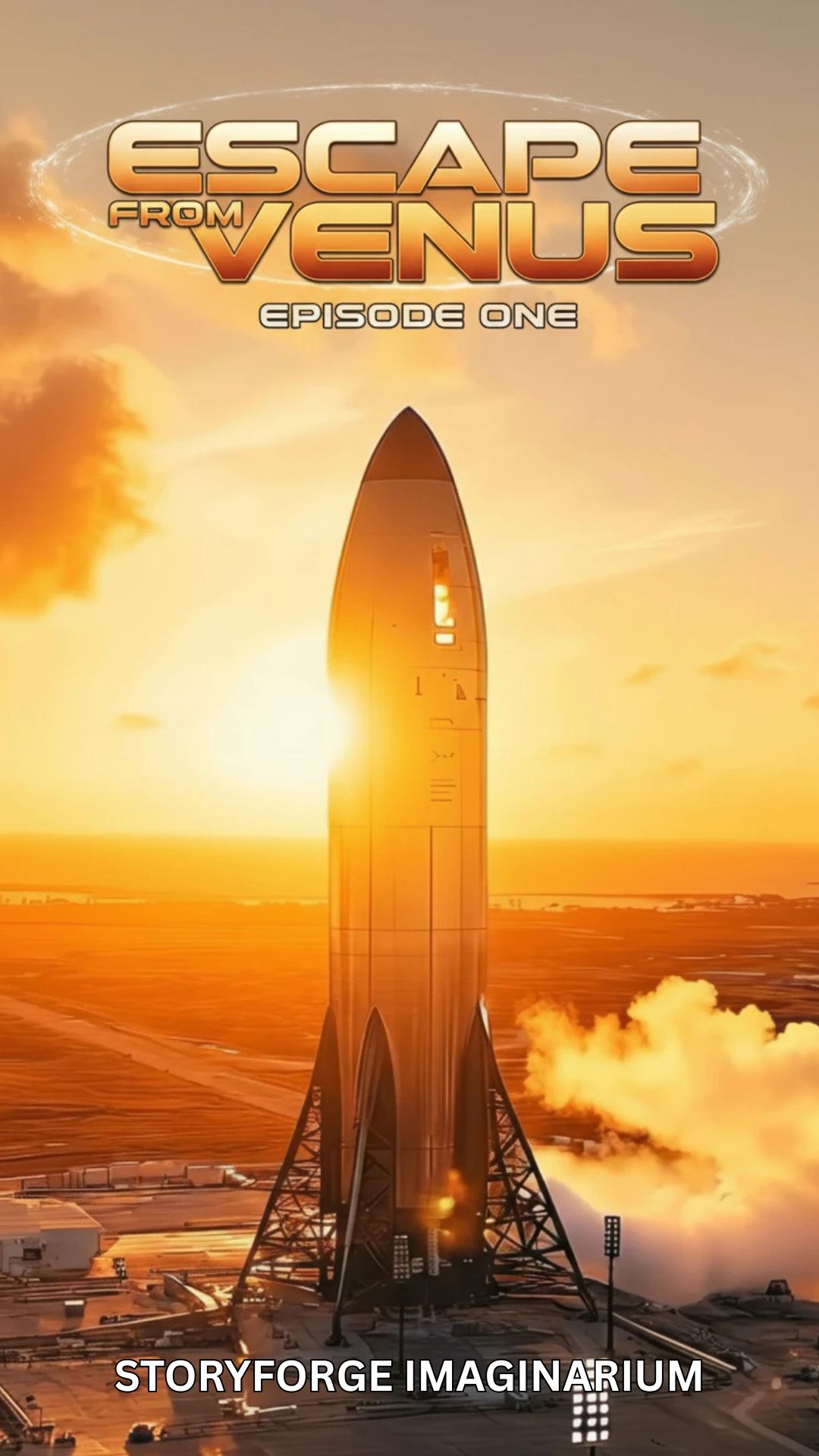
“Escape from Venus” was born from a simple ‘what if’: What if humanity finally had the technology to see through the clouds of Venus—and what if we weren’t ready for what we found? Episode 2 continues that vision by focusing on the most cinematic moment in any space mission: the launch. The ascent, the booster separation, the controlled descent of Stage One, and the quiet tension inside the command module all come together to highlight the beauty and brutality of spaceflight.
What it does
This episode transports viewers from Earth’s atmosphere into deep space, following the Odyssey One rocket as it pushes toward Venus. It blends aerospace realism with cinematic drama, showcasing:
Multistage booster separation Controlled booster landing procedures Long-duration spaceflight transition Character-driven interaction between the mission’s two leads It sets the stage for the scientific mystery and escalating tension that define the series.
How we built it
The episode was created using advanced generative AI for: Cinematic flight visuals Multi-stage rocket sequences Spacecraft interior environments
Character consistency across episodes Text-to-video tools (VEO 3, Sora, Runway, etc.) were combined with manual sound design, motion pacing, narrative timing, and editing inside CapCut. Every shot was curated, stabilized, color-graded, and sequenced by hand for a cohesive near-future aesthetic.
Challenges we ran into
Maintaining character continuity across multiple tools Getting AI models to correctly depict physics-heavy sequences (booster flips, descent burns) Achieving reliable stage separation visuals Ensuring the pacing of the launch matched real aerospace timing Preserving scientific realism while keeping the visuals artful and cinematic
Accomplishments that we're proud of
A highly believable launch sequence generated entirely with AI Consistent portrayal of Commander Sharky and Dr. Aris across multiple scenes Smooth booster descent and landing visuals Complex space cinematography created without CGI teams or traditional VFX pipelines A compelling blend of near-future tech, character development, and dramatic tension
What we learned
AI models excel at cinematic spectacle but require careful directing to maintain continuity Realistic spaceflight timing dramatically increases immersion Well-written narration and pacing can elevate AI footage into something emotionally grounded Combining science accuracy with narrative drama creates a powerful viewer experience
What's next for Escape from Venus – Episode 2: The Ascent & Departure
Episode 3 takes viewers inside the orbital station above Venus, where the autonomous, self-healing “Drifter” drones are deployed into the planet’s aerospace hellscape. The characters will face technical failures, strange geological anomalies, and the first hints that Venus may not be as lifeless as humanity once believed…


Log in or sign up for Devpost to join the conversation.