-
-
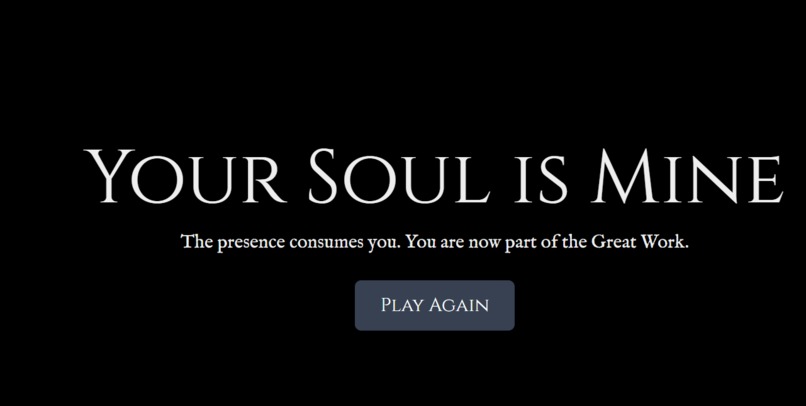
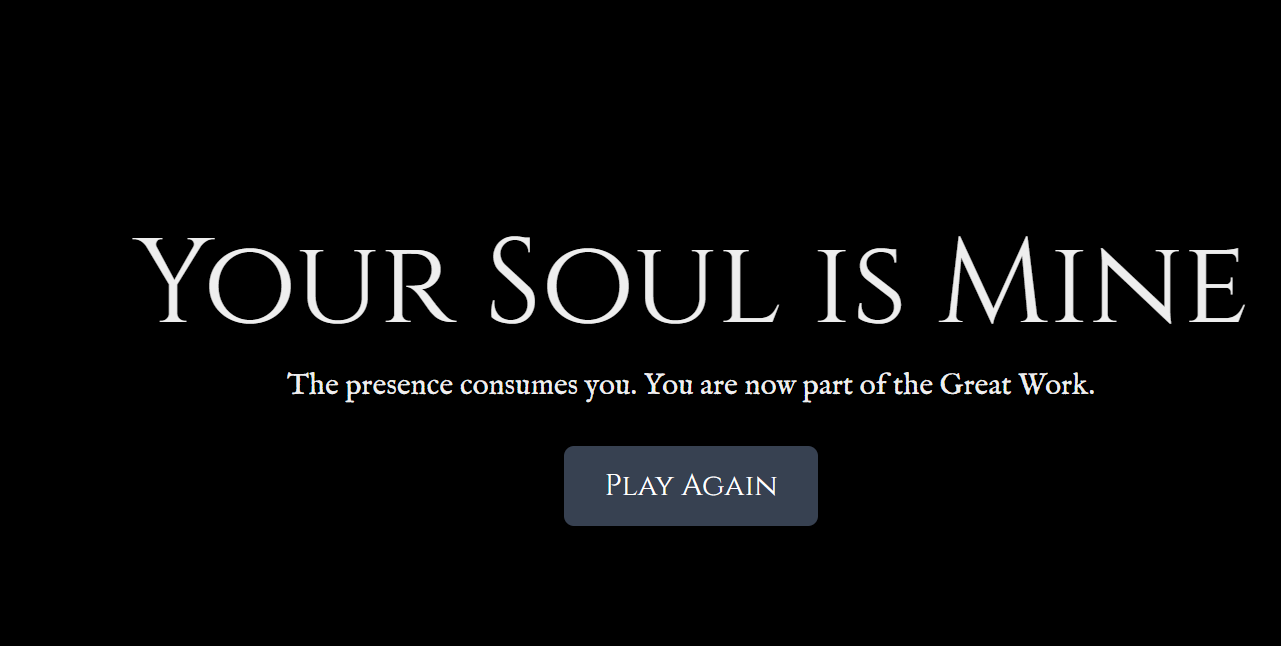
This is the Last stage where the user looses the soul to the alchemist
-
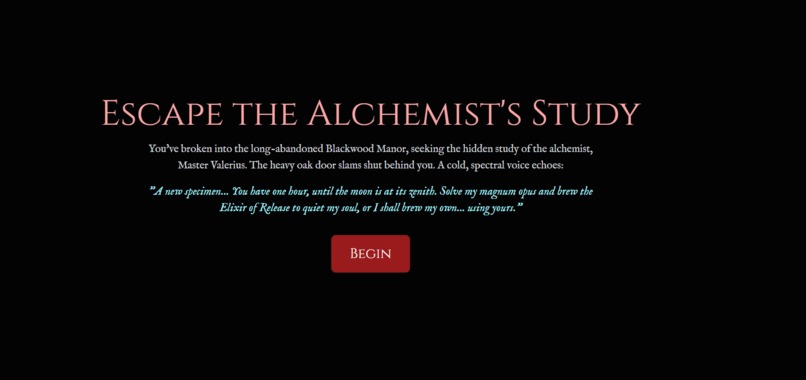
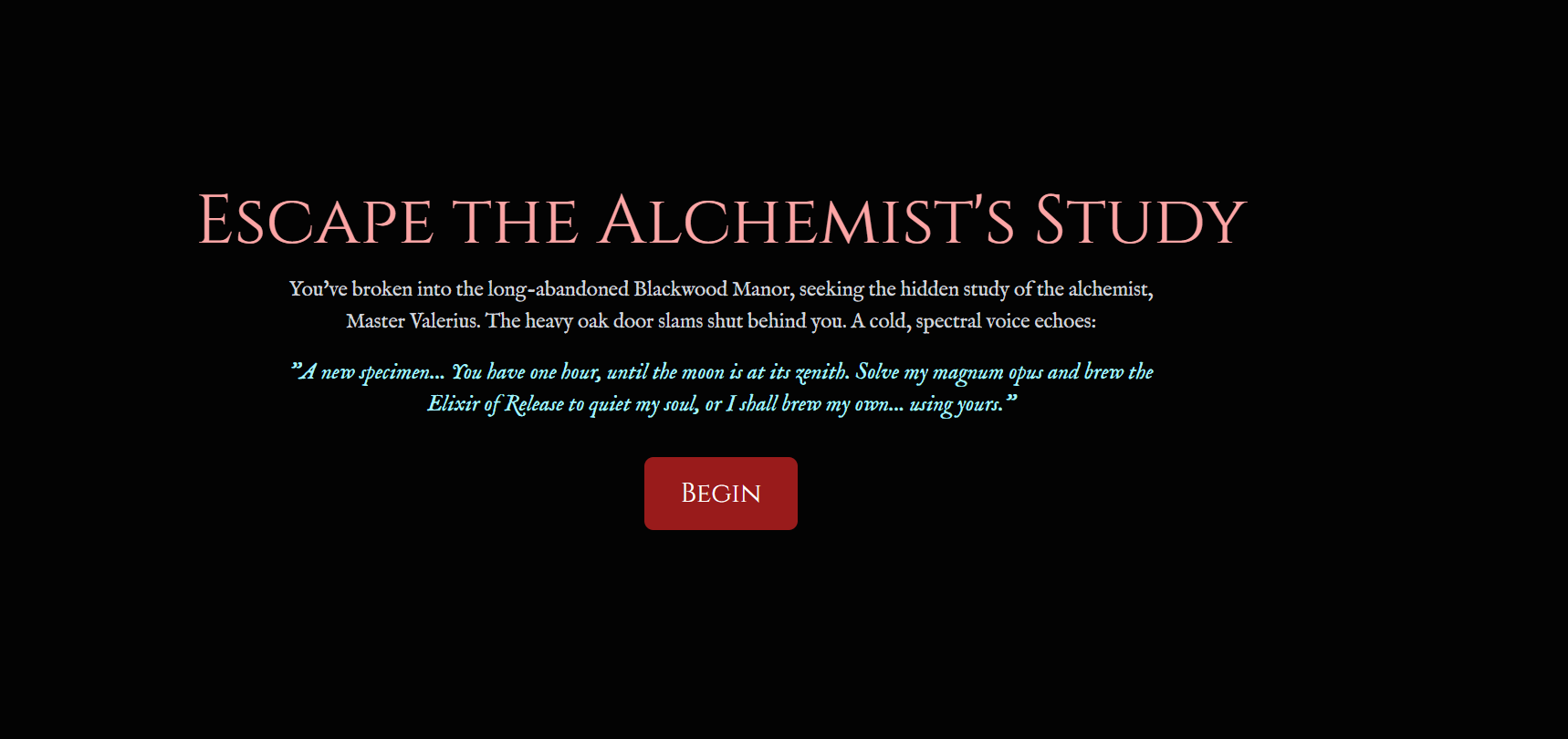
This is a horrifying welcome note from the alchemist, Just before the user get into his study area.
-
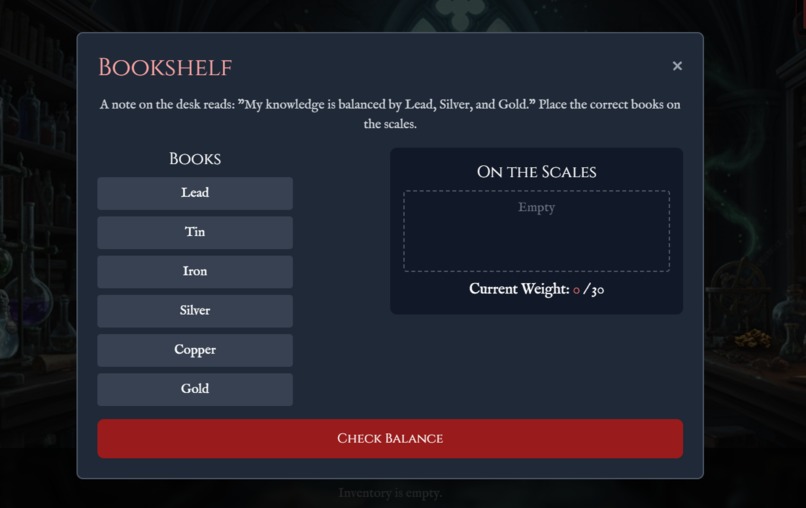
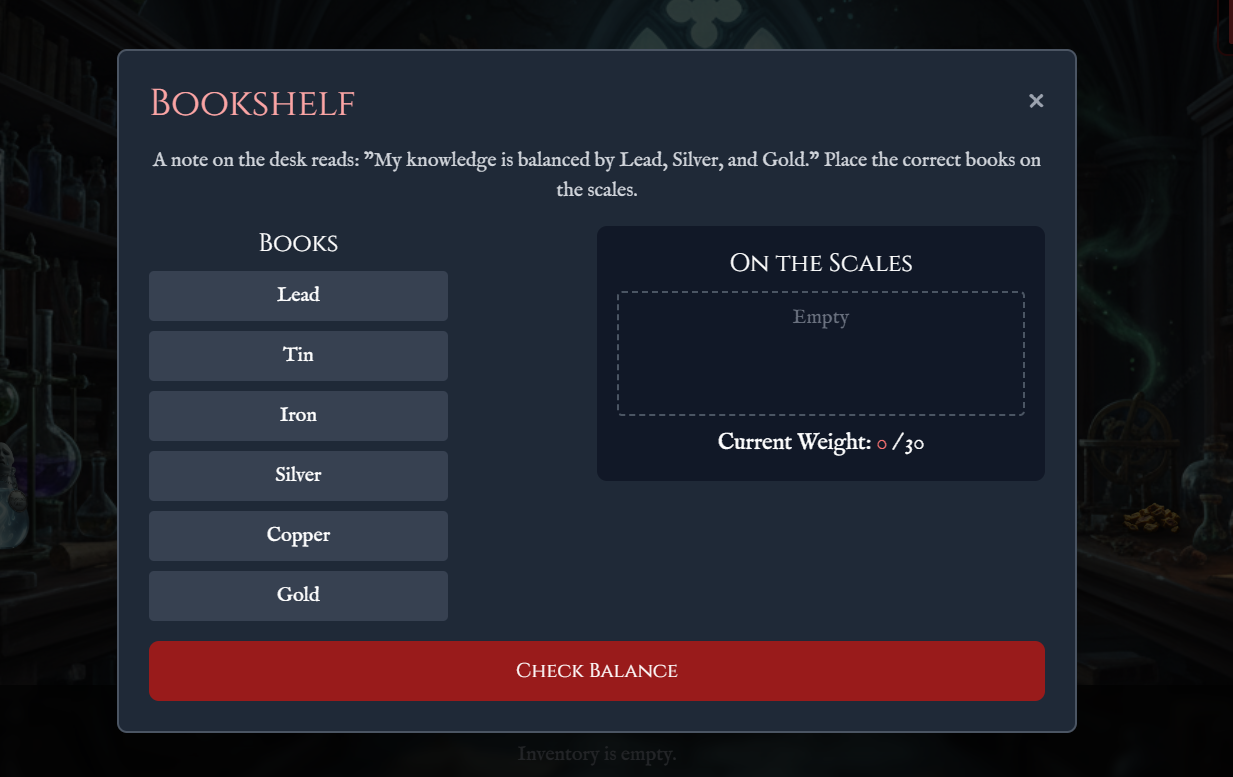
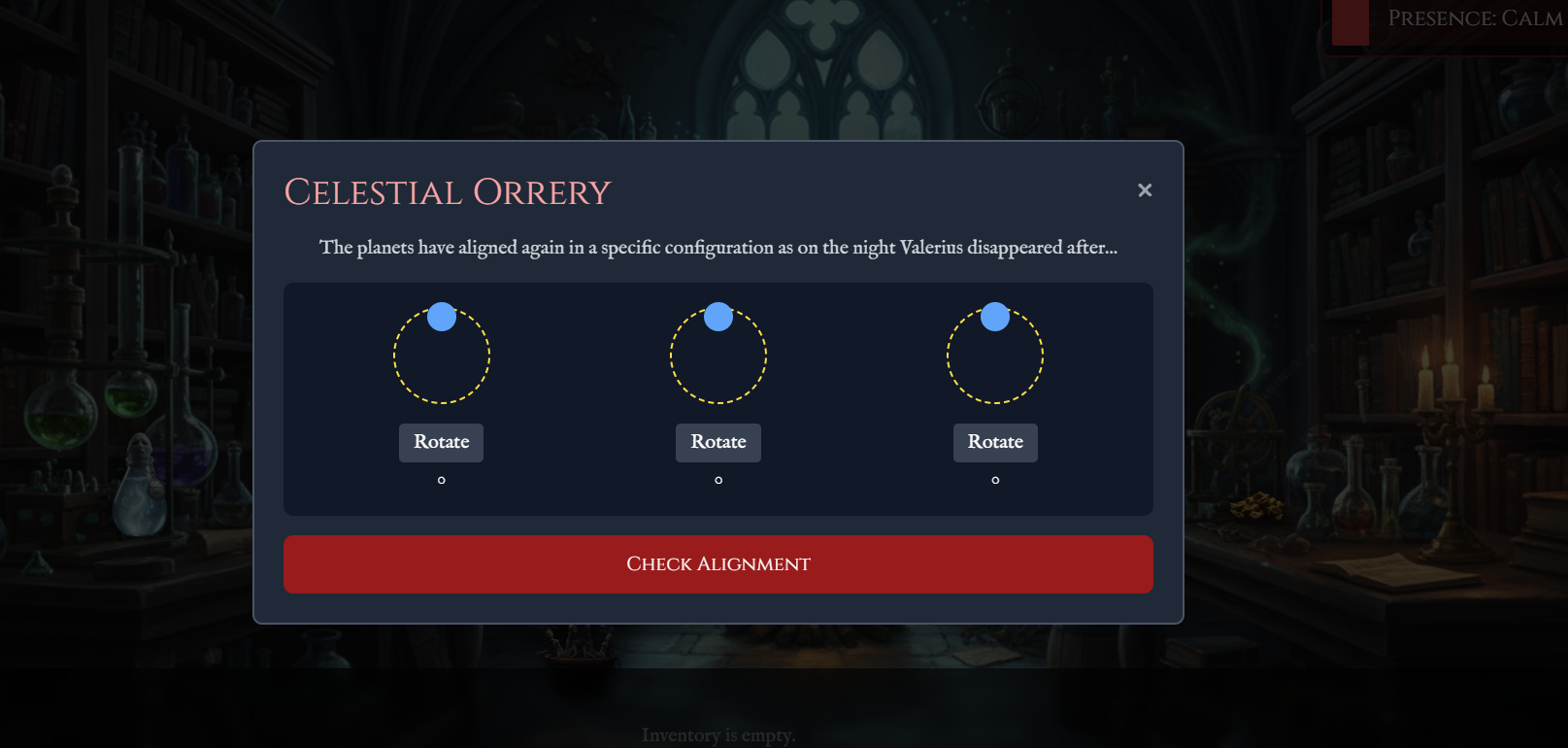
This is one of the puzzle inform of quiz, that the user needs to solve
-
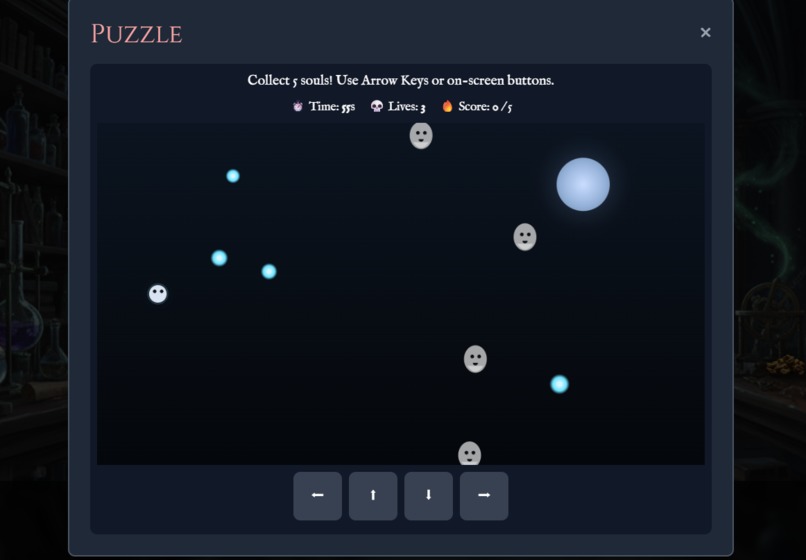
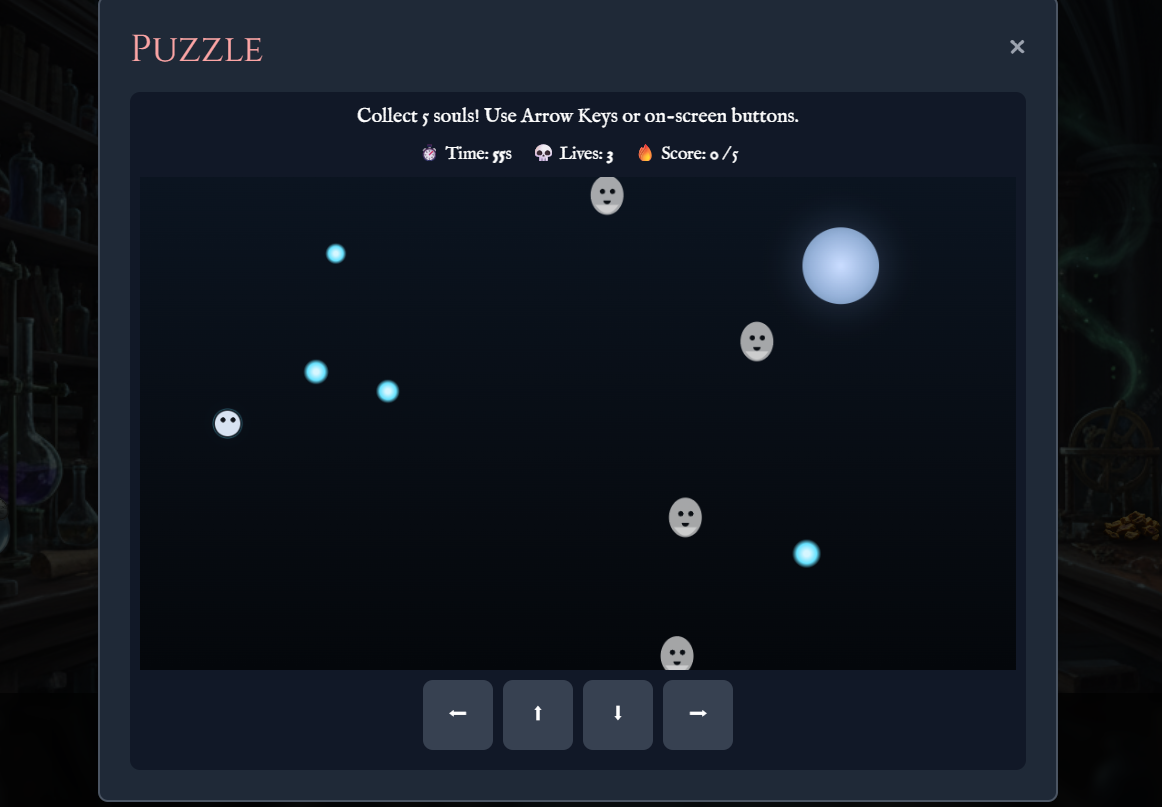
This is yet another short game, the user needs to solve, To rescue himself from the alchamist
-
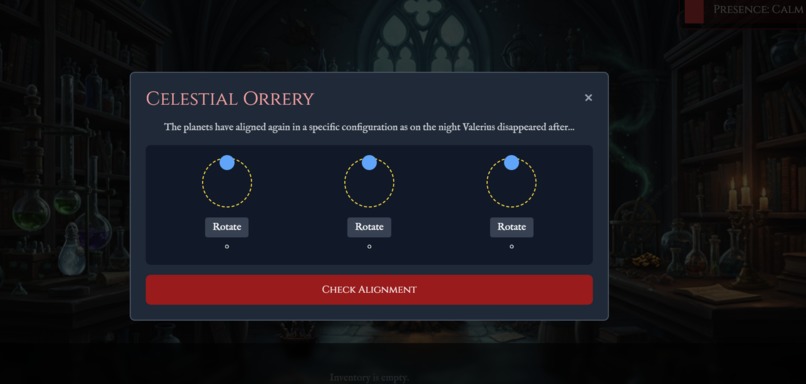
This is a quiz game where the user needs to use their logical ability to solve the same
-
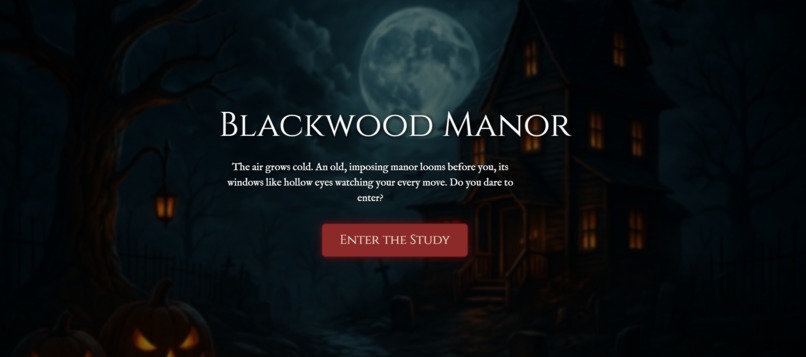
This is the website home page
-
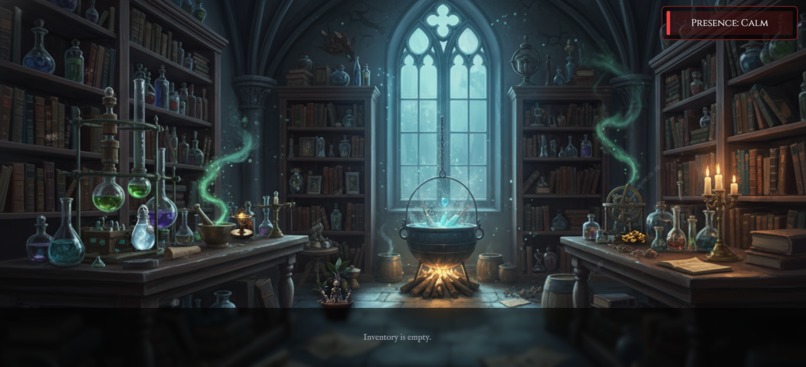
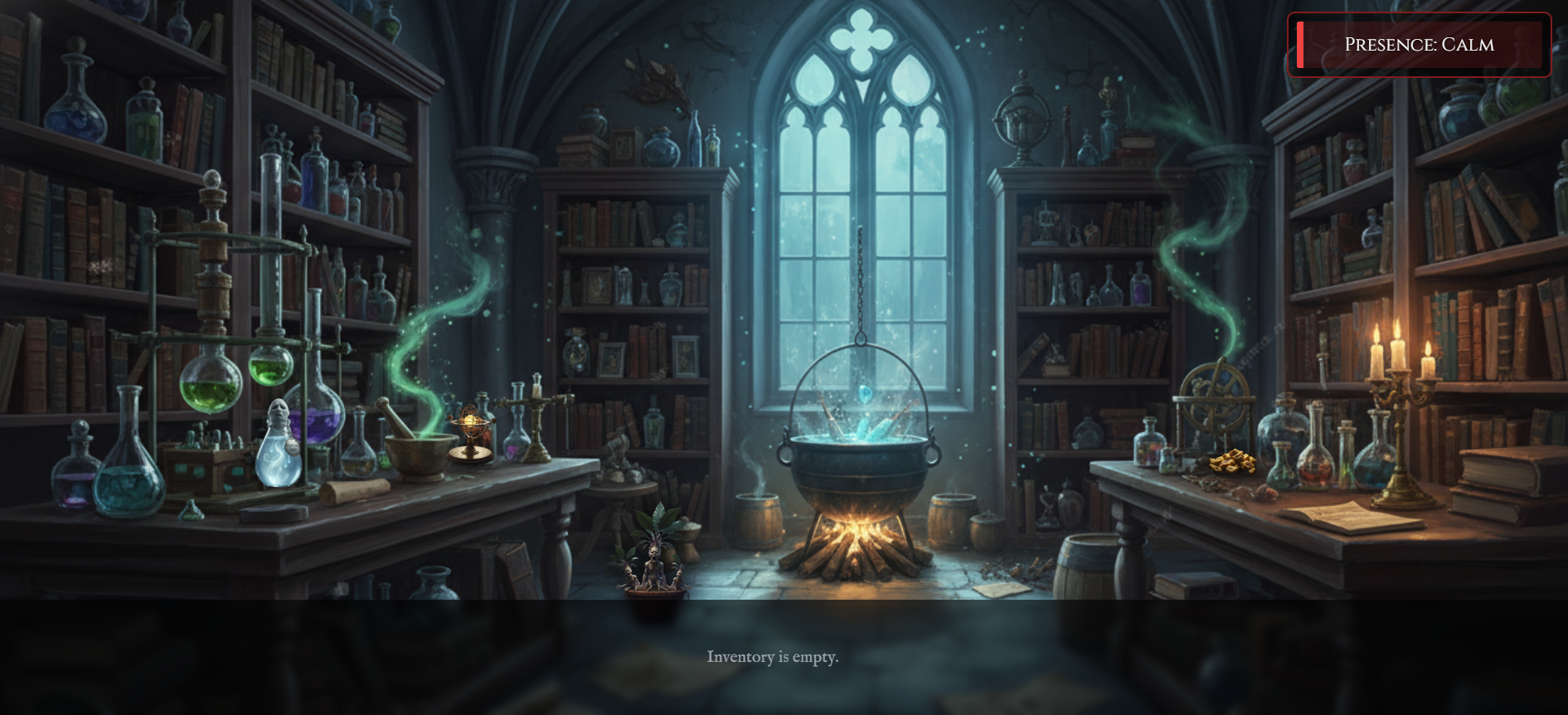
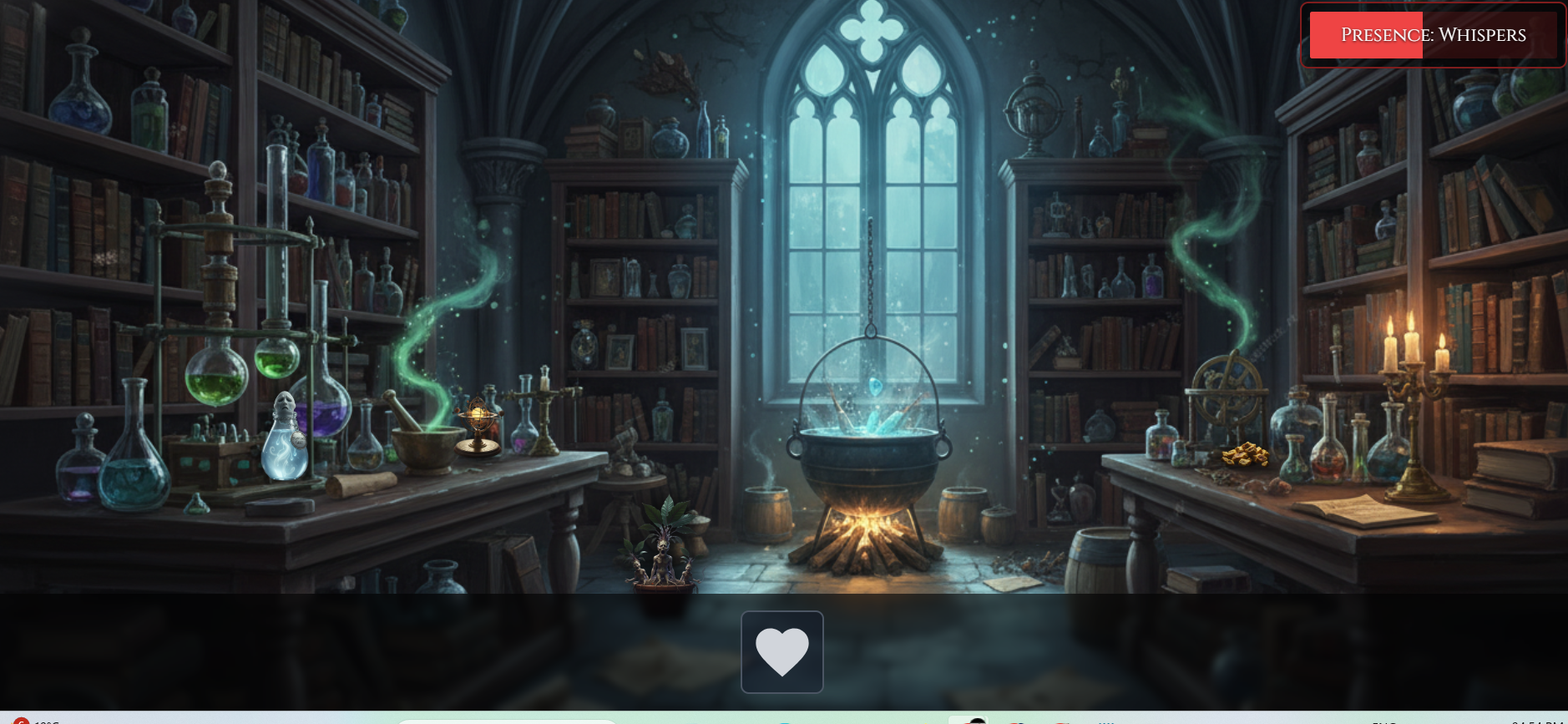
This is exactly how the haunted room of the alchemist looks
-
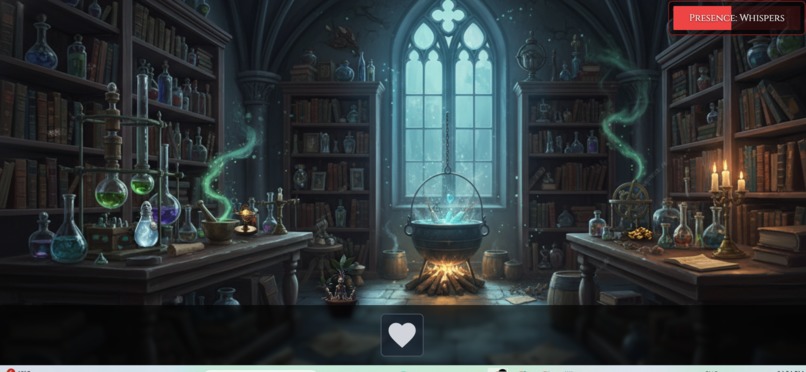
You can see the item in your inventory after you solve a puzzle

Inspiration
We wanted to create a horror experience that doesn’t rely on high-end graphics or jump scares. True fear is psychological—so we designed a minimalist, eerie puzzle game that tests both courage and logic.
What it does
Escape from Blackwood’s Manor is a web-based, AI-powered point-and-click horror puzzle. Players must solve alchemical riddles inside a haunted study before the ghost of Master Valerius consumes their soul.
How we built it
We used HTML, CSS, and TypeScript to build the core gameplay, designed assets in Canva, and leveraged Google AI Studio and ChatGPT for storyline and puzzle generation. The project was version-controlled via GitHub and deployed using Render.
Challenges we ran into
Creating atmospheric fear with minimal visuals was tough. Balancing logic puzzles with timed tension, optimizing game state changes, and building an eerie ambience using only front-end tools pushed our limits. A developed architecture of AR & VR couldn't be showcased due to time constraints
Accomplishments that we're proud of
We built a complete, playable horror game within 8 hours, integrating AI for narrative and code generation. The result: a spooky yet intelligent escape-room experience that runs smoothly on browsers.
What we learned
Through Escape from Blackwood’s Manor, we learned that true fear doesn’t depend on visuals but on psychological immersion. By combining minimal design, ambient sound, and interactive pacing, we discovered how subtlety can evoke stronger emotions than typical jump scares. Leveraging AI tools like ChatGPT and Google Gemini allowed us to accelerate creativity — generating storylines, designing alchemical puzzles, and refining dialogues — which helped us focus on logic, emotion, and storytelling rather than manual scripting.
On the technical side, developing the game in TypeScript taught us the importance of modular coding, event-driven design, and structured logic for managing puzzle states and inventory systems. We gained valuable insights into balancing difficulty and suspense, realizing how closely game design ties to human psychology. Collaboration through GitHub improved our understanding of version control and documentation, while iterative testing and feedback helped fine-tune sound, timing, and gameplay flow. Ultimately, we learned that great game design emerges from iteration, balance, and deep empathy for the player’s experience.
What's next for Escape from Blackwood's Manor
We plan to expand it with AR/VR features, exciting and thrilling puzzles, richer sound design, and more interactive puzzles—turning it into a full-fledged horror escape experience available on web and mobile.
Built With
- html
- typescript
- vite


Log in or sign up for Devpost to join the conversation.