-
-
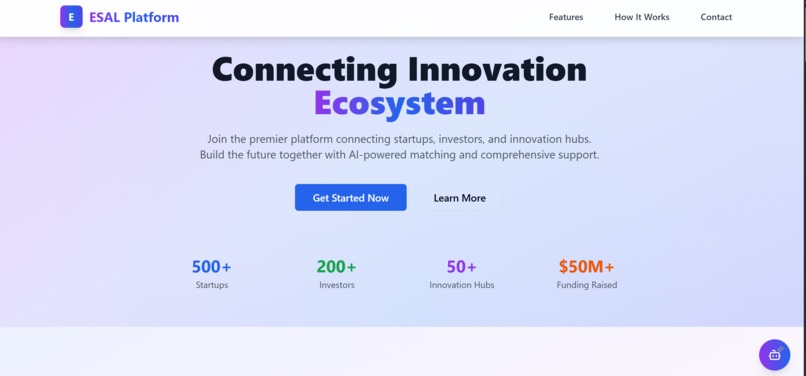
AI powered innovation ecosystem build for Africa entrepreneurs!
-
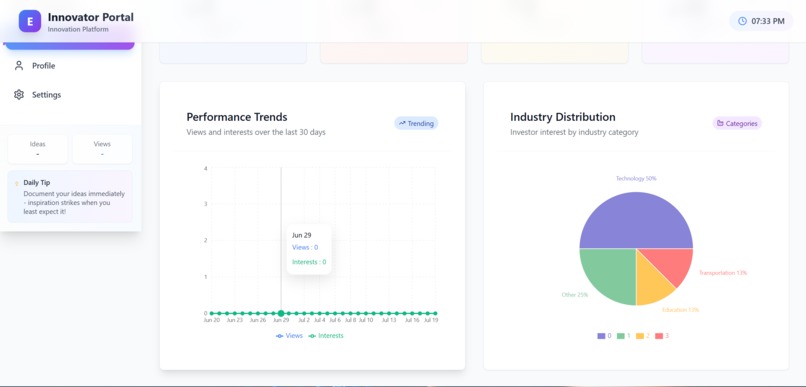
AI powered innovation ecosystem build for Africa entrepreneurs!
-
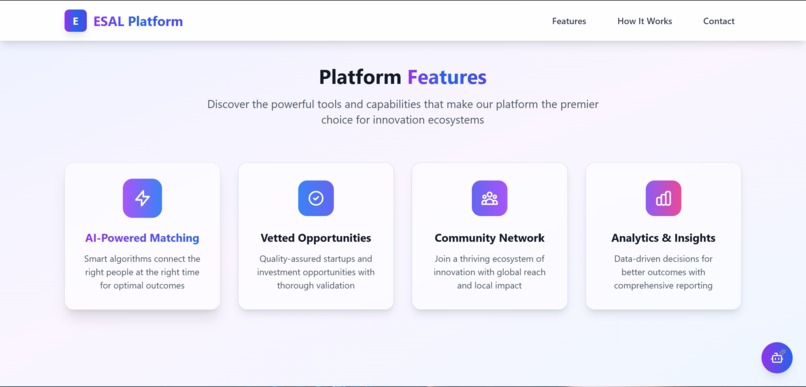
AI powered innovation ecosystem build for Africa entrepreneurs!
-
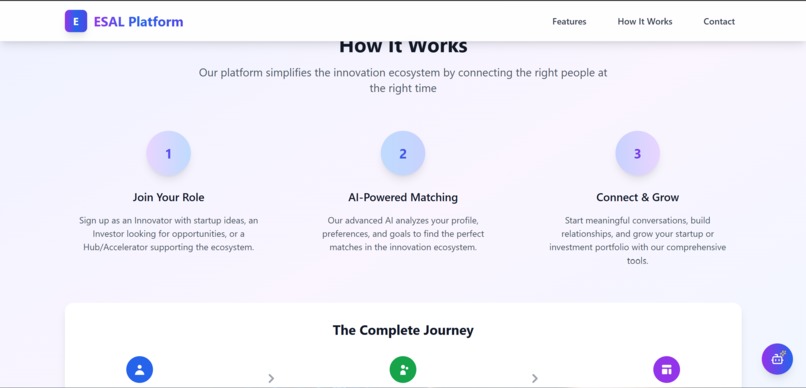
AI powered innovation ecosystem build for Africa entrepreneurs!
-
AI powered innovation ecosystem build for Africa entrepreneurs!
-
AI powered innovation ecosystem build for Africa entrepreneurs!
-
AI powered innovation ecosystem build for Africa entrepreneurs!
-
AI powered innovation ecosystem build for Africa entrepreneurs!
-
AI powered innovation ecosystem build for Africa entrepreneurs!
-
AI powered innovation ecosystem build for Africa entrepreneurs!
-
AI powered innovation ecosystem build for Africa entrepreneurs!
-
AI powered innovation ecosystem build for Africa entrepreneurs!
What Inspired It
ESAL started from one recurring question: Why do most African startup ideas die before they reach a real market?
We saw the same patterns over and over:
Developers build things no one uses.

Startups pitch to investors with no traction or product validation.

Innovation hubs work in silos, disconnected from each other and actual market needs.
There were platforms trying to help — names like Stripe Atlas, Y Combinator’s Startup School, and even Notion templates claiming to simplify the startup journey. But none of them felt like they were built for here — for Africa.
Most assumed you had access to Silicon Valley networks, venture capital warm intros, or legal frameworks that didn’t apply to our context. Others ignored the real challenges we face: infrastructure gaps, inconsistent internet, payment systems that don’t talk to each other, and teams building from cyber cafés instead of co-working spaces.
That gap? That’s what made EsalPlatform necessary. Not another tool — but a local-first system that understands how founders here actually work, from day one.
How We Built It
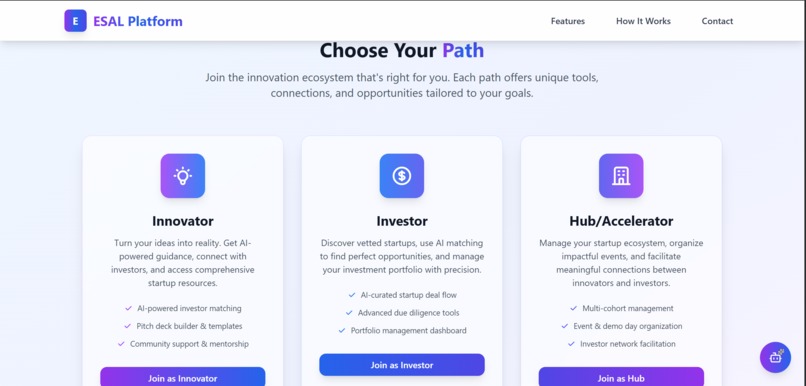
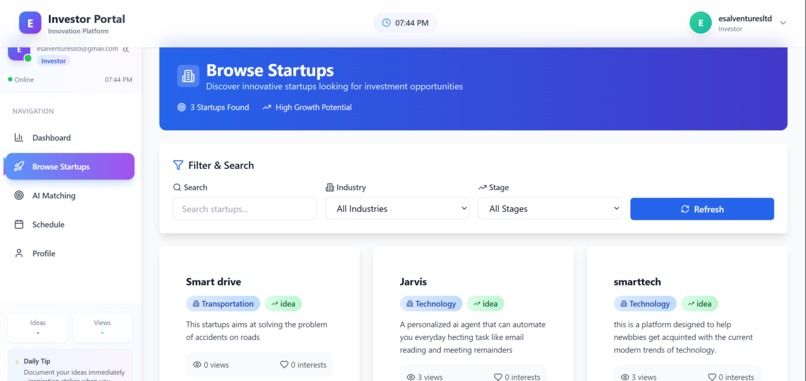
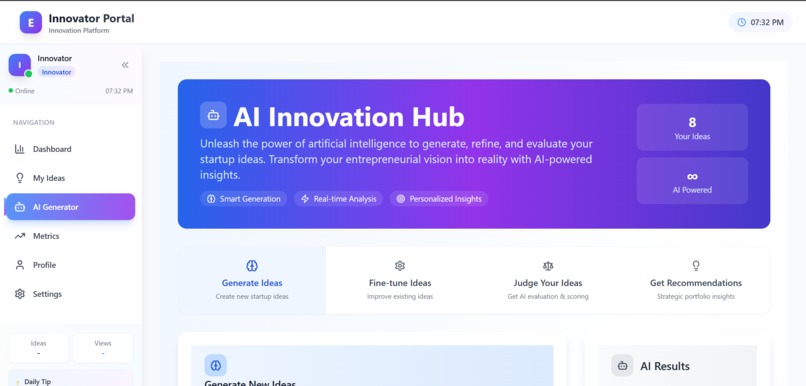
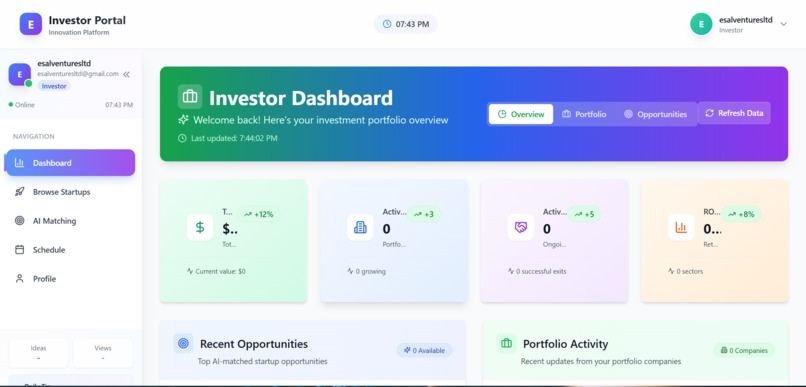
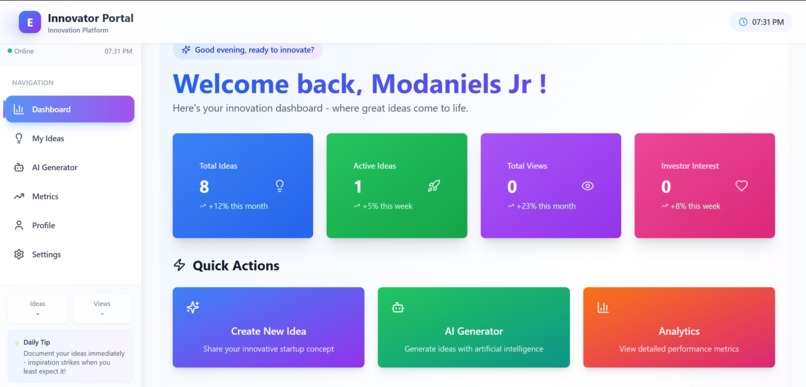
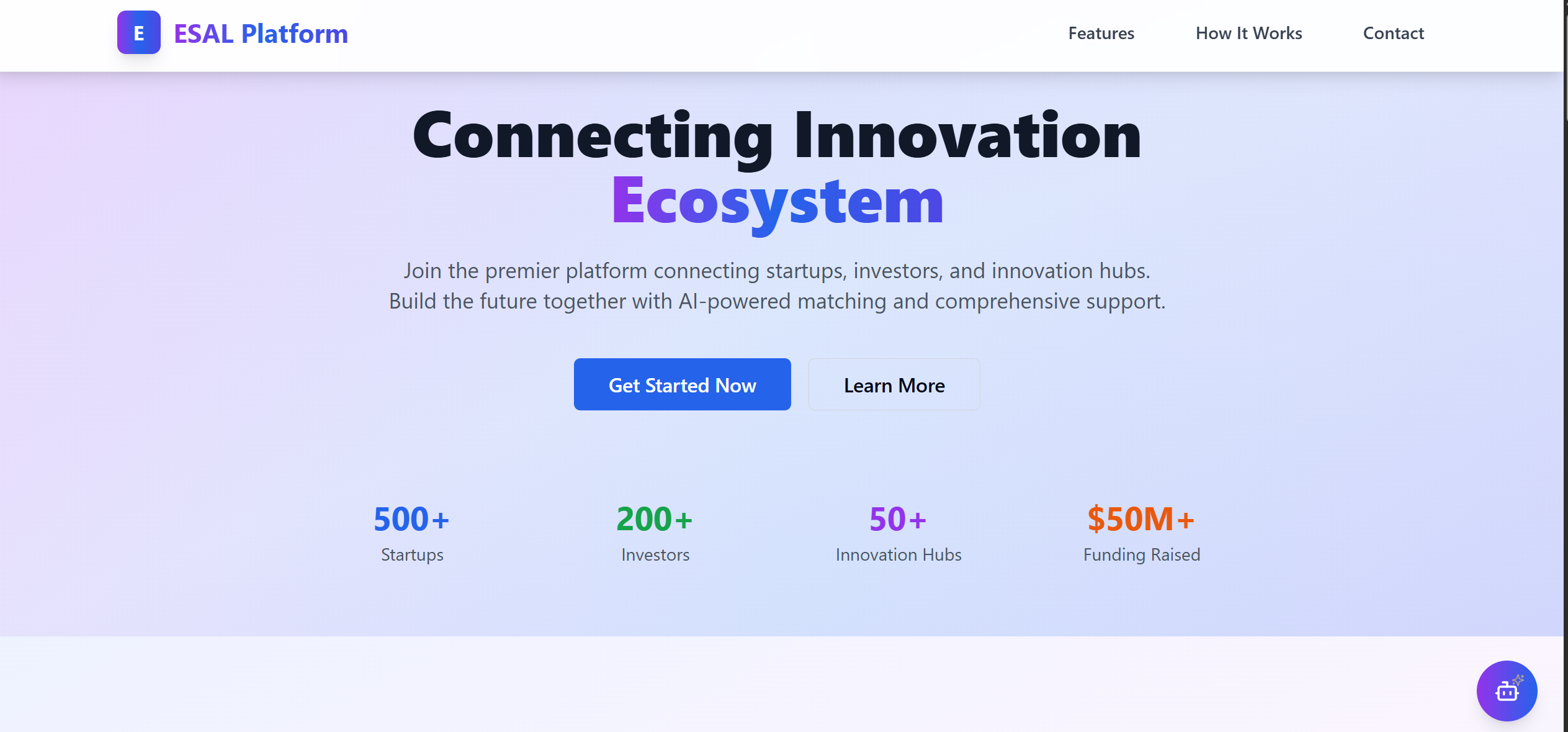
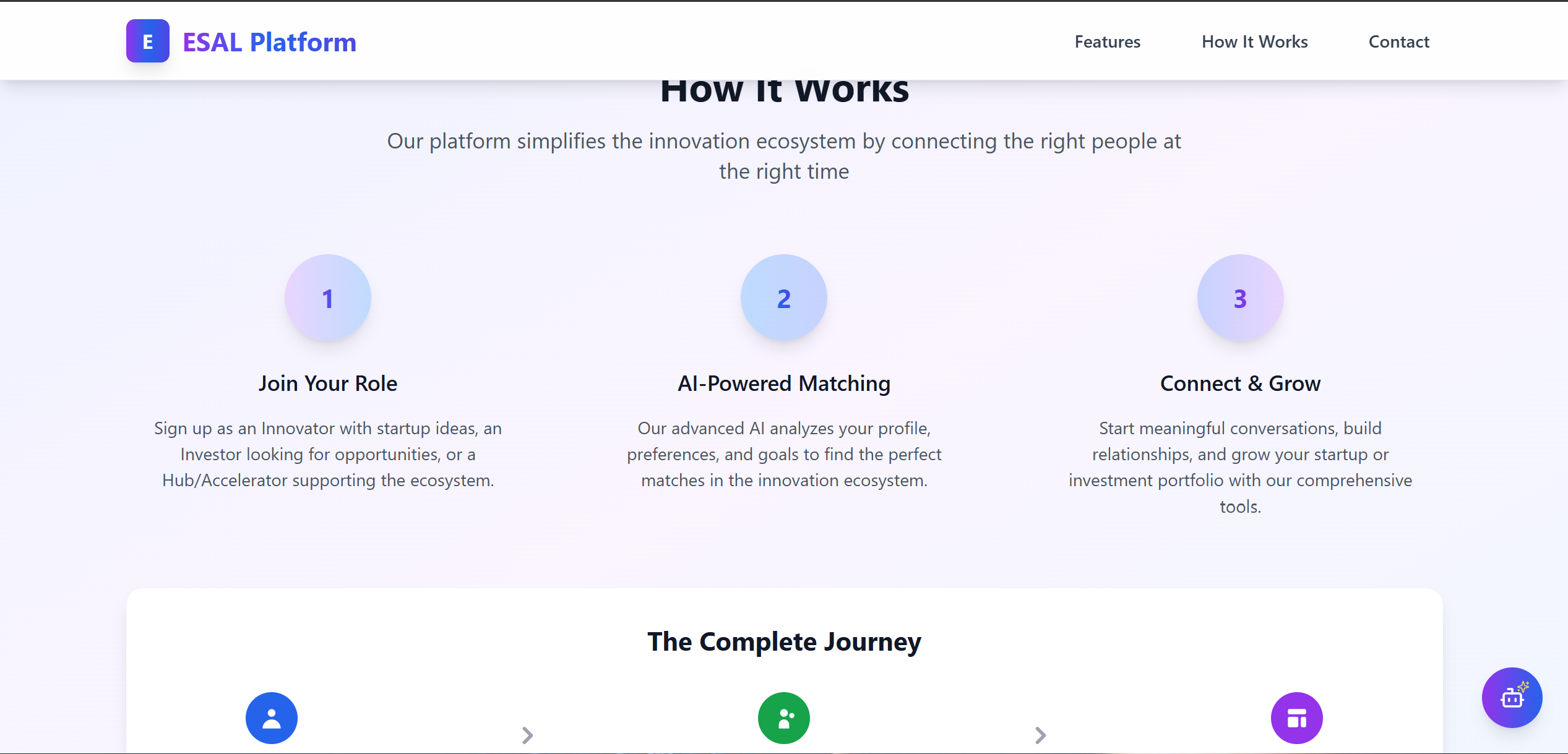
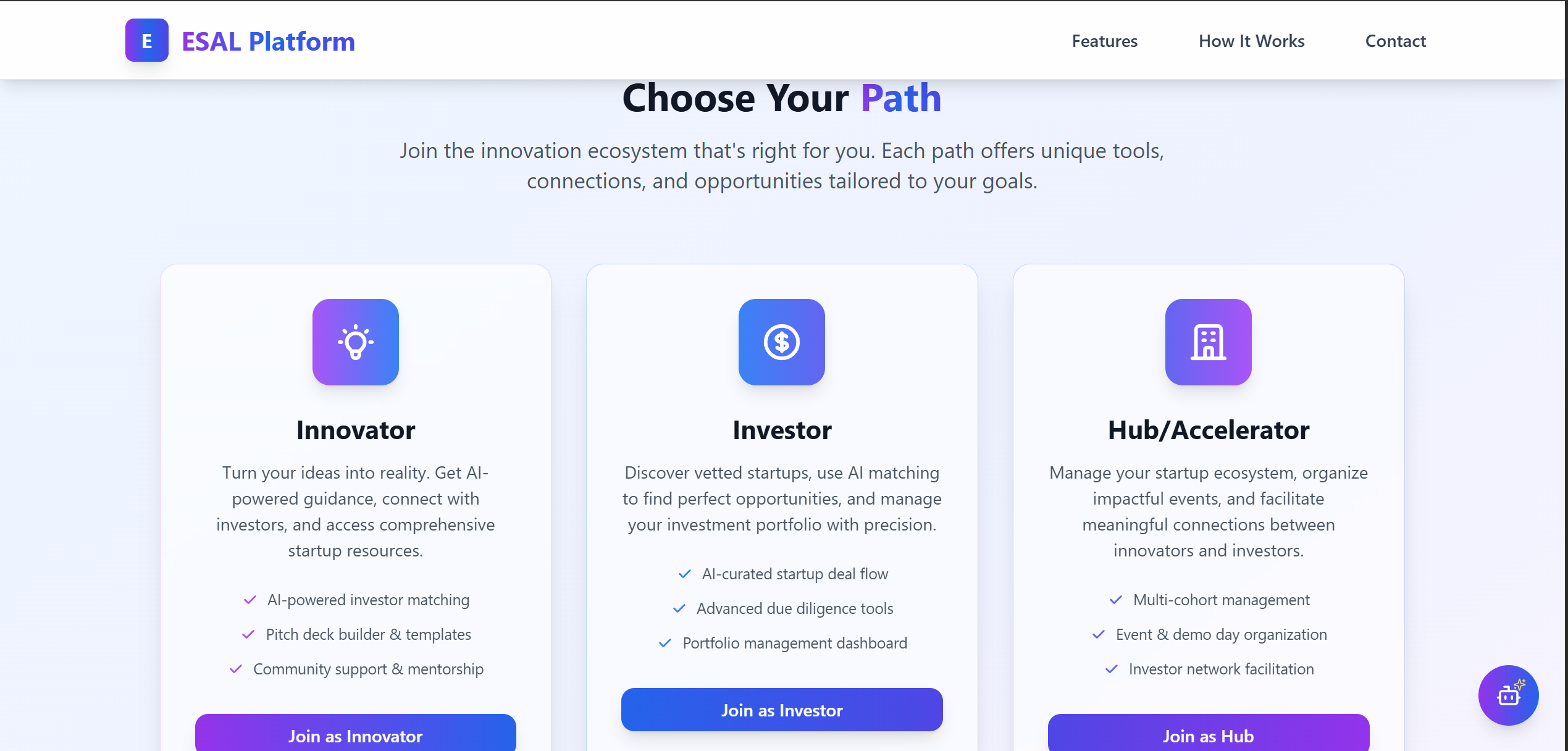
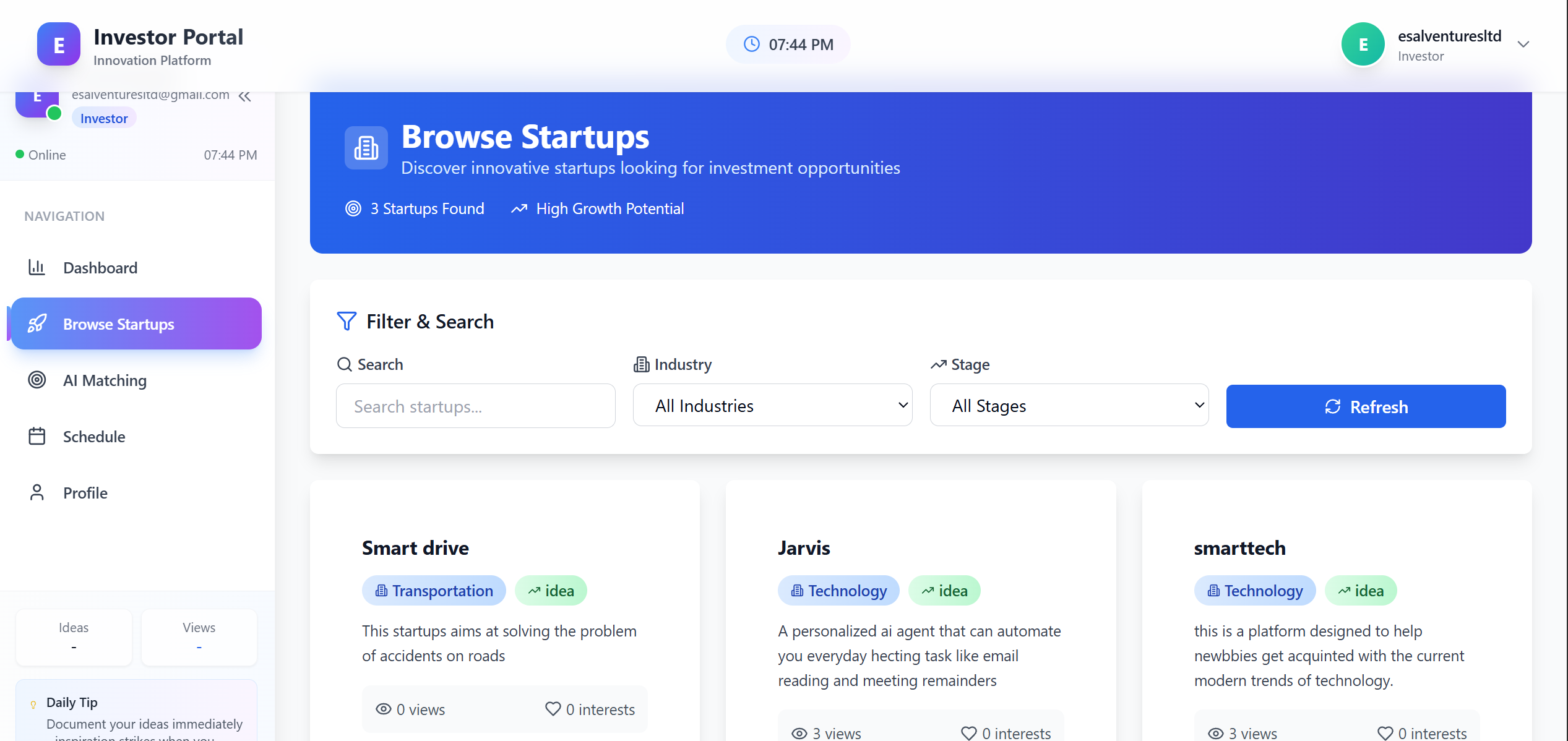
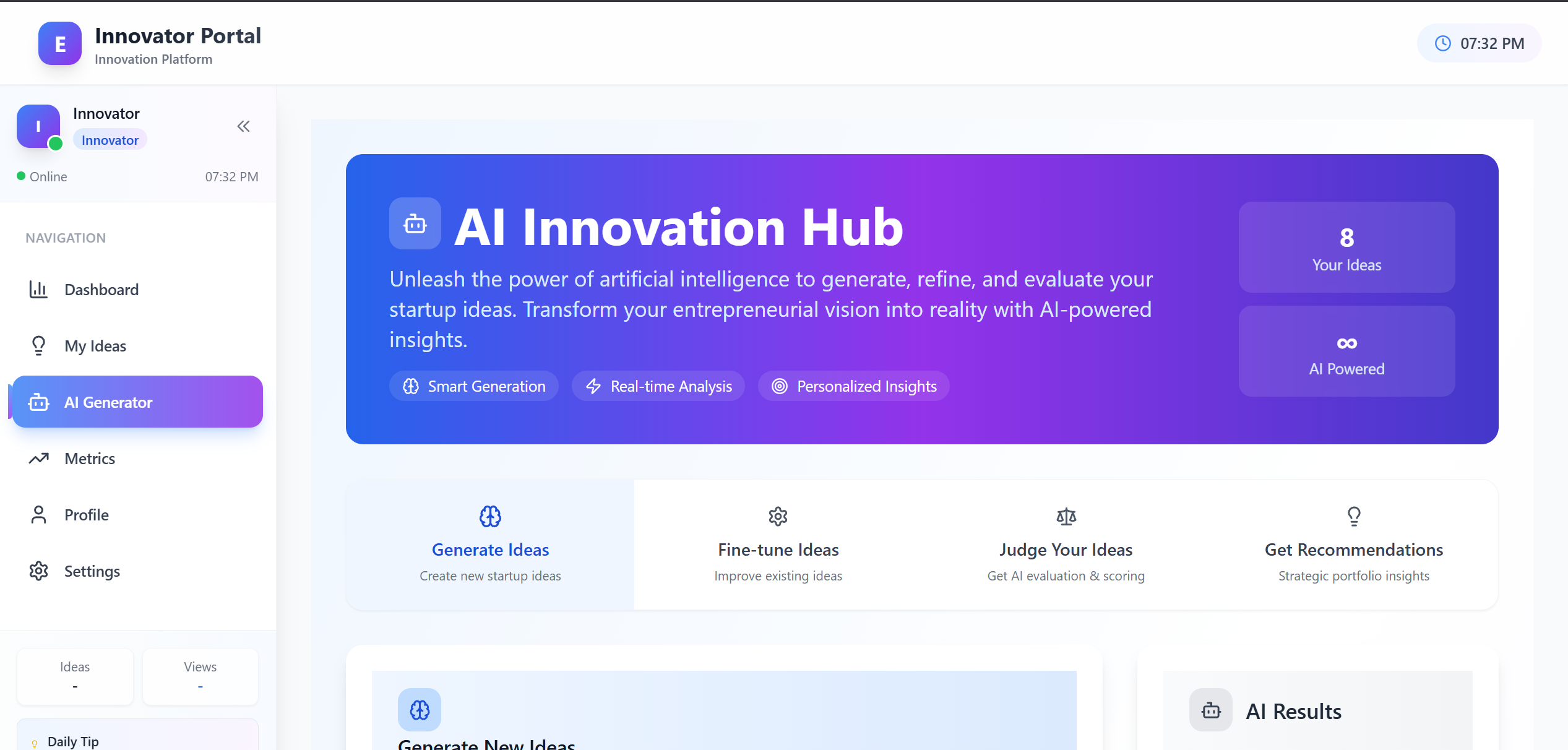
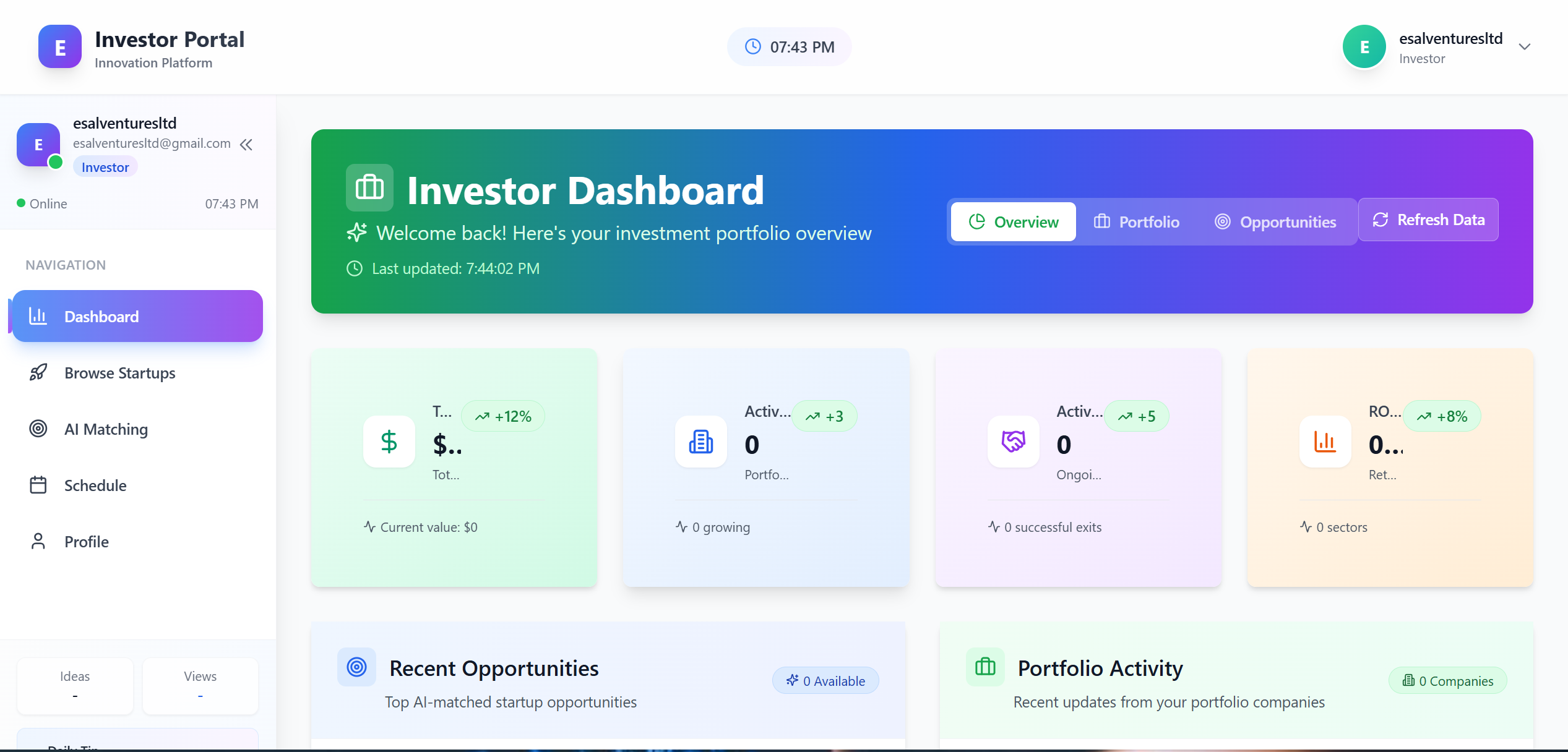
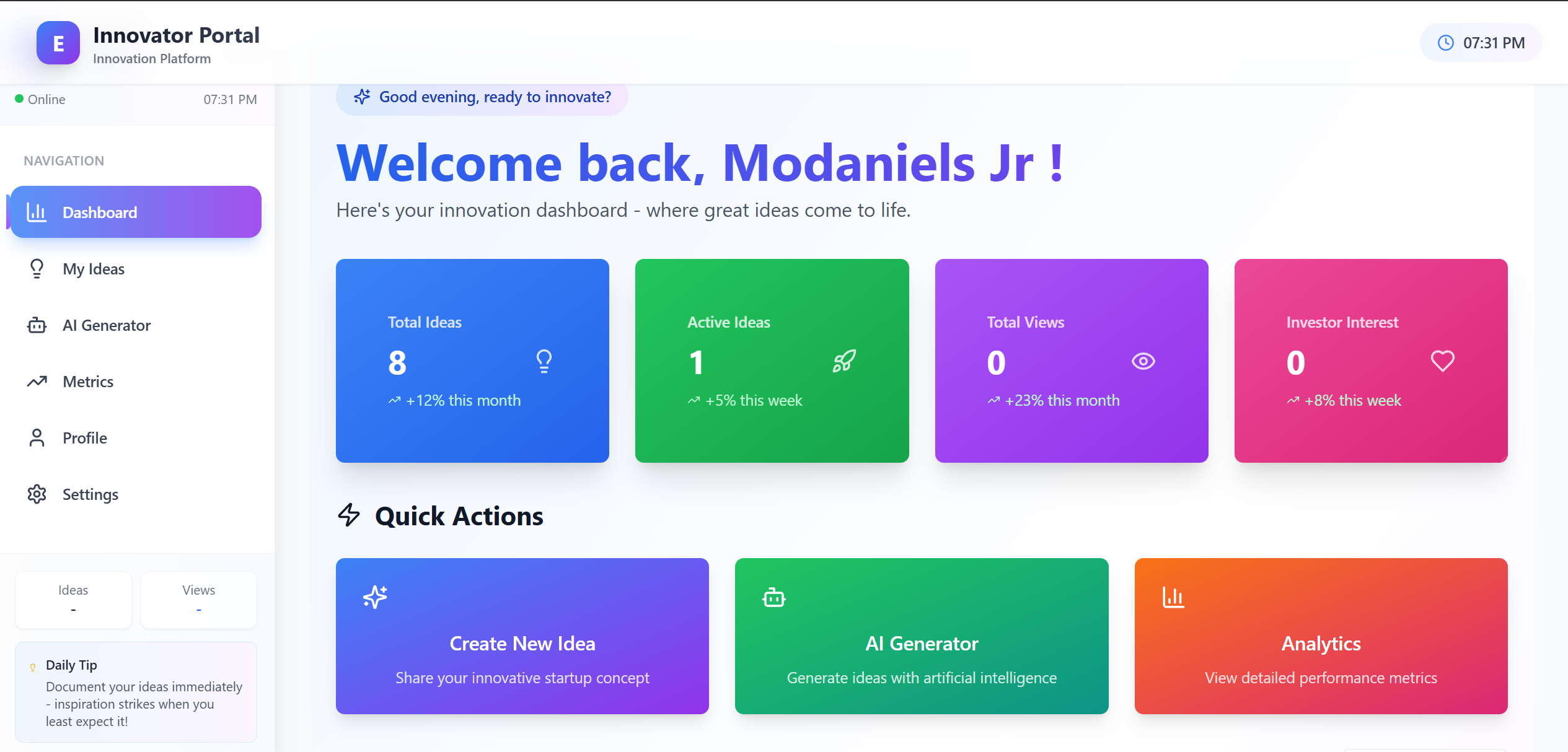
We scoped ESAL as a multi-portal AI-driven platform, built to connect:
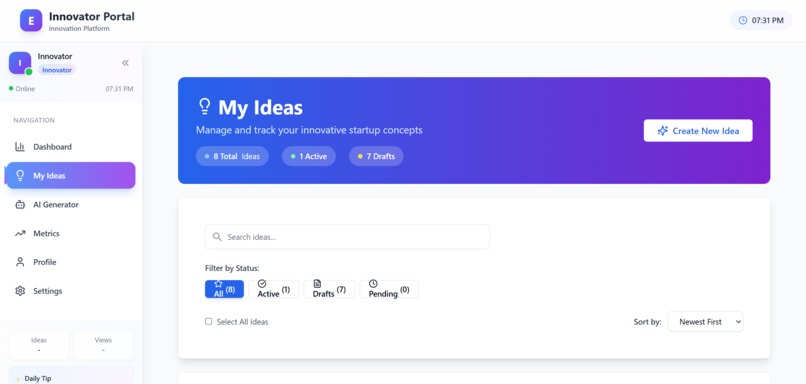
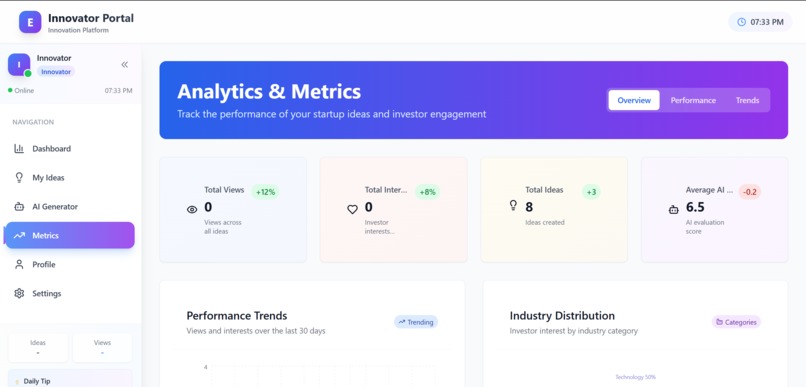
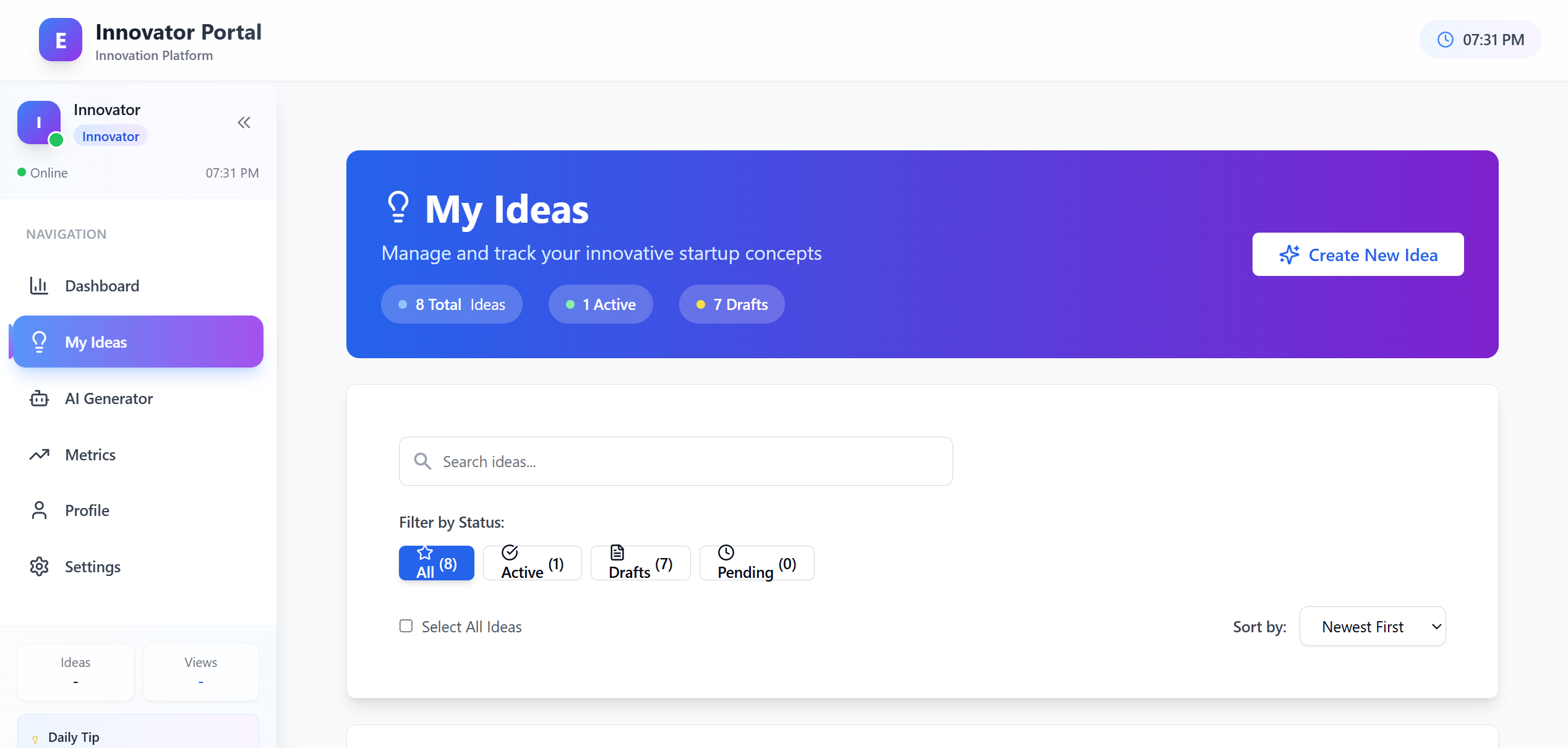
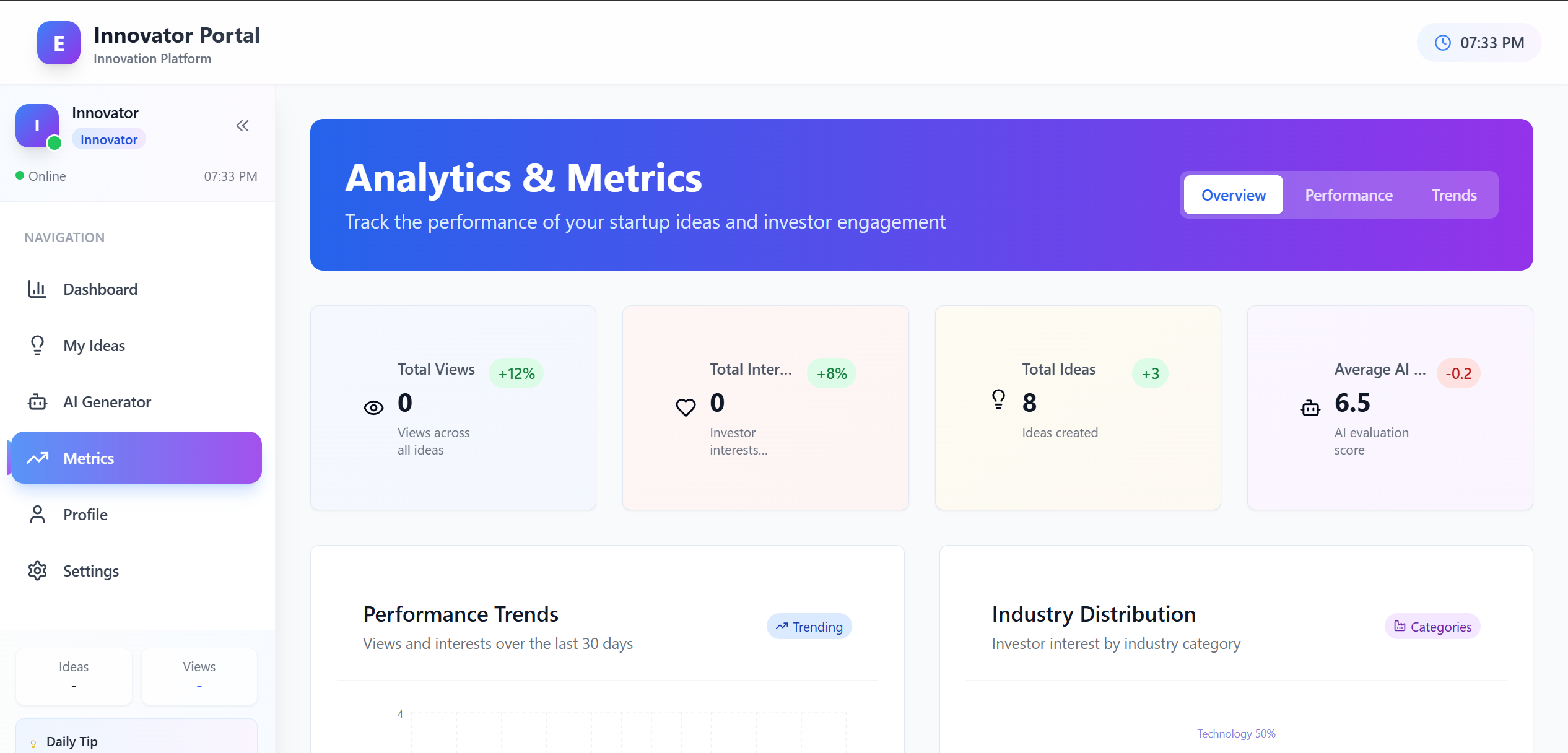
Innovators (seeking ideas, validation, and feedback)

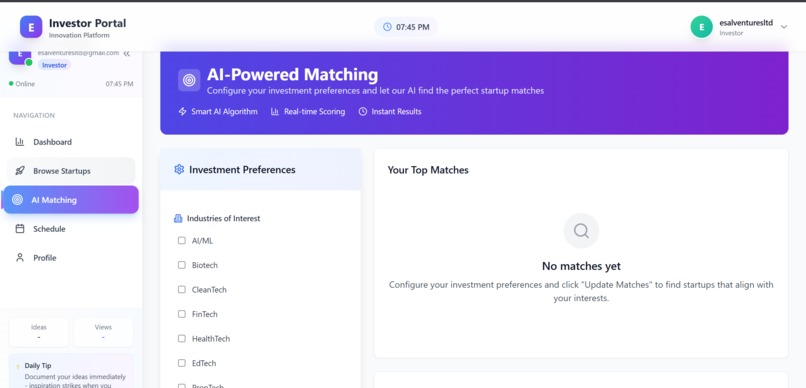
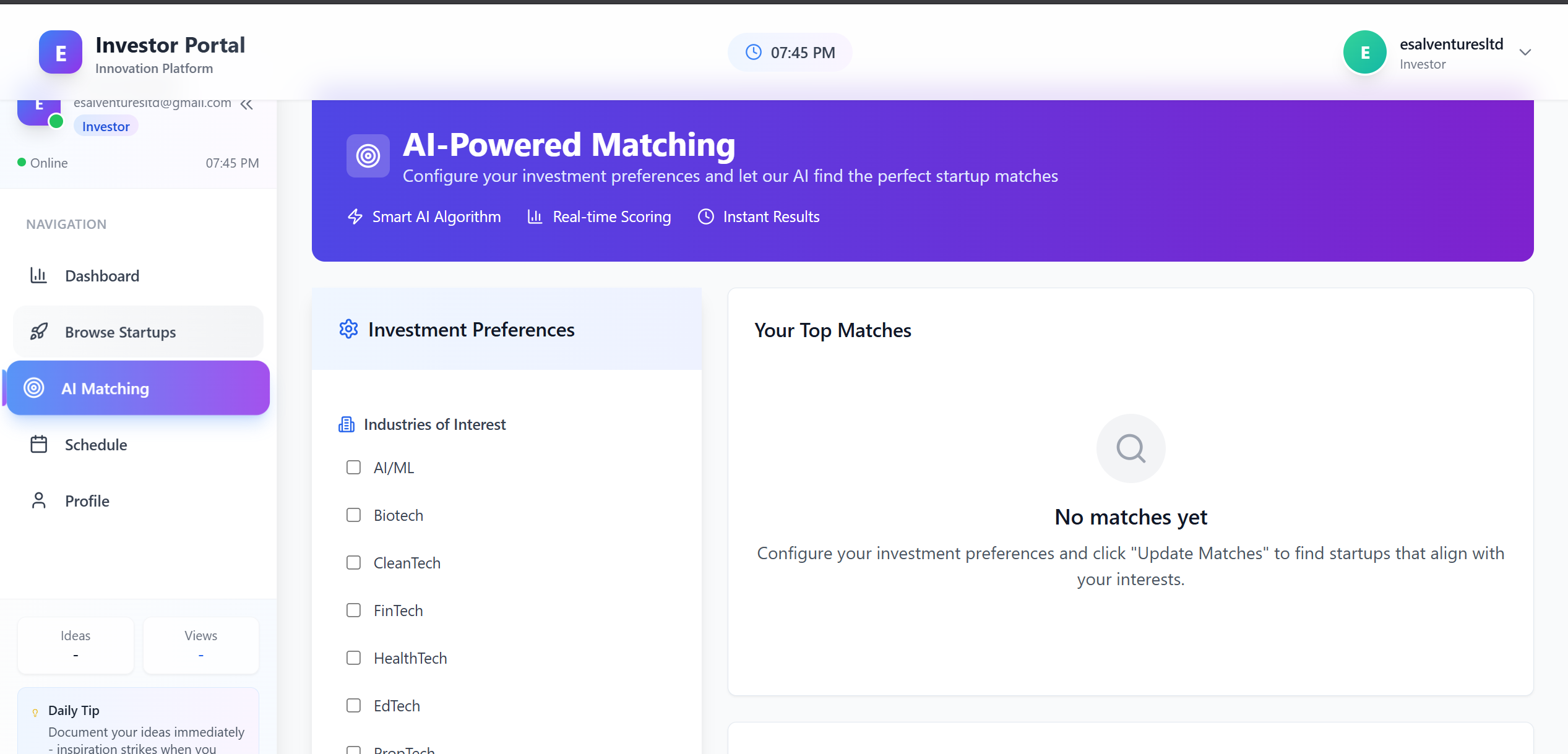
Investors (looking for filtered, viable startups)

Innovation hubs (running programs or scouting talent)
We took a systems approach:
Frontend : React + TypeScript, Vite, Tailwind

Backend: FastAPI (Python) with AI integration via Google Gemini

Database: Supabase/PostgreSQL for authentication, analytics, and live data

DevOps: Turborepo for managing the monorepo, GitHub Actions for CI/CD
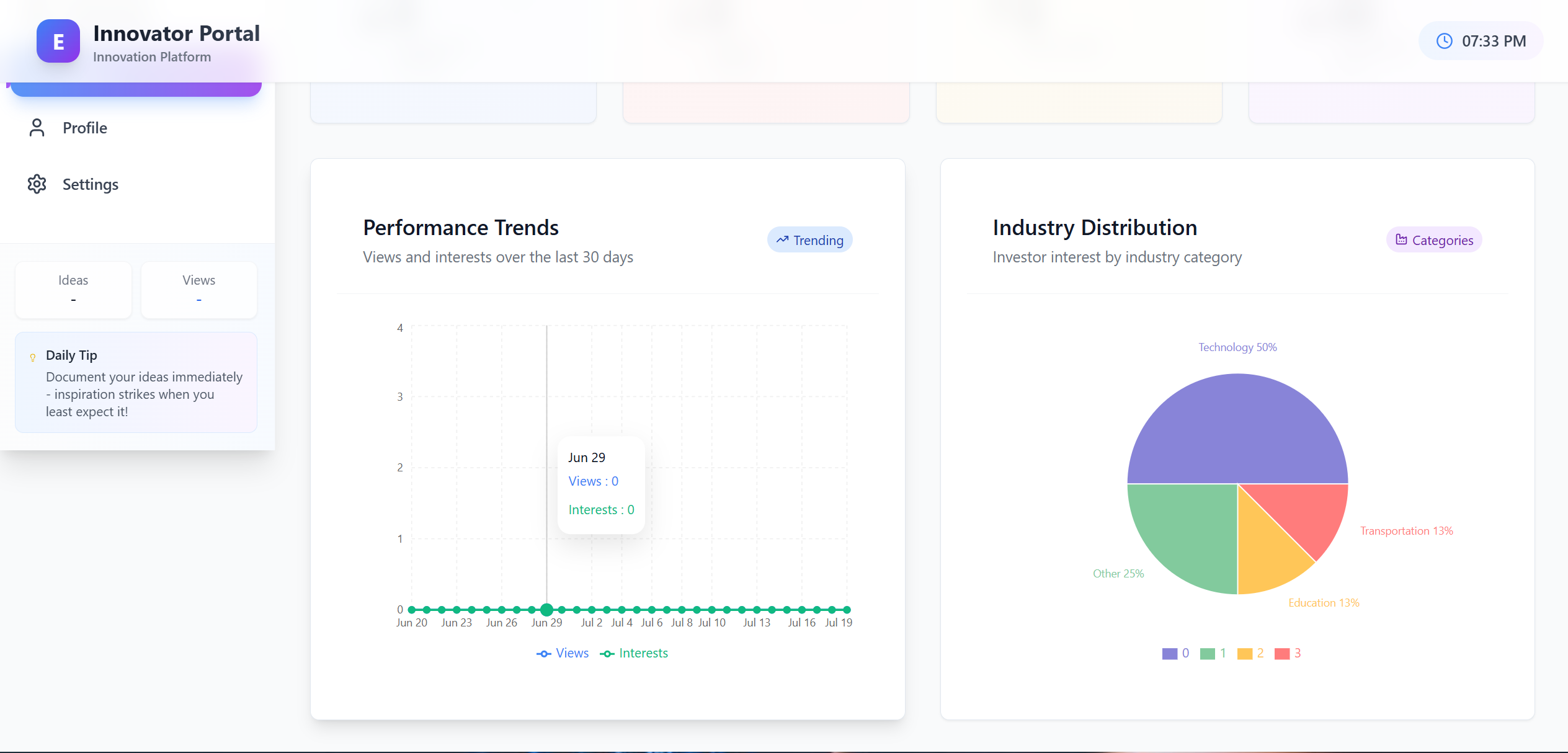
Each portal (Innovator, Investor, Hub, Admin) runs off the same core platform, with role-based logic, scoped routing, and context-aware AI services.
What Makes It Different
Instead of building yet another listing site or pitch tool, we built:
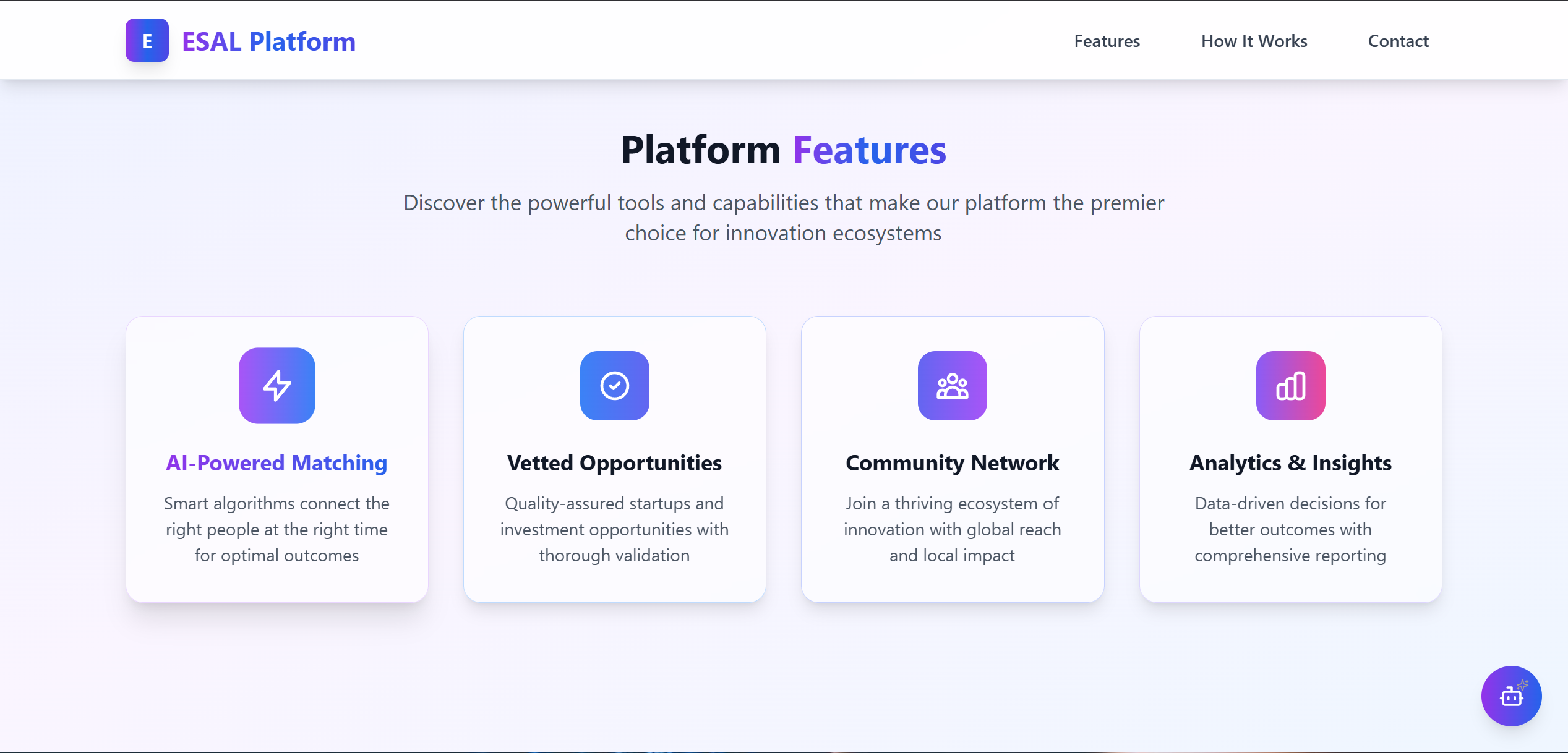
AI as the foundation, not a bolt-on: every core feature (idea generation, pitch review, matchmaking) is AI-assisted.

African-first design: From market analysis to pitch feedback, the AI works using African economic data and startup contexts.

Multi-user intelligence: Investors and innovators don't just co-exist — they get matched through compatibility algorithms based on behavior and preferences, not vanity metrics.
What Went Wrong
Not everything worked out the way we planned. Some challenges:
AI hallucinations were common at first — we had to reframe prompts and build tighter constraints for the Gemini API.

Supabase’s row-level security rules were complex to get right across portals.

Our initial matching logic was too simplistic — we rebuilt it with compatibility scores + user feedback weighting.

Some users expected “AI” to mean a chatbot — we had to explain the difference between generative, evaluative, and scoring AI.
What We Learned
“AI-powered” means nothing if the underlying data and use-case logic aren’t tight.

African markets need more validation, not just more startups.

Building a multi-portal system from day one forces better architectural thinking — but it also increases dev friction.

Success = shipping + listening. Our feedback loop from early users (students, hubs, junior VCs) shaped ~50% of our roadmap.
Built With
- chart.js
- gemini
- javascript
- jwt
- postgresql
- python
- sql
- supabase
- tailwind
- turborepo
- typescript


Log in or sign up for Devpost to join the conversation.