-
-
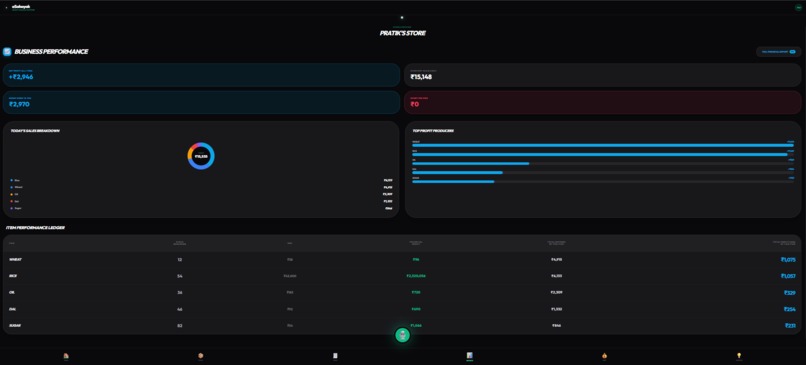
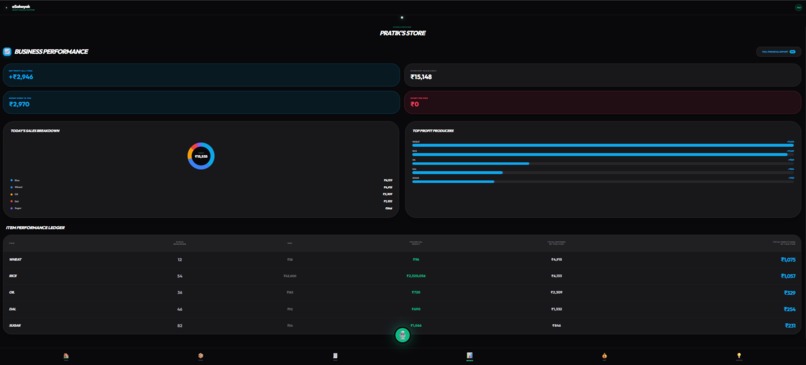
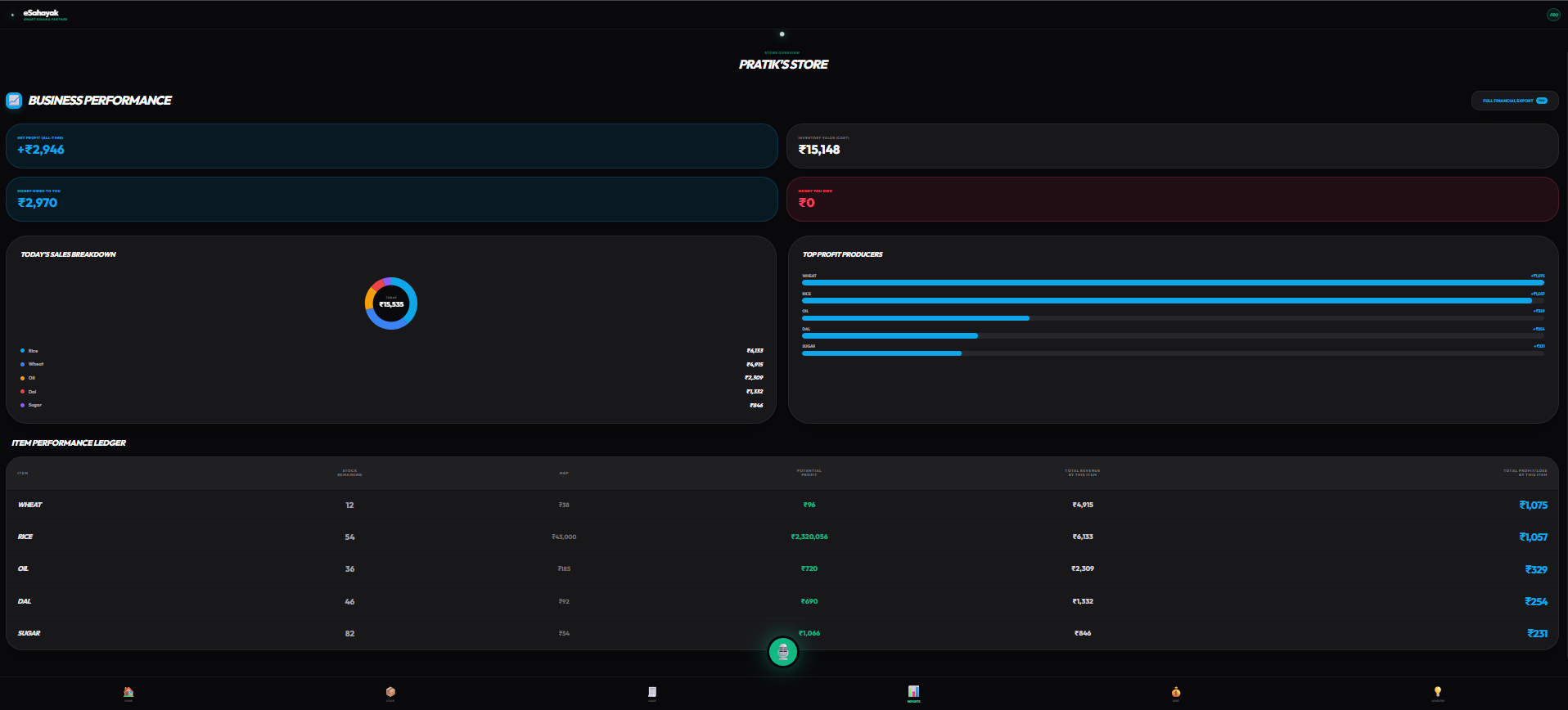
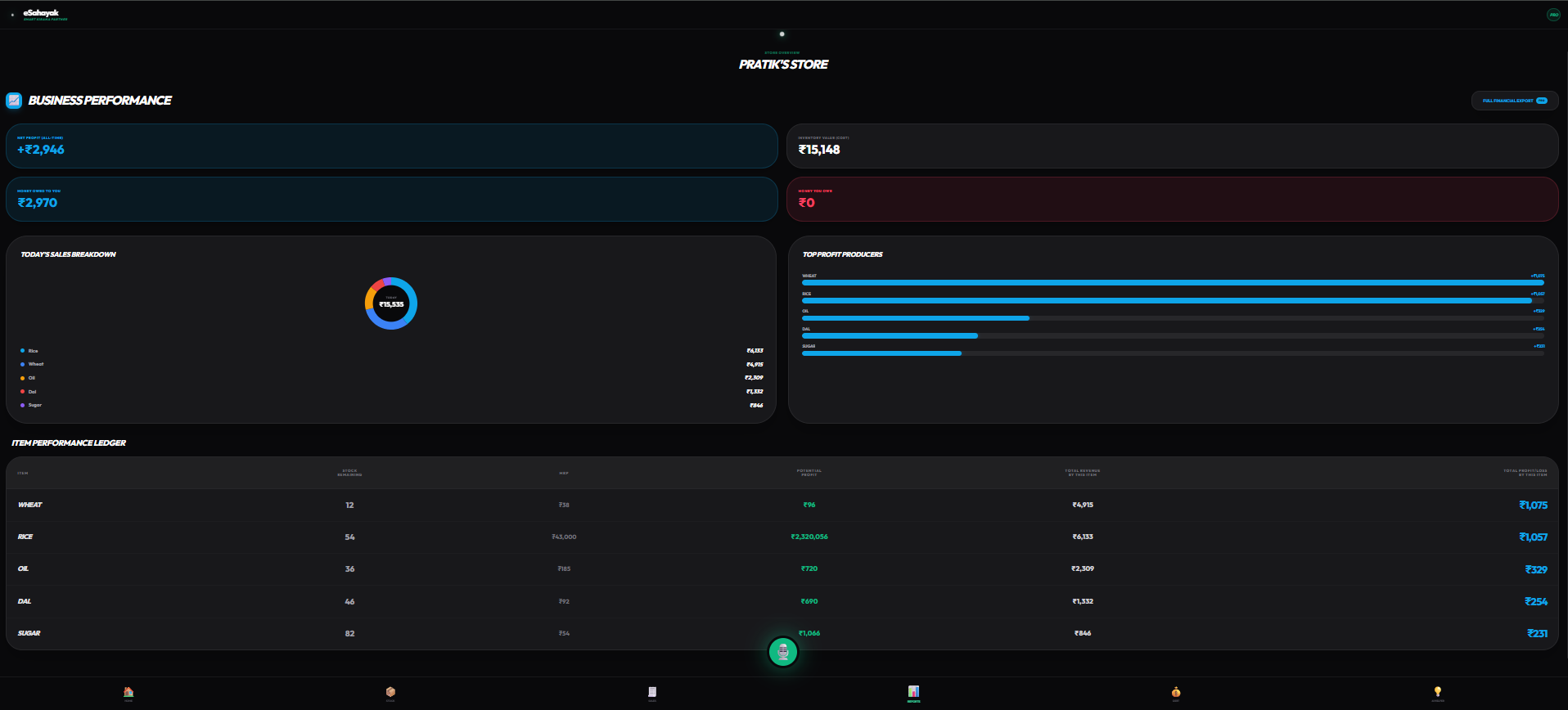
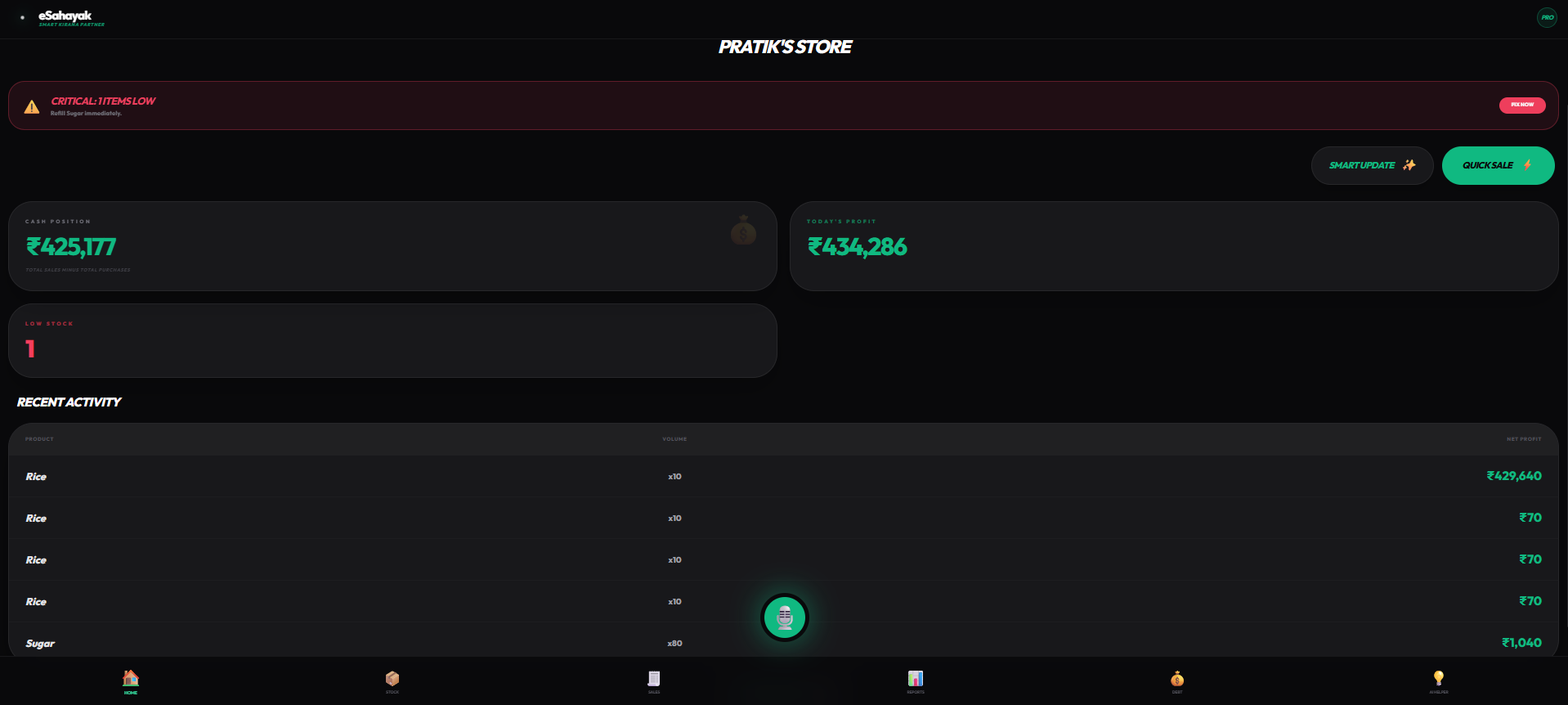
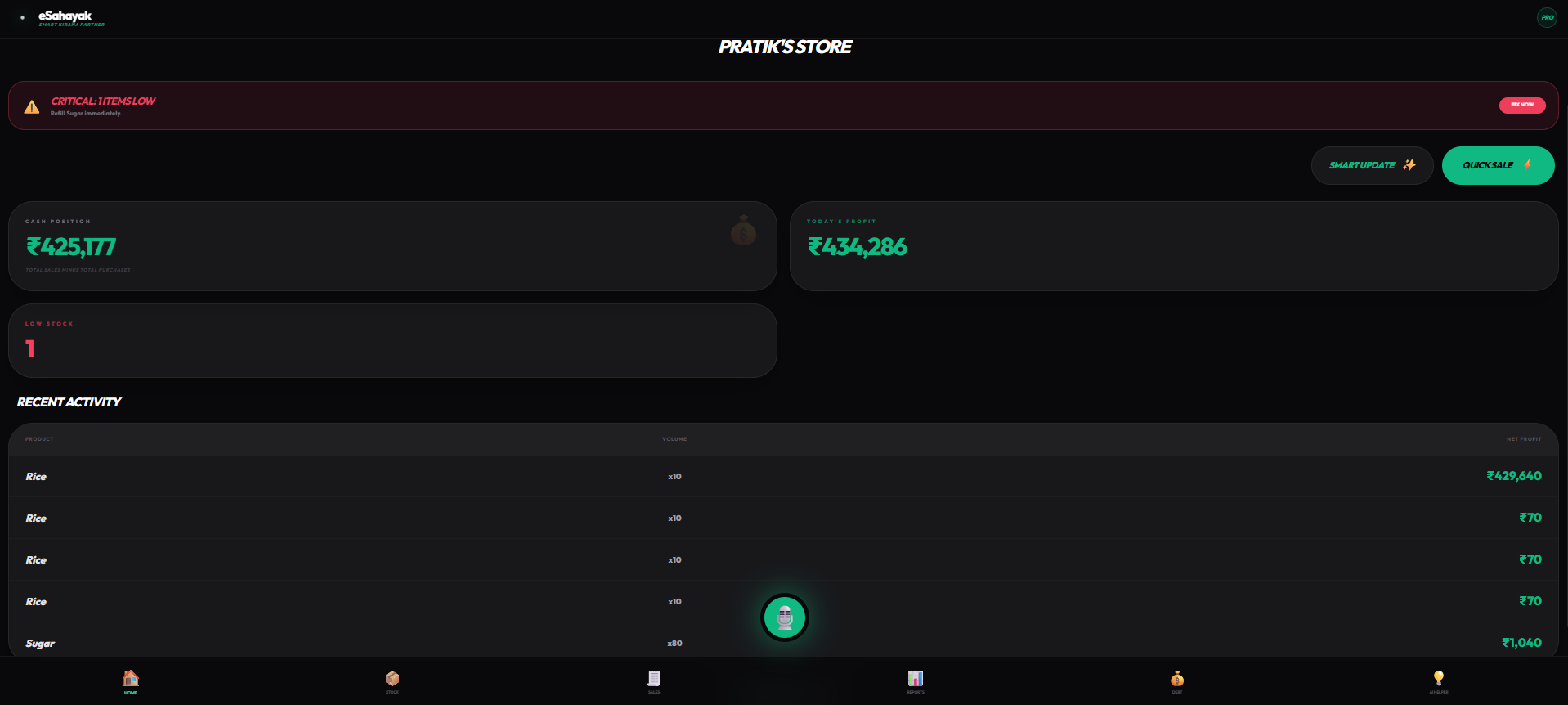
"Clean dashboard shows real-time sales, profits & stock so kirana owners make smart business decisions instantly.
-
-
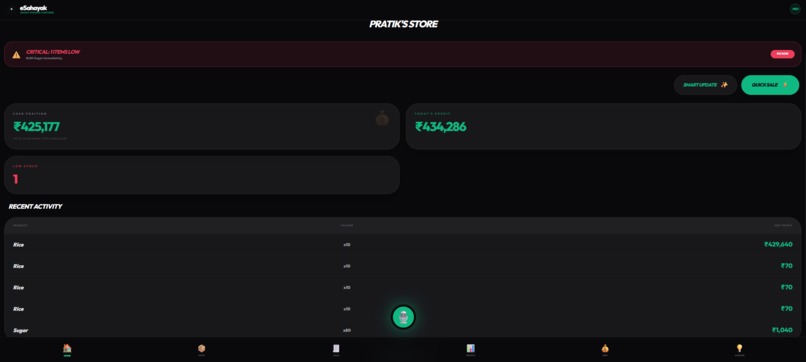
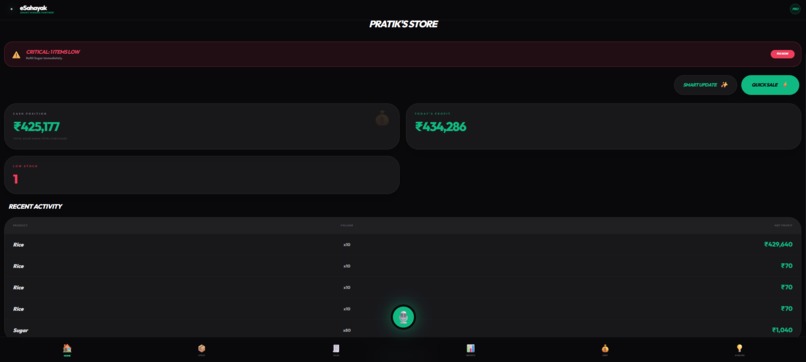
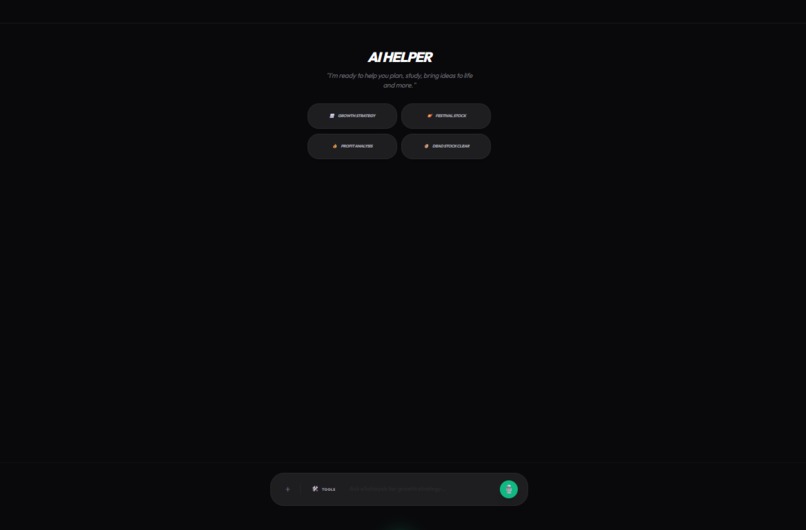
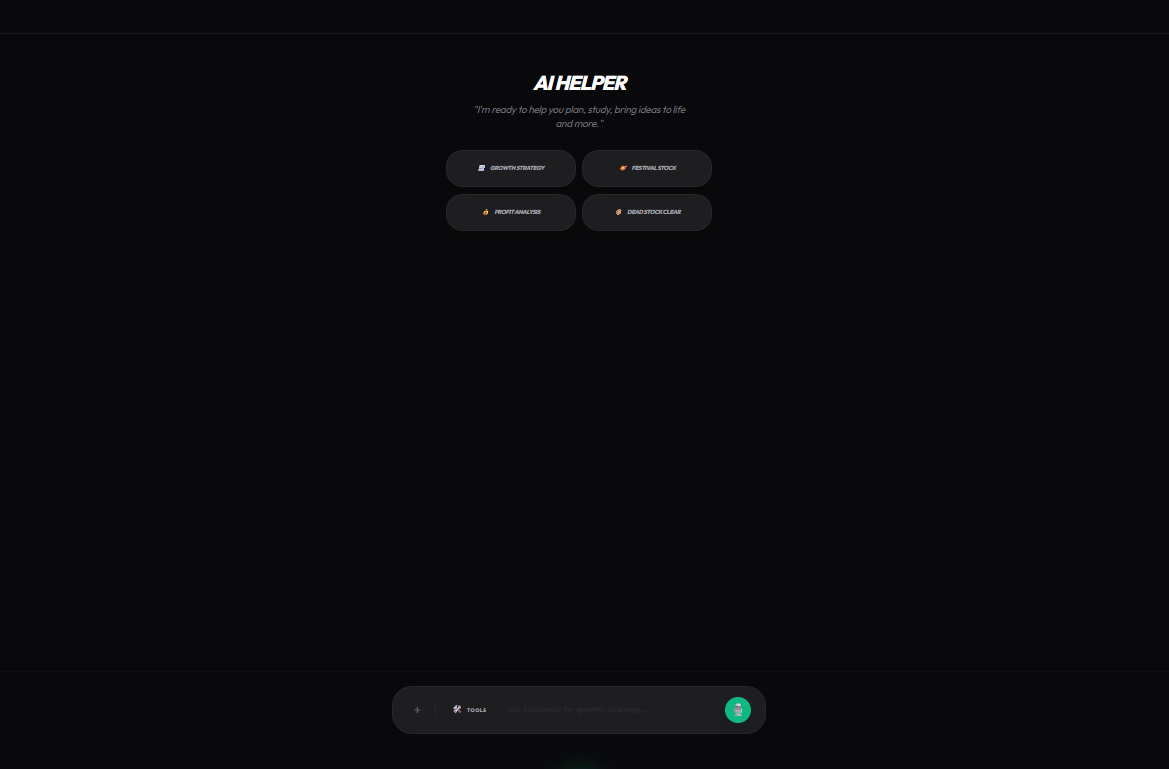
Smart retail dashboard showing cash flow, daily profit, low stock, quick sales, AI-powered business insights along with voice and image help
-
-
-
-
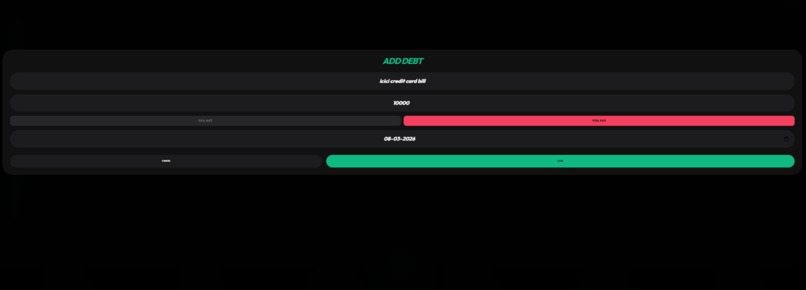
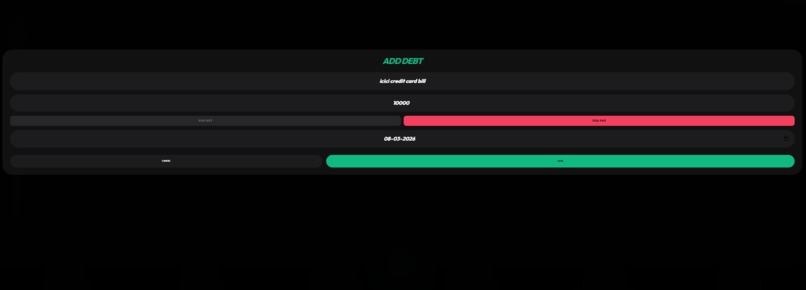
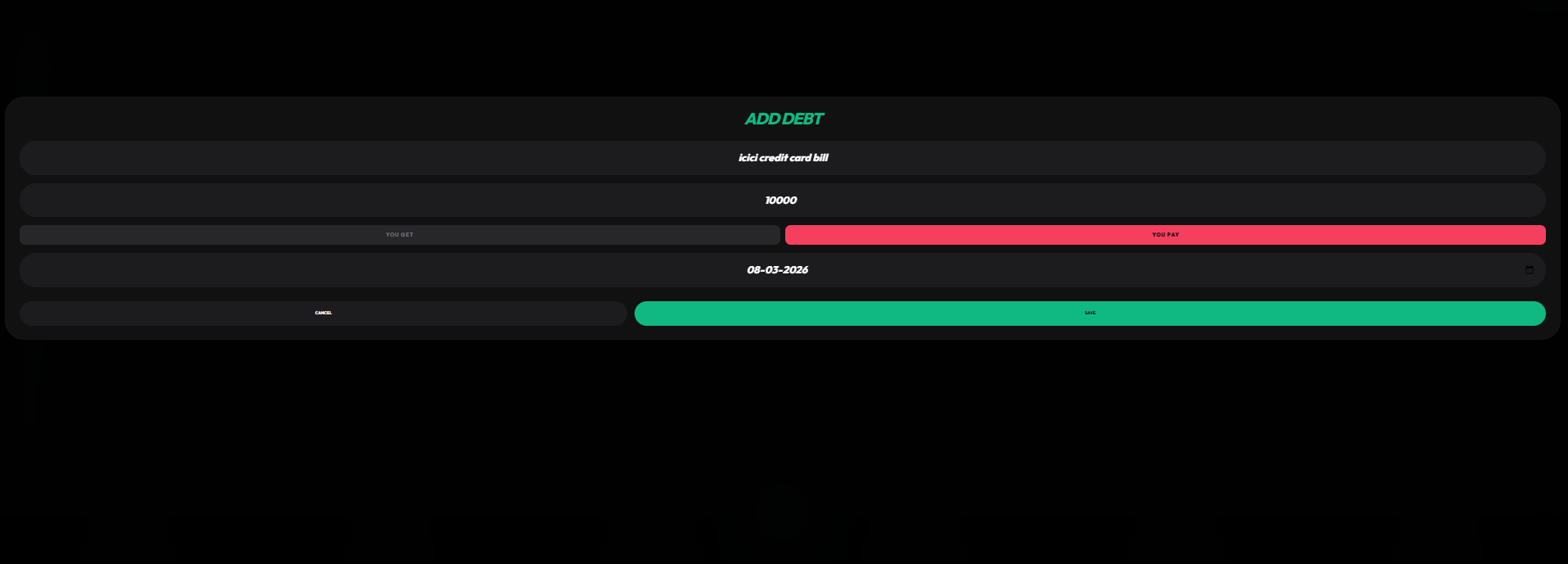
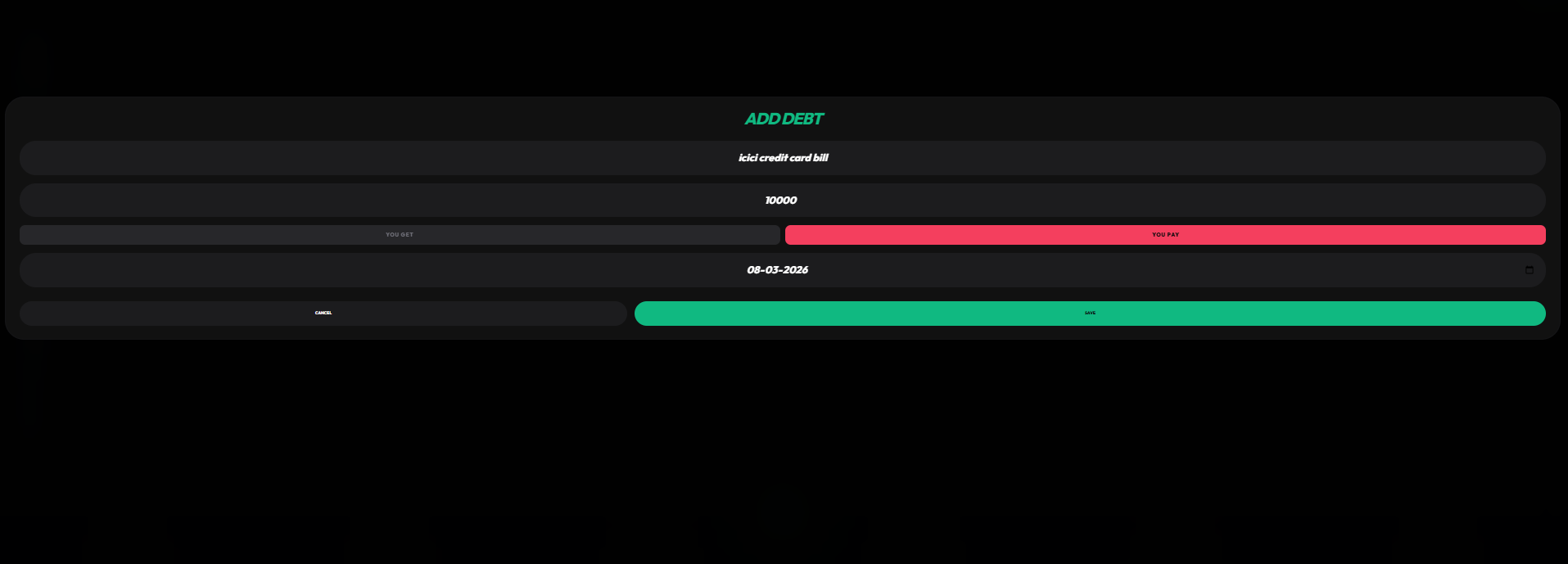
Notifies u with important payment dues and helps u to gently remind others for money they owe you
-
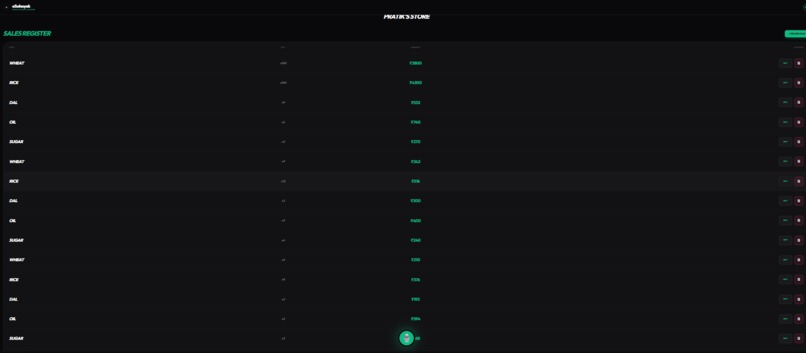
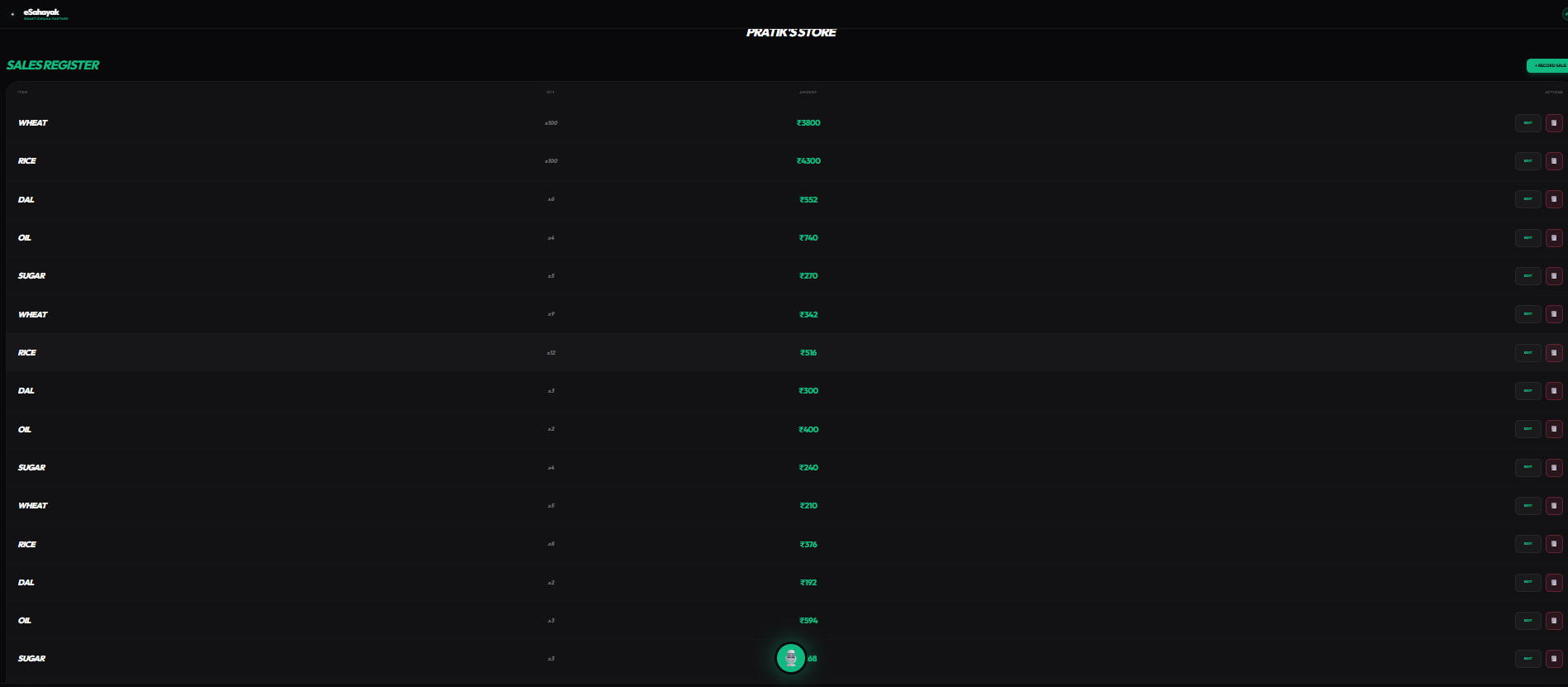
exact product sales data
Inspiration
The inspiration for eSahayak came from a real-life observation.
While buying ration and stationery from a local grocery and stationery store respectively , I noticed that the shop owner still maintained sales and stock details in a notebook. Even though most payments were digital, the business records were still manual and scattered.
Online payments show how much money is received, but they do not explain why the money was received — which product was sold, in what quantity, and at what profit. Because of this, shop owners often struggle to understand their actual business performance and make informed decisions.
In India alone, there are an estimated 1.2 to 1.5 crore local kirana and small retail shops, many of which still operate with manual records. A large number of these businesses are not even digitally recorded, yet they form the backbone of everyday commerce.
This highlighted the massive untapped potential for a simple, affordable, and practical digital solution like eSahayak.
This gap between digital payments and meaningful business insights inspired me to build eSahayak.
What it does
eSahayak is an AI-powered business assistant for kirana store owners.
It helps shop owners:
Track inventory easily
Automatically calculate profit and loss
Get low-stock alerts
View daily and monthly summaries
Receive AI-generated business suggestions based on their actual sales data
Instead of just storing numbers, eSahayak presents information in a simple, actionable way that helps shop owners improve their earnings.
How we built it
eSahayak was built using:
A simple frontend interface designed for non-technical users
A backend system to store inventory, pricing, and sales data
An AI layer that analyzes trends and generates practical business suggestions
The AI works strictly on the provided data and avoids assumptions. Suggestions are generated in a clear Observation → Suggestion format so users can quickly act on them.
Challenges we ran into
Some challenges we faced during development were:
Designing the app for users who are not comfortable with technology
Making AI suggestions reliable and easy to trust
Avoiding overcomplicated dashboards and unnecessary features
Structuring raw sales data into meaningful business insights
Balancing simplicity with usefulness was the biggest challenge.
Accomplishments that we're proud of
Building a solution based on a real-world problem
Creating an AI assistant focused on profit and decision-making, not just chat
Designing a clean and simple user experience for kirana store owners
Turning manual, paper-based records into structured digital insights
What we learned
Through building eSahayak, we learned that:
Many real problems exist in everyday local businesses
AI is most effective when it is practical and data-driven
Good design is about clarity, not complexity
Understanding the user’s daily workflow is crucial for building useful tools
What's next for eSahayak
eSahayak has strong potential to grow as a sustainable business.
As specified above the world has many small medium retail shops (for ex see India), and even reaching a small fraction of this market can create meaningful impact. If eSahayak is adopted by just 10% of these stores, it represents a very large user base.
The planned model is a freemium approach:
- A basic version that remains free for essential tracking for sometime
- An affordable paid plan (₹100–₹300 per month) for advanced insights and reports
- A pro version (₹1000+ depending on usage) for power users and larger stores
This pricing is intentionally kept low so that kirana store owners can comfortably afford it, while still finding real value in increased profits and better decisions.
Going forward, we plan to validate eSahayak with real shop owners, improve AI suggestions using long-term data, and expand with features like voice input, regional languages, and smarter inventory forecasting.
The goal is to make eSahayak a trusted daily business partner for small retailers.
Built With
- ai
- build.ai
- css
- gemini
- google-calendar
- google-directions
- google-places
- google-web-speech-api
- image-color-summarizer
- images
- multimodalai
- nanobana
- react
- tailwind
- typescript
- world-class-tech-stack-designed-for-speed-and-intelligence:-intelligence:-google-gemini-2.0-&-1.5-pro-(multimodal-ai-for-scanning-records-and-business-reasoning).-frontend:-react-19-with-typescript-(for-a-smooth


Log in or sign up for Devpost to join the conversation.