-
-
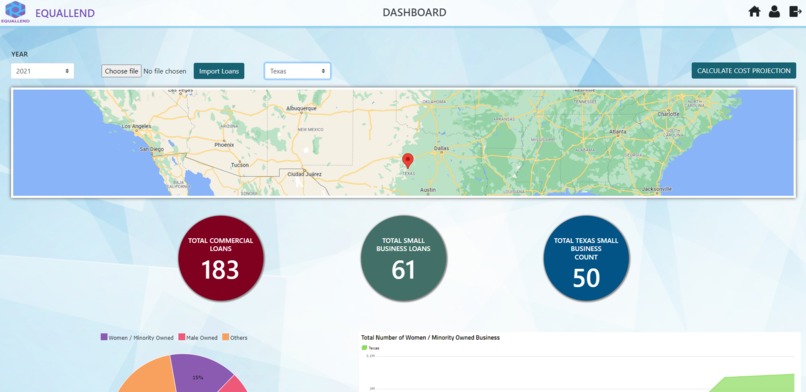
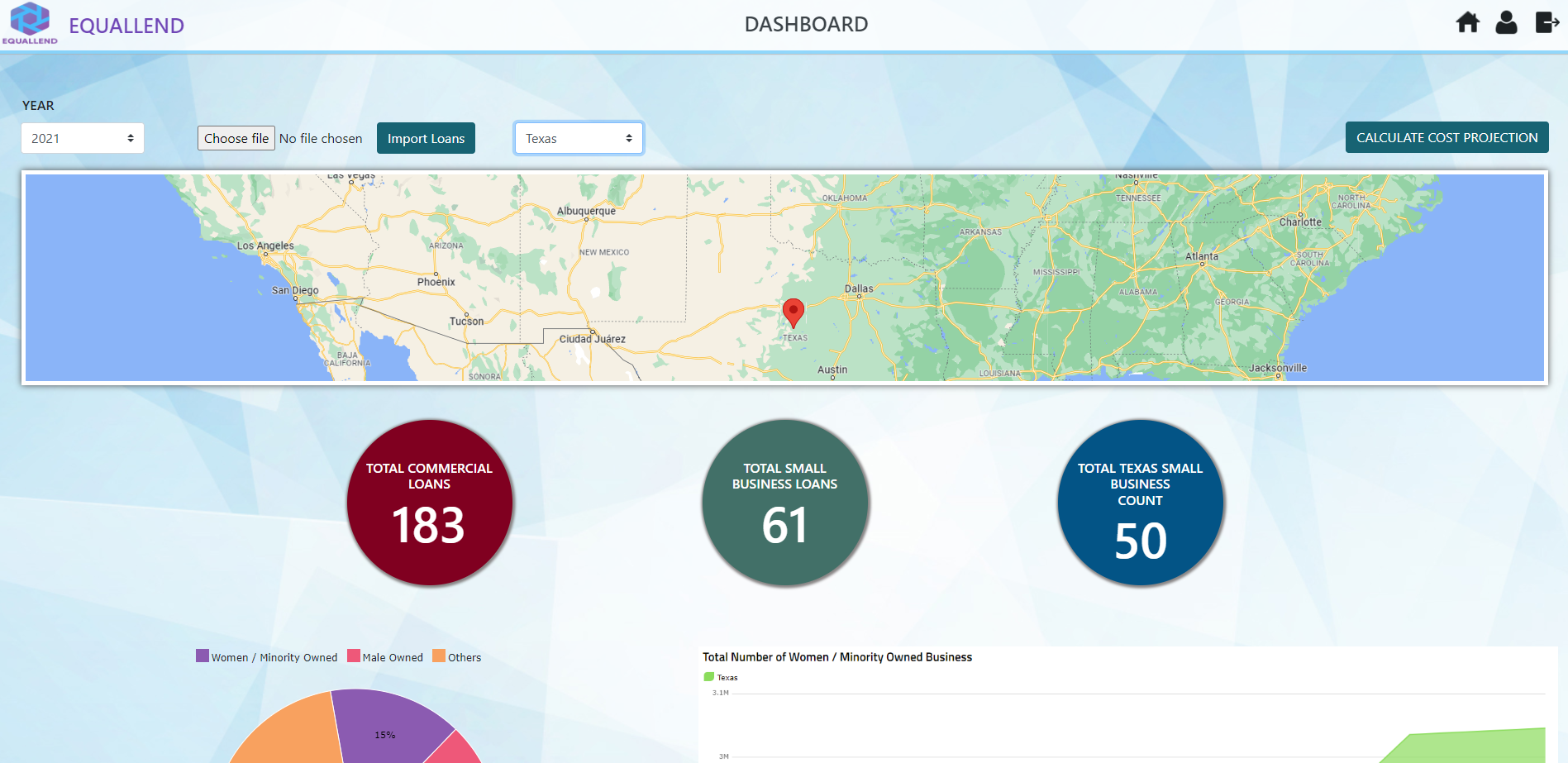
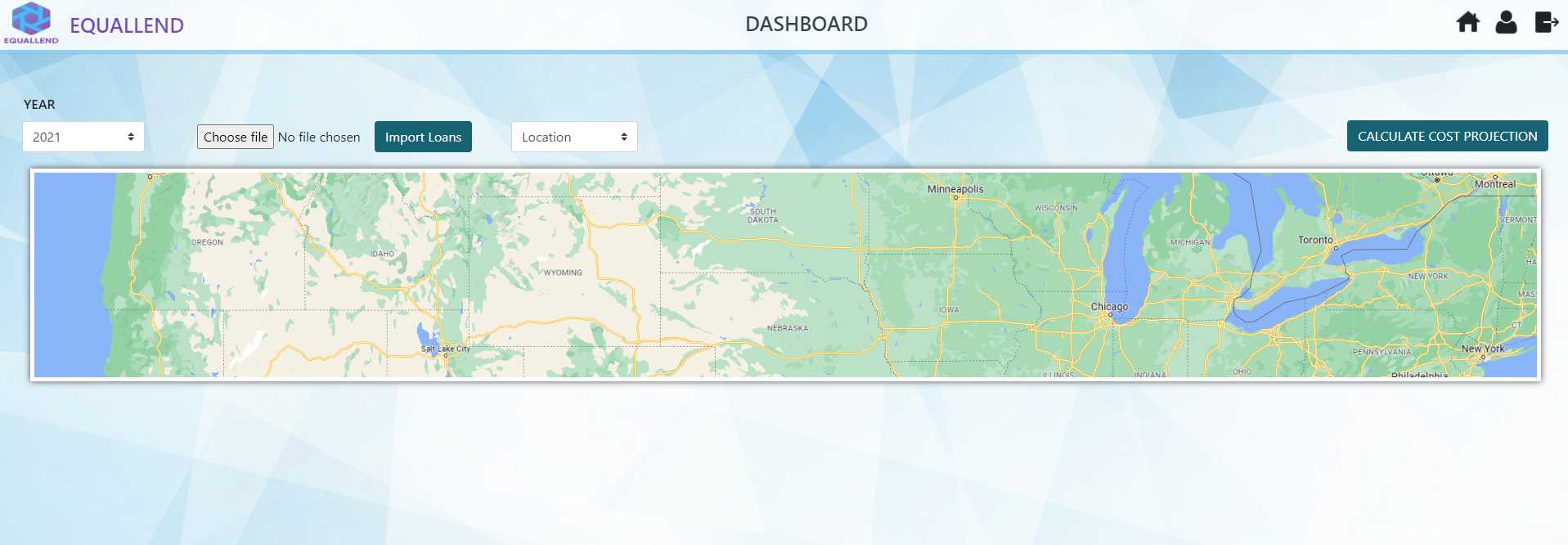
Dashboard Displaying Loans
-
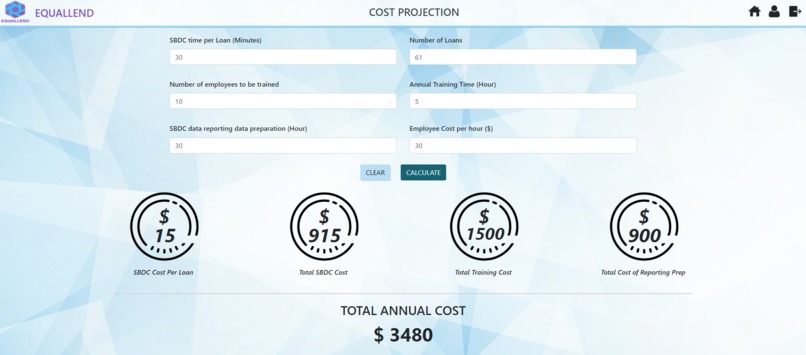
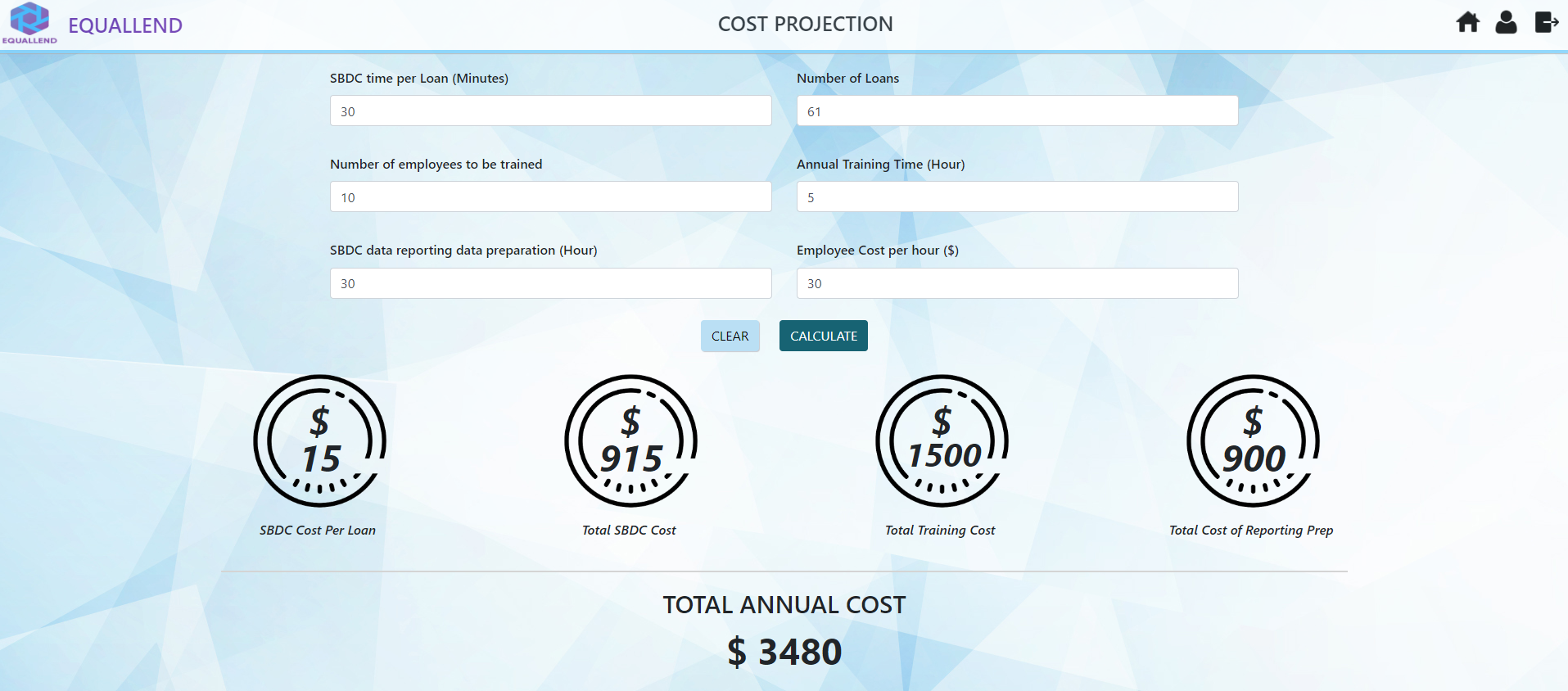
Cost Calculation
-
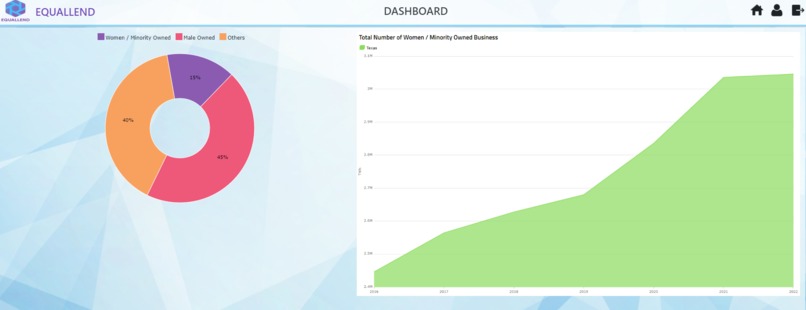
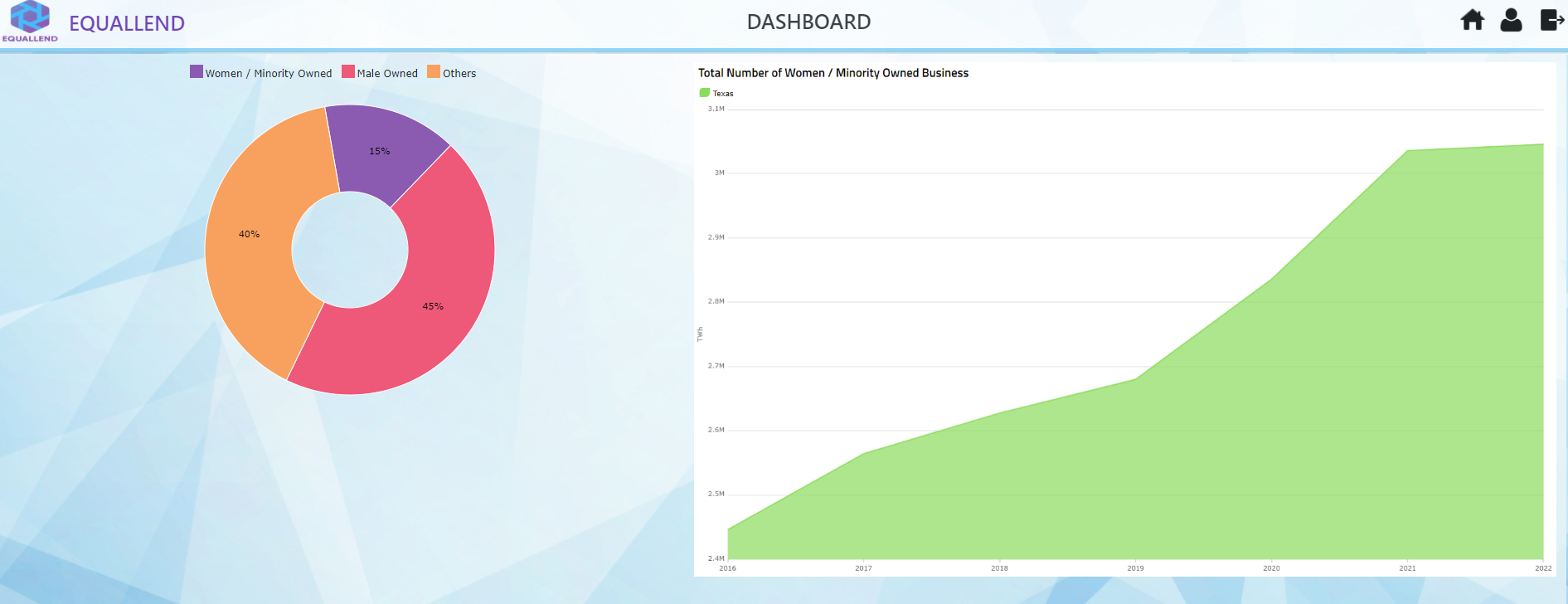
Data visualiation of Women / Minority owned businesses
-
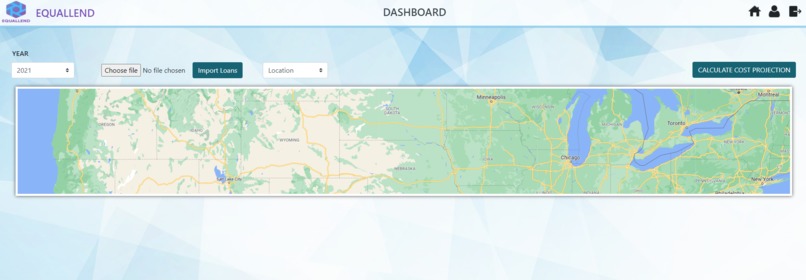
Dashboard
-
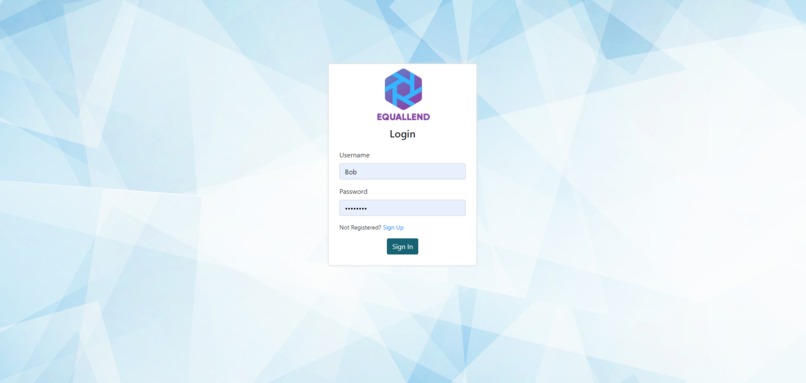
Equallend Login Page
Inspiration
As a team we discussed a number of ideas for the hackathon, but finally settled on our Equallend concept because of its plausible real-life use within the context of our Lending LOB product set. This also provided a way for the team to learn more about the proposed ECOA Small Business Data Collection (SBDC) in advance of related work we will begin later this year.
What it does
Equallend provides clients with an app that can help them determine the cost impact of adopting the SBDC requirements and integrating them to their commercial lending processes. In addition, the app is intended to collect organizational data that can be used by Finastra for marketing and product planning purposes as we develop our SBDC software solution for the LaserPro product line.
How we built it
We have mainly 3 layers. Front-end which is a Web APP developed using Angular 13, A WEBAPI layer developed in .net. The Angular Web app will be communicating with WEBAPI layer which in turn communicates with third party APIs and database to get the data to the Front-end. The user details are stored in SQL database and application specific details are stored in Azure Document DB. Data was generated using Python code and the Pandas library. It was algorithmically generated using random probabilities and sampling techniques.
Challenges we ran into
Team members are in three time zones across the globe – India, US Pacific, and US Eastern. This made setting common meeting times a challenge of personal sacrifice. Team members were either joining at the crack of dawn or the in the depths of night. Not all team members were able to join the first couple of grooming meetings which led to some concept misunderstandings and some rework. Because the SBDC regulation is not yet in effect, we were not able to pull real data, so we had to generate some mock data. The biggest challenge with using synthetic data is that it may not be accurate or representative of real-world collected data, which may lead to biased and untrue results. We would have liked to integrate or map with the Google mapping selection tools, but experimentation led to the conclusion that it is more complex that was originally anticipated and there simply wasn’t time.
Accomplishments that we're proud of
Team members dived into our concept with enthusiasm and dedication. We were each about to deliver our pieces and stich them together into a unified whole.
While we were not able to deliver everything we envisioned, the team was quick to adapt and focus on those components we could produce.
What we learned
We learned quite a bit about what data sources are available on small business lending to women and minorities and trends toward wider adoption.
What's next for Equallend
We will present the concept to the LaserPro leadership team and determine if this is an application that we should invest the time in making a reality and integrating it with our SBDC strategy. We also think this sort of tool has applicability and use with other large regulatory changes that will occur in the future.


Log in or sign up for Devpost to join the conversation.