-
-
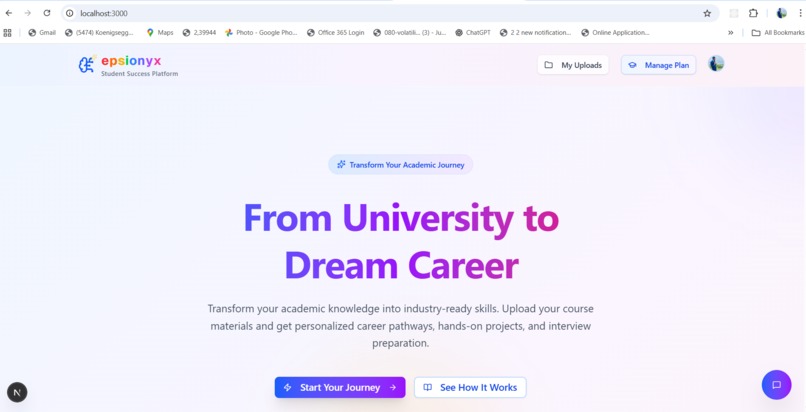
landing page-header
-
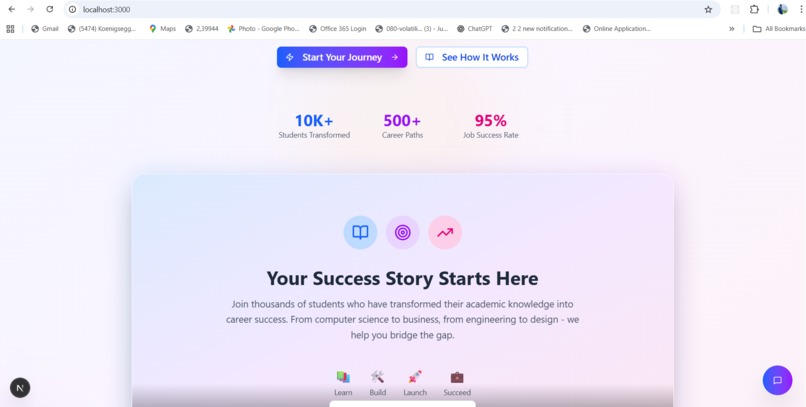
landing page
-
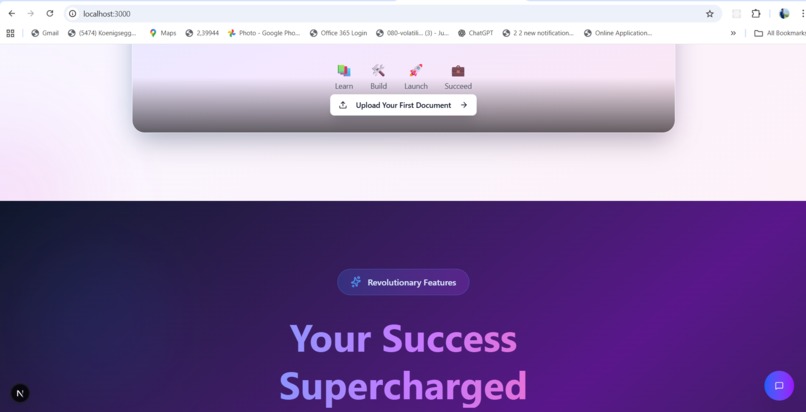
landing page
-
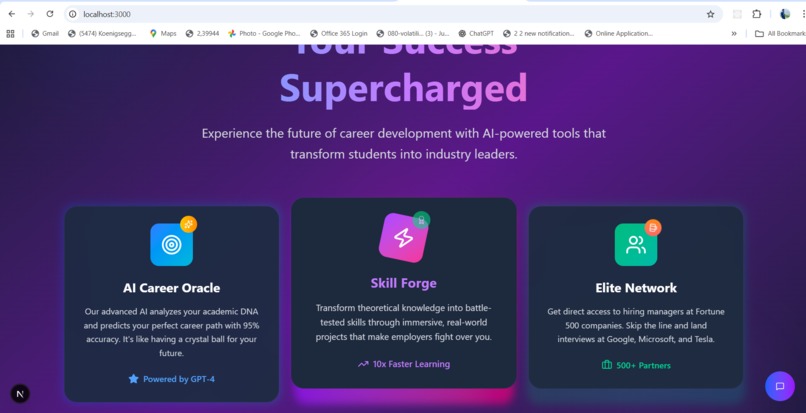
landing page
-
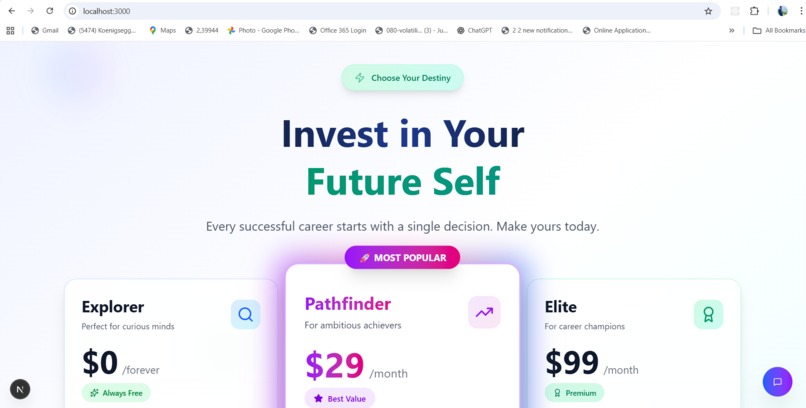
landing page
-
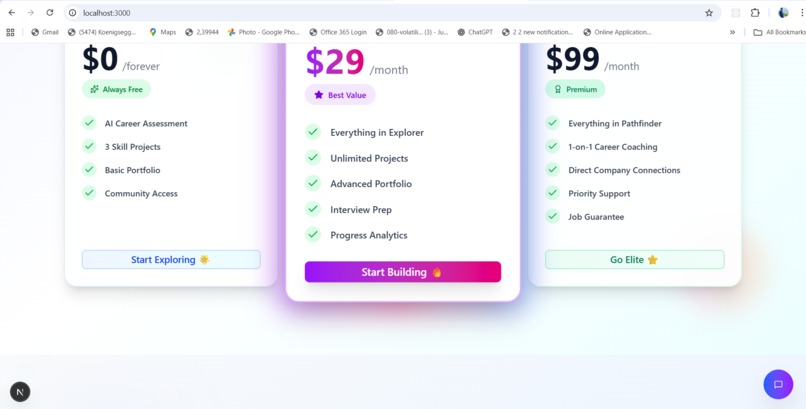
landing page
-
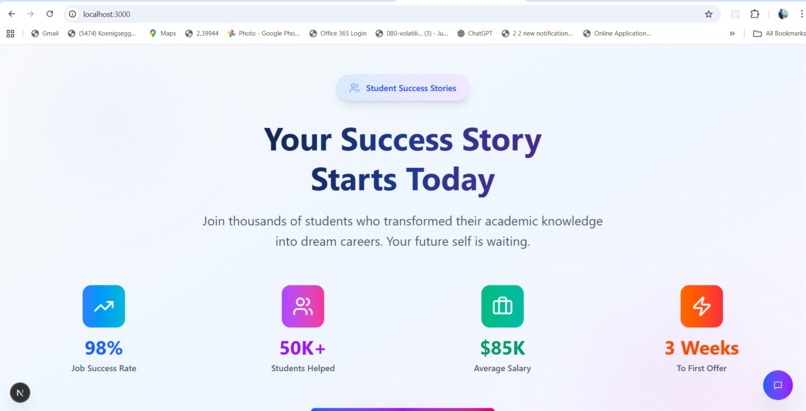
landing page
-
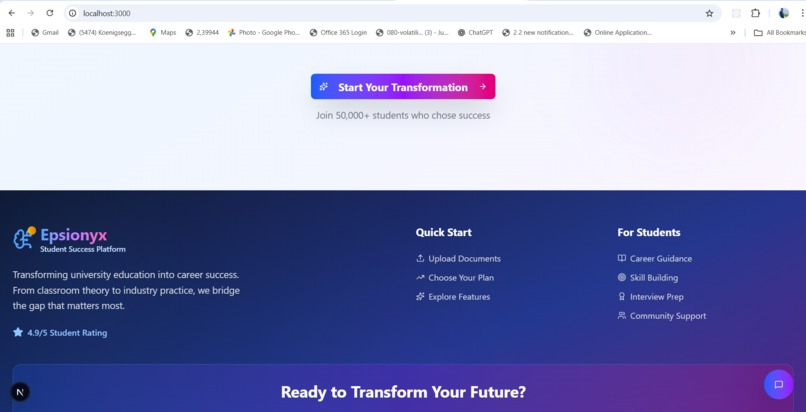
landing page footer
Inspiration
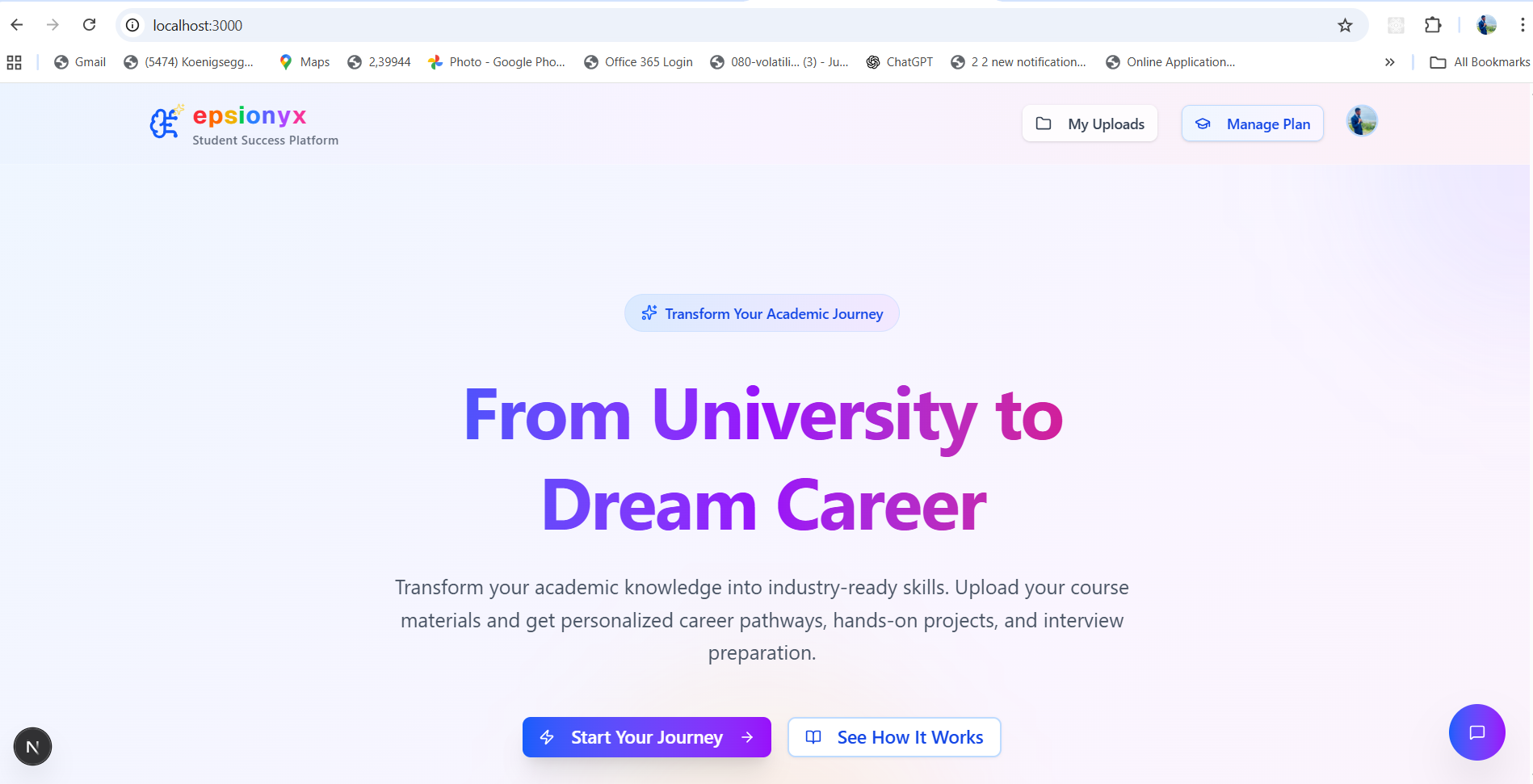
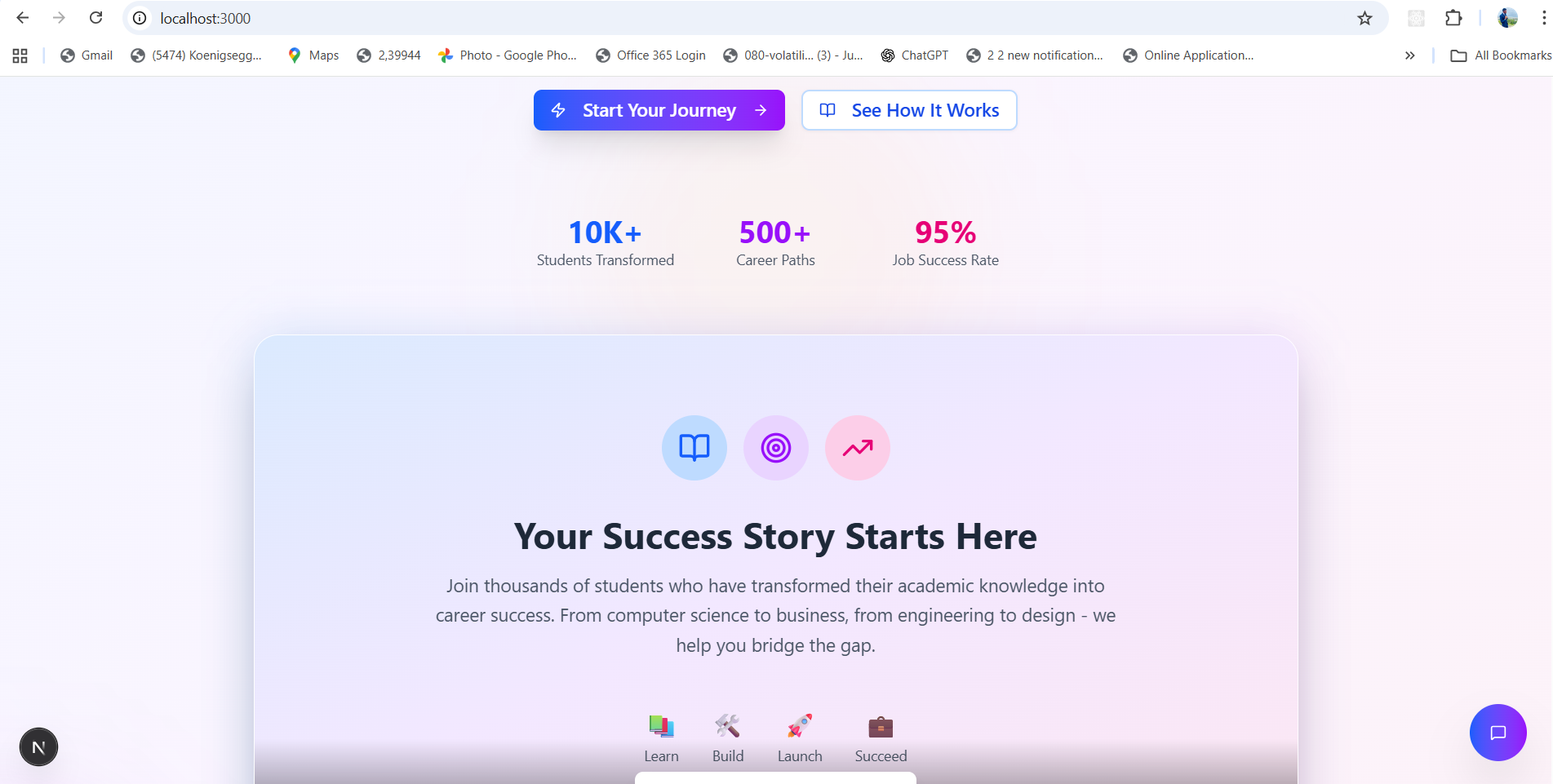
Our inspiration came from a painful personal journey. I switched university degrees three times before finding my path in Data Science, wasting years and resources. I discovered this wasn't just my story—it's a global crisis. Millions of students graduate with theoretical knowledge but lack the practical skills industries desperately need, leading to massive unemployment and talent shortages. We founded Epsionyx to tear down the wall between academia and industry, ensuring no student has to navigate their future blindfolded.
What it does
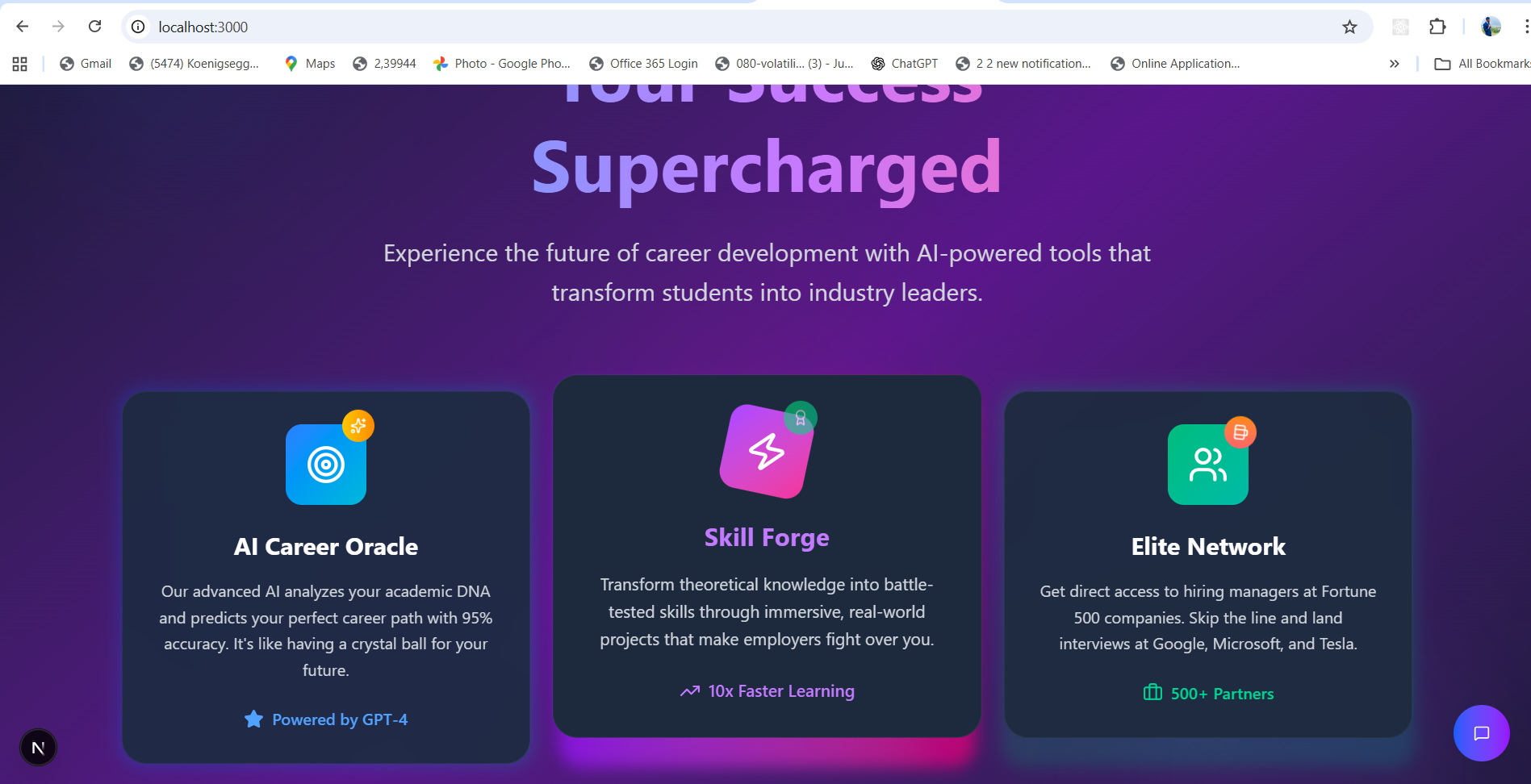
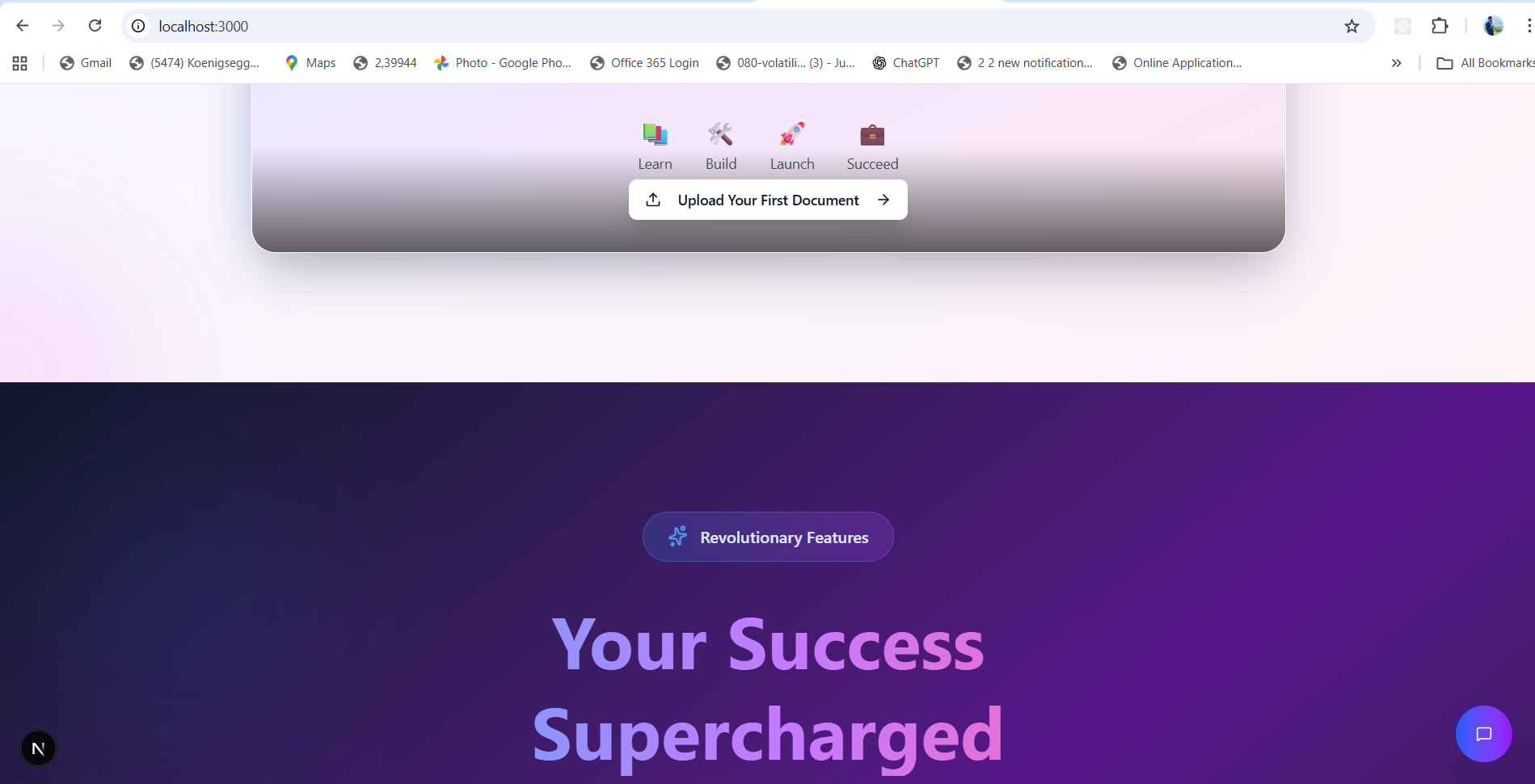
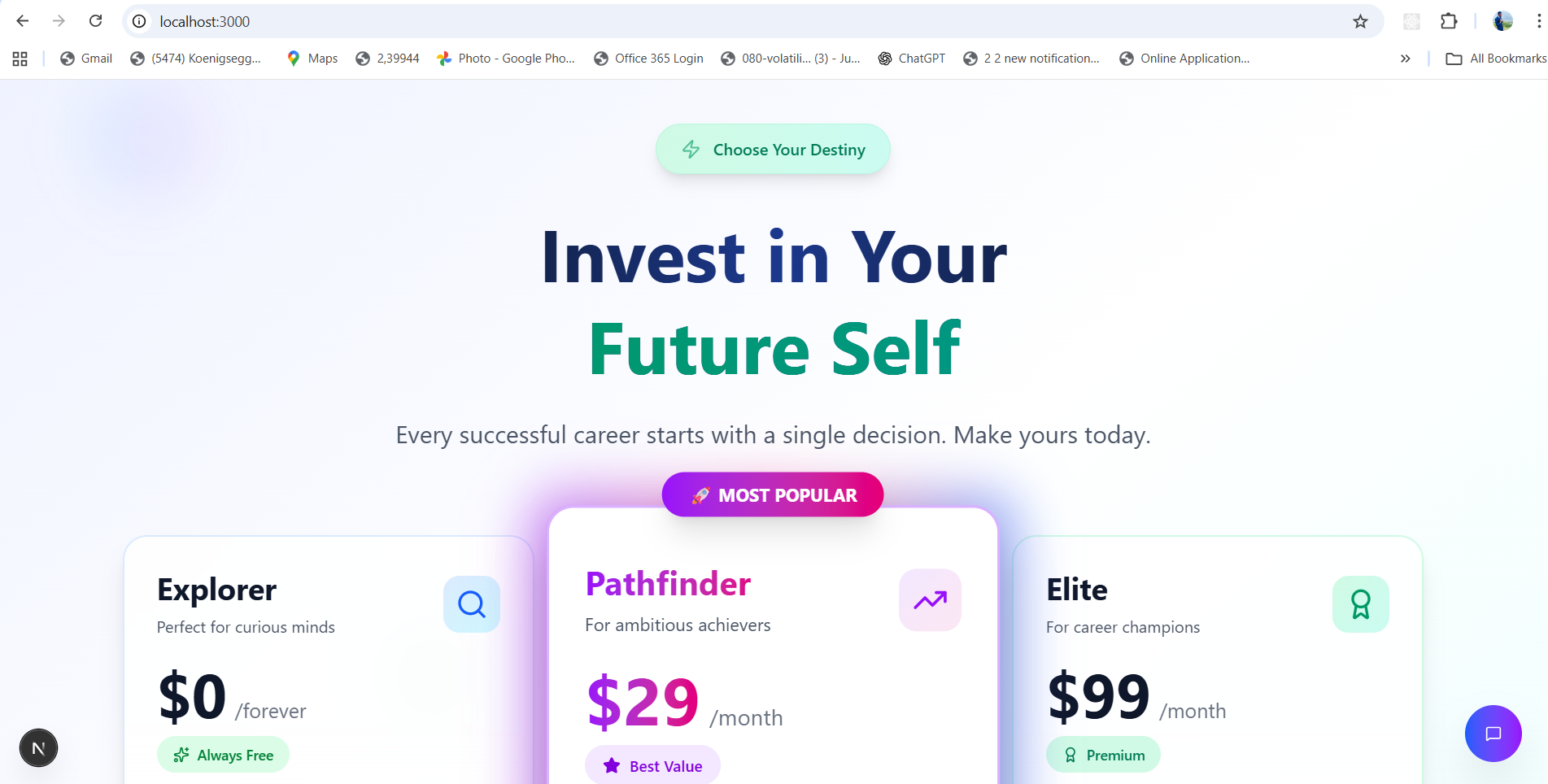
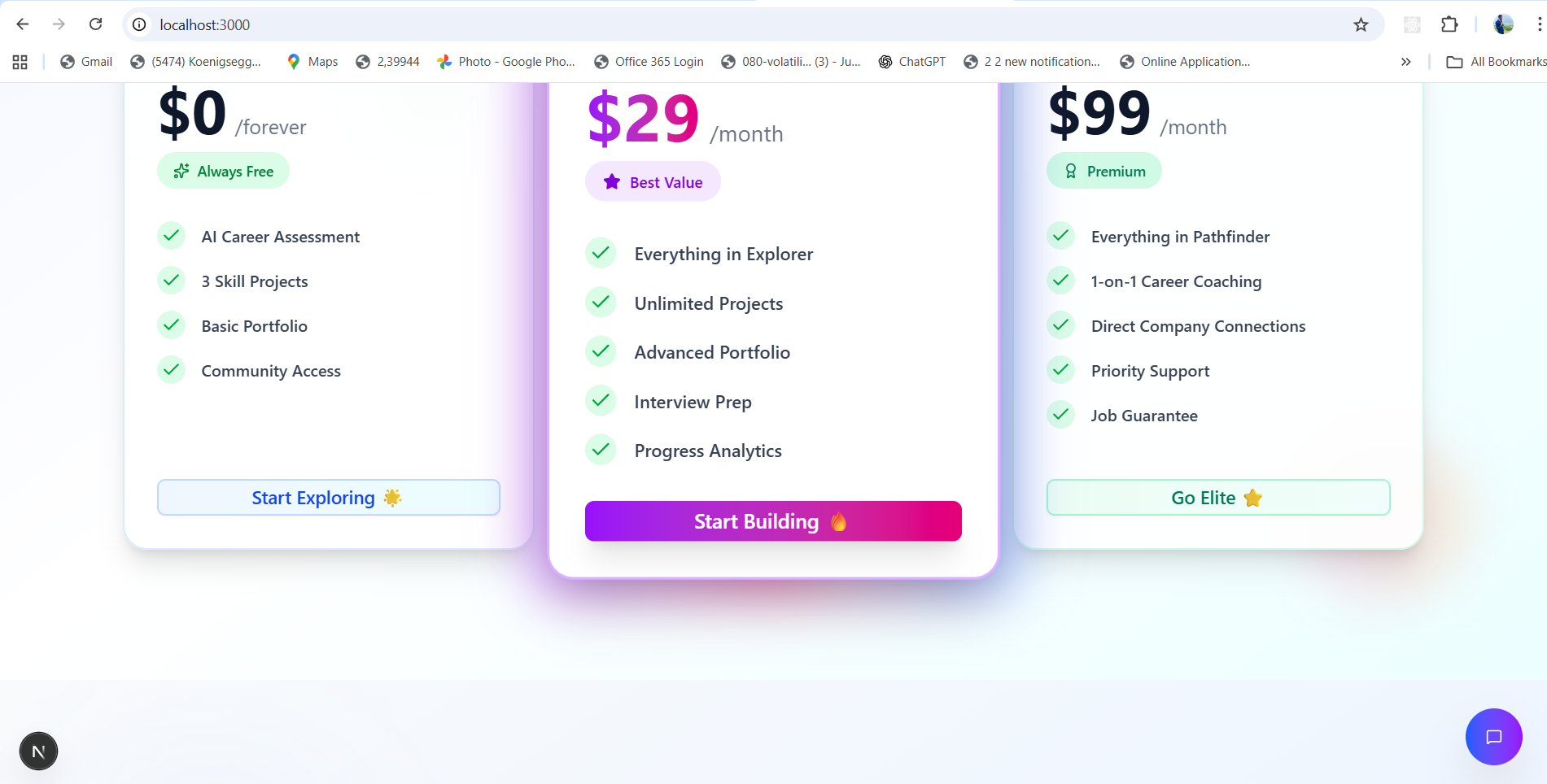
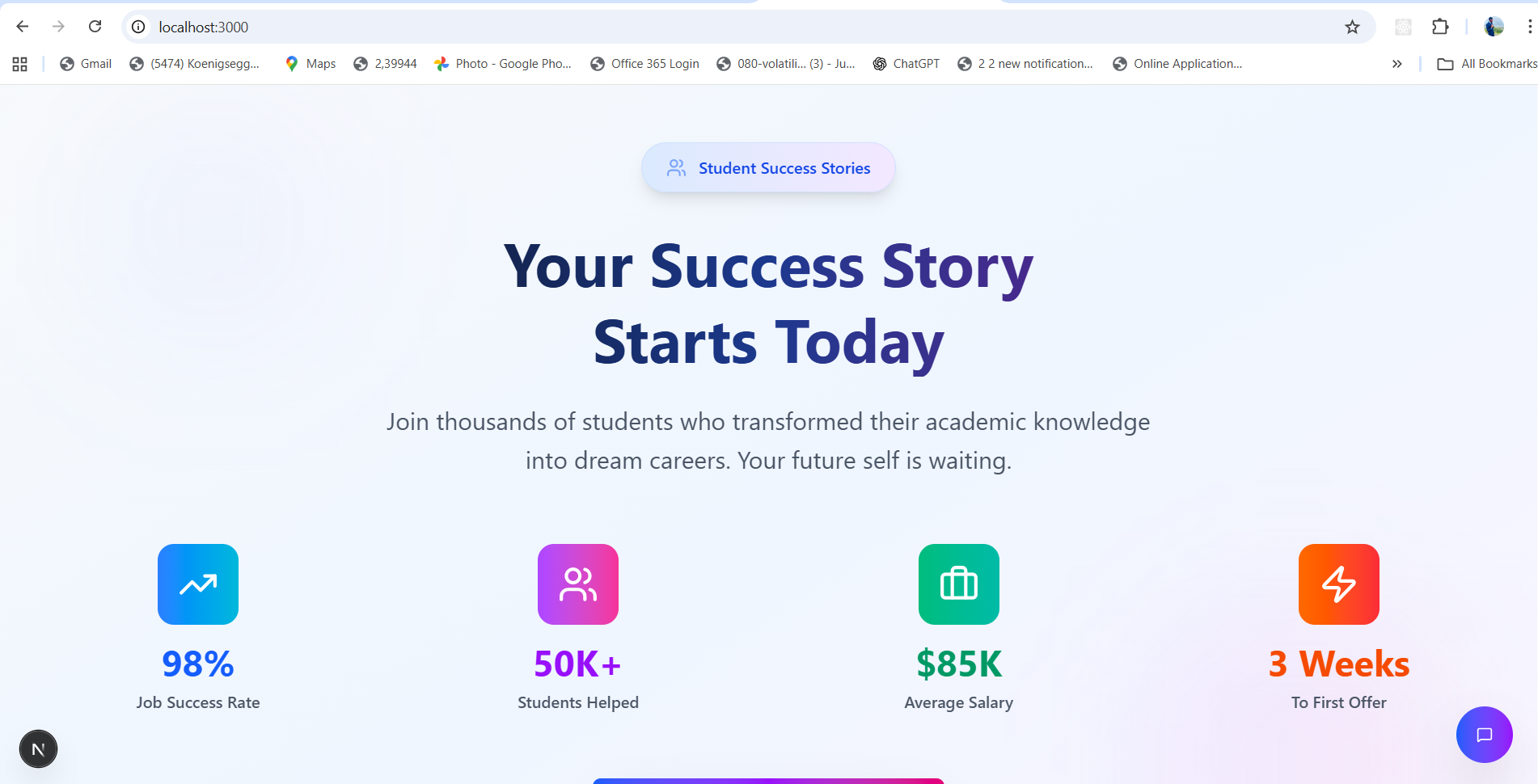
Epsionyx is an AI-native ecosystem that acts as a real-time "career architect" for students. It begins by guiding high school students to the right university degree based on their strengths, preventing costly wrong choices. Once in university, our AI agents analyze their coursework, identify skill gaps for target careers, and generate real-world projects used by companies like Netflix and Uber. Students build a proven portfolio, get AI-powered feedback, and connect directly with mentors and employers. For companies, we provide a pipeline of pre-vetted, job-ready talent who have already proven their skills on real business challenges.
How we built it
Frontend: Next.js 14 with TypeScript and Tailwind CSS for a responsive, beautiful interface Backend & Real-time State: Convex for instant data synchronization and serverless functions AI Orchestration: Custom multi-agent system using Schematic to coordinate specialized AI agents (Syllabus Decoder, Skills Forecaster, Learning Pathfinder) AI Models: Ensemble of Claude 3.5, OpenAI o1, and DeepSeek for comprehensive assessment Database: Convex Authentication: Clerk.js for secure, seamless user management
Challenges we ran into
Technical Infrastructure & Resource Constraints:
Hardware Limitations: Developing and testing on a severely underpowered laptop that couldn't handle simultaneous AI processing, screen recording, and development tasks, forcing creative workarounds and selective feature development AI API Credit Shortages: Limited to testing only the Data Science module due to prohibitive costs of Claude API credits, preventing integration of other critical disciplines like Accounting, Teaching, and Mathematics Development Bottlenecks: As a solo founder, I faced the classic "founder's trap" - simultaneously architecting, coding, testing, and business developing without the resources to specialize or parallelize work
Financial & Scaling Barriers:
Critical Funding Gap: Unable to purchase adequate development equipment or cloud resources needed for proper testing and deployment Team Building Blocked: Cannot hire the 2-4 data scientists and engineers required to accelerate development toward our February 2026 production deadline Feature Development Frozen: Forced to work in "blind mode" for new modules without ability to test AI integrations, significantly increasing development risk Market Timing Pressure: Institutional Interest Outpacing Development: Already in advanced discussions with South African universities who are eager to pilot, creating urgent pressure to deliver a production-ready platform Competitive Window Closing: The AI education space is rapidly evolving, and our first-mover advantage with universities is at risk without immediate resource injection
Accomplishments that we're proud of
Industry Recognition: Currently in advanced discussions with University of Cape Town for a formal partnership Our idea is recogonised globally by the FS6...Ranking #30 out of 2 million start-up accross the world Technical Innovation: Developed a multi-model AI assessment system that provides 8-dimensional feedback on student work Built a Functional AI Ecosystem: Created four specialized AI agents that work in concert to provide personalized career guidance
What we learned
AI is an Amplifier, Not a Replacement: The most powerful applications of AI don't replace humans—they make them irreplaceable by augmenting their capabilities Start with the Ecosystem: Building isolated features is easy; creating an integrated ecosystem where each component strengthens the others is what creates real value User Experience is Everything: No matter how sophisticated our AI, if students can't understand their career path in 30 seconds, we've failed Education Moves Slowly but Changes Fast: Institutions are cautious, but when they see undeniable data showing their curriculum gaps, they become our strongest advocates
What's next for EPSIONYX
Immediate Survival (Next 30 Days): Secure Emergency Funding: Critical need for $100,000-600,000 to cover: Claude API credits for multi-disciplinary module testing Basic development workstation to replace current hardware limitations Cloud infrastructure for proper testing environments Build Core Team: Urgently recruit 2-3 volunteer data scientists and full-stack developers to the development load
Short-term Scaling (Next 1-3 Months):
Complete Multi-Discipline Integration: Expand beyond Data Science to include Accounting, Engineering, Education modules and more Formalize University Partnerships: Convert current discussions with South African institutions into signed pilot agreements Deploy Production MVP: Launch institutional pilot with 1-4 university partners by December 2025
Critical Path to February 2026 Launch: $100,000 Funding Requirement to hire core team (2 data scientists, 1 full-stack developer, 1 UI/UX designer) Infrastructure Investment in scalable cloud architecture and development equipment Expanded AI Testing across all academic disciplines to ensure platform completeness
Our Burning Platform: We have institutional demand, a working prototype, and a clear vision. What we lack are the basic resources to bridge the gap between prototype and production. The next 90 days will determine whether Epsionyx becomes South Africa's education revolution or another "what could have been" story.
Built With
- claude
- clerk
- convex
- framer-motion
- inngest
- nextjs
- resend
- schematic
- stripe
- tailwindcss
- three.js
- typescript
- vapi

Log in or sign up for Devpost to join the conversation.