-
-
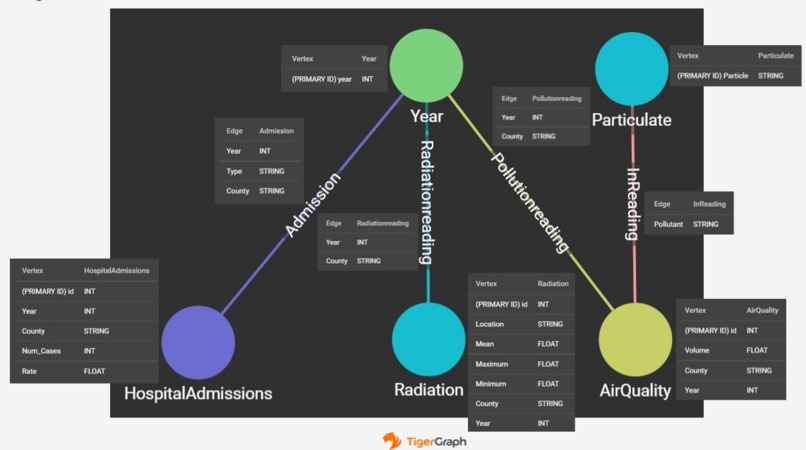
Design Schema
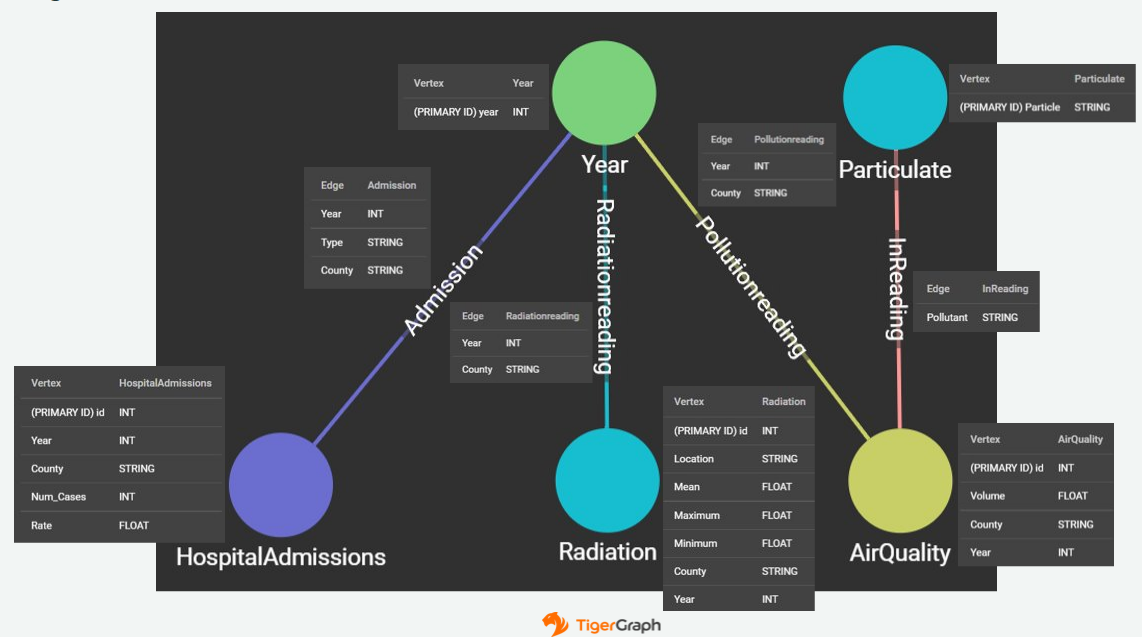
Inspiration
Air pollution within cities has been a talking point in recent years with large efforts to reduce the presence of toxic particulates in our air, such as London’s ultra-low emissions zone. However it is difficult to easily quantify the impact of air pollution specifically when different regions have so many different factors that contribute to the general health of the population. This project aims to build a framework that can be used to quickly build out other metrics to assess the causation of air pollution or ambient background radiation levels on lung/cancer related illnesses. This could be used by local councils and governments to better assess whether they need to make further efforts to improve conditions in their areas.
Is the Project Innovative?
By building a framework on which further datasets can be layered, it will be easy to explore additional measures to create full picture of the various factors that could affect public health across the UK.
Ambitiousness
This project doesn’t just aim to explore links between pollution/background radiation and cancer/lung disease risks, but hopes to create a framework upon which many other datasets can be appended to easily build up a scalable assessment of how various factors can affect public health. Building a “generalised” solution that lays the groundwork for future analytics projects is ambitious and goes beyond the typical scope of a data exploration.
Applicability
The ability to pinpoint exactly what is responsible for certain health issues in the UK would allow for targeted solutions on certain pollutants which are particularly responsible for illnesses within the UK, meaning that the most efficient and effective solutions will be applied instead of overly ambitious blanked emissions reductions which could be costly and take a longer time to bring about.
Challenges we ran into
Finding granulated data over a long time period, GSQL querying.
What we discovered
Links between background radiation and air quality were less distinct than initially thought. Lack of granularity in hospital admissions data– Sorted by year and county instead of time of admission and exact coordinates. Lack of granularity in air quality data. Location of where someone has been exposed to particulates and developed illness may differ from where they get admitted to hospital. (Moved location or no hospital near to where they lived) Other lifestyle choices such as smoking, drinking and exercise.
What's next for Environmental Impacts on Hospital Admissions
To further explore the link between air quality and lung diseases using larger datasets with more granulated data.

Log in or sign up for Devpost to join the conversation.