-
-
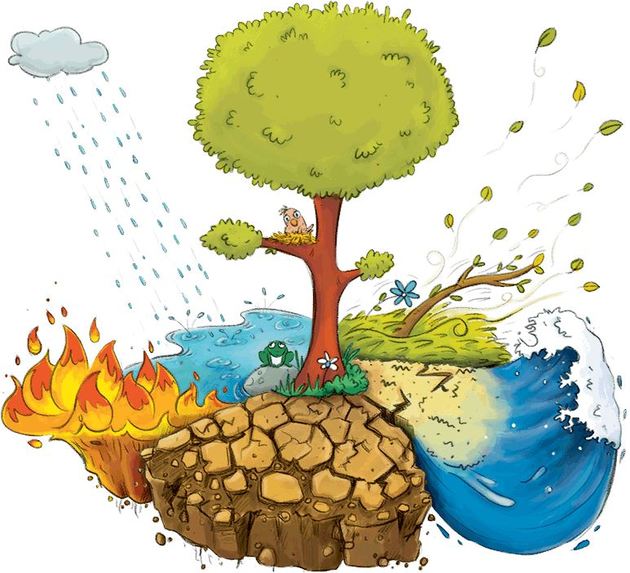
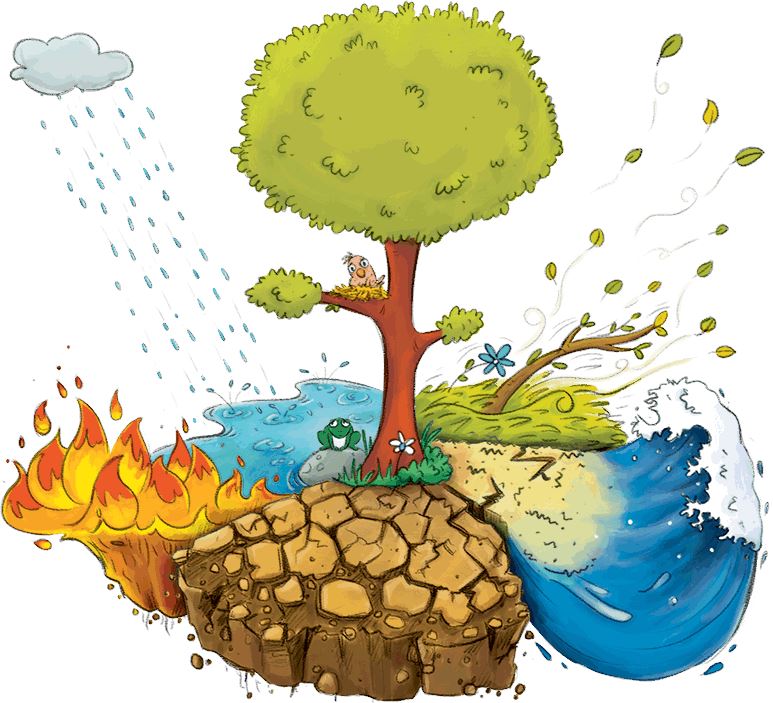
Disaster
- Reliable Real-Time Data Collection 🔍 Challenge: Gathering accurate, up-to-date data (earthquakes, floods, wildfires, etc.) from APIs or sensors.
❗ Why it’s hard: Data sources may be inconsistent, delayed, paid, or have limited regional coverage.
- Data Accuracy & Verification 🧠 Challenge: Avoiding false alarms or misinformation.
❗ Why it’s hard: Government data, citizen reports, and news may conflict — you need filtering, trust scores, or verification logic.
- Integration with Maps & Geo-coordinates 🗺️ Challenge: Displaying disaster zones, safe zones, or evacuation routes using geolocation and map APIs.
❗ Why it’s hard: Requires working with mapping libraries (like Leaflet, Mapbox, Google Maps) and accurate geo-tagged data.
- User Alerts and Notification Systems 🔔 Challenge: Sending live alerts to users based on location (via SMS, email, app notification).
❗ Why it’s hard: Requires reliable backend infrastructure and integration with third-party services like Twilio or Firebase.
- Offline Support and Network Failures 📴 Challenge: Disasters often take down internet or electricity.
❗ Why it’s hard: Requires local caching, SMS-based systems, or mesh networks for communication.
- AI/ML for Predictive Analysis 🤖 Challenge: Forecasting disasters or damage using historical data and ML.
❗ Why it’s hard: Requires large datasets, domain expertise, and trained models (like predicting flood zones or wildfire spread).
- Scalability Under High Load 📈 Challenge: Spikes in traffic during disaster events.
❗ Why it’s hard: Your app must scale fast without crashing under pressure.
- Security and Privacy 🔐 Challenge: Protecting user data (location, identity).
❗ Why it’s hard: Disasters are prime times for data breaches or misuse.
- Multi-language and Accessibility Support 🌍 Challenge: Reaching people from different regions, literacy levels, and disabilities.
❗ Why it’s hard: Requires thoughtful UI/UX, translation, and maybe even voice-based systems.
- Collaboration with Authorities and NGOs 🏛️ Challenge: Syncing with official response teams and protocols.
❗ Why it’s hard: Government systems may be outdated or restricted, and coordination is difficult during crises.
✅ Conclusion: Creating a disaster management app involves more than just coding — it blends real-time data, geolocation, communication systems, AI, and human-centered design, all while preparing for the worst.


Log in or sign up for Devpost to join the conversation.