-
-
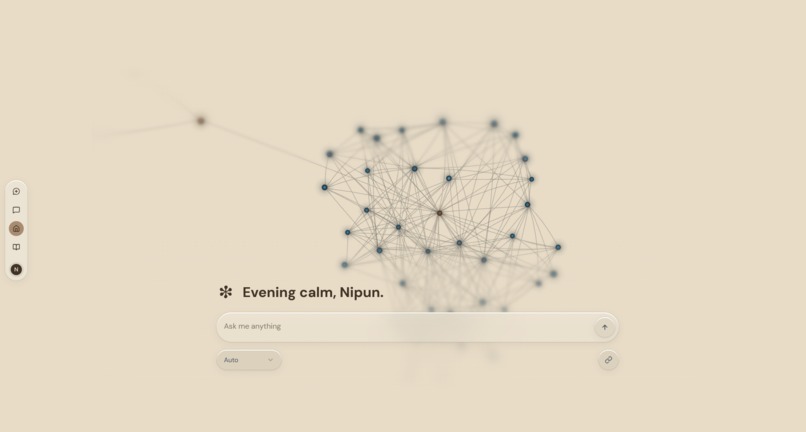
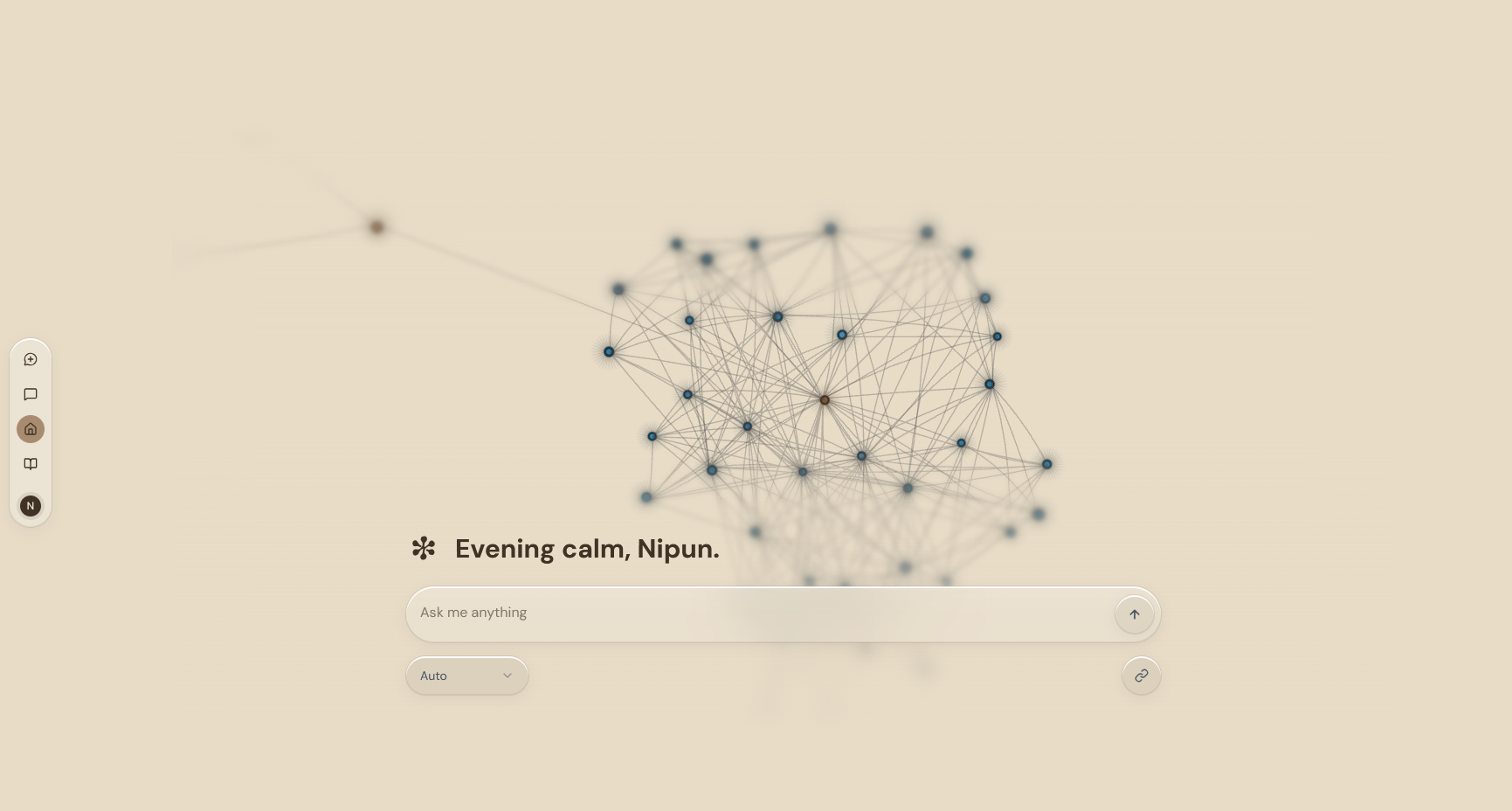
Dashboard. Three JS visualisation of user's neurons - Vector representation.
-
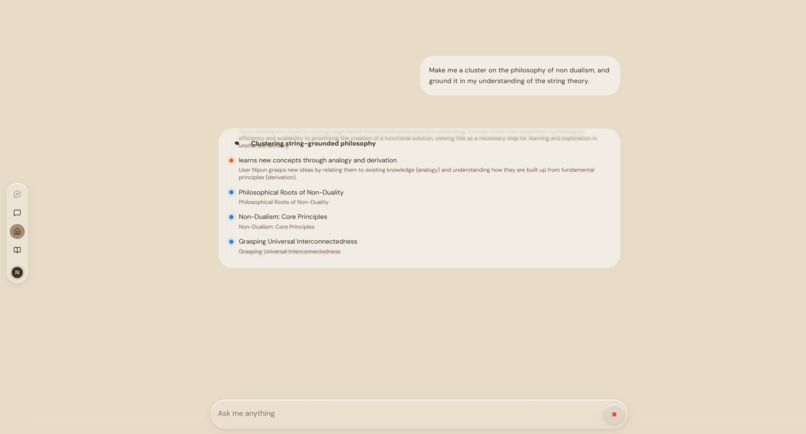
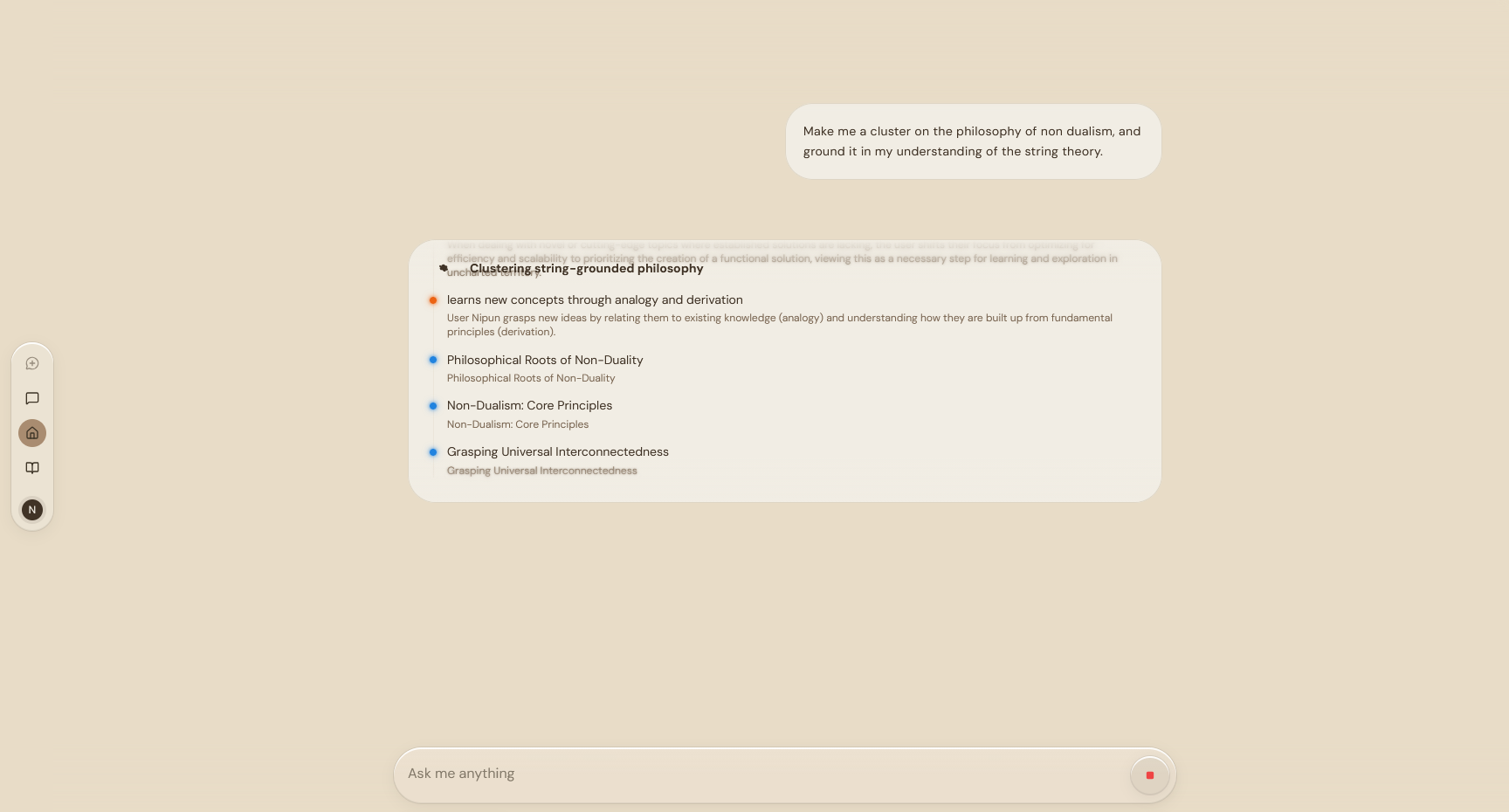
Gemini 3 accessing user's relevant "neuron" vectors for personalised generation.
-
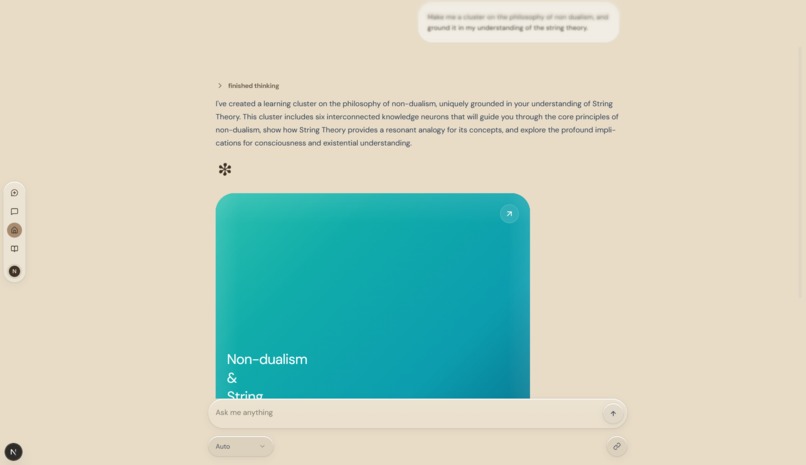
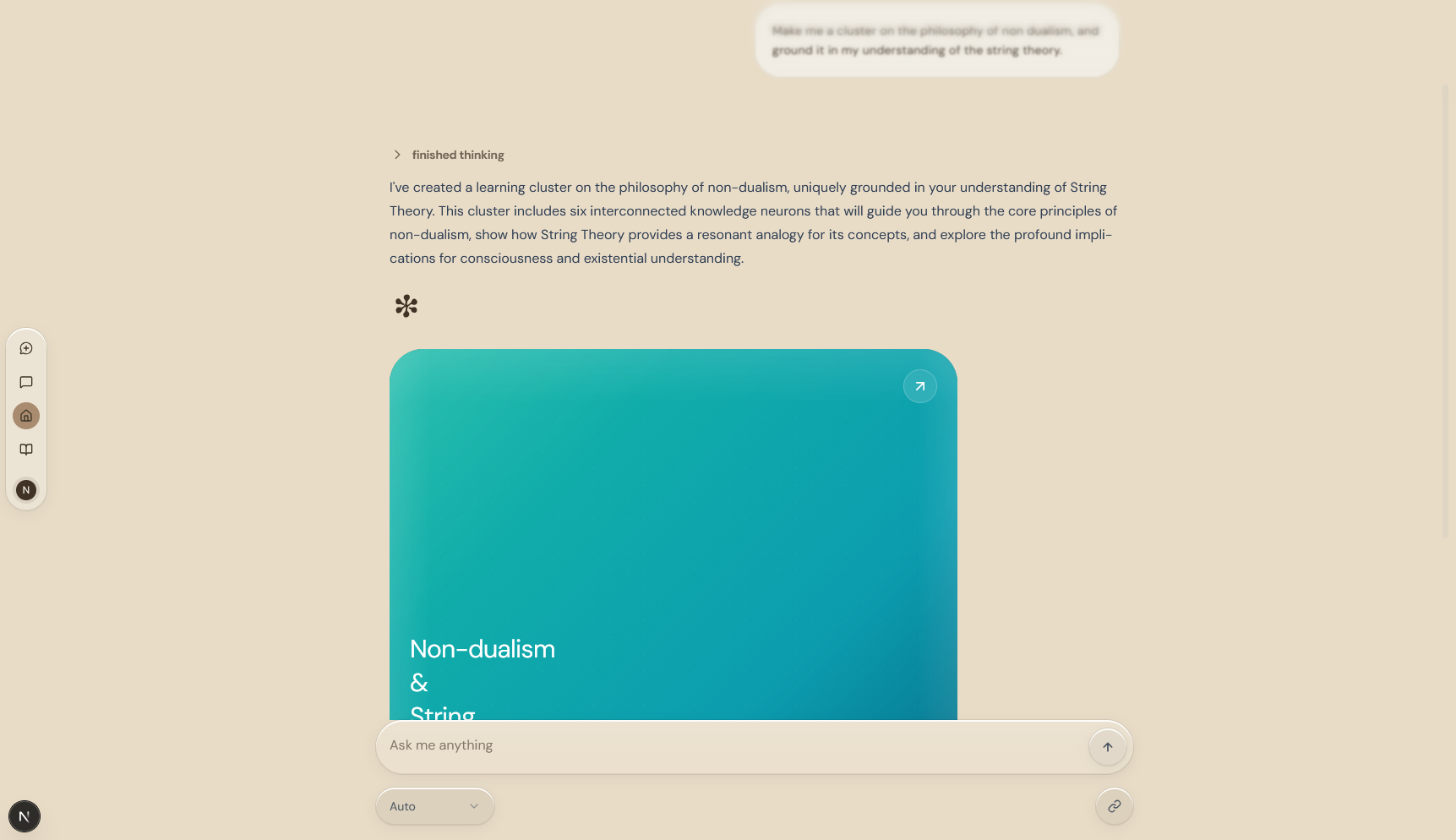
Cluster UI showing in chat.
-
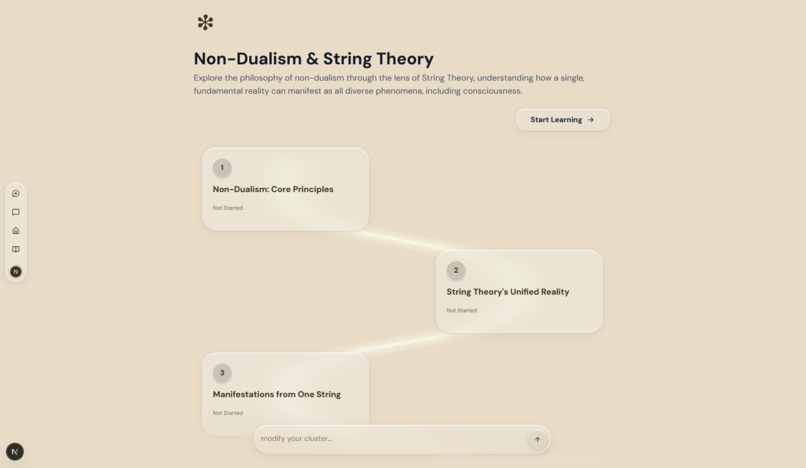
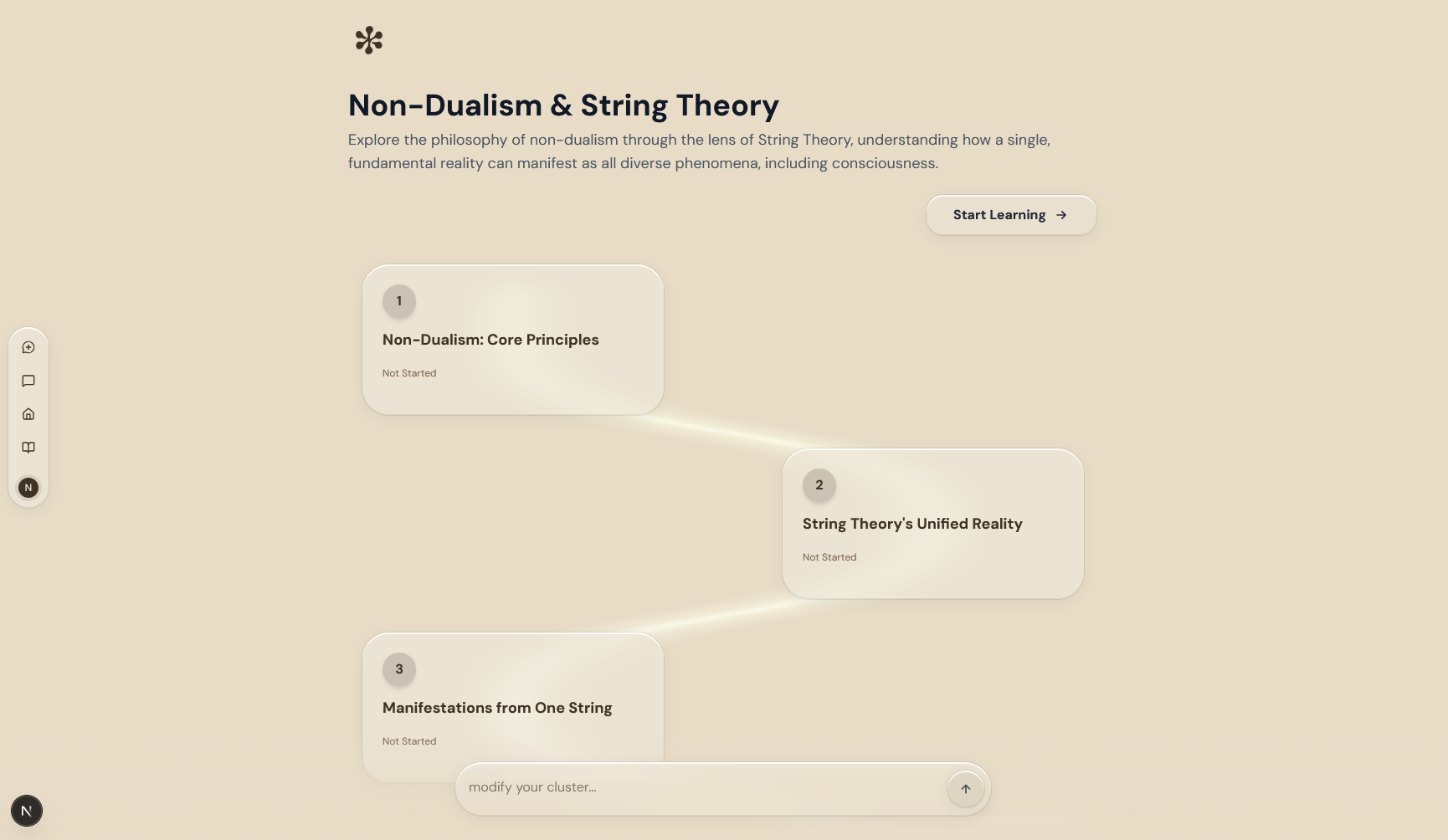
The neuron roadmap for the user to enter, and modify via chat at the bottom.
-
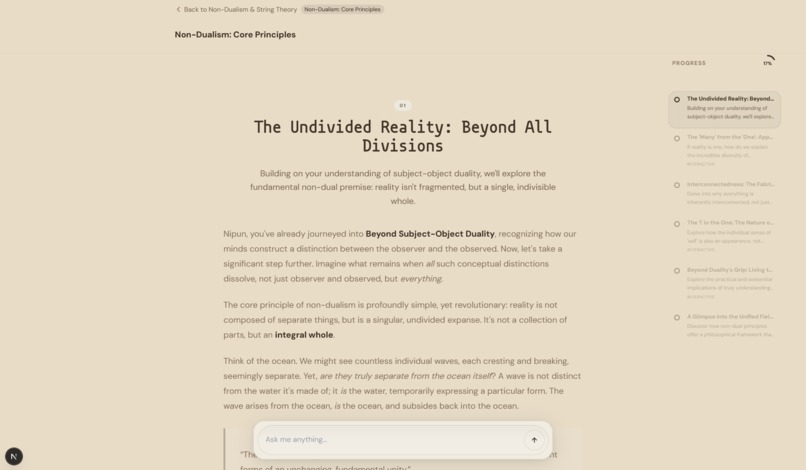
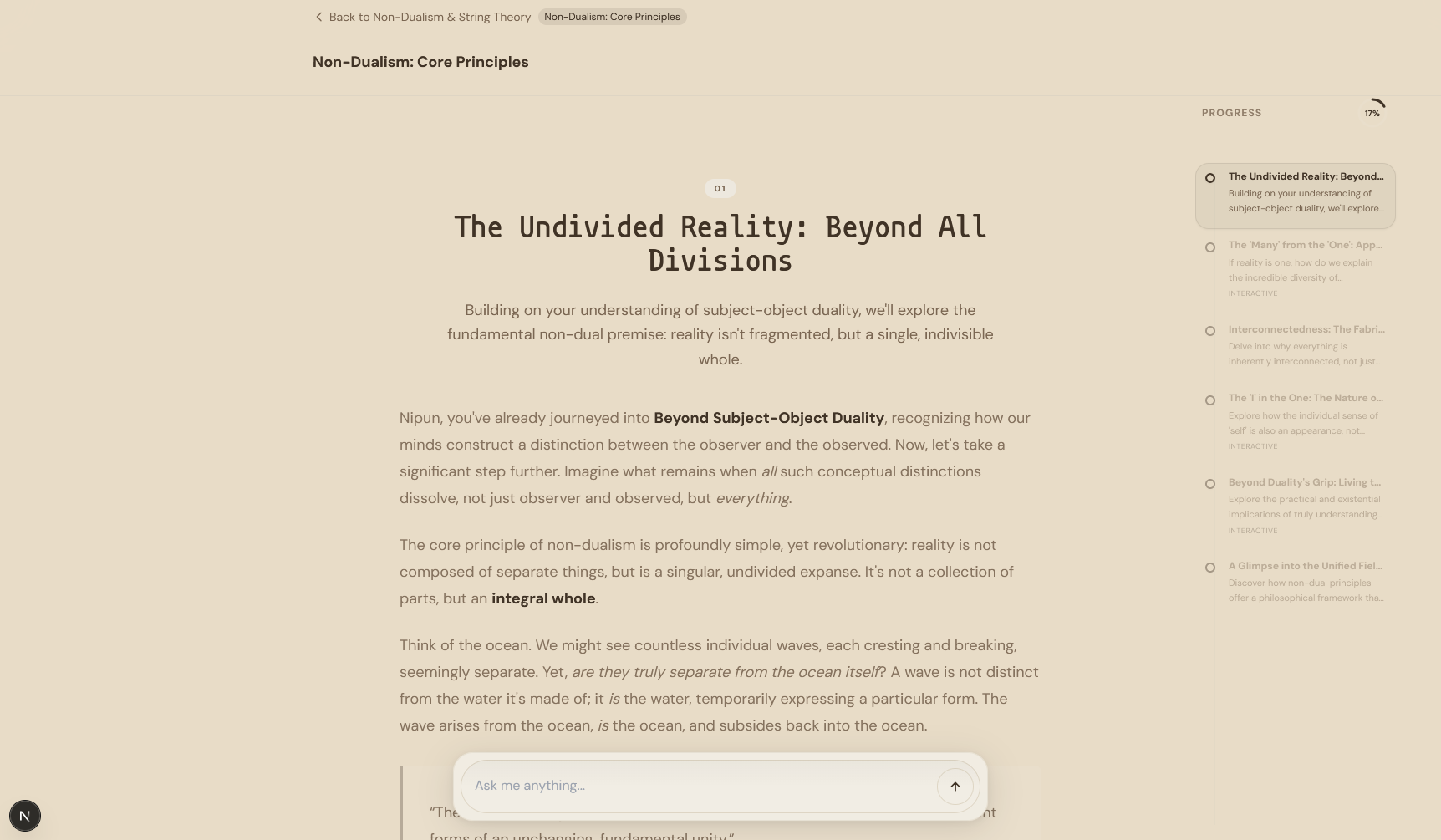
The general learning UI. With text, images, interactive diagrams (all generated by gemini 3 + nano banana).
-
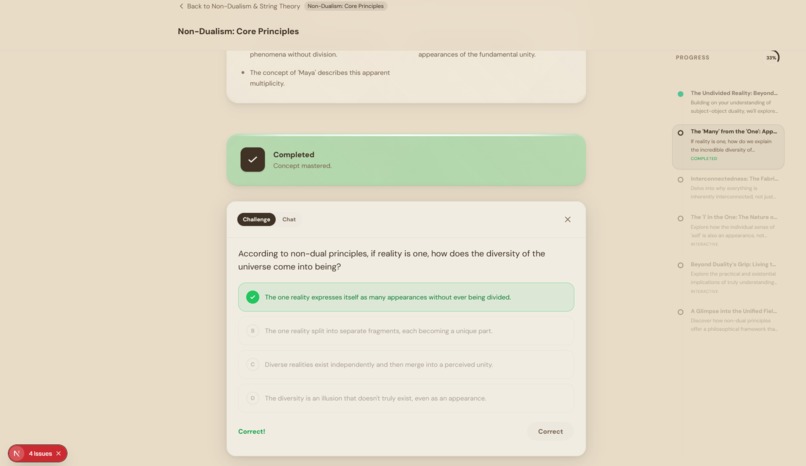
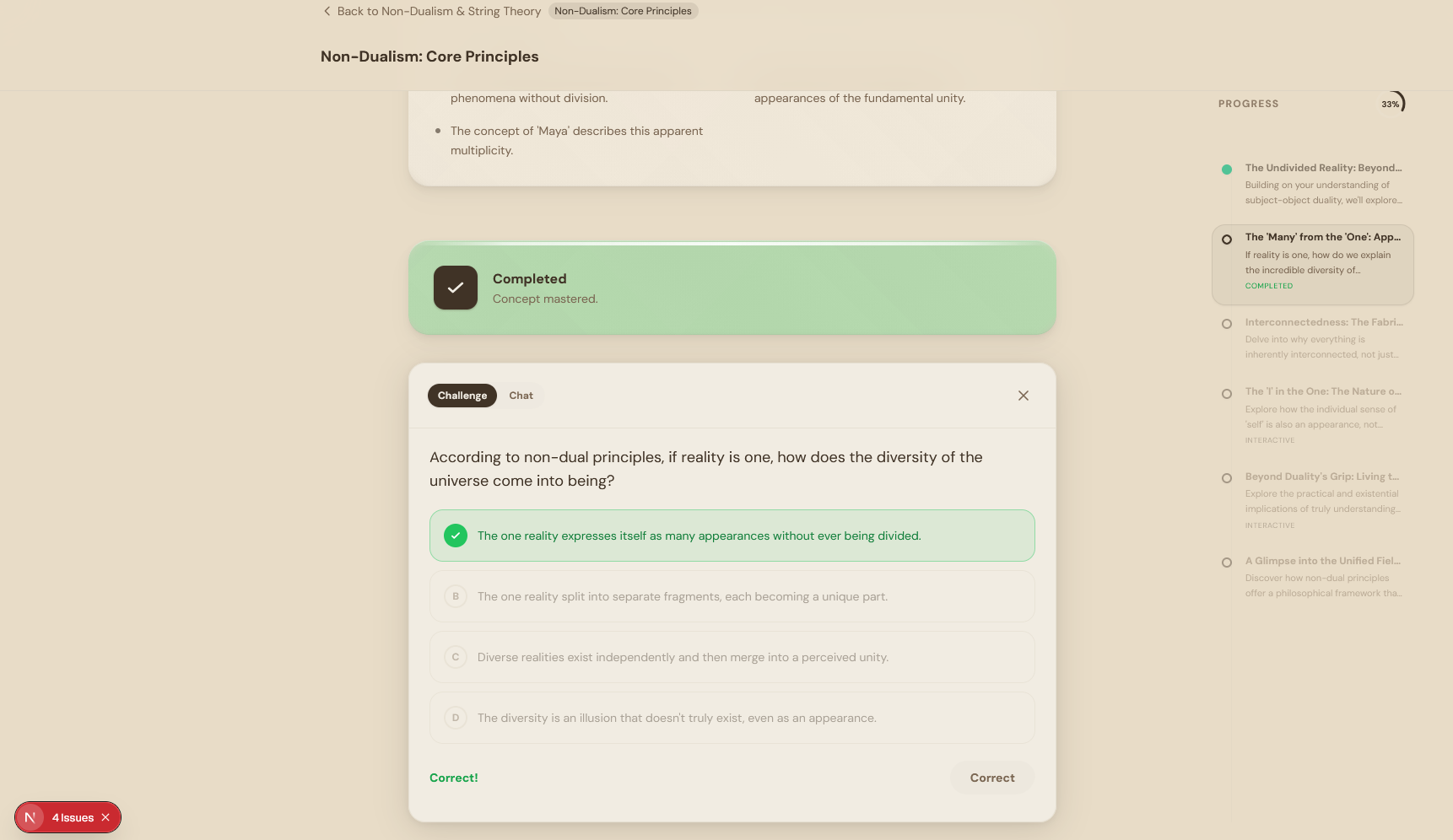
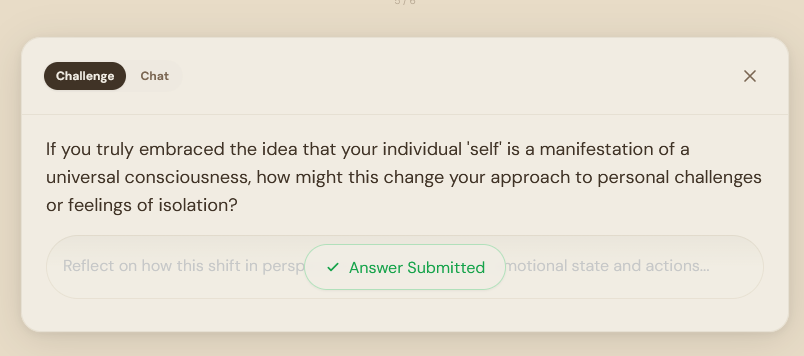
Interactive and moulding dynamic playground UI that flows with the learning UI.
-
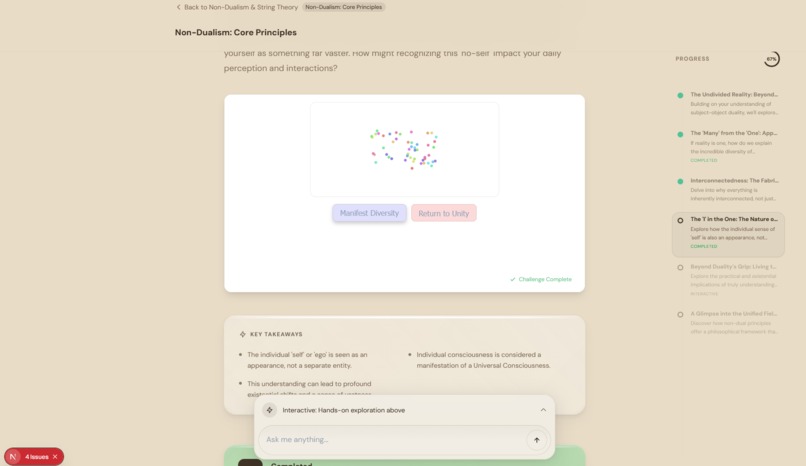
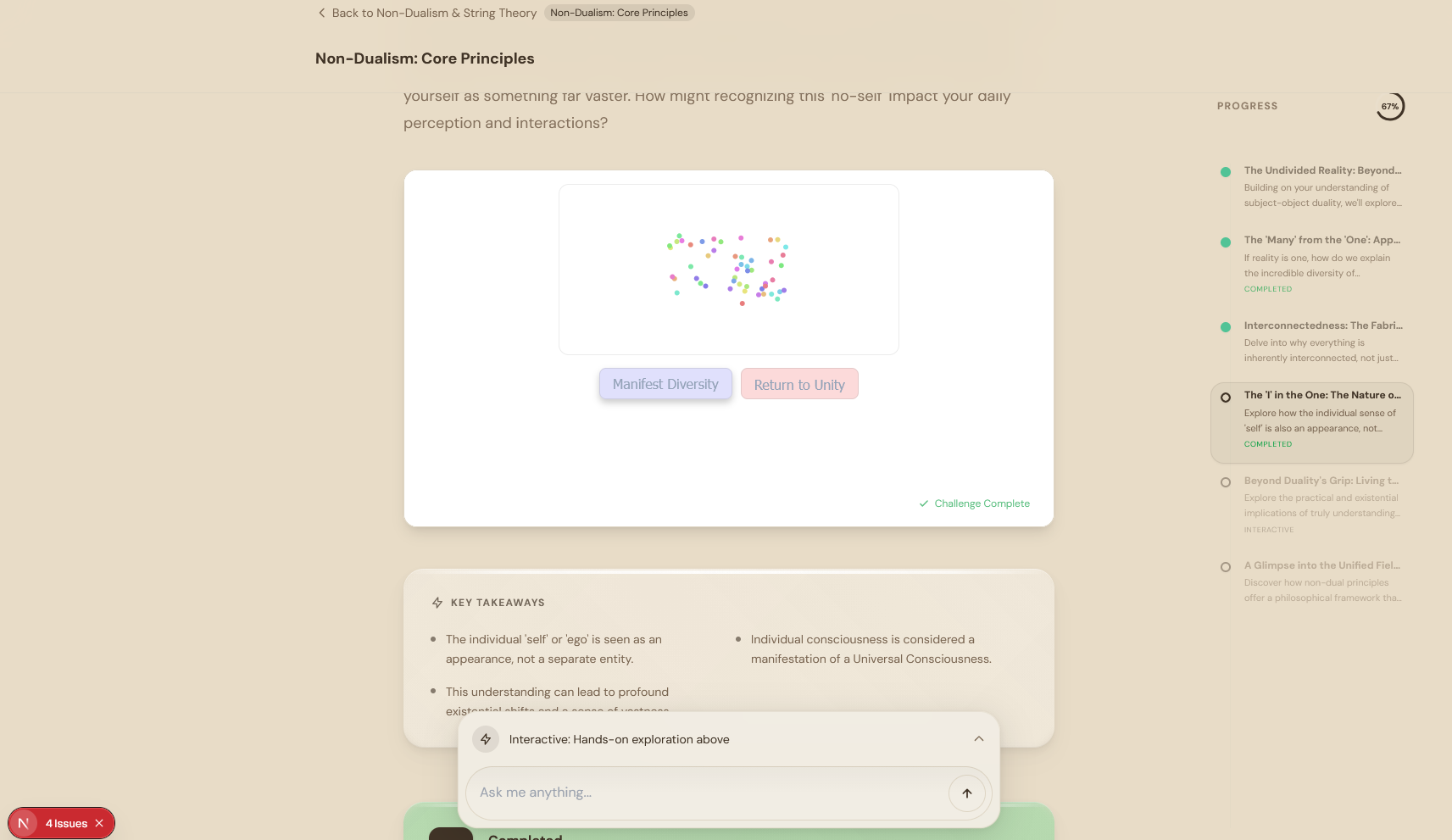
Demonstration of "building block" coded by gemini and compiled to aid with teaching.
-
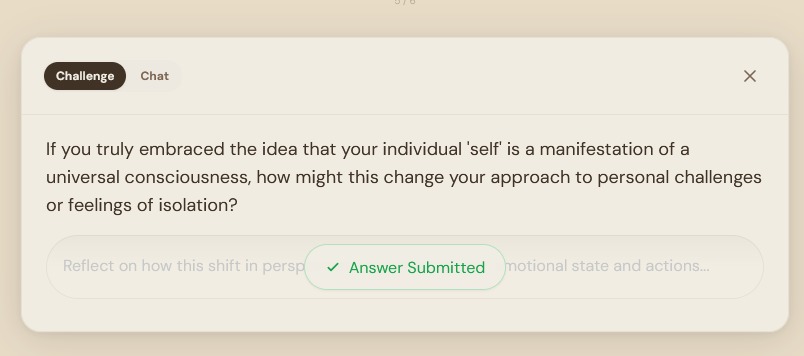
Closer look at dynamic playground component.
Inspiration
Students waste hours using generic resources that don’t match how they actually learn. Engram was inspired by the idea that learning should adapt to the student and not the other way around.
What it does
Engram is personalised AI edtech: you ask for a topic, it analyses your “neurons” (what you know, what you forget, and what you need next), then generates a tailored lesson and learning roadmap.
How we built it
We built Engram using an AI-driven pipeline that breaks topics into key concepts, maps them to the user’s understanding, and delivers structured lessons with spaced reinforcement. We use analogies and terms to allow the user to understand better how the systems work under the hood, with neurons being fundamental self contained units of knowledge, with each neuron forming connections and clusters to form a unique understanding. These clusters are created in collaboration with the user, allowing the user to fully leverage the range of Gemini 3.
Challenges we ran into
The hardest part was designing a system that doesn’t just give answers, but actually teaches while keeping personalisation fast, accurate, and meaningful. This required a full first principles analysis of the process of learning free of any previous pre-AI methodologies. The highest degree of personalisation is when the LLM can fully analyse everything the user knows and best leverage that to introduce new knowledge in a memorable, efficient and meaningful way, free of jargon and gradually leveling the user up from their current knowledge.
Accomplishments that we're proud of
We created a working concept of a “Neuron Engine” that turns student requests into adaptive lessons, making learning feel individual and guided.
What we learned
True learning tools aren’t about more content - they’re about the right content at the right time, based on the learner’s unique gaps and progress.
What's next for Engram
Next, we’re expanding Engram into a full learning companion with deeper profile analysis, long-term skill tracking, and support for schools, universities, and workplace training
Ultimately, it gave a glimpse at a conduit of how personalised software in the future could be delivered, with a bunch of generalised "building block" components that have consistent design, and adaptability, chosen by an LLM or intelligence of some sort to construct a unified, yet personalised software experience. Furthermore, we innovated on the learning UI, rather than being a large write up, we attempted to make it more interactive, with a "dynamic playground" at the centre bottom of the page where the user most interacts with the knowledge, with generated text, diagrams and images (created and thought of by Gemini 3), at the highest level, moulds and flows around the user to best suit them. This interface is, at large, closer to a chatbot than an article.
Built With
- gemini
- nextjs
- pinecone
- supabase
- typescript
- vercel


Log in or sign up for Devpost to join the conversation.