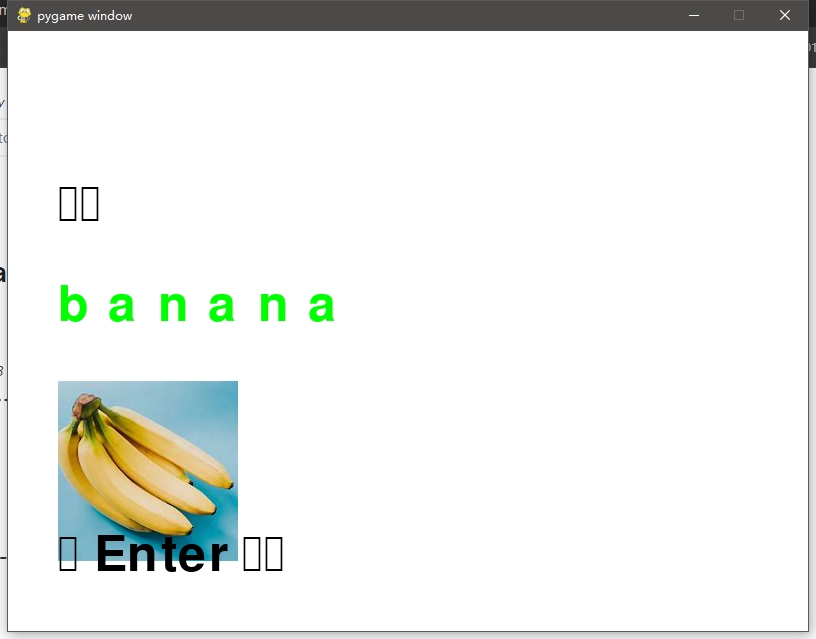
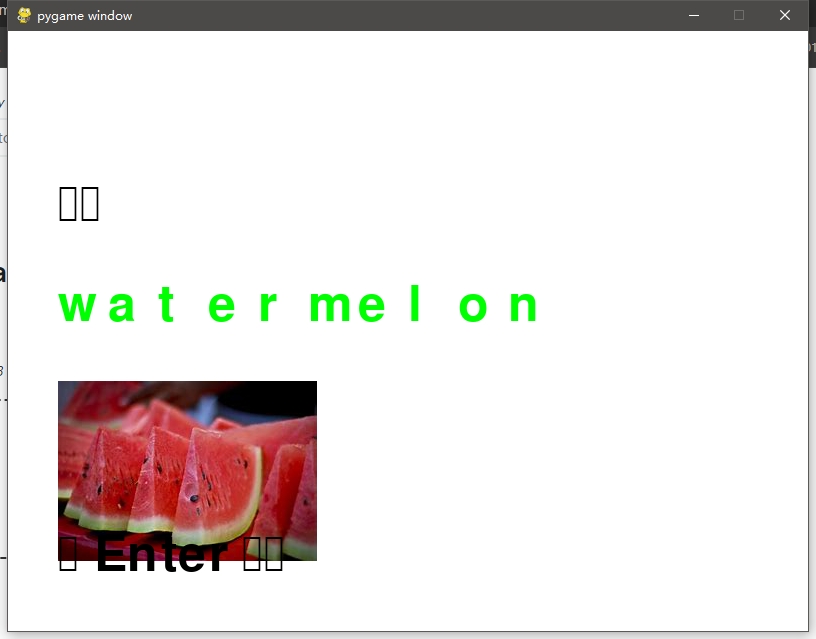
Inspiration The inspiration behind this project came from the need to enhance the traditional methods of learning English spelling. Often, spelling practice is repetitive and lacks contextual understanding, making it less engaging for learners. By integrating a knowledge graph, we sought to create a system that not only helps users practice spelling but also provides context and connections between words. This approach allows learners to understand the relationships between words, enhancing both their spelling skills and overall language comprehension.
What it does The English spelling practice system based on a knowledge graph offers a dynamic and interactive way for users to practice spelling. The system presents users with words that are connected within a knowledge graph, highlighting their relationships with other words, such as synonyms, antonyms, categories, and related concepts. As users practice spelling, the system provides immediate feedback, offers hints based on the word's connections within the graph, and tracks progress over time. The goal is to make spelling practice more meaningful and to reinforce learning through context and relationships between words.
How we built it The system was built using a combination of natural language processing (NLP), knowledge graph technology, and a user-friendly interface:
Data Collection: We began by gathering a large corpus of English words and their relationships, including synonyms, antonyms, categories, and other relevant connections. Knowledge Graph Construction: Using tools like Neo4j, we built a knowledge graph that maps out these relationships, allowing us to visualize and query connections between words. Backend Development: The backend was developed in Python, utilizing NLP libraries like NLTK and SpaCy for word analysis, and integrating the knowledge graph for word selection and hint generation. Frontend Development: The user interface was built using JavaScript frameworks such as React, ensuring an interactive and responsive user experience. The interface allows users to type words, receive feedback, and explore word connections within the knowledge graph. Integration: We integrated the frontend and backend, ensuring smooth interaction between the user interface and the knowledge graph, enabling real-time feedback and dynamic word selection. Challenges we ran into Complexity of the Knowledge Graph: Creating and managing a comprehensive knowledge graph that accurately represents the relationships between thousands of words was a significant challenge. Ensuring the graph remained efficient and scalable required careful optimization. User Engagement: Designing the system to keep users engaged during spelling practice was another challenge. Balancing the complexity of the knowledge graph with an intuitive and enjoyable user experience required iterative design and testing. Real-time Feedback: Implementing real-time feedback that is both helpful and informative, without overwhelming the user, was a delicate balance. Ensuring that hints based on the knowledge graph were useful but not too revealing was particularly challenging. Accomplishments that we're proud of Innovative Use of Knowledge Graphs: Successfully integrating a knowledge graph into a spelling practice system is an accomplishment we're particularly proud of. It adds a new dimension to language learning by providing context and connections between words. User-Centered Design: Creating an interface that is both engaging and educational, which has received positive feedback from early users, is another significant achievement. The system not only helps users practice spelling but also deepens their understanding of language. Scalability: We managed to build a system that can scale with a growing knowledge graph, allowing for continuous expansion of word relationships and the addition of new features in the future. What we learned Importance of Context in Learning: We learned that providing context through word relationships significantly enhances the learning experience. Users are more likely to remember spellings when they understand how words are connected. Iterative Design is Key: Through multiple iterations and user testing, we learned that fine-tuning both the interface and backend is crucial for creating a seamless and effective learning tool. Technical Challenges of Knowledge Graphs: Building and maintaining a knowledge graph requires a deep understanding of both the data and the tools used to manage it. This project deepened our expertise in knowledge graph technology and its applications. What's next for English spelling practice system based on knowledge graph Expanding the Knowledge Graph: We plan to continuously expand the knowledge graph to include more words and richer connections, such as idiomatic expressions, word etymology, and pronunciation guides. Adaptive Learning: Implementing adaptive learning algorithms that tailor the difficulty of spelling practice to individual users based on their progress and areas of difficulty. Multilingual Support: Expanding the system to support multiple languages, allowing users to practice spelling in various languages using similar knowledge graph principles. Gamification: Adding gamification elements like rewards, levels, and challenges to make the learning process even more engaging and fun. Mobile Application: Developing a mobile version of the system to make it accessible to users on the go, providing more opportunities for practice and learning.

Log in or sign up for Devpost to join the conversation.